
 By Muke
Artificial Intelligence in Cryptocurrency Analysis: A Practical Guide
Cryptocurrency markets move fast, trade 24/7, and combine price action, order-book dynamics, derivatives positioning, on-chain behavior, and social narratives into one noisy stream. That’s exactly why Artificial Intelligence in Cryptocurrency Analysis: A Practical Guide matters: AI helps you turn messy, multi-source data into repeatable research—not vibes.
In this guide, you’ll learn a practical, research-style workflow you can apply immediately. We’ll also reference SimianX AI as an example of how multi-agent, structured analysis thinking can keep your crypto research consistent—especially when you want a documented decision trail and clear next questions.
Why AI Works So Well for Crypto (and Where It Fails)
Crypto is a perfect “AI problem” because it’s:
- High frequency and high noise (microstructure + headline-driven spikes)
- Multi-modal (numbers + text + graphs of wallet flows)
- Regime-shifting (bull, bear, sideways, macro shock)
- Adversarial (manipulation, wash trading, coordinated social campaigns)
Where AI fails is just as important:
- Data leakage (future info sneaks into features)
- Non-stationarity (yesterday’s edge dies tomorrow)
- Overfitting (backtests that look perfect and trade terribly)
- Hidden costs (fees, slippage, borrow, funding)
Key takeaway: AI doesn’t replace thinking—it enforces a disciplined loop: hypothesis → data → model → evaluation → decision → monitoring.
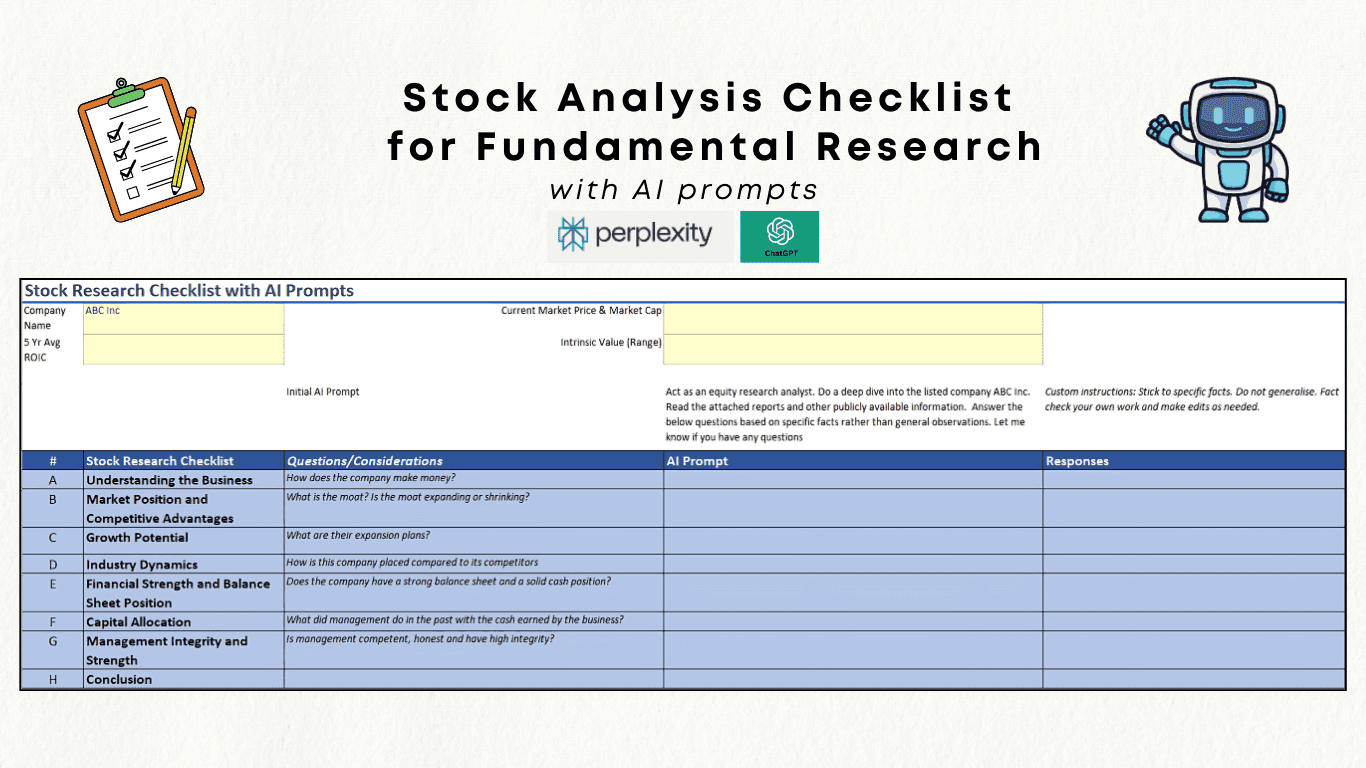
How to Use Artificial Intelligence in Cryptocurrency Analysis Step by Step?
A practical workflow looks like this:
- Define the decision
- Are you forecasting BTC direction (next 4h)? Detecting whale accumulation? Screening for altcoin momentum? Hedging risk?
- Choose the target
- Examples: next-period return, volatility, liquidation risk, breakout probability, “smart money inflow” score.
- Build a data map
- Market data (OHLCV), order books, derivatives, on-chain, news, social, macro.
- Engineer features you can explain
- Use features that reflect mechanisms (flows, positioning, liquidity), not only “magic indicators.”
- Train with leakage-proof splits
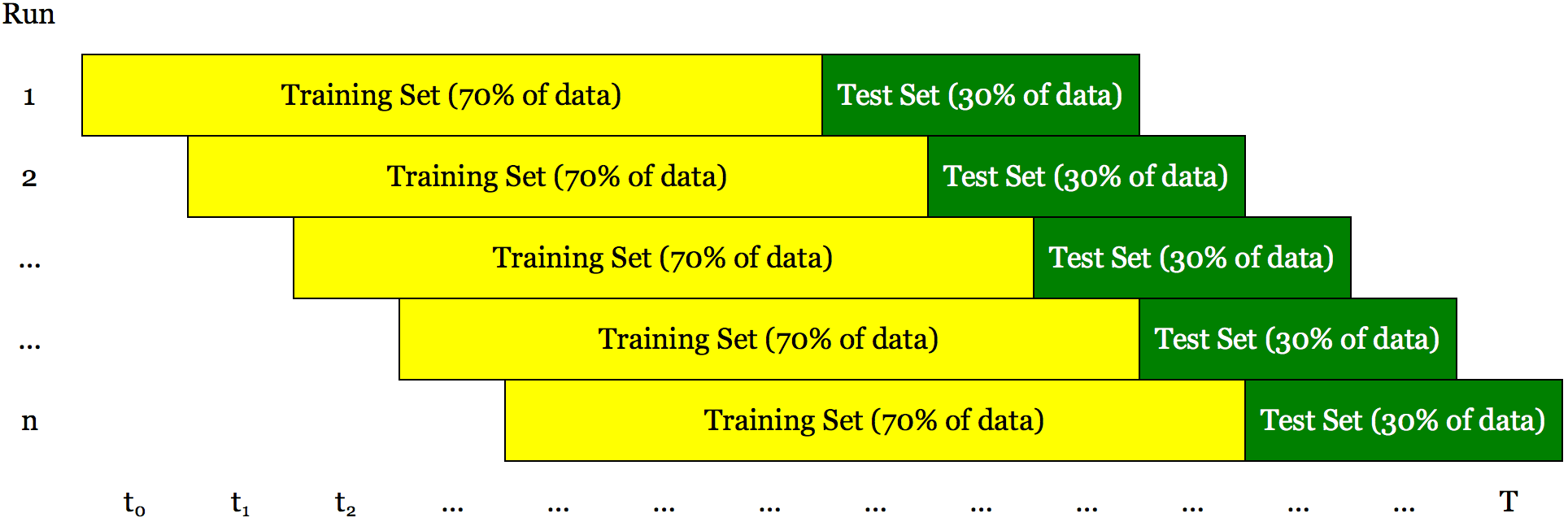
- Time-based split, walk-forward validation, purge overlapping windows.
- Evaluate with trading reality
- Add costs, slippage, latency, and capacity constraints.
- Deploy with guardrails
- Position sizing, stop rules, max drawdown, “model confidence” gating.
- Monitor drift
- Regime changes, feature distribution shifts, performance decay.
A simple research checklist you can reuse
- Hypothesis: “Large net exchange outflows + rising funding = bullish continuation.”
- Mechanism: Outflows reduce sell pressure; funding reflects long demand.
- Test: Walk-forward backtest with transaction costs and regime filters.
- Decision rule: Only trade when signals agree and volatility is within bounds.
| Step | What you do | Output you want | Common pitfall |
|---|---|---|---|
| Define | Choose decision + horizon | Clear target variable | “Predict price” (too vague) |
| Data | Select sources + frequency | Data dictionary | Mixing timestamps (leakage) |
| Features | Transform into signals | Explainable feature set | Over-engineering indicators |
| Model | Train baselines first | Benchmark comparison | Skipping baselines |
| Evaluate | Walk-forward + costs | Robust performance | Ignoring slippage |
| Deploy | Add risk rules | Safe execution | “Model says buy” with no guardrails |
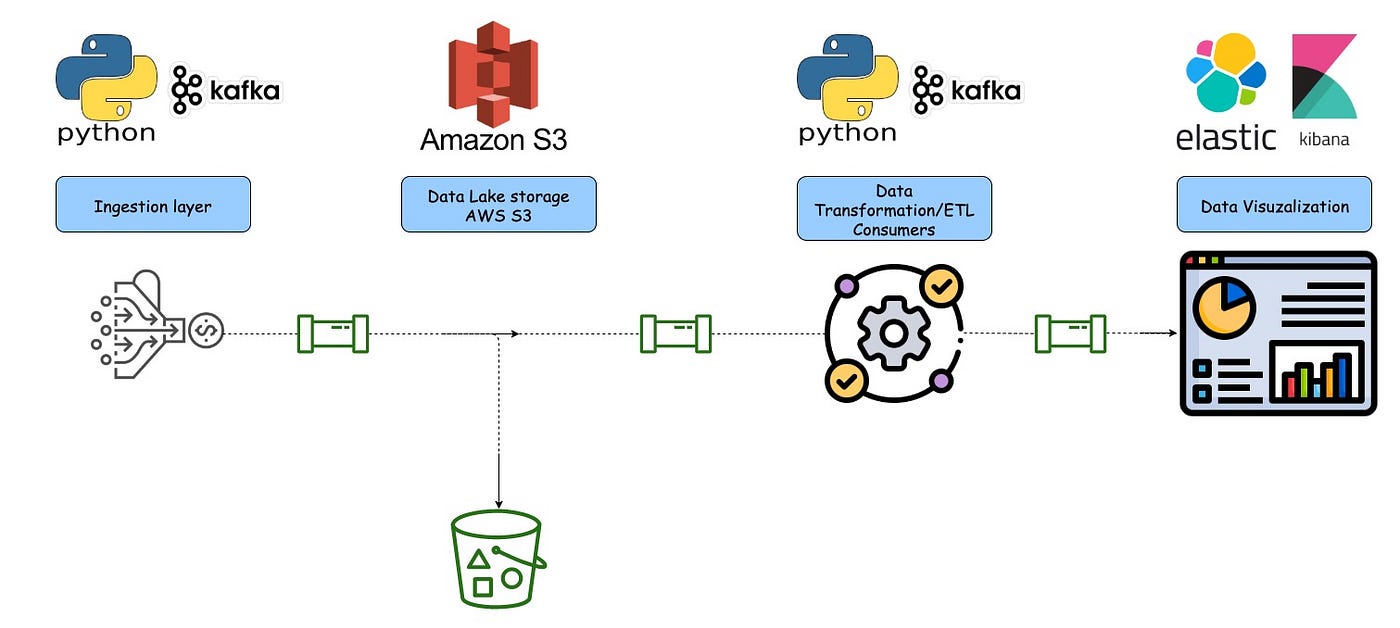
The Data Stack: What to Collect (and Why)
You don’t need everything. You need the right things for your decision.
1) Market + microstructure data
- OHLCV across venues (spot + perp)
- Order-book snapshots (depth imbalance, spread, liquidity gaps)
- Trades (aggressor side if available)
Useful features:
- Realized volatility, momentum, mean reversion stats
- Order-book imbalance, spread widening, depth shocks
2) Derivatives data
- Funding rates, open interest, basis
- Liquidations, long/short ratio (exchange-specific)
Useful features:
- Crowdedness proxies (OI change + funding)
- “Squeeze risk” signals (OI up + liquidity down)
3) On-chain data (behavioral fundamentals)
- Exchange inflows/outflows
- Whale wallets and cohort flows
- Stablecoin issuance/flows (context-dependent)
- Network usage metrics (careful: can be gamed)
Useful features:
- Net exchange flow (potential sell pressure)
- Dormancy / coin days destroyed (long-term holder behavior)
- Entity-adjusted metrics (when available)
4) Text data: news + narratives
- Headlines, regulatory updates, project announcements
- Social channels (Reddit, X, Telegram—quality varies)
Useful features:
- NLP-based sentiment (but validate!)
- Topic shifts (e.g., “ETF”, “hack”, “airdrop”)
Practical rule: if a feature can’t be described in one sentence, it’s hard to trust in a drawdown.
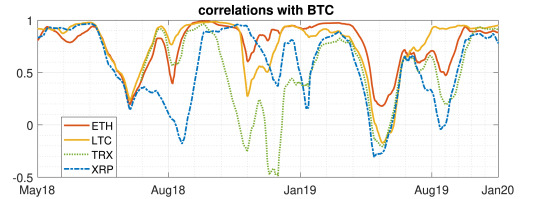
Modeling Approaches That Actually Work
Think in “model families,” then match them to your problem.
Time-series forecasting (prices/volatility)
- Gradient boosting on engineered features (strong baseline)
- Temporal CNN / RNN / Transformer variants (only if you have enough data and careful validation)
When it fits:
- Short-horizon direction probability
- Volatility forecasting for risk sizing
NLP for sentiment and event extraction
- Classify headlines: bullish/bearish/neutral for a specific asset
- Extract event types: hack, listing, partnership, regulatory action
- Track narrative drift over time
When it fits:
- Event-driven spikes
- Filtering trades during “headline chaos”
Graph + anomaly detection for on-chain behavior
- Wallet network features (centrality, flow concentration)
- Unsupervised anomaly detection for unusual flows or contract activity
When it fits:
- “Whale movement” alerts
- Detecting abnormal token distribution changes
Portfolio and decision layers (the overlooked part)
Even a perfect predictor can fail if decisions are wrong.
- Convert predictions into position sizing and risk budgets
- Use confidence thresholds and “no-trade zones”
Bold idea that saves real money: treat prediction as one input, and optimize the decision policy.
What is the best model for short-term crypto price prediction?
There isn’t one universal “best model.” In practice, feature-driven baselines (like boosted trees) often outperform deep models once you include realistic constraints (costs, slippage, regime changes). Deep models can win, but only when you control leakage, have stable data pipelines, and monitor drift aggressively.
Evaluation: The Part Most “AI Crypto Signals” Get Wrong
To keep your research honest, evaluate at two levels:
1) Prediction quality
- Classification: precision/recall, ROC-AUC (careful with imbalance)
- Regression: MAE/RMSE, correlation with returns, calibration
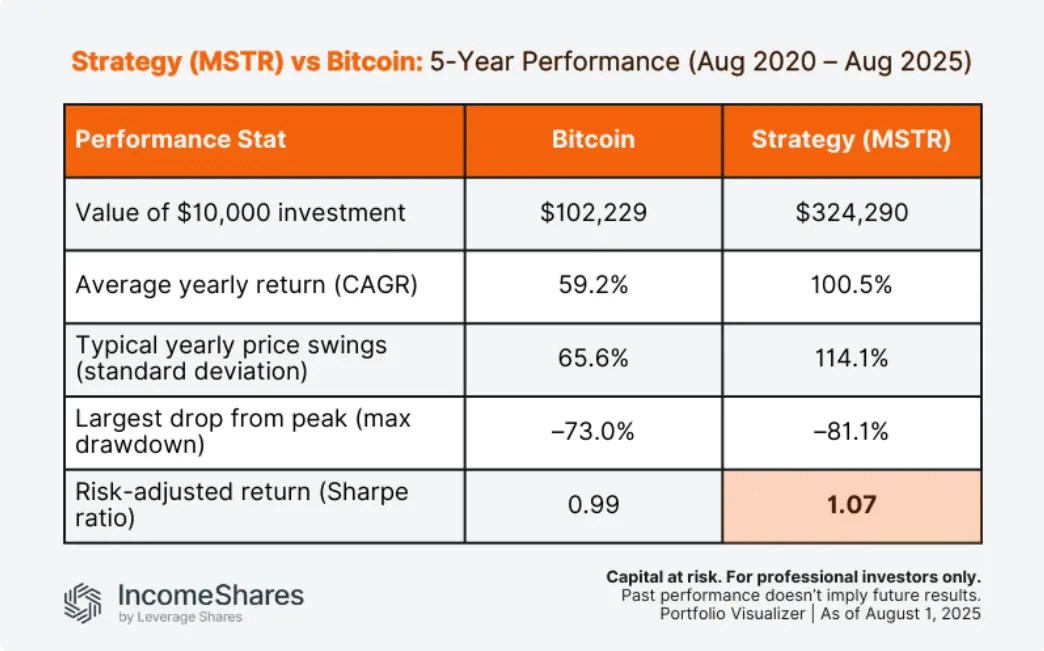
2) Trading performance (what matters)
- Hit rate, average win/loss, max drawdown
- Sharpe/Sortino (use consistently)
- Turnover and cost sensitivity
- Capacity (does it break when size increases?)
A leakage-proof backtest routine
- Use time-based splits
- Perform walk-forward (train → validate → roll)
- Purge overlapping samples if you use rolling windows
- Add costs and slippage (stress test them)
A minimal pseudo-workflow (illustrative):
- Load data (timestamps aligned to exchange time)
- Create features using only past information
- Split: train (past) / validate (future)
- Walk-forward: repeat across multiple windows
- Convert predictions -> trades with risk rules
- Report: returns, drawdown, turnover, cost sensitivity
Risk, Robustness, and Failure Modes
Your model will break. Your job is to make sure it breaks safely.
Common failure modes in crypto AI
- Regime shift (macro shock, ETF flows, stablecoin stress)
- Venue-specific artifacts (one exchange prints weird data)
- Manipulation (spoofing, wash trading, coordinated pumps)
- Latency mismatch (signal uses data you can’t act on fast enough)
Guardrails you should implement
- Position sizing based on volatility
- Max daily loss + max drawdown stop
- “No trade” during extreme spreads / illiquidity
- Model confidence gating (trade only when calibrated confidence is high)
- Kill-switch on pipeline anomalies (missing data, outliers)
A strong crypto AI system is less about being right every time—and more about avoiding catastrophic wrongness.
A Multi-Agent Workflow for Crypto Research (How to Stay Consistent)
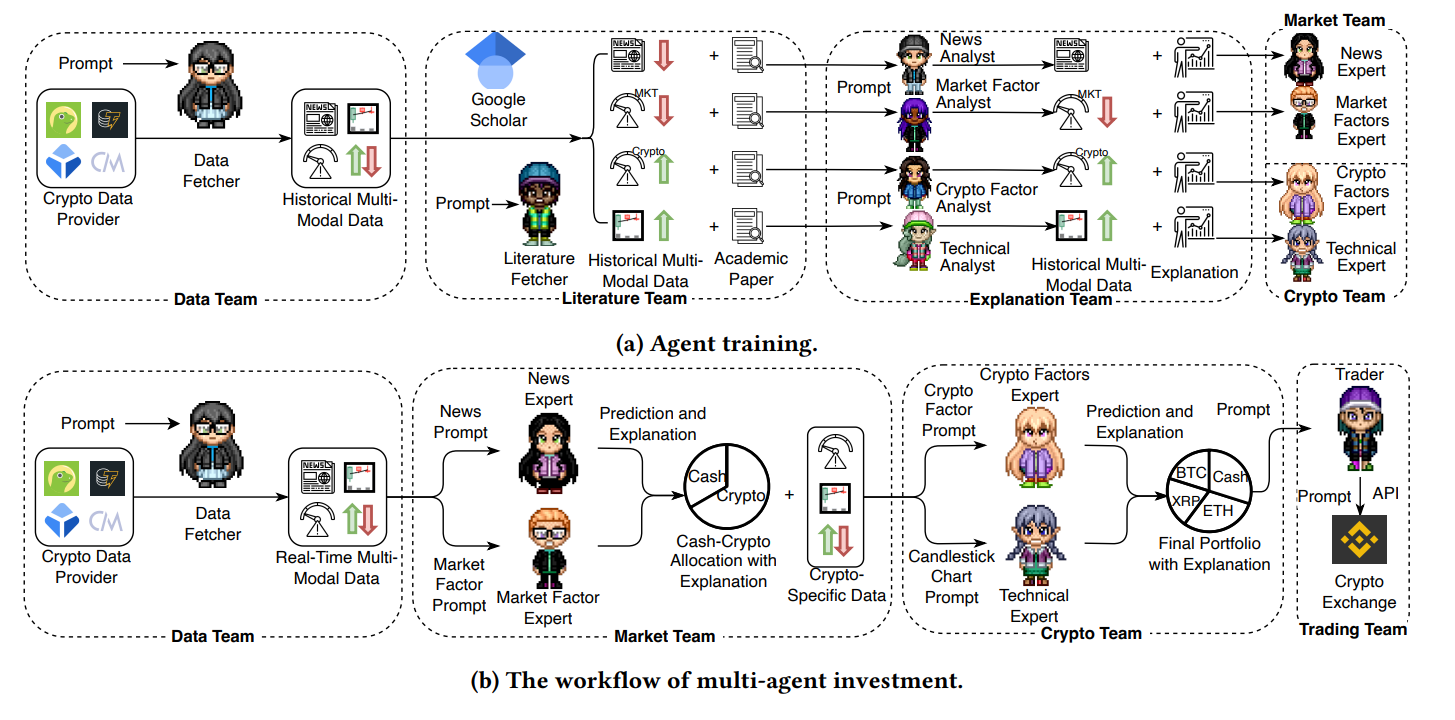
One of the hardest parts of crypto research is consistency: you’re juggling microstructure, macro, on-chain behavior, and narratives at once. A practical solution is to adopt a multi-role workflow (human or AI-assisted) where each “agent” owns a slice of reality.
For example, SimianX AI popularizes the idea of parallel agents debating and producing a shareable report—use that structure as a template for crypto research even if your exact tools differ.
A crypto-oriented agent lineup:
- Market Structure Agent: spreads, liquidity, order-book imbalance
- Derivatives Agent: funding, OI, basis, liquidation risk
- On-Chain Agent: exchange flows, whale cohorts, anomalies
- Narrative Agent: news + social topics, event extraction
- Risk Officer: position sizing, stops, exposure limits
- Research Manager: synthesizes, highlights disagreements, sets next tests
Practical “debate” prompts (copy/paste)
- “What evidence supports this trade besides price momentum?”
- “Which data source could be lying or lagging?”
- “What would falsify this thesis within 24 hours?”
- “What’s the worst-case path and our exit plan?”
This is where mentioning SimianX becomes useful: you’re not just chasing a signal—you’re building a defensible research process that can be reviewed, improved, and repeated.
FAQ About Artificial Intelligence in Cryptocurrency Analysis
How do I avoid overfitting in AI crypto models?
Use time-based splits, walk-forward validation, and keep a strict boundary between feature creation and the future. Also, benchmark against simple baselines—if your model only beats them in one period, it’s probably not robust.
What data is most important for AI-based crypto analysis?
It depends on your decision horizon. For short-term trading, microstructure and derivatives often matter most. For medium-term research, on-chain flows and narrative shifts can add edge—if you validate them carefully.
Can AI read news and social media to predict crypto moves?
AI can summarize and classify narratives, but prediction is harder because social sentiment is noisy and sometimes manipulated. The best use is often filtering (e.g., avoid trades during high uncertainty) rather than direct “buy/sell from sentiment.”
Is “AI crypto analysis” the same as automated trading bots?
Not necessarily. AI analysis can support discretionary decisions, risk management, and research prioritization. Automated bots are an execution layer—useful, but only safe when the analysis and controls are solid.
How should beginners start with AI for crypto analysis?
Start small: pick one asset (BTC), one horizon (e.g., daily), one hypothesis (e.g., trend + volatility), and one baseline model. Build a clean evaluation loop before expanding features or assets.
Conclusion
Artificial Intelligence in cryptocurrency analysis works best when you treat it like applied research: define the decision, collect the right data, build explainable features, validate with leakage-proof methods, and wrap everything in risk controls. The goal is not “perfect prediction,” but repeatable decisions that survive regime shifts.
If you want to operationalize a structured, multi-agent style workflow (parallel viewpoints, debate, and documented outputs), explore SimianX AI and use its research-first mindset as a blueprint for building more defensible crypto analysis.
Related Reading
- AI Crypto Analysis Workflow: From Data to Decisions
- Security of AI-Based Cryptocurrencies: Threats & Defenses
- Time-Series Models vs LLMs for Crypto: Why Hybrid Wins