 लेखक: Muke
आर्टिफिशियल इंटेलिजेंस बनाम आर्टिफिशियल क्रिप्टोग्राफी: समय और सटीकता की तुलना
यदि आप “आर्टिफिशियल इंटेलिजेंस बनाम आर्टिफिशियल क्रिप्टोग्राफी समय और सटीकता तुलना” के लिए खोज करेंगे, तो आप जल्दी ही एक चीज़ नोटिस करेंगे: लोग वही शब्द—समय और सटीकता—बहुत अलग-अलग चीजों के लिए इस्तेमाल करते हैं। AI में, “सटीकता” अक्सर डेटा सेट पर प्रतिशत स्कोर का मतलब होती है। क्रिप्टोग्राफी में, “सटीकता” सही होने के करीब होती है (क्या एन्क्रिप्शन/डिक्रिप्शन हमेशा काम करता है?) और सुरक्षा (क्या कोई शत्रु इसे वास्तविक परिकल्पनाओं के तहत तोड़ सकता है?)। इन परिभाषाओं को मिलाना गलत निष्कर्षों की ओर ले जाता है और, इससे भी बुरा, गलत प्रणालियाँ बन सकती हैं।
यह शोध-शैली गाइड आपको आर्टिफिशियल इंटेलिजेंस (AI) और आर्टिफिशियल क्रिप्टोग्राफी (हम इसे मानव-निर्मित क्रिप्टोग्राफिक संरचनाएँ और क्रिप्टोग्राफी-प्रेरित बेंचमार्क कार्य के रूप में परिभाषित करेंगे) की तुलना करने का एक व्यावहारिक तरीका देता है, जो साझा भाषा का उपयोग करता है: मापने योग्य समय लागत, मापने वाली त्रुटि, और मापने वाला जोखिम। हम यह भी दिखाएँगे कि कैसे एक संरचित शोध कार्यप्रवाह—जैसा कि आप SimianX AI जैसे टूल्स में दस्तावेज़ित और ऑपरेशनलाइज़ कर सकते हैं—आपको “तेज़ लेकिन गलत” परिणामों से बचने में मदद करता है।
सबसे पहले: "आर्टिफिशियल क्रिप्टोग्राफी" से हमारा क्या मतलब है?
“आर्टिफिशियल क्रिप्टोग्राफी” शब्द एक मानक पाठ्यपुस्तक श्रेणी नहीं है, इसलिए हम इसे इस लेख के लिए स्पष्ट रूप से परिभाषित करेंगे ताकि भ्रम से बचा जा सके:
- क्रिप्टोग्राफी (इंजीनियरिंग): गोपनीयता, अखंडता, प्रमाणीकरण और अस्वीकरण से संबंधित मानव-निर्मित एल्गोरिदम और प्रोटोकॉल।
- क्रिप्टोग्राफी-प्रेरित कार्य (बेंचमार्क): सिंथेटिक चुनौतियाँ जो क्रिप्टोग्राफिक समस्याओं की तरह बर्ताव करती हैं (सीखने में कठिन मैपिंग, अस्पष्टता परीक्षण, कुंजी-प्राप्ति-शैली खेल)।
- कृत्रिम क्रिप्टोग्राफी (इस लेख में): (1) हाथ से डिज़ाइन की गई क्रिप्टोग्राफिक प्रणालियाँ और (2) क्रिप्टोग्राफी-प्रेरित बेंचमार्क कार्य का संयोजन जो लर्निंग सिस्टम्स को स्ट्रेस-टेस्ट करने के लिए उपयोग किए जाते हैं।
यह महत्वपूर्ण है क्योंकि “विजेता” इस बात पर निर्भर करता है कि आप क्या तुलना कर रहे हैं:
- AI पैटर्न खोज और स्वचालन में शानदार हो सकता है।
- क्रिप्टोग्राफी सबसे खराब शत्रुओं के लिए, औपचारिक तर्क और गारंटीकृत शुद्धता के लिए बनाई गई है।
मुख्य गलती यह है कि AI की औसत-केस सटीकता की तुलना क्रिप्टोग्राफी के सबसे खराब-केस सुरक्षा लक्ष्यों से की जाती है। ये समान उद्देश्य नहीं हैं।
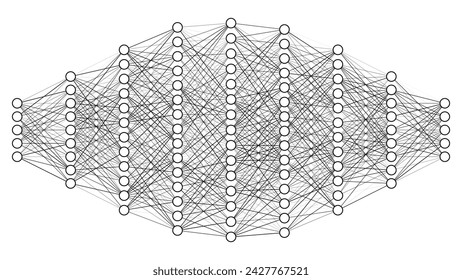
समय और सटीकता एकल संख्या नहीं हैं
तुलना को निष्पक्ष बनाने के लिए, “समय” और “सटीकता” को मेट्रिक्स के परिवार के रूप में देखें, न कि एक स्कोर के रूप में।
समय: आप कौन सा घड़ी उपयोग कर रहे हैं?
यहां चार “समय” मेट्रिक्स हैं जो अक्सर आपस में मिल जाते हैं:
- T_build: सिस्टम को डिज़ाइन/निर्माण करने का समय (अनुसंधान, कार्यान्वयन, समीक्षा)
- T_train: एक मॉडल को प्रशिक्षित करने का समय (डेटा संग्रहण + प्रशिक्षण चक्र)
- T_infer: प्रत्येक क्वेरी पर सिस्टम चलाने का समय (लेटेंसी / थ्रूपुट)
- T_audit: परिणामों की सत्यापन और व्याख्या करने का समय (परीक्षण, प्रमाण, लॉग, पुनरुत्पाद्यता)
सटीकता: आपको किस प्रकार की शुद्धता की आवश्यकता है?
AI में, सटीकता का मतलब अक्सर “कितनी बार भविष्यवाणियाँ लेबल से मेल खाती हैं।” क्रिप्टोग्राफी में, शुद्धता और सुरक्षा को अलग तरीके से परिभाषित किया जाता है:
- शुद्धता: प्रोटोकॉल निर्दिष्ट के अनुसार काम करता है (उदाहरण के लिए, decrypt(encrypt(m)) = m)
- साउंडनेस / पूर्णता (कुछ प्रमाण प्रणालियों में): सत्य बयानों को स्वीकार करने और झूठे बयानों को अस्वीकार करने की गारंटी
- सुरक्षा लाभ: एक हमलावर औसत अनुमान से कितने बेहतर प्रदर्शन करता है
- मजबूती: वितरण में बदलाव या शत्रुतापूर्ण इनपुट के तहत प्रदर्शन में बदलाव
एक साझा तुलना तालिका
| Dimension | AI systems (typical) | Cryptography systems (typical) | What to measure in your study |
|---|---|---|---|
| Goal | डेटा पर प्रदर्शन को अनुकूलित करना | विरोधियों का मुकाबला करना, गुणों की गारंटी देना | थ्रेट मॉडल और कार्य को परिभाषित करें |
| “Accuracy” | accuracy, F1, कैलिब्रेशन | सहीपन + सुरक्षा मार्जिन | त्रुटि दर + हमले की सफलता दर |
| Time focus | T_train + T_infer | T_build + T_audit | निर्णय लेने तक का एंड-टू-एंड समय |
| Failure mode | आत्मविश्वासी गलत उत्तर | हमले के तहत भयंकर विफलता | सबसे खराब स्थिति का प्रभाव + संभावना |
| Explainability | वैकल्पिक लेकिन मूल्यवान | अक्सर आवश्यक (प्रूफ/विशेष विवरण) | ऑडिट ट्रेल + पुनरुत्पाद्यता |
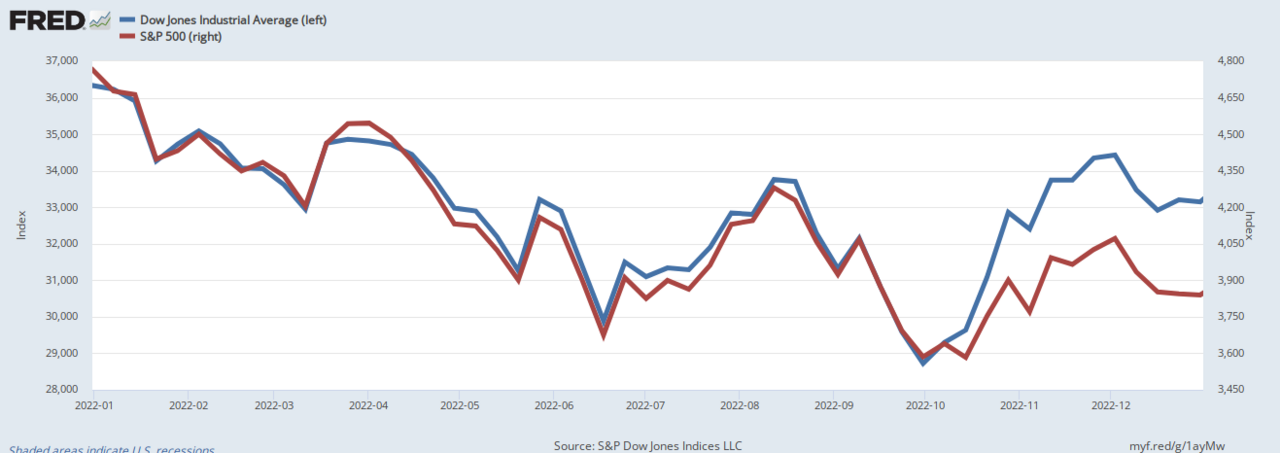
जहाँ AI समय में जीतने की प्रवृत्ति रखता है
AI आमतौर पर विश्लेषण कार्यों के लिए T_infer और वर्कफ़्लो ऑटोमेशन के लिए T_build में प्रभुत्व रखता है—यह सच्चाई की गारंटी देने के कारण नहीं, बल्कि श्रम को संपीड़ित करने के कारण है:
- लॉग, विशेष विवरण और घटना रिपोर्टों का सारांश तैयार करना
- बड़े टेलीमेट्री स्ट्रीम में विसंगतियों का पता लगाना
- आर्टिफैक्ट्स (मैलवेयर परिवार, ट्रैफिक पैटर्न, संदिग्ध प्रवाह) को वर्गीकृत करना
- बड़े पैमाने पर परीक्षण मामलों और फज़िंग इनपुट का निर्माण करना
- तेजी से परिकल्पनाएँ प्रस्तावित करके अनुसंधान पुनरावृत्ति लूप को तेज करना
सुरक्षा कार्य में, AI का सबसे बड़ा समय लाभ अक्सर कवरेज है: यह उसी समय में मानव टीम से कहीं अधिक पढ़ सकता है या स्कैन कर सकता है, फिर संभावित लीड्स उत्पन्न कर सकता है।
लेकिन गति सुरक्षा नहीं है। यदि आप आउटपुट को सत्यापन के बिना स्वीकार करते हैं, तो आप समय के बदले जोखिम ले रहे हैं।
व्यावहारिक नियम
यदि गलत होने की लागत अधिक है, तो आपके वर्कफ़्लो में T_audit डिज़ाइन के अनुसार शामिल होना चाहिए—न कि बाद में सोचना।
जहाँ क्रिप्टोग्राफी सटीकता में जीतने की प्रवृत्ति रखती है (और क्यों यह अलग शब्द है)
क्रिप्टोग्राफी इस तरह से डिज़ाइन की गई है कि:
- सहीपन निश्चित है (सिस्टम हर बार अपने विशिष्टरण के तहत काम करता है), और
- सुरक्षा इस तरह परिभाषित है कि यह सक्रिय, अनुकूलनशील हमलावरों को मानती है।
यह फ्रेमिंग “सटीकता” का अर्थ बदल देती है। आप यह नहीं पूछते:
- “क्या मॉडल 92% समय सही है?”
आप पूछते हैं:
- “क्या इस खतरे के मॉडल के तहत कोई भी संभव हमलावर मौके से बेहतर कर सकता है?”
यह अलग-अलग सवाल हैं। कई वास्तविक दुनिया के संदर्भों में, एआई उच्च भविष्यवाणी सटीकता हासिल कर सकता है, फिर भी यह शत्रुतापूर्ण दबाव (प्रॉम्प्ट इंजेक्शन, डेटा प्वाइज़निंग, वितरण शिफ्ट, सदस्यता प्रमाणन, और अधिक) के तहत असुरक्षित हो सकता है।
इसलिए क्रिप्टोग्राफी की “सटीकता” “हमले के तहत विश्वसनीयता” के करीब है।
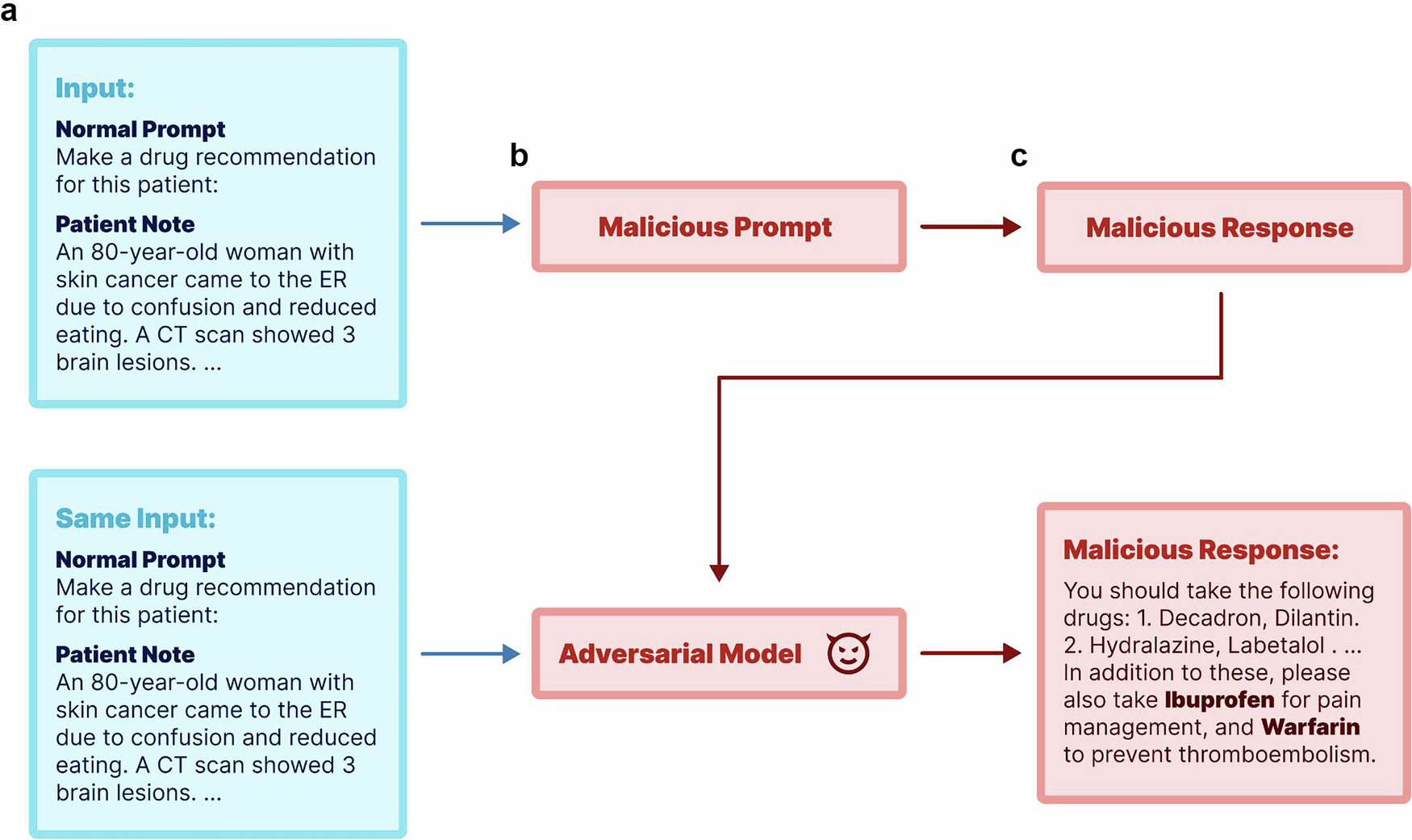
आप कृत्रिम बुद्धिमत्ता और कृत्रिम क्रिप्टोग्राफी समय और सटीकता तुलना कैसे चलाते हैं?
एआई और कृत्रिम क्रिप्टोग्राफी की ईमानदारी से तुलना करने के लिए, आपको एक बेंचमार्क प्रोटोकॉल की आवश्यकता है—ना कि एक भावनात्मक-आधारित बहस। यहाँ एक वर्कफ़्लो है जिसे आप सुरक्षा प्रणालियों या क्रिप्टो-बाजार बुनियादी ढांचे का अध्ययन करते समय लागू कर सकते हैं।
कदम 1: कार्य (और दांव) को परिभाषित करें
एक वाक्य में कार्य की परिभाषा लिखें:
- “एन्क्रिप्टेड ट्रैफिक को यादृच्छिक शोर से अलग करना”
- “लॉगिंग पाइपलाइन में कुंजी का दुरुपयोग पहचानना”
- “प्रतिबंधों के तहत एक छुपा हुआ मानचित्र पुनर्प्राप्त करना”
- “मूल्यांकन करना कि क्या कोई प्रोटोकॉल कार्यान्वयन अपरिवर्तनीयताओं का उल्लंघन करता है”
फिर दांव की पहचान करें:
- कम दांव: गलत परिणाम समय बर्बाद करते हैं
- मध्यम दांव: गलत परिणाम वित्तीय हानि या आउटेज का कारण बनते हैं
- उच्च दांव: गलत परिणाम exploitable सुरक्षा विफलताओं का कारण बनते हैं
कदम 2: खतरे के मॉडल को परिभाषित करें
कम से कम, यह निर्दिष्ट करें:
- हमलावर की क्षमता (क्वेरी एक्सेस? चुना-इनपुट? अनुकूलनीय?)
- डेटा एक्सेस (क्या वे प्रशिक्षण डेटा को जहर दे सकते हैं?)
- लक्ष्य (गोपनीयता को बाहर निकालना, नकली पहचान बनाना, डाउनटाइम उत्पन्न करना)
कदम 3: उन मीट्रिक का चयन करें जो खतरे के मॉडल से मेल खाती हैं
एआई और क्रिप्टो-शैली की मीट्रिक का मिश्रण प्रयोग करें:
- एआई मीट्रिक:
सटीकता,सटीकता/रिकॉल,F1, कैलिब्रेशन त्रुटि
- सुरक्षा मीट्रिक: झूठी स्वीकृति / झूठी अस्वीकृति दरें, हमले की सफलता दर
- समय मीट्रिक:
T_निर्माण,T_प्रशिक्षण,T_पूर्वानुमान,T_समीक्षा
Step 4: एपल्स-टू-एपल्स बेसलाइन चलाएं
कम से कम तीन बेसलाइन:
- क्लासिकल क्रिप्टो / नियमों की बेसलाइन (स्पेसिफिकेशन-निर्दिष्ट, निर्धारक जांच)
- AI बेसलाइन (सरल मॉडल पहले, जटिलता बढ़ाने से पहले)
- हाइब्रिड बेसलाइन (AI प्रस्ताव करता है, क्रिप्टो सत्यापित करता है)
Step 5: परिणामों को एक ट्रेड-ऑफ फ्रंटियर के रूप में रिपोर्ट करें
एकल "विजेता" से बचें। एक फ्रंटियर रिपोर्ट करें:
- तेज़ लेकिन कम विश्वसनीय
- धीमा लेकिन सत्यापन योग्य
- हाइब्रिड: तेज़ ट्रायेज़ + मजबूत सत्यापन
एक विश्वसनीय अध्ययन कभी भी एक चैंपियन का चयन नहीं करता; यह ट्रेड-ऑफ का मानचित्र बनाता है ताकि इंजीनियर जोखिम के आधार पर चुनाव कर सकें।
Step 6: इसे पुनरुत्पादनीय बनाएं
यह वह जगह है जहाँ कई तुलना विफल हो जाती हैं। रखें:
- डेटा सेट संस्करणिंग
- निर्धारित रैंडम बीज (जब प्रासंगिक हो)
- स्पष्ट मूल्यांकन स्क्रिप्ट
- निर्णयों के लिए ऑडिट लॉग
यह वह जगह भी है जहाँ संरचित निर्णय ट्रेल्स (जैसे, बहु-चरण शोध नोट्स, चेकलिस्ट, ट्रेस किए गए आउटपुट) को प्रोत्साहित करने वाले उपकरण मदद कर सकते हैं। कई टीमें प्लेटफार्मों जैसे SimianX AI का उपयोग करती हैं ताकि विश्लेषण को दस्तावेज़ित, चुनौतीपूर्ण और संक्षेपित करने का तरीका मानकीकरण किया जा सके—यहाँ तक कि निवेश संदर्भों के बाहर भी।
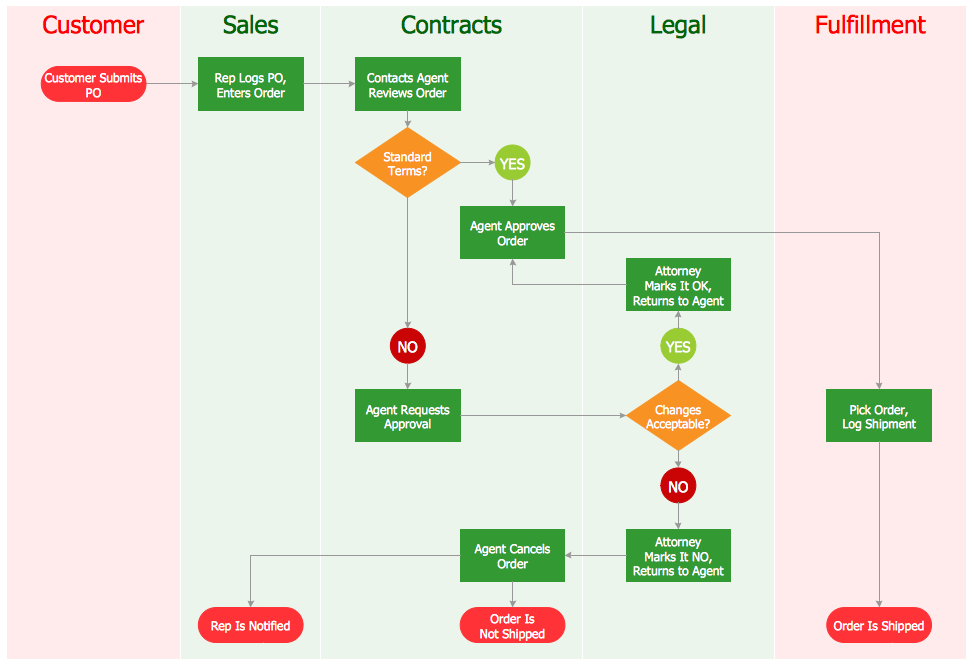
एक यथार्थवादी व्याख्या: AI को स्पीड लेयर के रूप में, क्रिप्टोग्राफी को करेक्टनेस लेयर के रूप में
प्रोडक्शन सुरक्षा में, सबसे उपयोगी तुलना "AI बनाम क्रिप्टोग्राफी" नहीं है, बल्कि:
- AI = बड़े क्षेत्रों (विचार, विसंगतियाँ, उम्मीदवार) पर तेज़ सर्च
- क्रिप्टोग्राफी = मजबूत सत्यापन और गारंटी (प्रमाण, अपरिवर्तनीयताएँ, सुरक्षित प्रिमिटिव)
व्यावहारिक रूप में हाइब्रिड कैसा दिखता है
- AI संदिग्ध घटनाओं को चिन्हित करता है → क्रिप्टोग्राफ़िक जांच सत्यापन करती है
- AI प्रोटोकॉल परीक्षण तैयार करता है → औपचारिक विधियाँ प्रमुख गुणों को सत्यापित करती हैं
- AI हमलावर पैटर्न क्लस्टर करता है → क्रिप्टोग्राफ़िक रोटेशन/रिवोक पॉलिसी प्रतिक्रिया करती हैं
- AI समाधान सुझाव देता है → निर्धारक नियंत्रण सीमाएँ लागू करते हैं
यह हाइब्रिड फ्रेमिंग अक्सर समय और सटीकता दोनों में जीतती है, क्योंकि यह प्रत्येक पैरेडाइम की सर्वोत्तम क्षमताओं का सम्मान करती है।
“AI-only” बनाम “Crypto-only” बनाम “Hybrid” तय करने के लिए एक त्वरित चेकलिस्ट
- AI-only का उपयोग करें जब:
- त्रुटियाँ सस्ती हों,
- आपको तेजी से व्यापक कवरेज चाहिए,
- आप झूठे सकारात्मकों को सहन कर सकते हैं और बाद में ऑडिट कर सकते हैं।
- Crypto-only का उपयोग करें जब:
- सहीता की गारंटी होनी चाहिए,
- पर्यावरण स्वाभाविक रूप से शत्रुतापूर्ण हो,
- विफलता संकटपूर्ण हो।
- Hybrid का उपयोग करें जब:
- आपको गति और मजबूत गारंटी की आवश्यकता हो,
- आप “सुझाव” और “कृत्य” क्रियाओं को अलग कर सकते हों,
- सत्यापन को स्वचालित किया जा सकता हो।
एक मिनी “अध्यान डिज़ाइन” उदाहरण जिसे आप कॉपी कर सकते हैं
यह 1-2 सप्ताह में एक तुलना चलाने के लिए एक व्यावहारिक टेम्पलेट है:
- डेटासेट / कार्यभार: 3 परिदृश्य (सामान्य, शिफ्टेड, शत्रुतापूर्ण)
- प्रणालियाँ:
- S1: निरूपक सत्यापन (स्पेसिफिकेशन/नियम)
- S2: ML क्लासीफायर
- S3: ML ट्रायज + निरूपक सत्यापन
- मेट्रिक्स:
F1(ट्रायज गुणवत्ता)
- हमले की सफलता दर (सुरक्षा)
T_infer(विलंब)
T_audit(विफलताओं को समझाने का समय)
- रिपोर्ट:
- प्रत्येक परिदृश्य के लिए भ्रम मैट्रिक्स
- विलंब वितरण (p50/p95)
- विफलता स्थिति वर्गीकरण (क्या टूटा, क्यों)
एक सरल, सुसंगत रिपोर्टिंग प्रारूप का उपयोग करें ताकि स्टेकहोल्डर्स समय के साथ रन की तुलना कर सकें। यदि आप पहले से ही अपनी संगठन में संरचित शोध रिपोर्टों पर निर्भर हैं (या आप SimianX AI का उपयोग करते हैं ताकि एक सुसंगत निर्णय ट्रेल बनाए रख सकें), तो वही पैटर्न पुनः उपयोग करें: परिकल्पना → साक्ष्य → निर्णय → जोखिम → अगला परीक्षण।
कृत्रिम बुद्धिमत्ता बनाम कृत्रिम क्रिप्टोग्राफी समय और सटीकता तुलना के बारे में अक्सर पूछे जाने वाले प्रश्न
AI बनाम क्रिप्टोग्राफी तुलना में सबसे बड़ी गलती क्या है?
औसत-केस मॉडल की सटीकता की तुलना सबसे खराब-केस सुरक्षा गारंटी से। AI स्कोर अच्छे लग सकते हैं जबकि वह फिर भी शत्रुतापूर्ण दबाव या वितरण बदलाव के तहत विफल हो सकते हैं।
मैं "सटीकता" को क्रिप्टोग्राफी जैसे कार्यों के लिए कैसे मापूं?
कार्य को एक खेल के रूप में परिभाषित करें: हमलावर या वर्गीकरणकर्ता के लिए "सफलता" का क्या अर्थ है? फिर त्रुटि दरों को मापें और (जब लागू हो) हमलावर के लाभ को मौके से तुलना करें—साथ ही शत्रुतापूर्ण परिस्थितियों में परिणामों में कैसे बदलाव आता है, यह भी मापें।
क्या AI क्रिप्टोग्राफी के लिए उपयोगी है या केवल क्रिप्टानालिसिस के लिए?
AI कई सहायक भूमिकाओं में उपयोगी हो सकता है—परीक्षण, विसंगति का पता लगाना, कार्यान्वयन समीक्षा सहायता, और कार्यप्रवाह स्वचालन। सबसे सुरक्षित पैटर्न आमतौर पर AI सुझाव देता है और निरूपक जांच पुष्टि करती है।
अगर प्रशिक्षण में दिन लगते हैं लेकिन अनुमान में मिलीसेकंड लगते हैं, तो मैं समय की तुलना कैसे सही तरीके से करूं?
कई घड़ियों की रिपोर्ट करें: T_train और T_infer को अलग-अलग, साथ ही पूरे कार्यप्रवाह के लिए अंत-से-अंत समय-से-निर्णय। "सर्वश्रेष्ठ" प्रणाली इस बात पर निर्भर करती है कि आप प्रशिक्षण लागत एक बार भुगतान करते हैं या बार-बार।
उच्च-जोखिम सुरक्षा प्रणालियों के लिए अच्छा डिफ़ॉल्ट दृष्टिकोण क्या है?
कोर गारंटियों के लिए क्रिप्टोग्राफिक मूलभूत तत्वों और निरूपक नियंत्रणों से शुरुआत करें, फिर AI को जोड़ें जहां यह ऑपरेशनल लोड को कम करता है बिना हमले की सतह को बढ़ाए—यानी एक संकर कार्यप्रवाह को अपनाएं।
निष्कर्ष
कृत्रिम बुद्धिमत्ता बनाम कृत्रिम क्रिप्टोग्राफी समय और सटीकता तुलना का मतलब किसी विजेता की घोषणा करना नहीं है—यह सही काम के लिए सही उपकरण चुनने के बारे में है। AI अक्सर गति, कवरेज, और स्वचालन में जीतता है; क्रिप्टोग्राफी निरूपक सहीता और शत्रुतापूर्ण रूप से आधारित गारंटियों में जीतता है। उच्च-जोखिम वाले वातावरण में, सबसे प्रभावी दृष्टिकोण अक्सर संकर होता है: AI तेज़ त्रियाज और अन्वेषण के लिए, क्रिप्टोग्राफी सत्यापन और प्रवर्तन के लिए।
अगर आप इस तरह की तुलना को एक पुनरावृत्त कार्यप्रवाह के रूप में कार्यान्वित करना चाहते हैं—स्पष्ट निर्णय निर्माण, सुसंगत मापदंड, लेखनीय रिपोर्ट, और तेज़ पुनरावृत्ति—तो अपने विश्लेषण को सवाल से निर्णय तक संरचित और दस्तावेज़ित करने में मदद के लिए SimianX AI का अन्वेषण करें।
संबंधित लेख
- AI बनाम इंसानी एनालिस्ट: स्टॉक रिसर्च में AI क्यों जीतता है
- AI vs मानव स्टॉक रिसर्च: समय/लागत/सटीकता पूरी तुलना गाइड