 By Muke
The Dispatcher–Verifier Architecture Behind Multi-Agent Crypto AI
The rapid evolution of cryptocurrencies based on multi-agent AI is redefining how real-time prediction and trading strategies are designed and executed in volatile digital asset markets. Instead of relying on a single monolithic model, multi-agent AI systems coordinate multiple intelligent agents—each specializing in market signals, risk, execution, or strategy optimization—to operate collectively. For platforms like SimianX AI, this architecture offers a scalable and transparent approach to crypto analysis, helping traders and institutions respond faster to market changes while managing downside risk.
Why Multi-Agent AI Matters in Cryptocurrency Markets
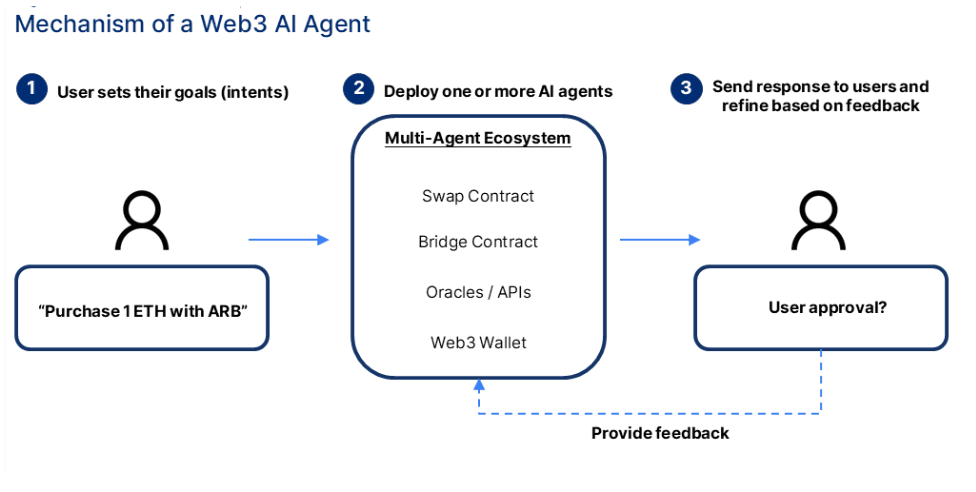
Cryptocurrency markets are fragmented, highly volatile, and influenced by on-chain activity, derivatives flows, sentiment, and macro signals. Single-model systems often struggle to adapt in real time. Multi-agent AI addresses this by decomposing the trading problem into specialized roles.
Key advantages include:
- Parallel intelligence: multiple agents analyze different data streams simultaneously
- Faster adaptation: agents can update beliefs independently without retraining the entire system
- Robust decision-making: ensemble-style consensus reduces single-point failure
In fast-moving crypto markets, speed alone is not enough—coordination between intelligent agents is what creates durable edge.
Multi-agent AI cryptocurrency trading systems are therefore better suited for environments where regime shifts happen without warning.
Architecture of Multi-Agent AI Crypto Trading Systems
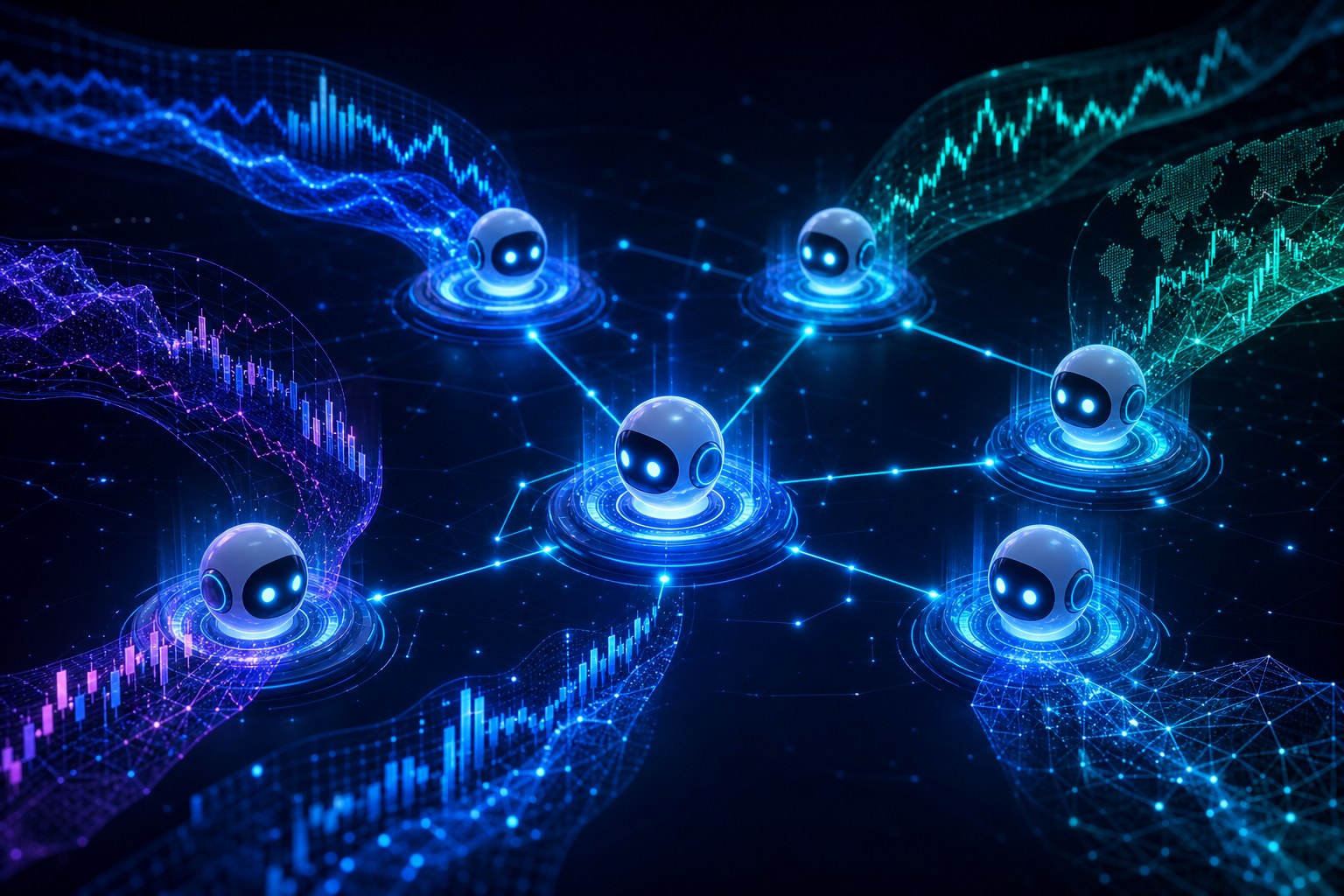
A typical multi-agent AI trading stack is composed of several interacting layers:
- Data agents: ingest on-chain metrics, order books, funding rates, and macro data
- Prediction agents: generate short-term and medium-term price forecasts
- Strategy agents: design trading logic (mean reversion, momentum, arbitrage)
- Risk agents: monitor drawdowns, liquidity, and tail-risk scenarios
- Execution agents: optimize order routing and slippage
| Agent Type | Primary Function |
|---|---|
| Data Agent | Real-time data ingestion and normalization |
| Prediction Agent | Price and volatility forecasting |
| Strategy Agent | Signal generation and portfolio logic |
| Risk Agent | Exposure limits and stress testing |
| Execution Agent | Trade execution and cost optimization |
Platforms such as SimianX AI integrate these layers into a unified research and monitoring workflow, allowing users to understand not only what decision was made, but why it emerged from agent consensus.
The Dispatcher–Verifier Loop: Catching AI Hallucinations Before Execution
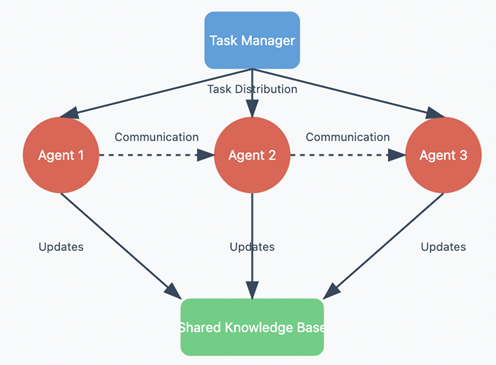
Specialist agents are only safe when one component coordinates them and another component checks them. Two roles turn a loose collection of models into a production-grade stack:
- Dispatcher agent (the router): it reads the current market context, decides which specialist sub-agents to wake—prediction, strategy, risk, execution—and merges their outputs into a single candidate decision. Crucially, it enforces priority: a risk veto outranks prediction enthusiasm, so no specialist can act unilaterally.
- Verifier loop (the critic): before any order is sent, a dedicated verifier re-checks the candidate decision against ground truth. It asks blunt questions—does the predicted price sit inside the live order book, is there enough depth to fill at the assumed slippage, and do two independent agents actually agree, or is this a lone outlier?
This verifier loop is the practical defense against AI hallucinations—confident outputs that are simply wrong. In trading, a hallucinated signal is not a harmless typo; it becomes a live market order. Useful pre-trade checks include:
- Sanity bounds: reject any forecast that deviates from the live mid-price beyond a set threshold.
- Liquidity confirmation: verify real depth exists before assuming an execution price.
- Cross-agent agreement: require consensus from at least two independent agents before high-conviction sizing.
- Source grounding: every claim must trace back to an observable data point—an on-chain metric, order-book level, or funding rate—not model intuition.
The result is a closed loop: the dispatcher routes, specialists reason, the verifier challenges, and only validated decisions reach execution. This is the same separation of power that the Crypto Market Analysis with Multi-Agent AI: Real-Time design applies on the analysis side, and it pairs naturally with the cascade-aware risk modeling described in AI for DeFi Volatility and Chain-Reaction Risk Modeling.
Real-Time Prediction with Multi-Agent AI
How does multi-agent AI improve crypto price prediction?
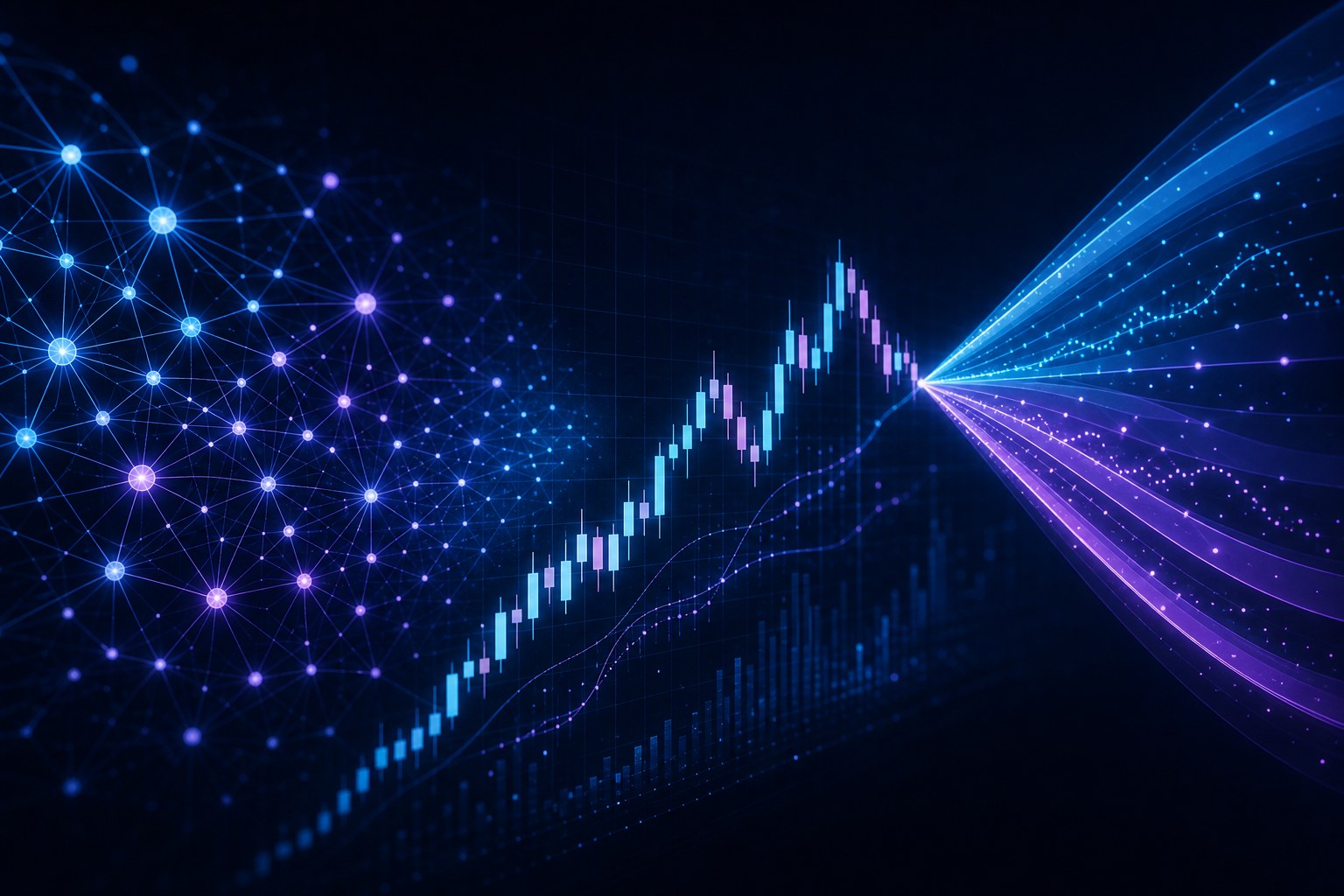
Traditional models output a single forecast. In contrast, multi-agent AI for real-time crypto prediction produces a distribution of views:
- One agent may detect on-chain accumulation
- Another flags derivatives leverage imbalance
- A third observes sentiment divergence
The system then aggregates these perspectives into a probabilistic outlook rather than a fixed price target.
This approach improves:
- Prediction stability during volatility spikes
- Early detection of regime changes
- Confidence-weighted signal generation
Trading Strategies Powered by Multi-Agent AI
Multi-agent AI does not rely on one universal strategy. Instead, agents dynamically activate or deactivate strategies based on market context.
Common strategies include:
- Short-term momentum trading during high-volume breakouts
- Mean reversion in range-bound conditions
- Cross-venue arbitrage across centralized and decentralized exchanges
- Risk-off capital preservation during liquidity contractions
AI agents trading strategies can be tested in parallel, with underperforming agents downgraded automatically.
The true strength of multi-agent systems lies in adaptive strategy selection, not static optimization.
Risk Management in Multi-Agent AI Trading
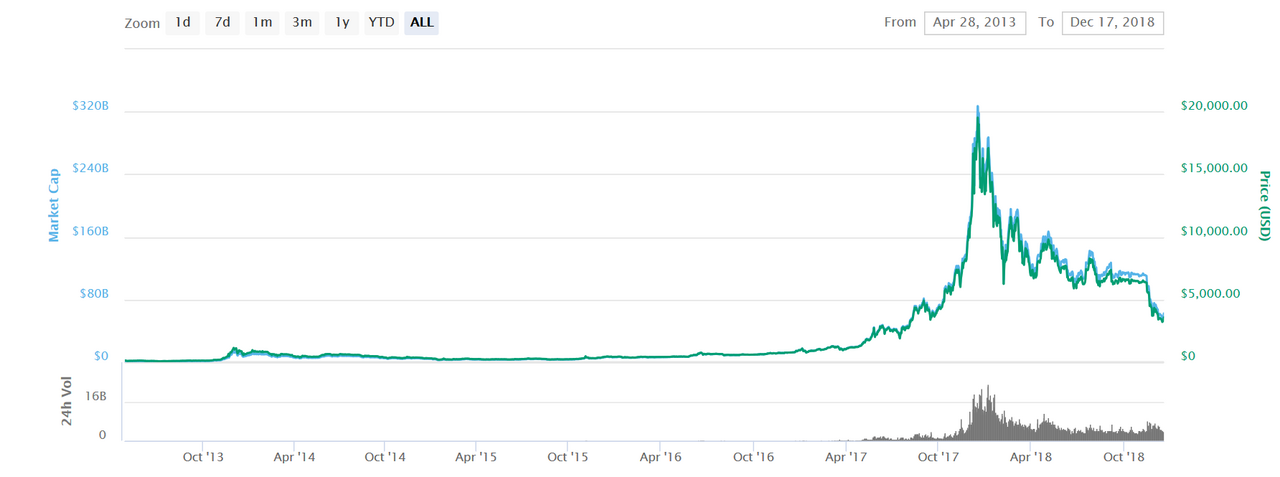
Risk in crypto markets is non-linear. Multi-agent systems explicitly model this by assigning risk agents to monitor:
- Tail-risk events
- Sudden liquidity withdrawals
- Correlated protocol failures
- Volatility clustering
AI-driven crypto risk management ensures that aggressive prediction agents cannot override systemic safety constraints. This separation of power is critical for sustainable performance.
| Risk Signal | Agent Response Example |
|---|---|
| TVL drop | Reduce exposure automatically |
| Funding spike | Hedge or neutralize positions |
| Volatility surge | Shift to capital preservation mode |
What Are the Limitations of Multi-Agent AI in Crypto?
What is the downside of multi-agent AI trading systems?
Despite their advantages, multi-agent AI cryptocurrency systems face real challenges:
- Coordination complexity: poorly designed incentives can create conflicting signals
- Latency overhead: agent communication must remain efficient
- Explainability requirements: users need transparency into agent decisions
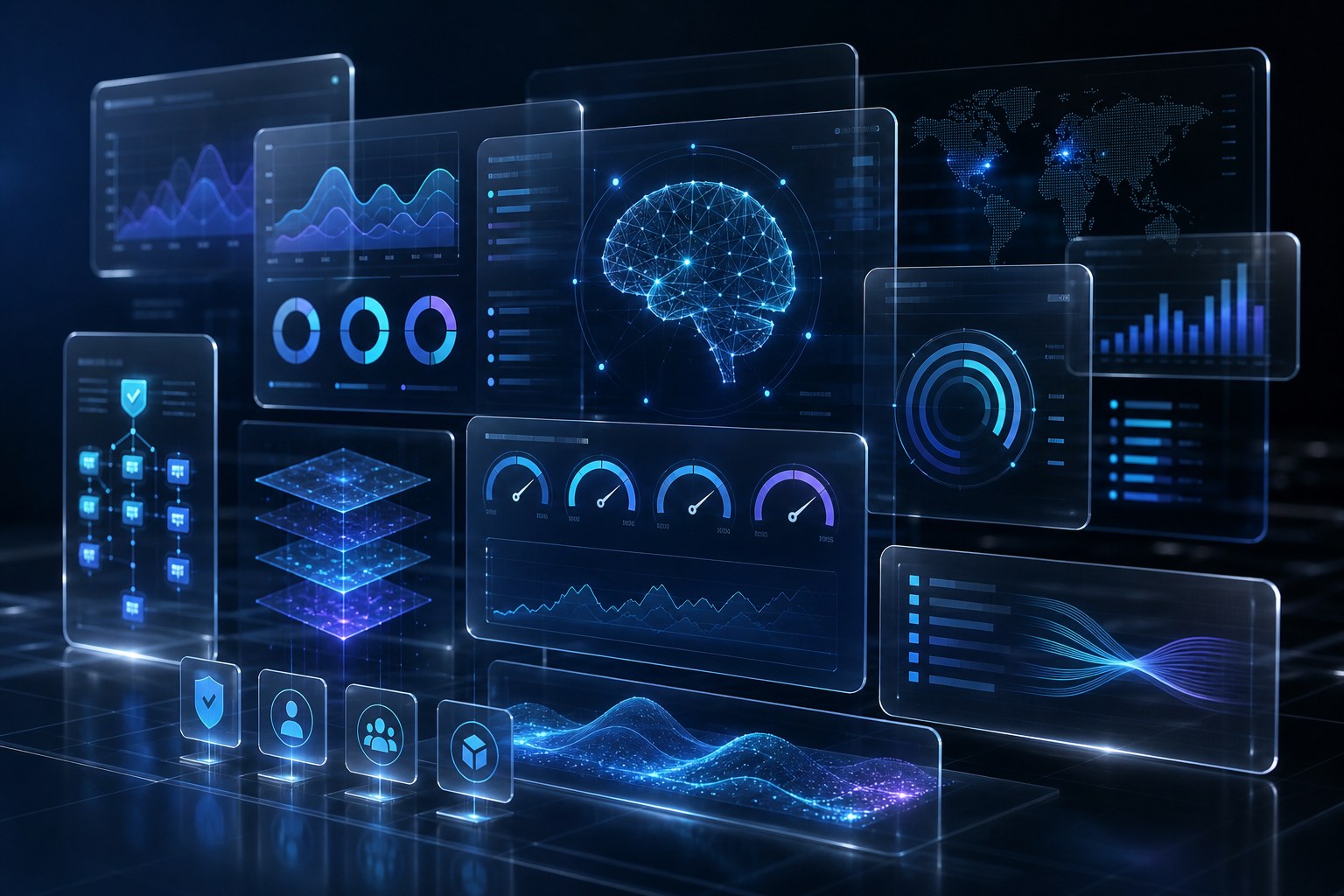
This is why platforms like SimianX AI emphasize interpretability, auditability, and clear visualization of agent outputs rather than black-box execution.
Practical Use Cases for Traders and Funds
Multi-agent AI is already being used for:
- Real-time market surveillance
- Automated signal validation
- Scenario stress testing
- Strategy benchmarking
For individual traders, this means clearer signals and fewer emotional decisions. For funds, it enables scalable research without linear increases in analyst headcount.
SimianX AI provides practical tooling that bridges research, prediction, and execution into one coherent system.

FAQ About Cryptocurrencies Based on Multi-Agent AI
What is multi-agent AI in cryptocurrency trading?
Multi-agent AI uses multiple specialized AI agents that collaborate to analyze data, predict prices, manage risk, and execute trades in crypto markets.
How accurate is multi-agent AI for real-time crypto prediction?
Accuracy improves through consensus and redundancy. Instead of relying on one forecast, multi-agent systems weigh multiple independent signals to reduce error.
Can multi-agent AI reduce trading risk?
Yes. Dedicated risk agents continuously monitor exposure, liquidity, and tail risks, preventing overconfidence from any single strategy.
Is multi-agent AI suitable for retail traders?
When abstracted through platforms like SimianX AI, multi-agent systems become accessible without requiring deep technical expertise.
Conclusion
Cryptocurrencies based on multi-agent AI represent a structural shift in how prediction and trading strategies are built. By coordinating intelligent agents across data, strategy, and risk, these systems deliver more resilient real-time decision-making in volatile markets. As crypto continues to evolve, traders and institutions that adopt multi-agent architectures will gain a durable analytical edge. To explore practical applications and production-ready tools, visit SimianX AI and see how multi-agent intelligence can transform your crypto research and trading workflow.
Related Reading
- Multi-Agent AI for Traders: Strategy & Sentiment Stack
- AI Crypto Analysis: A Practical Trading Guide for 2026
- AI Fixes Delayed/Inaccurate Crypto Price Data Risks
- Crypto Market Analysis with Multi-Agent AI: Real-Time
- AI Crypto Trading with Real-Time Insights via SimianX
- AI for DeFi Volatility and Chain-Reaction Risk Modeling
- AI Agents Analyze DeFi Risks: TVL, Real Yield Rates
- AI Monitoring Framework for DeFi Risk Mitigation 2026
- AI Early-Warning for DeFi Liquidity and Depeg Risks 2026
- SimianX Crypto Leaderboard