
 By Muke
Emerging Encrypted Prediction Based on Cooperative Multi-Agent Systems
Emerging encrypted prediction based on cooperative multi-agent systems is becoming a foundational paradigm for secure, privacy-preserving intelligence in finance, decentralized systems, and sensitive data environments. Instead of relying on a single centralized model, multiple AI agents collaborate, negotiate, and validate predictions—while encryption ensures that raw data, intermediate states, and private signals remain hidden.
For platforms like SimianX AI, this approach aligns naturally with on-chain analytics, encrypted signals, and multi-agent coordination, where trust minimization and robustness are as important as predictive accuracy.
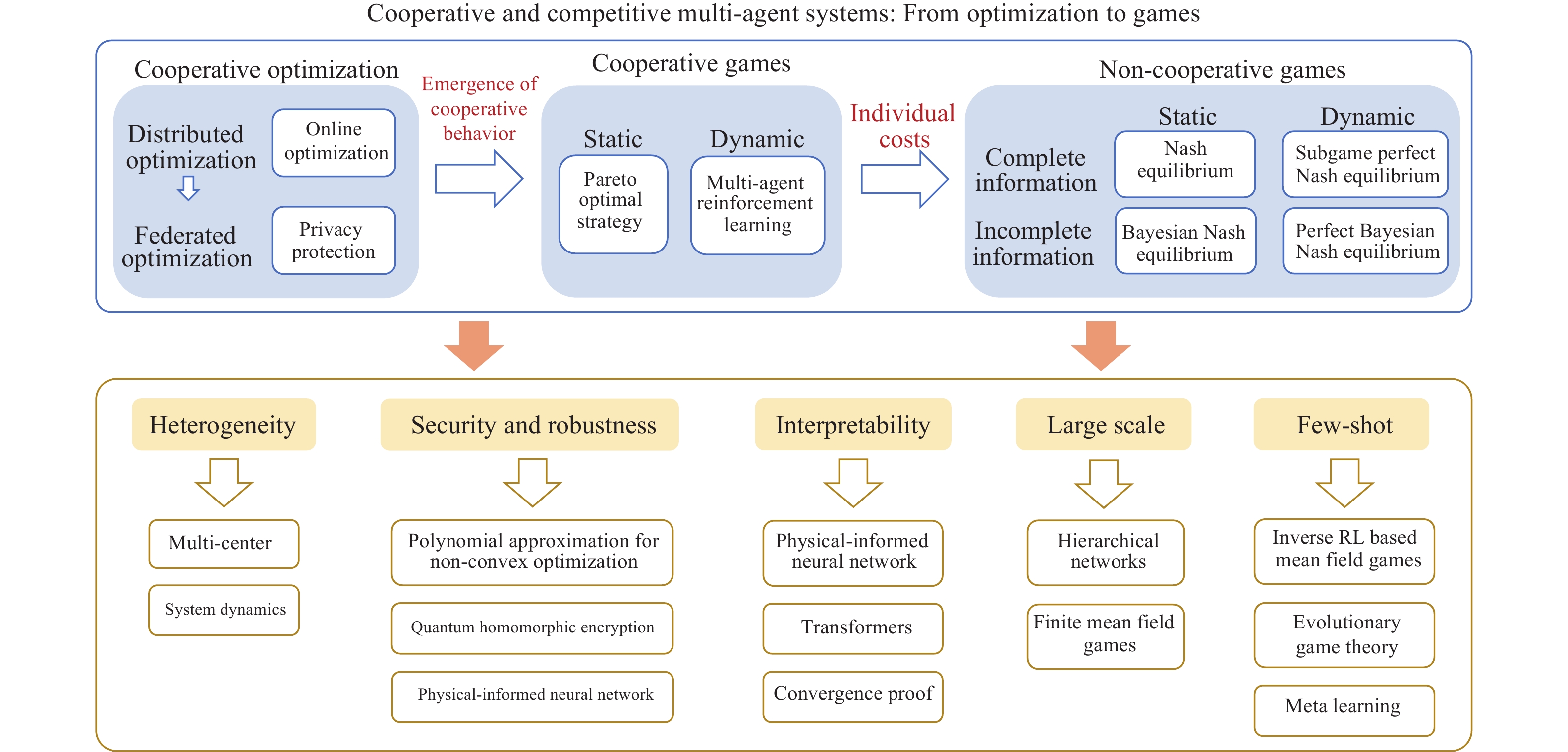
Why Encrypted Prediction Matters in Multi-Agent Systems
Traditional predictive systems assume full data visibility. In real-world environments—especially cryptocurrency markets, DeFi protocols, and cross-organization analytics—this assumption breaks down quickly.
Key challenges include:
- Sensitive data that cannot be shared directly
- Adversarial environments with incentive misalignment
- Regulatory and compliance constraints
- Model leakage and signal extraction risks
Encrypted prediction systems address these challenges by allowing agents to contribute to forecasts without revealing their private inputs.
Privacy is no longer a constraint on intelligence—it is a design requirement.
Core benefits of encrypted cooperative prediction:
- Data confidentiality by default
- Reduced single-point-of-failure
- Resilience against manipulation
- Improved generalization through agent diversity
Core Architecture of Cooperative Multi-Agent Encrypted Prediction
At a high level, an encrypted cooperative prediction system consists of several interacting layers.
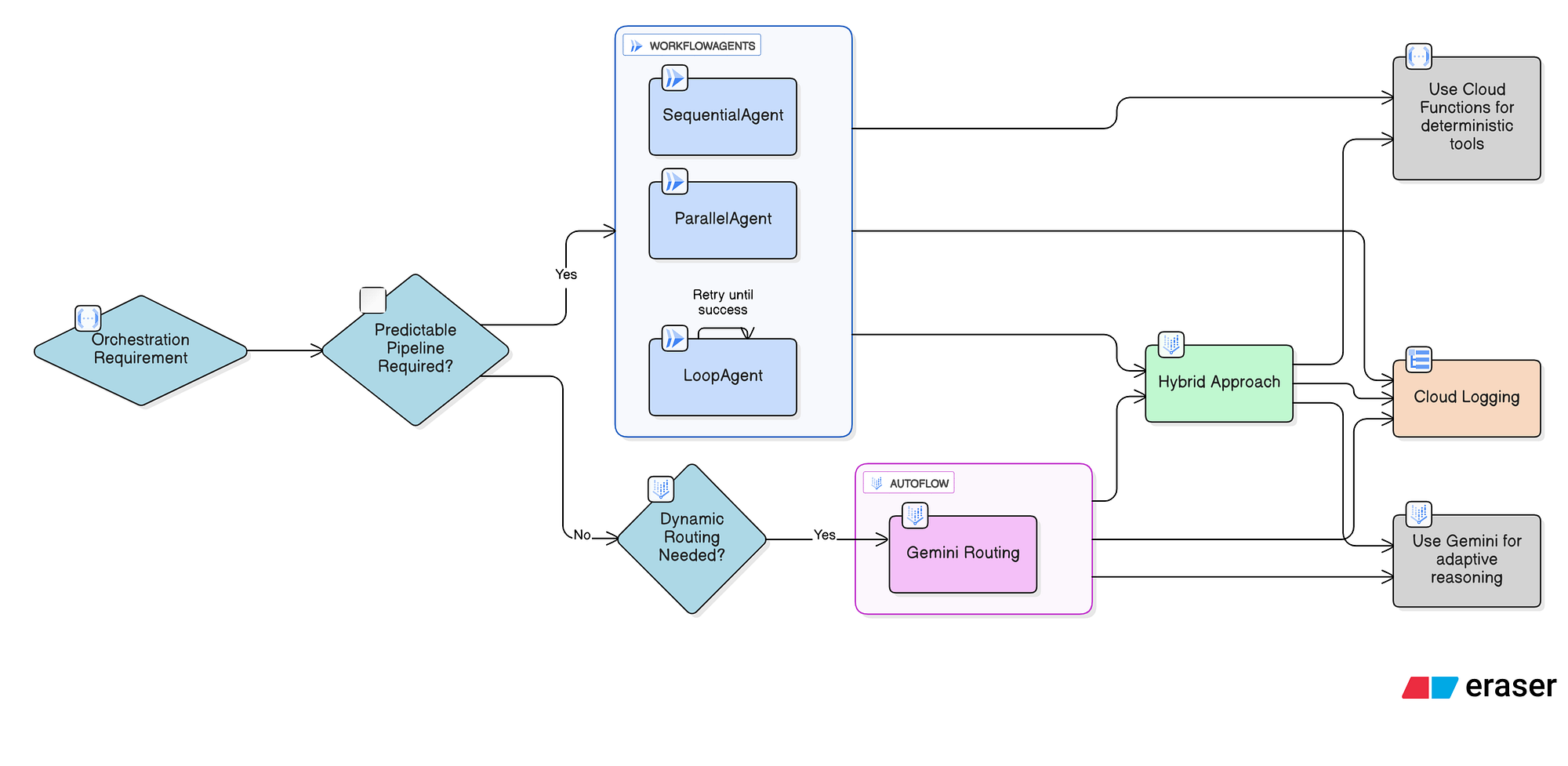
1. Autonomous Specialized Agents
Each agent is optimized for a specific role, such as:
- Market microstructure analysis
- On-chain liquidity monitoring
- Macro trend inference
- Risk and anomaly detection
Agents operate independently but follow a shared communication protocol.
2. Secure Information Encoding
Instead of sharing raw data, agents exchange:
- Encrypted embeddings
- Homomorphically computable signals
- Zero-knowledge proofs of insight
- Differentially private summaries
This ensures useful information flows without exposing sensitive details.
3. Cooperative Aggregation Mechanism
A coordination layer combines agent outputs using:
- Weighted consensus models
- Reputation-adjusted voting
- Game-theoretic incentive alignment
- Byzantine-fault-tolerant aggregation
| Layer | Role in Prediction |
|---|---|
| Agent Layer | Generates encrypted local insights |
| Crypto Layer | Preserves privacy and integrity |
| Coordination Layer | Aggregates and validates signals |
| Output Layer | Produces final prediction |
How Does Encrypted Prediction Work in Practice?
How encrypted prediction based on cooperative multi-agent systems actually works
The workflow typically follows a structured sequence:
- Local Observation
Each agent observes its private data source (on-chain metrics, order flow, off-chain signals).
- Encrypted Signal Generation
Insights are transformed using encryption or privacy-preserving encoding.
- Secure Communication
Agents broadcast encrypted signals to the coordination layer.
- Consensus & Validation
Signals are aggregated and cross-validated without decryption.
- Prediction Emission
The system outputs a probabilistic or scenario-based forecast.
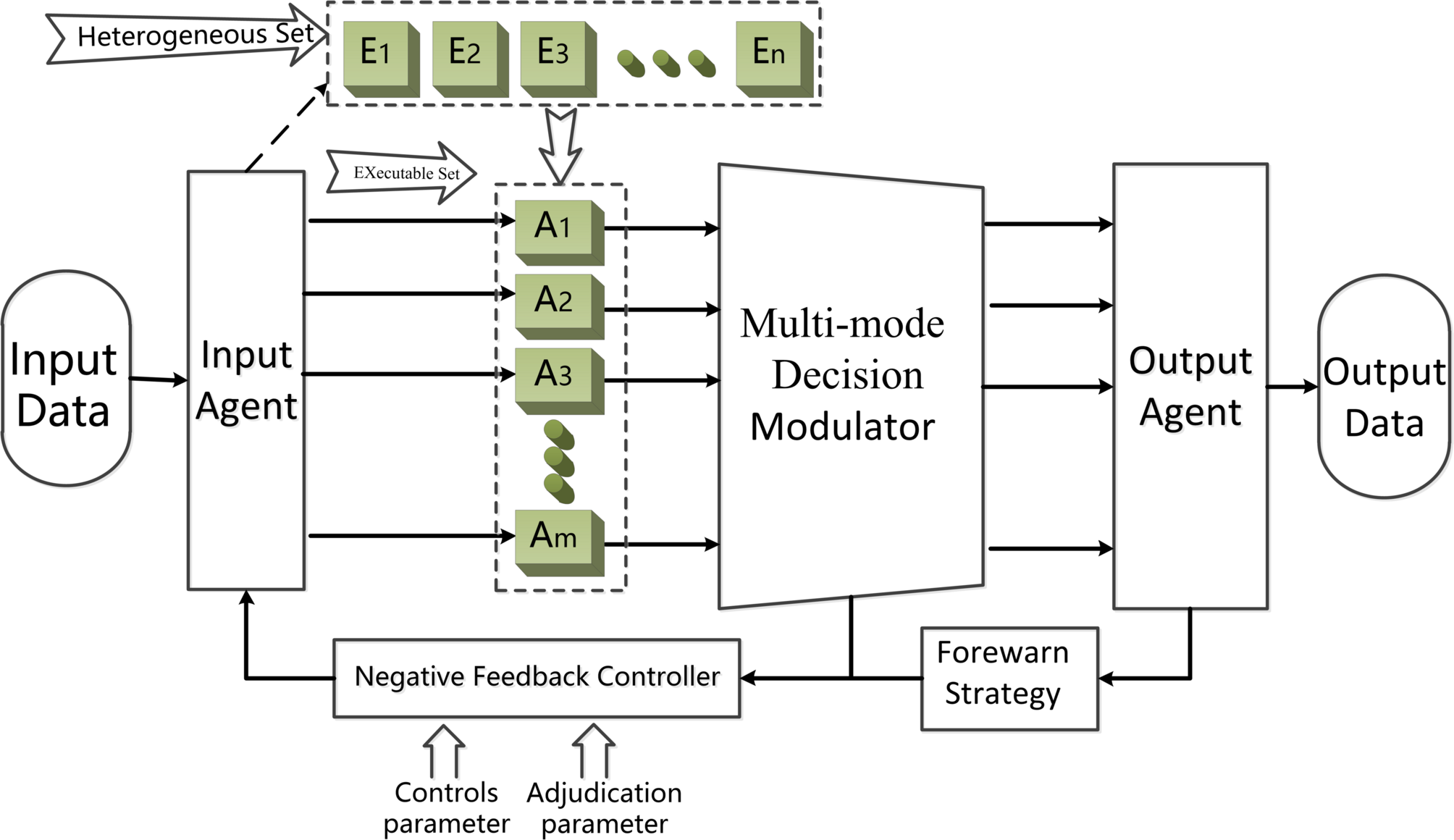
This design allows high-fidelity predictions even when no agent has full information.
Cryptographic Techniques Powering Encrypted Multi-Agent Prediction
Several cryptographic primitives enable this paradigm:
- Homomorphic Encryption (HE): compute on encrypted data
- Secure Multi-Party Computation (MPC): joint computation without revealing inputs
- Zero-Knowledge Proofs (ZKP): prove correctness without disclosure
- Differential Privacy (DP): prevent individual signal leakage
Each technique trades off performance, privacy strength, and system complexity.
| Technique | Strength | Trade-off |
|---|---|---|
| HE | Strong privacy | Computational cost |
| MPC | Trust minimization | Communication overhead |
| ZKP | Verifiability | Implementation complexity |
| DP | Scalable privacy | Reduced signal precision |
Encrypted Prediction in Crypto and DeFi Environments
The crypto ecosystem is a natural fit for encrypted cooperative intelligence.
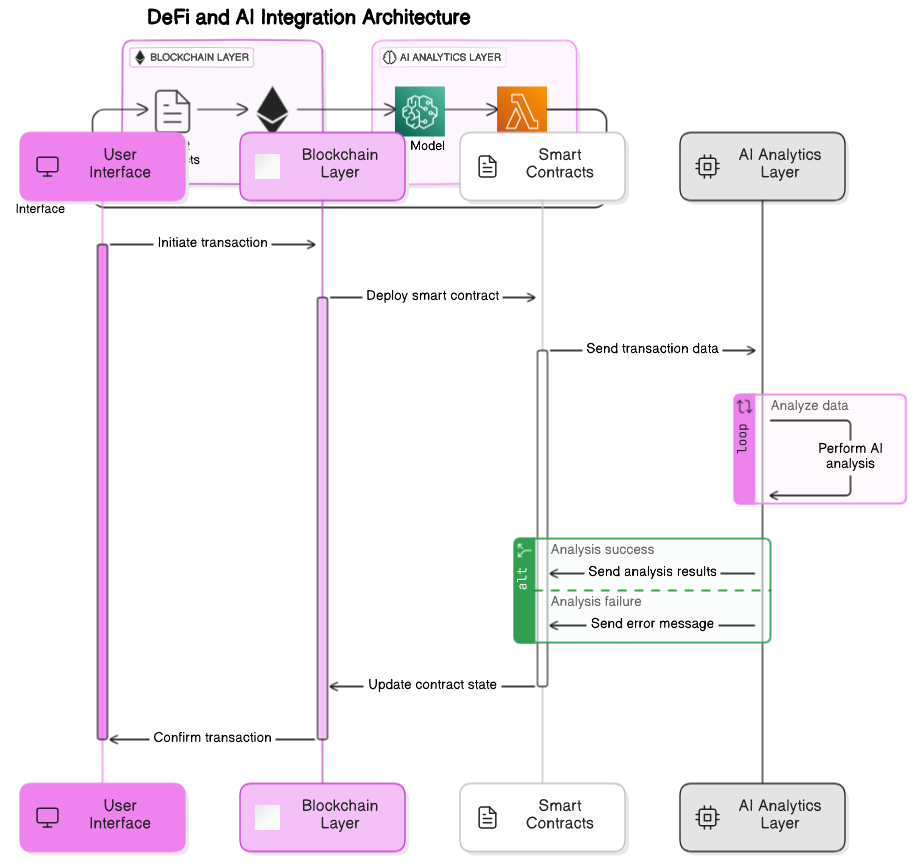
Key Use Cases
- Pre-trade risk prediction without alpha leakage
- Liquidity stress detection across protocols
- Cross-chain signal fusion
- Early warning systems for capital outflows
- Adversarial market behavior detection
In decentralized finance, revealing signals too early can invalidate them. Encrypted prediction allows collective intelligence without front-running.
This is where SimianX AI positions itself—combining multi-agent architectures with encrypted analytics to support secure, real-time decision-making for advanced users.
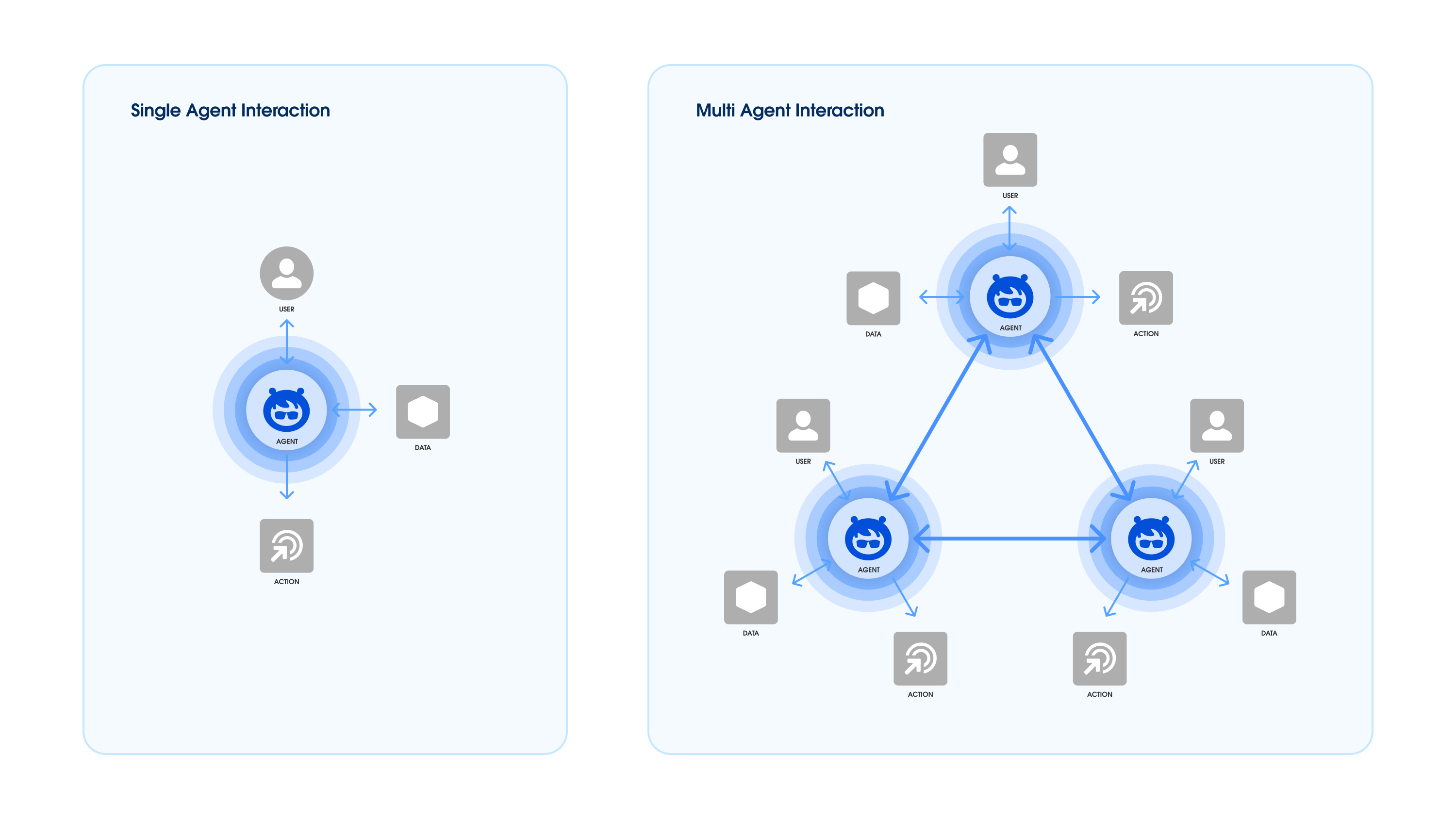
Why Cooperative Multi-Agent Systems Outperform Single Encrypted Models
While encryption can protect a single model, cooperation amplifies intelligence.
Advantages of cooperative encrypted agents:
- Diversity reduces model bias
- Redundancy improves fault tolerance
- Adversarial resistance increases
- Collective learning accelerates adaptation
Intelligence scales better horizontally than vertically.
| Approach | Limitation |
|---|---|
| Single encrypted model | Narrow perspective |
| Centralized ensemble | Trust bottleneck |
| Cooperative encrypted agents | Balanced robustness and privacy |
Practical Design Principles for Encrypted Multi-Agent Prediction
To build effective systems, several principles matter:
- Agent independence: avoid correlated failures
- Minimal disclosure: share only what is necessary
- Incentive alignment: discourage malicious behavior
- Continuous validation: detect drift and manipulation
A well-designed system treats privacy, security, and accuracy as co-equal goals.
The Role of SimianX AI in Encrypted Multi-Agent Prediction
SimianX AI integrates encrypted prediction concepts into real-world analytics workflows by:
- Orchestrating specialized AI agents
- Supporting secure signal aggregation
- Enabling privacy-first on-chain intelligence
- Providing actionable predictions without raw data exposure
Rather than replacing human judgment, SimianX AI augments it—delivering trust-minimized intelligence suitable for adversarial environments.
Learn more at SimianX AI.
FAQ About Emerging Encrypted Prediction Based on Cooperative Multi-Agent Systems
What is encrypted prediction in multi-agent systems?
Encrypted prediction allows multiple AI agents to collaborate on forecasts while keeping their individual data and signals private using cryptographic techniques.
How do cooperative multi-agent systems improve prediction accuracy?
They combine diverse perspectives, reduce bias, and validate signals collectively, leading to more robust and resilient predictions.
Is encrypted prediction practical for real-time systems?
Yes. While cryptographic methods add overhead, modern designs balance performance and privacy for near real-time applications.
Can encrypted multi-agent prediction prevent signal leakage?
When properly designed, it significantly reduces the risk of data leakage, model extraction, and adversarial inference.
Where is this approach most useful?
It is especially valuable in crypto markets, DeFi analytics, cross-organization forecasting, and any environment with sensitive or adversarial data.
Conclusion
Emerging encrypted prediction based on cooperative multi-agent systems represents a fundamental shift in how intelligence is produced and shared. By combining privacy-preserving cryptography with decentralized AI coordination, these systems enable accurate forecasting without compromising sensitive data.
For builders, researchers, and investors operating in high-risk, information-sensitive environments, this approach offers a powerful path forward. To explore how encrypted multi-agent prediction can be applied in practice, visit SimianX AI and discover the next generation of secure AI-driven insights.
Related Reading
- AI vs Cryptography: Time & Accuracy Compared for Trading
- Security of AI-Based Cryptocurrencies: Threats & Defenses
- Crypto Market Analysis with Multi-Agent AI: Real-Time
- Multi-Agent AI Cryptocurrencies for Real-Time Trading
- Predicting Crypto Market Trends with Collective AI
- Synthetic Prediction Engines in Decentralized Crypto
- Market Early-Warning Intelligence from Distributed AI Swarms
- Cognitive Market Predictions: Autonomous Encrypted AI
- Crypto Intelligence: Decentralized Cognitive Prediction
- Self-Organizing Encrypted AI Networks: Market Insights
- SimianX Crypto Leaderboard