
 Oleh Muke
Intel Peringatan Dini Pasar yang Dihasilkan oleh Swarm AI Terdistribusi dalam Sistem Terenskripsi
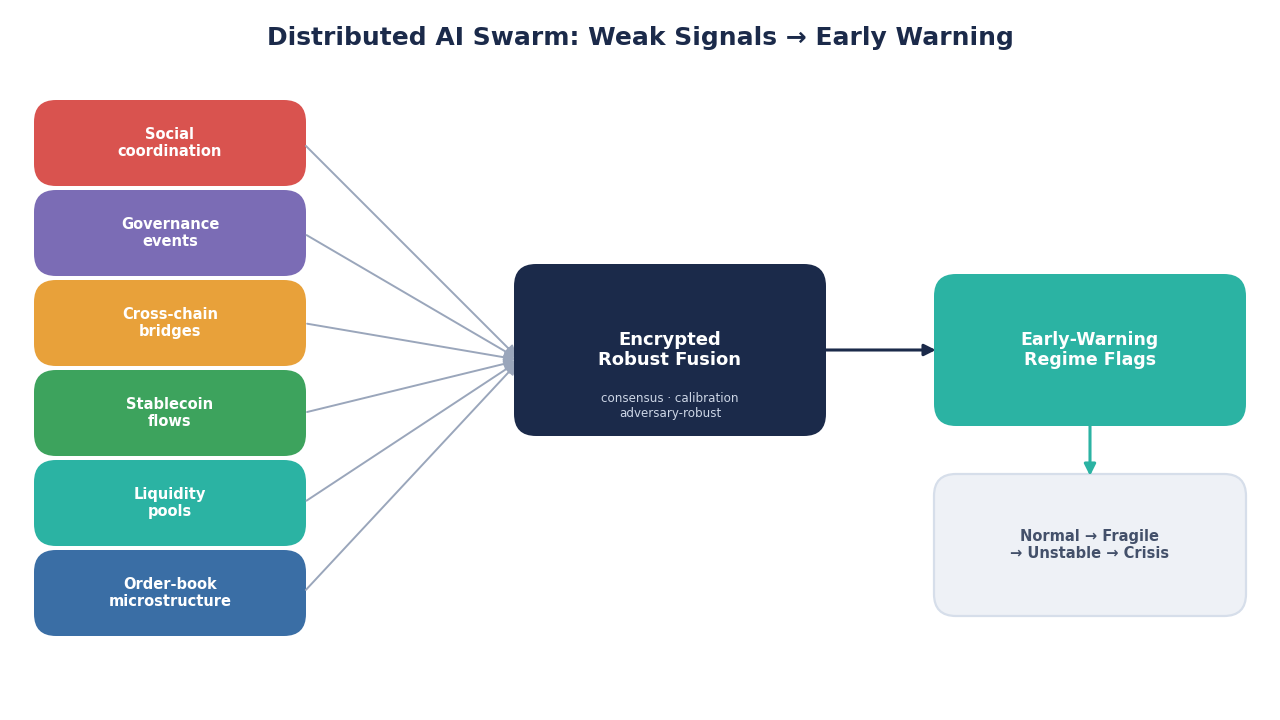
Intel peringatan dini pasar yang dihasilkan oleh swarm AI terdistribusi dalam sistem terenskripsi adalah pendekatan yang muncul untuk mendeteksi kondisi pasar yang rapuh sebelum menjadi jelas dalam harga, lonjakan volatilitas, atau berita besar. Alih-alih bergantung pada satu model terpusat, sebuah swarm menggunakan banyak agen spesialis yang masing-masing mengawasi bagian berbeda dari realitas pasar—mikrostruktur buku pesanan, kolam likuiditas, aliran stablecoin, jembatan lintas rantai, peristiwa tata kelola, dan sinyal koordinasi sosial—kemudian menggabungkan sinyal lemah tersebut menjadi pandangan peringatan dini yang kuat.
Untuk crypto dan DeFi, di mana lawan dapat memanipulasi narasi, menipu likuiditas, atau mengoordinasikan serangan, enkripsi bukanlah “hal yang baik untuk dimiliki.” Ini adalah lapisan yang membuat kecerdasan swarm menjadi layak tanpa membocorkan alpha atau mengekspos peserta. Inilah juga mengapa sistem seperti SimianX AI semakin memposisikan kemampuan peringatan dini sebagai tumpukan intelijen yang aman dan didorong oleh agen daripada dasbor dengan indikator yang tertinggal.
Mengapa Pasar Modern Memerlukan Peringatan Dini (Bukan Hanya Peramalan)
Dalam banyak krisis, harga adalah gejala tahap akhir. Tahap awal cenderung terlihat seperti:
- Penipisan likuiditas sementara harga masih tampak stabil
- Perubahan struktur korelasi di seluruh aset dan tempat
- Rotasi modal yang diam ke jaminan yang lebih aman
- Penangkapan tata kelola atau insentif yang mengarah ke perilaku ekstraktif
- Asimetri informasi yang melebar (orang dalam bereaksi sebelum data publik)
Pendekatan tradisional sering gagal karena mereka mengoptimalkan akurasi pada label historis, tetapi skenario yang paling berbahaya adalah di luar distribusi. Peringatan dini adalah tujuan yang berbeda: ia mencoba mendeteksi transisi keadaan dalam dinamika pasar yang mendasarinya.
Poin penting: Tugas peringatan dini bukanlah untuk memprediksi lilin berikutnya. Ini adalah untuk mendeteksi kapan aturan permainan sedang berubah.
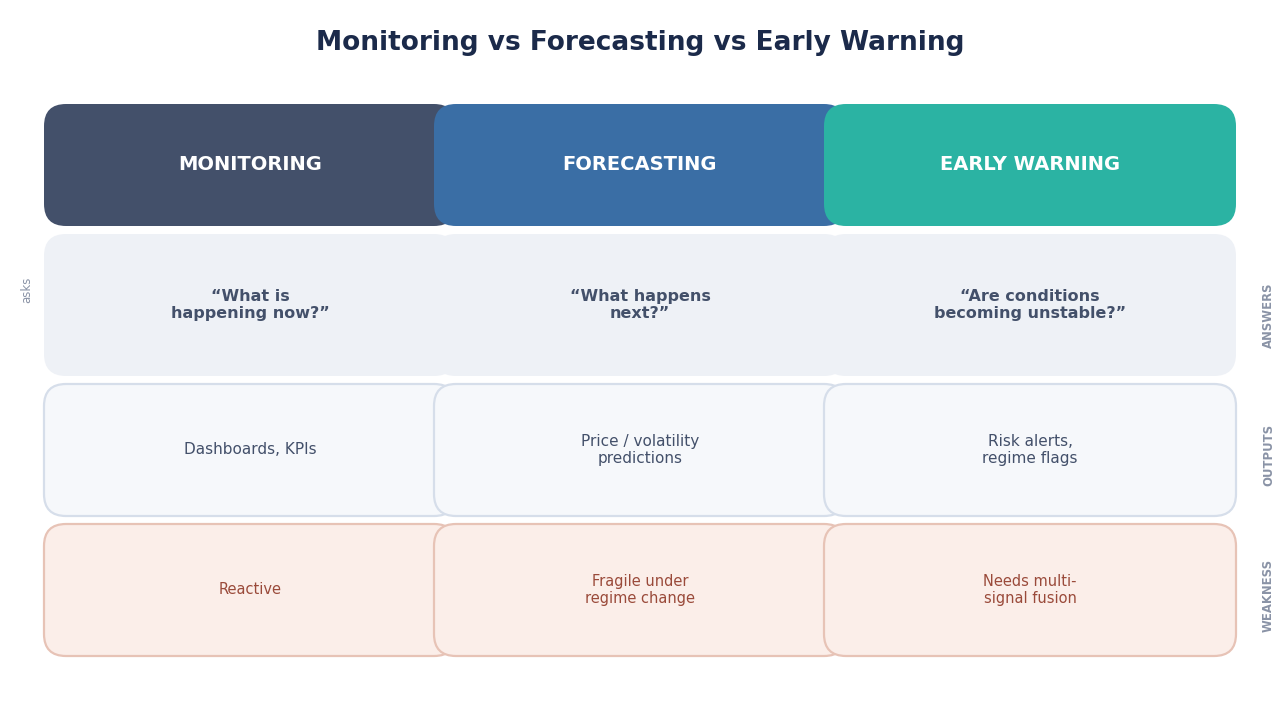
Peringatan Dini vs. Peramalan vs. Pemantauan
| Kemampuan | Apa yang dijawab | Output tipikal | Kelemahan utama |
|---|---|---|---|
| Pemantauan | “Apa yang sedang terjadi sekarang?” | dasbor, KPI | reaktif |
| Peramalan | “Apa yang terjadi selanjutnya?” | prediksi harga/volatilitas | rapuh di bawah perubahan rezim |
| Peringatan Dini | “Apakah kondisi menjadi tidak stabil?” | peringatan risiko, bendera rezim | memerlukan fusi multi-sinyal |
Apa Itu Swarm AI Terdistribusi?
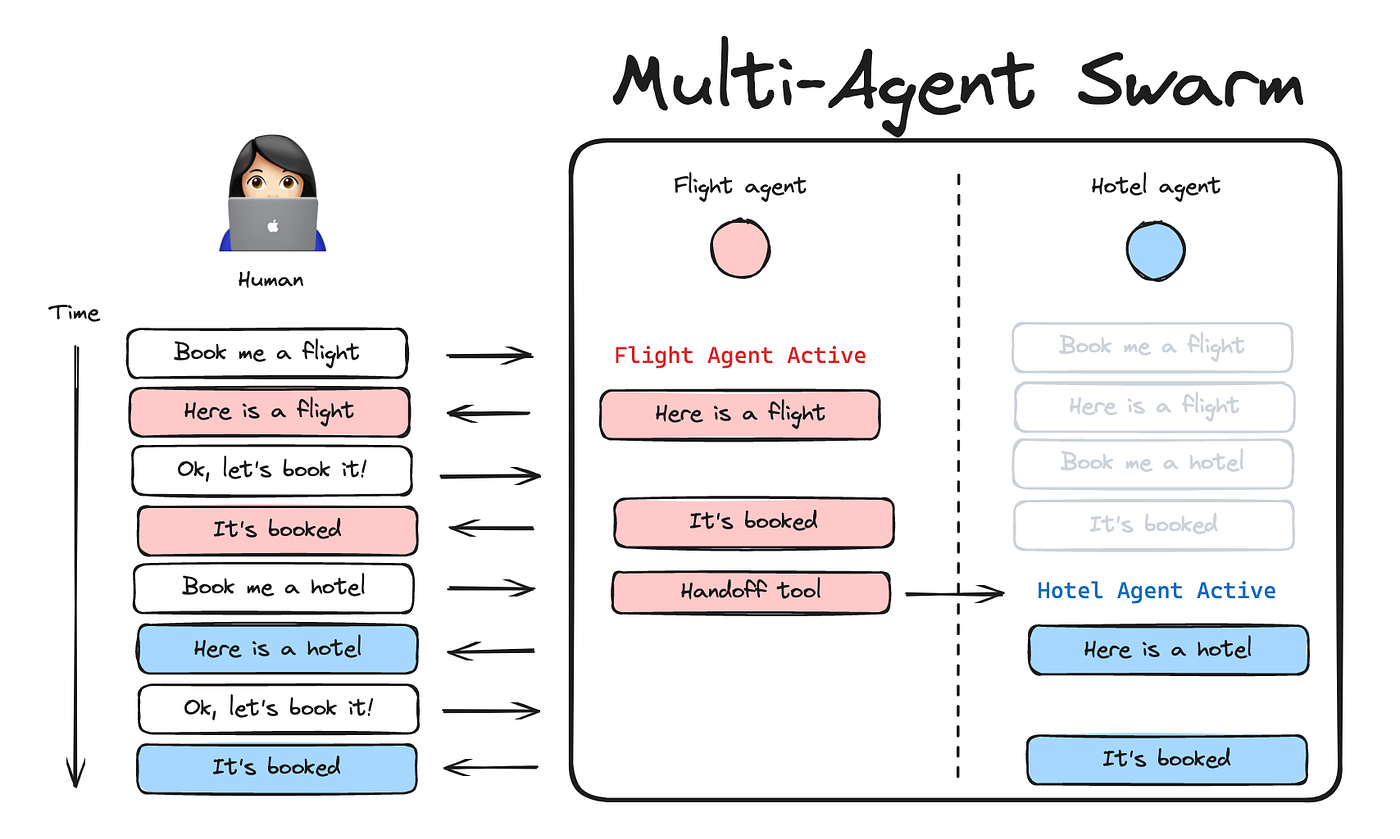
Swarm AI terdistribusi adalah populasi agen yang:
- Mengamati berbagai sumber data dan skala waktu
- Mempertahankan keyakinan lokal tentang risiko dan keadaan pasar
- Membagikan informasi terkompresi daripada data mentah
- Memperbarui keyakinan melalui koordinasi (konsensus, pemungutan suara, pasar, atau fusi Bayesian)
Berbeda dengan model monolitik, kekuatan swarm berasal dari keragaman:
- Model yang berbeda (transformer, GNN, detektor anomali, model kausal)
- Fitur yang berbeda (aliran, likuiditas, deviasi opsi, perilaku on-chain)
- Horizon yang berbeda (menit, jam, hari)
Model mental praktis
Pikirkan tentang swarm sebagai tim penelitian terdistribusi:
- Satu agen adalah spesialis mikrostruktur
- Agen lain fokus pada kesehatan stablecoin dan jaminan
- Agen lain melacak aliran keluar jembatan lintas rantai
- Agen lain mengawasi aktivitas pemerintahan dan pengembang
- Monitor lain mengoordinasikan sosial, narasi, dan informasi yang salah
Setiap agen bisa keliru; bersama-sama mereka menjadi tangguh.
Mengapa Enkripsi Adalah Persyaratan Utama
Intelijen peringatan dini menjadi kurang berguna jika:
- itu bocor (orang lain mendahuluinya),
- itu dirusak (musuh meracuni informasi),
- atau itu mengekspos data sensitif (masalah privasi dan kepatuhan).
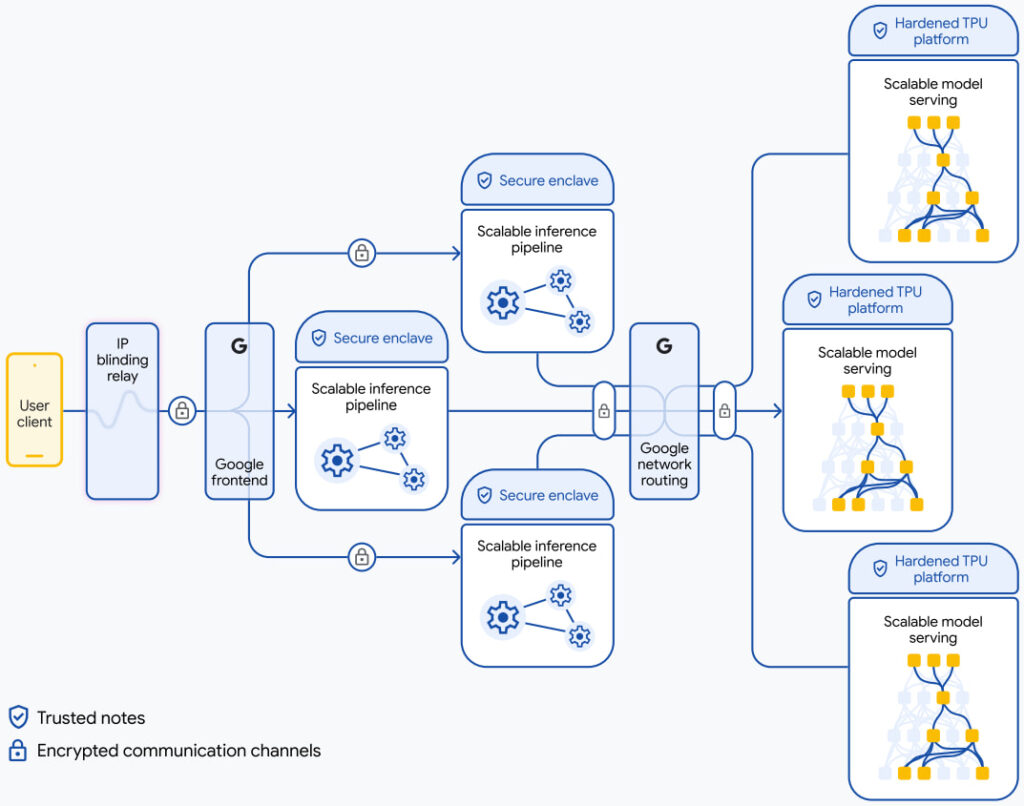
Sistem terenkripsi menyediakan kolaborasi yang menjaga privasi. Tujuannya adalah:
- agen dapat menghitung secara bersama-sama,
- hasil dapat dibagikan,
- tetapi input mentah tetap terlindungi.
Tiga jalur komputasi aman yang umum
- MPC (Komputasi Multi-Pihak yang Aman)
- Pihak-pihak menghitung fungsi tanpa mengungkapkan input
- Privasi yang kuat, sering kali dengan latensi dan kompleksitas yang lebih tinggi
- Enkripsi Homomorfik (HE)
- Menghitung langsung pada nilai yang terenkripsi
- Privasi yang sangat kuat, biaya komputasi tinggi untuk model yang kompleks
- TEEs (Lingkungan Eksekusi Terpercaya)
- Komputasi berjalan di enclave yang terlindungi
- Praktis dan cepat, tetapi tergantung pada asumsi kepercayaan perangkat keras
Catatan desain: Sebagian besar sistem nyata adalah hibrida—TEEs untuk kecepatan + MPC/HE untuk komponen sensitif.
Arsitektur Penuh untuk Peringatan Dini Kawanan Terenkripsi
Sistem kelas produksi biasanya mencakup lapisan-lapisan ini:
1) Lapisan data (penginderaan multi-domain)
- Buku pesanan CEX, perdagangan, suku bunga pendanaan
- Kolam DEX, kurva slippage, komposisi LP
- Metrik pasokan/pegging stablecoin dan aktivitas penebusan
- Jembatan lintas rantai, pencampur, pergerakan dompet besar
- Proposal tata kelola, pergeseran kekuatan suara
- Sinyal sosial/berita (dengan penyaringan musuh)
2) Lapisan agen (pemodelan khusus)
- Detektor anomali untuk aliran dan likuiditas
- Model graf untuk risiko penularan dan pihak lawan
- Model urutan untuk deteksi transisi rezim
- Probes kausal untuk mengidentifikasi indikator utama
- Detektor manipulasi (spoofing, aktivitas wash, pola sybil)
3) Lapisan koordinasi (fusi terenkripsi)
- Pengiriman pesan:
keyakinan,kepercayaan,hash bukti
- Aturan konsensus: agregasi yang kuat di bawah musuh
- Batasan laju dan penalti berbasis taruhan untuk spam/derau
4) Lapisan keputusan (intelijen yang dapat ditindaklanjuti)
- Skor risiko + penjelasan “mengapa sekarang”
- Rute peringatan: lindung nilai, pengurangan risiko, menjeda strategi
- Log audit dan post-mortem untuk perbaikan berkelanjutan
Ini adalah jenis arsitektur SimianX AI yang dapat dipetakan ke alur kerja perdagangan dan risiko nyata—mengubah kawanan menjadi sistem peringatan dini operasional daripada demo penelitian.
Bagaimana Kawanan Mengubah Sinyal Lemah Menjadi Peringatan Kuat
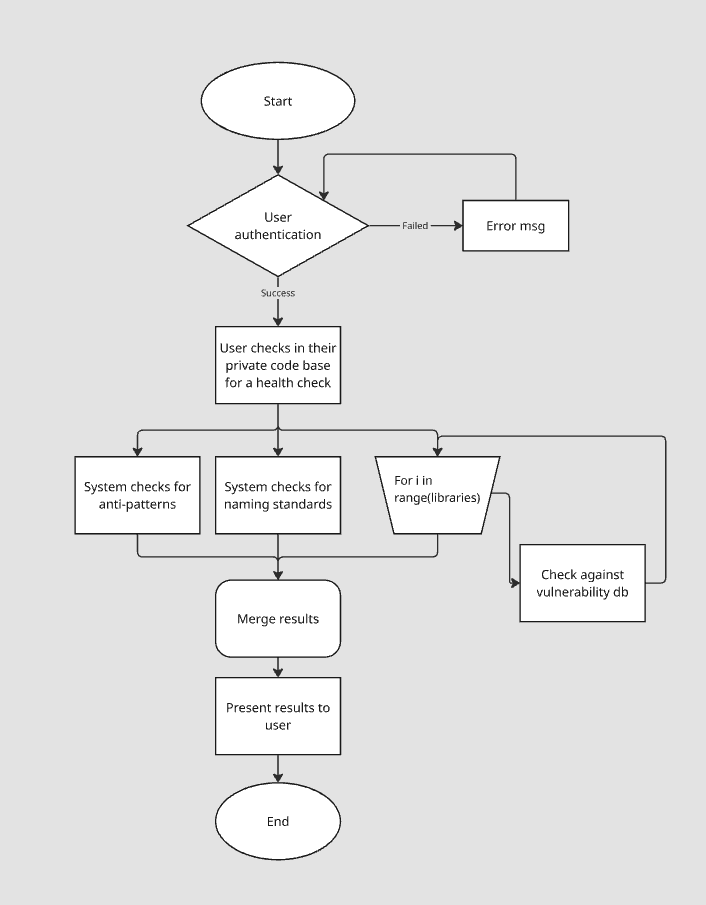
Peringatan dini adalah masalah agregasi di bawah ketidakpastian. Sebuah saluran yang kuat biasanya memiliki empat langkah:
Langkah A: Ekstraksi bukti lokal
Setiap agen menghasilkan:
- kemungkinan risiko (0–1),
- perkiraan kepercayaan,
- dan seperangkat kecil fitur bukti (bukan data mentah).
Contoh: Seorang agen likuiditas mungkin menghasilkan:
- risiko=0.71, kepercayaan=0.62
- bukti: “kedalaman kolam menurun 28% dalam 6 jam,” “kecepatan aliran keluar meningkat,” “konveksitas kurva slippage meningkat”
Langkah B: Kalibrasi (hindari agen yang terlalu percaya diri)
Agen dikalibrasi terhadap:
- jendela stres historis,
- serangan sintetis,
- dan transisi rezim.
Kalibrasi mengurangi agen “selalu alarm” dan agen “tidak pernah alarm”.
Langkah C: Fusi yang kuat di bawah musuh
Alih-alih merata-ratakan, fusi yang kuat dapat menggunakan:
- rata-rata yang dipangkas,
- median dari rata-rata,
- rata-rata model Bayesian,
- atau konsensus berbobot berdasarkan kepercayaan dan keandalan masa lalu.
Prinsip fusi yang kuat: Asumsikan beberapa agen salah—atau jahat—dan agregat sesuai.
Langkah D: Estimasi keadaan rezim
Sistem mempertahankan “mesin keadaan” pasar, misalnya:
- Normal → Rentan → Tidak Stabil → Krisis
- (ditambah keadaan pemulihan)
Peringatan dipicu pada transisi keadaan, bukan anomali tunggal.
Konsensus Kawanan: Apa Arti “Kesepakatan” Sebenarnya
Pasar itu bising. Sebuah kawanan yang baik tidak memerlukan kesepakatan bulat. Ia memerlukan kesepakatan terstruktur.
Sinyal konsensus yang berguna
- Konvergensi: Banyak agen bergerak bersama-sama meningkatkan risiko
- Divergensi: Agen terpisah tajam (sering kali tanda perubahan rezim)
- Cascade: Risiko satu domain memicu yang lain (aliran → likuiditas → volatilitas)
Contoh aturan konsensus (konseptual)
- Picu “Rentan” jika:
- ≥3 domain independen menunjukkan risiko tinggi, dan
- setidaknya satu adalah domain terdepan (aliran, likuiditas, kredit), dan
- ketidaksetujuan meningkat (ketidakpastian tumbuh).
Ini mencegah alarm palsu dari kebisingan saluran tunggal.
| Pola Konsensus | Interpretasi | Tindakan |
|---|---|---|
| Konvergensi tinggi | sinyal kuat | de-risk / lindungi |
| Divergensi tinggi | transisi rezim mungkin | kurangi leverage, perluas stop |
| Anomali lokal | kemungkinan manipulasi | selidiki + pantau |
Model Ancaman: Mengapa Kawanan Terenkripsi Lebih Sulit Dimanipulasi
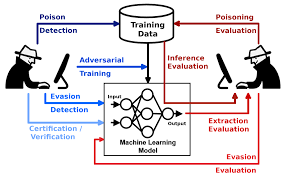
Sistem peringatan dini harus mengasumsikan adanya lawan. Dalam crypto dan DeFi, permukaan ancaman mencakup:
- pencemaran data (volume palsu, aktivitas wash, kawanan bot),
- serangan naratif (disinformasi terkoordinasi),
- ilusi likuiditas (kedalaman sementara untuk menarik perdagangan),
- penguasaan tata kelola dan suap,
- manipulasi oracle dan serangan waktu.
Bagaimana kumpulan mengurangi keberhasilan serangan
- Redundansi: Banyak agen mengamati saluran independen
- Validasi silang: Anomali satu agen harus konsisten dengan yang lain
- Koordinasi terenkripsi: penyerang tidak dapat dengan mudah melihat keyakinan internal
- Agregasi yang kuat: outlier dan sybil diberi bobot lebih rendah
Wawasan keamanan: Jika penyerang harus menipu beberapa sensor independen, biaya manipulasi meningkat tajam.
Sinyal Peringatan Dini Kunci (Menurut Lapisan Pasar)
Berikut adalah “peta sinyal” praktis yang dapat diterapkan oleh tim.
Lapisan likuiditas (seringkali yang paling awal)
- penurunan kedalaman buku pesanan
- pelebaran spread dan penarikan kutipan
- peningkatan konveksitas slippage
- konsentrasi LP meningkat
- pertumbuhan antrean penarikan (jika berlaku)
Lapisan aliran (pergerakan modal diam)
- kecepatan aliran stablecoin keluar
- aliran jembatan ke “rantai yang lebih aman”
- penjualan bersih dompet besar dengan dampak harga rendah (distribusi)
- migrasi jaminan menuju aset berkualitas tinggi
Lapisan volatilitas & derivatif (penetapan ulang risiko)
- peningkatan skew tanpa pergerakan spot
- ketidakstabilan tingkat pendanaan
- minat terbuka bergeser ke put
- divergensi implisit-terwujud
Lapisan tata kelola & protokol (spesifik DeFi)
- konsolidasi kekuatan suara
- spam proposal dan perubahan darurat
- pola pengurasan kas
- penyimpangan insentif (emisi mendominasi biaya)
Pengukuran: Cara Mengevaluasi Sistem Peringatan Dini
Peringatan dini harus diukur berbeda dari peramalan.
Metrik inti
- Waktu lead: seberapa awal sistem menandai ketidakstabilan sebelum penurunan
- Presisi di bawah tekanan: positif palsu selama tenang vs. positif nyata selama stres
- Akurasi deteksi rezim: mengidentifikasi transisi dengan benar
- Kekuatan: kinerja di bawah kebisingan yang merugikan dan data yang hilang
- Utilitas: seberapa banyak pengurangan kerugian atau pengurangan volatilitas yang dicapai oleh tindakan
Tabel evaluasi praktis
| Metrik | Apa yang terlihat "baik" | Mengapa itu penting |
|---|---|---|
| Waktu lead | jam → hari | waktu untuk melindungi/mengurangi risiko |
| Tingkat alarm palsu | rendah & stabil | kepercayaan operator |
| Ingatan stres | tinggi | penghindaran krisis |
| Skor kekuatan | stabil di bawah serangan | kelangsungan hidup |
| Peningkatan keputusan | terukur | nilai bisnis |
Realitas operator: Model yang biasa-biasa saja yang secara andal memberikan 12 jam waktu lead dapat mengungguli model "cerdas" yang mendeteksi keruntuhan pada saat yang sama dengan orang lain.
Mengubah Peringatan Menjadi Tindakan: Buku Pedoman Respons
Sistem peringatan dini hanya berharga jika mendorong keputusan.
Tingkat peringatan (contoh)
- Hijau (Normal): mempertahankan batas risiko dasar
- Kuning (Rapuh): mengurangi leverage, memperketat risiko, memantau
- Jingga (Tidak Stabil): melindungi, memutar jaminan, mengurangi eksposur
- Merah (Krisis): menghentikan strategi, keluar dari risiko, melestarikan modal
Otomatisasi tindakan (dengan batasan)
- Lindungi otomatis hanya ketika:
- kepercayaan > ambang,
- sinyal dikonfirmasi oleh setidaknya tiga agen independen, dan
- hedge yang diusulkan tetap dalam batas posisi yang ditetapkan sebelumnya.
- Apa pun di atas tingkat "Oranye" tetap melewati checkpoint human-in-the-loop—otomatisasi mengukur dan menahap respons, tetapi tidak pernah menghapus tombol darurat.
Aturan desain: otomatiskan langkah cepat dan reversibel (kurangi leverage, beli proteksi); pertahankan yang lambat dan ireversibel (de-risking penuh, hentikan strategi) di bawah konfirmasi manusia.
Dari Sinyal ke Kelangsungan Hidup
Swarm AI terdistribusi mengubah peringatan dini dari satu prediksi rapuh menjadi konsensus yang sulit dipalsukan dan cepat ditindaklanjuti. Nilainya bukan menebak puncak tepat—tetapi membeli waktu unggul: jam-jam antara "ada yang rapuh" dan "semua orang bisa melihatnya." Bagi meja kripto dan DeFi, di mana likuiditas lenyap dalam menit dan kolateral runtuh berantai dalam detik, waktu itu adalah perbedaan antara drawdown terkelola dan likuidasi paksa.
Bacaan Terkait
- Peringatan Dini AI untuk Risiko Likuiditas DeFi 2026
- AI Memodelkan Volatilitas & Risiko Berantai DeFi 2026
- Prediksi Terenkripsi Emergen: Multi-Agen Kooperatif
- Monitoring AI untuk Mitigasi Risiko DeFi: Framework
- AI Mengatasi Risiko Data Harga Kripto Telat/Tidak Akurat
- Prediksi Tren Kripto dengan Intelijen Mesin Kolektif
- Mesin Prediksi Sintetis di Kripto Terdesentralisasi
- Prediksi Pasar Kognitif dari AI Terenkripsi Otonom
- Crypto Intelligence: Sistem Kognitif Terdesentralisasi
- Jaringan AI Terenkripsi Self-Organizing: Insight Pasar
- SimianX Crypto Leaderboard