What Changes When an Issuer Puts Its Own Shares Onchain
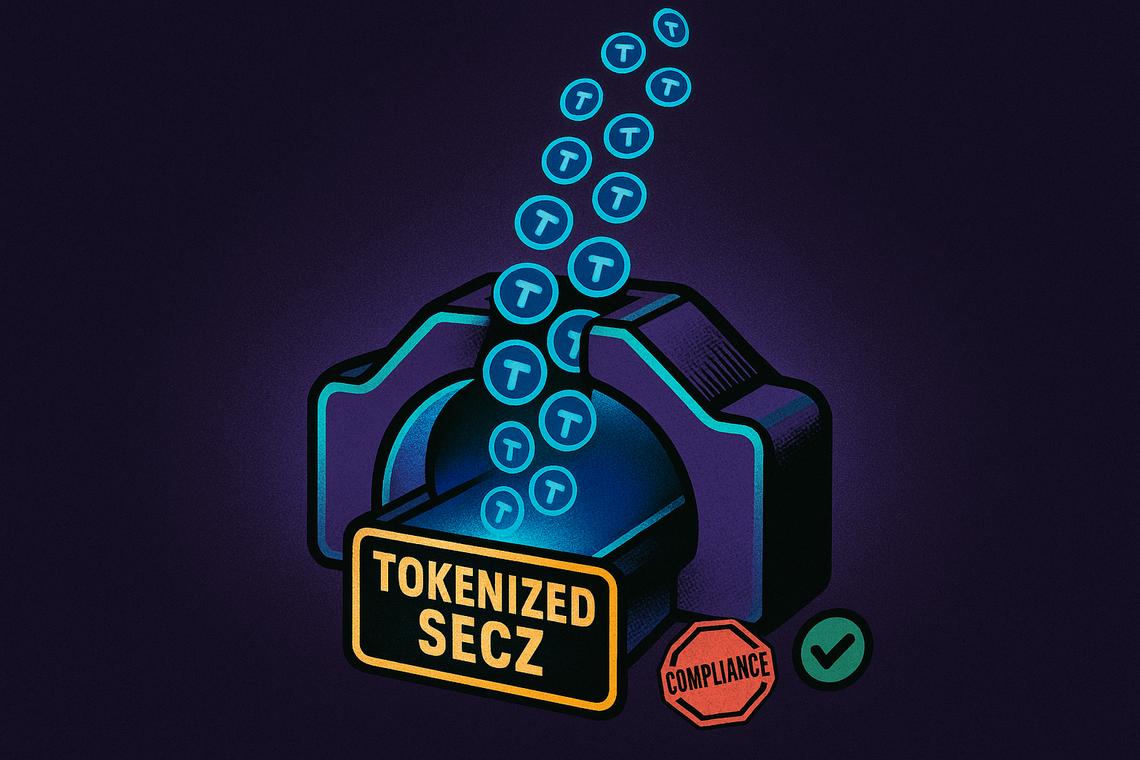
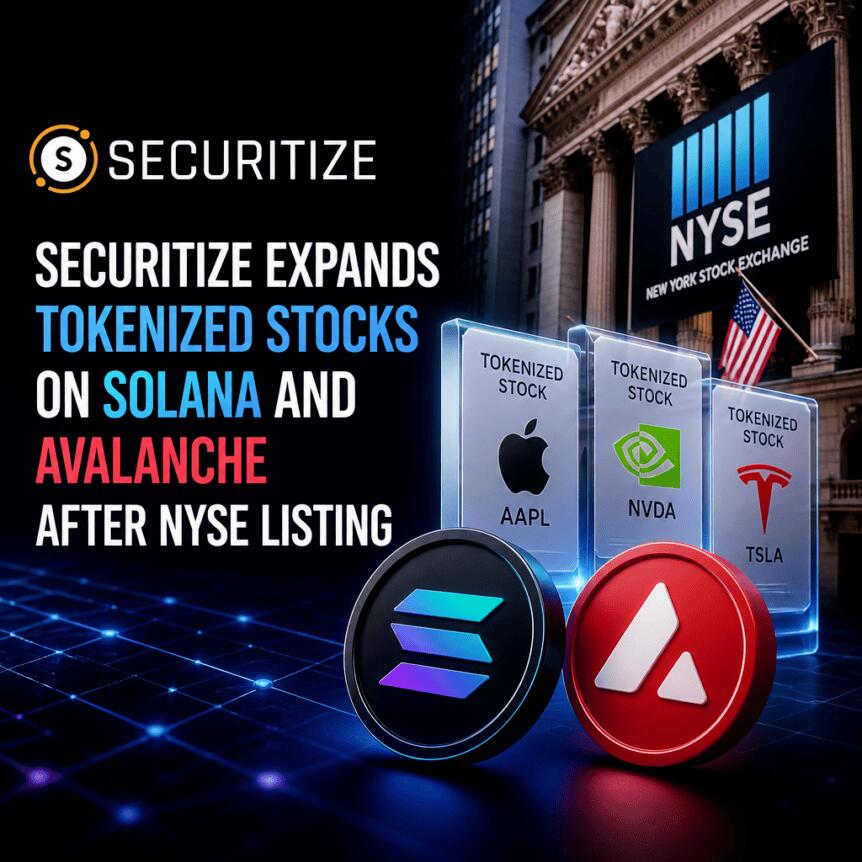
The Securitize NYSE Debut 2026 is more than a crypto-company listing story. It is a test case for whether public equities can move onchain through regulated, issuer-backed infrastructure without becoming offshore wrappers, synthetic trackers, or detached DeFi experiments. On July 2, 2026, Securitize began trading on the New York Stock Exchange under the ticker SECZ and simultaneously launched tokenized versions of its own common stock on Solana and Avalanche for eligible U.S. investors.
For investors, traders, and market researchers using platforms like SimianX AI, the story matters because it connects three powerful themes: Wall Street tokenization, real-world asset infrastructure, and AI-driven market analysis.

Why the Securitize NYSE Debut 2026 Matters
Securitize completed its business combination with Cantor Equity Partners II and began NYSE trading under SECZ on July 2, 2026. The company describes itself as a real-world asset tokenization platform with more than $4 billion in assets brought onchain as of June 2026, and its public listing gives investors a direct public-market way to track the tokenization infrastructure theme.
But the bigger headline is not only the listing. It is that Securitize brought its own common stock onchain at the start of its life as a public company. According to the company, tokenized SECZ is intended to represent the same common stock trading on the NYSE, not a separate share class. That distinction is critical.
The key shift is from “tokenized exposure” to issuer-sponsored tokenized ownership infrastructure.
Historically, many tokenized stock products have been structured as wrappers, synthetic exposures, or offshore instruments. Securitize is trying to demonstrate a different model: the issuer itself sponsors the tokenization, access is gated through regulated infrastructure, and investors must satisfy onboarding, KYC/AML, jurisdiction, and securities-law requirements.
That makes the Securitize NYSE debut a live case study in whether blockchain can support public equity ownership without bypassing the regulatory framework that institutional investors require.
What Is Securitize and Why Is SECZ Important?
Securitize is a tokenization platform focused on bringing real-world financial assets onchain. Its partnerships include major asset managers and financial institutions such as BlackRock, Apollo, BNY, Hamilton Lane, KKR, and VanEck. Its public listing gives the market a visible stock ticker for a theme that was previously difficult to express directly: regulated tokenization infrastructure.
SECZ matters for three reasons:
- It gives public-market investors a direct ticker linked to real-world asset tokenization.
- It creates a public example of issuer-backed tokenized equity.
- It may become a reference model for future tokenized stocks, funds, bonds, and ETFs.
| Topic | Why It Matters |
|---|---|
| NYSE listing | Brings tokenization infrastructure into mainstream public markets |
SECZ ticker | Creates a tradable public equity linked to tokenized finance |
| Solana and Avalanche launch | Shows multichain distribution for tokenized public stock |
| Issuer-sponsored model | Differentiates from synthetic or third-party tokenized stock products |
| Regulated access | Keeps the structure inside existing securities-market rules |
Securitize’s debut also arrives during a broader push by exchanges, asset managers, and crypto-native firms to tokenize traditional assets. The market narrative is no longer only about coins. It is increasingly about stocks, funds, Treasuries, credit, and ownership records.

How Do Tokenized Stocks Work After the Securitize NYSE Debut 2026?
Tokenized stocks are blockchain-based representations of equity ownership or equity-linked exposure. However, the details matter. A tokenized stock can mean very different things depending on who issues it, where it trades, what rights it carries, and whether it represents actual ownership in the underlying share.
In the Securitize model, tokenized SECZ is described as an issuer-sponsored version of the same common stock trading on the NYSE. That means the tokenization is designed to change the form of ownership representation, not the economic identity of the share.
A simplified tokenized stock workflow
- A public company has common stock listed on an exchange.
- The issuer or regulated platform creates a tokenized representation of that stock.
- Eligible investors complete onboarding and compliance checks.
- The tokenized security becomes accessible through approved infrastructure.
- Ownership and transfers can be recorded or represented on blockchain rails.
- Legal, contractual, and transfer restrictions still apply.
This is very different from a crypto exchange offering a third-party stock token that simply tracks price. In an issuer-sponsored structure, the company and regulated transfer infrastructure are central to the design.
Important distinction: tokenization does not automatically mean unrestricted trading, instant liquidity, or permissionless DeFi access. In regulated securities markets, tokenized shares still need to respect securities law, investor eligibility, transfer rules, custody standards, and market-structure requirements.
Why Tokenized Stocks Hit Wall Street Now
The Securitize NYSE debut happened at a moment when Wall Street is increasingly interested in real-world asset tokenization. Tokenized Treasury funds, money-market products, private credit, and tokenized funds have already created institutional proof points. Public equities are the next frontier because they are liquid, familiar, and central to the global investment system.
Three forces explain why tokenized stocks are gaining attention in 2026:
1. Institutional crypto has moved beyond speculation
The crypto market narrative has shifted from speculative tokens toward real-world asset adoption. Tokenized Treasuries, collateral products, and regulated onchain funds have shown that blockchain rails can be used for more than trading volatile assets.
2. Public markets want faster infrastructure
Traditional equity markets still rely on complex intermediaries, settlement cycles, transfer agents, custodians, and clearing systems. Tokenization promises potential improvements in:
- faster settlement,
- more transparent ownership records,
- programmable corporate actions,
- improved collateral mobility,
- global investor access under compliant rules.
3. Exchanges need a future market structure
Major exchanges are exploring ways to support digital securities, tokenized assets, and potentially longer trading windows. If public equities move onchain, the winning infrastructure will likely be hybrid: regulated enough for institutions, flexible enough for programmable finance.

SECZ Stock: Bull Case, Bear Case, and Market Watchlist
The Securitize NYSE Debut 2026 creates a new public-market signal for investors tracking tokenized finance. However, SECZ should not be analyzed like a typical software stock or a typical crypto stock. It sits between capital markets infrastructure, fintech, blockchain, compliance, and institutional asset management.
Bull case for SECZ
The bull case is that Securitize becomes a key infrastructure provider for a larger migration of assets onchain. If tokenized funds, tokenized equities, tokenized bonds, and tokenized alternative assets grow, Securitize could benefit from issuance, transfer, compliance, fund administration, and secondary trading infrastructure.
Bullish indicators to watch include:
- growth in assets brought onchain,
- new issuer partnerships,
- deeper relationships with asset managers,
- regulatory progress around tokenized securities,
- secondary-market liquidity for tokenized assets,
- adoption of tokenized stocks beyond
SECZ.
Bear case for SECZ
The bear case is that tokenization remains promising but slow. Public equity market structure is complex. Many tokenized real-world assets still face limited liquidity, restricted transferability, and low secondary-market participation. Tokenization may improve recordkeeping, but it does not automatically create buyer demand.
Bearish risks include:
- weak liquidity in tokenized securities,
- unclear revenue conversion from AUM,
- regulatory delays,
- competition from exchanges, banks, and crypto platforms,
- investor confusion between true tokenized ownership and synthetic exposure,
- post-SPAC volatility in public trading.
SECZ market watchlist
| Signal | Why It Matters |
|---|---|
| Onchain holder growth | Shows whether investors actually use tokenized shares |
| Daily trading volume | Measures public-market interest in SECZ |
| Tokenized asset AUM | Tracks business momentum beyond the stock debut |
| New institutional partnerships | Validates platform demand |
| Regulatory updates | Determines how fast tokenized securities can scale |
| Solana/Avalanche activity | Shows whether multichain access creates real usage |
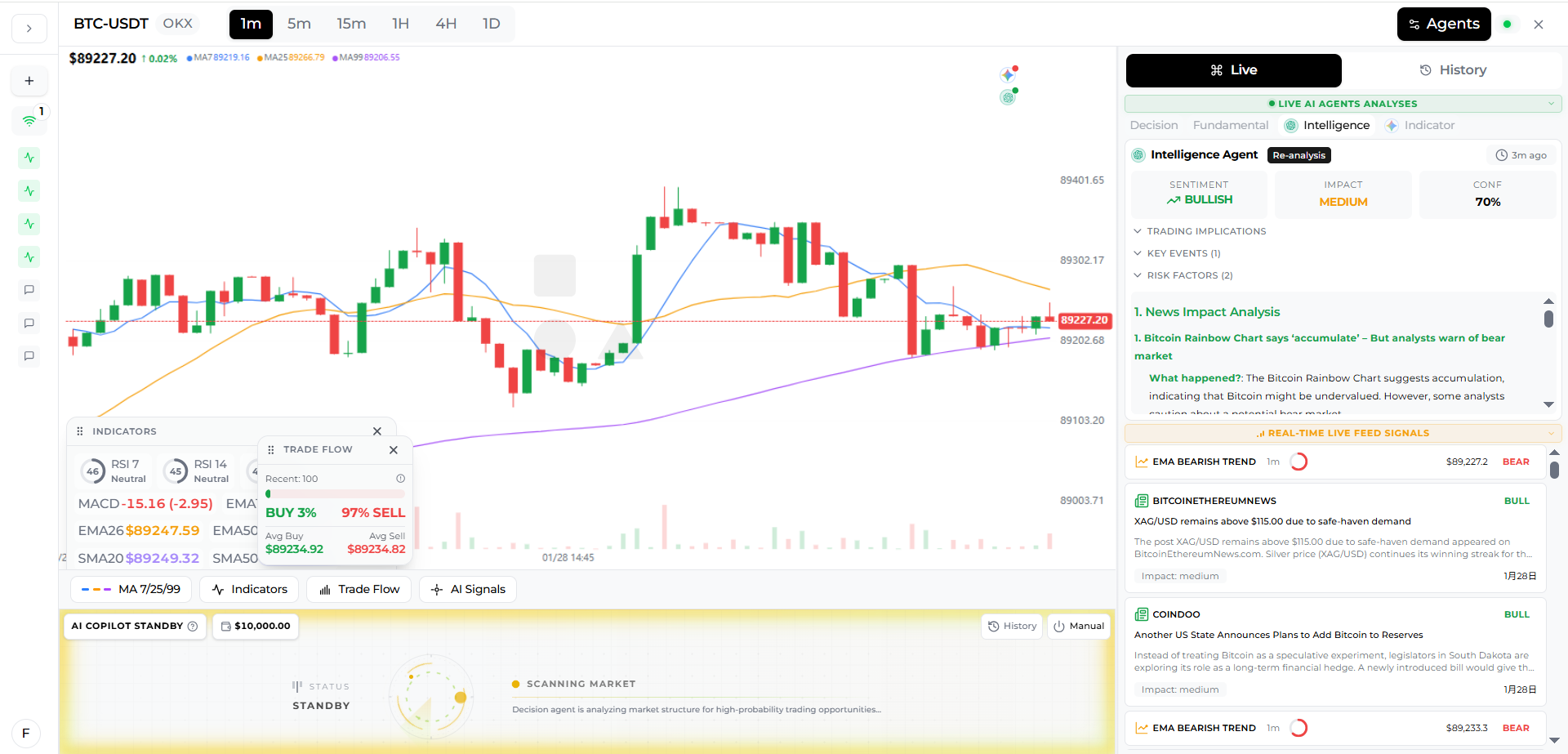
For SimianX AI users, this is the kind of event where one model is not enough. Traders need to monitor price action, news flow, fundamentals, sector sentiment, and crypto-market beta at the same time.
How Investors Can Analyze Tokenized Stocks in 2026
Tokenized stocks require a different research framework from ordinary equities. They combine traditional equity analysis with blockchain-market structure analysis.
A practical research process looks like this:
- Start with the traditional equity.
Review the public listing, market cap, float, revenue model, balance sheet, shareholder structure, and valuation.
- Separate the stock from the tokenized representation.
Ask whether the token represents the same common share, a wrapper, a derivative, or a synthetic tracker.
- Check investor eligibility and transfer rules.
Tokenized securities may be available only to eligible investors and may require KYC, AML, and jurisdictional screening.
- Measure actual liquidity.
Do not assume that tokenization creates liquid markets. Look at holders, volume, transfer frequency, bid-ask spreads, and secondary-market depth.
- Track regulatory and exchange developments.
Tokenized equities will depend heavily on securities regulators, exchanges, transfer agents, broker-dealers, custodians, and clearing infrastructure.
- Use AI to monitor cross-market signals.
A tokenized stock can react to equity-market news, crypto regulation, blockchain network sentiment, and institutional adoption headlines.
This is where SimianX AI fits naturally. SimianX’s multi-agent approach can help investors separate price action, fundamental catalysts, news sentiment, and decision-level risk framing instead of treating tokenized-stock headlines as one simple bullish or bearish signal.

What Is the Difference Between Issuer-Sponsored Tokenized Shares and Synthetic Stock Tokens?
This is one of the most important questions after the Securitize NYSE Debut 2026.
Issuer-sponsored tokenized shares are created with the involvement of the company or its regulated infrastructure partners. They are designed to represent actual equity ownership or an official ownership record within the securities framework.
Synthetic stock tokens are usually created by a third party. They may track a stock’s price, but they may not provide the same ownership rights, legal claim, dividend treatment, voting rights, transfer-agent connection, or regulatory clarity.
| Feature | Issuer-Sponsored Tokenized Shares | Synthetic Stock Tokens |
|---|---|---|
| Issuer involvement | Yes | Usually no |
| Ownership connection | Intended to represent actual equity | Often price exposure only |
| Regulatory structure | Built around securities compliance | Varies widely |
| Investor eligibility | Often restricted | Often offshore or platform-specific |
| Corporate actions | More likely to align with real shares | May be limited or simulated |
| Institutional appeal | Higher if compliant | Lower if legal status is unclear |
For Wall Street, this distinction is everything. Institutions are unlikely to adopt tokenized equities at scale if the product is merely a price mirror. They need legal clarity, compliance controls, custody standards, and rights that map back to the underlying security.
Why Solana and Avalanche Matter for SECZ Tokenized Stock
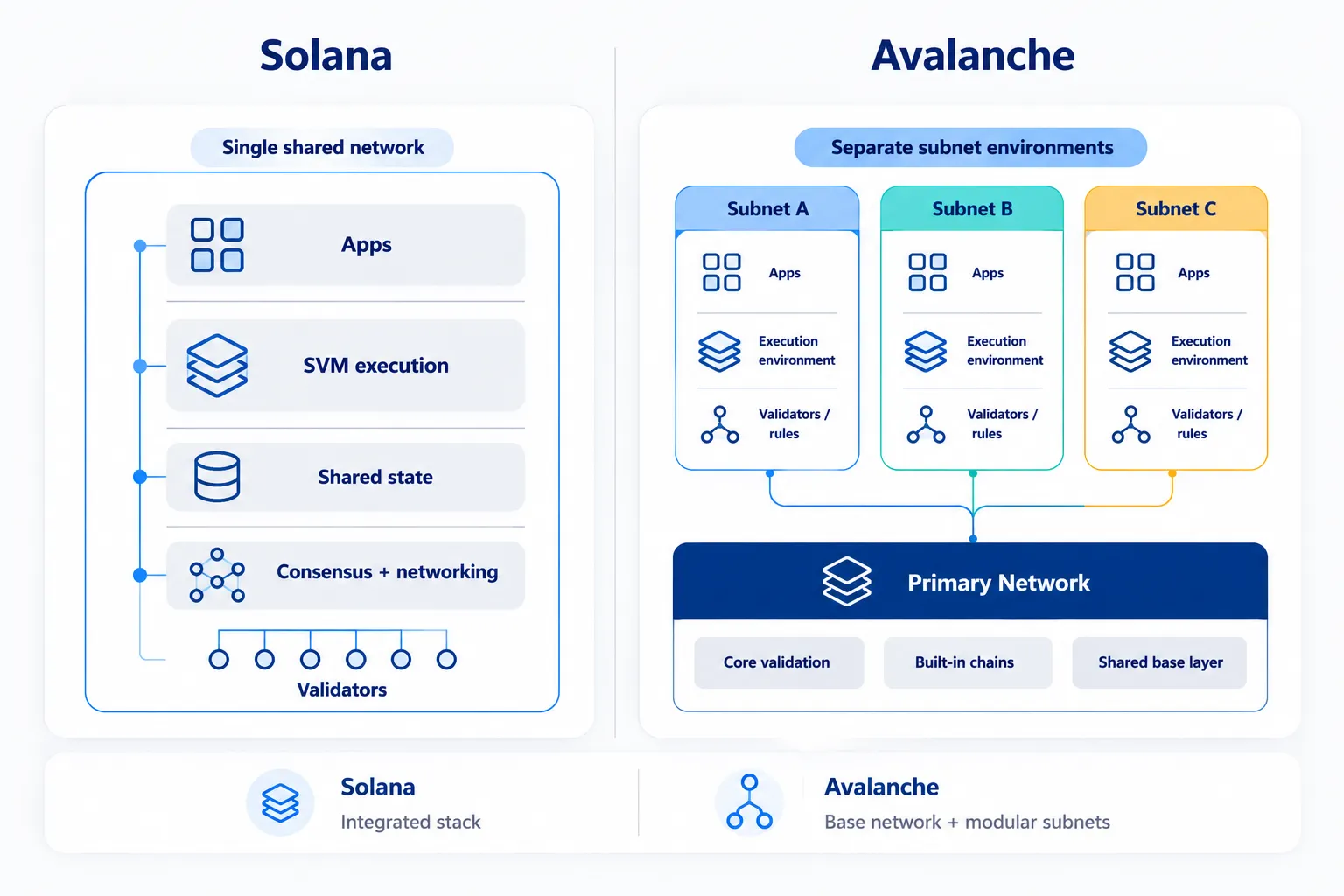
Securitize launched tokenized SECZ on Solana and Avalanche. That choice is important because it shows that tokenized public equities may not be tied to one chain. Instead, the future could be multichain, with different networks serving different liquidity, settlement, and application needs.
Solana is known for speed, low transaction costs, and a large consumer and trading ecosystem. Avalanche is often positioned around subnets, institutional use cases, and customizable blockchain environments. For tokenized securities, the chain is less important than the full stack around it: compliance, identity, transfer controls, custody, auditability, and investor access.
A useful way to think about this:
The blockchain is the rail, but compliance is the gate, the transfer agent is the bridge, and liquidity is the destination.
If tokenized stocks are going to scale, investors will need more than a token contract. They will need trusted infrastructure that connects public companies, brokers, exchanges, custodians, regulators, and investors.

What Could the Securitize Debut Mean for Wall Street?
The Securitize NYSE Debut 2026 could become a reference point for three possible Wall Street changes.
1. Tokenization becomes a public-company strategy
Public companies may eventually view tokenization as a shareholder-infrastructure upgrade. Tokenized equity could support more flexible ownership experiences, faster transfer workflows, and new investor-engagement models.
2. Transfer agents become more digital
Transfer agents are central to shareholder records. If tokenized securities grow, digital transfer-agent infrastructure may become a major competitive category.
3. Equity markets become more programmable
Tokenized equities could eventually support programmable dividends, automated compliance checks, collateralized lending, and integrated settlement workflows. However, these benefits will require careful design and regulatory acceptance.
The near-term opportunity is not “every stock trades 24/7 tomorrow.” The more realistic path is gradual: issuer-sponsored pilots, restricted investor access, institutional use cases, and expanded functionality as regulators and market participants gain comfort.
Key Risks Investors Should Not Ignore
The Securitize story is exciting, but investors should avoid treating “tokenized” as a magic word. Tokenization can improve infrastructure, but it does not remove business risk, valuation risk, liquidity risk, or regulatory risk.
Key risks include:
- Post-listing volatility: Newly public companies, especially those coming through SPAC combinations, can trade sharply after debut.
- Liquidity mismatch: A tokenized share may exist onchain without deep secondary-market liquidity.
- Regulatory uncertainty: Tokenized securities must operate within evolving rules.
- Infrastructure competition: Banks, exchanges, fintechs, and crypto platforms may all compete for tokenization market share.
- Adoption timing: The market may take years to move from pilot programs to broad adoption.
- Investor misunderstanding: Some traders may confuse issuer-backed tokenized shares with synthetic stock tokens.
For research and trading decisions, the right question is not simply whether tokenization is a big theme. The better question is: which companies can convert tokenization demand into durable revenue, defensible infrastructure, and real liquidity?
How SimianX AI Can Help Track Tokenized Stock Opportunities
Tokenized stocks sit at the intersection of equities, crypto, regulation, and market infrastructure. That makes them difficult to analyze manually. A single headline can involve:
- stock price movement,
- blockchain network activity,
- SEC or exchange rules,
- issuer announcements,
- institutional partnerships,
- crypto-market sentiment,
- liquidity changes.
SimianX AI is built for exactly this kind of multi-signal environment. Instead of forcing traders to jump between charts, filings, news feeds, and crypto dashboards, SimianX can help organize the market story into clearer research outputs.
For a name like SECZ, a practical SimianX workflow might include:
- Monitor
SECZprice action and volume after the NYSE debut. - Track major Securitize announcements and institutional partnerships.
- Compare tokenized asset growth against valuation.
- Watch Solana and Avalanche activity connected to tokenized shares.
- Separate short-term hype from durable adoption signals.
- Build a risk-aware watchlist around tokenization infrastructure peers.
SimianX AI provides market research and educational analysis, not investment, legal, or tax advice. But for fast-moving themes like tokenized stocks, structured AI research can help investors ask better questions before capital is at risk.

FAQ About Securitize NYSE Debut 2026
What is the Securitize NYSE Debut 2026?
The Securitize NYSE Debut 2026 refers to Securitize beginning trading on the New York Stock Exchange under the ticker SECZ on July 2, 2026. The debut is notable because Securitize also launched issuer-sponsored tokenized versions of its own common stock on Solana and Avalanche.
How do tokenized stocks work for SECZ?
Tokenized SECZ is designed to represent the same common stock trading on the NYSE, rather than a separate share class. Eligible investors access it through Securitize’s regulated platform, subject to onboarding, KYC/AML, jurisdictional eligibility, and securities-law requirements.
Are tokenized stocks the same as crypto tokens?
No. Tokenized stocks are securities, not ordinary crypto tokens. They may use blockchain rails, but they still depend on legal ownership rules, transfer restrictions, investor eligibility, and regulated market infrastructure.
Why are Solana and Avalanche involved in Securitize tokenized shares?
Securitize launched tokenized SECZ on Solana and Avalanche to create a multichain foundation for tokenized public equity. The networks provide blockchain rails, but the key value comes from the regulated structure connecting the tokenized representation to the actual public share.
Is SECZ a good way to invest in tokenized stocks?
SECZ gives investors exposure to a company focused on tokenization infrastructure, but it also carries public-stock risk, post-debut volatility, business-model risk, and regulatory uncertainty. Investors should analyze valuation, revenue growth, tokenized asset adoption, liquidity, and competition before making decisions.
Conclusion
The Securitize NYSE Debut 2026 marks a serious step in the evolution of tokenized stocks on Wall Street. Securitize did not simply list as SECZ; it also used its own public company debut to showcase issuer-sponsored tokenized equity on Solana and Avalanche. That makes the event a useful blueprint for how public equities might move onchain under regulated infrastructure.
The key takeaway is simple: tokenized stocks are no longer just a crypto narrative. They are becoming a capital-markets infrastructure question involving exchanges, issuers, transfer agents, investors, blockchains, and regulators.
For traders and investors, the opportunity is real but complex. Watch liquidity, adoption, regulation, partnerships, and valuation—not just headlines. To track tokenized stock opportunities with clearer market context, explore SimianX AI and use AI-powered research to follow the next phase of Wall Street tokenization.
Related Reading
- Securitize Stock 2026: SECZ Tokenized Shares Guide
- Stablecoins 2026: Visa, Stripe & the USDT vs USDC Race
- Every Major Stablecoin Depeg: A Complete Reference Table
- BTC vs ETH vs SOL: Best Buy Zones in the 2026 Crypto Dip
References
- New York Stock Exchange — listings and market data
- Securitize — issuer-sponsored tokenization platform
- U.S. Securities and Exchange Commission — securities rules and EDGAR filings
- Solana — high-throughput blockchain network
- Avalanche — subnet-based blockchain network
- BlackRock — asset manager active in tokenized funds
- SimianX Crypto Leaderboard — live AI model performance across markets