
วิธีอ่านผลประกอบการแรกของ FedEx หลังการแยกธุรกิจ
ผลประกอบการ FedEx 2026 เป็นมากกว่ารายงานรายไตรมาสตามปกติ สำหรับนักลงทุน ผู้ส่งสินค้า และนักวิจัยตลาด คำถามสำคัญคือสามแรงนี้มีปฏิสัมพันธ์กันอย่างไร ได้แก่ การแยกธุรกิจ FedEx Freight กลไกค่าธรรมเนียมน้ำมันที่เปลี่ยนไป และโครงสร้างของหุ้น FDX หลังการแยกตัว คู่มือวิจัยนี้แยกย่อยปัจจัยขับเคลื่อนหลักที่ควรจับตาทั้งก่อนและหลังการอัปเดตผลประกอบการไตรมาสที่สี่ของปีงบประมาณ (Q4 FY26) ของ FedEx
สำหรับผู้อ่านที่ติดตามปัจจัยกระตุ้นผลประกอบการข้ามหลายหุ้น SimianX AI สามารถสนับสนุนกระบวนการวิจัยที่มีโครงสร้าง โดยเปรียบเทียบปัจจัยพื้นฐาน สัญญาณทางเทคนิค ความรู้สึกจากข่าว และปัจจัยเสี่ยงในที่เดียว บทความนี้ให้ข้อมูลเท่านั้นและไม่ใช่คำแนะนำทางการเงิน
ทำไมผลประกอบการ FedEx 2026 จึงสำคัญในตอนนี้
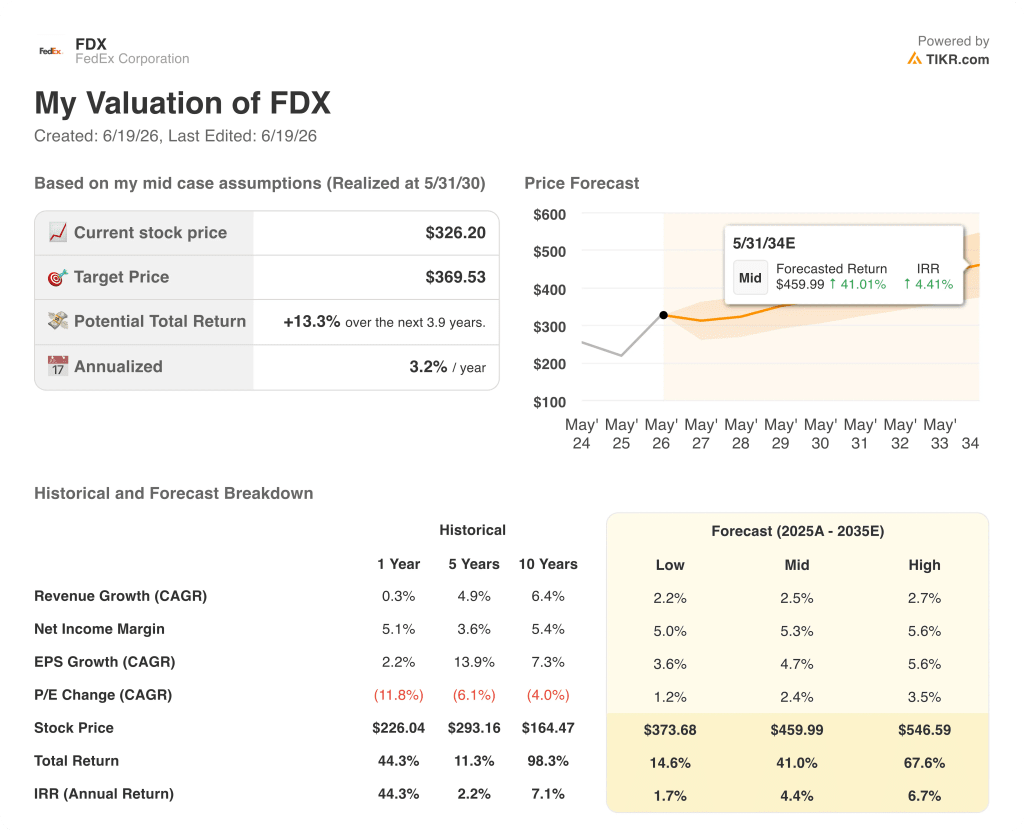
FedEx กำลังเข้าสู่บทใหม่ บริษัทได้ลดความซับซ้อนของโครงสร้าง แยก FedEx Freight ออก ลงทุนในการวางแผนเครือข่ายแบบดิจิทัลและขับเคลื่อนด้วย AI และพึ่งพาวินัยด้านราคาเพื่อชดเชยเงินเฟ้อ แรงกดดันค่าจ้าง ความผันผวนของน้ำมัน และความไม่แน่นอนของนโยบายการค้า
ประเด็นสำคัญที่สุดคือ ควรประเมินผลประกอบการ FedEx 2026 ในฐานะเหตุการณ์ผลประกอบการของปีแห่งการเปลี่ยนผ่าน ไม่ใช่แค่ตัวเลขรายได้และ EPS ตัวเลขพาดหัวสำคัญ แต่คำถามวิจัยที่มีคุณค่ามากกว่าคือ ธุรกิจ FedEx ที่เหลืออยู่จะสามารถสร้างอัตรากำไรที่ดีขึ้น กระแสเงินสดอิสระที่แข็งแกร่งขึ้น และการจัดสรรเงินทุนที่สะอาดขึ้นหลังการแยก Freight ได้หรือไม่
นักลงทุนควรโฟกัสสี่ด้าน:
- อุปสงค์พัสดุหลัก ในเส้นทางภายในประเทศสหรัฐฯ International Priority และ B2B ระดับพรีเมียม
- คุณภาพของ yield โดยเฉพาะว่าการเพิ่มของราคาได้รับการหนุนจากปริมาณ หรือส่วนใหญ่มาจากค่าธรรมเนียมเพิ่ม
- การดำเนินการประหยัดต้นทุน จากโครงการ DRIVE, Network 2.0 และ One FedEx
- การจัดสรรเงินทุนหลังการแยก รวมถึงการลดหนี้ การซื้อหุ้นคืน เงินปันผล และสัดส่วน FedEx Freight ที่ถือไว้
การวิเคราะห์ผลประกอบการ FedEx ที่ดีที่สุดแยกสัญญาณรบกวนชั่วคราวออกจากการปรับปรุงเชิงโครงสร้าง
กรอบที่มีประโยชน์คือการมองทุกการอัปเดตผลประกอบการเป็นสัญญาณในสามชั้น: ผลการดำเนินงาน การเปลี่ยนแปลงเชิงกลยุทธ์ และความคาดหวังของตลาด
| ด้านการวิจัย | สิ่งที่ต้องจับตา | ทำไมจึงสำคัญ |
|---|---|---|
| การเติบโตของรายได้ | ปริมาณพัสดุ, yield, อุปสงค์ระหว่างประเทศ | แสดงว่าการเติบโตเป็นวงกว้างหรือมาจากราคา |
| แนวโน้มอัตรากำไร | อัตรากำไรจากการดำเนินงาน, กำไรดำเนินงานปรับปรุง | วัดความคืบหน้าของการเปลี่ยนแปลง |
| การแยก Freight | การแจกจ่าย FDXF, สัดส่วนที่ถือไว้, การใช้หนี้ | เปลี่ยนเรื่องราวการประเมินมูลค่า |
| นโยบายค่าธรรมเนียมน้ำมัน | การจัดแนวส่งออก/นำเข้า, การเคลื่อนไหวของดัชนีรายสัปดาห์ | กระทบต้นทุนผู้ส่งและ yield ที่รายงาน |
| ปฏิกิริยาของหุ้น | แนวโน้ม (guidance), การประเมินมูลค่า, การปรับประมาณการของนักวิเคราะห์ | ขับเคลื่อนความผันผวนระยะสั้นของ FDX |
Q3 FY26 ของ FedEx วางฐานสำหรับความคาดหวัง Q4
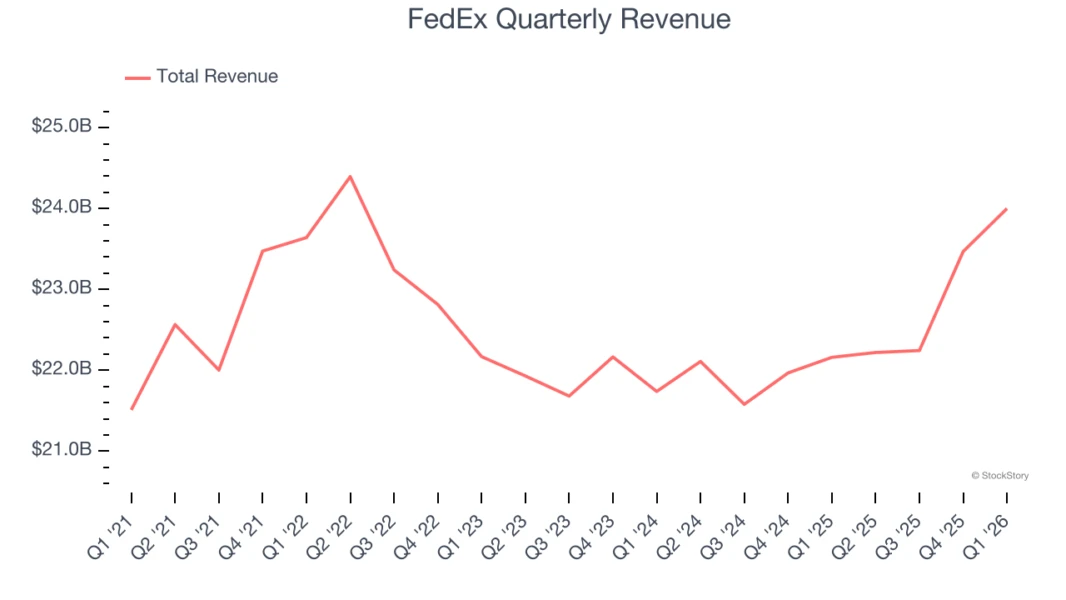
ผลประกอบการ FedEx ล่าสุดก่อน Q4 แสดงโครงสร้างที่แข็งแกร่งกว่าช่วงต้นปีงบประมาณ 2026 ใน Q3 FY26 FedEx รายงาน รายได้ 24.0 พันล้านดอลลาร์ EPS ปรับลดปรับปรุงที่ดีขึ้น และยกระดับแนวโน้มเต็มปีงบประมาณ 2026 แนวโน้ม EPS ปรับปรุงยังไม่รวมรายการต่าง ๆ เช่น ต้นทุนการแยก Freight ต้นทุนการเพิ่มประสิทธิภาพธุรกิจ ต้นทุนการเปลี่ยนปีงบประมาณ และเรื่องกำกับดูแลบางประการ
นี่สำคัญเพราะคาดว่า Q4 FY26 จะถูกตัดสินเทียบกับมาตรฐานที่ยกสูงขึ้นแล้ว หาก Q3 สะท้อน yield พัสดุภายในประเทศสหรัฐฯ และ International Priority ที่สูงขึ้น การประหยัดต้นทุน และการปรับปรุงปริมาณ นักลงทุนใน Q4 จะต้องการหลักฐานว่าแนวโน้มเหล่านั้นดำเนินต่อหลังการแยก Freight
รายการตรวจสอบสำหรับนักลงทุนที่ใช้ได้จริงเป็นดังนี้:
- เปรียบเทียบ EPS ที่รายงานกับ EPS ปรับปรุง
- ระบุว่าการปรับปรุงใดเป็นชั่วคราวและอันใดอาจเกิดซ้ำ
- ทบทวนการเติบโตของรายได้แยกตามกลุ่มธุรกิจและตามปริมาณเทียบกับ yield
- ติดตามอัตรากำไรจากการดำเนินงานเทียบกับอัตรากำไรปีก่อน
- ฟังความเห็นของผู้บริหารเกี่ยวกับอุปสงค์ FY27 และโครงสร้างต้นทุนหลังการแยก
คำถามหลัก: ผลประกอบการของ FedEx ดีขึ้นเพราะธุรกิจดีขึ้นเชิงโครงสร้าง หรือเพราะการปรับปรุงชั่วคราวและการตั้งราคากำลังปิดบังแรงกดดันต้นทุนที่ยังคงอยู่?
การแยก FedEx Freight จะกระทบหุ้น FDX อย่างไร?
การแยกธุรกิจ (spin-off) FedEx Freight เป็นหนึ่งในเหตุผลใหญ่ที่สุดที่ทำให้ ผลประกอบการ FedEx 2026 มีโปรไฟล์การวิจัยต่างจากปีก่อน ๆ FedEx Freight กลายเป็นบริษัทจดทะเบียนอิสระภายใต้ตัวย่อ FDXF ขณะที่ FedEx ยังซื้อขายในชื่อ FDX
สำหรับผู้ถือหุ้น FedEx ธุรกรรมนี้ถูกจัดโครงสร้างให้ได้รับหุ้น FedEx Freight หนึ่งหุ้นต่อทุกสองหุ้นสามัญ FedEx ที่ถือ ณ วันกำหนดสิทธิ โดย FedEx ยังถือสัดส่วนข้างน้อยไว้เพื่อจำหน่ายในอนาคต เป้าหมายเชิงกลยุทธ์ชัดเจน: แยกธุรกิจขนส่งไม่เต็มคันรถ (LTL) ออกจากเครือข่ายพัสดุ เอ็กซ์เพรส และโลจิสติกส์ที่กว้างกว่า เพื่อให้แต่ละบริษัทถูกประเมินมูลค่าและบริหารได้ชัดเจนขึ้น
สิ่งที่นักลงทุนควรวิเคราะห์หลังการแยก
การแยกอาจกระทบหุ้น FDX ได้หลายทาง:
- ความชัดเจนของการประเมินมูลค่า: นักลงทุนสามารถประเมินเครือข่ายพัสดุและเอ็กซ์เพรสของ FedEx แยกจากธุรกิจขนส่ง LTL
- ความสามารถในการเปรียบเทียบอัตรากำไร: อัตรากำไรของ FedEx หลังการแยกอาจเปรียบเทียบกับ UPS คู่แข่งที่เกี่ยวกับ DHL และผู้ให้บริการโลจิสติกส์ทั่วโลกได้ง่ายขึ้น
- หนี้และการจัดสรรเงินทุน: หุ้น Freight ที่ถือไว้และเงินสดที่ได้สามารถสนับสนุนการลดภาระหนี้หรือการดำเนินการด้านงบดุลอื่น ๆ
- การโฟกัสเชิงกลยุทธ์: ผู้บริหารสามารถให้ความสำคัญกับการเปลี่ยนแปลงเครือข่ายโดยไม่มีความซับซ้อนเชิงปฏิบัติการของวงจร LTL ที่แยกต่างหาก
- กระแสดัชนีและการถือครอง: การแยกธุรกิจมักสร้างแรงกดดันซื้อและขายชั่วคราวขณะที่กองทุนปรับสมดุลสถานะ
ความเสี่ยงหลักคือโครงสร้างองค์กรที่สะอาดขึ้นไม่ได้สร้างคุณภาพกำไรที่สูงขึ้นโดยอัตโนมัติ นักลงทุนยังต้องการหลักฐานว่าธุรกิจ FedEx ที่เหลือสามารถสร้างการขยายอัตรากำไรที่ยั่งยืนได้
การแยกธุรกิจสามารถปลดล็อกมูลค่าได้ แต่เฉพาะเมื่อบริษัทที่แยกออกดำเนินงานแบบอิสระได้ดีกว่าตอนอยู่รวมกัน
ค่าธรรมเนียมน้ำมัน: ทำไมผู้ส่งสินค้าและนักลงทุนควรใส่ใจ
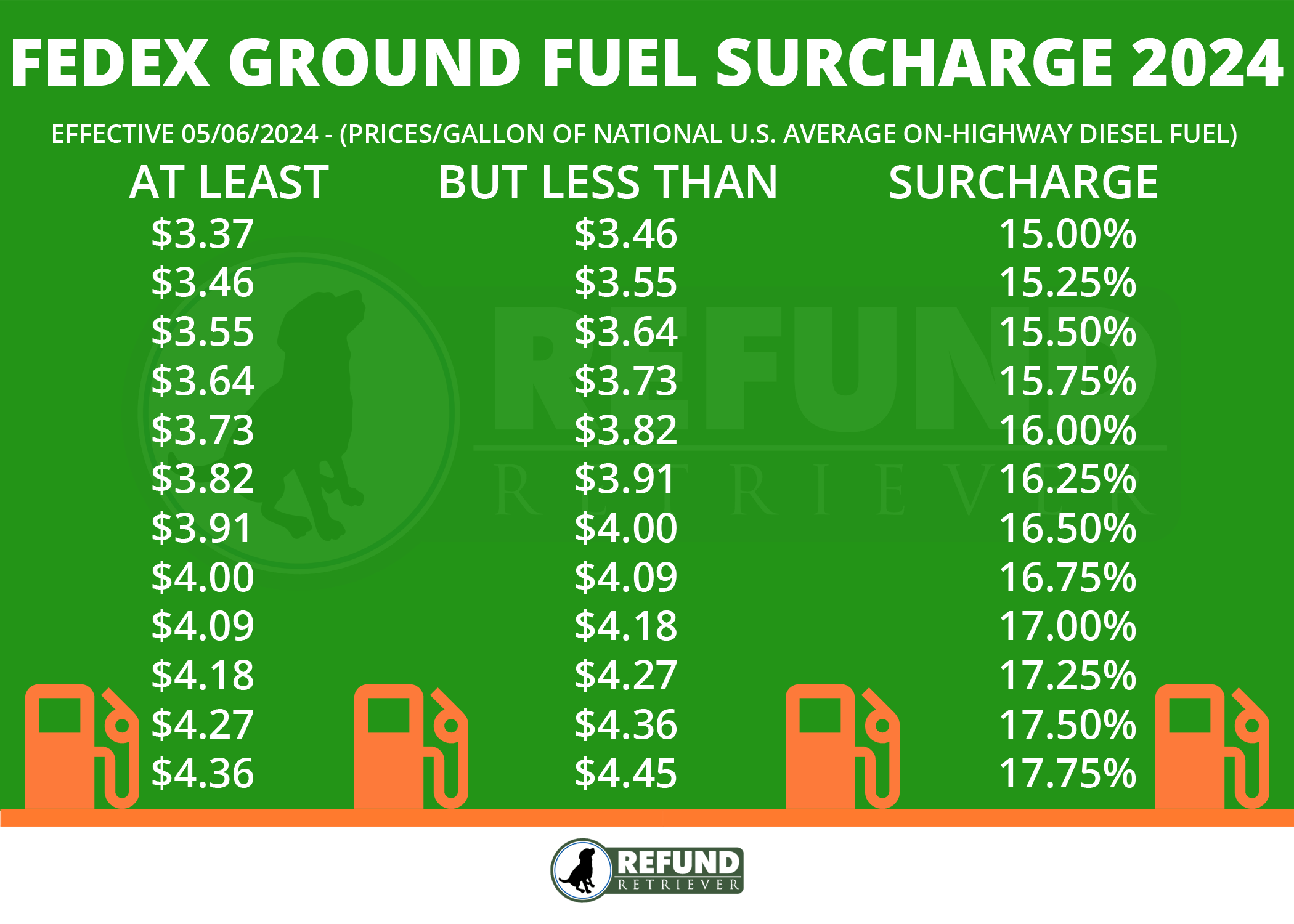
ค่าธรรมเนียมน้ำมันมักถูกมองเป็นรายละเอียดต้นทุนการจัดส่ง แต่สามารถมีอิทธิพลต่อทั้งพฤติกรรมลูกค้าและการตีความของนักลงทุนต่อคุณภาพรายได้ของ FedEx ค่าธรรมเนียมน้ำมัน ของ FedEx ปรับรายสัปดาห์ และบริการพัสดุและขนส่งเอ็กซ์เพรสจำนวนมากผูกกับดัชนีน้ำมันดีเซลหรือน้ำมันเครื่องบิน
ในเดือนมิถุนายน 2026 FedEx อัปเดตตารางค่าธรรมเนียมน้ำมันระหว่างประเทศให้แสดงอัตราส่งออกและนำเข้าร่วมกันภายใต้โครงสร้าง Export & Import สำหรับผู้ส่งที่เน้นส่งออก สิ่งนี้อาจเปลี่ยนการคำนวณต้นทุนถึงปลายทาง การตรวจสอบใบแจ้งหนี้ กฎของระบบบริหารการขนส่ง (TMS) และเครื่องคำนวณค่าจัดส่งที่หันเข้าหาลูกค้า
สำหรับนักลงทุน คำถามเรื่องค่าธรรมเนียมเพิ่มนั้นละเอียดอ่อน รายได้ค่าธรรมเนียมที่สูงขึ้นสามารถหนุน yield แต่ไม่จำเป็นต้องสะท้อนคุณภาพการเติบโตแบบเดียวกับอัตราพื้นฐานที่สูงขึ้นหรือปริมาณพัสดุที่แข็งแกร่งขึ้น นักวิเคราะห์ควรมองหาความเห็นของผู้บริหารที่แยกแยะระหว่าง:
- yield พื้นฐาน
- การมีส่วนของค่าธรรมเนียมน้ำมัน
- การเติบโตของปริมาณ
- การปรับปรุงส่วนผสม (mix)
- และการรักษาลูกค้า
ความอ่อนไหวต่อค่าธรรมเนียมน้ำมันสำคัญเพราะกระทบทั้งสองด้านของสมการ: ต้นทุนของลูกค้าและการเรียกคืนรายได้ของ FedEx
| ปัจจัยค่าธรรมเนียมน้ำมัน | ผลต่อผู้ส่ง | ผลต่อนักลงทุน |
|---|---|---|
| การเปลี่ยนแปลงดัชนีรายสัปดาห์ | ใบแจ้งหนี้ขนส่งเคลื่อนไหวเร็ว | รายได้และ yield อาจผันผวน |
| การจัดแนวส่งออก/นำเข้า | ลูกค้าที่เน้นส่งออกอาจมีต้นทุนสูงขึ้น | yield ระหว่างประเทศอาจดูแข็งแกร่งขึ้น |
| ความผันผวนของน้ำมันเครื่องบิน | การทำงบประมาณยากขึ้น | การฟื้นอัตรากำไรขึ้นกับความล่าช้าและการส่งผ่าน |
| เงื่อนไขสัญญา | ผลในระดับลูกค้าต่างกัน | ค่าเฉลี่ยที่รายงานอาจซ่อนความกระจาย |
สิ่งที่ต้องจับตาในผลประกอบการ FedEx Q4 FY26
การประชุมแถลงผลประกอบการ Q4 FY26 ที่กำลังจะมาถึงน่าจะถูกประเมินผ่านมุมมองหลังการแยก นักลงทุนควรจับตาไม่เพียงไตรมาสที่รายงาน แต่รวมถึงถ้อยคำของผู้บริหารเกี่ยวกับการเปลี่ยนปีงบประมาณ เงื่อนไขอุปสงค์ FY27 และแผนอัตรากำไรระยะยาว
คำถามในการประชุมที่มีประโยชน์ที่สุดได้แก่:
1. FedEx ยังเพิ่มความสามารถในการทำกำไรอยู่หรือไม่?
มองหาแนวโน้มเกี่ยวกับ EPS ปรับปรุง กำไรดำเนินงาน และกระแสเงินสดอิสระ EPS ที่แข็งแกร่งโดยไม่มีการปรับปรุงอัตรากำไรอาจน่าเชื่อถือน้อยกว่าการเติบโต EPS ปานกลางที่มาพร้อมการลดต้นทุนที่ยั่งยืน
2. การเติบโตของรายได้มาจากปริมาณหรือราคา?
FedEx สามารถเติบโตรายได้ผ่านปริมาณพัสดุ การขึ้นอัตราพื้นฐาน ค่าธรรมเนียมน้ำมัน ส่วนผสม และอุปสงค์ระหว่างประเทศ โครงสร้างที่แข็งแกร่งที่สุดคือการเติบโตของปริมาณบวกกับ yield ที่มีวินัย
3. การประหยัดจากการเปลี่ยนแปลงมองเห็นได้หรือไม่?
FedEx เน้นการเพิ่มประสิทธิภาพเครือข่าย DRIVE One FedEx และความสามารถดิจิทัล นักลงทุนควรฟังการประหยัดที่วัดได้ ไม่ใช่แค่ถ้อยคำกว้าง ๆ เรื่องการเปลี่ยนแปลง
4. การจัดสรรเงินทุนหลังการแยกจะเป็นอย่างไร?
FedEx หลังการแยกอาจมีความยืดหยุ่นมากขึ้น ตลาดน่าจะประเมินเงินปันผล การซื้อหุ้นคืน การลดหนี้ และแผนใด ๆ สำหรับสัดส่วน FedEx Freight ที่ถือไว้
5. ผู้บริหารวางกรอบภาษี การค้า และอุปสงค์ระหว่างประเทศอย่างไร?
นโยบายการค้าโลก ความเสี่ยงภูมิรัฐศาสตร์ และอุปสงค์ข้ามพรมแดนสามารถกระทบทั้งปริมาณพัสดุและส่วนผสมของลูกค้า
ข้อสรุปที่ใช้ได้จริง: สำหรับหุ้น FDX น้ำเสียงของแนวโน้มอาจสำคัญกว่าตัวเลข Q4 ที่มองย้อนหลัง
การวิเคราะห์หุ้น FDX หลังผลประกอบการ FedEx 2026
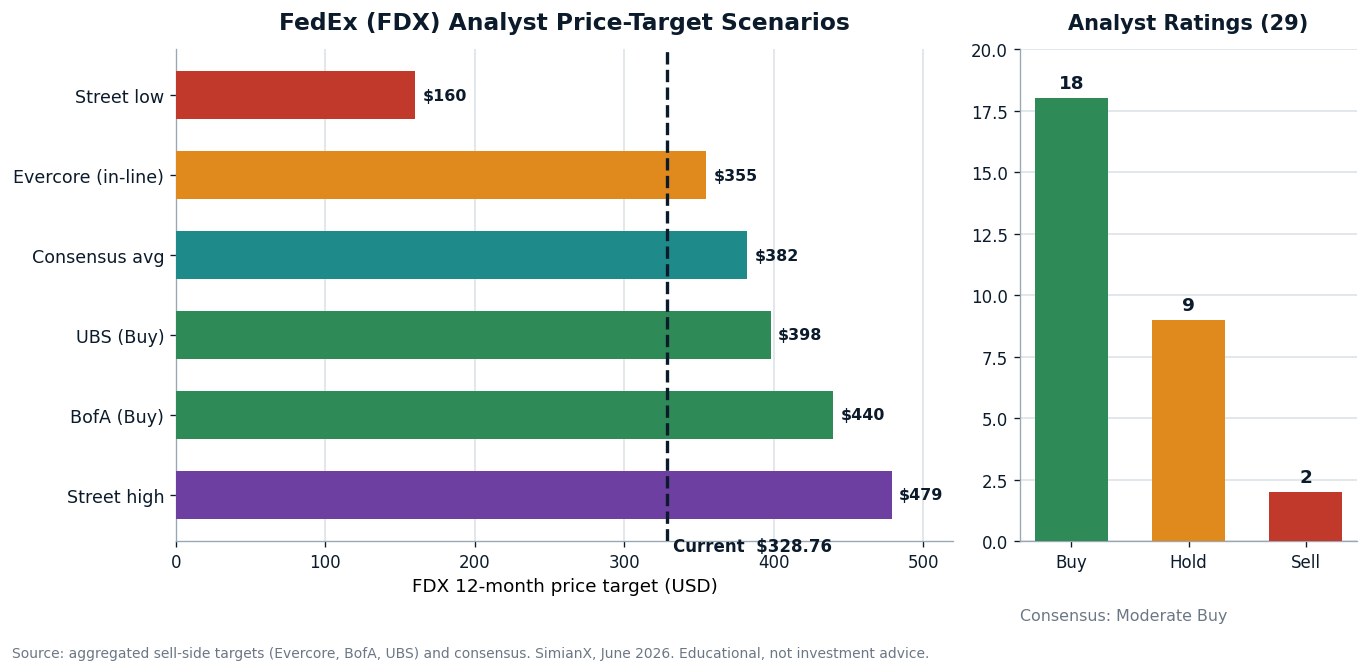
ควรวิเคราะห์หุ้น FDX ผ่านกรอบสถานการณ์มากกว่าราคาเป้าหมายเดียว หุ้นมีปัจจัยกระตุ้นหลายอย่าง: ผล Q4 การรีเซ็ตการประเมินมูลค่าหลังการแยก การแปลงสัดส่วน Freight ที่ถือไว้เป็นเงินสด นโยบายปันผล ผลกระทบค่าธรรมเนียมน้ำมัน และเป้าหมายอัตรากำไรระยะยาว
กรอบวิจัยที่สมดุลประกอบด้วยสามสถานการณ์:
| สถานการณ์ | อะไรจะสนับสนุน | ปฏิกิริยาตลาดที่อาจเกิดขึ้น |
|---|---|---|
| กรณีกระทิง | แนวโน้มแข็งแกร่ง ขยายอัตรากำไร ปริมาณแข็งแรง แผนเงินทุนหลังแยกชัดเจน | การขยายมัลติเพิลและการปรับประมาณการเชิงบวก |
| กรณีฐาน | EPS มั่นคง ปริมาณคละ แนวโน้มเสถียร แรงกดดันต้นทุนจัดการได้ | การซื้อขายในกรอบหลังความผันผวนช่วงแรก |
| กรณีหมี | อุปสงค์อ่อน yield ขับเคลื่อนด้วยค่าธรรมเนียม อัตรากำไรน่าผิดหวัง น้ำเสียง FY27 ระมัดระวัง | การลดประมาณการ EPS และการบีบการประเมินมูลค่า |
หลังผลประกอบการ FedEx ควรซื้อหุ้น FDX หรือไม่?
ขึ้นอยู่กับกรอบเวลาและความทนต่อความเสี่ยงของนักลงทุน นักลงทุนระยะยาวอาจสนใจมากที่สุดว่า FedEx จะบรรลุเป้าหมายอัตรากำไรและกระแสเงินสดอิสระในหลายปีได้หรือไม่ เทรดเดอร์ระยะสั้นอาจสนใจน้ำเสียงการประชุม เซอร์ไพรส์ของแนวโน้ม และระดับทางเทคนิคหลังรายงานมากกว่า
แนวทางที่มีวินัยคือหลีกเลี่ยงการตัดสินใจจากตัวชี้วัดเดียว แทนที่จะเป็นเช่นนั้น ให้เปรียบเทียบ:
- การประเมินมูลค่า
FDXเทียบกับค่าเฉลี่ยในอดีต - การปรับประมาณการกำไรหลังการประชุม
- แนวโน้มปริมาณและ yield
- นโยบายผลตอบแทนผู้ถือหุ้นหลังการแยก
- และผลตอบแทนสัมพัทธ์เทียบกับคู่แข่งโลจิสติกส์
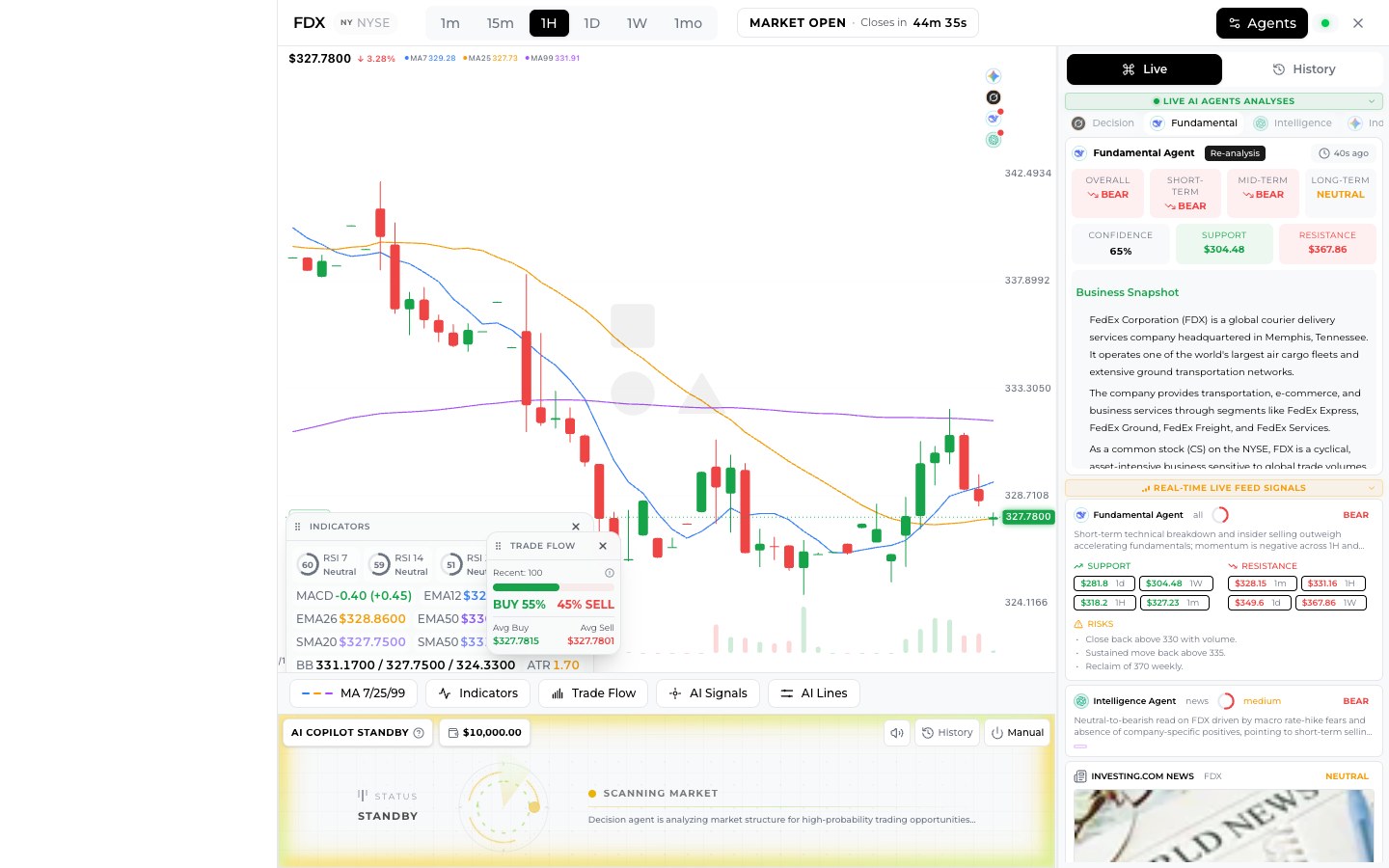
นี่คือจุดที่เครื่องมือที่ใช้ได้จริงมีความสำคัญ SimianX AI ช่วยสร้างมุมมองแบบหลายเอเจนต์ต่อ FDX โดยแยก การวิเคราะห์ปัจจัยพื้นฐาน การตั้งค่าทางเทคนิค ความรู้สึกจากข่าว และ การบริหารความเสี่ยง ออกจากกัน สิ่งนี้ไม่ได้แทนที่การตรวจสอบสถานะ แต่ทำให้กระบวนการวิจัยเร็วและเป็นระเบียบขึ้น
กรอบการวิจัยทีละขั้นสำหรับผลประกอบการ FedEx 2026
เพื่อวิเคราะห์ ผลประกอบการ FedEx 2026 ด้วยอคติที่น้อยลง ให้ใช้กระบวนการที่ทำซ้ำได้:
- เริ่มจากตัวเลขที่รายงาน บันทึกรายได้ กำไรดำเนินงาน EPS EPS ปรับปรุง และกระแสเงินสดอิสระ
- แยกการปรับปรุงออกจากผลการดำเนินงานหลัก ระบุต้นทุนการแยก ค่าใช้จ่ายเพิ่มประสิทธิภาพ การปรับบำนาญ และรายการเปลี่ยนปีงบประมาณ
- อ่านความเห็นรายกลุ่มธุรกิจ โฟกัสที่แนวโน้ม Federal Express ในตอนนี้ที่ Freight แยกแล้ว
- ติดตามถ้อยคำเรื่องน้ำมันและค่าธรรมเนียม พิจารณาว่า yield ดีขึ้นจากการตั้งราคาพื้นฐานหรือกลไกน้ำมัน
- ประเมินคุณภาพแนวโน้ม เปรียบเทียบมุมมองของผู้บริหารกับความคาดหวังคอนเซนซัส
- จับคู่ปฏิกิริยาของหุ้นกับความคาดหวัง ไตรมาสที่ดีก็ยังอาจถูกเทขายได้หากแนวโน้มน่าผิดหวัง
- ทบทวนสมมติฐานหลังการปรับประมาณการของนักวิเคราะห์ ปฏิกิริยาแรกไม่ได้เป็นแนวโน้มที่ยั่งยืนเสมอไป
เป้าหมายไม่ใช่การทำนายทุกการเคลื่อนไหวของ FDX แต่คือการเข้าใจว่าอะไรจะทำให้เรื่องราวผลประกอบการแข็งแกร่งขึ้นหรืออ่อนลงในไม่กี่ไตรมาสข้างหน้า
ข้อผิดพลาดที่พบบ่อยในการวิจัยผลประกอบการ FedEx
นักลงทุนจำนวนมากอ่านผลประกอบการขนส่งผิด เพราะมองบริษัทโลจิสติกส์เป็นเพียงธุรกิจปริมาณง่าย ๆ FedEx ซับซ้อนกว่านั้น การตั้งราคา การเรียกคืนน้ำมัน ต้นทุนแรงงาน อัตราการใช้เครื่องบิน ส่วนผสมระหว่างประเทศ และความหนาแน่นเครือข่าย ล้วนสำคัญ
หลีกเลี่ยงข้อผิดพลาดเหล่านี้:
- ละเลยค่าธรรมเนียมน้ำมัน: รายได้ที่ขับเคลื่อนด้วยค่าธรรมเนียมอาจทำให้คุณภาพ yield ดูเกินจริง
- ให้ค่าไตรมาสเดียวเกินไป: โครงการเปลี่ยนแปลงควรถูกตัดสินตลอดหลายไตรมาส
- มองข้ามกลไกการแยก: ผลในอดีตของ FedEx ไม่สามารถเทียบได้โดยตรงหลังการแยก Freight
- สับสนระหว่าง EPS ปรับปรุงกับการสร้างเงินสด: กำไรปรับปรุงช่วยการวิเคราะห์ แต่กระแสเงินสดอิสระสำคัญยิ่ง
- พึ่งพาเฉพาะพาดหัว: การประชุมแถลงผลและตารางรายกลุ่มมักมีเรื่องราวที่แท้จริง
การวิจัยที่แข็งแกร่งที่สุดผสมผสานงบการเงิน ความเห็นผู้บริหาร ข้อมูลตลาด และการวางแผนสถานการณ์
SimianX AI เข้ากับกระบวนการผลประกอบการ FedEx อย่างไร
สำหรับนักลงทุนที่ติดตามหุ้นที่เน้นผลประกอบการอย่าง FDX แพลตฟอร์มที่มีโครงสร้างสามารถลดภาระข้อมูลล้นเกิน SimianX AI ออกแบบมาเพื่อการวิจัยตลาดหลายมุมมอง ช่วยเปรียบเทียบปัจจัยพื้นฐาน รูปแบบทางเทคนิค ความรู้สึกจากข่าว และสัญญาณความเสี่ยง
กระบวนการ SimianX AI ที่ใช้ได้จริงสำหรับ FedEx อาจเป็นดังนี้:
| มุมมองเอเจนต์ | คำถามวิจัย FedEx |
|---|---|
| ปัจจัยพื้นฐาน | อัตรากำไรและกระแสเงินสดอิสระดีขึ้นหลังการแยกหรือไม่? |
| การวิเคราะห์ทางเทคนิค | FDX กำลังเบรกเอาต์ กลับตัว หรือสะสมหลังผลประกอบการ? |
| ความรู้สึกจากข่าว | พาดหัวโฟกัสที่แนวโน้ม น้ำมัน ภาษี หรือมูลค่า Freight? |
| การบริหารความเสี่ยง | ระดับขาลงหรือกฎขนาดสถานะใดสำคัญ? |
| การวิเคราะห์ผลประกอบการ | Q4 เปลี่ยนสมมติฐาน FY27 หรือไม่? |
ข้อได้เปรียบไม่ใช่ว่า AI "รู้" อนาคต ข้อได้เปรียบคือระบบที่มีโครงสร้างช่วยให้นักลงทุนตั้งคำถามได้ดีขึ้น เปรียบเทียบสัญญาณได้เร็ว และหลีกเลี่ยงการพึ่งพาเรื่องเล่าเดียว
คำถามที่พบบ่อยเกี่ยวกับผลประกอบการ FedEx 2026
ปัจจัยกระตุ้นที่ใหญ่ที่สุดในผลประกอบการ FedEx 2026 คืออะไร?
ปัจจัยกระตุ้นที่ใหญ่ที่สุดคือการผสมผสานของแนวโน้มหลังการแยกและความเห็นเรื่องอัตรากำไร นักลงทุนรู้อยู่แล้วว่า FedEx Freight แยกออกไปแล้ว ดังนั้นตลาดจะโฟกัสว่าธุรกิจ FedEx ที่เหลือสามารถส่งมอบคุณภาพกำไรและกระแสเงินสดอิสระที่แข็งแกร่งขึ้นได้หรือไม่
การแยก FedEx Freight จะกระทบหุ้น FDX อย่างไร?
การแยกอาจทำให้ FDX ประเมินมูลค่าได้ง่ายขึ้นโดยแยกธุรกิจขนส่ง LTL ออกจากเครือข่ายพัสดุและเอ็กซ์เพรสหลัก อย่างไรก็ตาม หุ้นยังขึ้นกับการดำเนินงาน อุปสงค์ การขยายอัตรากำไร และการจัดสรรเงินทุนของผู้บริหารหลังการแยก
ทำไมการเปลี่ยนค่าธรรมเนียมน้ำมันของ FedEx จึงสำคัญต่อนักลงทุน?
การเปลี่ยนค่าธรรมเนียมน้ำมันอาจกระทบ yield ที่รายงาน ต้นทุนการจัดส่งของลูกค้า และแนวโน้มรายได้ระหว่างประเทศ เมื่อประเมินคุณภาพกำไร นักลงทุนควรแยกรายได้ที่ขับเคลื่อนด้วยค่าธรรมเนียมออกจากการตั้งราคาพื้นฐานและการเติบโตของปริมาณที่แท้จริง
นักลงทุนควรจับตาอะไรในผลประกอบการ FedEx Q4 FY26?
นักลงทุนควรจับตา EPS ปรับปรุง อัตรากำไรจากการดำเนินงาน แนวโน้มปริมาณ Federal Express ความเห็นเรื่องค่าธรรมเนียมน้ำมัน การดำเนินการด้านงบดุลหลังการแยก และแนวโน้ม FY27 น้ำเสียงของแนวโน้มอาจสำคัญกว่าไตรมาสที่รายงาน
ผลประกอบการ FedEx 2026 เป็นบวกหรือลบต่อหุ้น FDX?
ขึ้นอยู่กับว่าผลประกอบการยืนยันการขยายอัตรากำไรที่ยั่งยืนและอุปสงค์ที่แข็งแรงหรือไม่ การตีความเชิงบวกต้องการมากกว่าการที่ EPS เกินคาดในพาดหัว มันต้องการหลักฐานของการตั้งราคาที่แข็งแกร่ง ต้นทุนที่ควบคุมได้ และกลยุทธ์หลังการแยกที่ชัดเจน
บทสรุป
ผลประกอบการ FedEx 2026 เป็นหัวข้อวิจัยที่มีคุณค่าสูง เพราะอยู่ที่จุดตัดของการปรับโครงสร้างองค์กร กลไกต้นทุนน้ำมัน และความคาดหวังของตลาดหุ้น การแยก FedEx Freight ให้นักลงทุนมีโครงสร้างที่สะอาดขึ้นในการวิเคราะห์ ขณะที่การเปลี่ยนค่าธรรมเนียมน้ำมันเพิ่มความซับซ้อนต่อการตีความรายได้และ yield สำหรับหุ้น FDX สัญญาณที่สำคัญที่สุดน่าจะเป็นคุณภาพแนวโน้ม ความยั่งยืนของอัตรากำไร กระแสเงินสดอิสระ และแผนจัดสรรเงินทุนหลังการแยกของผู้บริหาร
แนวทางที่ดีที่สุดคือการวิเคราะห์ FedEx ด้วยกรอบที่ทำซ้ำได้: แยกกำไรที่รายงานและปรับปรุง ประเมินปริมาณเทียบกับ yield ติดตามผลของค่าธรรมเนียมน้ำมัน และทดสอบสถานการณ์กระทิง/ฐาน/หมีหลังการประชุม
เพื่อวิธีวิจัย FedEx ปัจจัยกระตุ้นผลประกอบการ และปฏิกิริยาตลาดที่เร็วและหลายมุมมอง สำรวจ SimianX AI และสร้างกระบวนการวิเคราะห์หุ้นที่มีวินัยมากขึ้น
อ่านเพิ่มเติม
- งบการเงิน Broadcom ปี 2026: AI ASIC Backlog และหุ้น AVGO
- หุ้น Salesforce 2026: Agentforce, ดีล Fin และ CRM ร่วงหนัก
- หุ้น CoreWeave 2026: แบ็คล็อก AI แสนล้านดอลลาร์ปะทะหนี้สิน
- Alphabet ใกล้ Nvidia ด้านมูลค่าตลาด: AI Trade ขยายวงกว้าง
- การวิเคราะห์การพุ่งขึ้นของหุ้น Datadog AI: สิ่งที่นักลงทุนมองข้าม