
 Bởi Muke
Cẩm nang luân chuyển ngành của S&P 500: những tín hiệu AI thực sự hiệu quả
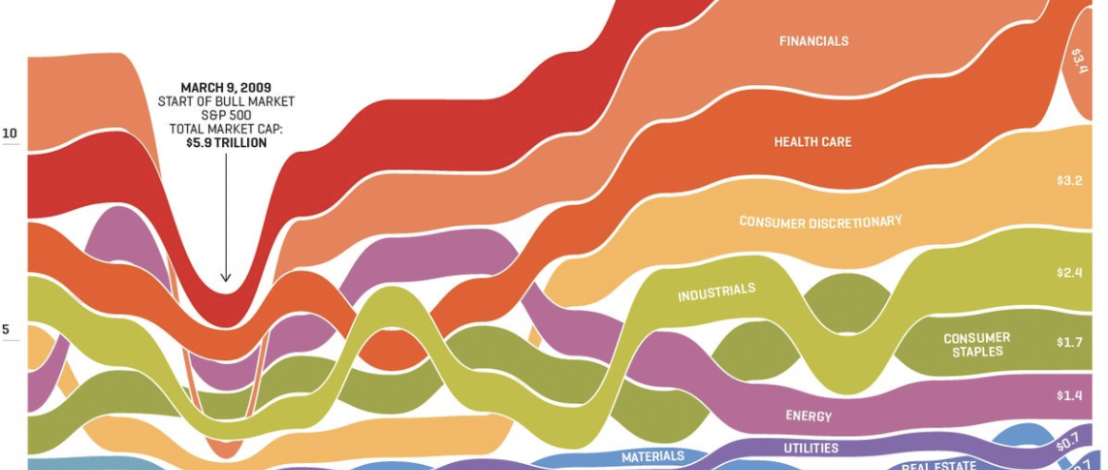
Luân chuyển ngành là cỗ máy thầm lặng bên dưới mọi chuyển động của S&P 500. Chỉ số có thể đi ngang nhiều tháng trong khi dòng vốn âm thầm dịch chuyển từ công nghệ sang tài chính, từ năng lượng sang y tế, từ tăng trưởng sang phòng thủ. Nếu bạn chỉ nhìn mức chỉ số, bạn bỏ lỡ điều quan trọng nhất đang diễn ra bên dưới. Cẩm nang này là một tài liệu tham khảo đầy đủ và có thể dùng lại để đọc dòng dịch chuyển ấy: mười một ngành GICS, chiếc đồng hồ chu kỳ kinh tế điều khiển chúng, và một cách minh bạch để dùng tín hiệu AI chấm điểm luân chuyển từng tuần thay vì phỏng đoán.
Nó được làm có chủ đích để trường tồn (không lỗi thời). Ở đây không có giá mục tiêu nào hết hạn sau một quý. Thay vào đó, bạn có được những khung mà các chuyên gia thực sự dùng: mô hình bốn chế độ, đồng hồ luân chuyển ngành, hệ phân loại tín hiệu bốn xô, và một bảng chấm điểm hằng tuần mà bạn có thể tự chạy hoặc tự động hóa bằng autopilot của SimianX.
Luân chuyển ngành là gì, trong một đoạn
Luân chuyển ngành là xu hướng dòng tiền dịch chuyển giữa mười một ngành của S&P 500 khi nền kinh tế đi qua mở rộng, đỉnh, giảm tốc và phục hồi. Vì mỗi ngành kiếm lợi nhuận theo cách khác nhau — tiện ích bán một nhu yếu phẩm được quản lý, bán dẫn bán một thứ xa xỉ mang tính chu kỳ — nên chúng không cùng lúc phản ứng giống nhau trước cùng một bối cảnh vĩ mô. Luân chuyển đơn giản là thị trường định giá lại doanh nghiệp nào sắp tỏa sáng nhất. Bắt đúng hướng của dòng chảy ấy, bạn thường đã ở đúng vị thế từ rất lâu trước khi chỉ số xác nhận.
Mười một ngành của S&P 500 và điều gì khiến chúng chuyển động
Mọi chiến lược luân chuyển đều bắt đầu từ cùng một tấm bản đồ. S&P 500 được chia thành mười một ngành GICS, mỗi ngành có một cổ phiếu tiêu biểu và một động lực chủ đạo:
| Ngành | Tiêu biểu | Động lực chính | Thiên hướng chu kỳ |
|---|---|---|---|
| Công nghệ Thông tin | NVDA, MSFT | Chu kỳ đầu tư, lãi suất | Mở rộng sớm/giữa |
| Dịch vụ Truyền thông | GOOGL, META | Chi tiêu quảng cáo, mức tương tác | Mở rộng |
| Tiêu dùng Không thiết yếu | AMZN, TSLA | Thu nhập thực, niềm tin | Phục hồi sớm |
| Tài chính | JPM, BAC | Đường cong lợi suất, tín dụng | Phục hồi/cuối |
| Công nghiệp | CAT, HON | PMI, đầu tư, tài khóa | Mở rộng giữa |
| Năng lượng | XOM, CVX | Giá dầu, lạm phát | Cuối chu kỳ |
| Vật liệu | LIN | Tăng trưởng toàn cầu, USD | Cuối chu kỳ |
| Y tế | UNH, LLY | Chính sách, nhân khẩu học | Phòng thủ |
| Tiêu dùng Thiết yếu | PG, KO | Cầu kém co giãn | Giảm tốc/phòng thủ |
| Tiện ích | NEE | Lãi suất, nhu cầu điện | Giảm tốc/phòng thủ |
| Bất động sản | PLD | Lãi suất, tỷ lệ lấp đầy | Nhạy lãi suất |
Hãy giữ bảng này bên cạnh. Phần lớn sai lầm luân chuyển đến từ việc quên rằng thiên hướng chu kỳ của một ngành là một xu hướng, không phải quy luật — và đó chính là lý do tín hiệu quan trọng hơn trí nhớ.
Đồng hồ luân chuyển ngành
Mô hình tư duy kinh điển là đồng hồ luân chuyển ngành, ánh xạ các ngành lên chu kỳ kinh tế. Đó là một sự đơn giản hóa, nhưng hữu ích:
- Phục hồi sớm (lãi suất thấp, tăng trưởng bật lên): Tiêu dùng Không thiết yếu, Tài chính, Công nghiệp dẫn dắt. Công nghệ thường gia nhập sớm.
- Mở rộng giữa (tăng trưởng mạnh, lạm phát ôn hòa): Công nghệ và Công nghiệp dẫn dắt; đà tăng lan rộng.
- Cuối chu kỳ (tăng trưởng cao, lạm phát lên, Fed thắt chặt): Năng lượng và Vật liệu dẫn dắt như công cụ phòng vệ lạm phát.
- Giảm tốc/thu hẹp (tăng trưởng giảm, lãi suất đỉnh): Tiêu dùng Thiết yếu, Tiện ích, Y tế dẫn dắt — các nhóm phòng thủ kinh điển.
Đồng hồ cho bạn biết cần kỳ vọng điều gì. Nó không cho biết bạn đang ở đâu ngay lúc này — và đó là phần khó. Chu kỳ thì lộn xộn, đồng hồ nhảy nấc, còn thị trường chạy trước nền kinh tế nhiều tháng. Chính khoảng trống này là thứ mà một mô hình tín hiệu được dựng nên để lấp đầy.
Tín hiệu AI cải thiện luân chuyển ngành như thế nào
Nhà phân tích con người giỏi kể chuyện và dở về tính nhất quán. Họ neo vào quý trước, đề cao quá mức tiêu đề ồn ào nhất, và hiếm khi chấm điểm cả mười một ngành với cùng kỷ luật mỗi tuần. Mô hình tín hiệu làm ngược lại: nó áp dụng cùng các đặc trưng cho mọi ngành theo nhịp cố định — không tâm trạng, không trí nhớ.
Dùng tốt, AI làm ba việc cụ thể cho luân chuyển:
- Nowcasting chế độ. Thay vì chờ số liệu GDP trễ, mô hình hòa trộn hàng chục đầu vào kịp thời — PMI, đơn xin trợ cấp thất nghiệp, chênh lệch tín dụng, đường cong lợi suất — thành xác suất rằng hôm nay bạn đang ở mở rộng, giảm tốc hay thu hẹp.
- Chấm điểm sức mạnh tương đối một cách khách quan. Luân chuyển vốn dĩ mang tính tương đối. AI xếp hạng động lượng, độ rộng và điều chỉnh lợi nhuận của mỗi ngành so với mười ngành còn lại, làm lộ ra các chuyển dịch dẫn dắt trước khi chúng hiển nhiên.
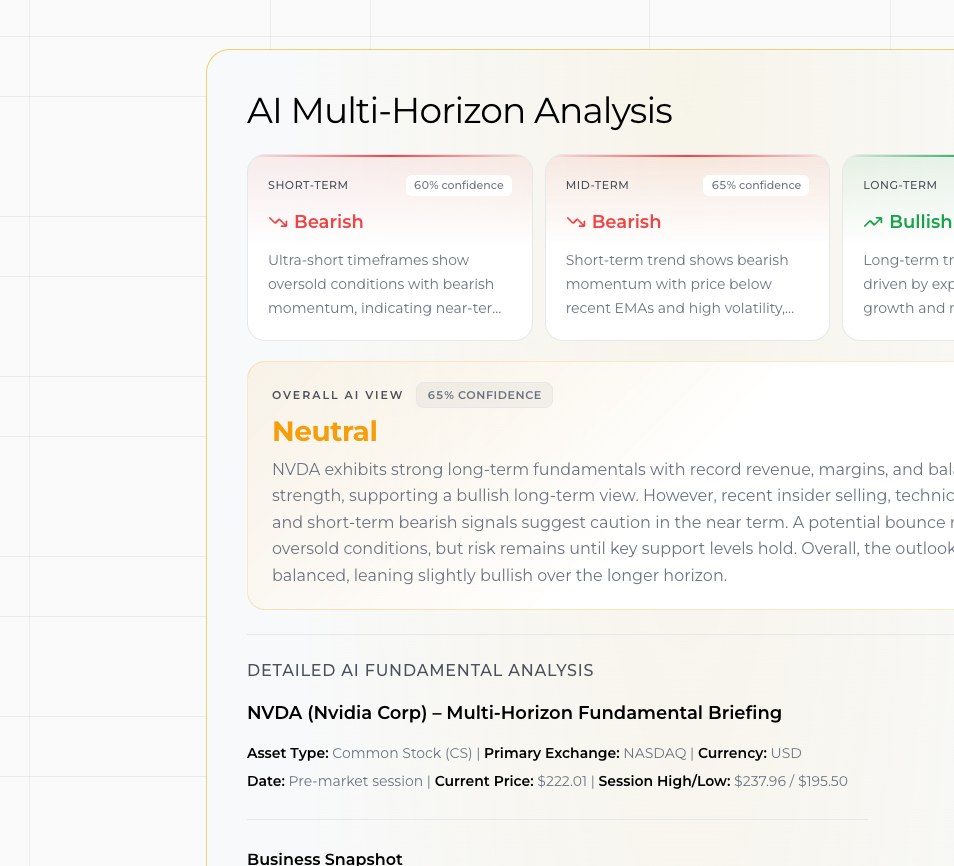
- Giữ tính giải thích được. Mục tiêu không bao giờ là một hộp đen nói "mua". Mô hình tốt xuất ra xác suất và các đặc trưng đằng sau, để bạn có thể tranh luận với nó. SimianX chạy nhiều mô hình tiên phong — xem chúng xếp hạng lẫn nhau ra sao trên bảng xếp hạng crypto — và trình bày lập luận, không chỉ phán quyết.
Hệ phân loại tín hiệu AI bốn xô
Để giữ mô hình giải thích được, hãy gom mỗi đầu vào vào bốn xô. Mỗi xô trả lời một câu hỏi khác nhau, và điểm của một ngành là hỗn hợp có trọng số của cả bốn.
Xô A — Nowcast vĩ mô (động cơ chế độ)
PMI, đơn xin trợ cấp thất nghiệp, bất ngờ doanh số bán lẻ, đường cong lợi suất 10n–2n, xu hướng thất nghiệp. Xô này trả lời: ta đang ở đâu trên đồng hồ? Nó thiết lập bối cảnh nghiêng về việc ngành nào nên dẫn dắt.
Xô B — Thanh khoản và chính sách (nhiệt độ rủi ro)
Lộ trình lãi suất của Fed, lãi suất thực, các chỉ số điều kiện tài chính, và chênh lệch tín dụng. Hướng và bất ngờ của chính sách quan trọng hơn nhiều so với mức tuyệt đối. Lãi suất 5% đang giảm là tích cực; lãi suất 3% đang tăng thì không.
Xô C — Lợi nhuận và cơ bản (chu kỳ lợi nhuận)
Điều chỉnh lợi nhuận dự phóng, xu hướng biên lợi nhuận, và độ rộng của các bất ngờ doanh thu theo ngành. Luân chuyển được xác nhận bởi điều chỉnh lợi nhuận cải thiện thì bền vững; luân chuyển chỉ dựa vào giá thường là động tác giả.
Xô D — Nội tại thị trường và vị thế (lớp dòng tiền)
Sức mạnh tương đối, độ rộng tăng-giảm, tỷ lệ đỉnh-mới/đáy-mới, và các thái cực vị thế. Đây là xô chuyển động nhanh nhất, và là xô xác nhận xem ba xô kia có thực sự đang được giao dịch hay không.
Dựng một mô hình luân chuyển "AI + quy tắc" giải thích được
Đây là một mô hình minh bạch mà bạn có thể tái lập. Nó cố ý dùng các quy tắc đơn giản quanh điểm AI thay vì một đầu ra mờ đục duy nhất.
Bước 1 — Định nghĩa bốn chế độ. Mở rộng, Giảm tốc, Thu hẹp, Phục hồi. Đơn giản thắng cầu kỳ; bốn trạng thái là đủ để dẫn dắt phân bổ.
Bước 2 — Chọn 12–20 đặc trưng trên bốn xô. Khoảng năm cho mỗi xô. Hãy cưỡng lại ý muốn thêm cả trăm — quá khớp (overfitting) là kẻ thù của một mô hình trường tồn.
Bước 3 — Xuất xác suất, không phải phán quyết. "60% Giảm tốc, 25% Thu hẹp, 10% Mở rộng" khả thi hơn nhiều so với một nhãn duy nhất, vì nó cho biết bạn nên đặt cược với bao nhiêu niềm tin.
Bước 4 — Gắn mỗi chế độ với một mẫu luân chuyển. Ánh xạ xác suất chế độ thành độ nghiêng ngành bằng đồng hồ ở trên, rồi để xô sức mạnh tương đối tinh chỉnh cổ phiếu nào cần nhấn mạnh trong các ngành được ưu tiên.
Một bảng chấm điểm ngành hằng tuần mà bạn có thể chạy
Mỗi tuần một lần, chấm điểm từng ngành trong mười một ngành từ 0–100 bằng bốn đầu vào trọng số bằng nhau (mỗi cái 25 điểm):
- Sức mạnh tương đối — lợi suất ngành so với S&P 500 trong 1 và 3 tháng.
- Độ rộng — tỷ lệ thành phần của ngành nằm trên đường trung bình 50 ngày.
- Điều chỉnh lợi nhuận — điều chỉnh ròng các ước tính dự phóng trong tháng qua.
- Độ khớp chế độ — thiên hướng chu kỳ của ngành khớp với xác suất chế độ hiện tại đến đâu.
Đầu ra: xếp hạng cả mười một ngành. Tăng tỷ trọng ba ngành đầu, giảm tỷ trọng ba ngành cuối, và chỉ hành động khi một ngành đổi thứ hạng — đuổi theo một ngành dẫn dắt đã căng quá mức là sai lầm luân chuyển phổ biến nhất. Kỷ luật nằm ở việc chạy cùng một bảng mỗi tuần, và đó chính là lý do tồn tại của một autopilot.
Quản trị rủi ro: nửa còn thiếu của mọi "triển vọng"
Một đặt cược luân chuyển mà không có lớp rủi ro chỉ là một phỏng đoán mặc com-lê. Ba kích hoạt xứng đáng có các quy tắc cứng, viết sẵn:
- Căng thẳng tín dụng. Khi chênh lệch lợi suất cao mở rộng mạnh, nhóm phòng thủ thắng bất kể đồng hồ nói gì. Chênh lệch đi trước cổ phiếu.
- Sụp đổ độ rộng. Khi dưới ~40% thành phần S&P 500 nằm trên đường trung bình 200 ngày, sự dẫn dắt hẹp và mong manh — hãy cắt giảm rủi ro.
- Cú sốc chính sách. Một bất ngờ "diều hâu" ngoài dự kiến định giá lại nhanh nhất các ngành nhạy lãi suất (Bất động sản, Tiện ích, Công nghệ định giá cao).
Hãy ghép chúng với một bậc thang giảm rủi ro đơn giản: ở kích hoạt đầu tiên, xoay sang Tiêu dùng Thiết yếu, Tiện ích và Y tế; ở cái thứ hai, tăng tiền mặt; ở cái thứ ba, phòng hộ chỉ số trực tiếp. Quy tắc viết khi bình tĩnh thắng quyết định ra trong hoảng loạn.
Ghép tất cả lại với SimianX
Toàn bộ ý nghĩa của một mô hình minh bạch là nó có thể được chạy, chứ không chỉ để ngắm. Đây là quy trình hằng tuần trên SimianX:
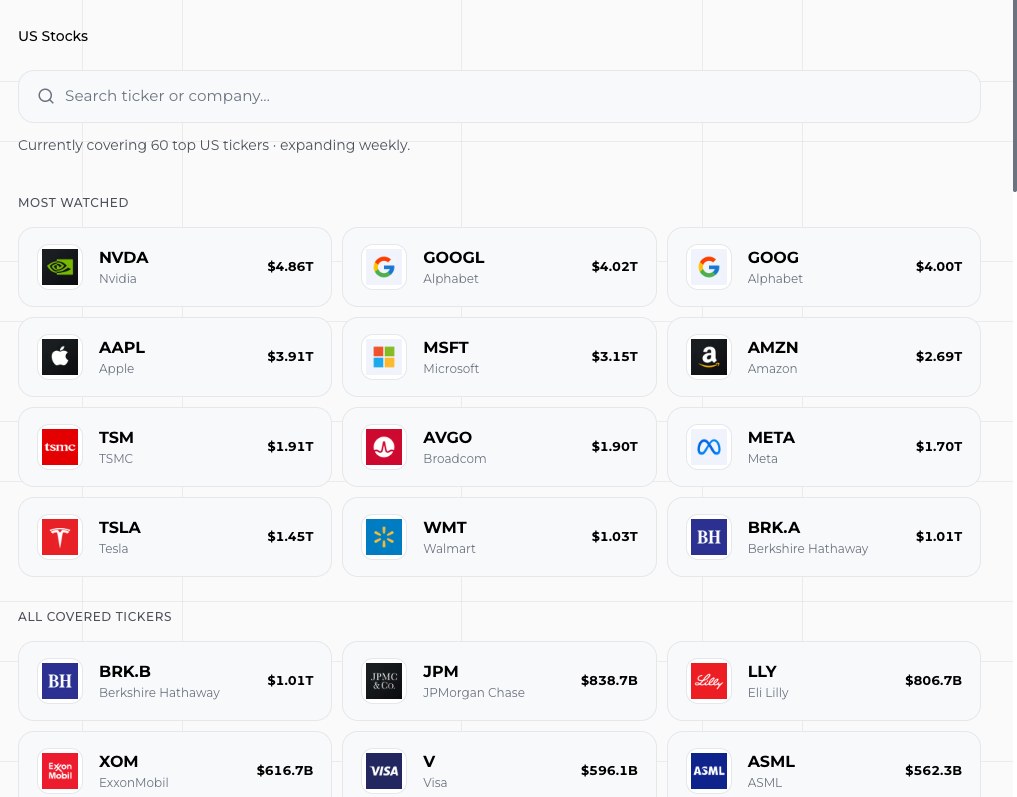
- Quét chế độ. Bắt đầu tuần bằng việc đọc nowcast vĩ mô và xác suất chế độ trên tổng quan cổ phiếu Mỹ — đó là bối cảnh của bạn.
- Quét luân chuyển. Chấm điểm mười một ngành và xem xét các thành phần dẫn dắt trên trang riêng của chúng, như NVDA cho Công nghệ hay JPM cho Tài chính.
- Quyết định. Chuyển thứ hạng thành tăng và giảm tỷ trọng, định cỡ theo mức niềm tin về chế độ.
- Lớp rủi ro. Áp dụng bậc thang giảm rủi ro, và để một autopilot của SimianX canh các kích hoạt để bạn không phải dán mắt vào màn hình. Bối cảnh thị trường trực tiếp chảy trong phòng chỉ huy cổ phiếu.
Một ví dụ thực hành: đọc một đợt giảm tốc cuối chu kỳ
Giả sử nowcast vĩ mô in ra 60% Giảm tốc, 30% Thu hẹp, 10% Mở rộng. Tăng trưởng đang chậm lại, đường cong vừa thoát đảo ngược, và chênh lệch tín dụng đang nới rộng từ từ. Đồng hồ nói phòng thủ. Giờ bảng chấm điểm làm việc của nó.
Y tế đạt 78: sức mạnh tương đối mạnh, độ rộng trên 60%, điều chỉnh lợi nhuận dương, và độ khớp chế độ ăn nhập với thiên hướng giảm tốc — một mức tăng tỷ trọng gọn gàng. Tiêu dùng Thiết yếu đạt 71 theo logic tương tự. Tiện ích đạt 69, nhờ lộ trình lãi suất mềm hơn. Ở đáy, Tiêu dùng Không thiết yếu đạt 34: sức mạnh tương đối yếu, điều chỉnh xấu đi, và thiên hướng chu kỳ chỉ sai hướng cho chế độ này. Công nghệ Thông tin được mức trung bình 52 — động lượng ổn, nhưng độ rộng đang thu hẹp và độ khớp chế độ kém, nên bạn cắt giảm thay vì đuổi theo.
Quyết định tự viết ra: tăng tỷ trọng Y tế, Tiêu dùng Thiết yếu và Tiện ích; giảm tỷ trọng Không thiết yếu, Vật liệu và Năng lượng. Vì kích hoạt chênh lệch lợi suất cao chưa nổ, bạn ở lại đầu tư thay vì tăng tiền mặt — nhưng bạn lên đạn cho bậc thang giảm rủi ro. Một tuần sau, nếu Y tế giữ thứ hạng và Không thiết yếu trượt thêm, bạn không làm gì cả; mô hình đã đúng từ trước. Đó chính là giá trị của một quy trình lặp lại được: phần lớn các tuần, hành động đúng là kiên nhẫn, và một bảng chấm điểm cho bạn niềm tin để ngồi yên. Cơ chế đầu tư theo chu kỳ kinh tế đã được ghi chép kỹ — bài nhập môn luân chuyển ngành của Investopedia và tài liệu FOMC của Cục Dự trữ Liên bang là những điểm neo bên ngoài tốt — nhưng lợi thế nằm ở việc chạy nó một cách nhất quán, chứ không phải ở việc biết nó tồn tại.
Những sai lầm luân chuyển nên tránh
- Giao dịch theo đồng hồ thay vì theo dữ liệu. Đồng hồ là một giả thuyết; tín hiệu là bằng chứng. Khi chúng mâu thuẫn, dữ liệu thắng.
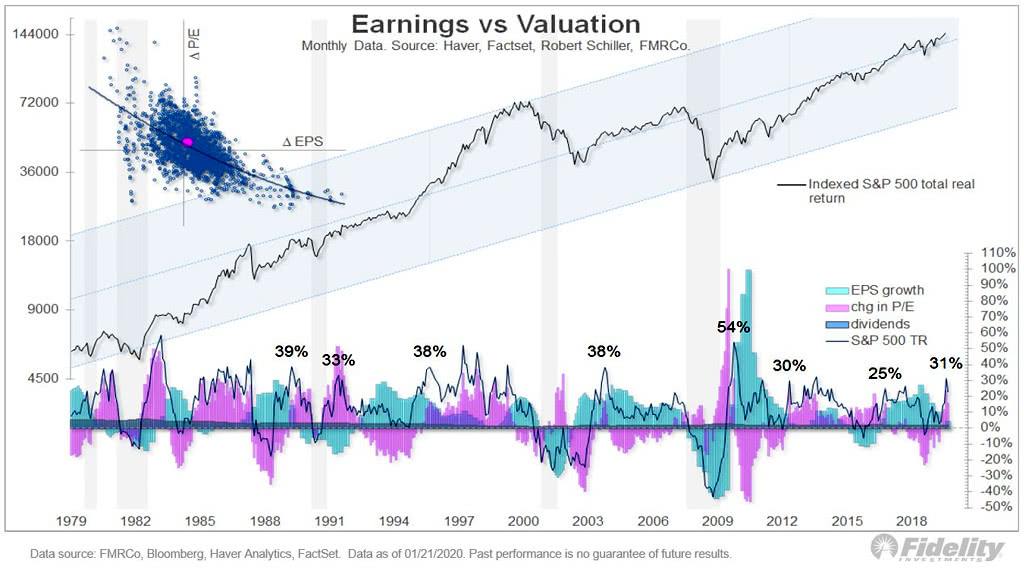
- Lẫn lộn mức chỉ số với chế độ. Một S&P 500 ở đỉnh mọi thời đại chẳng nói gì về ngành nào sẽ dẫn dắt tiếp theo.
- Đuổi theo các ngành dẫn dắt đã căng. Hành động theo thay đổi thứ hạng, không theo thứ gì tăng mạnh nhất tháng trước.
- Bỏ qua kiểm tra lợi nhuận. Luân chuyển chỉ dựa vào giá sẽ đảo chiều; luân chuyển được lợi nhuận xác nhận thì dai dẳng.
- Không có quy tắc rủi ro viết sẵn. Bậc thang giảm rủi ro chỉ hiệu nghiệm nếu nó tồn tại trước khi bạn cần đến.
Câu hỏi thường gặp
Cách tốt nhất để theo dõi luân chuyển ngành là gì?
Chạy cùng một bảng chấm điểm hằng tuần trên cả mười một ngành — sức mạnh tương đối, độ rộng, điều chỉnh lợi nhuận và độ khớp chế độ — và chỉ hành động khi có thay đổi thứ hạng. Tự động hóa nó với một autopilot của SimianX loại bỏ hoàn toàn vấn đề kỷ luật.
Tín hiệu AI giúp luân chuyển ngành mà không thành hộp đen như thế nào?
Mô hình tốt xuất ra xác suất và các đặc trưng đằng sau, không phải một phán quyết một từ. Bạn thấy vì sao một ngành đạt điểm cao — động lượng, độ rộng, điều chỉnh — nên bạn có thể chất vấn nó. Tính giải thích được chính là khác biệt giữa một công cụ và một phỏng đoán.
Ngành nào vượt trội khi kinh tế giảm tốc?
Trong lịch sử là các nhóm phòng thủ: Tiêu dùng Thiết yếu, Tiện ích và Y tế, vì cầu của chúng kém co giãn. Hãy theo dõi PG, NEE và UNH như những cổ phiếu tiêu biểu.
Chính sách của Fed ảnh hưởng đến luân chuyển ngành ra sao?
Hướng và bất ngờ của chính sách quan trọng hơn mức. Lãi suất thực tăng gây áp lực lên các ngành nhạy lãi suất — Bất động sản, Tiện ích, Công nghệ định giá cao — trong khi một lộ trình nới lỏng rõ ràng có lợi cho nhóm chu kỳ và Tài chính qua một đường cong dốc hơn.
Tôi có thể tự động hóa toàn bộ cẩm nang này không?
Có. Bảng chấm điểm và bậc thang giảm rủi ro được cố ý làm theo quy tắc, nên có thể mã hóa một lần và chạy mỗi tuần. Đó là ý tưởng cốt lõi của autopilot SimianX — xem bảng giá để biết mỗi gói bao gồm gì.
Đọc thêm
- Alphabet Tiệm cận Nvidia về Vốn hóa: Giao dịch AI Lan rộng
- GPT vs Gemini vs Claude: Phân Tích Cổ Phiếu AI 2026
- Kỳ vọng Cắt Lãi suất Fed 2026: Bản đồ Pricing Thị trường
- Xoay vòng Russell 2000 năm 2026: Lãnh đạo Mới Xuất hiện
- S&P 500 lên 7000: tín hiệu momentum, thanh khoản & định giá
- Bảng điều khiển Rủi ro Cổ phiếu Mỹ: Tín hiệu AI Breadth
- S&P 500 Radar Rủi ro: Tín hiệu AI Breadth & Revisions
- Tổng quan cổ phiếu Mỹ — phân tích AI trên toàn thị trường
- Autopilot SimianX — tự động hóa lần quét hằng tuần
- Bảng xếp hạng mô hình AI — các mô hình xếp hạng ra sao
- Thêm bài viết — thư viện nghiên cứu của SimianX
Luân chuyển ngành sẽ không bao giờ hoàn toàn dự đoán được, nhưng nó dễ đọc hơn nhiều so với hầu hết nhà đầu tư tưởng. Hãy neo vào tấm bản đồ mười một ngành, định vị mình trên đồng hồ bằng một nowcast chế độ, chấm điểm mỗi ngành theo cùng một cách mỗi tuần, và bảo vệ toàn bộ bằng một bậc thang rủi ro viết sẵn. Làm điều đó một cách nhất quán — bằng tay hoặc bằng SimianX — và bạn ngừng phản ứng với chỉ số mà bắt đầu định vị trước nó.