
 โดย Muke
ตัวแทน AI วิเคราะห์ความเสี่ยงของโปรโตคอล DeFi, TVL, และอัตราผลตอบแทนจริง
DeFi เคลื่อนที่อย่างรวดเร็ว: สภาพคล่องหมุนเวียน, แรงจูงใจเปลี่ยนแปลง, และความเสี่ยงสามารถสะสมอย่างลับ ๆ ข้ามสมาร์ตคอนแทรกต์, ออราเคิล, สะพานเชื่อม, และการกำกับดูแล นั่นคือเหตุผลที่ ตัวแทน AI วิเคราะห์ความเสี่ยงของโปรโตคอล DeFi, TVL, และอัตราผลตอบแทนจริง ได้ดีที่สุดเมื่อถูกสร้างเป็น ระบบ ไม่ใช่โมเดลเดียว—ระบบที่รวบรวมหลักฐาน, ทดสอบสมมติฐาน, และเก็บร่องรอยการตัดสินใจ ในคู่มือแบบสไตล์งานวิจัยนี้ คุณจะได้เรียนรู้กรอบการทำงานทีละขั้นตอนสำหรับการสร้าง workflow แบบตัวแทนเพื่อเฝ้าติดตามโปรโตคอล, อธิบายความเสี่ยง, และแยกผลตอบแทนที่ยั่งยืนออกจากเสียงรบกวนที่เกิดจากการปล่อยรางวัล เรายังจะอ้างอิง SimianX AI เป็นตัวอย่างของวิธีการจัดโครงสร้างการวิเคราะห์หลายตัวแทนเป็นลูปงานวิจัยที่ตรวจสอบได้และทำซ้ำได้ซึ่งคุณสามารถใช้ซ้ำข้ามโปรโตคอลต่าง ๆ
ทำไมการวิเคราะห์ DeFi ต้องใช้ตัวแทน (ไม่ใช่แค่แดชบอร์ด)
แดชบอร์ดดีในการ แสดง ตัวเลข แต่การวิเคราะห์ความเสี่ยงของ DeFi ต้องเข้าใจ กลไก:
- ทำไม TVL ถึงเพิ่มขึ้น—ฝากเงินแบบออร์แกนิกหรือทุนทหารรับจ้างที่ไล่ตามรางวัล?
- ผลตอบแทนมาจากค่าธรรมเนียมและดอกเบี้ย หรือมาจากรางวัลเงินเฟ้อที่อาจล่มสลาย?
- จะเกิดอะไรขึ้นกับเงินของผู้ใช้ถ้าออราเคิลถูกจัดการ, คีย์ผู้ดูแลถูกบุกรุก, หรือการกำกับดูแลถูกครอบงำ?
Workflow ของตัวแทน AI สมัยใหม่จัดการเรื่องนี้โดยแยกปัญหาออกเป็นบทบาทเฉพาะ: ตัวแทนหนึ่งรวบรวมและตรวจสอบข้อมูล, อีกตัวอธิบายการออกแบบโปรโตคอล, อีกตัวประเมินความเสี่ยง, และอีกตัวตรวจสอบว่า “ผลตอบแทน” นั้นยั่งยืนจริงหรือไม่
แนวคิดสำคัญ: ใน DeFi, เรื่องราวไม่ใช่แผนภูมิ เรื่องราวคือสายของสาเหตุที่อยู่เบื้องหลังแผนภูมิ
แนวคิดหลัก: ความเสี่ยงของโปรโตคอล DeFi, TVL, และผลตอบแทน “จริง”
ก่อนสร้างระบบตัวแทน ให้กำหนดวัตถุที่คุณกำลังวัด:
1) ความเสี่ยงของโปรโตคอล (อะไรอาจพัง, อย่างไร, และความน่าจะเป็นเท่าไร)
โปรโตคอล DeFi มีความเสี่ยงหลายมิติ ซึ่งรวมถึงช่องโหว่ของสมาร์ตคอนแทรกต์, การโจมตีจากออเรเคิล, ช็อกสภาพคล่อง, ความล้มเหลวในการปกครอง, การติดเชื้อจากบริดจ์, และการรวมศูนย์ในการดำเนินงาน (คีย์แอดมิน, การควบคุมการอัปเกรด, ผู้ลงนามในมัลติซิก)
2) TVL (มูลค่ารวมที่ถูกล็อก)
TVL มักใช้เป็นการถ่ายภาพมูลค่าของสิ่งที่ผู้ใช้ฝากเข้าไปในสัญญาของโปรโตคอล มันมีประโยชน์—แต่ก็สามารถถูกเกมโดยสิ่งจูงใจ, การวนซ้ำ, หรือ "เงินทุนติด" ที่จริงแล้วอาจมีความเปราะบาง
3) อัตราผลตอบแทนที่แท้จริง (หรือที่เรียกว่า ผลตอบแทนที่รับรู้, ผลตอบแทนที่แท้จริง)
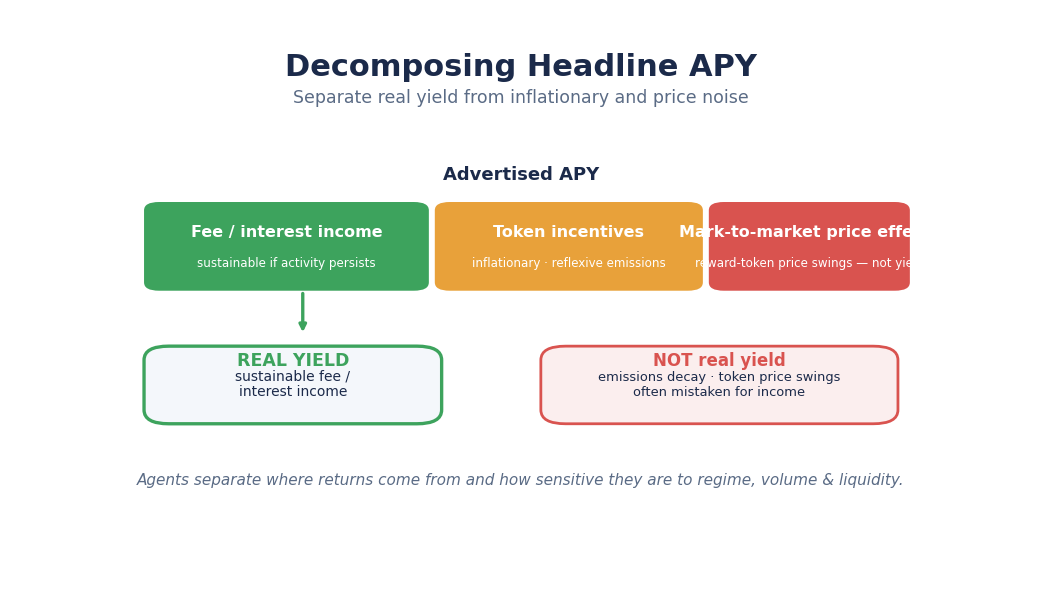
โปรโตคอลมักจะโฆษณา APY ที่ผสมผสาน:
- รายได้จากค่าธรรมเนียม/ดอกเบี้ย (โดยปกติจะยั่งยืนหากกิจกรรมยังคงดำเนินต่อไป)
- สิ่งจูงใจจากโทเคน (มักเป็นการเพิ่มขึ้นของเงินเฟ้อและตอบสนอง)
- ผลกระทบจากการประเมินมูลค่าตลาด (การเปลี่ยนแปลงราคาโทเคนรางวัล ซึ่งบางครั้งถูกเข้าใจผิดว่าเป็น "ผลตอบแทน")
สำหรับการวิเคราะห์ที่เข้มงวด ตัวแทนควรแยก แหล่งที่มาของผลตอบแทน และความไวของมันต่อระบอบตลาด, ปริมาณ, และสภาพคล่อง
สถาปัตยกรรมแบบหลายตัวแทนสำหรับการวิเคราะห์ DeFi
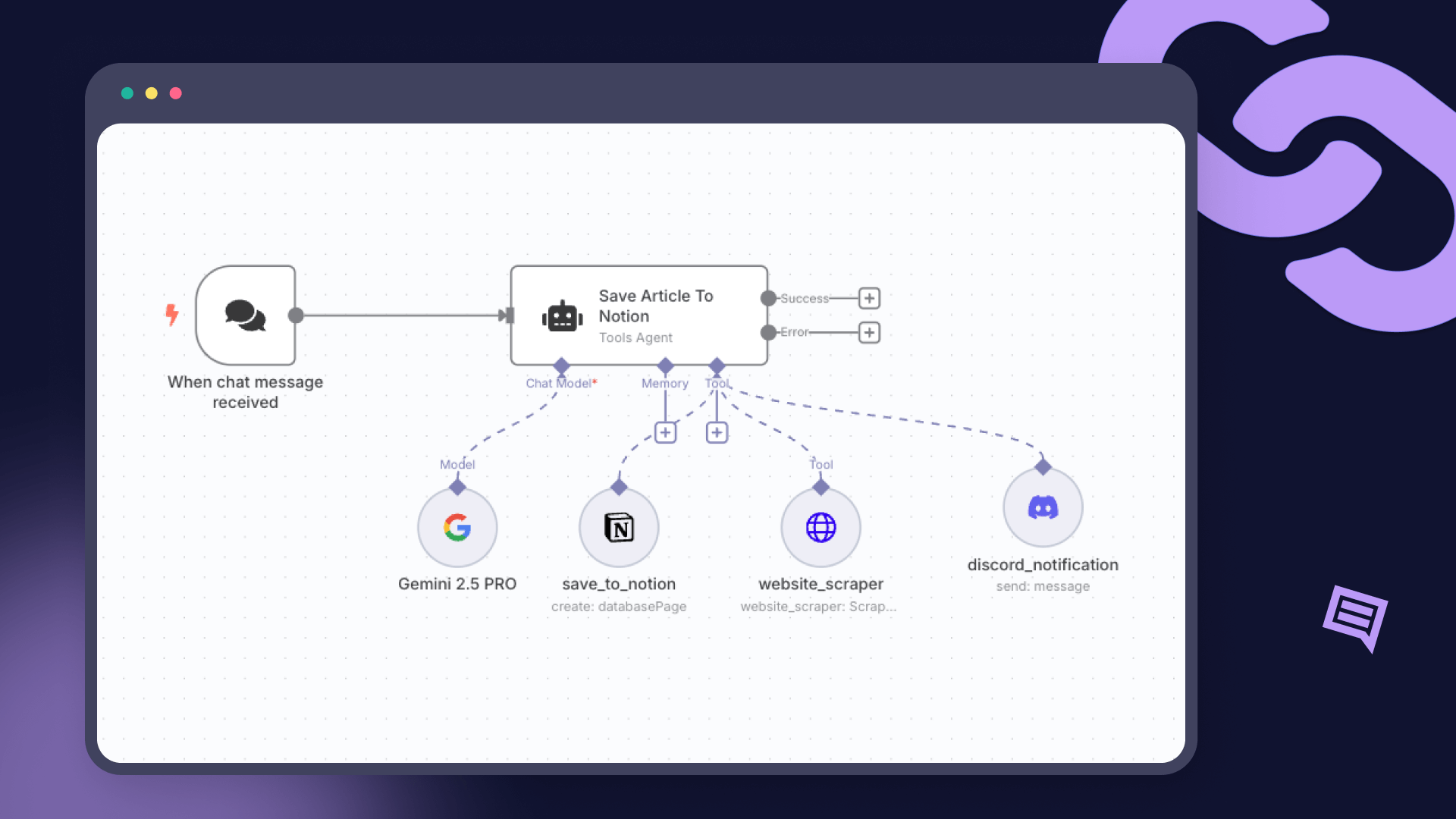
วิธีที่เชื่อถือได้คือการสร้าง ท่อการทำงานของตัวแทนที่ร่วมมือกัน, โดยแต่ละตัวมีขอบเขตแคบและผลลัพธ์ที่ชัดเจน นี่คือลายเส้นที่สามารถนำไปใช้กับตัวแทน LLM + การวิเคราะห์เชิงอนุกรมที่แน่นอนบนบล็อกเชน:
- ตัวแทนการเก็บข้อมูล
เก็บข้อมูลจากบล็อกเชน (เหตุการณ์, ยอดคงเหลือ, การเรียกใช้สัญญา), เมตาดาต้าแบบออฟไลน์ (เอกสาร, การตรวจสอบ), และข้อมูลตลาด (ราคา, ปริมาณ) ผลลัพธ์ที่ได้คือลำดับข้อมูลที่ปรับมาตรฐานพร้อมกับเวลาและแหล่งที่มาของข้อมูล
- ตัวแทนการสร้างแผนที่โปรโตคอล
อ่านเอกสารและสัญญา จากนั้นออกผลเป็น "แผนที่โปรโตคอล" ที่มีโครงสร้าง: ส่วนประกอบ, ความสัมพันธ์ (ออเรเคิล, บริดจ์), ความสามารถในการอัปเกรด, บทบาทของผู้ดูแล, เส้นทางค่าธรรมเนียม, และกลไกหลักประกัน
- ตัวแทนวิเคราะห์ TVL
คำนวณ TVL อย่างแม่นยำ, แยกส่วนมัน (ตามสินทรัพย์, เชน, พูล), ระบุความเสี่ยงจากการกระจุกตัว, และตรวจจับความผิดปกติ (การไหลเข้าหรือออกอย่างรวดเร็ว, การล้าง TVL, การวนรอบ)
- ตัวแทนวิเคราะห์ผลตอบแทน
คำนวณผลตอบแทนที่เกิดขึ้นจริงจากรายได้จากค่าธรรมเนียมและการไหลของดอกเบี้ย, แยกการปล่อยเหรียญ, ปรับสมมติฐานสำหรับการทบต้น, และเน้นความเสี่ยงเช่น IL (การสูญเสียชั่วคราว) หรือความเสี่ยงจากการชำระบัญชี
- ตัวแทนให้คะแนนความเสี่ยง
แปลงหลักฐานเป็นโมเดลความเสี่ยงที่อธิบายได้ (ไม่ใช่กล่องดำ) ผลลัพธ์จะเป็นคะแนนในแต่ละหมวดหมู่, สัญญาณที่สนับสนุน, และ “สิ่งที่อาจทำให้เปลี่ยนความคิด”
- ตัวแทนติดตามและแจ้งเตือน
เฝ้าระวังข้อเสนอจากการกำกับดูแล, การเปลี่ยนแปลงพารามิเตอร์, การกระทำของผู้ดูแล, ความเบี่ยงเบนของ Oracle, และการไหลที่ผิดปกติ สร้างการแจ้งเตือนพร้อมระดับความรุนแรงและการดำเนินการที่แนะนำ
- ตัวแทนรายงาน
สร้างบันทึกการวิจัยที่อ่านง่าย: วิทยานิพนธ์, ความเสี่ยง, สุขภาพของ TVL, ความยั่งยืนของผลตอบแทน, และคำถามที่เปิดอยู่
SimianX AI เป็นโมเดลความคิดที่มีประโยชน์ในที่นี้: นำการวิเคราะห์มาใช้เป็น วงจรการวิจัยที่สามารถทำซ้ำได้ ที่มีขั้นตอนชัดเจนและมีบันทึกการตรวจสอบ ไม่ใช่การทำนายแบบครั้งเดียว คุณสามารถใช้กระบวนการเดียวกันกับโปรโตคอล DeFi โดยหมุนเวียนระหว่างเชนและหมวดหมู่ในขณะที่คงผลลัพธ์ให้สม่ำเสมอ (คุณสามารถสำรวจแนวทางการใช้แพลตฟอร์มได้ที่ SimianX AI.)
กรอบความเสี่ยง: ตัวแทนควรให้คะแนนอะไรและทำไม
คะแนนความเสี่ยงของ DeFi ที่แข็งแกร่งไม่ใช่แค่ตัวเลขเดียว มันคือ พอร์ตโฟลิโอของความเสี่ยง ที่มีเส้นทางของหลักฐานแยกกัน
หมวดหมู่ความเสี่ยงที่ปฏิบัติได้ (สำหรับตัวแทน)
| หมวดหมู่ความเสี่ยง | สิ่งที่อาจผิดพลาด | ตัวชี้วัดสัญญาณสูงที่ตัวแทนสามารถเฝ้าระวังได้ |
|---|---|---|
| ความเสี่ยงจากสัญญาฉลาด | บั๊ก, การโจมตี, การย้อนกลับ, ข้อบกพร่องในการยืนยันตัวตน | พร็อกซี ที่อัพเกรดได้, กราฟสิทธิ์ที่ซับซ้อน, การเปลี่ยนแปลงที่ไม่ได้ตรวจสอบ, รูปแบบการเรียกที่ไม่ปกติ |
| ความเสี่ยงจาก Oracle | การบิดเบือนราคา, ข้อมูลที่ล้าสมัย | ข้อมูลที่มีสภาพคล่องต่ำ, ความเบี่ยงเบนที่มากระหว่างแหล่งข้อมูล, การเปลี่ยนแปลงค่า TWAP ที่รวดเร็ว, ความล้มเหลวของการตรวจสอบสถานะของ Oracle |
| ความเสี่ยงจากสภาพคล่อง | การออกจากระบบกลายเป็นสิ่งที่มีค่าใช้จ่ายสูง/เป็นไปไม่ได้ | การกระจุกตัวของ TVL, หนังสือคำสั่งที่ตื้น, การลื่นไถลสูง, การพึ่งพิงเพียงแค่พูลเดียว |
| ความเสี่ยงด้านการปกครอง | การควบคุมพารามิเตอร์, ข้อเสนอที่เป็นอันตราย | การมีส่วนร่วมของผู้ลงคะแนนต่ำ, การกระจุกตัวของวาฬ, ข้อเสนอที่รีบเร่ง, รูปแบบการข้ามการอนุมัติจากผู้ดูแลระบบ |
| ความเสี่ยงจากสะพาน/ข้ามโซ่ | การแพร่กระจายผ่านสะพาน | การแบ่งส่วน TVL ที่ถูกโยกย้ายหนัก, การพึ่งพิงสะพานเพียงแค่สะพานเดียว, ประวัติการถูกโจมตีของสะพาน |
| ความเสี่ยงจากการออกแบบทางเศรษฐศาสตร์ | กลไกที่ไม่สามารถชำระหนี้ได้, สิ่งจูงใจที่สะท้อนกลับ | การปล่อยเหรียญที่ไม่ยั่งยืน, เศรษฐศาสตร์หน่วยที่เป็นลบ, การพึ่งพาเงินรางวัลที่คล้ายกับ "ปอนซี" |
| ความเสี่ยงจากการดำเนินงาน/การรวมศูนย์ | การโจมตีที่คีย์ผู้ดูแลระบบ, การเซ็นเซอร์ | การมีเพียงมัลติซิกชุดเดียว, ชุดเซ็นเซอร์ที่มีสมาชิกน้อย, กระบวนการอัปเกรดที่ไม่โปร่งใส, ผู้ที่มีสิทธิพิเศษในการหยุดการทำงาน |
วิธีที่ตัวแทนแปลงความเสี่ยงเป็นคะแนน (โดยไม่อ้างอิงถึงความแน่นอน)
ตัวแทนที่ดีทำสามสิ่ง:
- การยึดหลักฐาน: การกล่าวถึงความเสี่ยงแต่ละครั้งต้องอ้างอิงถึงสัญญาณที่ชัดเจน (กราฟบทบาทของสัญญา, ประวัติการปกครอง, การออกแบบออราเคิล, ความลึกของสภาพคล่อง, กระแสรายได้)
- การให้เหตุผลเชิงกลไก: ตัวแทนอธิบาย วิธีการ ที่ความล้มเหลวเกิดขึ้น
- ตัวกระตุ้นทางเลือก: ตัวแทนกำหนดข้อมูลที่จะลดคะแนนความเสี่ยง (เช่น “สองการตรวจสอบใหม่ + การอัปเกรดที่ถูกล็อกเวลา + การซ้ำซ้อนของออราเคิล”)
แนวทางปฏิบัติที่ดีที่สุด: ปฏิบัติตามการให้คะแนนความเสี่ยงเป็น การจำแนกที่สามารถอธิบายได้ ไม่ใช่คำทำนาย
ตัวอย่าง: แม่แบบการให้คะแนนที่สามารถอธิบายได้ง่าย
- ความเสี่ยงจากสัญญาอัจฉริยะ (0–5): ความสามารถในการอัปเกรด, ความซับซ้อน, การตรวจสอบความครอบคลุม, บทบาทที่มีสิทธิพิเศษ
- ความเสี่ยงจากออราเคิล (0–5): การออกแบบการให้ข้อมูล, การสนับสนุนด้วยสภาพคล่อง, พฤติกรรมที่แตกต่าง, การสำรองข้อมูล
- ความเสี่ยงจากสภาพคล่อง (0–5): การกระจุกตัว, สภาพคล่องในการออกจากระบบ, ความไวต่อโหมดความผันผวน
- ความเสี่ยงจากการปกครอง/การดำเนินงาน (0–5): ชุดผู้เซ็นเซอร์, การล็อกเวลา, สิทธิ์ฉุกเฉิน
- ความเสี่ยงทางเศรษฐกิจ (0–5): การพึ่งพาเหรียญที่ปล่อย, ความยั่งยืนของค่าธรรมเนียม, ประวัติหนี้เสีย
จากนั้นแปลงเป็นเกรดรวมเฉพาะตอนท้ายเท่านั้น—และคงรายละเอียดการแยกย่อยให้มองเห็นได้
การวิเคราะห์ TVL: สิ่งที่ตัวแทน AI ควรคำนวณ (นอกเหนือจากตัวเลขหลัก)
TVL มักถูกมองว่าเป็นเหมือนคะแนน ตัวแทนควรมองมันเป็น สัญญาณสุขภาพ—พร้อมกับบริบท
ขั้นตอนที่ 1: แยก TVL ออกเป็นสิ่งที่สำคัญจริงๆ
ตัวแทน TVL ควรแสดงผล:
- TVL แยกตาม สินทรัพย์ (เหรียญ stablecoins vs หลักประกันที่มีความผันผวน)
- TVL แยกตาม เชน (ความเปราะบางข้ามเชน)
- TVL แยกตาม พูล/วอลต์ (การกระจุกตัวที่จุดเดียว)
- TVL แยกตาม แหล่งที่มา (เงินฝากที่มาจากธรรมชาติ vs การไล่ล่าค่าตอบแทน)
ขั้นตอนที่ 2: วัด คุณภาพของ TVL ไม่ใช่แค่ปริมาณ
TVL ที่สูงยังอาจอ่อนแอได้หาก:
- ขึ้นอยู่กับสิ่งจูงใจ (สภาพคล่องที่มักทิ้งเมื่อรางวัลลดลง)
- กระจุกตัวสูง (มีวาฬตัวเดียวที่ครอบงำ)
- ผ่านสะพานและเปราะบาง (เสี่ยงจากสะพาน)
- วนซ้ำ (เลเวอเรจที่วนรอบทำให้ TVL ดูสูงเกินไป)
เมตริกที่ได้จากการคำนวณ:
- Net TVL flow = เงินฝาก − การถอน (ตามช่วงเวลาที่กำหนด)
- อัตราการกระจุกตัว = 10 อันดับแรกของที่อยู่ / TVL ทั้งหมด (หรืออันดับ LP ตำแหน่งสูงสุด)
- Sticky TVL score = การคงอยู่หลังการลดสิ่งจูงใจ (รูปแบบทางประวัติศาสตร์)
- Volatility-adjusted TVL = ความไวของ TVL ต่อการเปลี่ยนแปลงของราคาโทเค็น
ขั้นตอนที่ 3: ตรวจจับความผิดปกติด้วยกระบวนการ “อธิบายแล้วแจ้งเตือน”
ตัวแทนการตรวจสอบไม่ควรแค่ส่งการแจ้งเตือน มันควรผลิตคำอธิบายสาเหตุย่อย:
- อะไรเปลี่ยนไป? (การไหลเข้า/ออก, การเปลี่ยนแปลงในส่วนผสมของสินทรัพย์, การโยกย้ายเชน)
- มันเกิดขึ้นที่ไหน? (วอลต์, ที่อยู่, สะพานเฉพาะ)
- ทำไมถึงอาจจะเกิดขึ้น? (การเปลี่ยนแปลงรางวัล, ข่าวลือการโจมตี, การโหวตของการกำกับดูแล, การเคลื่อนไหวของตลาด)
สัญญาณเตือนภัย TVL ที่พบบ่อย (รายการตรวจสอบของตัวแทน):
- การไหลเข้ากระทันหันในวอลต์ที่เพิ่งเปิดใหม่ที่มี APY สูงผิดปกติ
- การไหลออกอย่างรวดเร็วหลังจากสิ้นสุดสิ่งจูงใจ
- การพุ่งขึ้นของ TVL จากที่อยู่เดียวหรือกลุ่มเล็กๆ
- TVL ที่กระจุกตัวอย่างมากในสินทรัพย์ที่ผ่านสะพานหรือสะพานเดียว
อัตราผลตอบแทนที่แท้จริง: วิธีที่เอเจนต์คำนวณ ผลตอบแทนที่ได้รับ และ ผลตอบแทนจริง
“ผลตอบแทน” เป็นหนึ่งในตัวชี้วัดที่เข้าใจผิดได้ง่ายที่สุด เพราะโปรโตคอลสามารถโฆษณา:
- APY ที่คาดการณ์ (อิงจากอัตราปัจจุบันและการทบต้นที่คาดไว้)
- APY ของโทเค็นรางวัล (ขึ้นอยู่กับราคาของรางวัลที่ยังคงสูง)
- APR จากค่าธรรมเนียม (ขึ้นอยู่กับปริมาณและการใช้งาน)
- APR ที่ได้รับ (สิ่งที่ผู้ใช้ได้รับจริงในช่วงเวลาหนึ่ง)
คำนิยามที่ใช้ได้จริงสำหรับ “อัตราผลตอบแทนที่แท้จริง”
สำหรับระบบเอเจนต์ ให้กำหนด อัตราผลตอบแทนที่แท้จริง ว่า:
- ผลตอบแทนที่ได้รับ ในช่วงเวลาที่ย้อนกลับไป (เช่น 7D, 30D, 90D)
- อิงจาก แหล่งที่มาของกระแสเงินสด (ค่าธรรมเนียม/ดอกเบี้ยที่แจกจ่าย) บวกกับสิ่งจูงใจ (แยกต่างหาก)
- รายงานเป็น:
Fee/Interest APR
Incentive APR
Total APR
- หมายเหตุเกี่ยวกับความผันผวน / การขาดทุน / ความเสี่ยงทางหาง
ขั้นตอนทีละขั้นตอน: การสลายผลตอบแทนที่เอเจนต์ควรผลิต
- รวบรวมการแจกจ่าย
- ค่าธรรมเนียมการเทรดที่จ่ายให้กับ LPs
- ดอกเบี้ยที่ยืมให้กับผู้ให้ยืม
- ค่าปรับจากการชำระหนี้ (ถ้ามี)
- ส่วนแบ่งรายได้โปรโตคอลให้กับผู้ที่เดิมพัน
- แยกสิ่งจูงใจ
- การปล่อยโทเค็นรางวัล
- โปรแกรมโบนัส
- “คะแนน” หรือรางวัลที่อยู่นอกเชน (ถ้าสามารถสร้างรายได้)
- ปรับให้เป็นมาตรฐาน
- ใช้หลักการที่ถ่วงน้ำหนักตามเวลา (ทุนที่ทำงาน)
- ปรับสมมติฐานการทบต้น
- แสดงในสกุลเงินหลัก (เช่น USD) และ หน่วยสินทรัพย์พื้นฐาน
- ปรับตามความเสี่ยง
- การประมาณการ IL (สำหรับ AMMs)
- ช่วงความน่าจะเป็นของการชำระหนี้ (สำหรับการให้ยืม/กล่องสินทรัพย์ที่มีเลเวอเรจ)
- ความสัมพันธ์กับสภาวะตลาด (ตลาดกระทิง/ตลาดหมี)
สูตรตัวอย่าง (ง่ายแต่มีประโยชน์)
- Fee APR (ง่าย):
fee_apr = (fees_paid_to_lp / average_tvl) * (365 / days)
- Incentive APR (ง่าย):
incentive_apr = (rewards_value / average_tvl) * (365 / days)
- Realized Total APR:
total_apr = fee_apr + incentive_apr
(โดยที่สิ่งจูงใจจะต้องถูกทำเครื่องหมายไว้อย่างชัดเจนว่าไม่ยั่งยืน เว้นแต่จะมีการพิสูจน์อย่างอื่น)
ตารางคุณภาพผลตอบแทน (สิ่งที่ต้องรายงาน)
| ส่วนประกอบของผลตอบแทน | แหล่งที่มา | ความยั่งยืน | สิ่งที่อาจทำให้เกิดการเสียหาย |
|---|---|---|---|
| อัตราผลตอบแทนจากค่าธรรมเนียม | ค่าธรรมเนียมการซื้อขาย, ดอกเบี้ยการยืม | ปานกลาง–สูง (หากมีความต้องการอย่างต่อเนื่อง) | การล่มสลายของปริมาณ, การลดลงของการใช้งาน, การแข่งขัน |
| การแบ่งปันรายได้ | การแจกจ่ายรายได้จากโปรโตคอล | ปานกลาง–สูง | การเปลี่ยนแปลงในการปกครอง, การปิดฟีเจอร์ค่าธรรมเนียม |
| อัตราผลตอบแทนจากแรงจูงใจ | การปล่อยโทเคน | ต่ำ–ปานกลาง | การลดลงของราคาโทเคน, การสิ้นสุดการปล่อย, การลดมูลค่า |
| “คะแนน” | โปรแกรมนอกเชน | ไม่แน่นอน | การเปลี่ยนแปลงกฎ, โทเคนยังไม่เปิดตัว |
การทดสอบ “ผลตอบแทนจริง” (กฎการตัดสินใจของตัวแทน)
ตัวแทนผลตอบแทนสามารถดำเนินการทดสอบที่เข้าใจได้ง่าย:
- หาก อัตราผลตอบแทนจากค่าธรรมเนียม/ดอกเบี้ย/รายได้ เป็นสัดส่วนที่ใหญ่ของผลตอบแทนรวม (ในหลายๆ ระยะเวลา) ผลตอบแทน น่าจะ ยั่งยืน
- หาก แรงจูงใจมีผลมากกว่า ผลตอบแทนอาจจะเป็นชั่วคราว
เวอร์ชันที่เข้มงวดมากขึ้นใช้สถานการณ์:
- ปริมาณหดตัว -50%
- ราคาของโทเคนรางวัล -70%
- การไหลออกของ TVL -40%
จากนั้นคำนวณอัตราผลตอบแทนที่คาดหวังและทำธงสำหรับความเปราะบาง
การรวบรวมทั้งหมด: กระบวนการทำงานที่ตัวแทนสามารถดำเนินการได้
นี่คือแผนการสร้างที่สามารถทำตามได้ในขั้นตอนต่างๆ:
- กำหนดการตัดสินใจ
- คุณกำลังคัดกรองโปรโตคอลเพื่อการลงทุน, ติดตามความเสี่ยงสำหรับคลังทรัพย์สิน, หรือเปรียบเทียบพูลสำหรับการใช้งาน?
- แผนที่กลไกของโปรโตคอล
- สัญญา, ออราเคิล, การปกครอง, การอัปเกรด, การแจกจ่ายรายได้
- สร้างท่อ TVL
- ดัชนียอดคงเหลือและเหตุการณ์
- คำนวณ TVL และการไหลออกสุทธิ
- แยกย่อยตามสินทรัพย์/พูล/เครือข่าย
- สร้างท่อผลตอบแทน
- ระบุแหล่งค่าธรรมเนียมและการแจกจ่าย
- คำนวณอัตราผลตอบแทนจากค่าธรรมเนียมที่ได้รับเทียบกับอัตราผลตอบแทนจากแรงจูงใจ
- เพิ่มการปรับความเสี่ยง (IL, การล้มละลาย)
- สร้างคะแนนความเสี่ยง
- ใช้เกณฑ์ที่โปร่งใส
- แนบหลักฐานและ “สิ่งที่จะเปลี่ยนแปลงคะแนน”
- เปิดใช้งานการติดตาม
- การแจ้งเตือนการเปลี่ยนแปลงพารามิเตอร์, การไหลที่ผิดปกติ, การเบี่ยงเบนของออราเคิล, การดำเนินการด้านการกำกับดูแล
- สร้างรายงาน
- บันทึกที่มีโครงสร้างพร้อมกราฟ, ตาราง, และข้อสรุปที่ชัดเจน
เคล็ดลับในสไตล์ SimianX AI: รักษาความสอดคล้องของผลลัพธ์ในทุกโปรโตคอลด้วยเทมเพลตรายงานที่ตายตัว (มีส่วนเดียวกัน, เกณฑ์การให้คะแนนเดียวกัน, ขีดจำกัดการแจ้งเตือนเดียวกัน) นี่คือวิธีที่คุณแปลงการวิเคราะห์ให้เป็นผลิตภัณฑ์ ไม่ใช่โน้ตบุ๊กที่ทำครั้งเดียว
เอไอเอเจนต์วิเคราะห์ความเสี่ยงของโปรโตคอล DeFi และ TVL อย่างไรในทางปฏิบัติ?
พวกเขาทำได้โดยการรวมการวัดแบบเชิงกำหนด (ยอดคงเหลือ, การไหล, รายได้) บนเชนเข้ากับการให้เหตุผลที่มีโครงสร้าง (การจับคู่กลไก, การวิเคราะห์ความสัมพันธ์, และการให้คะแนนที่สามารถอธิบายได้) จุดสำคัญคือการแยก การเก็บข้อมูล ออกจาก การตีความ: เอเจนต์หนึ่งรวบรวมข้อเท็จจริงที่ได้รับการยืนยัน, เอเจนต์อีกตัวหนึ่งอธิบายความหมายของข้อเท็จจริงเหล่านั้น, และเอเจนต์ตัวที่สามแปลงมันเป็นเกรดความเสี่ยงพร้อมข้อสมมติฐานที่ชัดเจน นี่จะช่วยลดการเกิดการตีความผิดและทำให้ผลลัพธ์ตรวจสอบได้
โหมดการล้มเหลวทั่วไป (และวิธีการเสริมความแข็งแกร่งให้กับเอไอเอเจนต์ของคุณ)
แม้ว่าเอไอเอเจนต์ที่ดีอาจล้มเหลวก็ตาม การออกแบบให้มีการป้องกัน:
- การอ้างสิทธิ์ที่ผิดพลาด → ต้องการการอ้างอิง/ฟิลด์ต้นกำเนิดในผลลัพธ์ของเอเจนต์
- ข้อมูลเก่า → กำหนดหน้าต่างการอัปเดตและบล็อกการตัดสินใจเมื่อข้อมูลล้าสมัย
- พฤติกรรมที่เป็นปฏิปักษ์บนเชน → ตรวจจับ TVL ปลอม, การฝากซ้ำ, และกิจกรรมที่ปลอมแปลง
- ความมั่นใจเกินไปในคะแนน → ทำให้ความไม่แน่นอนมองเห็นได้และเพิ่มการทดสอบสถานการณ์
- การรวมศูนย์ที่ซ่อนอยู่ → จับคู่บทบาทผู้ดูแลระบบ, ผู้ลงชื่อในมัลติซิก, และเส้นทางการอัปเกรดอย่างชัดเจน
กฎความปลอดภัยง่ายๆ: ไม่มีเอเจนต์ตัวเดียวที่สามารถ “อนุมัติ” โปรโตคอลได้ การอนุมัติต้องการความเห็นพ้องจาก (a) ผู้จับคู่โปรโตคอล, (b) นักวิเคราะห์ TVL, และ (c) ผู้ให้คะแนนความเสี่ยง—พร้อมกับเกณฑ์ข้อพิสูจน์ขั้นต่ำ
คำถามที่พบบ่อยเกี่ยวกับการวิเคราะห์ความเสี่ยงของโปรโตคอล DeFi, TVL และอัตราผลตอบแทนจริงโดยเอไอเอเจนต์
วิธีที่ดีที่สุดในการวัดคุณภาพของ TVL คืออะไร ไม่ใช่แค่ขนาดของ TVL?
ดูที่การรวม TVL, การผสมสินทรัพย์ (สินทรัพย์ที่มั่นคง vs สินทรัพย์ที่ผันผวน), การเปิดเผยผ่านสะพาน, และการรักษาผู้ใช้หลังจากที่สิทธิประโยชน์หายไป โปรโตคอลที่มี TVL ต่ำกว่าเล็กน้อยแต่มีการรักษาผู้ใช้สูงและมีการฝากที่หลากหลายอาจจะมีสุขภาพดีกว่าเกษตรกรที่มี TVL สูงที่ใช้เงินทุนจากผู้ใช้ชั่วคราว
วิธีการคำนวณผลตอบแทนจริงใน DeFi หากรางวัลรวมกับสิทธิประโยชน์?
แยกการแจกจ่ายค่าธรรมเนียม/ดอกเบี้ย/รายได้ออกจากการปล่อยเหรียญ จากนั้นคำนวณ APR ที่ได้จริงสำหรับแต่ละส่วนในช่วงเวลาที่มองย้อนกลับไป จัดการสิทธิประโยชน์ให้เป็นสิ่งที่เปราะบาง เว้นแต่จะมีขนาดเล็กหรือผูกพันกับรายได้อย่างมีโครงสร้าง
AI agents ตรวจจับ “TVL เทียม” หรือ TVL จากผู้ใช้ชั่วคราวได้อย่างไร?
พวกเขามองหาการไหลเข้าที่เกิดขึ้นอย่างรวดเร็วซึ่งสอดคล้องกับการเปลี่ยนแปลงของสิทธิประโยชน์, การรวมตัวของที่อยู่, การหมุนเวียนอย่างรวดเร็วหลังจากการปรับรางวัล, และลักษณะการวนลูปที่ทำให้การฝากดูเหมือนเพิ่มขึ้นโดยไม่เพิ่มผู้ใช้ที่ยั่งยืน
การตรวจสอบโค้ด (audits) เพียงพอหรือไม่ในการลดคะแนนความเสี่ยงของโปรโตคอล?
การตรวจสอบโค้ดช่วยได้ แต่ไม่เพียงพอ ตัวเอเจนต์ควรประเมินความสามารถในการอัพเกรด, สิทธิ์การควบคุม, การออกแบบออราเคิล, การรวมตัวของการปกครอง, และการควบคุมการดำเนินงาน (เช่น การล็อกเวลา, การดำเนินการฉุกเฉิน, ผู้เซ็นชื่อ)
AI agents สามารถให้คำแนะนำการลงทุนเกี่ยวกับโปรโตคอล DeFi ที่ปลอดภัยที่สุดได้หรือไม่?
พวกเขาสามารถผลิตการวิจัยที่มีโครงสร้างและสัญญาณความเสี่ยง แต่ไม่ควรทดแทนการตัดสินใจของมนุษย์ ใช้ตัวเอเจนต์เพื่อลดจุดบอด, บันทึกสมมุติฐาน, และตรวจสอบความเสี่ยงที่เปลี่ยนแปลงอย่างต่อเนื่อง
สรุป
เมื่อ เอเจนต์ AI วิเคราะห์ความเสี่ยงของโปรโตคอล DeFi, TVL, และอัตราผลตอบแทนจริง เป้าหมายไม่ใช่การติดป้าย “ปลอดภัย” อย่างมหัศจรรย์—แต่มันคือระบบการวิจัยที่ตรวจสอบได้ซึ่งอธิบาย ทำไม โปรโตคอลถึงดูมีสุขภาพดีหรือเปราะบาง การตั้งค่าที่แข็งแกร่งที่สุดจะแยก TVL ออกเป็นสัญญาณคุณภาพ แยกผลตอบแทนออกเป็นกระแสเงินสดจริงกับแรงจูงใจ และให้คะแนนหมวดความเสี่ยงด้วยหลักฐานและการทดสอบสถานการณ์ หากคุณต้องการนำสิ่งนี้ไปปฏิบัติในกระบวนการที่สามารถทำซ้ำได้—ซึ่งขั้นตอนหลายเอเจนต์ผลิตบันทึกที่สอดคล้องกัน การแจ้งเตือนการติดตาม และเส้นทางการตัดสินใจที่ชัดเจน—สำรวจว่า SimianX AI จัดโครงสร้างการวิเคราะห์และท่อส่งการวิจัยอย่างไรที่ SimianX AI
อ่านเพิ่มเติม
- AI วิเคราะห์ Yield DeFi: APY/สภาพคล่อง/เสี่ยงซ่อน
- AI โมเดลความผันผวน-โดมิโนเสี่ยง DeFi Pools
- เตือนล่วงหน้า AI ความเสี่ยงสภาพคล่อง DeFi