
 लेखक: Muke
एआई क्रिप्टो विश्लेषण: डेटा से निर्णय तक एक व्यावहारिक कार्यप्रवाह
क्रिप्टो बाजार 24/7 चलते हैं, कथाएँ हर घंटे बदलती हैं, और जिस “डेटा” की आपको ज़रूरत है वह एक्सचेंज, ब्लॉकचेन, डेरिवेटिव्स प्लेटफ़ॉर्म और सोशल मीडिया पर बिखरा होता है। इसलिए एआई क्रिप्टो विश्लेषण: डेटा से निर्णय तक एक व्यावहारिक कार्यप्रवाह महत्वपूर्ण है: उद्देश्य भविष्य की भविष्यवाणी करना नहीं है—बल्कि एक दोहराने योग्य अनुसंधान लूप बनाना है जो कच्चे इनपुट को सुरक्षित निर्णयों में बदल दे। इस अनुसंधान-शैली मार्गदर्शिका में, हम एक पूर्ण कार्यप्रवाह का मानचित्र प्रस्तुत करेंगे जिसे आप लागू कर सकते हैं, चाहे आप एक अकेले व्यापारी हों, क्वांट-रुचि वाले निवेशक हों, या आंतरिक एनालिटिक्स टीम बना रहे हों। हम SimianX AI को एक व्यावहारिक तरीका के रूप में संदर्भित करेंगे ताकि विश्लेषण को संरचित किया जा सके, अनुमान दस्तावेज़ किए जा सकें, और आपके निर्णय ट्रेल को सुसंगत रखा जा सके।
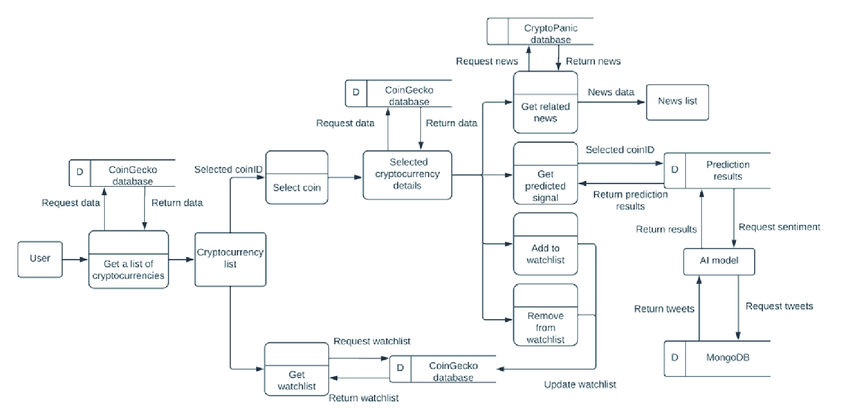
क्रिप्टो में “वर्कफ़्लो” क्यों “मॉडल” से बेहतर है
अधिकांश क्रिप्टो विश्लेषण विफलताएँ “गलत” एल्गोरिदम का उपयोग करने से नहीं होती हैं। वे निम्न कारणों से होती हैं:
- अपरिभाषित निर्णय (आप वास्तव में क्या निर्णय ले रहे हैं, और कब?)
- डेटा लीक (अनजाने में भविष्य की जानकारी का उपयोग करना)
- गैर-स्थिरता (बाजार का परिदृश्य बदलता है और आपका लाभ गायब हो जाता है)
- अमूल्य वास्तविकता (फीस, स्लिपेज, लेटेंसी, क्षमता, फंडिंग)
एक मजबूत वर्कफ़्लो आपके विश्लेषण को ऑडिट योग्य बनाता है: आप समझा सकते हैं कि क्या बदला, आपने क्यों कार्रवाई की, और अगली बार आप क्या मापेंगे।
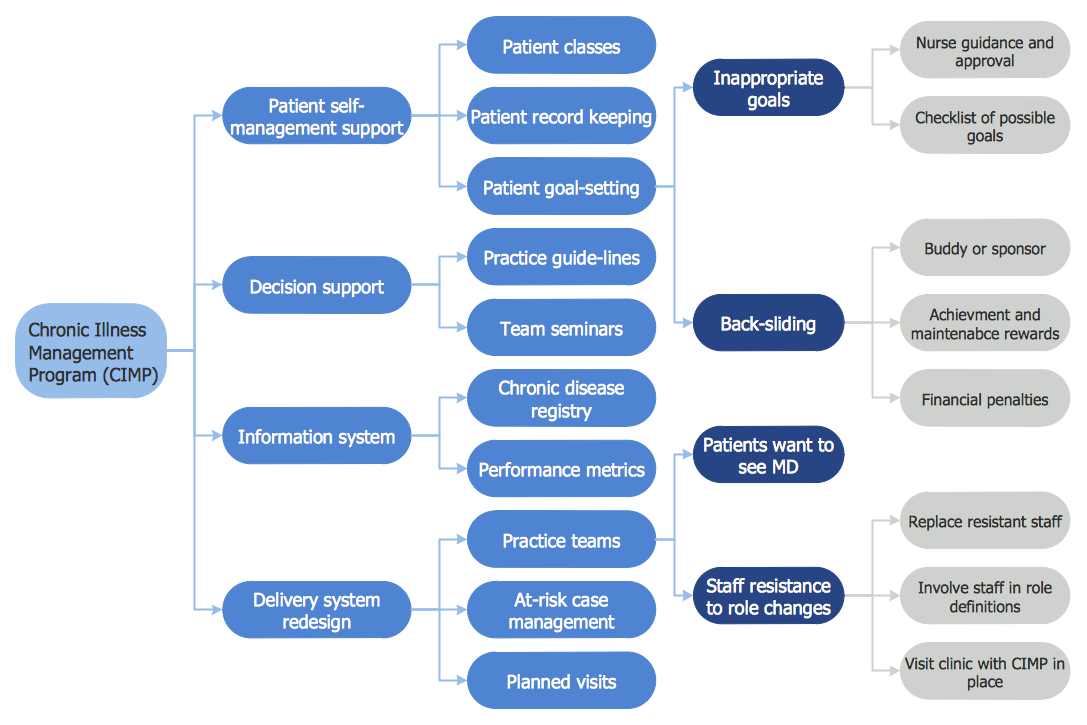
इस लेख का बाकी हिस्सा एक पाइपलाइन के रूप में व्यवस्थित है: निर्णय फ्रेमिंग → डेटा मैपिंग → फीचर डिज़ाइन → मॉडलिंग → मूल्यांकन → जोखिम नियम → परिनियोजन और निगरानी।
चरण 1: डेटा को छूने से पहले निर्णय को परिभाषित करें
किसी भी एआई क्रिप्टो विश्लेषण वर्कफ़्लो को बनाने से पहले, निर्णय ऑब्जेक्ट को परिभाषित करें। यह स्पष्टता सुनिश्चित करता है और आपको गलत चीज़ को अनुकूलित करने से रोकता है।
इन सवालों को पूछें:
- इंस्ट्रूमेंट:
BTC,ETH, एक ऑल्ट बास्केट, पर्प्स, ऑप्शंस, या स्पॉट?
- होराइजन: 15 मिनट, 4 घंटे, 1 दिन, 1 सप्ताह?
- एक्शन प्रकार: प्रवेश/निकासी, हेज, आकार, घुमाना, बचना?
- सीमाएं: अधिकतम लीवरेज, अधिकतम ड्रॉडाउन, न्यूनतम तरलता, भौगोलिक एक्सचेंज सीमाएं?
एक निर्णय टेम्पलेट जिसे आप फिर से उपयोग कर सकते हैं
एक पैराग्राफ़ में "निर्णय विशेषता" लिखें:
निर्णय विशेषता:
"मैं अगले 4 घंटे के लिए BTC-PERP पर लंबा/संक्षिप्त/समतल जाने का निर्णय लूंगा। मैं केवल तभी व्यापार करूंगा जब तरलता X से ऊपर होगी, उतार-चढ़ाव Y से नीचे होगा, और संकेत ट्रेंड + फ्लो + पोजिशनिंग के आधार पर सहमत होंगे। मैं अनुमानित उतार-चढ़ाव के आधार पर पोजिशन का आकार दूंगा और हार्ड स्टॉप + टाइम स्टॉप के साथ डाउनसाइड को सीमित करूंगा।"
चरण 2: एक क्रिप्टो डेटा मानचित्र बनाएं (स्रोत, आवृत्ति, समस्याएं)
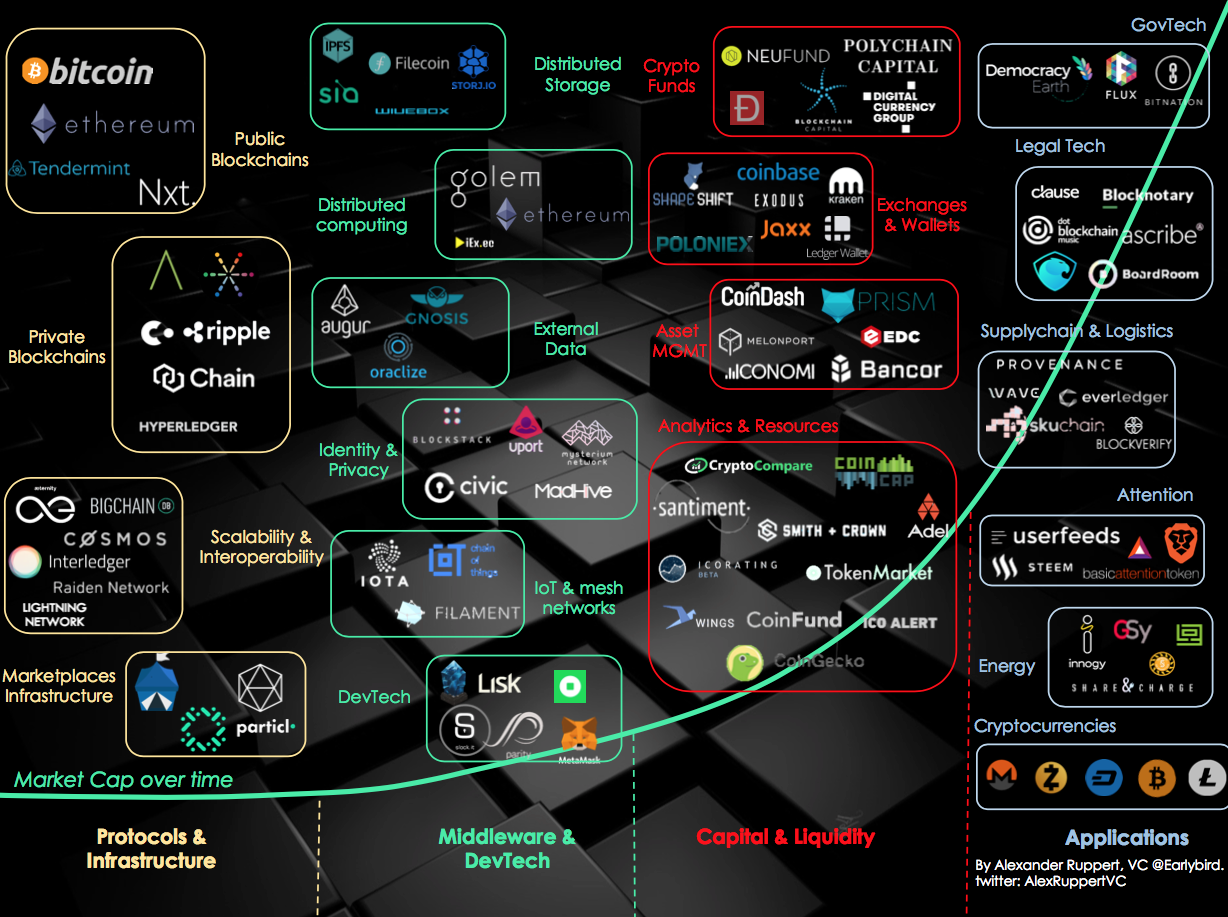
क्रिप्टो स्वभाव से बहु-स्रोत है। एक अच्छा कार्यप्रवाह एक डेटा मानचित्र से शुरू होता है जो प्रत्येक डेटा सेट को क्या दर्शाना चाहिए—और क्या गलत हो सकता है, यह सूचीबद्ध करता है।
प्रमुख डेटा परिवार
- बाजार डेटा: OHLCV, व्यापार, स्प्रेड, उतार-चढ़ाव
- ऑर्डर बुक और माइक्रोस्ट्रक्चर: गहराई, असंतुलन, तरलता अंतराल
- व्युत्पन्न: फंडिंग दरें, खुला ब्याज, आधार, लिक्विडेशन
- ऑन-चेन: एक्सचेंज इनफ्लो/आउटफ्लो, व्हेल ट्रांसफर, स्टेबलकॉइन आपूर्ति/फ्लो
- सेंटिमेंट और समाचार: सुर्खियां, सोशल वेग, कथानक क्लस्टरिंग
- मैक्रो प्रॉक्सी: DXY, दरें, इक्विटी रिस्क-ऑन/ऑफ (यदि लागू हो)
डेटा-मैप तालिका (व्यावहारिक और कठोर रूप से ईमानदार)
| डेटा स्रोत | यह आपको क्या बता सकता है | सामान्य समस्याएं | गार्डरेल |
|---|---|---|---|
| OHLCV | ट्रेंड, उतार-चढ़ाव का शासन | एक्सचेंज फ्रैग्मेंटेशन, विक्स, वॉश ट्रेडिंग | समेकित फीड्स या सुसंगत वेन्यू का उपयोग करें |
| ऑर्डर बुक | शॉर्ट-टर्म दबाव और तरलता | स्पूफिंग, छिपी हुई तरलता, अल्ट्स पर कम गहराई | समय के साथ स्थिरता + गहराई मापें |
| फंडिंग और OI | भीड़, लीवरेज, पोजिशनिंग | वेन्यू अंतर, "OI ऊपर" का मतलब हेजिंग हो सकता है | वॉल्यूम द्वारा सामान्यीकरण + वेन्यू की तुलना करें |
| ऑन-चेन फ्लो | आपूर्ति आंदोलन, विनिमय दबाव | श्रेय त्रुटियाँ, चेन भीड़ की घटनाएँ | कई ह्यूरिस्टिक्स का उपयोग करें + अधिक आत्मविश्वास से बचें |
| सामाजिक/समाचार | कथा में बदलाव और परावर्तिता | बॉट्स, समन्वित अभियानों, उत्तरजीविता पक्षपाती | स्रोत गुणवत्ता के अनुसार वजन दें + स्पाइक्स का पता लगाएं |
अनुसंधान टिप: प्रत्येक स्रोत को एक “सेंसर” के रूप में मानें। आपका काम यह पता लगाना है कि क्या सेंसर आज के दिन विश्वसनीय है।
चरण 3: कच्चे डेटा को ऐसे फीचर्स में बदलें जिन्हें आप समझा सकें
क्रिप्टो में, "फीचर इंजीनियरिंग" 200 संकेतकों को स्टैक करने के बारे में नहीं है। यह मैकेनिज्म को कोडित करने के बारे में है।
फीचर श्रेणियाँ जो बेहतर सामान्यीकरण करती हैं
- रुझान और शासन फीचर्स
- विभिन्न समयावधियों पर रिटर्न (जैसे, 1 घंटे / 4 घंटे / 1 दिन)
- वास्तविक अस्थिरता, सीमा विस्तार, ब्रेकआउट माप
- तरलता और माइक्रोस्ट्रक्चर
- स्प्रेड, गहराई, असंतुलन, तरलता की अस्थिरता
- पोजीशनिंग और लीवरेज
- फंडिंग z-स्कोर, OI परिवर्तनों, आधार, लिक्विडेशन तीव्रता
- फ्लो और आपूर्ति
- विनिमय नेट इनफ्लो/आउटफ्लो, स्टेबलकॉइन निर्गमन/फ्लो
- कथाएँ
- समाचार गति, भावना वितरण, विषय क्लस्टरिंग (केवल "सकारात्मक/नकारात्मक" नहीं)
एक फीचर चेकलिस्ट (तेज़ मानसिकता फिल्टर)
- क्या फीचर में एक संभावित कारणक कहानी है?
- क्या यह वास्तविक समय में उपलब्ध है (कोई भविष्य का बैकफिल नहीं)?
- क्या आप उस समय-अक्ष पर क्रियान्वयन का अनुकरण कर सकते हैं?
- क्या यह शासन विभाजन (बुल/बियर/साइडवेज) से बचता है?
यदि आप एक फीचर को समझा नहीं सकते, तो जब यह टूटेगा तो आप उसे डिबग नहीं कर सकते।
चरण 4: एक मॉडल चुनें जो काम (और डेटा वास्तविकता) से मेल खाता हो
विभिन्न निर्णयों के लिए विभिन्न मॉडलिंग दृष्टिकोणों की आवश्यकता होती है। कई क्रिप्टो कार्यप्रवाहों में, सबसे अच्छा “मॉडल” एक स्कोरिंग सिस्टम + गेटिंग नियम है—और केवल बाद में एक मशीन लर्निंग परत।
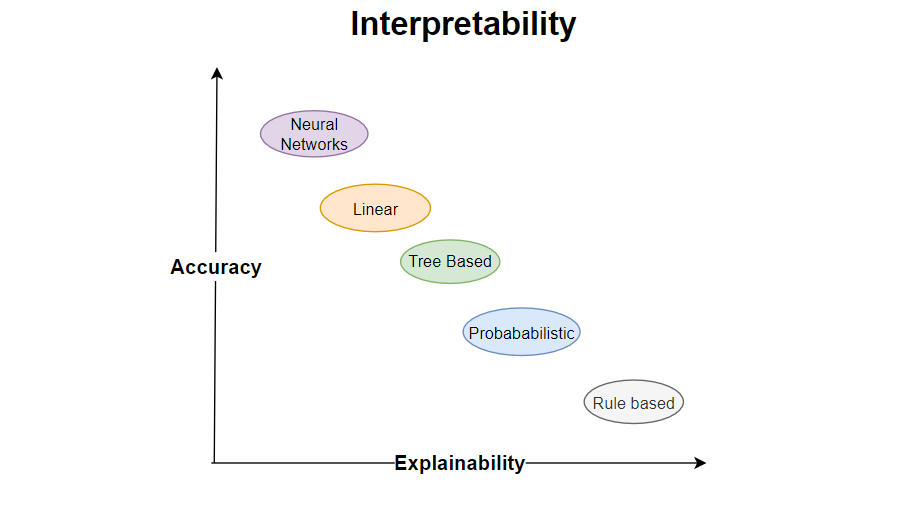
मॉडल विकल्प (मजबूत से नाजुक तक क्रमबद्ध)
- नियम + स्कोरिंग (बेसलाइन): व्याख्यायित, स्थिर, सुधारने में तेज़
- नियमितकृत रैखिक मॉडल: शोर वाले फीचर्स के लिए अच्छे, डिबग करने में आसान
- वृक्ष-आधारित मॉडल: गैर-रैखिकता को संभालते हैं, लेकिन अगर आप लापरवाह हैं तो ओवरफिट हो सकते हैं
- क्रम मॉडल / गहरी शिक्षण: शक्तिशाली, लेकिन उच्च रिस्क और निगरानी में कठिनाई
अनुसंधान सिद्धांत: सबसे सरल दृष्टिकोण से शुरुआत करें जो आपको एक स्वच्छ सामान्य बेसलाइन पर मापने योग्य वृद्धि प्रदान करे।
कदम 5: बैकटेस्ट करें जैसे एक वयस्क (लीकेज-प्रूफ मूल्यांकन)
AI क्रिप्टो विश्लेषण में सबसे सामान्य विफलता यह है कि विश्वास करना एक बैकटेस्ट पर जो असल व्यापार के प्रति सच्चा नहीं है।
न्यूनतम योग्य मूल्यांकन प्रोटोकॉल
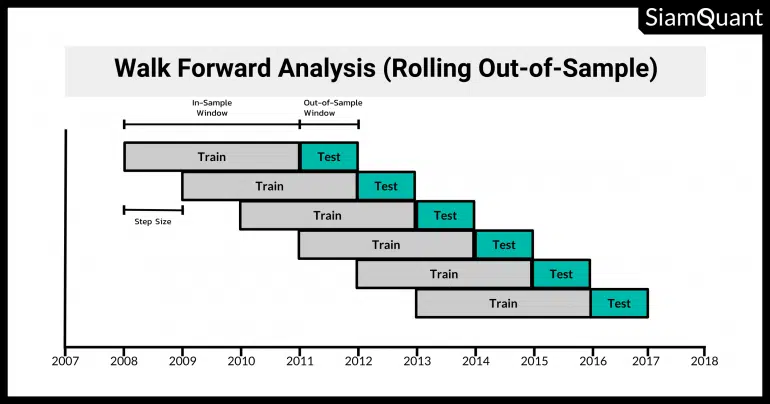
- समय-आधारित विभाजन का उपयोग करें (कभी भी रैंडम शफल न करें)
- वॉक-फॉरवर्ड सत्यापन को प्राथमिकता दें (ट्रेन → टेस्ट → रोल फॉरवर्ड)
- लेन-देन लागत शामिल करें (फीस, स्प्रेड, स्लिपेज)
- फंडिंग (परप्स के लिए) और उधारी (यदि स्पॉट शॉर्ट कर रहे हों) शामिल करें
- लेटेंसी अनुमान जोड़ें (यहां तक कि 1-5 मिनट के बदलाव परिणामों को बदल सकते हैं)
मुख्य मापदंड (केवल शार्प की पूजा न करें)
भविष्यवाणी गुणवत्ता और व्यापार परिणामों दोनों को मापें:
- भविष्यवाणी: कैलिब्रेशन, AUC (यदि वर्गीकरण हो), शासन के अनुसार त्रुटि
- व्यापार: हिट दर, अपेक्षाएँ, अधिकतम ड्रॉडाउन, टर्नओवर, टेल लॉस
- स्थिरता: उप-पीरियड और स्थानों के बीच प्रदर्शन स्थिरता
मूल्यांकन रूपरेखा तालिका (त्वरित स्कोरिंग)
| आयाम | "अच्छा" कैसा दिखता है | लाल झंडा |
|---|---|---|
| लीकेज नियंत्रण | वॉक-फॉरवर्ड, कोई लुकअहेड नहीं | रैंडम विभाजन, भविष्य के समाग्री |
| लागत यथार्थवाद | फीस + स्लिपेज + फंडिंग | "पेपर अल्फा" लाइव में गायब हो जाता है |
| शासन स्थिरता | कई शासनों में काम करता है | केवल एक महीने में काम करता है |
| व्याख्यायिता | स्पष्ट चालक संकेत | ट्रेस न किए जा सकने वाले फीचर सूप |
Step 6: सिग्नल्स को निर्णयों में बदलना (लापता परत)
सिग्नल्स निर्णय नहीं होते। एक पेशेवर कार्यप्रवाह एक निर्णय परत जोड़ता है जो यह उत्तर देती है: हम कब कार्य करें, कितना करें, और कब रोकें?
एक सरल निर्णय वास्तुकला
तीन परतों के बारे में सोचें:
- सिग्नल परत: प्रवृत्ति, प्रवाह, स्थिति, कथा स्कोर
- गेटिंग परत: “केवल तभी व्यापार करें जब स्थितियाँ सुरक्षित हों”
- कार्यनिर्वाह परत: आकार, प्रवेश, निकासी, फेलसेफ्स
यहां एक व्यावहारिक स्कोरिंग दृष्टिकोण है:
सिग्नल स्कोर उदाहरण (संकल्पनात्मक):
TrendScore(0–1)
FlowScore(0–1)
PositioningScore(0–1)
RiskPenalty(0–1)
DecisionScore = 0.35Trend + 0.30Flow + 0.25Positioning - 0.40RiskPenalty
फिर गेट्स लागू करें:
- केवल तभी व्यापार करें यदि
DecisionScore > 0.6
- केवल तभी व्यापार करें यदि स्प्रेड < सीमा
- केवल तभी व्यापार करें यदि वोलाटिलिटी < सीमा
- यदि भावना अत्यधिक हो (भीड़ जोखिम) तो आकार कम करें
एक व्यावहारिक संख्या आधारित कार्यप्रवाह (सम्पूर्ण प्रक्रिया)
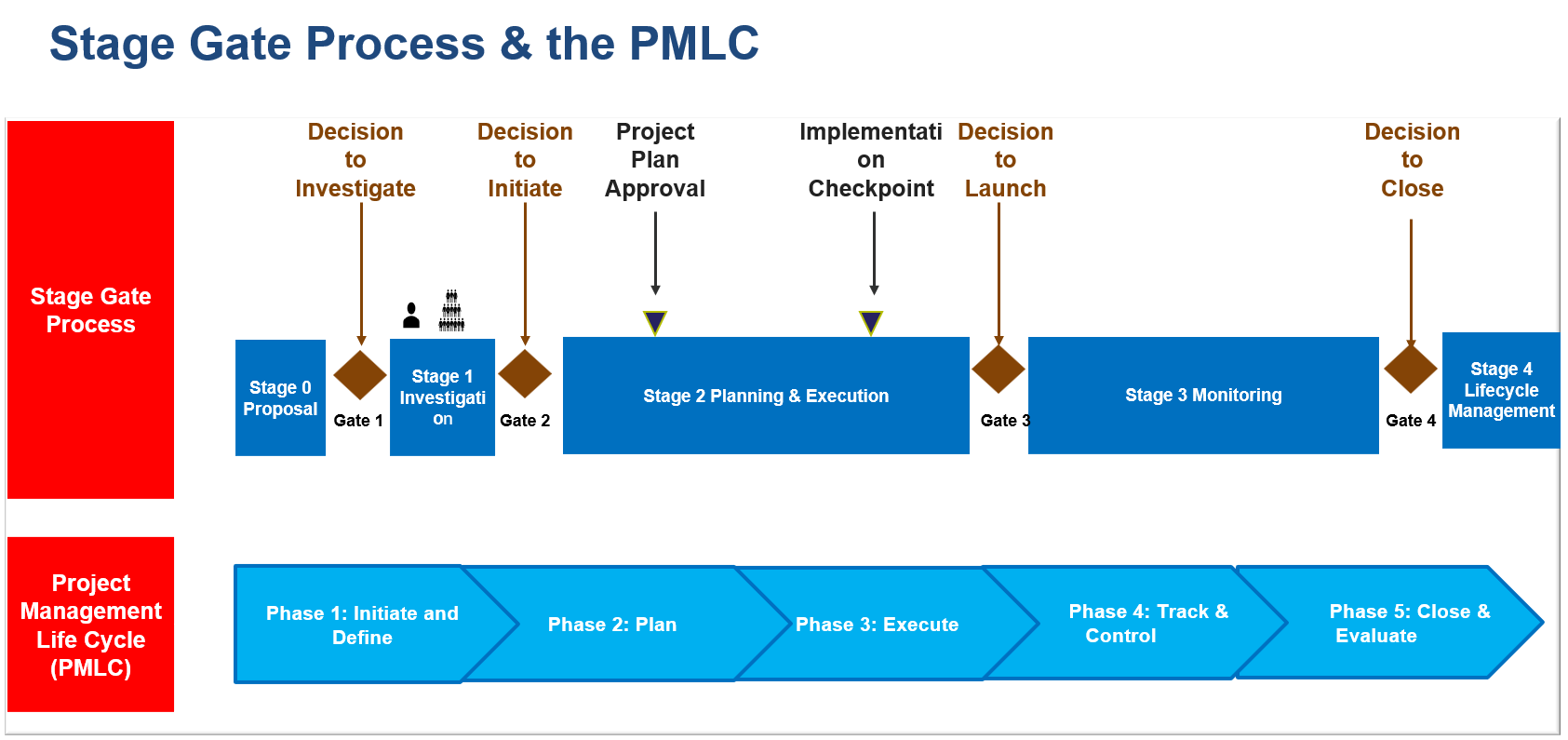
- निर्णय विशिष्टता को परिभाषित करें (उपकरण, समयसीमा, प्रतिबंध)
- समयचिह्न अनुशासन के साथ डेटा खींचें (जो तब जाना जाता था)
- साफ़ करें और सामान्यीकृत करें (स्थान की सुसंगतता, बाहरी मानक, अनुपलब्धता)
- स्पष्ट समझने योग्य विशेषताएँ विकसित करें (प्रणाली-प्रथम)
- बुनियादी मॉडल + मॉडल सीढ़ी को प्रशिक्षित करें (वृद्धिशील जटिलता)
- वॉक-फॉरवर्ड मूल्यांकन लागत और फंडिंग के साथ
- निर्णय नियम बनाएं (स्कोर + गेट्स + आकार)
- पेपर ट्रेड + शैडो डिप्लॉय (पूंजी से पहले निगरानी)
- लाइव जाएं और ड्रिफ्ट जांच + किल स्विच लागू करें
Step 7: जोखिम नियंत्रण जो कार्यप्रवाह के अंदर होने चाहिए (इसके बाद नहीं)
क्रिप्टो जोखिम केवल उतार-चढ़ाव नहीं है—यह लिक्विडिटी शॉक्स, लिक्विडेशन कैस्केड्स, और नैरेटीव-प्रेरित गैप्स हैं। आपकी कार्यप्रणाली को जोखिम नियंत्रण उसी तरह एन्कोड करना चाहिए जैसे यह सिग्नल्स को एन्कोड करती है।
मुख्य जोखिम नियंत्रण
- पोजीशन साइजिंग: उतार-चढ़ाव लक्ष्यीकरण (जब वोल बढ़े, तो साइज घटाएं)
- प्रति व्यापार अधिकतम हानि: हार्ड स्टॉप + टाइम स्टॉप
- प्रति दिन अधिकतम हानि: सर्किट ब्रेकर
- लिक्विडिटी गार्डरेल्स: कम गहराई / उच्च स्प्रेड की स्थितियों से बचें
- भीड़ जांचें: अत्यधिक फंडिंग + अत्यधिक भावना = नाजुक
एक रणनीति जो "काम करती है" केवल तब जब कुछ गलत न हो, वह रणनीति नहीं है—यह एक सट्टा है।
जोखिम नियम उदाहरण (कॉपी/पेस्ट शैली)
- यदि वास्तविक वोल (4h) > X, तो साइज 50% घटाएं
- यदि फंडिंग जेड-स्कोर > 2.5, तो लॉन्ग एक्सपोजर घटाएं
- यदि स्प्रेड थ्रेशोल्ड से अधिक बढ़ता है, तो प्रवेश न करें
- यदि ड्रॉडाउन Y से अधिक हो, तो रोकें और मॉडल ड्रिफ्ट की समीक्षा करें
चरण 8: निगरानी और मॉडल गवर्नेंस (क्योंकि व्यवस्थाएं बदलती हैं)
तैनाती अंत नहीं है। क्रिप्टो में, यह एक नए शोध चक्र की शुरुआत है।
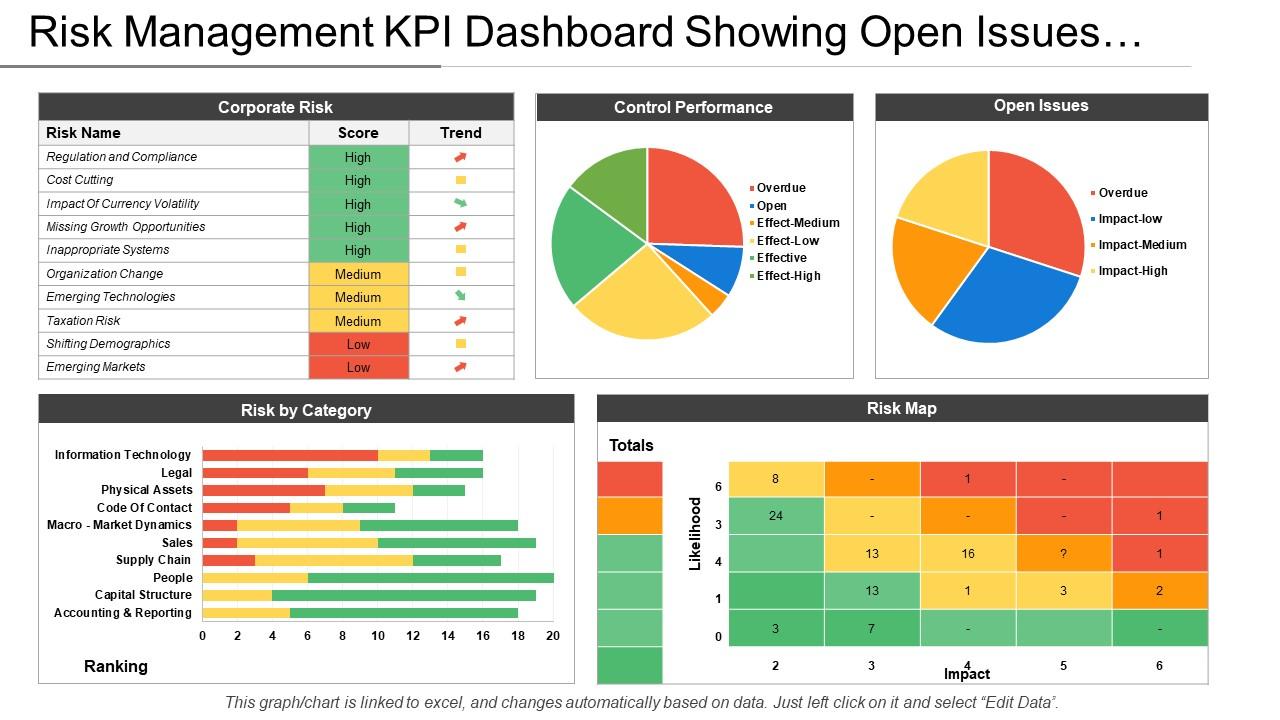
तीन प्रकार की ड्रिफ्ट पर निगरानी रखें:
- डेटा ड्रिफ्ट: विशेषताएँ वितरण बदलती हैं (नई व्यवस्था)
- प्रदर्शन ड्रिफ्ट: हिट दर/अपेक्षाएँ घटती हैं
- व्यवहार ड्रिफ्ट: मॉडल अनपेक्षित ट्रेड करता है
निगरानी चेकलिस्ट
- लाइव बनाम बैकटेस्ट स्लिपेज़ को ट्रैक करें
- फंडिंग प्रभाव बनाम अपेक्षाओं को ट्रैक करें
- व्यवस्था टैग्स (प्रवृत्ति, चॉप, पैनिक) द्वारा प्रदर्शन को ट्रैक करें
- समय के साथ फीचर महत्वपूर्णता (या प्रॉक्सी) को पुनःगणना करें
- एक निर्णय पत्रिका बनाए रखें: "हमने क्यों ट्रेड किया" साधारण अंग्रेजी में
SimianX AI एक व्यावहारिक कार्यप्रणाली में कहाँ फिट बैठता है
यदि आपकी सबसे बड़ी चुनौती निरंतरता है—उसी सिग्नल्स का सेट कैप्चर करना, धारणाएँ दस्तावेजित करना, और निर्णय-तैयार सारांश उत्पन्न करना—तो उपकरण मदद कर सकते हैं।
SimianX AI इस कार्यप्रणाली में तीन व्यावहारिक तरीकों से उपयोगी है:
- संरचित विश्लेषण: निरंतर अनुभाग (थीसिस, उत्प्रेरक, जोखिम) ताकि आप कोई चरण न छोड़ें
- संकेतों की क्रॉस-चेकिंग: विभिन्न कोण (तकनीकी, भावना, व्यापक संदर्भ) ताकि एकल स्रोत का पक्षपाती प्रभाव कम हो
- प्रलेखन: एक साझा निर्णय ट्रेल जिसे आप बाद में समीक्षा कर सकते हैं (आपने क्या विश्वास किया और क्यों)
टीमों या अकेले शोधकर्ताओं के लिए जो एक दोहराया जा सकने वाला प्रक्रिया चाहते हैं, आप SimianX AI का उपयोग "विश्लेषण नोटबुक" परत के रूप में कर सकते हैं—फिर अपनी जोखिम नियमों और क्रियावली प्रतिबंधों को इसके ऊपर लागू कर सकते हैं।
एक कार्यान्वित उदाहरण: एक कथा स्पाइक को निर्णय में बदलना
आइए एक वास्तविक परिदृश्य से गुजरें।
परिदृश्य: BTC ऊपर की ओर रुझान कर रहा है, एक प्रमुख सुर्खी के बाद सोशल भावना में स्पाइक आता है, फंडिंग जल्दी बढ़ती है, और ऑर्डर बुक की गहराई पतली हो जाती है।
कदम दर कदम व्याख्या
- ट्रेंड फीचर्स: बुलिश निरंतरता संभव है
- भावना: स्पाइक ध्यान आकर्षित करता है, लेकिन भीड़ का जोखिम
- फंडिंग: बढ़ती फंडिंग लॉन्ग्स के लिए नाजुकता बढ़ाती है
- लिक्विडिटी: पतली गहराई स्लिपेज और टेल जोखिम बढ़ाती है
निर्णय परत का परिणाम (उदाहरण):
- संकेत स्कोर: मध्यम बुलिश
- जोखिम दंड: ऊंचा (भीड़ + लिक्विडिटी)
- क्रिया: साइज घटाएं, लिक्विडिटी के ठीक होने का इंतजार करें, या यदि उपलब्ध हो तो विकल्पों के साथ हेज करें
यह "डेटा से निर्णय" का अभ्यास है: मॉडल केवल "खरीदें" नहीं कहता—यह एक शर्तीय योजना देता है।
आप डेटा से निर्णय तक एक AI क्रिप्टो विश्लेषण कार्यप्रवाह कैसे बनाते हैं?
आप इसे शोध प्रणाली के रूप में कार्यप्रवाह का इलाज करके बनाते हैं, न कि पूर्वानुमान प्रतियोगिता के रूप में।
एक उच्च-गुणवत्ता वाला कार्यप्रवाह:
- एक परिभाषित निर्णय से शुरू होता है
- डेटा स्रोतों को तंत्रों से जोड़ता है
- समझने योग्य फीचर्स का उपयोग करता है
- लीक-प्रूफ विभाजनों से सत्यापित करता है
- संकेतों को गेटेड निर्णयों में बदलता है
- जोखिम नियंत्रणों को एम्बेड करता है
- ड्रिफ्ट की निगरानी करता है और पोस्ट-मॉर्टम्स को मजबूर करता है
अगर आप उन सात चीजों को अच्छे से करते हैं, तो विशिष्ट मॉडल का महत्व अधिकांश लोगों की सोच से कहीं कम होता है।
एआई क्रिप्टो विश्लेषण के बारे में सामान्य प्रश्न: डेटा से निर्णय तक एक व्यावहारिक कार्यप्रवाह
बिना ओवरफिटिंग के एआई क्रिप्टो ट्रेडिंग मॉडल कैसे बनाएं?
एक सरल बासलाइन से शुरू करें और केवल तब जटिलता जोड़ें जब यह कई परिस्थितियों में वॉक-फॉरवर्ड परिणामों में सुधार करता हो। समय-आधारित विभाजन का उपयोग करें, लागत/फंडिंग को शामिल करें, और यह पुष्टि करने के लिए एब्लेशन रन करें कि कौन सी विशेषताएँ वास्तव में मूल्य जोड़ती हैं।
एक लीक-प्रूफ क्रिप्टो बैकटेस्ट क्या है?
यह एक बैकटेस्ट है जिसमें हर फीचर, लेबल, और ट्रेडिंग निर्णय केवल वही जानकारी उपयोग करता है जो उस समय पर उपलब्ध होती। कोई यादृच्छिक शफल नहीं, कोई भविष्य की एग्रीगेट्स नहीं, और निष्पादन, शुल्क और विलंबता के लिए यथार्थवादी मान्यताएँ।
ऑन-चेन और सेंटिमेंट डेटा को संयोजित करने का सबसे अच्छा तरीका क्या है?
उन्हें पूरक सेंसर के रूप में उपयोग करें: ऑन-चेन आपूर्ति/प्रवाह संदर्भ के लिए और सेंटिमेंट कथा की गति के लिए। किसी को भी हावी न होने दें; गेटिंग नियम लागू करें और क्रिया करने से पहले मूल्य/तरलता परिस्थितियों से पुष्टि की आवश्यकता करें।
क्या एआई विवेकाधीन क्रिप्टो अनुसंधान को प्रतिस्थापित कर सकता है?
यह असंगत अनुसंधान दिनचर्या को प्रतिस्थापित कर सकता है, लेकिन निर्णय को नहीं। सबसे अच्छा उपयोग यह है कि यह परिकल्पना, साक्ष्य और निगरानी के लिए एक अनुशासित लूप के रूप में हो—जबकि मनुष्य प्रतिबंधों, जोखिम और जिम्मेदारी को नियंत्रित करते हैं।
क्रिप्टो में मॉडल को कितनी बार फिर से प्रशिक्षित करना चाहिए?
कैलेंडर पर नहीं, बल्कि ड्रिफ्ट सिग्नल्स के आधार पर फिर से प्रशिक्षित करें। अगर फीचर वितरण या रणनीति प्रदर्शन में महत्वपूर्ण बदलाव होते हैं, तो फिर से प्रशिक्षण (या पुनः वजन) उचित हो सकता है—अन्यथा आप शोर का पीछा करने का जोखिम उठा सकते हैं।
निष्कर्ष
एक विश्वसनीय एआई क्रिप्टो विश्लेषण: डेटा से निर्णय तक एक व्यावहारिक कार्यप्रवाह यह अधिक महत्वपूर्ण नहीं है कि एक जादुई मॉडल खोजें, बल्कि एक प्रणाली बनाने के बारे में है: निर्णय को परिभाषित करें, डेटा को तंत्रों से जोड़ें, समझने योग्य फीचर्स का निर्माण करें, लीक के बिना मूल्यांकन करें, और जोखिम नियंत्रण के साथ गेटेड कार्रवाइयों में संकेतों का अनुवाद करें। एक बार जब यह लूप स्थापित हो जाए, तो आप सुरक्षित रूप से सुधार कर सकते हैं—पाइपलाइन के कुछ हिस्सों को बिना पूरे को तोड़े सुधार सकते हैं।
यदि आप एक अधिक सुसंगत विश्लेषण दिनचर्या और एक स्पष्ट निर्णय ट्रेल चाहते हैं, तो अपने क्रिप्टो अनुसंधान वर्कफ़्लो को चलाने, दस्तावेज़ करने और परिष्कृत करने के एक संरचित तरीके के रूप में SimianX AI का अन्वेषण करें।
संबंधित लेख
- AI से क्रिप्टो का विश्लेषण: व्यावहारिक ट्रेडिंग गाइड पूरी
- AI-आधारित क्रिप्टो की सुरक्षा: खतरे और बहुस्तरीय बचाव गाइड
- टाइम-सीरीज़ बनाम LLM: क्रिप्टो में हाइब्रिड जीतता