
Почему ИИ в реальном времени — последнее устойчивое преимущество трейдинга
В современном трейдинге каждая миллисекунда имеет значение — не говоря уже о минутах. Финансовые рынки сегодня движутся с молниеносной скоростью, и колебания цен могут происходить десятки раз за одну минуту. Тем не менее, многие индивидуальные трейдеры, новички и даже некоторые профессионалы невольно полагаются на задержанные данные о акциях. Хотя пять минут могут показаться незначительными, в мире трейдинга пятиминутная задержка может означать разницу между прибылью и убытком.
В этой статье мы разберем, почему данные о акциях в реальном времени с использованием ИИ, в сочетании с мощными инструментами ИИ и актуальными рыночными данными, трансформируют процесс принятия решений инвесторами — и почему полагаться на задержанные данные о акциях в сегодняшней среде, управляемой ИИ, — это опасный риск. Мы исследуем основные недостатки задержанных данных, покажем, как торговые инсайты на основе ИИ в реальном времени улучшают стратегию и исполнение сделок, и раскроем, как платформы с ИИ и данными о акциях в реальном времени могут существенно повысить прибыльность, точность и снижение рисков.
Время — это всё
Вы можете выбрать правильную акцию, правильное направление и правильную стратегию, но если ваши данные задерживаются даже на несколько минут, вы можете потерять деньги вместо того, чтобы их заработать. В современной рыночной среде — где цены мгновенно реагируют на отчеты о доходах, срочные новости, решения по процентным ставкам или институциональные покупки — риски задержанных данных о акциях более серьёзны, чем большинство трейдеров осознает.
Используя задержанные данные о акциях, вы конкурируете с трейдерами, хедж-фондами и алгоритмами, которые уже торгуют настоящим — и даже предсказывают будущее.
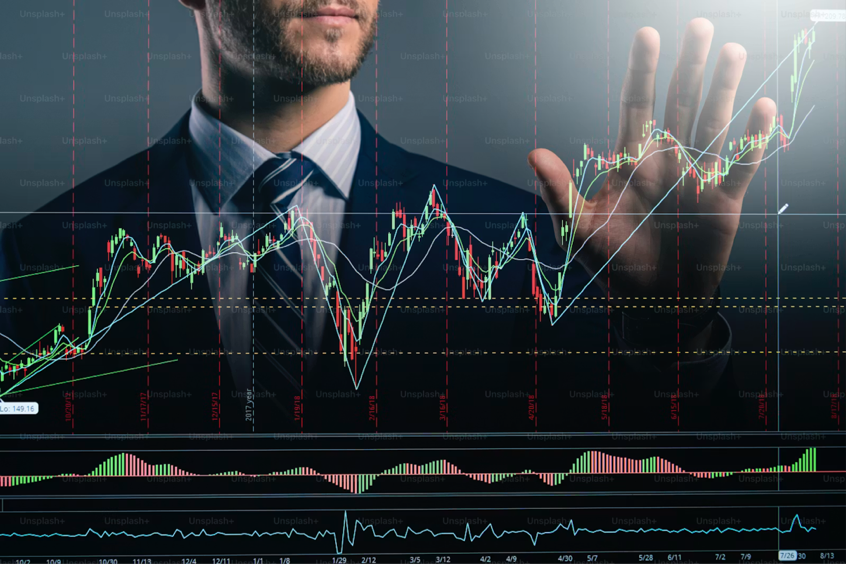
Скрытые риски задержанных данных о акциях
Большинство трейдеров учитывают только очевидные риски, такие как слишком поздняя покупка или слишком ранняя продажа. Но существует несколько скрытых рисков, вызванных задержанными данными о акциях:
- Ложные сигналы на покупку и продажу
Графики, основанные на устаревших ценах, могут показывать неверные уровни поддержки, сопротивления и линии тренда.
- Неправильное управление рисками
Зоны стоп-лосса и тейк-профита становятся недействительными после того, как рынок ушёл от задержанной цены.
- Пропущенные институциональные сделки
Задержанные данные скрывают всплески объёма в реальном времени, делая невозможным определить, куда движутся крупные деньги.
- Невозможность заметить развороты
К тому времени, как задержанные данные обновляются, разворот уже произошёл.
- Торговля на основе старой информации
Самый опасный риск — думать, что вы торгуете в реальном времени, но на самом деле торговать в прошлом.
Когда трейдеры не понимают эти риски, они винят свою стратегию — хотя настоящая проблема в данных.
Как трейдеры теряют деньги из-за задержанных данных — реальные сценарии
Просто представьте. Вы наблюдаете за акцией по $120. Вдруг замечаете всплеск до $122, затем до $124. Думая, что ловите прорыв, вы покупаете — не понимая, что вы уже опоздали.
Вот почему AI для данных о фондовом рынке в реальном времени трансформирует работу трейдеров. Они не просто реагируют — они предугадывают и прогнозируют движения цен ещё до того, как большинство инвесторов это заметят.
Теперь представьте двух трейдеров:
| Трейдер | Тип данных | Цена входа | Результат |
|---|---|---|---|
| Трейдер A | Информация AI в реальном времени | $101.50 | Получает прибыль на раннем импульсе |
| Трейдер B | Задержанные данные | $105+ | Входит поздно, вероятно теряет |
Это происходит каждый торговый день — во время отчетов о доходах, объявлений ФРС, геополитических событий и т.д.
Исторические данные против анализа AI в реальном времени
| Исторические/задержанные данные | Информация AI в реальном времени |
|---|---|
| Что уже произошло | Что происходит сейчас |
| Прошлая цена акции | Почему цена движется |
| Статическая снимок | Направление и сила импульса |
| Нет институциональной информации | Обнаруживает покупки/продажи институциональных инвесторов |
| Нет прогнозов | Прогнозы вероятности на основе ИИ |
Этот переход — от реактивной торговли к предсказательной — является ключевой силой ИИ для данных о фондовом рынке в реальном времени.
Роль ИИ для данных о фондовом рынке в реальном времени
Системы на основе ИИ отслеживают не только цены. Они мониторят:
- Поток ордеров и объемы торгов (в реальном времени)
- Покупки и продажи институциональных инвесторов
- Социальные настроения и срочные новости
- Изменения волатильности перед крупными движениями
- Формирующиеся графические паттерны в реальном времени
Человеку невозможно обработать бесконечные обновления по каждой сделке — но ИИ может.
Почему ИИ должен использовать данные рынка в реальном времени
Существует заблуждение, что ИИ может эффективно анализировать задержанные данные. Хотя ИИ может распознавать исторические шаблоны, ему нужны данные в реальном времени, чтобы делать прогнозы, отправлять уведомления и реагировать на изменения рынка.
Модели ИИ обрабатывают:
- Волатильность в реальном времени
- Мгновенные изменения настроений
- Срочные новости
- Потоки ликвидности
- Резкие изменения объема в реальном времени
Без данных в реальном времени ИИ становится ретроспективным и теряет предсказательную силу.
Как инсайты торговли с ИИ в реальном времени выводят вас вперед
Системы ИИ помогают выявлять:
- Ранние бычьи/медвежьи импульсы
- Аномальное поведение цены
- Изменения волатильности и ликвидности
- Зоны поддержки и сопротивления
- Риски сделок до их возникновения
ИИ затем суммирует инсайты в ясные торговые сигналы, например:
«Формируется бычий импульс — уверенность 80%»
«Обнаружены высокие покупки институциональных инвесторов»
«Волатильность растет — рекомендуется осторожность»
Торговля с поддержкой ИИ — будущее
Прошлое: графики, ручной анализ
Настоящее: алгоритмическая торговля, предсказательный ИИ
Будущее: полностью поддерживаемое ИИ принятие решений в реальном времени
Инструменты ИИ в реальном времени помогают трейдерам:
✔ Раннее выявление возможностей
✔ Сокращение эмоциональных решений
✔ Улучшение тайминга и точности
✔ Конкуренция с институциональными игроками
Короче говоря, ИИ превращает догадки в стратегию.
Как ИИ в режиме реального времени поддерживает разные стили торговли
| Стиль торговли | Преимущества ИИ |
|---|---|
| Дневные трейдеры | Раннее обнаружение сдвигов волатильности и трендов импульса |
| Свинг-трейдеры | Выявление прорывов, изменений тренда, институциональных потоков |
| Долгосрочные инвесторы | Анализ финансового состояния, настроений, макротенденций |
| Осторожные трейдеры | Мониторинг рисков, волатильности и зон стоп-лосса |
Независимо от вашего стиля, устаревшие данные — это недостаток.
Разрыв человеческой реакции и скорость ИИ
| Действие | Время реакции человека | Время реакции ИИ |
|---|---|---|
| Чтение новостей | 30–90 секунд | Мгновенно |
| Анализ воздействия | 1–2 минуты | Мгновенно |
| Размещение ордеров | Минуты | Миллисекунды |
Человеческие трейдеры реагируют. ИИ предугадывает.
Итог: ИИ в реальном времени больше не является опцией
На рынке, где цены меняются каждую секунду, использование устаревших данных означает торговлю в прошлом.
Успех в торговле сегодня зависит от:
- Данных о акциях в реальном времени
- Анализа с поддержкой ИИ
- Умных решений, основанных на инсайтах
Перестаньте реагировать на прошлое.
Начните торговать в настоящем — с ИИ.

На современных быстро меняющихся рынках скорость информации уже не просто преимущество — это требование. Задержка данных о акциях создаёт опасный разрыв между тем, что вы видите, и тем, что реально происходит. Даже пятиминутная задержка может скрыть институциональные покупки, развороты тренда, внезапные изменения волатильности и моменты прорыва. Это приводит к поздним входам, плохим выходам и повышенному риску.
ИИ с данными о акциях в реальном времени меняет это. Эти системы не просто отслеживают цены — они интерпретируют поведение рынка, выявляют импульсы, анализируют настроения, мониторят институциональные потоки и раскрывают скрытые торговые возможности.
ИИ в реальном времени подсказывает вам:
Когда торговать, зачем торговать и когда лучше воздержаться.
Это превращает время в прибыль.
В современных рынках, управляемых ИИ, скорость — это не просто преимущество —
Это необходимость.