
 लेखक: Muke
रसेल 2000 छोटे-कैप रोटेशन 2026 में: बाजार नेतृत्व में बदलाव
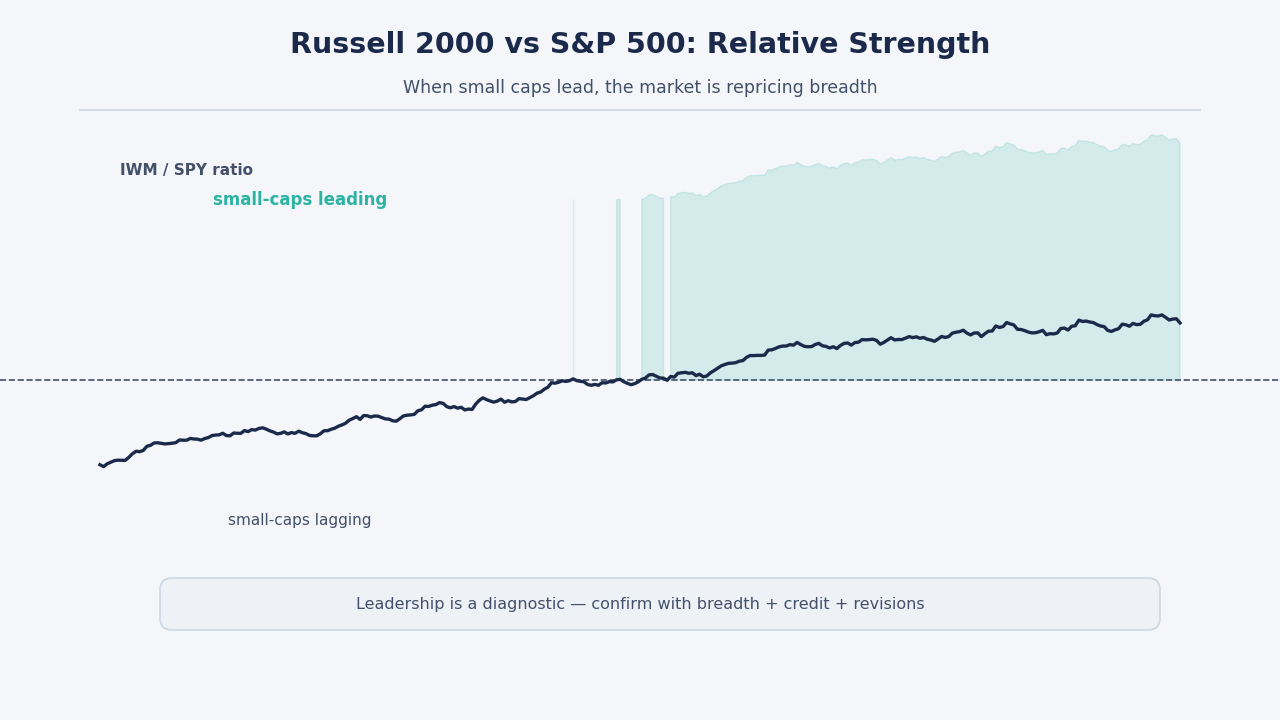
जब रसेल 2000 टेप का नेतृत्व करना शुरू करता है, तो निवेशक ध्यान देते हैं—न कि इसलिए कि छोटे कैप "बेहतर" हैं, बल्कि इसलिए कि नेतृत्व अक्सर यह प्रकट करता है कि बाजार अगला क्या मूल्यांकन कर रहा है। रसेल 2000 छोटे-कैप रोटेशन 2026 में संकीर्ण, मेगा-कैप प्रभुत्व से व्यापक भागीदारी की ओर संक्रमण का संकेत दे सकता है, चौड़ाई में सुधार, और मैक्रो विजेताओं और हारने वालों का एक अलग सेट।
यह शोध उन निवेशकों और व्यापारियों के लिए डिज़ाइन किया गया है जो एक क्रियाशील ढांचा चाहते हैं: छोटे-कैप नेतृत्व की व्याख्या कैसे करें, यह कैसे पुष्टि करें कि रोटेशन वास्तविक है (या केवल एक अल्पकालिक दबाव है), और एक जोखिम-प्रबंधित प्लेबुक कैसे बनाएं। पूरे समय, हम यह भी दिखाएंगे कि SimianX AI आपको रोटेशन की निगरानी करने, क्षेत्रों में परिकल्पनाओं का परीक्षण करने, और शोर भरी कथाओं को संरचित निर्णय संकेतों में बदलने में कैसे मदद कर सकता है, जिसमें एक दोहराने योग्य कार्यप्रवाह है।
छोटे-कैप नेतृत्व का महत्व मुख्यधारा के मूव से अधिक क्यों है
जब रसेल 2000 की रैली बाजार की छूट तंत्र में बदलाव को दर्शाती है, तो यह महत्वपूर्ण हो जाती है, न कि केवल एक बार का जोखिम-ऑन उछाल। छोटे कैप आमतौर पर होते हैं:
- अधिक दर-संवेदनशील (बैंक क्रेडिट, फ्लोटिंग-रेट ऋण, पुनर्वित्त चक्रों पर अधिक निर्भरता)
- अधिक घरेलू रूप से उजागर (यू.एस. मांग, श्रम स्थितियाँ, स्थानीय नीति)
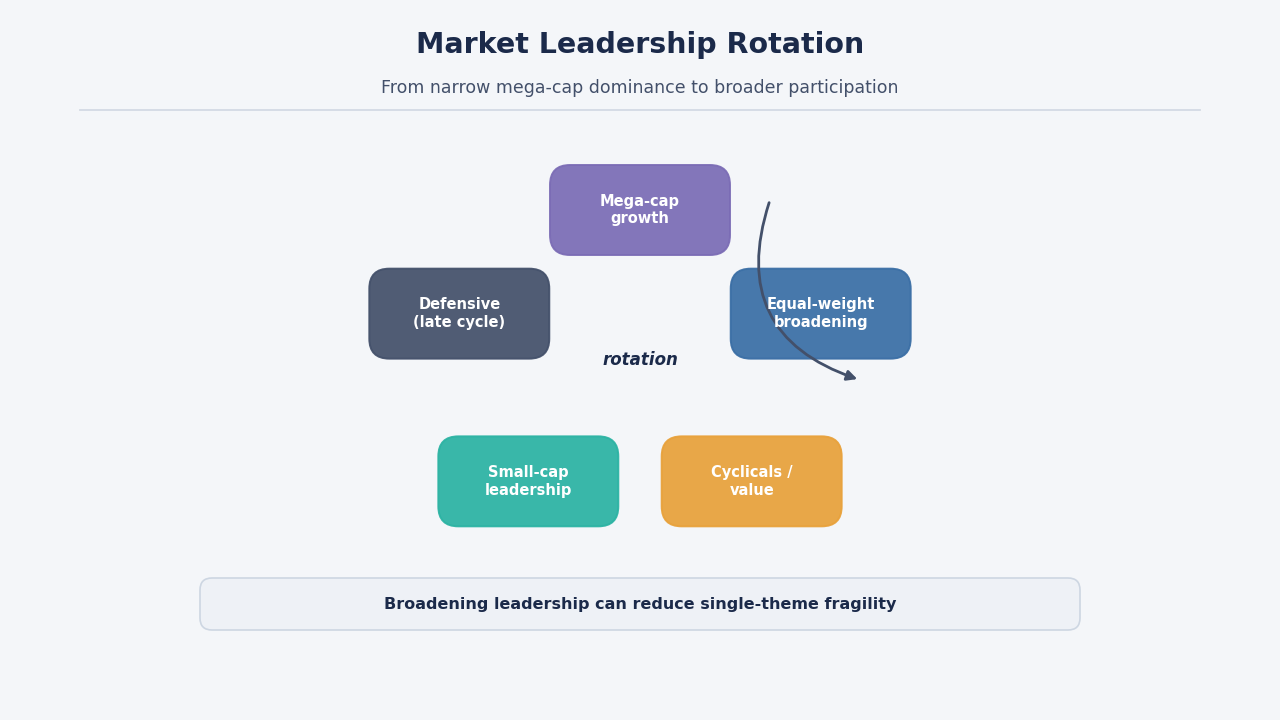
- कम केंद्रित (नेतृत्व का विस्तारण एकल-थीम की नाजुकता को कम कर सकता है)
यदि बाजार "विकास की कमी + अवधि संपत्तियों" से "नकद-प्रवाह चौड़ाई + चक्रीयता" की ओर स्थानांतरित होता है, तो आप अक्सर देखते हैं कि छोटे कैप पहले भाग लेते हैं, कभी-कभी समान-भार सूचकांकों और मूल्य/चक्रीय क्षेत्रों के साथ।
मुख्य विचार: नेतृत्व एक निदान उपकरण है। रसेल 2000 वित्तीय स्थितियों और घरेलू मांग पर "मैक्रो माइक्रोस्कोप" की तरह कार्य कर सकता है।
रसेल 2000 वास्तव में क्या मापता है (और क्या नहीं)
रसेल 2000 को सामान्यतः "यू.एस. छोटे कैप" के रूप में वर्णित किया जाता है, लेकिन व्याख्या के लिए परिचालन विवरण महत्वपूर्ण हैं:
निर्माण के मूल बातें (उच्च स्तर)
- यह यू.एस. इक्विटी ब्रह्मांड के छोटे-कैप खंड का प्रतिनिधित्व करता है।
- इसे वार्षिक रूप से पुनर्गठित किया जाता है, जो मौसमी प्रभाव और कारक झुकाव पैदा कर सकता है।
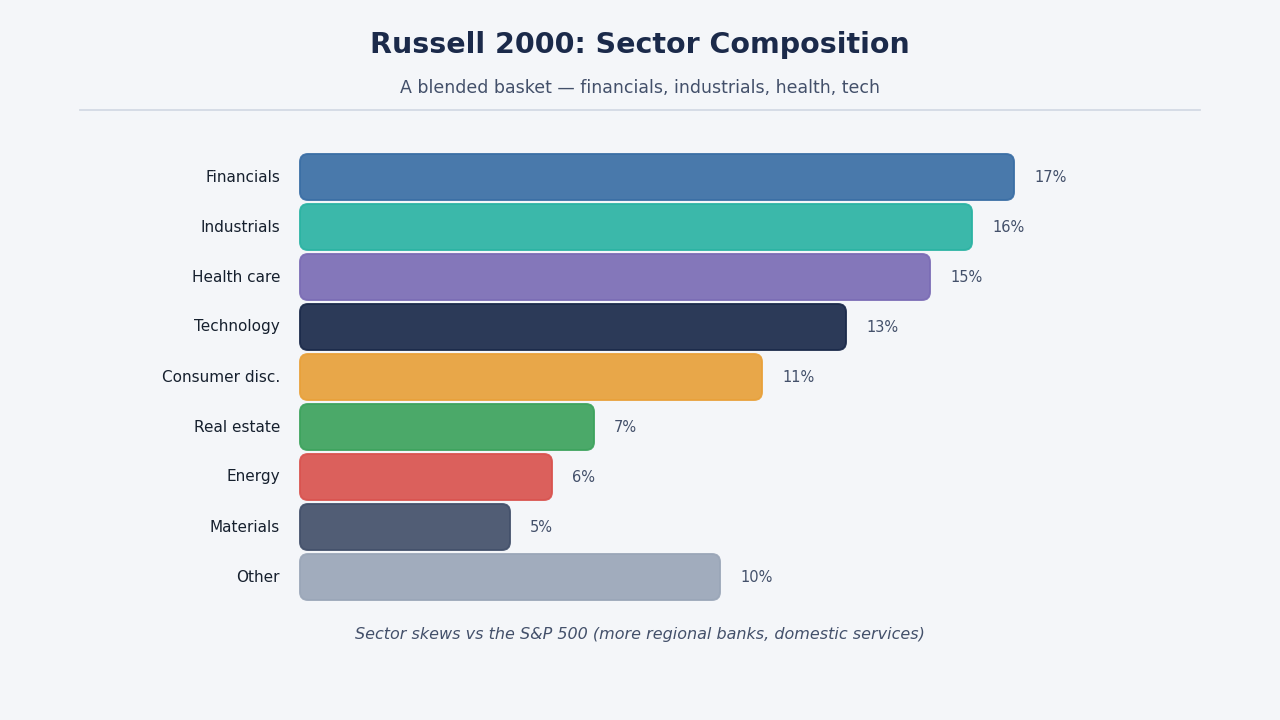
- इसमें एस एंड पी 500 की तुलना में महत्वपूर्ण क्षेत्रीय झुकाव हो सकते हैं (जैसे, अधिक क्षेत्रीय बैंक, औद्योगिक आपूर्तिकर्ता, घरेलू सेवाएँ, छोटे स्वास्थ्य सेवा नाम)।
मुख्य भ्रांति
कई निवेशक "रसेल ऊपर" को "पूरी अर्थव्यवस्था तेज हो रही है" के रूप में व्याख्या करते हैं। यह दिशा में सही हो सकता है, लेकिन रसेल 2000 भी निम्नलिखित के कारण बढ़ सकता है:
- गिरते यील्ड / वित्तीय स्थितियों में ढील
- उच्च-बेटा बास्केट में शॉर्ट कवरिंग
- ईटीएफ प्रवाह तंत्र
- लंबे समय तक मेगा-कैप संकेंद्रण के बाद औसत पुनरावृत्ति
इसलिए, सही दृष्टिकोण यह है कि रसेल 2000 को एक संकेत के रूप में माना जाए जिसे पुष्टि की आवश्यकता है, न कि एक निष्कर्ष के रूप में।
क्या रसेल 2000 छोटे-कैप रोटेशन 2026 में एक स्थायी नेतृत्व परिवर्तन का संकेत देता है?
यह केंद्रीय प्रश्न है—और उत्तर है: कभी-कभी, लेकिन केवल जब आप मूल्य, चौड़ाई, और मैक्रो चर के बीच कई पुष्टि देखते हैं।
नीचे एक व्यावहारिक "साक्ष्य सीढ़ी" है जिसका आप उपयोग कर सकते हैं।
रोटेशन साक्ष्य सीढ़ी
| साक्ष्य स्तर | आप क्या देखते हैं | इसका क्या अर्थ है | अगला क्या जांचें |
|---|---|---|---|
| स्तर 1 | रसेल 2000 दिनों/सप्ताहों के लिए बेहतर प्रदर्शन करता है | प्रारंभिक रोटेशन या निचोड़ | क्या यह व्यापक है (A/D लाइन)? या संकीर्ण (कुछ नाम)? |
| स्तर 2 | समान-भारित सूचकांक में सुधार होता है | चौड़ाई बढ़ रही है | क्या चक्रीय/मूल्य पुष्टि कर रहे हैं? |
| स्तर 3 | क्रेडिट स्प्रेड स्थिर/संकीर्ण हो रहे हैं | वित्तपोषण की स्थिति सहायक है | क्या क्षेत्रीय बैंक स्थिर हो रहे हैं? |
| स्तर 4 | आय संशोधन में सुधार होता है | मौलिक समर्थन | क्या मार्जिन बनाए रखे जा रहे हैं? |
| स्तर 5 | रोटेशन अस्थिरता के माध्यम से जारी है | रेजीम परिवर्तन की संभावना है | क्या यह गिरावट में नेतृत्व बनाए रख सकता है? |
एक स्थायी नेतृत्व परिवर्तन आमतौर पर चौड़ाई + वित्तीय स्थिति + आय संशोधन के संरेखण के रूप में दिखाई देता है, न कि केवल एक मजबूत महीने के रूप में।
छोटे पूंजीकरण रोटेशन के पीछे का मैक्रो इंजन
छोटे पूंजीकरण को अक्सर "उच्च बीटा" के रूप में वर्णित किया जाता है, लेकिन व्यावहारिकता में वे अक्सर पूंजी की लागत के प्रति उच्च संवेदनशीलता होते हैं। यह 2026 का मैक्रो पृष्ठभूमि विशेष रूप से प्रासंगिक बनाता है।
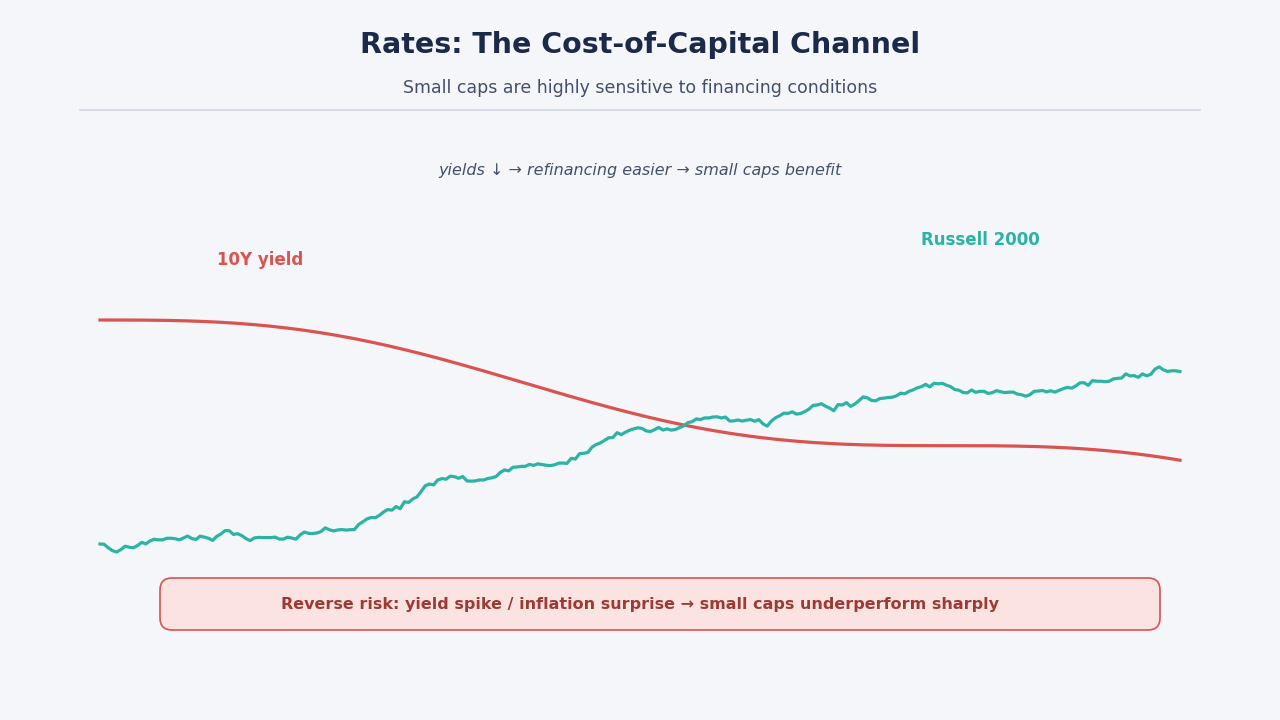
1) दरें: पूंजी की लागत का चैनल
जब उपज गिरती है (या जब बाजार आसान होने की उम्मीद करता है), छोटे पूंजीकरण असमान रूप से लाभ उठा सकते हैं क्योंकि:
- पुनर्वित्त करना आसान हो जाता है,
- ब्याज व्यय का दबाव कम हो सकता है,
- छूट दरें जोखिम भरे नकद प्रवाह के लिए मूल्यांकन में सुधार करती हैं।
लेकिन इसके विपरीत भी सच है: यदि उपज अचानक बढ़ती है या मुद्रास्फीति आश्चर्यचकित करती है, तो छोटे पूंजीकरण तेज़ी से प्रदर्शन कर सकते हैं।
2) क्रेडिट: छिपा हुआ चालक
कई छोटे पूंजीकरण व्यवसाय इस पर निर्भर करते हैं:
- बैंक उधारी मानक,
- उच्च-उपज और लीवरेज्ड ऋणों पर स्प्रेड स्तर,
- पुनर्वित्त खिड़कियाँ।
यदि क्रेडिट संकीर्ण हो रहा है, तो रसेल 2000 की रैली कमजोर हो सकती है। यदि क्रेडिट आसान हो रहा है, तो नेतृत्व बनाए रखने की बेहतर संभावनाएँ होती हैं।
3) वृद्धि: घरेलू मांग और श्रम गतिशीलता
छोटे कैप अक्सर "वास्तविक अर्थव्यवस्था" की स्थितियों को अधिक सीधे ट्रैक करते हैं:
- घरेलू उपभोग,
- भर्ती/छंटनी,
- वेतन दबाव,
- इन्वेंटरी चक्र।
इसलिए एक छोटे-कैप रोटेशन यह संकेत दे सकता है कि बाजार सॉफ्ट लैंडिंग बनाम मंदी की संभावनाओं को फिर से मूल्यांकन कर रहा है।
बाजार संरचना इंजन: प्रवाह, स्थिति, और चौड़ाई
यहां तक कि अगर मैक्रो कहानी सहायक है, तो बाजार की यांत्रिकी जो आप देखते हैं उसे बढ़ा या विकृत कर सकती है।
प्रवाह-प्रेरित रोटेशन (प्रारंभिक चरण में सामान्य)
प्रारंभिक रोटेशन पर हावी हो सकता है:
- ईटीएफ आवंटन व्यापक छोटे-कैप बास्केट में,
- तंत्रात्मक प्रवृत्ति-पालन संकेत जो तटस्थ से लंबे में बदलते हैं,
- अस्थिरता के बदलाव पर जोखिम-सममिति पुनर्संतुलन,
- उच्च-बेटा नामों में शॉर्ट कवरिंग।
यह तेज प्रदर्शन उत्पन्न कर सकता है जो एक रेजीम परिवर्तन की तरह दिखता है—लेकिन अगर यह चौड़ाई की कमी से ग्रस्त है तो यह फीका पड़ सकता है।
चौड़ाई: सबसे कम उपयोग किया जाने वाला पुष्टि संकेत
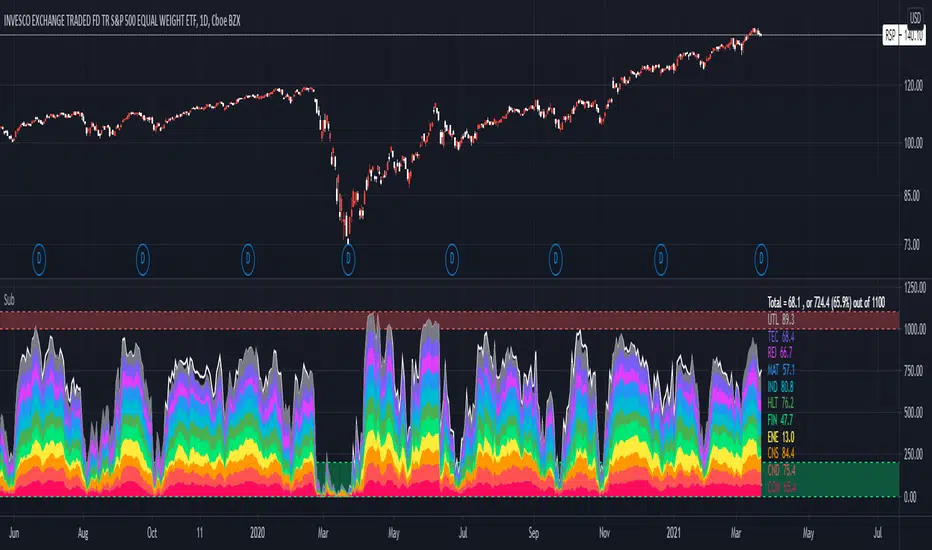
चौड़ाई आपको बताती है कि क्या एक रैली बाजार की आंतरिक संरचना में "वास्तविक" है।
चौड़ाई की जांचें जो आप जल्दी कर सकते हैं:
- अग्रिम/पतन रेखा में सुधार
- प्रमुख चलती औसत से ऊपर स्टॉक्स का प्रतिशत बढ़ रहा है
- "एक-स्टॉक इंडेक्स" प्रभाव कम हो रहे हैं
- अधिक क्षेत्र एक साथ भाग ले रहे हैं
व्यावहारिक नियम: यदि रसेल आगे बढ़ता है लेकिन चौड़ाई कमजोर रहती है, तो इसे सामरिक के रूप में मानें—संरचनात्मक नहीं।
मूल बातें: छोटे-कैप नेतृत्व को स्थायी बनाने के लिए क्या आवश्यक है?
जब मूल बातें मूल्य के साथ मेल खाती हैं तो नेतृत्व में बदलाव मजबूत हो जाता है।
1) आय संशोधन
छोटे कैप्स अक्सर भविष्य के अनुमान में बदलावों के प्रति मजबूत प्रतिक्रिया देते हैं क्योंकि उनकी मूल्यांकन और वित्तपोषण जोखिम वृद्धि के विश्वास के प्रति अधिक संवेदनशील होती है।
ध्यान दें:
- विश्लेषक अपग्रेड जो कुछ क्षेत्रों से परे फैल रहे हैं,
- घरेलू रूप से प्रभावित कंपनियों के बीच मार्गदर्शन में सुधार,
- “मार्जिन झटका” चेतावनियों की संख्या में कमी।
2) परिचालन लीवरेज
छोटी कंपनियों में उच्च परिचालन लीवरेज हो सकता है—विस्तार में अच्छा, मंदी में दर्दनाक।
यदि राजस्व स्थिर हो जाता है और लागत सामान्य हो जाती है, तो छोटे कैप्स आय में आश्चर्यचकित कर सकते हैं।
3) बैलेंस शीट गुणवत्ता का फैलाव
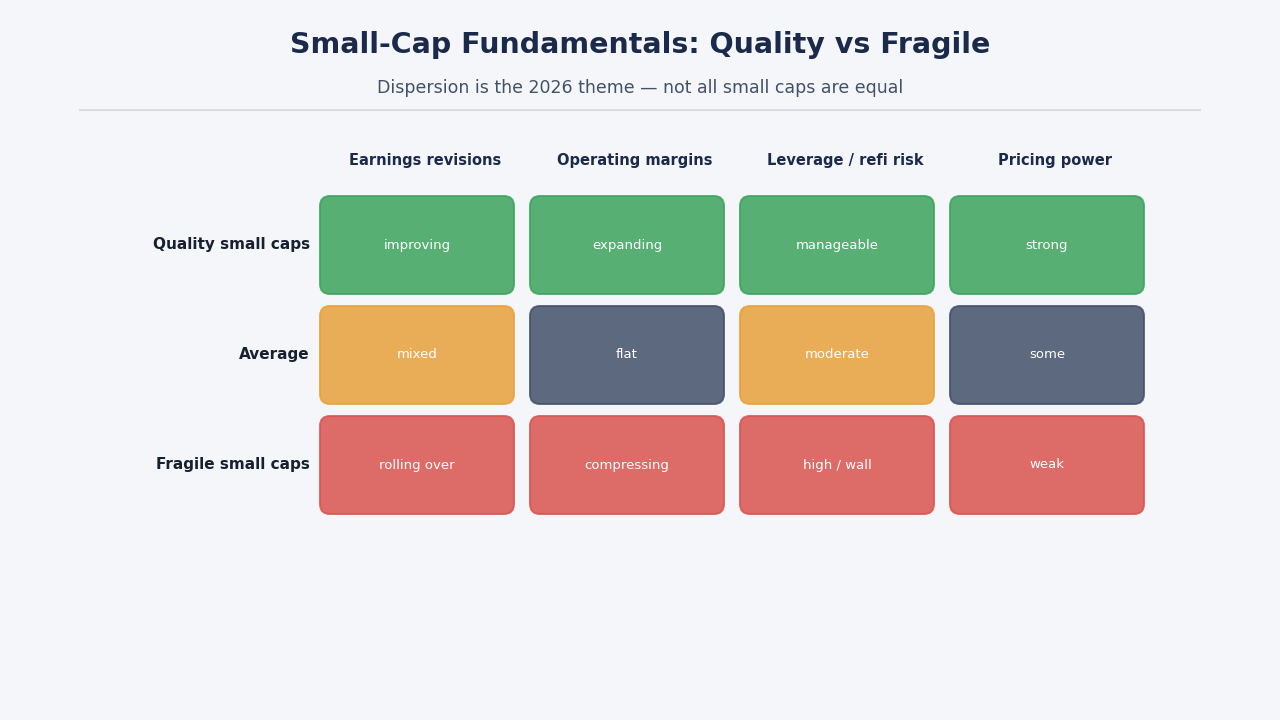
सभी छोटे कैप्स समान रूप से लाभान्वित नहीं होते। एक प्रमुख 2026 थीम हो सकती है गुणवत्ता वाले छोटे कैप्स का खराब छोटे कैप्स पर प्रदर्शन।
एक उपयोगी विभाजन:
- गुणवत्ता वाले छोटे कैप्स: स्थिर नकद प्रवाह, प्रबंधनीय ऋण, मूल्य निर्धारण शक्ति
- कमजोर छोटे कैप्स: पुनर्वित्त जोखिम, उच्च लीवरेज, कमजोर मार्जिन
छोटे कैप रोटेशन में आमतौर पर कौन से क्षेत्र नेतृत्व करते हैं?
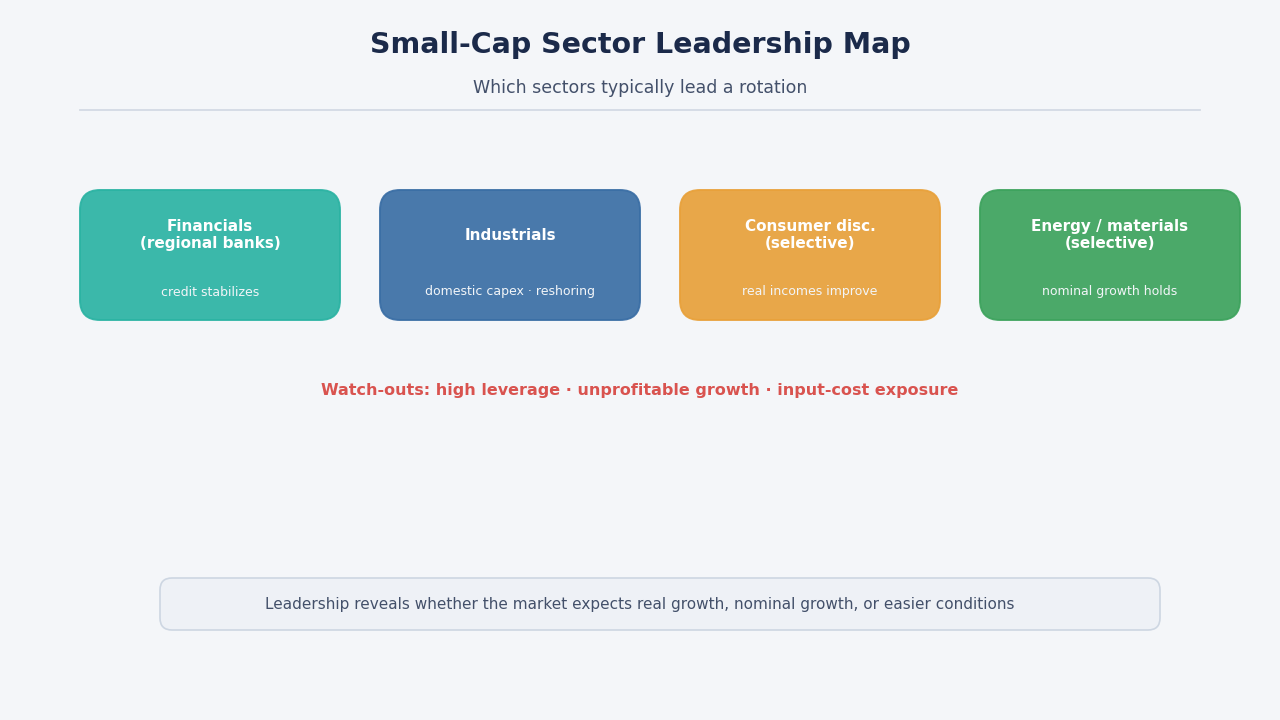
रसेल 2000 एक ही चीज नहीं है—यह एक मिश्रित बास्केट है। लेकिन नेतृत्व के पैटर्न अक्सर समूहित होते हैं।
सामान्य “रोटेशन लाभार्थी”
- वित्तीय (विशेष रूप से क्षेत्रीय बैंक): जब क्रेडिट स्थिर होता है और उपज वक्र दंडित नहीं करता है तो लाभान्वित होते हैं
- औद्योगिक: घरेलू कैपेक्स चक्र, बुनियादी ढांचा, पुनः-शोरिंग आपूर्ति श्रृंखलाएँ
- उपभोक्ता विवेकाधीन (चुनिंदा): यदि वास्तविक आय में सुधार होता है और विश्वास स्थिर होता है
- ऊर्जा/सामग्री (चुनिंदा): यदि नाममात्र वृद्धि बनी रहती है और वस्तु-लिंकित चक्रीयता को बोली मिलती है
“ध्यान देने योग्य बातें”
- अत्यधिक लीवरेज वाले व्यावसायिक मॉडल
- लाभहीन विकास की कहानियाँ जो प्रचुर तरलता पर निर्भर करती हैं
- कंपनियाँ जिनका इनपुट-लागत पर भारी जोखिम है बिना मूल्य निर्धारण शक्ति के
रसेल के भीतर क्षेत्रीय नेतृत्व अक्सर यह प्रकट करता है कि क्या बाजार वास्तविक वृद्धि, नाममात्र वृद्धि, या केवल आसान वित्तीय परिस्थितियों की उम्मीद करता है।
2026 छोटे पूंजी रोटेशन के लिए एक व्यावहारिक पोर्टफोलियो प्लेबुक
यहां एक ढांचा है जो दो सबसे बड़े गलतियों से बचता है:
1) छोटे पूंजी को अंधाधुंध खरीदना क्योंकि "वे आखिरकार चल रहे हैं," और
2) छोटे पूंजी नेतृत्व को खारिज करना क्योंकि "मेगा-कैप हमेशा जीतते हैं।"
चरण 1: तय करें कि आप व्यापार कर रहे हैं या आवंटन कर रहे हैं
- व्यापार का लक्ष्य: सापेक्ष शक्ति के विस्फोटों को पकड़ना (सप्ताहों से महीनों)
- आवंटन का लक्ष्य: एक व्यापक रेजीम परिवर्तन के लिए स्थिति बनाना (महीनों से तिमाहियों)
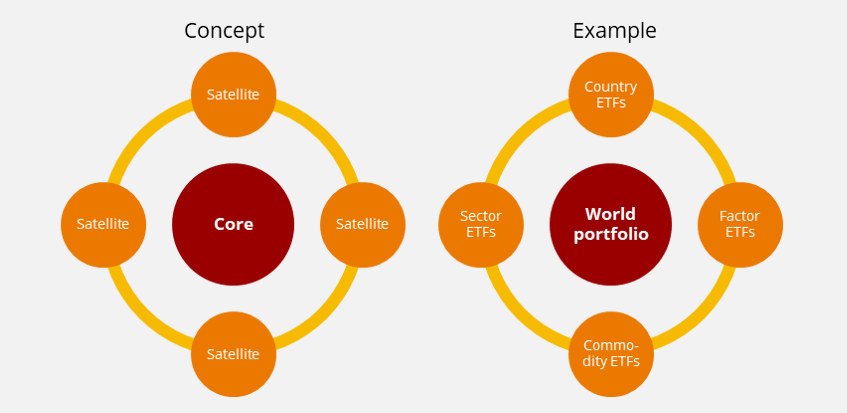
चरण 2: एक कोर-उपग्रह संरचना का उपयोग करें
एक मजबूत दृष्टिकोण:
- कोर: विविधीकृत बाजार एक्सपोजर (व्यापक सूचकांक, कारक-समतुलित)
- उपग्रह: गुणवत्ता स्क्रीन, मूल्य स्क्रीन, या क्षेत्रीय बास्केट के माध्यम से व्यक्त की गई छोटे पूंजी झुकाव
चरण 3: स्थिति का जोखिम-बजट बनाएं
छोटे पूंजी तेजी से झूल सकते हैं। पहले से जोखिम को परिभाषित करें:
- अस्थिरता के आधार पर स्थिति का आकार,
- स्पष्ट अमान्यकरण स्तर,
- गिरावट की सीमाएँ।
एक व्यापारी का उपकरण सेट: शीर्ष का अनुमान लगाए बिना रोटेशन को कैसे व्यक्त करें
यदि आप रोटेशन का व्यापार करते हैं, तो आप इसे प्रणालीबद्ध तरीके से व्यक्त करके "कहानी जोखिम" को कम कर सकते हैं।
सामान्य रोटेशन अभिव्यक्तियाँ
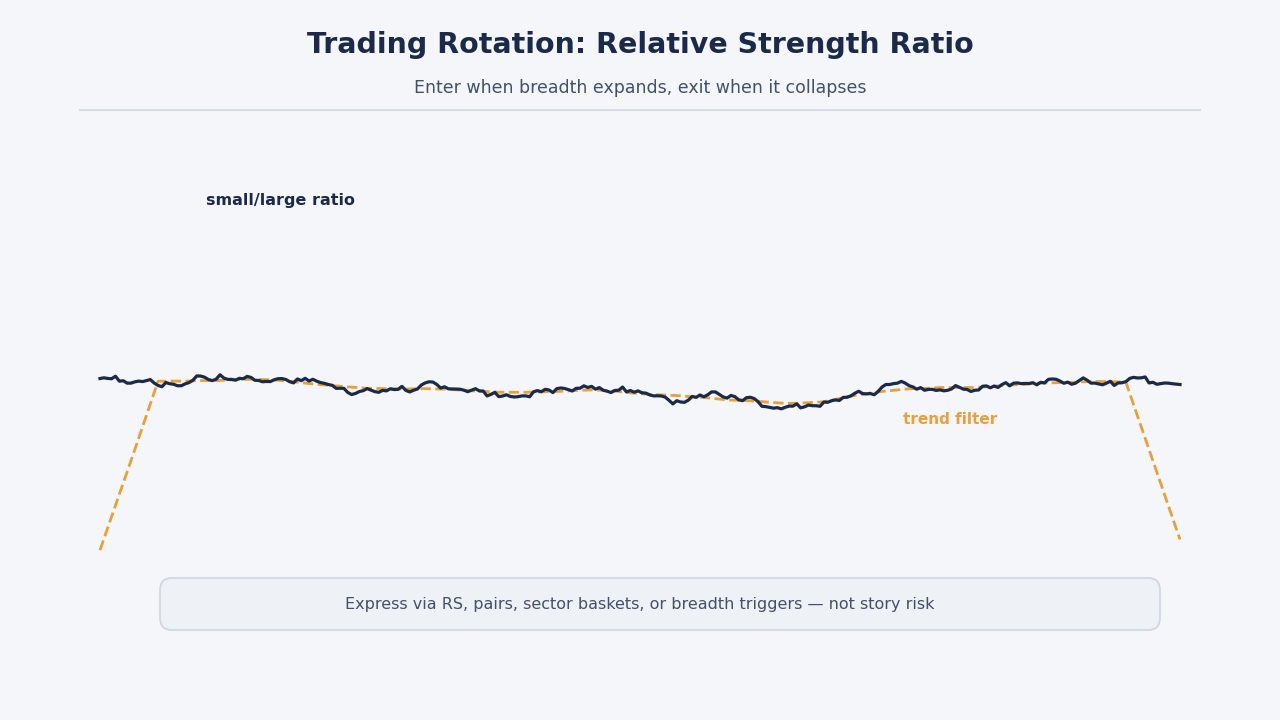
- सापेक्ष शक्ति: छोटे पूंजी ETF बनाम बड़े पूंजी ETF अनुपात प्रवृत्ति
- जोड़े: लंबे छोटे पूंजी / छोटे बड़े पूंजी (या इसके विपरीत) रेजीम के आधार पर
- क्षेत्रीय बास्केट: छोटे पूंजी वित्तीय/औद्योगिक बनाम मेगा-कैप विकास बास्केट
- चौड़ाई ट्रिगर: जब चौड़ाई बढ़ती है तो व्यापार करें, जब यह गिरती है तो बाहर निकलें
रोटेशन चेकलिस्ट (त्वरित)
- क्या प्रवृत्ति निरंतर है (सिर्फ 1–3 दिन नहीं)?
- क्या चौड़ाई में सुधार हो रहा है?
- क्या उपज मदद कर रही है या नुकसान पहुंचा रही है?
- क्या क्रेडिट स्प्रेड स्थिर हैं?
- क्या चक्रीय संकेत पुष्टि कर रहे हैं?
2026 में छोटे-कैप रोटेशन का विश्लेषण करने के लिए SimianX AI का उपयोग कैसे करें
रोटेशन जानकारी-घनत्व वाला है: मैक्रो, आय, चौड़ाई, भावना, तकनीकी, और क्रॉस-एसेट पुष्टि। यहीं पर एक एजेंटिक कार्यप्रवाह आपको लगातार बने रहने में मदद कर सकता है।
SimianX AI के साथ, आप एक दोहराने योग्य रोटेशन कार्यप्रवाह बना सकते हैं:
1) “रोटेशन डैशबोर्ड” मानसिकता से शुरू करें
ट्रैक करें:
- रसेल 2000 बनाम एसएंडपी 500 सापेक्ष शक्ति
- समान-भार बनाम पूंजी-भारित प्रदर्शन
- क्षेत्र भागीदारी चौड़ाई
- दरें + क्रेडिट प्रॉक्सी
- समाचार प्रवाह से आय संशोधन भावना
2) उस उपकरण पर मल्टी-एजेंट विश्लेषण चलाएँ जो रेजीम का प्रतिनिधित्व करते हैं
उदाहरण:
IWM(रसेल 2000 प्रॉक्सी)
- छोटे-कैप मूल्य बास्केट
- छोटे-कैप नेतृत्व से जुड़े क्षेत्र ETF (वित्तीय/औद्योगिक)
- उम्मीदवार “गुणवत्ता छोटे कैप” जो चौड़ाई स्क्रीन में बार-बार दिखाई देते हैं
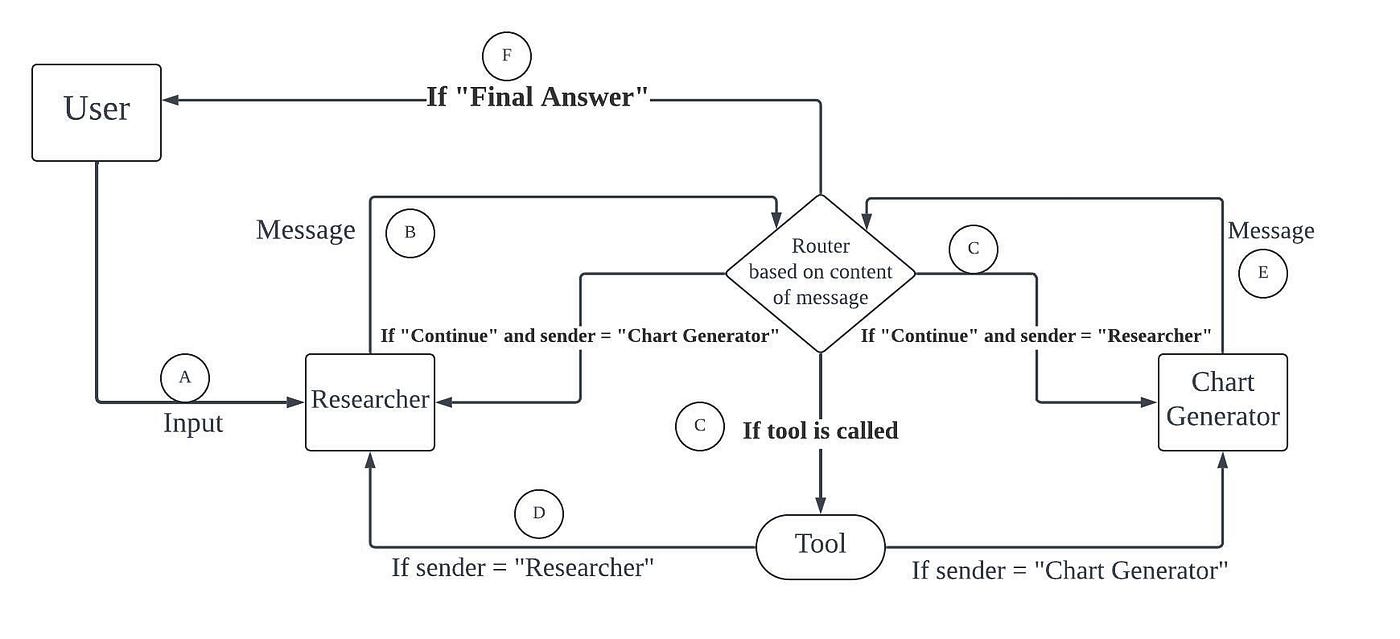
3) बहस का उपयोग करें, न कि एकल मॉडल आउटपुट
एक उच्च-संकेत कार्यप्रवाह एजेंटों से उत्पादक रूप से असहमत होने के लिए कहता है:
- एक एजेंट बुनियादी बातों पर ध्यान केंद्रित करता है (कर्ज, मार्जिन, संशोधन),
- एक मैक्रो पर (दरें, वक्र, क्रेडिट),
- एक बाजार आंतरिक पर (चौड़ाई, कारक),
- एक समाचार/भावना पर (कथाएँ, उत्प्रेरक, आय की टोन)।
यह “एक कथा के ओवरफिटिंग” के आपके निर्णय के जोखिम को कम करता है।
चरण-दर-चरण: एक रोटेशन अनुसंधान कार्यप्रवाह जिसे आप साप्ताहिक चला सकते हैं
- रेजीम प्रश्न को परिभाषित करें: “क्या नेतृत्व मेगा-कैप से परे विस्तारित हो रहा है?”
- सापेक्ष शक्ति की जांच करें: रसेल बनाम एसएंडपी अनुपात प्रवृत्ति कई विंडोज़ में।
- चौड़ाई को मान्य करें: A/D प्रवृत्तियाँ, चलती औसत से % ऊपर, नए उच्च।
- मैक्रो बाधाओं का मानचित्रण: दरों का प्रवृत्ति, वक्र का आकार, क्रेडिट स्थिरता।
- लाभार्थियों की स्क्रीनिंग करें: गुणवत्ता वाले छोटे कैप जो सुधार कर रहे हैं।
- थीसिस का तनाव परीक्षण करें: क्या घुमाव को तोड़ता है? (दर में वृद्धि, क्रेडिट का फैलाव, विकास झटका)
- जोखिम नियंत्रण के साथ कार्यान्वयन करें: आकार, रोकें, समय सीमा, निकासी नियम।
- परिणामों की समीक्षा करें: कौन से संकेत काम किए, कौन से असफल हुए, सीढ़ी को अपडेट करें।
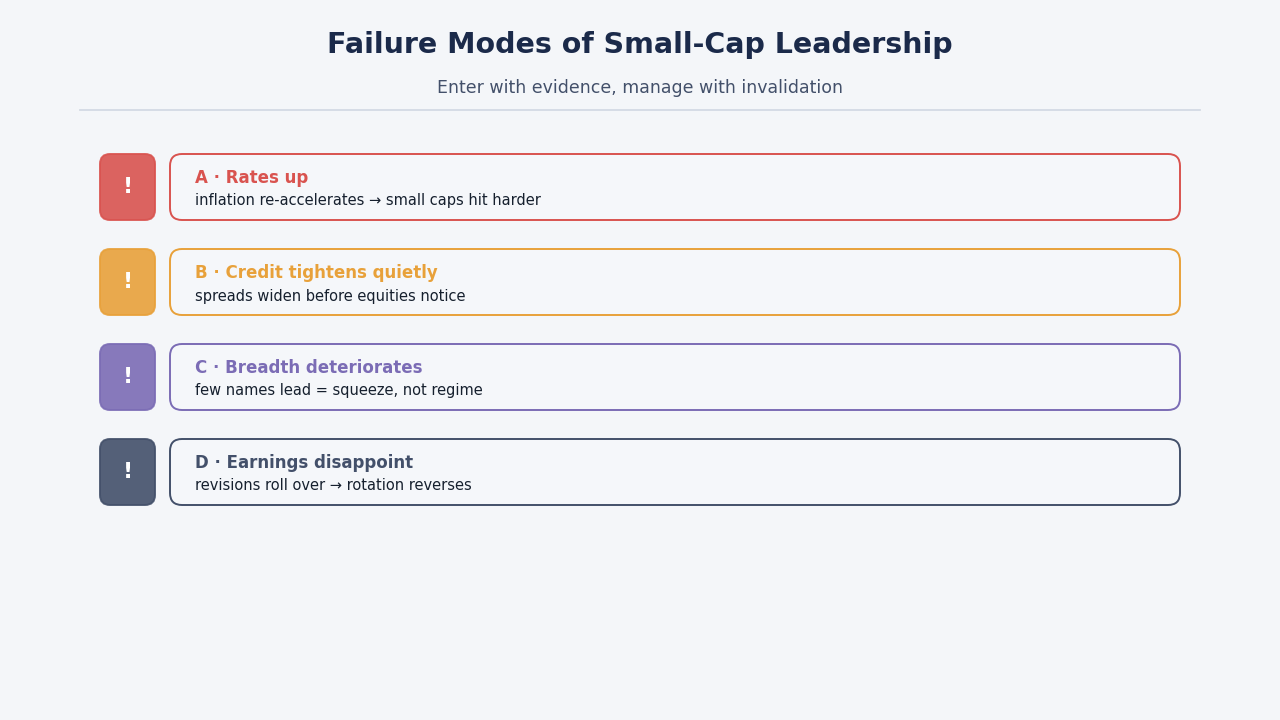
जोखिम प्रबंधन: छोटे-कैप नेतृत्व के विफलता मोड
छोटे-कैप घुमाव अक्सर कुछ पूर्वानुमानित कारणों से विफल होते हैं:
विफलता मोड A: “दरें बढ़ती हैं, छोटे कैप गिरते हैं”
यदि उपज बढ़ती है क्योंकि मुद्रास्फीति फिर से तेज होती है या अवधि प्रीमियम बढ़ता है, तो छोटे कैप अधिक प्रभावित हो सकते हैं।
विफलता मोड B: “क्रेडिट चुपचाप तंग होता है”
कभी-कभी क्रेडिट स्प्रेड्स बढ़ते हैं इससे पहले कि शेयरों को इसका पता चले। इसे ध्यान से देखें।
विफलता मोड C: “चौड़ाई बिगड़ती है”
यदि केवल छोटे कैप का एक छोटा उपसमुच्चय नेतृत्व करता है, तो आप अक्सर एक निचोड़ देख रहे होते हैं, न कि एक रेजीम।
विफलता मोड D: “कमाई की वास्तविकता निराश करती है”
यदि संशोधन पलटते हैं, तो घुमाव अचानक उलट सकता है।
अच्छे घुमाव के व्यापार “खरीदें और उम्मीद करें” नहीं होते। वे “साक्ष्य के साथ प्रवेश करें, अमान्यकरण के साथ प्रबंधित करें” होते हैं।
घुमाव के दौरान मूल्यांकन के बारे में कैसे सोचें
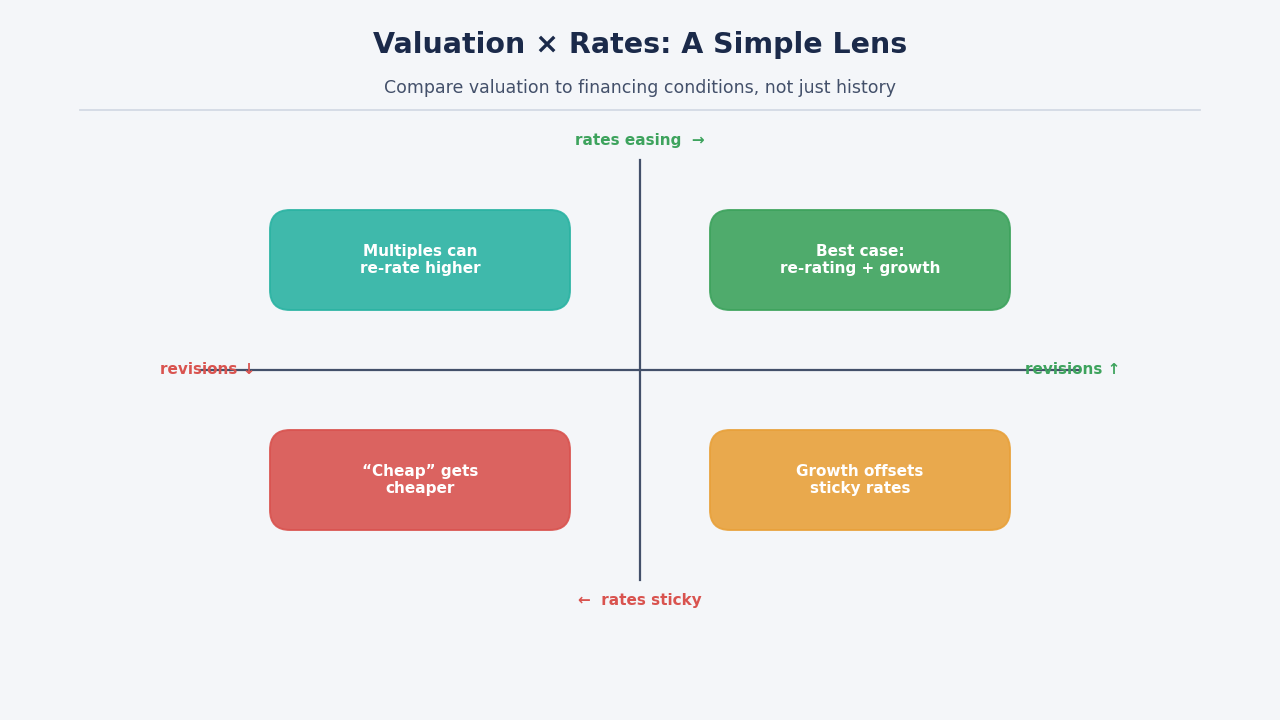
घुमाव में मूल्यांकन बहसें शोर करती हैं क्योंकि नेतृत्व परिवर्तन तेजी से गुणांक को संकुचित या विस्तारित कर सकते हैं।
एक अधिक उपयोगी दृष्टिकोण:
- वित्तीय परिस्थितियों की तुलना में मूल्यांकन की तुलना करें, केवल इतिहास नहीं।
- छोटे कैप के अंदर लाभप्रदता वितरण की तुलना करें।
- “सस्ते कचरे” से बचने के लिए फैक्टर लेंस (मूल्य, गुणवत्ता, गति) का उपयोग करें।
एक सरल मूल्यांकन लेंस
- यदि दरें कम हो रही हैं और आय संशोधन में सुधार हो रहा है, तो उच्च गुणांक को उचित ठहराया जा सकता है।
- यदि दरें स्थिर हैं और संशोधन बिगड़ते हैं, तो "सस्ता" और सस्ता हो सकता है।
2026 में अगली क्या देखना है: रोटेशन "वॉचलिस्ट"
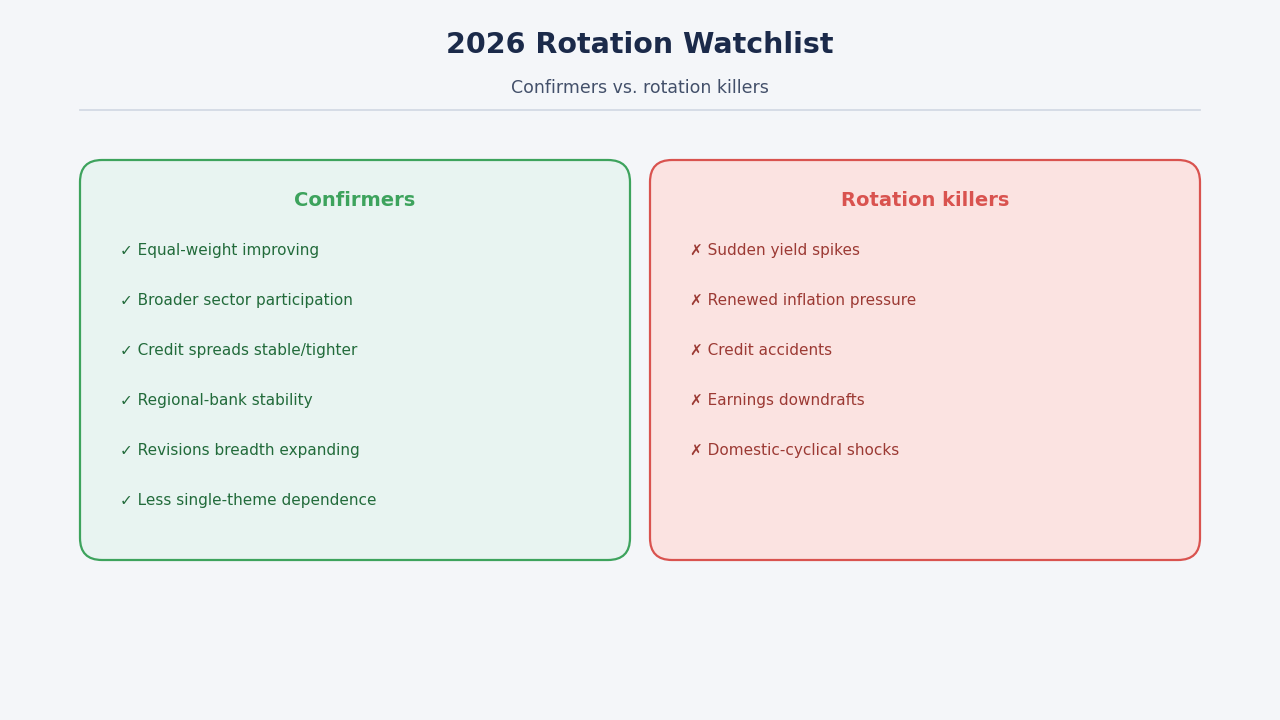
यहाँ एक व्यावहारिक वॉचलिस्ट है जो संकेतों का है जो अक्सर स्थायी नेतृत्व परिवर्तनों से पहले आते हैं:
- समान-भार प्रदर्शन में सुधार
- व्यापक क्षेत्र भागीदारी
- क्रेडिट स्प्रेड स्थिर/संकीर्ण
- क्षेत्रीय बैंक स्थिरता
- आय संशोधन की चौड़ाई का विस्तार
- एक थीम (जैसे, एआई मेगा-कैप) पर कम निर्भरता
और "रोटेशन किलर" की एक वॉचलिस्ट:
- अचानक उपज स्पाइक,
- नवीनीकरण मुद्रास्फीति दबाव,
- क्रेडिट दुर्घटनाएँ,
- घरेलू चक्रीय में केंद्रित आय डाउनड्राफ्ट।
2026 में रसेल 2000 छोटे-कैप रोटेशन के बारे में सामान्य प्रश्न
2026 में रसेल 2000 छोटे-कैप रोटेशन का दीर्घकालिक निवेशकों के लिए क्या अर्थ है?
यह व्यापक नेतृत्व और बाजार की चौड़ाई में सुधार का संकेत दे सकता है, जो अक्सर एक स्वस्थ बुल मार्केट संरचना का समर्थन करता है। दीर्घकालिक निवेशकों को अभी भी बुनियादी बातों और जोखिम नियंत्रणों के साथ रोटेशन की पुष्टि करनी चाहिए, न कि सुर्खियों के साथ।
बिना अत्यधिक जोखिम उठाए छोटे-कैप रोटेशन का व्यापार कैसे करें?
एक नियम-आधारित दृष्टिकोण का उपयोग करें: प्रवेश ट्रिगर्स (सापेक्ष ताकत + चौड़ाई) को परिभाषित करें, अस्थिरता के आधार पर आकार निर्धारित करें, और अमान्यकरण बिंदु सेट करें। विविधीकृत बास्केट के माध्यम से आंशिक जोखिम पर विचार करें और अत्यधिक लीवरेज वाले, निम्न-गुणवत्ता वाले नामों से बचें।
क्या 2026 में छोटे-कैप नेतृत्व स्थायी है यदि दरें उच्च रहती हैं?
यह हो सकता है, लेकिन क्रेडिट स्थितियाँ स्थिर रहने पर स्थायित्व में सुधार होता है और आय संशोधन में सुधार होता है। यदि वित्तपोषण लागतें प्रतिबंधात्मक बनी रहती हैं, तो नेतृत्व अक्सर गुणवत्ता वाले छोटे कैप में केंद्रित होता है न कि पूरे सूचकांक में।
यदि S&P 500 भी बढ़ रहा है तो रसेल 2000 की रैली का क्या मतलब है?
यह अक्सर मतलब है कि रैली का विस्तार हो रहा है—मेगा-कैप के अलावा अधिक भागीदारी। यह आमतौर पर सकारात्मक होता है, लेकिन फिर भी चौड़ाई और क्षेत्रीय पुष्टि के साथ मान्य करें।
साप्ताहिक रोटेशन संकेतों की निगरानी का सबसे अच्छा तरीका क्या है?
सापेक्ष ताकत, चौड़ाई संकेतक, दरें/क्रेडिट प्रॉक्सी, और आय संशोधन प्रवृत्तियों को ट्रैक करें। SimianX AI जैसे उपकरण इसको एक दोहराने योग्य कार्यप्रवाह में संरचना बनाने में मदद कर सकते हैं बजाय कि कथाओं पर प्रतिक्रिया देने के।
निष्कर्ष
रसेल 2000-नेतृत्व वाला कदम बाजार को महत्वपूर्ण चीजों को फिर से मूल्यांकन करने के सबसे स्पष्ट संकेतों में से एक हो सकता है: वित्तीय स्थितियाँ, घरेलू मांग, चौड़ाई, और चक्रीयता। 2026 में रसेल 2000 छोटे कैप रोटेशन के लिए सबसे अच्छा दृष्टिकोण एकल कथा के साथ नहीं, बल्कि एक पुष्टि ढांचे के साथ है—एक साक्ष्य सीढ़ी जो मूल्य नेतृत्व, चौड़ाई, मैक्रो बाधाओं, और आय वास्तविकता को मिलाती है।
यदि आप रोटेशन को ट्रैक करने, थिसिस का परीक्षण करने, और बाजार के शोर को निर्णय संकेतों में बदलने का एक संरचित, दोहराने योग्य तरीका चाहते हैं, तो SimianX AI का अन्वेषण करें और एक साप्ताहिक रोटेशन कार्यप्रवाह बनाएं जो आपकी जोखिम सहिष्णुता और समय क्षितिज के अनुकूल हो।
SimianX का उपयोग करके यह मान्य करने के लिए कि क्या छोटे कैप रोटेशन 2026 में बाजार नेतृत्व में बदलाव का पूर्वानुमान लगा रहा है, छोटे कैप प्रॉक्सी, समान-भारित बेंचमार्क, और क्षेत्रीय बास्केट (क्षेत्रीय बैंक/औद्योगिक) के चारों ओर एक "नेतृत्व मॉनिटर" सेट करें, फिर SimianX को मल्टी-एजेंट समानांतर विश्लेषण चलाने दें जहाँ मूलभूत, तकनीकी, समाचार/भावना, और निर्णय/जोखिम एजेंट एक-दूसरे को क्रॉस-चेक और चुनौती देते हैं बजाय कि एकल रेखीय कथा उत्पन्न करने के।
क्योंकि SimianX निरंतर अपडेट के लिए डिज़ाइन किया गया है (लाइव संकेतक + लाइव समाचार प्रवाह) और समीक्षा योग्य विश्लेषण इतिहास रखता है, आप ट्रैक कर सकते हैं कि क्या रोटेशन विस्तारित हो रहा है (चौड़ाई में सुधार), मैक्रो-समर्थित है (दर/क्रेडिट स्थितियाँ मेल खाती हैं), और मौलिक रूप से सुदृढ़ है (कमाई का स्वर/संशोधन स्थिर होते हैं) सप्ताह दर सप्ताह, न कि एक मजबूत सत्र पर प्रतिक्रिया देकर।
अंत में, उन नामों के लिए जिन्हें आप "नए नेताओं" के रूप में मानते हैं, SimianX के यू.एस. स्टॉक मल्टी-एजेंट बहस कार्यप्रवाह को चलाएँ ताकि एक डेस्क-शैली की सहमति दृष्टिकोण (बुल/बेस/बियर + जोखिम नियंत्रण) उत्पन्न हो सके और इसे एक साझा रिपोर्ट के रूप में निर्यात करें—ताकि आपकी रोटेशन थिसिस एक दस्तावेज़ीकृत, परीक्षण योग्य निर्णय ढांचे में बदल जाए।
संबंधित लेख
- S&P 500 7000 की ओर: मोमेंटम/लिक्विडिटी/वैल्यूएशन सिग्नल पूरे
- 2026 Fed रेट कट उम्मीदें: मार्केट प्राइसिंग मैप पूरी गाइड
- स्मॉल कैप्स ने 2026 चिप रिबाउंड लीड किया, 10-Yr यील्ड घटी
- S&P 500 सेक्टर रोटेशन प्लेबुक: सचमुच काम करने वाले AI सिग्नल
- US स्टॉक रिस्क डैशबोर्ड: AI सिग्नल Breadth & Spreads गाइड
- S&P 500 रिस्क रडार: AI सिग्नल Breadth, Revisions स्प्रेड्स
- SimianX क्रिप्टो AI मॉडल रैंकिंग