
 โดย Muke
S&P 500 กำลังมุ่งสู่ 7000: แรงขับเคลื่อนตลาด, สภาพคล่อง, และสัญญาณการประเมินค่า
หากคุณกำลังมองหาการวิเคราะห์ S&P 500 กำลังมุ่งสู่ 7000 คุณกำลังถามคำถามที่ใหญ่กว่านั้น: การรวมกันของแรงขับเคลื่อน, สภาพคล่อง, และการประเมินค่าที่ทำให้ดัชนีหุ้นหลักสามารถไม่เพียงแต่แตะหมายเลขกลม แต่ยัง รักษา และเพิ่มขึ้นเกินกว่านั้นได้อย่างไร? ระดับ 7,000 เป็นระดับที่น่าสนใจ แต่ปัจจัยพื้นฐานที่อยู่เบื้องหลังนั้นสามารถวัดได้และด้วยการทำงานที่ถูกต้อง สามารถติดตามได้ในเวลาจริง
การวิจัยนี้แบ่งการอภิปราย “7000” ออกเป็นสามกลุ่มสัญญาณ—แรงขับเคลื่อนตลาด, การจัดการสภาพคล่อง, และ การคำนวณการประเมินค่า—จากนั้นแสดงวิธีการรวมพวกมันเข้าด้วยกันในกรอบการตัดสินใจที่ใช้งานได้และทำซ้ำได้ ตลอดทางเราจะยังแสดงให้เห็นว่า SimianX AI สามารถช่วยให้คุณนำสัญญาณเหล่านี้ไปใช้ในแดชบอร์ดประจำวันได้อย่างไร เพื่อที่คุณจะไม่ต้องพึ่งพาความรู้สึกเมื่อเกิดการเปลี่ยนแปลงในตลาด
ทำไม “7000” ถึงสำคัญ (และทำไมมันอาจทำให้เข้าใจผิด)
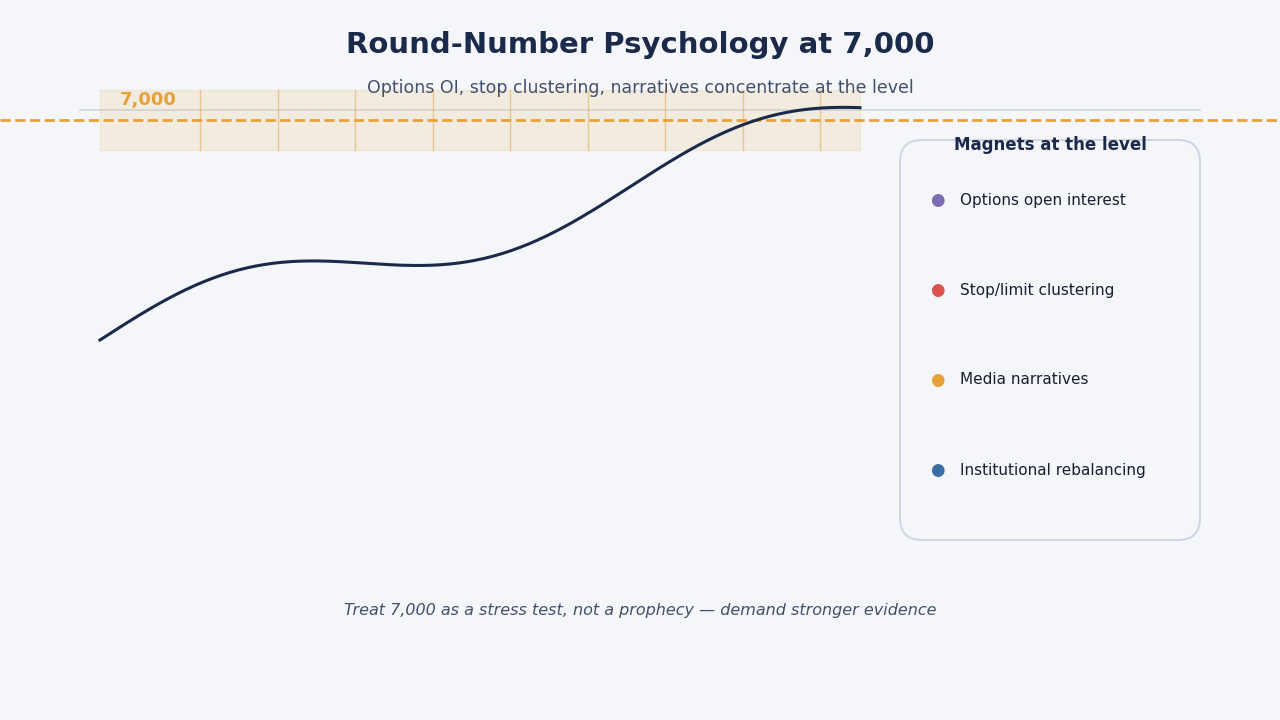
หมายเลขกลมทำหน้าที่เหมือนแม่เหล็กทางจิตวิทยา มันมุ่งเน้น:
- ความสนใจเปิดของตัวเลือก (ผลกระทบของแกมมา),
- การรวมตัวของการหยุด/จำกัด (โครงสร้างย่อย),
- เรื่องราวในสื่อ (วงจรการสนใจ),
- การปรับสมดุลของสถาบัน (งบประมาณความเสี่ยง).
แต่ “7000” เพียงอย่างเดียวไม่บอกอะไรเกี่ยวกับ ว่าราคาได้รับการสนับสนุนจากปัจจัยพื้นฐานหรือเพียงแค่ถูกยกขึ้นโดยการจัดตำแหน่งและสภาพคล่อง ระดับเดียวกันสามารถแสดงถึง:
- การต่อเนื่องของแนวโน้มที่แข็งแรง (ความกว้าง + กำไร + อัตราที่เสถียร),
- การพุ่งขึ้นของสภาพคล่อง (การไหลของงบดุลชั่วคราว),
- ช่องอากาศการประเมินค่า (การขยายตัวของหลายเท่าพร้อมกับการปรับปรุงกำไรที่อ่อนแอ).
ดังนั้นวิธีการที่ถูกต้องคือ: ปฏิบัติต่อ 7,000 ไม่ใช่เป็นคำทำนาย แต่เป็น การทดสอบความเครียด—ระดับที่คุณต้องการหลักฐานที่แข็งแกร่งขึ้นจากสัญญาณต่างๆ.
วิทยานิพนธ์หลัก: เครื่องยนต์สามตัวที่สามารถขับเคลื่อนระบอบ 7000+ ที่ยั่งยืน
การเคลื่อนไหวที่ยั่งยืนผ่านระดับที่สำคัญมักมาจากหนึ่ง (หรือมากกว่า) ของเครื่องยนต์เหล่านี้:
- เครื่องยนต์โมเมนตัม: แนวโน้ม, ความกว้าง, ระบอบความผันผวน, การวางตำแหน่ง.
- เครื่องยนต์สภาพคล่อง: เงินสำรอง, กระแสเงินสดของกระทรวงการคลัง, งบดุลของธนาคารกลาง, สภาพคล่องในการจัดหาเงิน.
- เครื่องยนต์การประเมินค่า: การเติบโตของกำไร, อัตราส่วนส่วนลด, พรีเมียความเสี่ยง, ความทนทานของกำไร.
เครื่องยนต์เหล่านี้มีปฏิสัมพันธ์กัน ตัวอย่างเช่น:
- โมเมนตัมที่แข็งแกร่งสามารถคงอยู่ แม้จะมีการประเมินค่าที่แพง หากสภาพคล่องมีมากและความผันผวนถูกกดลง.
- การประเมินค่าที่ถูกสามารถล้มเหลวหากสภาพคล่องลดลงและการปรับปรุงกำไรเป็นลบ.
- การเพิ่มขึ้นของสภาพคล่องสามารถสร้างการชุมนุมที่ดูเหมือน “หลีกเลี่ยงไม่ได้” จนกว่าระบบจะกลับตัว.
ความได้เปรียบของคุณมาจากการรับรู้ ว่าเครื่องยนต์ใดที่โดดเด่นในขณะนี้—และว่าเครื่องยนต์อื่นๆ กำลังยืนยันหรือเบี่ยงเบน.
“คณิตศาสตร์ 7000”: มันอยู่ไกลแค่ไหน และสิ่งใดที่ต้องไปให้ถูกต้อง?
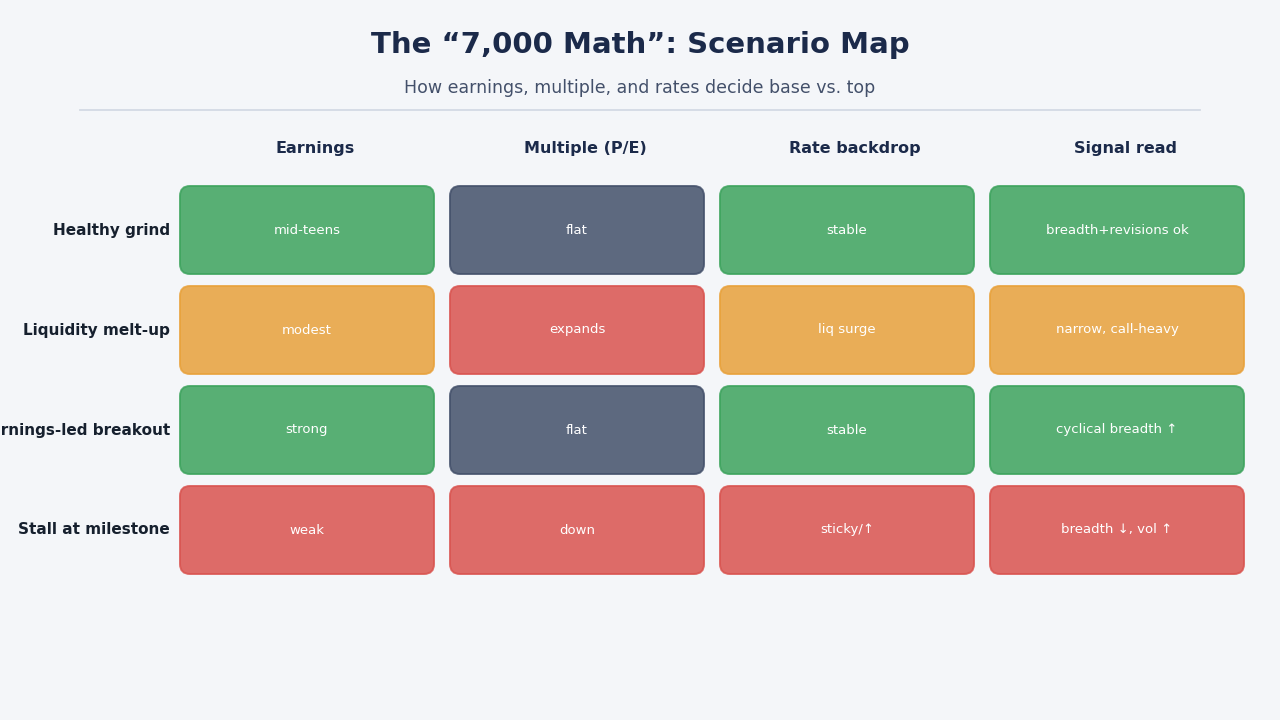
แม้ว่าดัชนีจะพิมพ์ 7000 คำถามที่เกี่ยวข้องมากขึ้นคือ: เส้นทางใดทำให้ 7000 เป็นฐานแทนที่จะเป็นจุดสูงสุด? วิธีที่ใช้ได้จริงในการจัดกรอบนี้คือ ตารางสถานการณ์ที่แยกผลตอบแทนออกเป็น:
- การเติบโตของกำไร (ΔE)
- การเปลี่ยนแปลงหลาย (ΔP/E)
- เงินปันผล / การซื้อคืน (การคืนทุน)
- อัตรา / การเปลี่ยนแปลงพรีเมียความเสี่ยง (การลดราคา)
การแยกง่ายๆ (แนวคิด)
ผลตอบแทนรวม ≈ การเติบโตของกำไร + ผลตอบแทนเงินปันผล + การเปลี่ยนแปลงในหลายการประเมินค่า
นี่คือตัวอย่างสถานการณ์ที่คุณสามารถนำกลับมาใช้ใหม่:
| สถานการณ์ | การเติบโตของกำไร | การเปลี่ยนแปลง P/E ข้างหน้า | ภูมิหลังอัตราแมโคร | สิ่งที่คุณควรเห็นในสัญญาณ |
|---|---|---|---|---|
| “การบดที่มีสุขภาพดี” | วัยรุ่นกลาง | แบนถึงลดลงเล็กน้อย | ผลผลิตคงที่/ลดลงเล็กน้อย | ความกว้างคงที่, การปรับปรุงเชิงบวก |
| “การละลายของสภาพคล่อง” | ปานกลาง | ขึ้น (หลายเท่าขยาย) | ผลผลิตลดลงอย่างรวดเร็วหรือสภาพคล่องเพิ่มขึ้น | การนำที่แคบ, การไหลที่หนักหน่วง |
| “การแตกออกที่นำโดยกำไร” | แข็งแกร่ง | แบน | อัตราคงที่, มาร์จิ้นมีความยืดหยุ่น | ความกว้างเชิงวัฏจักรดีขึ้น |
| “หยุดที่เหตุการณ์สำคัญ” | อ่อนแอ | ลดลง | ผลผลิตติดขัดหรือเบี้ยประกันความเสี่ยงเพิ่มขึ้น | ความกว้างเสื่อมโทรม, ความผันผวนเพิ่มขึ้น |
ตารางนี้กลายเป็นการกระทำได้เมื่อคุณแมพแต่ละเซลล์ไปยัง ตัวชี้วัดที่สังเกตได้ (ส่วนถัดไป).
สัญญาณโมเมนตัม: สิ่งที่ “ความแข็งแกร่ง” ของตลาด “จริง” ดูเหมือน
โมเมนตัมไม่ใช่แค่ “ราคาเพิ่มขึ้น.” ระบอบที่ยั่งยืนมักจะรวมถึง การยืนยัน ข้ามความกว้าง, การนำ, และโครงสร้างความผันผวน.
1) โครงสร้างแนวโน้ม (หลายกรอบเวลา)
แนวโน้มขาขึ้นที่แข็งแกร่งมักจะแสดงให้เห็นว่า:
- ราคาอยู่เหนือค่าเฉลี่ยเคลื่อนที่ระยะกลาง/ยาวที่เพิ่มขึ้น,
- จุดสูงสุดที่สูงขึ้นและจุดต่ำสุดที่สูงขึ้นในรายสัปดาห์,
- การดึงกลับที่ตื้นและเป็นระเบียบ.
การตรวจสอบที่ใช้งานได้: หากการลดลงรายวันยังคงถูกซื้อ โดยไม่ต้อง มีความผันผวนพุ่งขึ้น โมเมนตัมจะได้รับการสนับสนุน.
2) ความกว้าง (สุขภาพของการมีส่วนร่วม)
ความกว้างตอบคำถาม: ตลาดถูกพาไปโดยบริษัทขนาดใหญ่ไม่กี่แห่งหรือการมีส่วนร่วมที่กว้างขวาง?
เครื่องมือความกว้างทั่วไป:
- เส้นการเพิ่ม/ลด,
- % ของหุ้นที่อยู่เหนือค่าเฉลี่ยเคลื่อนที่สำคัญ,
- จุดสูงสุดใหม่กับจุดต่ำสุดใหม่.
เมื่อความกว้างดีขึ้น 7,000 มีแนวโน้มที่จะกลายเป็น การสนับสนุน.
ข้อสรุปสำคัญ: การปรับตัวที่ต้องการหุ้นน้อยลงเรื่อยๆ เพื่อขึ้นสูงขึ้นเป็นการปรับตัวที่กลายเป็นอ่อนแอมากขึ้นเรื่อยๆ.
3) การหมุนเวียนการนำ (ใครเป็นผู้ถือเทป?)
Leadership บอกคุณว่าเรื่องราวไหนที่กำลังสร้างรายได้:
- การเติบโต/การครองตลาดเทคโนโลยีสามารถสร้างจุดสูงสุดได้ แต่ก็อาจเพิ่มความเสี่ยงในการรวมศูนย์
- การหมุนเวียนเข้าสู่หุ้นวัฏจักร/การเงิน/อุตสาหกรรมมักจะส่งสัญญาณถึง ความเชื่อมั่นทางเศรษฐกิจที่กว้างขึ้น
- การนำที่ป้องกันในจุดสูงสุดสามารถส่งสัญญาณถึงความระมัดระวังในช่วงท้ายของวัฏจักร
“ระบอบ 7000” ที่มีสุขภาพดีมักจะรวมถึง:
- การขยายการนำไปเกิน 10 น้ำหนักสูงสุด หรือ
- การปรับประมาณการกำไรที่แข็งแกร่งซึ่งทำให้การนำที่รวมศูนย์มีความสมเหตุสมผล
4) ระบอบความผันผวน (“มาตรวัดความเครียด” ของตลาด)
ความผันผวนไม่ใช่แค่ความกลัว; มันยังเป็นข้อจำกัดในการใช้เลเวอเรจและการรับความเสี่ยง
ดู:
- ระดับความผันผวนจุด (เช่น,
VIXตามแนวคิด),
- โครงสร้างระยะเวลา (contango vs backwardation),
- ความผันผวนของความผันผวน / skew.
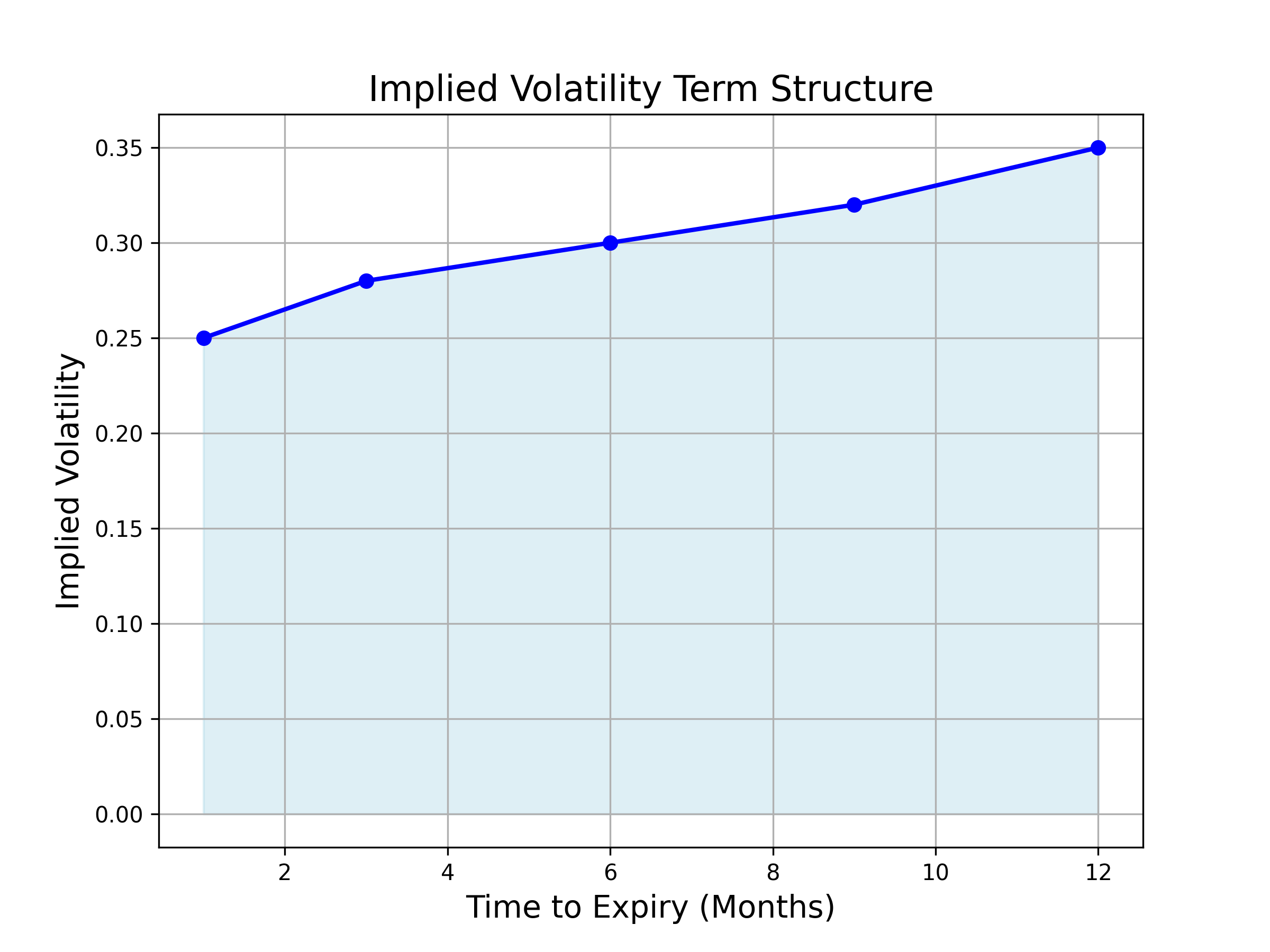
โครงสร้างระยะเวลาความผันผวนที่มั่นคงและมีแนวโน้มสูงขึ้นมักจะสอดคล้องกับความอยากเสี่ยงที่มั่นคง
5) การจัดตำแหน่ง & กระแส (ตัวเร่งที่มองไม่เห็น)
การชุมนุมขนาดใหญ่สามารถถูกขยายโดย:
- พลศาสตร์ของ dealer gamma,
- การจัดสรรการติดตามแนวโน้ม CTA,
- การกำหนดเป้าหมายความผันผวนเชิงระบบ,
- ช่วงเวลาการซื้อคืน.
ธงแดง: หากโมเมนตัมดูแข็งแกร่งแต่ความกว้างอ่อนแอลงในขณะที่การจัดตำแหน่งแออัด คุณอาจพบกับช่องอากาศที่เฉียบพลัน
สัญญาณสภาพคล่อง: ระบบประปาที่อยู่เบื้องหลัง “ความเสี่ยงที่เปิดรับ”
สภาพคล่องเป็นปัจจัยที่เข้าใจผิดมากที่สุดในการเคลื่อนไหวของดัชนี นักลงทุนหลายคนติดตาม “การลดอัตราดอกเบี้ยกับการเพิ่ม” แต่ตลาดมักจะตอบสนองมากกว่าต่อ ที่เงินสดนั่งอยู่ และ สภาพการจัดหาเงินทุนเปลี่ยนแปลงอย่างไร
นี่คือแนวคิด “ระบบประปาสภาพคล่อง” ที่มีประโยชน์ที่สุด แปลเป็นตัวชี้วัดที่สามารถนำไปปฏิบัติได้
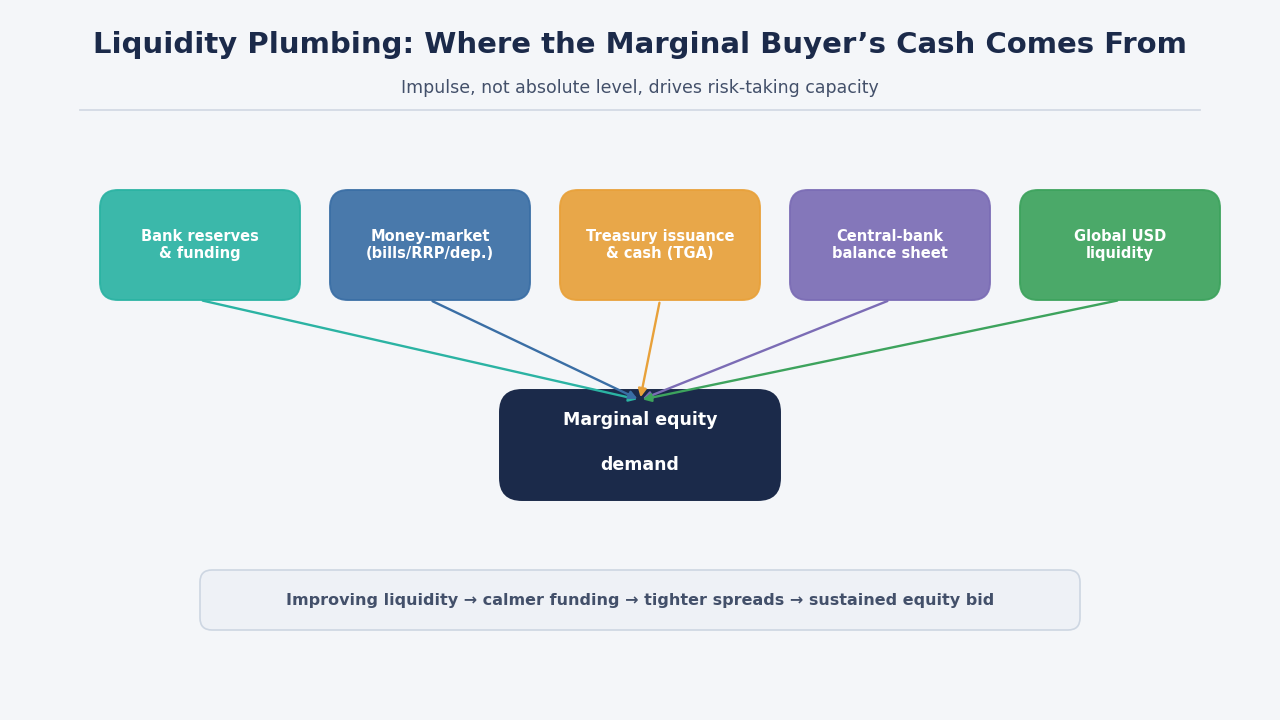
สภาพคล่อง 101: เงินสดของผู้ซื้อส่วนเกินมาจากไหน
ในรูปแบบที่เรียบง่าย ความต้องการหุ้นส่วนเกินได้รับอิทธิพลจาก:
- เงินสำรองของธนาคารและสภาพคล่องในการจัดหาเงิน,
- การจัดสรรตลาดเงิน (ตั๋วเงิน vs RRP vs เงินฝาก),
- การออกพันธบัตรของกระทรวงการคลังและยอดเงินสด,
- ขนาดและองค์ประกอบของงบดุลธนาคารกลาง,
- สภาพคล่องทั่วโลก (การเข้าถึง USD + การไหลข้ามพรมแดน).
ชุดตัวชี้วัด A: ทิศทางงบดุลของเฟด (แรงกระตุ้น QE/QT)
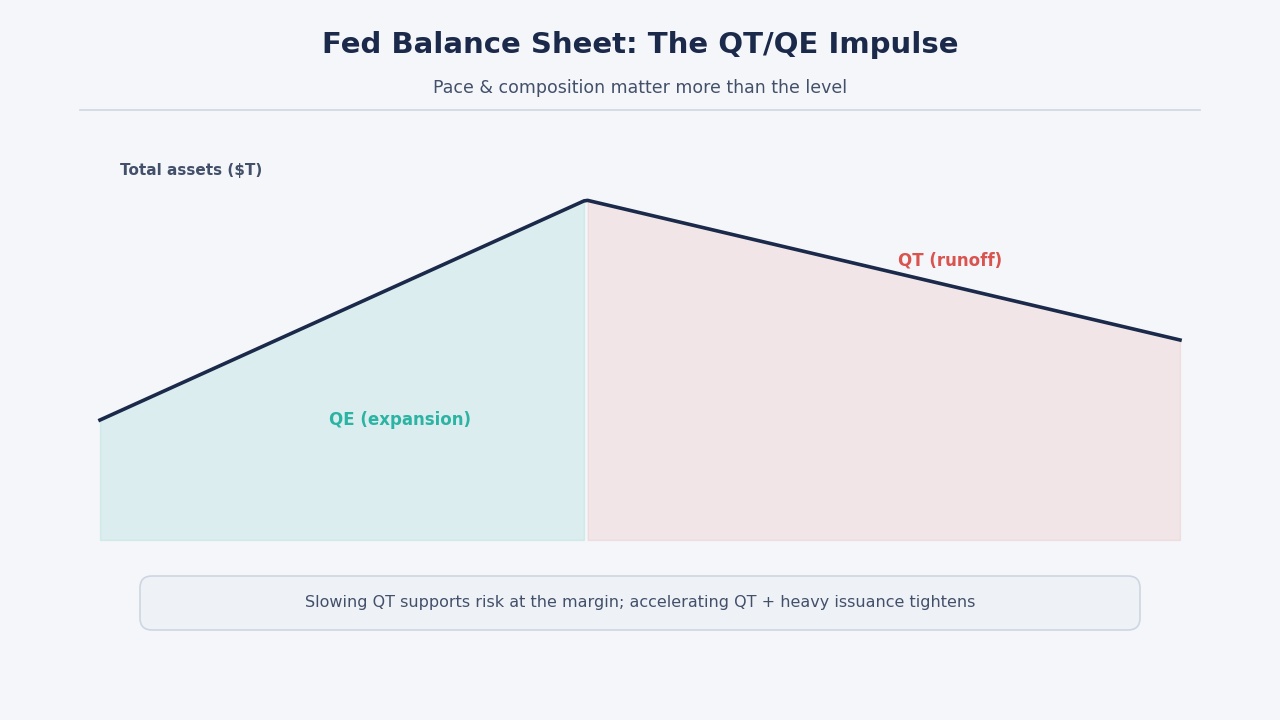
งบดุลของเฟด ให้พื้นฐานที่ช้าแต่ทรงพลัง แม้ว่า QT จะดำเนินต่อไป การเปลี่ยนแปลงในจังหวะและองค์ประกอบสามารถเปลี่ยนแปลงสภาพคล่องได้
สิ่งที่ต้องติดตาม:
- แนวโน้มสินทรัพย์รวม (
WALCLเป็นตัวแทนชุดทั่วไป),
- การสื่อสารนโยบายเกี่ยวกับเพดานการลดลงและการลงทุนใหม่,
- การใช้สิ่งอำนวยความสะดวกในการเครียด (เมื่อเกี่ยวข้อง).
การตีความ:
- การชะลอ QT (หรือการส่งสัญญาณความยืดหยุ่น) มักสนับสนุนสินทรัพย์เสี่ยงที่ขอบ.
- การเร่ง QT สามารถทำให้สภาพคล่องตึงตัว โดยเฉพาะหากเกิดขึ้นพร้อมกับการออกพันธบัตรของกระทรวงการคลังอย่างหนัก.
ชุดตัวชี้วัด B: Reverse repo (RRP) ในฐานะพลศาสตร์ “ที่จอดรถ”
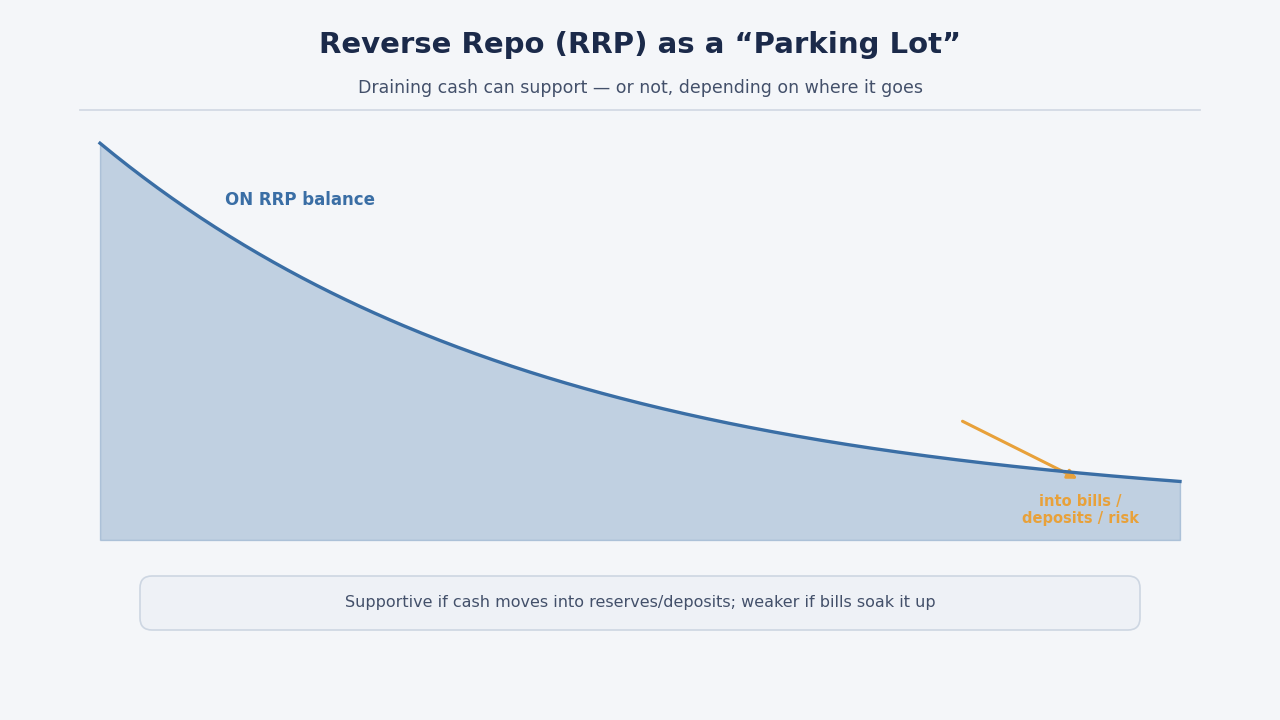
สิ่งอำนวยความสะดวก reverse repo ข้ามคืน (RRPONTSYD) สามารถทำหน้าที่เป็น buffer: เมื่อกองทุนเงินจอดเงินสดที่นั่น มันมีแนวโน้มที่จะไม่ไหลไปที่อื่น; เมื่อมันระบาย เงินสดอาจเคลื่อนที่ไปยังตั๋วเงิน เงินฝาก หรือสินทรัพย์เสี่ยงขึ้นอยู่กับอัตราและการออกพันธบัตร.
การตีความเชิงปฏิบัติ:
- RRP ลดลง อาจสนับสนุน ถ้า เงินสดกำลังเคลื่อนเข้าสู่ระบบเอกชน (สำรอง/เงินฝาก) หรือทำให้การจัดหาเงินง่ายขึ้น.
- แต่ถ้า RRP ลดลงเพราะตั๋วเงินให้ผลตอบแทนมากกว่าและการออกพันธบัตรดูดซับความต้องการ ผลกระทบ “risk-on” อาจอ่อนแอกว่า.
ชุดตัวชี้วัด C: บัญชีทั่วไปของกระทรวงการคลัง (TGA) และจังหวะการออกพันธบัตร
ยอดเงินสดของกระทรวงการคลัง (TGA) เป็นปัจจัยที่มีผลกระทบใหญ่:
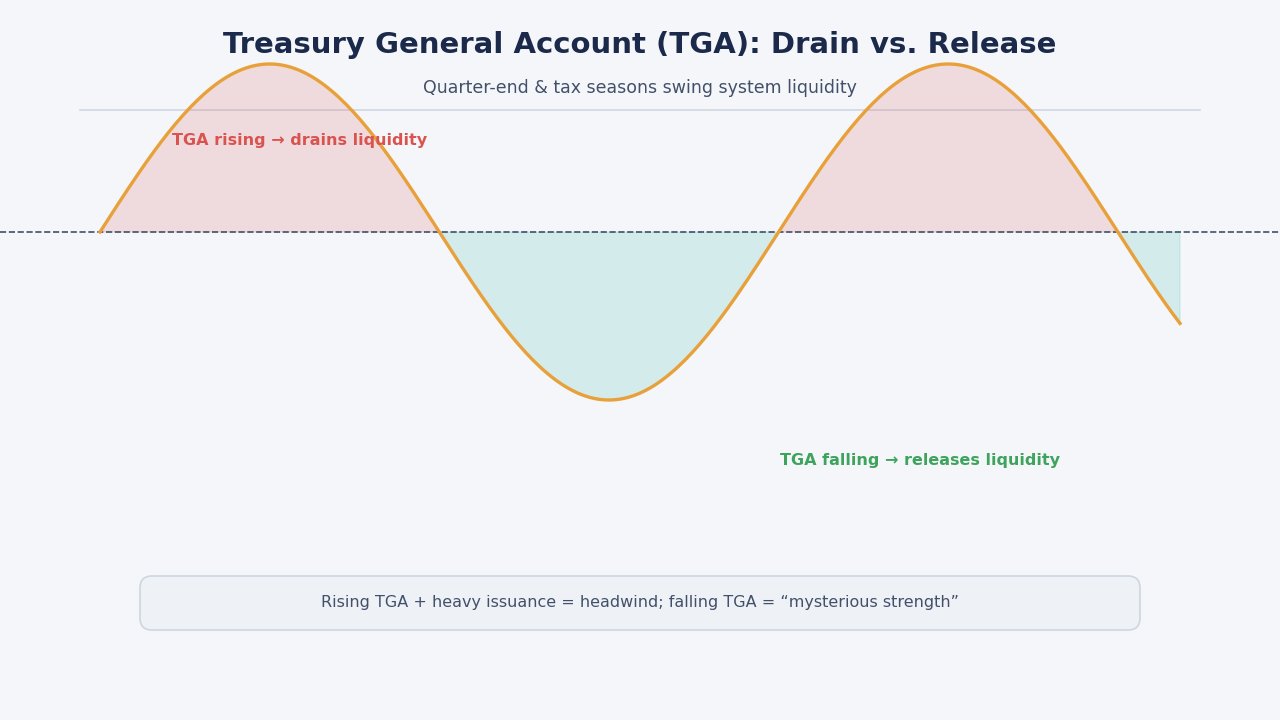
- เมื่อ TGA เพิ่มขึ้น มันสามารถระบายสภาพคล่องจากระบบธนาคาร.
- เมื่อ TGA ลดลง มันสามารถปล่อยสภาพคล่องออกมา
นี่คือเหตุผลที่ สิ้นไตรมาส และ ฤดูภาษี อาจมีความสำคัญ: พวกมันเปลี่ยนการไหลของ TGA และแรงกดดันด้านการเงิน
การใช้งานจริง:
- TGA ที่เพิ่มขึ้น + การออกพันธบัตรหนักสามารถเป็นอุปสรรค โดยเฉพาะสำหรับหุ้นที่มีมูลค่าสูง
- TGA ที่ลดลงสามารถสร้าง “ความแข็งแกร่งที่ลึกลับ” แม้ว่าหัวข้อข่าวจะดูผสมผสานกัน
ชุดตัวชี้วัด D: เงินสำรองและความเครียดด้านการเงิน
ยอดเงินสำรองและอัตราการเงินสามารถเปิดเผยการตึงตัวก่อนที่หุ้นจะตอบสนอง
ติดตาม:
- ยอดเงินสำรอง (ค่าเฉลี่ยรายสัปดาห์),
- สภาพตลาด Repo (การพุ่ง, ความพิเศษ),
- สเปรด Swap, ตัวแทนความเครียดแบบ FRA/OIS (ขึ้นอยู่กับสถาบัน).
กฎทั่วไป: เมื่อสภาพคล่องตึงตัว ท่าที “ปลอดภัย” ของตลาดมักจะแสดงออกมาในด้านการเงินก่อน จากนั้นจึงเป็นความผันผวน และสุดท้ายคือความกว้าง
แดชบอร์ดสภาพคล่องที่คุณสามารถใช้งานได้จริงทุกสัปดาห์
นี่คือแดชบอร์ด “ขั้นต่ำที่ใช้งานได้” ที่เป็นประโยชน์:
| หมวดหมู่ | ซีรีส์ / ตัวแทน | กระตุ้นเมื่อ… | แย่เมื่อ… |
|---|---|---|---|
| งบดุลของ Fed | แนวโน้มสินทรัพย์รวม | คงที่/เพิ่มขึ้น หรือ QT ชะลอตัว | QT เร่งตัวอย่างมีนัยสำคัญ |
| RRP | การใช้ ON RRP | การระบายอย่างเป็นระเบียบ | พุ่งสูงขึ้นอย่างรวดเร็ว |
| เงินสดของกระทรวงการคลัง | แนวโน้ม TGA | ลดลง/คงที่ | เพิ่มขึ้นอย่างรวดเร็ว |
| เงินสำรอง | แนวโน้มยอดเงินสำรอง | คงที่/เพิ่มขึ้น | ลดลงอย่างรวดเร็ว |
| อัตรา | ระดับผลตอบแทน 10Y & การเปลี่ยนแปลง | ลดลง/คงที่ | เพิ่มขึ้นอย่างรวดเร็ว |
| การเงิน | “ระบบท่อ” Repo/fed funds | สงบ | มีการพุ่ง/ตึงเครียด |
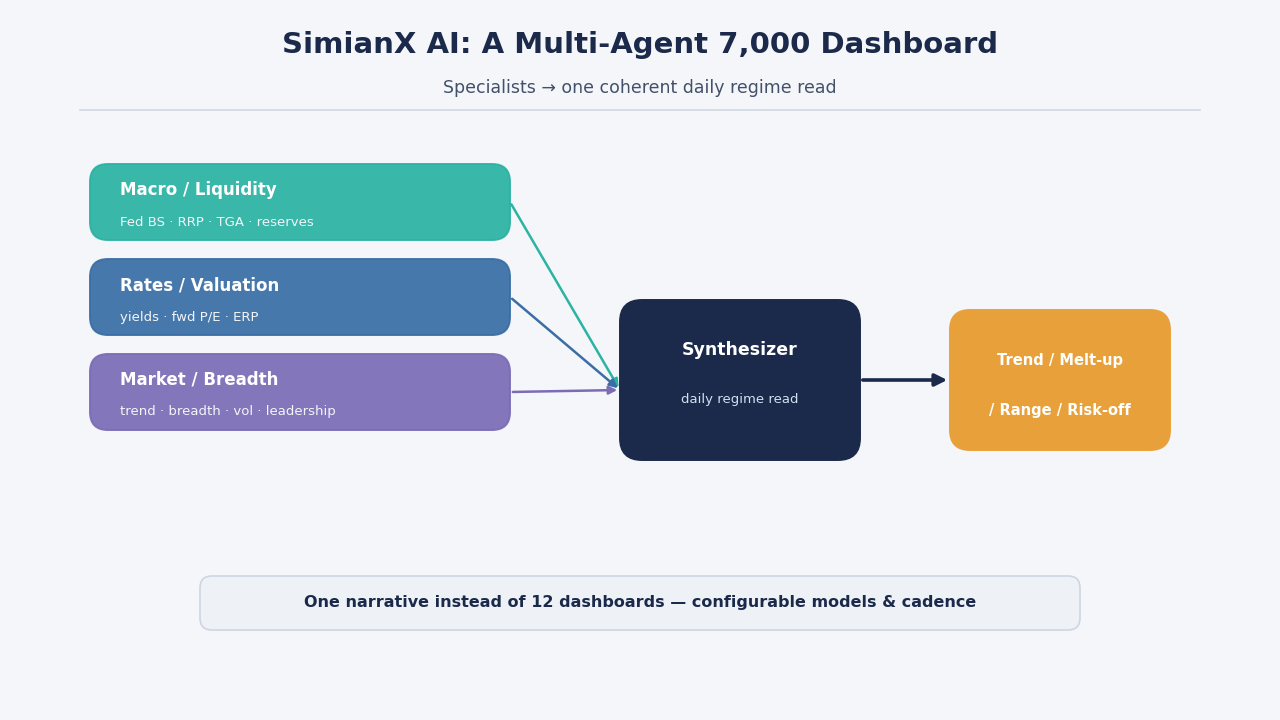
นี่คือที่ที่ SimianX AI มีประโยชน์: คุณสามารถมีตัวแทนหนึ่งติดตามระบบท่อมหภาค (Fed/TGA/RRP) อีกตัวติดตามอัตราและเบี้ยประกันความเสี่ยง และอีกตัวติดตามความกว้างของตลาดและความเป็นผู้นำ—จากนั้นสังเคราะห์สัญญาณให้เป็นเรื่องราวรายวันเดียว
สัญญาณการประเมินค่า: เมื่อ 7000 เป็นสิ่งที่สมเหตุสมผล—และเมื่อมันเปราะบาง
การประเมินค่าไม่ใช่เครื่องมือในการจับเวลาเพียงอย่างเดียว แต่ในขอบเขตสุดขีด มันจะกำหนด:
- ข่าวดีต้องเดินทางไปไกลแค่ไหนเพื่อดันราคาให้สูงขึ้น,
- ดัชนีจะไวต่ออัตราดอกเบี้ยเพียงใด,
- การลดลงอย่างรุนแรงจะเกิดขึ้นเมื่อสภาพคล่องเปลี่ยนแปลง.
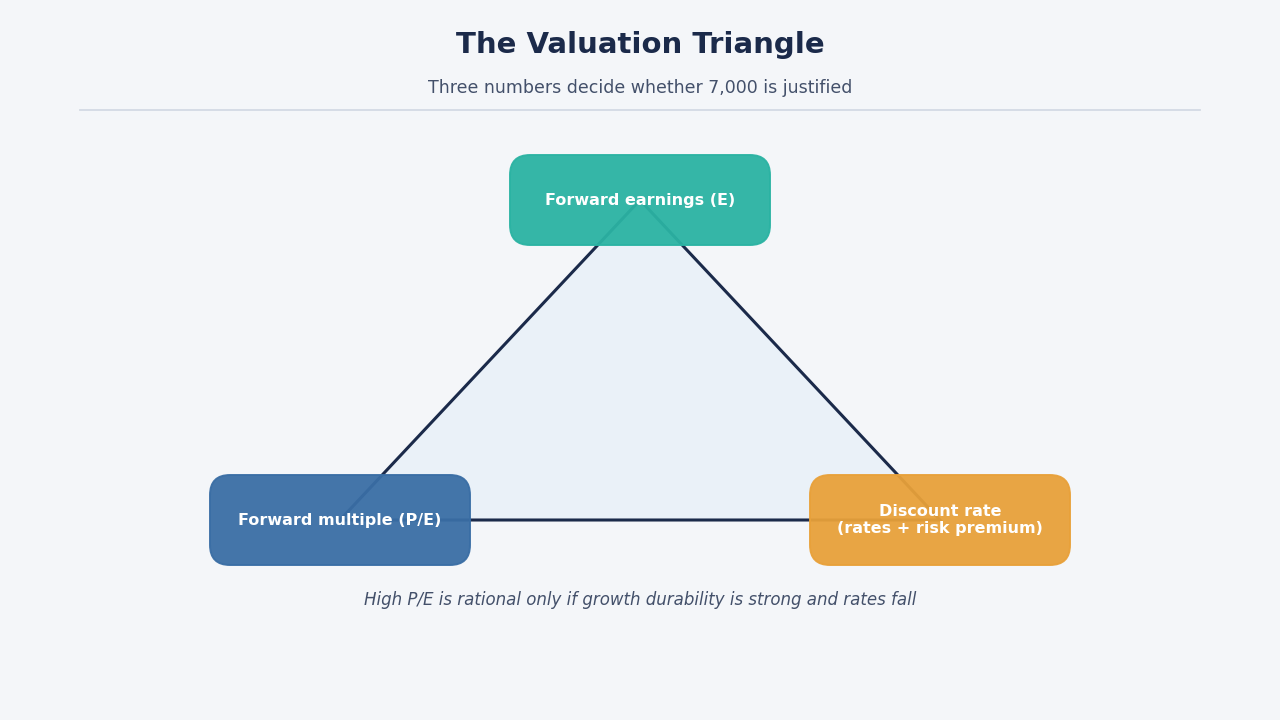
การทำงานของการประเมินค่าอย่างชัดเจนมุ่งเน้นไปที่ สามตัวเลข:
1) กำไรข้างหน้า (E),
2) หลายข้างหน้า (P/E),
3) อัตราส่วนลด (อัตราดอกเบี้ย + เบี้ยประกันความเสี่ยง).
1) P/E ข้างหน้า: มันบอกอะไรคุณ (และมันซ่อนอะไรไว้)
P/E ข้างหน้าเป็นวิธีที่เร็วที่สุดในการประเมิน “ความแพง” ของตลาด แต่สามารถถูกบิดเบือนโดย:
- การประมาณการกำไรที่มองโลกในแง่ดีเกินไป,
- การรวมกลุ่มในภาค (เทคโนโลยีขนาดใหญ่),
- สมมติฐานเกี่ยวกับมาร์จิ้นที่อาจไม่เป็นจริง.
กรอบการตีความ:
- P/E ข้างหน้าที่สูงสามารถมีเหตุผลได้หากความทนทานของการเติบโตแข็งแกร่งและอัตราดอกเบี้ยลดลง.
- มันจะเปราะบางหากการปรับปรุงกำไรกลายเป็นลบหรือผลตอบแทนเพิ่มขึ้น.
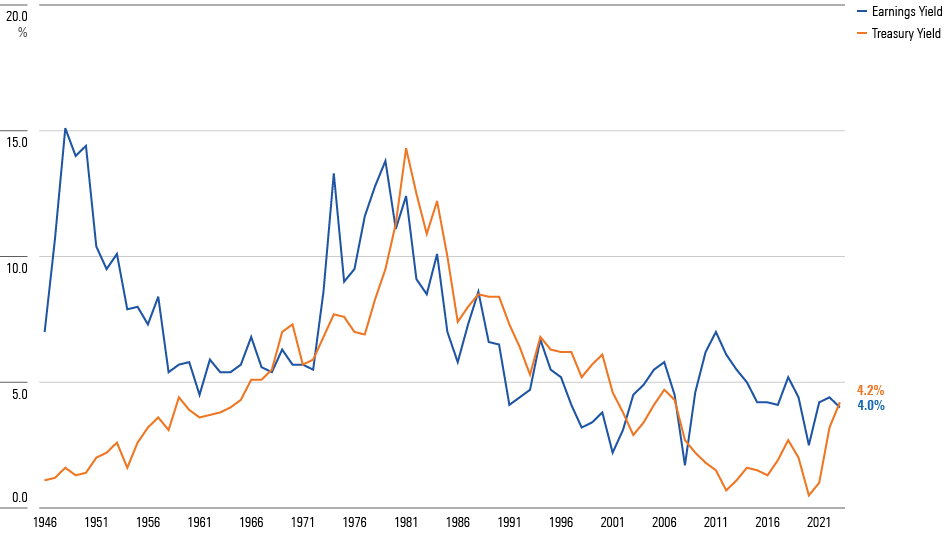
2) ผลตอบแทนจากกำไรเทียบกับผลตอบแทนจากพันธบัตร (สัญชาตญาณของเบี้ยประกันความเสี่ยงของหุ้น)
สัญชาตญาณพื้นฐาน: นักลงทุนเปรียบเทียบสิ่งที่หุ้น “ให้ผลตอบแทน” (ผลตอบแทนจากกำไร ≈ E/P) กับสิ่งที่พันธบัตรให้ผลตอบแทน (เช่น พันธบัตรรัฐบาลอายุ 10 ปี). ความแตกต่างเกี่ยวข้องกับ เบี้ยประกันความเสี่ยงของหุ้น.
หากผลตอบแทนจากพันธบัตรเพิ่มขึ้นอย่างรวดเร็ว ตลาดมักต้องการ:
- กำไรที่สูงขึ้น, หรือ
- หลายที่ต่ำลง, หรือ
- เรื่องราวที่แข็งแกร่งพอที่จะบีบเบี้ยประกันความเสี่ยง.
3) ปัญหาความไวต่ออัตราที่หลายสูง
เมื่อ P/E สูงขึ้น การเปลี่ยนแปลงอัตราเพียงเล็กน้อยสามารถมีผลกระทบอย่างมากต่อสมมติฐานมูลค่าปัจจุบัน นั่นคือเหตุผลที่ตลาดที่มีการประเมินมูลค่าสูงมักจะรู้สึก “ดี” จนกระทั่งผลตอบแทนเพิ่มขึ้น—จากนั้นทุกอย่างก็จะถูกปรับราคาใหม่ทันที
สัญญาณที่ใช้ได้จริง:
- หากผลตอบแทนเพิ่มขึ้น และ ความกว้างแคบลง และ การปรับปรุงคงที่/ลดลง ระดับที่สำคัญมีแนวโน้มที่จะเป็นเพดานมากกว่าพื้น
4) อัตรากำไร การซื้อคืน และ “คุณภาพของรายได้”
การเติบโตของรายได้ในระดับดัชนีสามารถมาจาก:
- การเติบโตของรายได้,
- การขยายตัวของอัตรากำไร,
- การลดจำนวนหุ้น (การซื้อคืน),
- การเปลี่ยนแปลงในกลุ่มอุตสาหกรรม.
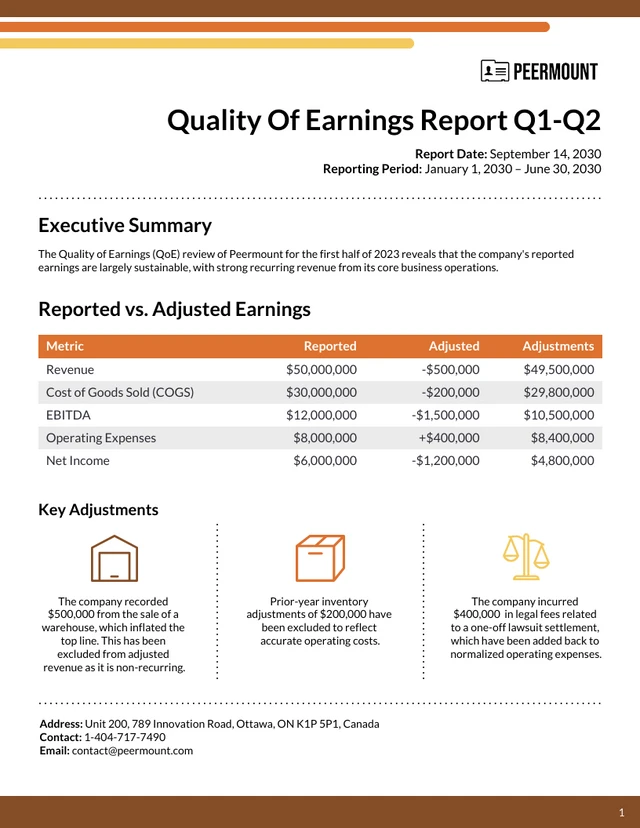
ที่ระดับ 7,000+ ตลาดมักจะให้รางวัลกับ ความทนทาน:
- อำนาจในการตั้งราคา,
- การเติบโตเชิงโครงสร้าง,
- ความแข็งแกร่งของงบดุล,
- การแปลงกระแสเงินสดฟรีที่สูง.
นี่ช่วยอธิบายว่าทำไมการเป็นผู้นำจึงสามารถยังคงมุ่งเน้นอยู่—ถ้า ผู้นำนั้นยังคงส่งมอบการปรับปรุง
S&P 500 กำลังมุ่งหน้าไปที่ 7000 เป็นเพียงจุดเริ่มต้นหรือไม่?
คำตอบที่ใช้ได้จริงต้องการ คะแนน นี่คือวิธีการที่ชัดเจนในการจัดกรอบมัน:
รายการตรวจสอบ “ความยั่งยืน 7000”
คุณต้องการอย่างน้อย สองในสาม เครื่องยนต์ที่สนับสนุน:
สนับสนุนโมเมนตัมหาก:
- ความกว้างคงที่หรือดีขึ้น,
- โครงสร้างความผันผวนที่ดีต่อสุขภาพ,
- การเป็นผู้นำไม่ล่มสลายไปสู่ธีมเดียว.
สนับสนุนสภาพคล่องหาก:
- ความกดดันในงบดุลลดลง (หรือลดความตึงเครียด),
- RRP/TGA/สำรองไม่มีสัญญาณเครียด,
- ตลาดการเงินยังคงเป็นระเบียบ.
สนับสนุนการประเมินมูลค่าหาก:
- การปรับปรุงรายได้เป็นบวก,
- อัตราคงที่หรือลดลง,
- ความเสี่ยงพรีเมี่ยมไม่ถูกบีบให้แคบลงอย่างอันตราย.
หากคุณมีเพียงเครื่องยนต์เดียว (เช่น สภาพคล่องที่เพิ่มขึ้น) และอีกสองเครื่องยนต์มีแนวโน้มแตกต่างกัน 7,000 มีแนวโน้มที่จะเป็น การสัมผัสและไป.
การสร้างสัญญาณที่สามารถดำเนินการได้ (ขั้นตอนทีละขั้นตอน)
นี่คือเวิร์กโฟลว์ที่แปลงการวิจัยให้เป็นกระบวนการที่สามารถทำซ้ำได้
- เริ่มต้นด้วยแนวโน้ม: ตลาดอยู่ในแนวโน้มขาขึ้นที่ยืนยันแล้วในมุมมองรายสัปดาห์และรายวันหรือไม่?
- ตรวจสอบความกว้าง: การมีส่วนร่วมกำลังขยายหรือแคบลงเมื่อราคาขึ้นหรือไม่?
- อ่านความผันผวน: ความผันผวนสงบ มีโครงสร้าง และสนับสนุนการใช้เลเวอเรจหรือไม่?
- สแกนระบบสภาพคล่อง: RRP/TGA/สำรองมีเสถียรภาพ ดีขึ้น หรือแย่ลงหรือไม่?
- ตรวจสอบการประเมินค่า: การปรับปรุงมีความเป็นบวกเพียงพอที่จะพิสูจน์หลายเท่าที่กำหนดหรือไม่?
- ตัดสินใจเกี่ยวกับแผนการเล่น: ตามแนวโน้ม กลับสู่ค่าเฉลี่ย ป้องกันความเสี่ยง หรือ ลดการเปิดเผย
กระบวนการนี้มีความแข็งแกร่งมากกว่าการโต้แย้งเกี่ยวกับระดับราคาหนึ่งเดียว
แผนการเล่นที่ใช้ได้จริงสำหรับระบอบระดับ 7000
ด้านล่างนี้คือแผนการเล่น—ไม่ใช่คำแนะนำ—ที่ออกแบบมาเพื่อตรงกับการรวมสัญญาณ
แผนการเล่น A: การต่อเนื่องของแนวโน้ม (กรณีที่ดีที่สุด)
ใช้เมื่อ:
- ความกว้างคงที่/ดีขึ้น,
- โครงสร้างความผันผวนสนับสนุน,
- สภาพคล่องไม่ตึงตัว,
- การปรับปรุงเป็นบวก.
พฤติกรรมทั่วไป:
- ซื้อในช่วงที่ราคาตก, หลีกเลี่ยงการป้องกันความเสี่ยงมากเกินไป,
- มุ่งเน้นที่ขนาดความเสี่ยงมากกว่าการ “เรียกจุดสูงสุด.”
แผนการเล่น B: การเพิ่มขึ้นของสภาพคล่อง (สนุกแต่มีอันตราย)
ใช้เมื่อ:
- สภาพคล่องดีขึ้นอย่างรวดเร็ว,
- ราคาเร่งขึ้น,
- ความกว้างล่าช้า,
- การประเมินค่าเกินจริง.
การควบคุมความเสี่ยงมีความสำคัญมากกว่าการเข้าซื้อ:
- ใช้กฎการออกที่กำหนดไว้ล่วงหน้า,
- พิจารณาการป้องกันความเสี่ยงที่มีความโค้งหากราคาถูก,
- อย่าสับสนความเร็วกับความปลอดภัย.
แผนการเล่น C: การหยุดชะงักในเหตุการณ์สำคัญ / การซื้อขายในช่วง
ใช้เมื่อ:
- ราคาตัดสลับรอบระดับ,
- ความกว้างอ่อนแอ,
- ความผันผวนเพิ่มขึ้นเล็กน้อย,
- สัญญาณสภาพคล่องผสม.
กลยุทธ์:
- ลดเลเวอเรจ,
- มุ่งเน้นที่ความแข็งแกร่งสัมพัทธ์/ความอ่อนแอสสัมพัทธ์,
- เก็บเงินสดไว้เพื่อการยืนยัน.
Playbook D: ช็อคการประเมินค่า
ใช้เมื่อ:
- ผลตอบแทนกระโดด,
- การปรับลดลง,
- สภาพคล่องตึงตัว,
- การเปลี่ยนแปลงระบอบความผันผวน.
มุ่งเน้น:
- การรักษาเงินทุน,
- ลดการเปิดเผยต่อหุ้นที่มีอายุนาน,
- รอการเสถียรภาพของสภาพคล่อง.
วิธีที่ SimianX AI สามารถทำให้กรอบสัญญาณ 7000 เป็นจริง
การวิจัยมีประโยชน์ก็ต่อเมื่อคุณสามารถดำเนินการได้ทุกวันโดยไม่ต้องใช้เวลานาน นี่คือจุดที่ SimianX AI สามารถเป็นข้อได้เปรียบที่ใช้งานได้: ถือว่าครอบครัวสัญญาณแต่ละตัวเป็น “ผู้เชี่ยวชาญ” จากนั้นให้ผู้ประสานงานสังเคราะห์ผลลัพธ์.
การตั้งค่าหลายตัวแทน (ง่าย, มีประสิทธิภาพ)
- นักวิเคราะห์มหภาค/สภาพคล่อง: ตรวจสอบทิศทางงบดุลของเฟด, RRP, TGA, เงินสำรอง, สภาพคล่องการเงิน.
- นักวิเคราะห์อัตราดอกเบี้ย/การประเมินค่า: ติดตามผลตอบแทน, บริบท P/E ล่วงหน้า, ผลตอบแทนจากการลงทุนเทียบกับผลตอบแทนจากพันธบัตร, การกำหนดความเสี่ยง.
- นักวิเคราะห์ตลาด/ความกว้าง: ตรวจสอบแนวโน้ม, เมตริกความกว้าง, ระบอบความผันผวน, การหมุนเวียนผู้นำ.
- ผู้สังเคราะห์: ผลิต “การอ่านระบอบ” รายวันเดียวและรายการตรวจสอบรายสัปดาห์.
นี่คือความแตกต่างระหว่างการอ่านแดชบอร์ด 12 แห่งและการได้รับเรื่องราวที่สอดคล้องกัน.
คุณสามารถสำรวจแพลตฟอร์มได้ที่นี่: SimianX AI
แม่แบบคำสั่งประจำวันที่ใช้งานได้ของ SimianX
ใช้คำสั่งที่สามารถทำซ้ำได้เพื่อให้ผลลัพธ์สามารถเปรียบเทียบได้ในแต่ละวัน:
- “สรุปโมเมนตัม (แนวโน้ม + ความกว้าง + ความผันผวน) และกำหนดคะแนน.”
- “สรุปการประปาสภาพคล่อง (RRP/TGA/เงินสำรอง/งบดุล) และกำหนดคะแนน.”
- “สรุปการประเมินค่า (บริบท P/E ล่วงหน้า, อัตราดอกเบี้ย, การปรับลด) และกำหนดคะแนน.”
- “ส่งคืนป้ายระบอบ: แนวโน้ม / การละลาย / ช่วง / ความเสี่ยง”
- “ระบุความเสี่ยงหลัก 3 ประการและสัญญาณการยืนยัน 3 ประการที่ควรเฝ้าติดตาม”
วิธีการนี้ทำให้การตัดสินใจของคุณเป็นระบบมากกว่าการเล่าเรื่อง
ข้อผิดพลาดทั่วไปเมื่อวิเคราะห์เรื่องราว “7000”
1) สับสนระหว่างหัวข้อข่าวกับกระแส
เรื่องราวที่เป็นบวกสามารถอยู่ร่วมกับสภาพคล่องที่ตึงตัว—จนกว่าจะไม่สามารถทำได้
2) มองค่าการประเมินเป็นสัญญาณขาย
ราคาสูงสามารถยังคงสูงได้หากสภาพคล่องและการปรับปรุงยังคงสนับสนุน
3) มองข้ามการเสื่อมถอยของความกว้าง
หากการดีดตัวแคบเกินไป การลดลงจะเฉียบคมขึ้น
4) ไม่เฝ้าดูอัตราที่สูงหลายเท่า
ที่การประเมินที่สูง ตลาดสามารถกลายเป็นอนุพันธ์ของผลตอบแทนพันธบัตร
คำถามที่พบบ่อยเกี่ยวกับ S&P 500 ที่มุ่งสู่ 7000
ตัวชี้วัดสภาพคล่องใดที่สำคัญที่สุดสำหรับ S&P 500 ที่มุ่งสู่ 7000?
ชุดที่ใช้งานได้จริงที่สุดคือ ทิศทางงบดุลของเฟด, การใช้รีเวิร์สรีโป, แนวโน้มยอดเงินสดของกระทรวงการคลัง, และ ยอดเงินสำรอง/ความเครียดในการจัดหา. ร่วมกันพวกเขาเผยให้เห็นว่าสิ่งที่ระบบกำลังเพิ่มหรือลดความสามารถในการรับความเสี่ยง
S&P 500 มีมูลค่าสูงเกินไปที่ 7000 หรือไม่?
ขึ้นอยู่กับ การปรับปรุงกำไร และ อัตรา. หากกำไรในอนาคตยังคงเพิ่มขึ้นและผลตอบแทนคงที่หรือลดลง อัตราสูงสามารถยังคงอยู่ได้ หากการปรับปรุงอ่อนแอลงในขณะที่ผลตอบแทนเพิ่มขึ้น การประเมินค่าเดียวกันจะกลายเป็นเปราะบาง
จะติดตามสภาพคล่องสำหรับหุ้นโดยไม่ใช้เทอร์มินัลมืออาชีพได้อย่างไร?
เริ่มต้นด้วยข้อมูลสาธารณะ: แผนภูมิยอดงบดุลของเฟด, ชุดข้อมูล FRED สำหรับตัวแปรที่สำคัญ, และตัวแทนยอดเงินสดของกระทรวงการคลัง. รายการตรวจสอบประจำสัปดาห์ที่มีโครงสร้างมีประโยชน์มากกว่าการมองไปที่แผนภูมิเดียวทุกวัน
อะไรที่ทำให้ S&P 500 ถึง 7000: กำไรหรือหลายเท่า?
ทั้งสองอย่าง แต่การผสมผสานเปลี่ยนแปลงตามระบอบ ในรอบที่มีสุขภาพดี กำไรจะมีน้ำหนักมากกว่า; ในช่วงที่ราคาขึ้นอย่างรวดเร็ว การขยายหลายเท่าจะมีน้ำหนักมากกว่า ตลาดมีความเสถียรที่สุดเมื่อ กำไร เป็นตัวขับเคลื่อนหลัก
สัญญาณใดบ้างที่ยืนยันว่า 7000 จะกลายเป็นแนวรับ?
มองหาการ ขยายตัวที่คงอยู่, โครงสร้างความผันผวนที่ยังคงสร้างสรรค์, สภาพคล่องไม่ตึงตัว, และ การปรับปรุงกำไรที่ยังคงเป็นบวก คุณไม่จำเป็นต้องสมบูรณ์แบบ—เพียงแค่ยืนยันจากอย่างน้อยสองในสามเครื่องยนต์
สรุป
“S&P 500 กำลังมุ่งสู่ 7000” เป็นคำค้นหาที่มีประโยชน์ แต่เป็นทฤษฎีการซื้อขายที่อันตรายหากคุณมองว่าเป็นการคาดการณ์หมายเลขเดียว วิธีที่ยั่งยืนในการวิเคราะห์ระดับเหตุการณ์สำคัญคือการติดตาม สามเครื่องยนต์—โมเมนตัม, สภาพคล่อง, และ การประเมินค่า—และต้องการการยืนยันจากพวกมันก่อนที่คุณจะประกาศระบอบใหม่
หากคุณต้องการเปลี่ยนกรอบนี้ให้เป็นกระบวนการที่ทำซ้ำได้ในแต่ละวัน SimianX AI สามารถช่วยคุณติดตามการจัดการสภาพคล่อง, บริบทการประเมินค่า, และโมเมนตัมของตลาดในกระบวนการทำงานที่มีโครงสร้างเดียว—เพื่อให้คุณตัดสินใจจากสัญญาณ ไม่ใช่จากข่าวพาดหัว สำรวจและสร้างแดชบอร์ดของคุณที่นี่: SimianX AI
อ้างอิง (ข้อมูลสำคัญ & แหล่งที่มา):
- S&P 500 ข้าม 7,000 ครั้งแรกเมื่อวันที่ 28 มกราคม 2026 (บริบทเหตุการณ์สำคัญ)
- ตัวอย่างการซื้อขายที่สามารถใช้แทนการเปิดเผยระดับดัชนีและบริบทการตั้งราคาใกล้วัน (SPY)
- P/E S&P 500 ใน 12 เดือนข้างหน้าและการเปรียบเทียบทางประวัติศาสตร์ (ฐานการประเมินค่า)
- ชุดผลตอบแทนพันธบัตรรัฐบาล 10 ปี (DGS10) ที่ใช้สำหรับการกำหนดอัตราส่วนลดและกรอบความเสี่ยง
- แนวโน้ม “ล่าสุด” ของงบดุล Fed และชุดสินทรัพย์รวม (WALCL) สำหรับการติดตามแรงกระตุ้น QT/QE
- การดำเนินการรีเวิร์สรีโปและชุด RRP (RRPONTSYD) สำหรับการจัดการตลาดเงิน
- ชุดติดตามบัญชีทั่วไปของกระทรวงการคลัง (WTREGEN) สำหรับพลศาสตร์การระบาย/ปล่อยสภาพคล่อง
- Money supply series (WM2NS) สำหรับบริบทสภาพคล่องที่กว้างขึ้น (บริบท ไม่ใช่เวลา)
- การกำหนดความเสี่ยงจากหุ้นและการใช้งานจริง (กรอบการประเมินค่า)
- ตัวอย่างการทำงานของ SimianX หลายตัวแทนและหุ้น (บริบทการรวมแพลตฟอร์ม)
วิธีติดตามเส้นทางของ S&P 500 สู่ 7,000 ด้วยสัญญาณโมเมนตัม สภาพคล่อง และการประเมินค่า (และทำให้มันสามารถนำไปปฏิบัติได้)
เริ่มต้นด้วยโมเมนตัม แต่วัดมันให้เกินกว่าประสิทธิภาพดัชนีหลัก โมเมนตัม 7,000 จะเชื่อถือได้มากที่สุดเมื่อได้รับการสนับสนุนจากความกว้างและความเสถียรของระบอบ: การเข้าร่วมดีขึ้น (หุ้นมากขึ้นทำสถิติสูงใหม่ ร้อยละที่เพิ่มขึ้นเหนือค่าเฉลี่ยเคลื่อนที่ที่สำคัญ) การนำไม่แคบลงไปที่ธีมเดียว และโครงสร้างความผันผวนยังคงสร้างสรรค์ (ความผันผวนในจุดที่สงบ โครงสร้างระยะยาวที่ดี) หากดัชนีเพิ่มขึ้นในขณะที่ความกว้างเสื่อมลง มักจะแสดงถึงการพุ่งขึ้นที่ “หนักเกินไป” ซึ่งน้ำหนักที่ใหญ่ที่สุดทำงานส่วนใหญ่—ดีสำหรับการพิมพ์ แต่มีความเสี่ยงต่อความถาวร วินัยที่มีประโยชน์คือการต้องการการยืนยันสองครั้งก่อนที่จะเรียกแนวโน้มว่า “แข็งแกร่งในเชิงโครงสร้าง”: (a) ความกว้างคงที่หรือดีขึ้นในขณะที่ราคาทำสถิติสูงใหม่ และ (b) การถอยกลับยังคงเป็นระเบียบโดยไม่มีการกระโดดของความผันผวน เมื่อการยืนยันเหล่านั้นจางหายไป เรื่องราว 7,000 จะเปลี่ยนจาก “การต่อเนื่องของแนวโน้ม” เป็น “การจัดการความเสี่ยงในการละลายขึ้น”
จากนั้นเพิ่มสภาพคล่อง เพราะสภาพคล่องคือสิ่งที่กำหนดว่าวิถีการเคลื่อนไหวสามารถดำเนินต่อไปได้โดยไม่ขัดข้องหรือไม่ สัญญาณสภาพคล่องไม่จำเป็นต้องลึกลับ: คุณกำลังดูว่าระบบกำลังให้ความสามารถในการรับความเสี่ยงหรือกำลังเก็บภาษีมัน—ผ่านงบดุลของธนาคารกลาง จังหวะเงินสด/การออกพันธบัตรของกระทรวงการคลัง พฤติกรรมการจอดเงินในตลาดเงิน และความเครียดในการจัดหา สิ่งสำคัญคือแรงกระตุ้น ไม่ใช่ระดับสัมบูรณ์: การปรับปรุงสภาพคล่องมักจะปรากฏขึ้นก่อนในรูปแบบของสภาพการจัดหาที่สงบและความลึกของตลาดที่ราบรื่น ตามด้วยการกระจายเครดิตที่แคบลงและการเสนอราคาหุ้นที่ยั่งยืน การทำให้สภาพคล่องตึงตัวมักจะแสดงออกผ่านความเครียดในการจัดหาที่เพิ่มขึ้น ความไวต่อความผันผวนที่เพิ่มขึ้นต่อข่าวร้าย และ “ช่องอากาศ” ที่เกิดขึ้นอย่างกะทันหันซึ่งการซื้อในช่วงตกต่ำล้มเหลว รอบระดับสำคัญ การยืนยันสภาพคล่องมีความสำคัญเป็นพิเศษ: หากตลาดพยายามที่จะยกตัวขึ้นเหนือ 7,000 ขณะที่สภาพคล่องกำลังเสื่อมลง คุณมักจะพบการกลับตัวอย่างเฉียบพลันแทนที่จะเป็นการถอยที่ช้าและสามารถซื้อขายได้
สุดท้าย ให้ทดสอบการประเมินค่าภายใต้ความเครียดกับสองจุดยึดที่เคลื่อนไหว: อัตราดอกเบี้ยและกำไร ที่หลายเท่าของดัชนีที่สูง S&P 500 จะกลายเป็น “คล้ายระยะเวลา” มากขึ้น ซึ่งหมายความว่ามันตอบสนองต่อการเปลี่ยนแปลงอัตราดอกเบี้ยอย่างรุนแรงมากขึ้น ดังนั้นการวิเคราะห์การประเมินค่าควรเป็นการดำเนินงาน: ติดตาม (1) การปรับประมาณการกำไรในอนาคต (ประมาณการกำลังเพิ่มขึ้นหรือลดลง?), (2) เส้นทางของผลตอบแทนและอัตราดอกเบี้ยจริง (มันมีเสถียรภาพ ลดลง หรือเร่งขึ้นอีกครั้ง?), และ (3) ว่าการขยายหลายเท่ากำลังทำงานหนักอยู่หรือไม่ ระบอบ 7,000 ที่ยั่งยืนมักจะดูเหมือนกำไรกำลังทำงานมากขึ้น (หรืออย่างน้อยก็รักษาเสถียรภาพ) ขณะที่อัตราดอกเบี้ยมีเสถียรภาพหรือลดลง; ความพยายาม 7,000 ที่เปราะบางดูเหมือนการขยายหลายเท่าเข้าสู่ผลตอบแทนที่เพิ่มขึ้นพร้อมการปรับประมาณการที่แบน/ลดลง—สภาพแวดล้อมที่ตลาดยังสามารถพุ่งสูงขึ้นได้ แต่ความโค้งด้านล่างจะเพิ่มขึ้นอย่างรวดเร็ว
เพื่อให้สามารถดำเนินการกรอบงานนี้ได้ทุกวันโดยไม่จมอยู่ในกราฟ คุณสามารถทำให้มันเป็นระบบด้วยการทำงานแบบหลายเอเจนต์: ผู้เชี่ยวชาญคนหนึ่งมุ่งเน้นไปที่โมเมนตัม/ความกว้าง/ความผันผวน, อีกคนหนึ่งมุ่งเน้นไปที่การจัดการสภาพคล่องและเงื่อนไขการจัดหา, และอีกคนหนึ่งมุ่งเน้นไปที่การประเมินมูลค่า (การปรับปรุงกำไร + อัตรา), และผู้สังเคราะห์จะเปลี่ยนสามกระแสนี้ให้เป็นป้ายกำกับระบอบเดียว—แนวโน้ม / การเพิ่มขึ้นอย่างรวดเร็ว / ช่วง / ความเสี่ยง—พร้อมกับการกระตุ้นที่ชัดเจนว่า “อะไรจะทำให้ฉันเปลี่ยนใจ” นี่คือจุดที่สไตล์การวิเคราะห์แบบหลายเอเจนต์, แบบเรียลไทม์, ที่สามารถติดตามได้ของ SimianX AI มีประโยชน์: เอเจนต์เฉพาะทางหลายคนสามารถวิเคราะห์ตลาดเดียวกันจากมุมมองที่แตกต่างกัน, ตรวจสอบสมมติฐาน, และสังเคราะห์มุมมองการตัดสินใจที่คุณสามารถตรวจสอบได้ในภายหลัง, ขณะเดียวกันก็ให้คุณปรับแต่งโมเดลและจังหวะให้ตรงกับขอบเขตของคุณ (การติดตามภายในวันเทียบกับการเปลี่ยนแปลงระบอบรายสัปดาห์).
อ่านเพิ่มเติม
- ความคาดหวังลด ดอกเบี้ย Fed 2026: แผนที่ Market Pricing สด
- คู่มือการหมุนเวียนกลุ่มอุตสาหกรรม S&P 500 ด้วยสัญญาณ AI
- Nasdaq 100 จังหวะสภาพคล่อง: ผลตอบแทน สเปรด การปรับประมาณ
- Dashboard ความเสี่ยงหุ้นสหรัฐ: AI Signals Breadth, Spreads
- S&P 500 Radar ความเสี่ยง: AI Breadth, Revisions, Spreads
- อันดับโมเดล AI คริปโตของ SimianX