
Paano basahin ang unang kita ng FedEx pagkatapos ng spinoff
Ang Kita ng FedEx 2026 ay higit pa sa isang nakagawiang quarterly na ulat. Para sa mga investor, shipper, at market researcher, ang pangunahing tanong ay kung paano nag-uugnay ang tatlong puwersa: ang FedEx Freight spinoff, ang nagbabagong mekanismo ng fuel surcharge, at ang setup ng FDX stock matapos ang paghihiwalay. Hinihimay ng gabay na ito ang mga pangunahing driver na dapat bantayan bago at pagkatapos ng update sa kita ng ikaapat na fiscal quarter (Q4 FY26) ng FedEx.
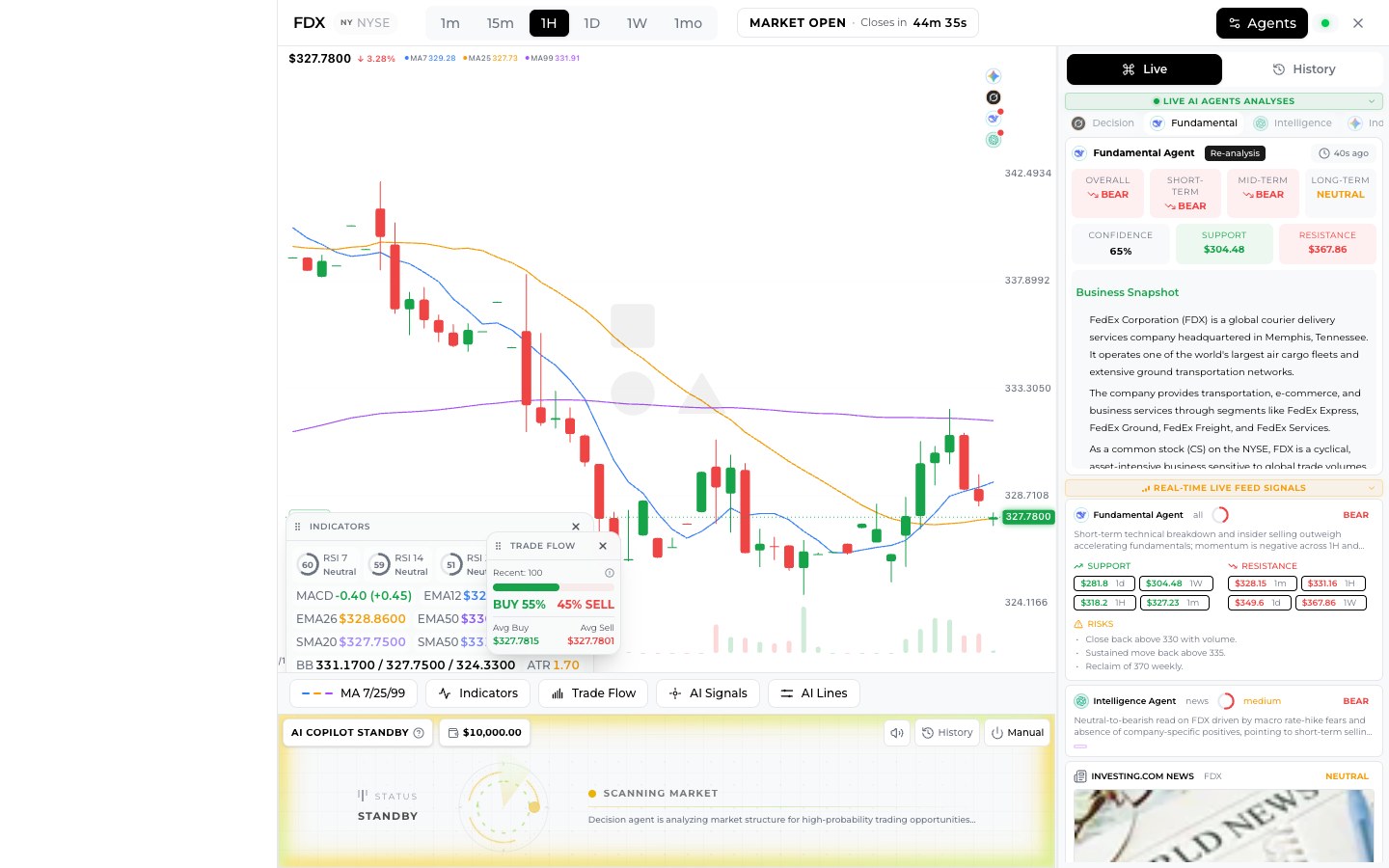
Para sa mga mambabasang sumusubaybay sa mga earnings catalyst sa iba't ibang stock, masusuportahan ng SimianX AI ang isang structured na daloy ng pananaliksik sa pamamagitan ng paghahambing ng fundamentals, technical signals, news sentiment, at risk factors sa iisang lugar. Para sa impormasyon lamang ang artikulong ito at hindi financial advice.
Bakit mahalaga ang kita ng FedEx 2026 ngayon
Pumapasok ang FedEx sa ibang kabanata. Pinapasimple ng kompanya ang istruktura nito, hinihiwalay ang FedEx Freight, namumuhunan sa digital at AI-enabled na network planning, at umaasa sa pricing discipline para masalo ang inflation, presyon sa sahod, pagkasumpong ng presyo ng gasolina, at kawalang-katiyakan sa patakaran sa kalakalan.
Ang pinakamahalagang punto ay dapat suriin ang kita ng FedEx 2026 bilang isang transition-year earnings event, hindi lamang bilang revenue-and-EPS print. Mahalaga ang headline na numero, ngunit ang mas mataas ang halaga na tanong sa pananaliksik ay kung kaya ng natitirang negosyo ng FedEx na maghatid ng mas magandang margin, mas malakas na free cash flow, at mas malinis na capital allocation matapos ang paghihiwalay ng Freight.
Dapat tumuon ang mga investor sa apat na bahagi:
- Core package demand sa U.S. domestic, international priority, at premium B2B na ruta.
- Kalidad ng yield, lalo na kung ang mga gain sa presyo ay volume-backed o pangunahin nang dulot ng surcharge.
- Pagpapatupad ng cost savings mula sa DRIVE, Network 2.0, at One FedEx na inisyatibo.
- Capital allocation pagkatapos ng spinoff, kabilang ang pagbabawas ng utang, buyback, dividend, at ang retained na FedEx Freight exposure.
Ang pinakamahusay na pagsusuri sa kita ng FedEx ay pinaghihiwalay ang pansamantalang ingay sa structural na pagpapabuti.
Isang kapaki-pakinabang na framework ang ituring ang bawat earnings update bilang signal sa tatlong layer: operating performance, strategic transformation, at market expectations.
| Bahagi ng pananaliksik | Ano ang babantayan | Bakit mahalaga |
|---|---|---|
| Paglago ng revenue | Package volume, yield, international demand | Ipinapakita kung malawak ang paglago o dulot ng presyo |
| Trend ng margin | Operating margin, adjusted operating income | Sinusukat ang progreso ng transformation |
| Paghihiwalay ng Freight | FDXF distribution, retained stake, paggamit ng utang | Binabago ang kuwento ng valuation |
| Patakaran sa fuel surcharge | Export/import alignment, lingguhang galaw ng index | Apektado ang gastos ng shipper at reported yield |
| Reaksiyon ng stock | Guidance, valuation, mga rebisyon ng analyst | Nagtutulak sa malapitang volatility ng FDX |
Itinakda ng Q3 FY26 ng FedEx ang baseline para sa Q4
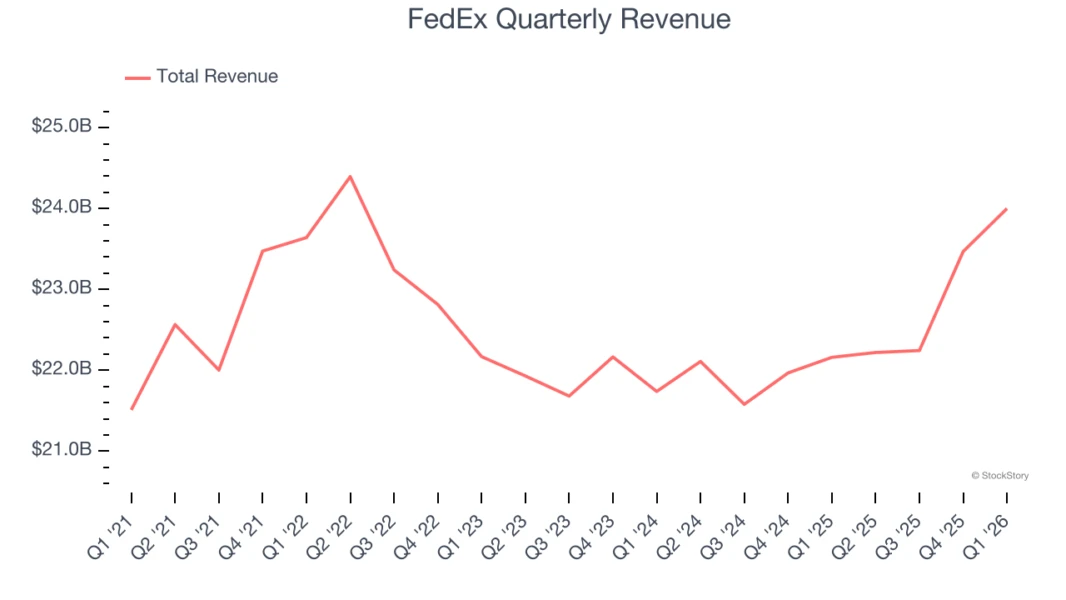
Ang pinakahuling kita ng FedEx bago ang Q4 ay nagpakita ng mas malakas na setup kaysa noong simula ng fiscal 2026. Sa Q3 FY26, nag-ulat ang FedEx ng $24.0 bilyon na revenue, pinabuting adjusted diluted EPS, at itinaas na full-year fiscal 2026 na outlook. Hindi rin isinama sa adjusted EPS outlook ang mga item tulad ng gastos sa Freight spinoff, gastos sa business optimization, gastos sa pagbabago ng fiscal year, at ilang regulatory na usapin.
Mahalaga iyon dahil inaasahang husgahan ang Q4 FY26 laban sa isang naitaas na nang sukatan. Kung sinalamin ng Q3 ang mas mataas na U.S. domestic at International Priority package yields, cost savings, at pagpapabuti ng package volume, hahanapin ng mga investor sa Q4 ang patunay na nagpatuloy ang mga trend na iyon matapos ang paghihiwalay ng Freight.
Ganito ang isang praktikal na investor checklist:
- Ihambing ang reported EPS sa adjusted EPS.
- Tukuyin kung aling adjustment ang pansamantala at alin ang maaaring maulit.
- Suriin ang paglago ng revenue ayon sa segment at ayon sa volume kumpara sa yield.
- Bantayan ang operating margin kumpara sa margin noong nakaraang taon.
- Pakinggan ang komentaryo ng management sa demand sa FY27 at sa cost structure pagkatapos ng spinoff.
Ang pangunahing tanong: Bumubuti ba ang kita ng FedEx dahil structurally na mas maganda ang negosyo, o dahil tinatakpan ng pansamantalang adjustment at pricing ang patuloy na presyon sa gastos?
Paano makakaapekto ang FedEx Freight spinoff sa FDX stock?
Ang spinoff ng FedEx Freight ay isa sa pinakamalaking dahilan kung bakit ang Kita ng FedEx 2026 ay may ibang research profile kaysa sa mga nakaraang taon. Naging independyenteng publicly traded na kompanya ang FedEx Freight sa ilalim ng ticker na FDXF, habang nagpapatuloy ang FedEx na ma-trade bilang FDX.
Para sa mga shareholder ng FedEx, isinaayos ang transaksiyon upang makatanggap sila ng isang share ng FedEx Freight para sa bawat dalawang share ng FedEx common stock na hawak sa record date, habang pinanatili ng FedEx ang isang minority stake para sa hinaharap na disposition. Tuwiran ang estratehikong layunin: ihiwalay ang less-than-truckload (LTL) na negosyo mula sa mas malawak na parcel, express, at logistics network upang mas malinaw na ma-valuate at mapamahalaan ang bawat kompanya.
Ano ang dapat suriin ng mga investor pagkatapos ng spinoff
Maaaring maapektuhan ng spinoff ang FDX stock sa ilang paraan:
- Linaw sa valuation: mava-valuate ng mga investor ang parcel at express network ng FedEx nang hiwalay sa LTL freight na negosyo.
- Comparability ng margin: maaaring mas madaling ihambing ang post-spinoff na margin ng FedEx sa UPS, sa mga DHL-related na peer, at sa mga global logistics operator.
- Utang at capital allocation: masusuportahan ng retained na Freight shares at cash proceeds ang deleveraging o iba pang balance-sheet na aksiyon.
- Strategic focus: mauuna ng management ang network transformation nang walang operating complexity ng hiwalay na LTL cycle.
- Index at ownership flows: kadalasang lumilikha ang spinoff ng pansamantalang buying at selling pressure habang nagre-rebalance ang mga pondo.
Ang pangunahing panganib ay hindi awtomatikong lumilikha ng mas mataas na earnings quality ang mas malinis na corporate structure. Kailangan pa rin ng mga investor ng patunay na kayang bumuo ng natitirang negosyo ng FedEx ng matibay na margin expansion.
Maaaring magbukas ng halaga ang spinoff, ngunit kung ang mga hiwalay na kompanya ay mas mahusay na umiral nang nag-iisa kaysa noong magkasama.
Fuel surcharges: bakit dapat itong pahalagahan ng shipper at investor
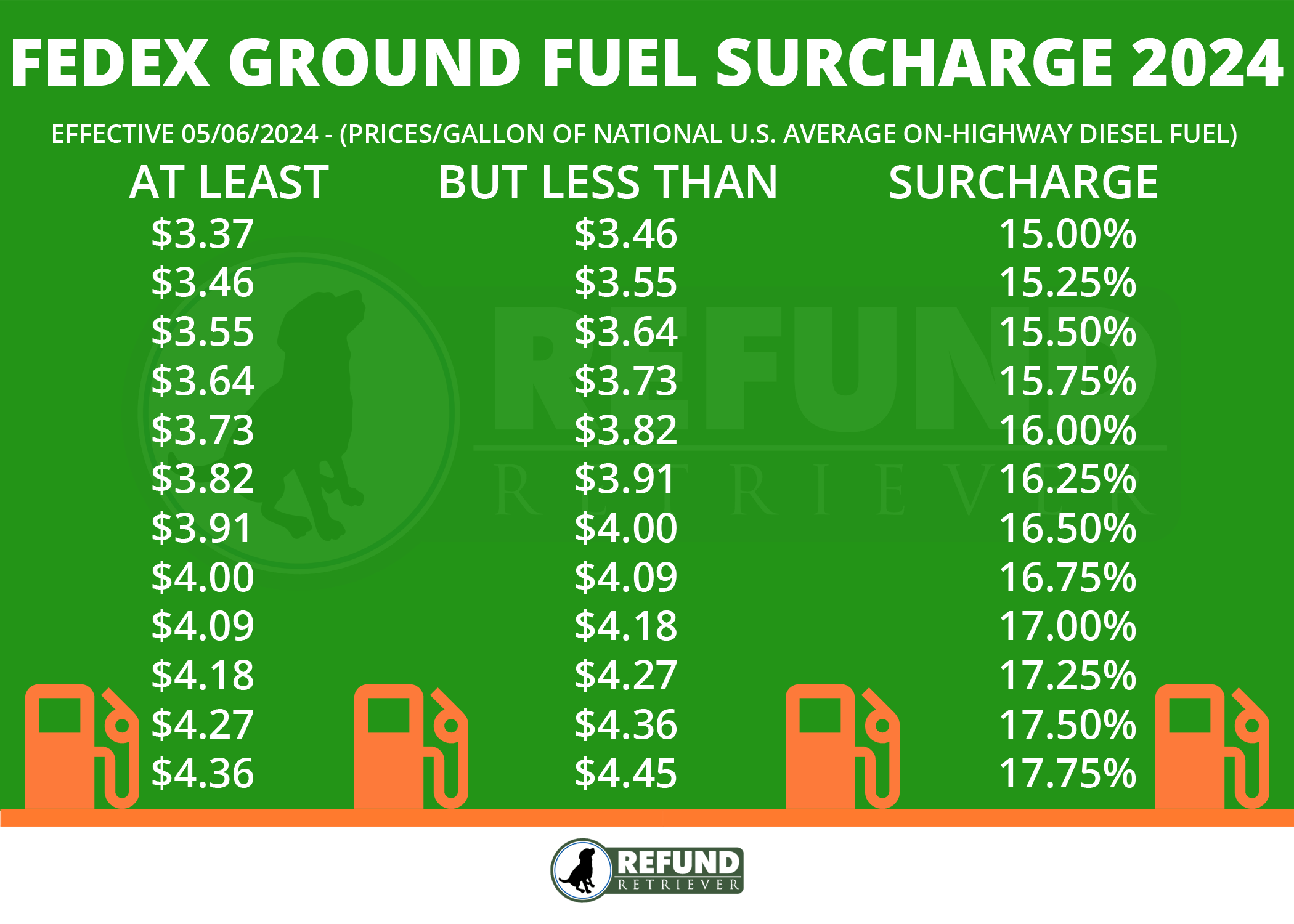
Madalas ituring ang fuel surcharge bilang detalye ng shipping cost, ngunit maaari nitong impluwensiyahan ang ugali ng customer at ang interpretasyon ng investor sa kalidad ng revenue ng FedEx. Ang fuel surcharges ng FedEx ay ina-adjust lingguhan, at maraming package at express freight services ang nakatali sa diesel o jet fuel indexes.
Noong Hunyo 2026, ina-update ng FedEx ang international fuel surcharge table nito upang magkasamang ipakita ang export at import rates sa ilalim ng isang Export & Import na istruktura. Para sa mga export-heavy na shipper, maaari nitong baguhin ang landed-cost na kalkulasyon, invoice auditing, mga panuntunan ng transportation management system (TMS), at customer-facing na shipping calculator.
Para sa mga investor, banayad ang tanong sa surcharge. Maaaring suportahan ng mas mataas na surcharge revenue ang yield, ngunit hindi nito kinakatawan ang parehong kalidad ng paglago tulad ng mas mataas na base rates o mas malakas na package volume. Dapat hanapin ng mga analyst ang komentaryo ng management na nagbibigay-distinsyon sa:
- base yield,
- kontribusyon ng fuel surcharge,
- paglago ng volume,
- pagpapabuti ng mix,
- at pagpapanatili ng customer.
Mahalaga ang sensitivity sa fuel surcharge dahil naaapektuhan nito ang dalawang panig ng ekwasyon: gastos ng customer at revenue recovery ng FedEx.
| Salik ng fuel surcharge | Epekto sa shipper | Epekto sa investor |
|---|---|---|
| Lingguhang pagbabago ng index | Mabilis kumikilos ang freight invoices | Maaaring magbago-bago ang revenue at yield |
| Export/import alignment | Maaaring tumaas ang gastos ng export-heavy na customer | Maaaring mukhang mas malakas ang international yield |
| Volatility ng jet fuel | Nagiging mas mahirap ang budgeting | Nakasalalay ang margin recovery sa lag at pass-through |
| Mga tuntunin ng kontrata | Iba-iba ang epekto sa antas ng customer | Maaaring itago ng reported averages ang dispersion |
Ano ang babantayan sa kita ng FedEx Q4 FY26
Malamang na susuriin ang paparating na Q4 FY26 earnings call sa pamamagitan ng post-spinoff na lente. Dapat bantayan ng mga investor hindi lamang ang reported na quarter kundi pati na rin ang lenggwahe ng management tungkol sa pagbabago ng fiscal year, mga kondisyon ng demand sa FY27, at ang long-term na margin plan.
Kasama sa pinaka-kapaki-pakinabang na tanong sa earnings call:
1. Itinataas pa ba ng FedEx ang earnings power nito?
Hanapin ang guidance sa adjusted EPS, operating income, at free cash flow. Ang malakas na EPS na walang margin improvement ay maaaring mas hindi kapani-paniwala kaysa katamtamang paglago ng EPS na may matibay na cost reduction.
2. Nagmumula ba sa volume o sa pricing ang paglago ng revenue?
Maaaring palaguin ng FedEx ang revenue sa pamamagitan ng package volume, pagtaas ng base rate, fuel surcharges, mix, at international demand. Ang pinakamalakas na setup ay volume growth kasama ang disiplinadong yield.
3. Nakikita ba ang savings ng transformation?
Binigyang-diin ng FedEx ang network optimization, DRIVE, One FedEx, at digital na kakayahan. Dapat pakinggan ng mga investor ang masusukat na savings, hindi lamang malawak na lenggwahe ng transformation.
4. Ano ang mangyayari sa capital allocation pagkatapos ng spinoff?
Maaaring mas may flexibility ang FedEx pagkatapos ng spinoff. Malamang na susuriin ng merkado ang dividend, repurchase, pagbabawas ng utang, at anumang plano para sa retained na FedEx Freight stake.
5. Paano binabalangkas ng management ang taripa, kalakalan, at international demand?
Ang global trade policy, geopolitical risk, at cross-border demand ay maaaring makaapekto sa package volume at sa customer mix.
Praktikal na aral: para sa FDX stock, maaaring mas mahalaga ang tono ng guidance kaysa sa backward-looking na numero ng Q4.
Pagsusuri sa FDX stock pagkatapos ng kita ng FedEx 2026
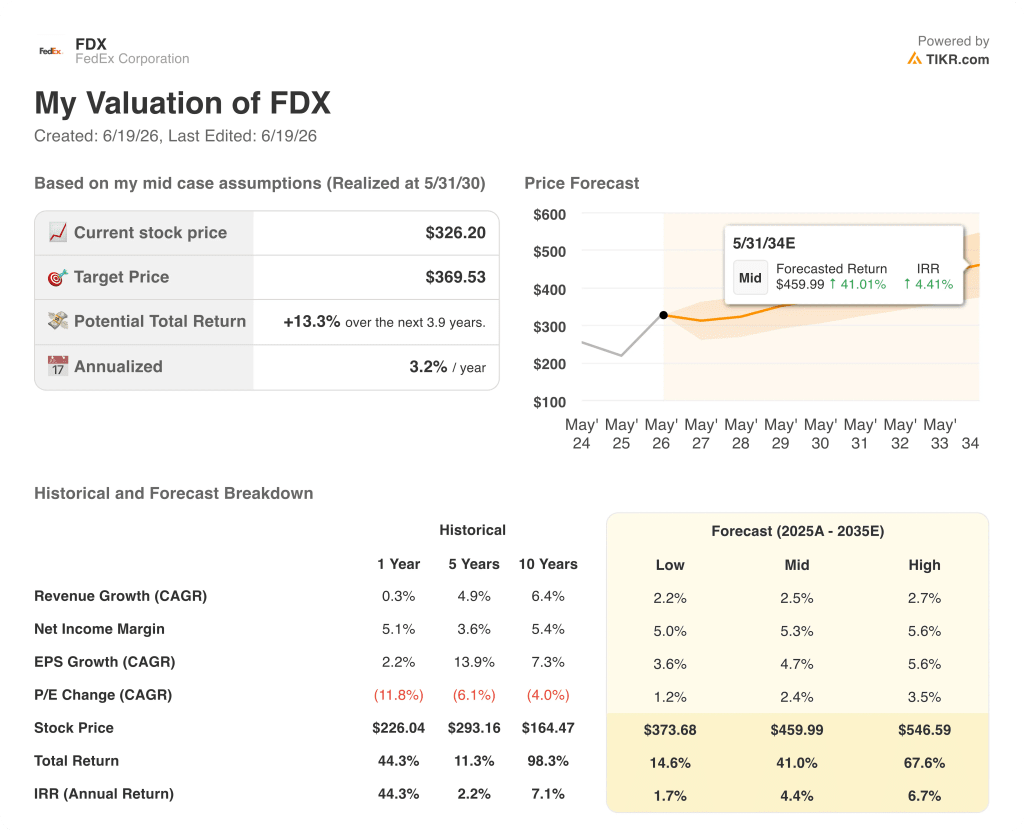
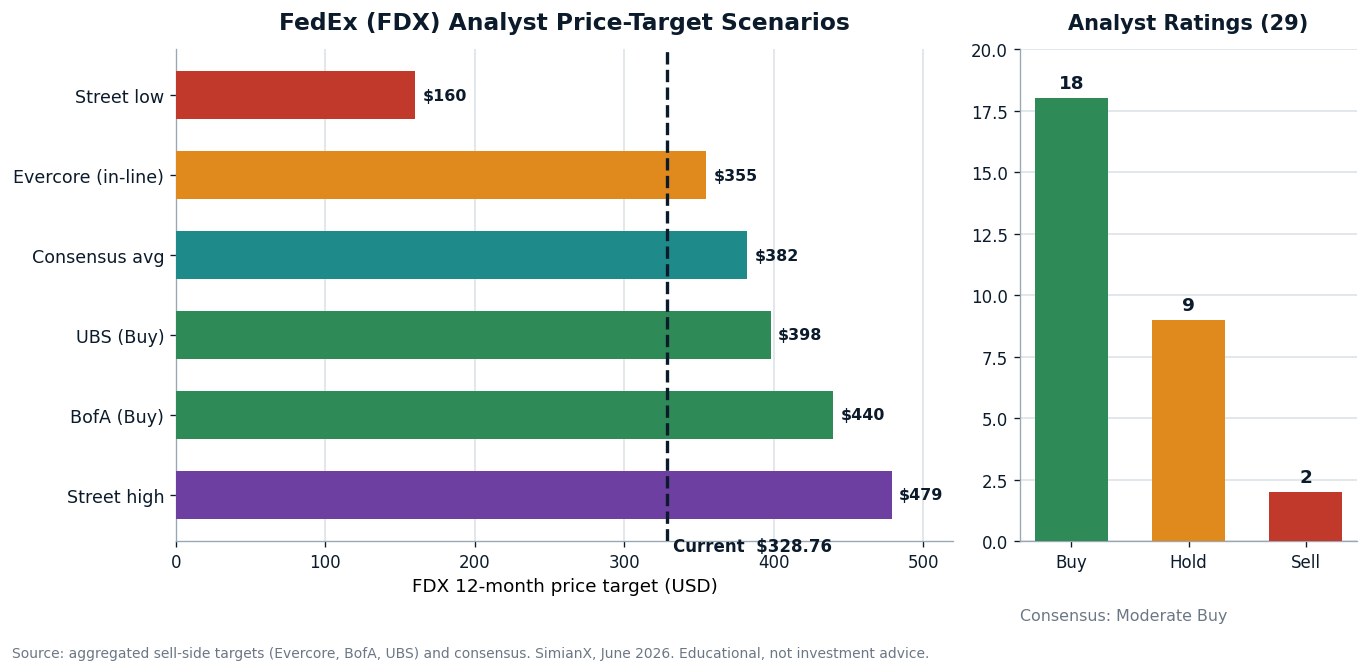
Dapat suriin ang FDX stock sa pamamagitan ng scenario framework sa halip na iisang price target. May maraming catalyst ang stock: resulta ng Q4, post-spinoff na valuation reset, monetization ng retained na Freight stake, dividend policy, epekto ng fuel surcharge, at long-term na margin goals.
Kasama sa isang balanseng research framework ang tatlong sitwasyon:
| Sitwasyon | Ano ang susuporta rito | Posibleng reaksiyon ng merkado |
|---|---|---|
| Bull case | Malakas na guidance, margin expansion, malusog na volume, malinaw na post-spinoff capital plan | Multiple expansion at positibong rebisyon ng analyst |
| Base case | Solidong EPS, magkahalong volume, matatag na guidance, kayang-pamahalaang presyon sa gastos | Range-bound na trading pagkatapos ng paunang volatility |
| Bear case | Mahinang demand, surcharge-driven na yield, pagkabigo sa margin, maingat na tono sa FY27 | Pagbawas sa EPS estimate at valuation compression |
Bilihin ba ang FDX stock pagkatapos ng kita ng FedEx?
Nakadepende iyon sa time horizon at risk tolerance ng investor. Maaaring pinaka-mahalaga sa long-term na investor kung kaya ng FedEx na abutin ang margin at free-cash-flow targets nito sa loob ng ilang taon. Maaaring mas mahalaga sa short-term na trader ang tono ng earnings call, ang guidance surprise, at ang technical levels pagkatapos ng ulat.
Isang disiplinadong paraan ang iwasang magdesisyon batay sa iisang metric. Sa halip, ihambing:
- ang valuation ng
FDXkumpara sa historical averages, - ang mga rebisyon ng kita pagkatapos ng call,
- ang trend ng volume at yield,
- ang post-spinoff na shareholder return policy,
- at ang relative performance kumpara sa mga logistics peer.
Dito mahalaga ang mga praktikal na tool. Matutulungan ng SimianX AI na buuin ang isang multi-agent na pananaw sa FDX sa pamamagitan ng paghihiwalay sa fundamental analysis, technical setup, news sentiment, at risk management. Hindi nito pinapalitan ang due diligence, ngunit mapapabilis at mas maayos nito ang proseso ng pananaliksik.
Isang hakbang-hakbang na research framework para sa kita ng FedEx 2026
Para suriin ang Kita ng FedEx 2026 nang may mas kaunting bias, gumamit ng paulit-ulit na daloy:
- Magsimula sa reported na numero. Itala ang revenue, operating income, EPS, adjusted EPS, at free cash flow.
- Ihiwalay ang adjustment sa core performance. Tukuyin ang spinoff costs, optimization charges, pension adjustments, at fiscal-year change na item.
- Basahin ang komentaryo sa segment. Tumuon sa trend ng Federal Express ngayong hiwalay na ang Freight.
- Bantayan ang lenggwahe sa fuel at surcharge. Tukuyin kung bumubuti ang yield mula sa base pricing o sa fuel mechanics.
- Suriin ang kalidad ng guidance. Ihambing ang outlook ng management sa consensus expectations.
- I-mapa ang reaksiyon ng stock laban sa inaasahan. Maaari pa ring bumagsak ang isang magandang quarter kung nakakabigo ang guidance.
- Balikan ang thesis pagkatapos ng mga rebisyon ng analyst. Hindi laging ang unang reaksiyon ang matibay na trend.
Ang layunin ay hindi hulaan ang bawat tick ng FDX. Ang layunin ay maunawaan kung ano ang magpapalakas o magpapahina sa earnings story sa susunod na ilang quarter.
Mga karaniwang pagkakamali sa pananaliksik sa kita ng FedEx
Maraming investor ang maling nakabasa sa transportation earnings dahil itinuturing nilang simpleng volume na negosyo ang logistics na kompanya. Mas masalimuot ang FedEx. Mahalaga lahat ang pricing, fuel recovery, labor costs, aircraft utilization, international mix, at network density.
Iwasan ang mga pagkakamaling ito:
- Pagbalewala sa fuel surcharges: maaaring palabis na ipakita ng surcharge-driven na revenue ang kalidad ng yield.
- Pagsobra sa halaga ng isang quarter: dapat husgahan ang transformation program sa maraming quarter.
- Hindi pagpansin sa spinoff mechanics: hindi diretsong maihahambing ang historical na resulta ng FedEx pagkatapos ng paghihiwalay ng Freight.
- Paglilito sa adjusted EPS at cash generation: nakakatulong ang adjusted earnings sa pagsusuri, ngunit kritikal ang free cash flow.
- Pag-asa sa headline lamang: kadalasang nasa earnings call at segment tables ang tunay na kuwento.
Pinakamatibay ang pananaliksik na pinagsasama ang financial statements, komentaryo ng management, market data, at scenario planning.
Paano kasya ang SimianX AI sa isang FedEx earnings workflow
Para sa mga investor na sumusubaybay sa earnings-heavy na stock tulad ng FDX, mababawasan ng isang structured na platform ang information overload. Idinisenyo ang SimianX AI para sa multi-perspective na market research, tumutulong sa paghahambing ng fundamentals, technical patterns, news sentiment, at risk signals.
Ganito maaaring magmukha ang isang praktikal na SimianX AI workflow para sa FedEx:
| Pananaw ng agent | Tanong sa pananaliksik ng FedEx |
|---|---|
| Fundamentals | Bumubuti ba ang margin at free cash flow pagkatapos ng spinoff? |
| Technical analysis | Nag-bre-breakout, nagre-reverse, o nag-co-consolidate ba ang FDX pagkatapos ng kita? |
| News sentiment | Nakatuon ba ang headlines sa guidance, fuel, taripa, o halaga ng Freight? |
| Risk management | Aling downside levels o position-sizing rules ang mahalaga? |
| Earnings analysis | Binago ba ng Q4 ang thesis sa FY27? |
Ang bentahe ay hindi na "alam" ng AI ang hinaharap. Ang bentahe ay matutulungan ng isang structured na sistema ang mga investor na magtanong nang mas mahusay, ihambing ang signals nang mabilis, at iwasan ang pag-asa sa iisang salaysay.
FAQ tungkol sa kita ng FedEx 2026
Ano ang pinakamalaking catalyst sa kita ng FedEx 2026?
Ang pinakamalaking catalyst ay ang kombinasyon ng post-spinoff na guidance at margin commentary. Alam na ng mga investor na hiwalay na ang FedEx Freight, kaya tutuon ang merkado kung kaya ng natitirang negosyo ng FedEx na maghatid ng mas malakas na earnings quality at free cash flow.
Paano makakaapekto ang FedEx Freight spinoff sa FDX stock?
Maaaring gawing mas madaling i-valuate ang FDX ng spinoff sa pamamagitan ng paghihiwalay sa LTL freight na negosyo mula sa core parcel at express network. Gayunpaman, nakadepende pa rin ang stock sa execution, demand, margin expansion, at capital allocation ng management pagkatapos ng paghihiwalay.
Bakit mahalaga sa mga investor ang mga pagbabago sa fuel surcharge ng FedEx?
Maaaring maapektuhan ng mga pagbabago sa fuel surcharge ang reported yield, shipping costs ng customer, at trend ng international revenue. Dapat ihiwalay ng mga investor ang surcharge-driven na revenue sa base pricing at sa tunay na volume growth kapag sinusuri ang earnings quality.
Ano ang dapat bantayan ng mga investor sa kita ng FedEx Q4 FY26?
Dapat bantayan ng mga investor ang adjusted EPS, operating margin, trend ng volume ng Federal Express, komentaryo sa fuel surcharge, post-spinoff na balance-sheet na aksiyon, at FY27 guidance. Maaaring mas mahalaga ang tono ng guidance kaysa sa reported na quarter.
Bullish ba o bearish ang kita ng FedEx 2026 para sa FDX stock?
Nakadepende ito kung kinukumpirma ng kita ang matibay na margin expansion at malusog na demand. Ang bullish na interpretasyon ay nangangailangan ng higit pa sa headline EPS beat; kailangan nito ng patunay ng malakas na pricing, kontroladong gastos, at malinaw na post-spinoff na estratehiya.
Konklusyon
Ang Kita ng FedEx 2026 ay isang mataas-ang-halagang paksa sa pananaliksik dahil nasa interseksiyon ito ng corporate restructuring, fuel-cost mechanics, at inaasahan ng stock market. Binibigyan ng FedEx Freight spinoff ang mga investor ng mas malinis na istruktura para suriin, habang nagdaragdag ng pagiging masalimuot ang mga pagbabago sa fuel surcharge sa interpretasyon ng revenue at yield. Para sa FDX stock, malamang na ang pinakamahalagang signal ay ang kalidad ng guidance, ang tibay ng margin, ang free cash flow, at ang post-spinoff capital allocation plan ng management.
Ang pinakamabuting paraan ay suriin ang FedEx gamit ang paulit-ulit na framework: ihiwalay ang reported at adjusted na kita, suriin ang volume kumpara sa yield, bantayan ang epekto ng fuel surcharge, at subukan ang bull/base/bear na sitwasyon pagkatapos ng call.
Para sa mas mabilis, multi-perspective na paraan ng pagsasaliksik sa FedEx, sa earnings catalyst, at sa reaksiyon ng merkado, tuklasin ang SimianX AI at bumuo ng mas disiplinadong workflow para sa pagsusuri ng stock.
Kaugnay na Babasahin
- Kita ng Broadcom 2026: AI ASIC Backlog at AVGO Stock
- Salesforce Stock 2026: Agentforce, Fin Deal at CRM Selloff
- CoreWeave Stock 2026: $100B AI Backlog vs Panganib Utang
- Alphabet Lapit sa Nvidia Market Cap: AI Trade Broadens
- Datadog AI Rally: Ano ang Hindi Napapansin ng mga Investor