ईरान के शीर्ष जनरल पर अमेरिकी हमला: स्टॉक्स गिरते, तेल चढ़ता शॉक ट्रेड करना
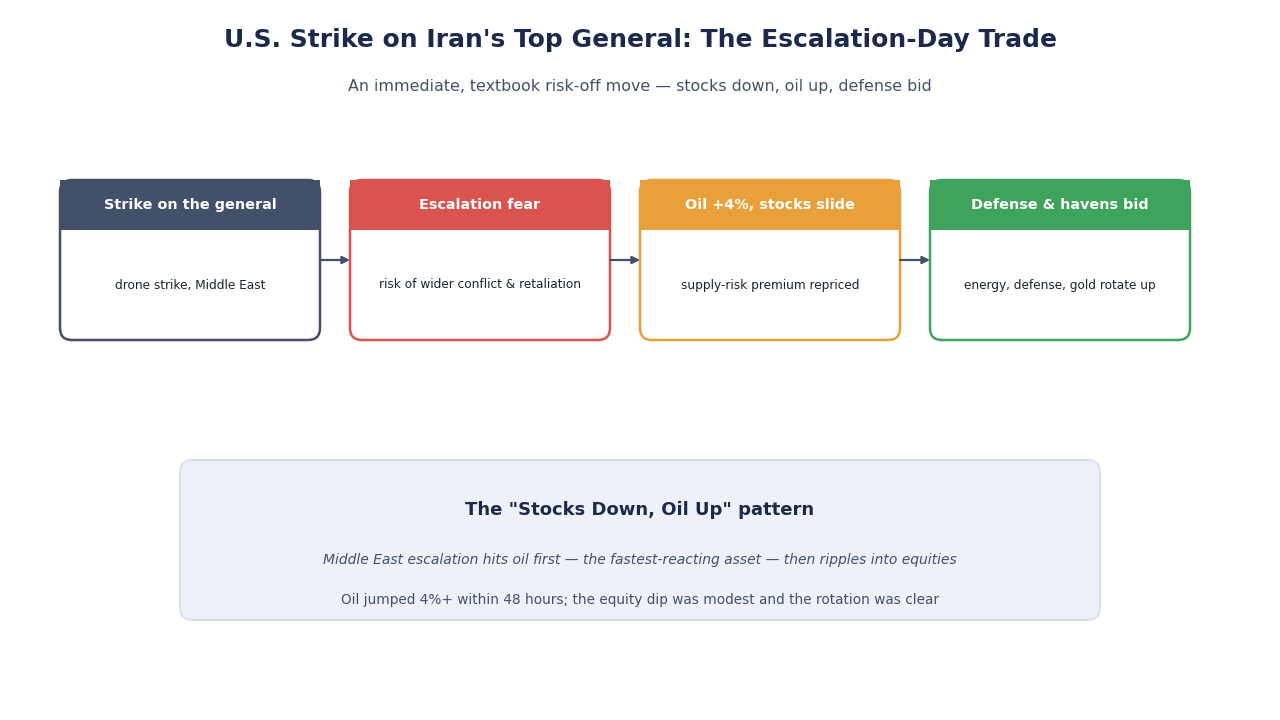
जनवरी 2020 में ईरान के शीर्ष जनरल पर अमेरिकी हमले ने आधुनिक बाज़ारों में "स्टॉक्स नीचे, तेल ऊपर" शॉक ट्रेड का एक सबसे स्पष्ट उदाहरण बनाया। कुछ घंटों के भीतर वैश्विक इक्विटी में बिकवाली हुई जबकि कच्चा तेल उछल गया — भू-राजनीतिक जोखिम का तत्काल पुनर्मूल्यांकन। ट्रेडर्स के लिए यह घटना भविष्य के संकटों से निपटने का एक दोहराने योग्य ढाँचा देती है।
आज SimianX AI जैसे टूल्स के साथ ट्रेडर्स इन घटनाओं का रियल-टाइम विश्लेषण कर सकते हैं — मैक्रो सिग्नल, सेंटिमेंट और तकनीकी संकेतकों को मिलाकर तेज़ी से बदलते भू-राजनीतिक ट्रेड्स को अधिक सटीकता से पकड़ते हैं।
तत्काल बाज़ार प्रतिक्रिया: स्टॉक्स गिरते हैं, तेल उछलता है
जब अमेरिका ने एक ड्रोन हमला किया जिसने जनरल कासिम सुलेमानी को मार दिया, तो बाज़ारों ने तुरंत प्रतिक्रिया दी:
- अमेरिकी स्टॉक्स रिकॉर्ड ऊँचाई से गिरे
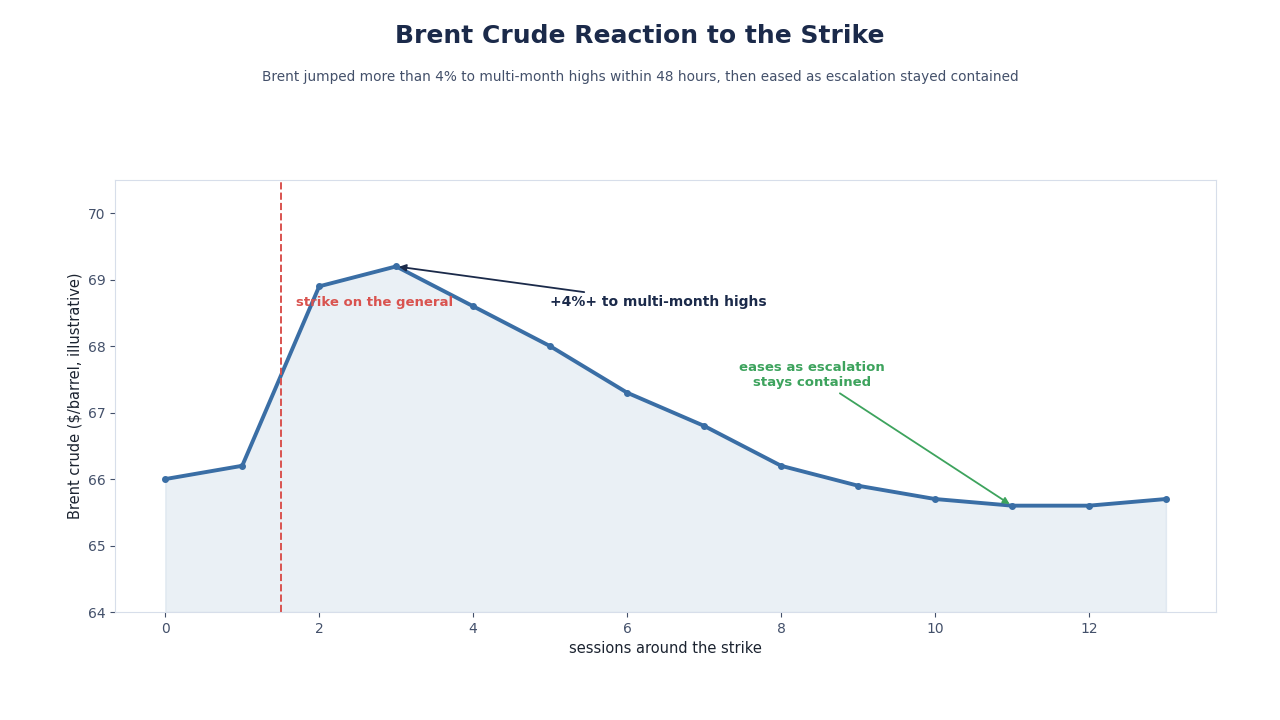
- तेल की कीमतें घंटों में 4% से अधिक उछलीं
- निवेशकों ने सोने और बॉन्ड जैसी सुरक्षित-शरण संपत्तियों की ओर रुख किया
यह प्रतिक्रिया यादृच्छिक नहीं है — यह एक गहराई से जमी बाज़ार संरचना को दर्शाती है।
"भू-राजनीतिक शॉक आमतौर पर तत्काल risk-off व्यवहार को ट्रिगर करते हैं, इक्विटी को नीचे धकेलते हुए जबकि आपूर्ति के डर से ऊर्जा कीमतें उछलती हैं।"
तेल पहले क्यों चढ़ता है
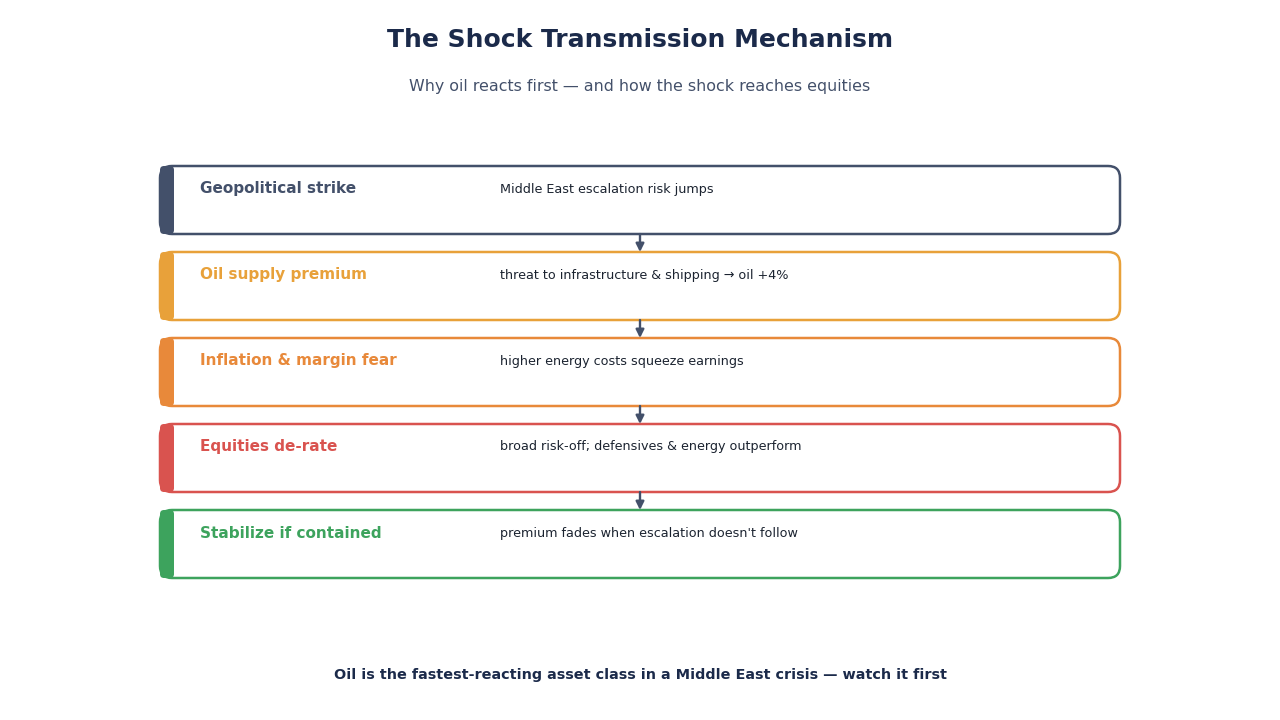
भू-राजनीतिक संकटों के दौरान, विशेषकर मध्य पूर्व में, तेल बाज़ार सबसे तेज़ प्रतिक्रिया देने वाला परिसंपत्ति वर्ग हैं:
- आपूर्ति बाधा का डर (होर्मुज जलडमरूमध्य जोखिम)
- तेल अवसंरचना पर संभावित हमले
- रणनीतिक भंडार की अनिश्चितता
ऐतिहासिक रूप से:
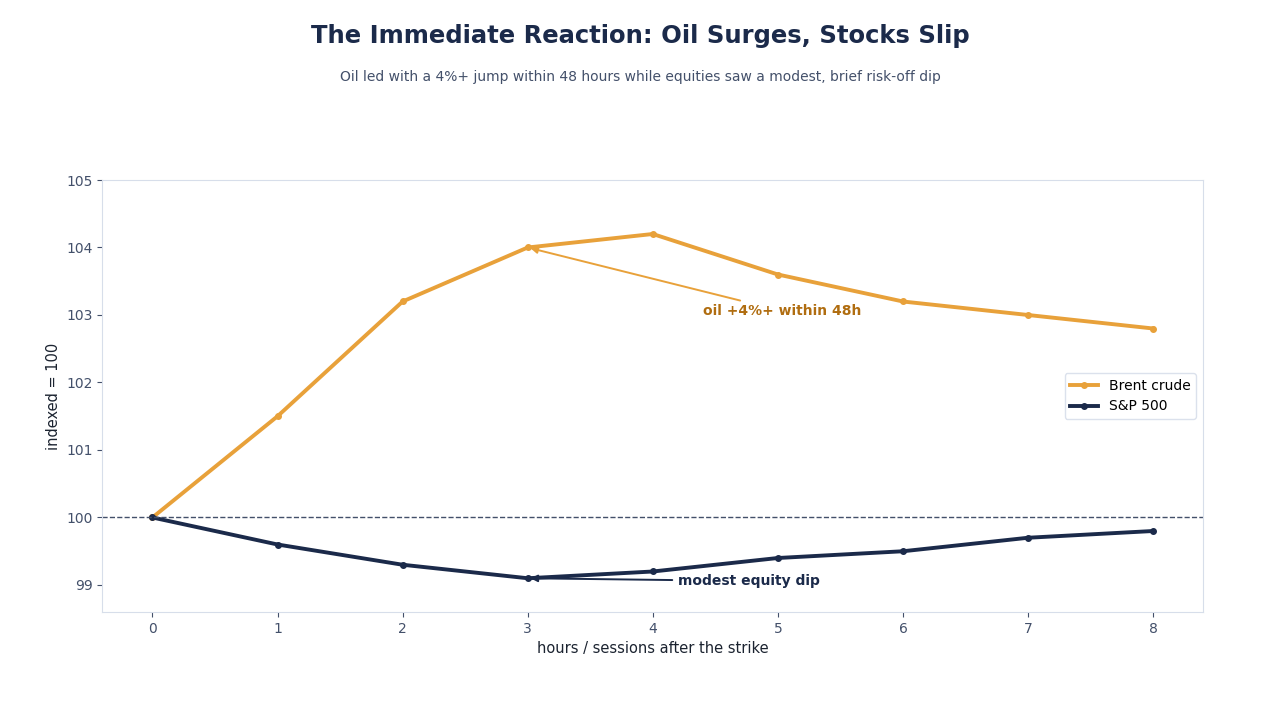
- सुलेमानी हमले के बाद तेल 48 घंटों में 4%+ उछला
- Brent कच्चा तेल कई-महीने की ऊँचाई पर पहुँचा
स्टॉक्स क्यों गिरते हैं
इक्विटी अलग तरह से प्रतिक्रिया देती है:
- बढ़ती अनिश्चितता → कम जोखिम भूख
- महँगा तेल → मुद्रास्फीति दबाव + मार्जिन संकुचन
- वैश्विक व्यापार बाधा के डर
शॉक संचरण तंत्र
शॉक कैसे फैलता है यह समझना ट्रेडिंग के लिए महत्वपूर्ण है।
| चरण | बाज़ार प्रतिक्रिया | व्याख्या |
|---|---|---|
| तत्काल (0–24घं) | तेल ↑, स्टॉक्स ↓ | जोखिम पुनर्मूल्यांकन |
| अल्पकालिक (1–3 दिन) | अस्थिरता में उछाल | समाचार + प्रतिशोध जोखिम |
| मध्यकालिक (3–10 दिन) | स्थिरीकरण | स्पष्टता उभरती है |
| दीर्घकालिक | रिकवरी | मैक्रो हावी |
दिलचस्प बात यह है कि बाज़ार अक्सर तेज़ी से रिकवर होते हैं:
- यदि कोई वृद्धि न हो तो स्टॉक्स आमतौर पर 72 घंटों में स्थिर हो जाते हैं
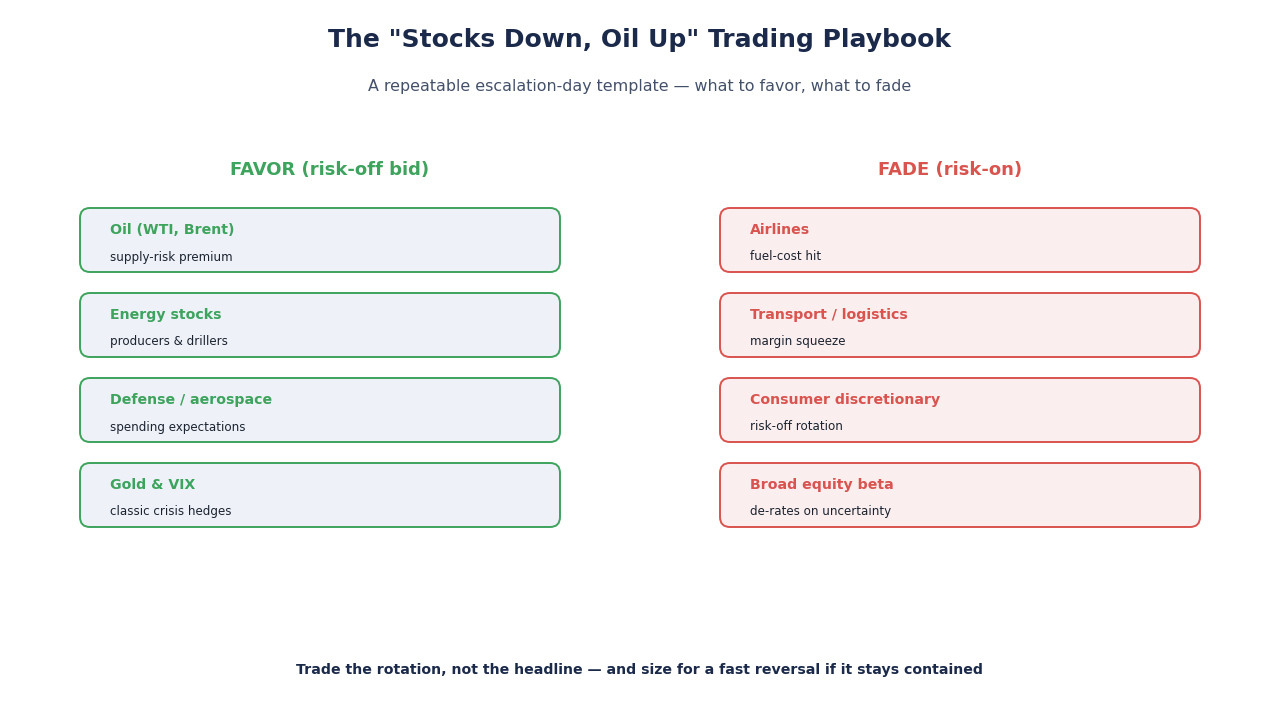
"स्टॉक्स नीचे, तेल ऊपर" प्लेबुक
यह पैटर्न एक-बारगी नहीं है — यह एक दोहराने योग्य ट्रेडिंग ढाँचा है।
मुख्य रणनीति
ट्रेड सेटअप:
- इक्विटी शॉर्ट करें (इंडेक्स फ्यूचर्स, ETFs)
- तेल लॉन्ग करें (WTI, Brent, ऊर्जा स्टॉक्स)
निष्पादन समय:
- घटना के मिनटों से घंटों के भीतर प्रवेश करें
- नैरेटिव बदलने से पहले बाहर निकलें (आमतौर पर 2–5 दिन)
देखने योग्य प्रमुख संकेतक
- तेल फ्यूचर्स (
CL,Brent) - S&P 500 फ्यूचर्स (
ES) - VIX (अस्थिरता सूचकांक)
- ट्रेज़री यील्ड (risk-off संकेत)
उच्च-विश्वास संकेत:
- तेल ब्रेकआउट + इक्विटी फ्यूचर्स में गैप डाउन
- वृद्धि की पुष्टि करने वाली सुर्खियाँ
जोखिम प्रबंधन नियम
- अत्यधिक लीवरेज से बचें (सुर्खी जोखिम अत्यधिक है)
- सख्त स्टॉप-लॉस का उपयोग करें
- राजनीतिक घटनाक्रम पर लगातार नज़र रखें
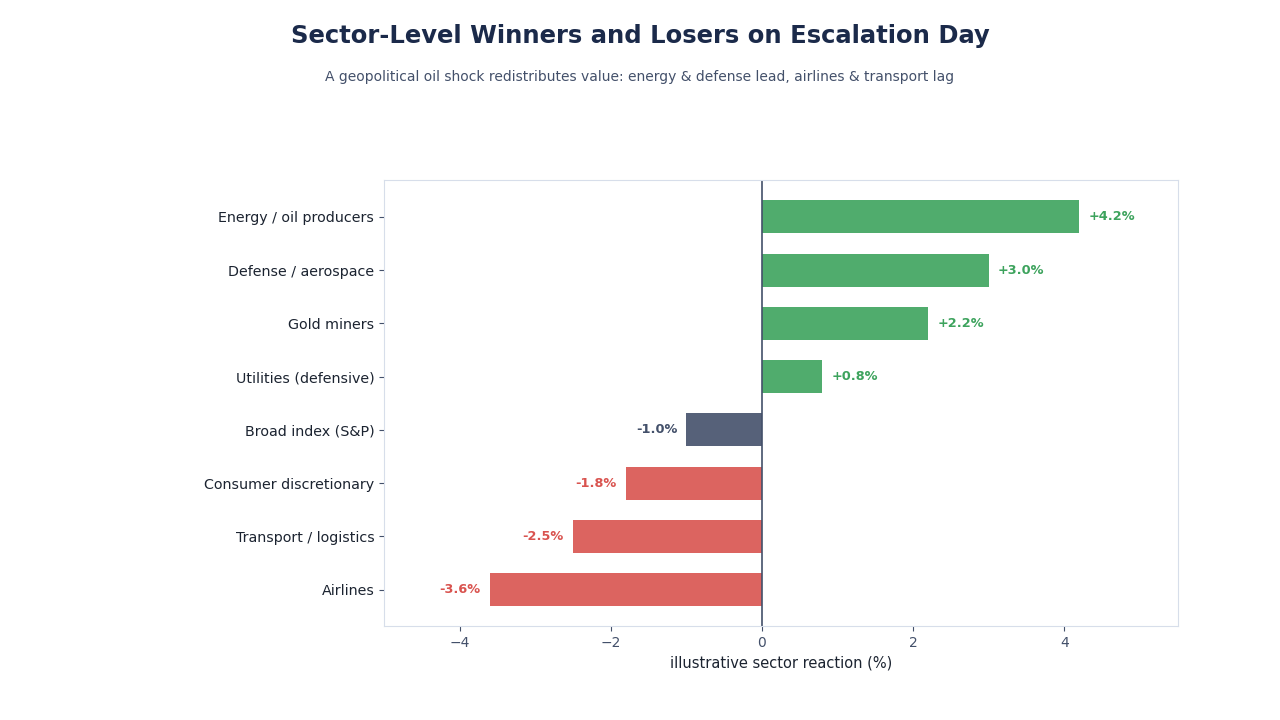
क्षेत्र-स्तर के विजेता और हारने वाले
विभिन्न क्षेत्र भू-राजनीतिक शॉक पर अलग प्रतिक्रिया देते हैं:
विजेता
- ऊर्जा स्टॉक्स (तेल उत्पादक, ड्रिलर)
- रक्षा ठेकेदार
- कमोडिटी (सोना, तेल)
हारने वाले
- एयरलाइंस (ईंधन लागत संवेदनशीलता)
- उपभोक्ता विवेकाधीन
- वैश्विक व्यापार-निर्भर क्षेत्र
| क्षेत्र | प्रभाव | कारण |
|---|---|---|
| ऊर्जा | सकारात्मक | अधिक तेल कीमतें |
| टेक | तटस्थ/हल्का नकारात्मक | जोखिम सेंटिमेंट |
| एयरलाइंस | नकारात्मक | ईंधन लागत में उछाल |
| रक्षा | सकारात्मक | बढ़ा खर्च |
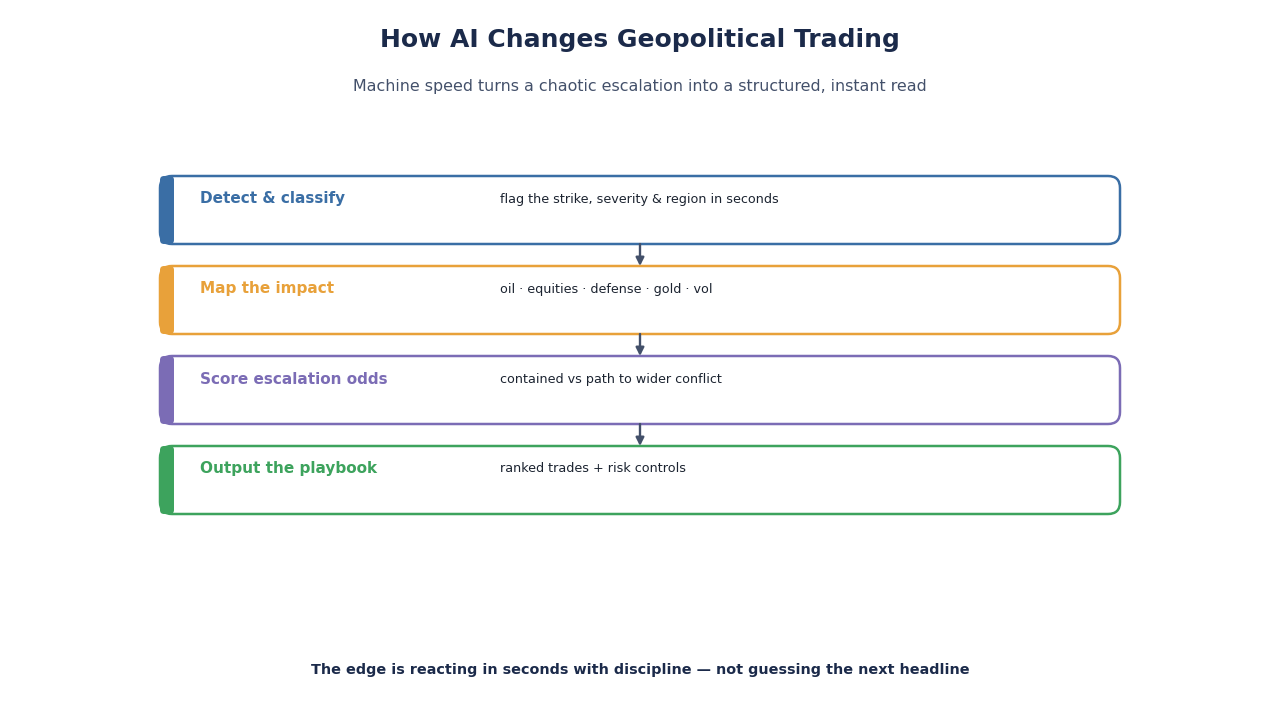
AI भू-राजनीतिक ट्रेडिंग को कैसे बदलती है
पारंपरिक ट्रेडर्स समाचार फ़ीड पर निर्भर रहते हैं। पर आधुनिक बाज़ार बहुत तेज़ी से चलते हैं।
यहीं SimianX AI महत्वपूर्ण हो जाती है।
SimianX AI अलग क्या करती है
- रियल-टाइम समाचार + सेंटिमेंट + तकनीकी को एकीकृत करती है
- मल्टी-एजेंट निर्णय मॉडल का उपयोग करती है
- कार्ययोग्य ट्रेड सिग्नल उत्पन्न करती है
अनुमान लगाने के बजाय, ट्रेडर्स कर सकते हैं:
- वृद्धि के शुरुआती संकेत पहचानना
- मल्टी-टाइमफ़्रेम प्रतिक्रियाएँ (1m → 1d) ट्रैक करना
- जोखिम बनाम इनाम को गतिशील रूप से मापना
"भू-राजनीतिक ट्रेडिंग में, गति और सिग्नल स्पष्टता पूर्वानुमान सटीकता से अधिक मायने रखती है।"
SimianX के साथ उदाहरण वर्कफ़्लो
- ब्रेकिंग भू-राजनीतिक घटना का पता लगाएँ
- सेंटिमेंट + मैक्रो ट्रिगर का विश्लेषण करें
- तकनीकी संकेतकों (EMA, RSI, MACD) से पुष्टि करें
- संरचित ट्रेड निष्पादित करें
- AI-अद्यतन जोखिम संकेतों की निगरानी करें
केस स्टडी: पैटर्न क्यों दोहराता है
सुलेमानी हमला अद्वितीय नहीं है। समान पैटर्न इनमें घटित हुए:
- Saudi Aramco हमला (2019) → तेल +15% उछाल
- ईरान मिसाइल प्रतिशोध (2020) → स्टॉक्स गिरते, तेल उछलता
- हाल की ईरान तनाव (2026) → आपूर्ति जोखिम पर तेल उछलता
बाज़ार तनाव में पूर्वानुमेय हैं क्योंकि वे इनका अनुसरण करते हैं:
- तरलता प्रवाह
- risk-off व्यवहार
- आपूर्ति-माँग शॉक
2026 और उसके बाद भू-राजनीतिक जोखिम कैसे ट्रेड करें
आधुनिक बाज़ार एक अधिक उन्नत दृष्टिकोण माँगते हैं।
अद्यतन ढाँचा
- मैक्रो + AI + निष्पादन गति को मिलाएँ
- अल्प-अवधि ट्रेड्स पर ध्यान दें
- मल्टी-एसेट पुष्टि का उपयोग करें
चरण-दर-चरण दृष्टिकोण
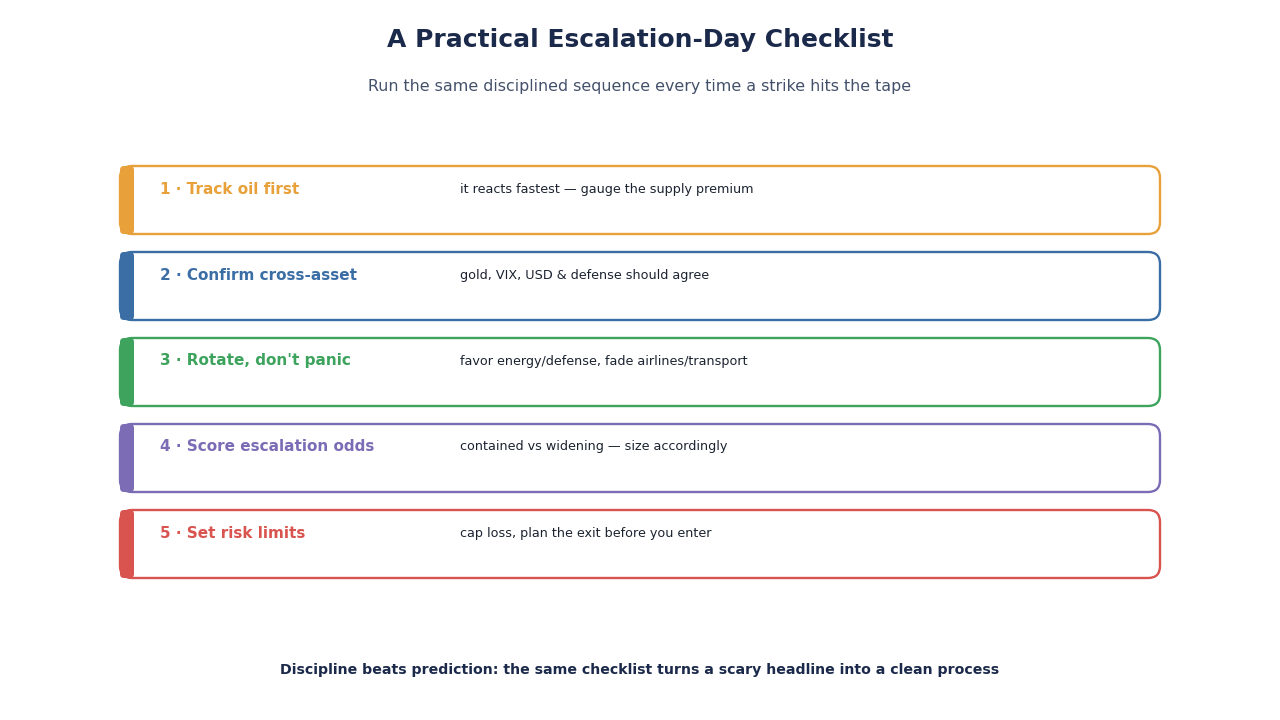
- घटना की गंभीरता पहचानें (स्थानीय बनाम वैश्विक प्रभाव)
- पहले तेल प्रतिक्रिया ट्रैक करें
- इक्विटी कमज़ोरी की पुष्टि करें
- सहसंबद्ध ट्रेड निष्पादित करें
- नैरेटिव उलटने से पहले बाहर निकलें
भू-राजनीतिक शॉक ट्रेडिंग के लिए SimianX का उपयोग कैसे करें
SimianX ठीक इन्हीं परिदृश्यों के लिए डिज़ाइन की गई है।
व्यावहारिक उपयोग मामले
- रियल-टाइम तेल ब्रेकआउट पहचान
- AI-जनित जोखिम स्कोरिंग
- मल्टी-एजेंट विश्लेषण:
- संकेतक एजेंट (तकनीकी सिग्नल)
- इंटेलिजेंस एजेंट (समाचार सेंटिमेंट)
- निर्णय एजेंट (अंतिम ट्रेड आउटपुट)
यह क्यों मायने रखता है
संरचित टूल्स के बिना:
- ट्रेडर्स देर से प्रतिक्रिया देते हैं
- इष्टतम प्रवेश चूक जाते हैं
- ट्रेड्स में बहुत देर तक रुकते हैं
SimianX के साथ:
- निर्णय व्यवस्थित बनते हैं, भावनात्मक नहीं
- सिग्नल दोहराने योग्य और मापने योग्य होते हैं
ईरान पर अमेरिकी हमले के बाज़ार प्रभाव पर FAQ
ईरान पर अमेरिकी हमले के बाद स्टॉक्स का क्या होता है?
बढ़े भू-राजनीतिक जोखिम और अनिश्चितता के कारण स्टॉक्स आमतौर पर तुरंत गिरते हैं। हालाँकि, यदि वृद्धि सीमित हो तो वे अक्सर कुछ दिनों में रिकवर हो जाते हैं।
भू-राजनीतिक संघर्ष के दौरान तेल क्यों चढ़ता है?
आपूर्ति बाधा के डर से तेल की कीमतें चढ़ती हैं, विशेषकर मध्य पूर्व जैसे क्षेत्रों में जो प्रमुख वैश्विक ऊर्जा मार्गों को नियंत्रित करते हैं।
स्टॉक्स-नीचे तेल-ऊपर परिदृश्य कैसे ट्रेड करें?
ट्रेडर्स आमतौर पर इक्विटी शॉर्ट करते हैं और तेल या ऊर्जा स्टॉक्स लॉन्ग करते हैं, 1–5 दिनों के भीतर अल्पकालिक चालों पर ध्यान देते हैं।
क्या यह पैटर्न विश्वसनीय है?
हाँ, पर केवल अल्पावधि में। जैसे ही बाज़ार वास्तविक आर्थिक प्रभाव का पुनर्मूल्यांकन करते हैं, पैटर्न तेज़ी से फीका पड़ता है।
क्या AI भू-राजनीतिक ट्रेडिंग परिणाम सुधार सकती है?
बिल्कुल। SimianX जैसे AI टूल्स रियल-टाइम डेटा संसाधित करने में मदद करते हैं, प्रतिक्रिया समय घटाते हैं और निर्णय गुणवत्ता सुधारते हैं।
निष्कर्ष
ईरान के शीर्ष जनरल पर अमेरिकी हमले ने एक क्लासिक और दोहराने योग्य बाज़ार गतिकी दिखाई: स्टॉक्स गिरते हैं, तेल चढ़ता है। इस पैटर्न को समझना ट्रेडर्स को एक शक्तिशाली बढ़त देता है — पर निष्पादन गति और अनुशासन महत्वपूर्ण हैं।
आज के बाज़ारों में मैनुअल विश्लेषण अब पर्याप्त नहीं। SimianX AI जैसे टूल्स ट्रेडर्स को भू-राजनीतिक शॉक का रियल-टाइम पता लगाने, विश्लेषण और कार्रवाई करने में सक्षम बनाते हैं, अनिश्चितता को अवसर में बदलते हैं।
यदि आप अगली भू-राजनीतिक घटना को सटीकता से ट्रेड करना चाहते हैं, तो AI-संचालित निर्णय प्रणालियों का लाभ उठाएँ — और SimianX AI से शुरू करें।
गहरा विश्लेषण: तरलता, पोज़िशनिंग और दूसरे-क्रम के प्रभाव
हालाँकि तत्काल "स्टॉक्स नीचे, तेल ऊपर" ट्रेड अच्छी तरह समझा जाता है, गहरी बढ़त दूसरे-क्रम के प्रभावों के विश्लेषण में निहित है — आरंभिक शॉक के बाद तरलता, पोज़िशनिंग और क्रॉस-एसेट प्रवाह कैसे विकसित होते हैं।
तरलता शून्य और बाध्य पुनर्मूल्यांकन
ईरान के शीर्ष जनरल पर अमेरिकी हमले के बाद पहले 24 घंटों में बाज़ारों ने केवल प्रतिक्रिया नहीं दी — उन्होंने आक्रामक रूप से पुनः पोज़िशन किया:
- मार्केट मेकर्स ने स्प्रेड चौड़े किए
- इंडेक्स फ्यूचर्स में तरलता पतली हुई
- ऑप्शंस बाज़ारों ने अस्थिरता का तीव्र पुनर्मूल्यांकन किया
यह वह बनाता है जिसे ट्रेडर्स "तरलता शून्य" कहते हैं, जहाँ:
- छोटे ऑर्डर बाज़ारों को असमान रूप से हिलाते हैं
- स्टॉप-लॉस कैस्केड अस्थिरता बढ़ाते हैं
- एल्गोरिदम अल्पकालिक मूल्य खोज पर हावी होते हैं
"भू-राजनीतिक शॉक में मूल्य चालें अक्सर मूलभूत तत्वों से कम और तरलता असंतुलन से अधिक संचालित होती हैं।"
पोज़िशनिंग समाचार से अधिक मायने रखती है
चाल का परिमाण घटना-पूर्व पोज़िशनिंग पर बहुत निर्भर करता है:
- यदि बाज़ार ओवरबॉट हैं, तो गिरावट तेज़ होती है
- यदि तेल पहले से बिड पर है, तो उछाल सीमित हो सकता है
- यदि अस्थिरता कम है, तो उछाल अधिक हिंसक होते हैं
मुख्य अंतर्दृष्टि:
- पोज़िशनिंग के आधार पर एक ही घटना भिन्न परिणाम दे सकती है।
| पूर्व-स्थिति | अपेक्षित प्रतिक्रिया |
|---|---|
| कम अस्थिरता | तीव्र उछाल |
| उच्च लीवरेज | बाध्य परिसमापन |
| risk-on सेंटिमेंट | मज़बूत उलटाव क्षमता |
ऑप्शंस बाज़ार गतिकी: छिपी परत
ऑप्शंस बाज़ार भू-राजनीतिक ट्रेडिंग में एक शक्तिशाली दृष्टि देते हैं।
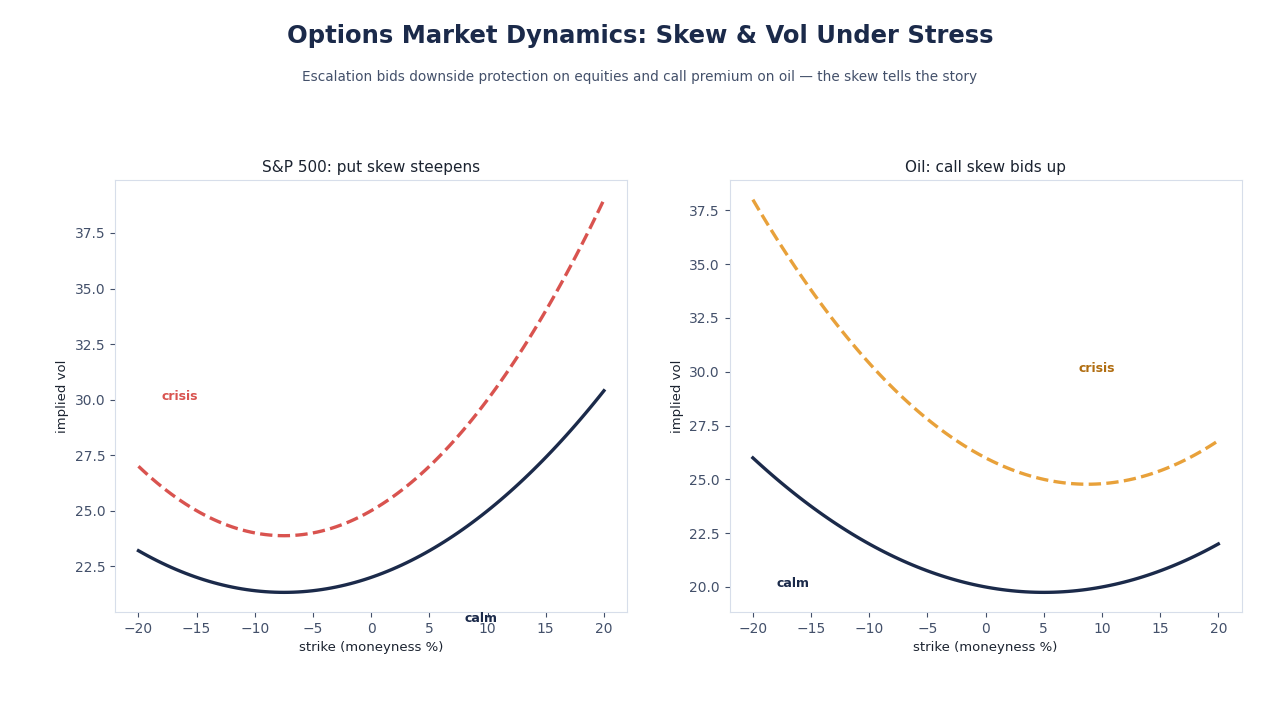
अस्थिरता विस्फोट
हमले के बाद:
- VIX तेज़ी से उछला
- पुट ऑप्शंस काफ़ी महँगे हो गए
- अंतर्निहित अस्थिरता सभी परिपक्वताओं में फैली
यह अवसर बनाता है:
- अल्पकालिक अस्थिरता ट्रेड्स
- gamma scalping रणनीतियाँ
- घटना-संचालित ऑप्शंस पोज़िशनिंग
स्क्यू और टेल जोखिम मूल्यन
संकटों के दौरान:
- डाउनसाइड सुरक्षा (पुट) अत्यंत महँगी हो जाती है
- तेल में कॉल स्क्यू बढ़ता है (उछाल की अपेक्षा)
उन्नत ट्रेडर्स निगरानी करते हैं:
- पुट/कॉल अनुपात
- स्क्यू की तीव्रता
- अंतर्निहित बनाम वास्तविक अस्थिरता विचलन
व्यावहारिक रणनीति
- घटना के आरंभ में तेल कॉल ऑप्शंस खरीदें
- इक्विटी पुट से हेज करें
- जैसे ही अस्थिरता चरम पर पहुँचे, बाहर निकलें
तनाव में क्रॉस-एसेट सहसंबंध
सबसे महत्वपूर्ण गतिकियों में से एक यह है कि सहसंबंध कैसे बदलते हैं।
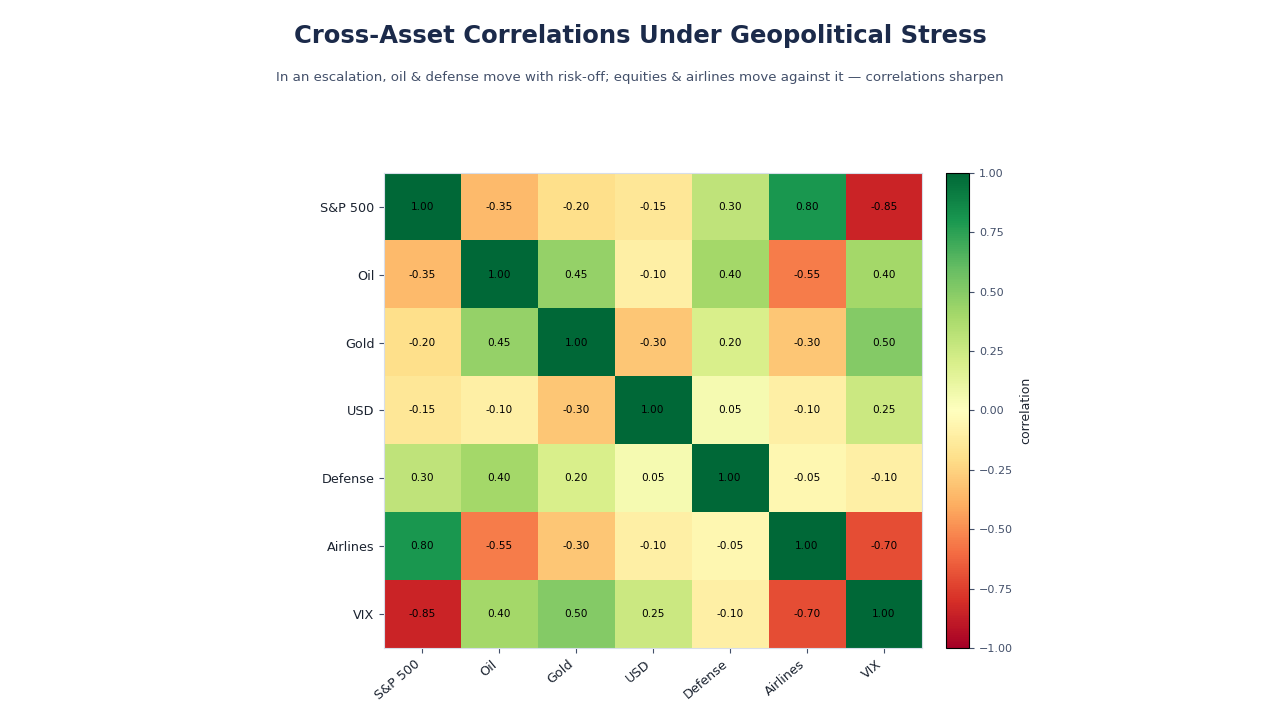
सामान्य बनाम संकट सहसंबंध
| एसेट जोड़ी | सामान्य | संकट |
|---|---|---|
| स्टॉक्स बनाम तेल | मिश्रित | प्रबल नकारात्मक |
| स्टॉक्स बनाम सोना | कमज़ोर | प्रबल नकारात्मक |
| तेल बनाम सोना | कमज़ोर | प्रबल सकारात्मक |
यह क्यों मायने रखता है
- विविधीकरण टूट जाता है
- सहसंबंध risk-off पैटर्न की ओर अभिसरण करते हैं
- पोर्टफ़ोलियो हेजिंग कम प्रभावी हो जाती है
"संकट व्यवस्थाओं में, सब कुछ एक ही कारक पर ट्रेड करता है: जोखिम।"
एल्गोरिदमिक ट्रेडिंग और प्रतिक्रिया गति
आधुनिक बाज़ारों पर एल्गोरिदम हावी हैं।
उच्च-आवृत्ति ट्रेडिंग की भूमिका
- समाचार-आधारित एल्गोरिदम मिलीसेकंड में प्रतिक्रिया देते हैं
- ऑर्डर फ़्लो असंतुलन तुरंत पता चलते हैं
- मूल्य खोज तेज़ होती है
यह चुनौतियाँ बनाता है:
- मानव ट्रेडर्स हमेशा देर से होते हैं
- प्रवेश समय महत्वपूर्ण बनता है
- शोर काफ़ी बढ़ता है
SimianX AI इसे कैसे बदलती है
SimianX AI के साथ ट्रेडर्स कर सकते हैं:
- कई टाइमफ़्रेम पर सिग्नल तुरंत पता लगाना
- समाचार + तकनीकी + सेंटिमेंट एकत्र करना
- संरचित निर्णय-निर्माण निष्पादित करना
देर से प्रतिक्रिया देने के बजाय, ट्रेडर्स कर सकते हैं:
- संस्थागत प्रवाह की पहली लहर के साथ संरेखित होना
- झूठे सिग्नल से बचना
- प्रवेश समय को अनुकूलित करना
व्यवहारिक वित्त: भय, अति-प्रतिक्रिया और रिकवरी
बाज़ार पूरी तरह तर्कसंगत नहीं हैं।
भय चक्र
- शॉक → घबराहट बिकवाली
- मीडिया प्रवर्धन
- खुदरा अति-प्रतिक्रिया
- संस्थागत स्थिरीकरण
अति-प्रतिक्रिया पैटर्न
- आरंभिक चालें अक्सर उचित मूल्य से आगे निकल जाती हैं
- उलटाव ट्रेड्स अत्यधिक लाभदायक बनते हैं
- माध्य-प्रत्यावर्तन आम है
उदाहरण:
- दिन 1 पर स्टॉक्स तीव्र गिरते हैं
- 2–3 दिनों में स्थिर होते हैं
- 1–2 सप्ताह में रिकवर होते हैं
ट्रेडिंग अंतर्दृष्टि
- पहली चाल = momentum ट्रेड
- दूसरी चाल = माध्य-प्रत्यावर्तन ट्रेड
ऊर्जा बाज़ार सूक्ष्म-संरचना
तेल बाज़ार इक्विटी से अलग व्यवहार करते हैं।
फ्यूचर्स वक्र गतिकी
भू-राजनीतिक शॉक के दौरान:
- फ़्रंट-मंथ अनुबंध उछलते हैं
- backwardation बढ़ती है
- भंडार अपेक्षाएँ बदलती हैं
मुख्य चालक
- भौतिक आपूर्ति जोखिम
- शिपिंग मार्ग
- रणनीतिक भंडार
ट्रेड निहितार्थ
- अल्पकालिक ट्रेड्स फ़्रंट-मंथ फ्यूचर्स पर केंद्रित होते हैं
- दीर्घकालिक ट्रेड्स मैक्रो दृष्टिकोण पर निर्भर होते हैं
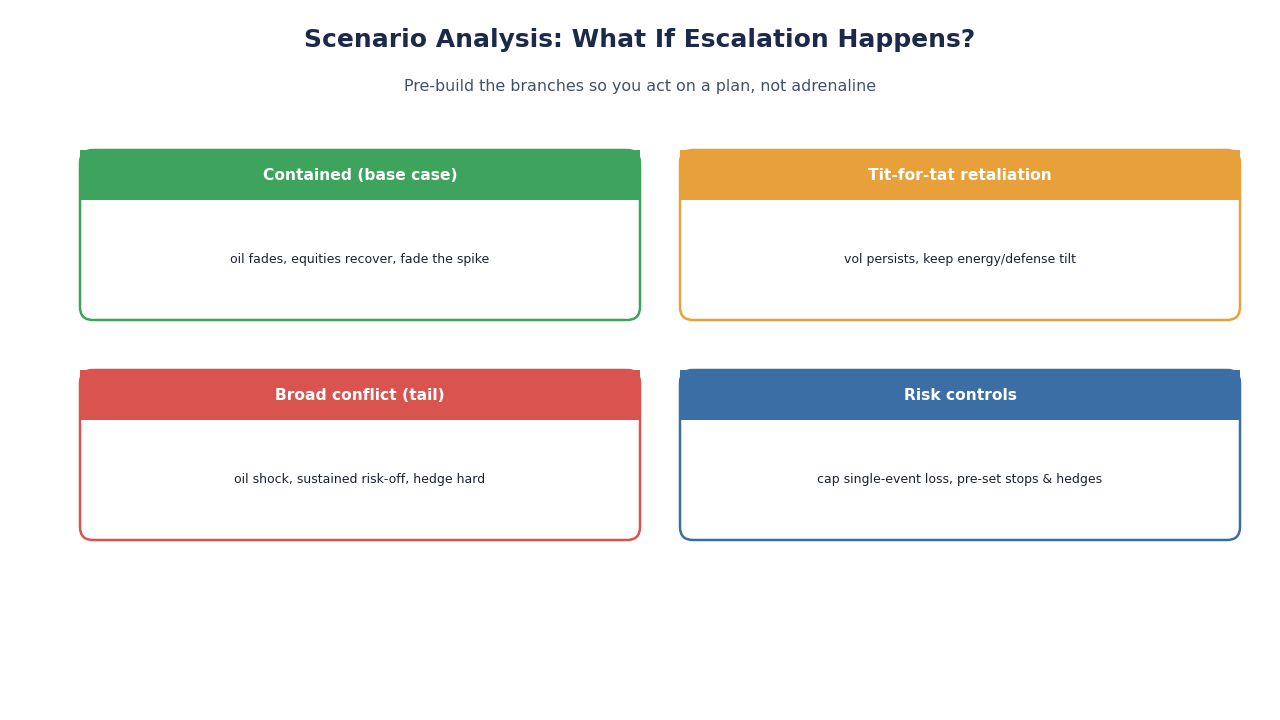
परिदृश्य विश्लेषण: यदि वृद्धि हो तो क्या?
सभी शॉक समान नहीं हैं।
परिदृश्य 1: सीमित संघर्ष
- तेल अस्थायी रूप से उछलता है
- स्टॉक्स तेज़ी से रिकवर होते हैं
- अस्थिरता फीकी पड़ती है
परिदृश्य 2: क्षेत्रीय वृद्धि
- निरंतर तेल रैली
- लंबी इक्विटी कमज़ोरी
- बढ़ा रक्षा खर्च
परिदृश्य 3: वैश्विक संघर्ष
- गंभीर इक्विटी गिरावट
- कमोडिटी व्यापक रूप से उछलती हैं
- संरचनात्मक बाज़ार बदलाव
| परिदृश्य | तेल | स्टॉक्स | अस्थिरता |
|---|---|---|---|
| सीमित | ↑ अल्पकालिक | ↓ फिर रिकवर | उछाल फिर फीका |
| क्षेत्रीय | ↑ निरंतर | ↓ लंबा | ऊँची |
| वैश्विक | ↑↑ | ↓↓↓ | अत्यधिक |
दोहराने योग्य ट्रेडिंग ढाँचा बनाना
भू-राजनीतिक घटनाओं को लगातार ट्रेड करने के लिए, आपको एक संरचित प्रणाली चाहिए।
5-चरण ढाँचा
- घटना पहचान
- गंभीरता आकलन
- क्रॉस-एसेट पुष्टि
- निष्पादन
- निकास रणनीति
मुख्य सिद्धांत
- पूर्णता से अधिक गति
- भावना से अधिक संरचना
- पूर्वानुमान से अधिक अनुशासन
SimianX AI को वर्कफ़्लो में एकीकृत करना
मल्टी-एजेंट लाभ
SimianX कई AI एजेंट का उपयोग करती है:
- संकेतक एजेंट → तकनीकी सिग्नल
- इंटेलिजेंस एजेंट → समाचार और सेंटिमेंट
- फ़ंडामेंटल्स एजेंट → मैक्रो संदर्भ
- निर्णय एजेंट → अंतिम ट्रेड आउटपुट
अनुकूलन
ट्रेडर्स कर सकते हैं:
- प्रति एजेंट भिन्न मॉडल चुनना
- रिफ्रेश आवृत्ति समायोजित करना
- विभिन्न टाइमफ़्रेम के लिए अनुकूलित करना
रियल-टाइम निर्णय समर्थन
- 1-मिनट सिग्नल → अति-छोटे ट्रेड्स
- 15-मिनट सिग्नल → इंट्राडे पोज़िशनिंग
- दैनिक सिग्नल → मैक्रो ट्रेंड संरेखण
उन्नत रणनीति: मल्टी-टाइमफ़्रेम संरेखण
यह क्यों मायने रखता है
अधिकांश ट्रेडर्स हारते हैं क्योंकि वे:
- उच्च टाइमफ़्रेम ट्रेंड के विरुद्ध ट्रेड करते हैं
- मैक्रो संदर्भ की अनदेखी करते हैं
संरेखण रणनीति
- प्रवेश के लिए 1m का उपयोग करें
- पुष्टि के लिए 15m का उपयोग करें
- दिशा के लिए 1d का उपयोग करें
उदाहरण:
- दैनिक ट्रेंड तेल में तेज़ी
- 15m ब्रेकआउट पुष्ट
- 1m प्रवेश अनुकूलित
अत्यधिक अस्थिरता में जोखिम प्रबंधन
मुख्य नियम
- पोज़िशन आकार घटाएँ
- स्टॉप अनुशासन बढ़ाएँ
- रातभर एक्सपोज़र से बचें
टेल जोखिम सुरक्षा
- हेजिंग के लिए ऑप्शंस का उपयोग करें
- संपत्तियों में विविधता लाएँ
- संकेंद्रण से बचें
मनोवैज्ञानिक अनुशासन
- पूर्व-निर्धारित नियमों पर टिके रहें
- भावनात्मक निर्णयों से बचें
- प्रक्रिया पर ध्यान दें
ऐतिहासिक भू-राजनीतिक घटनाओं से सबक
सुलेमानी हमला एक व्यापक पैटर्न में फ़िट बैठता है।
घटनाओं भर के मुख्य निष्कर्ष
- आरंभिक प्रतिक्रिया पूर्वानुमेय है
- दीर्घकालिक प्रभाव अक्सर सीमित है
- बाज़ार तेज़ी से अनुकूलित होते हैं
सामान्य गलतियाँ
- देर से प्रवेश का पीछा करना
- उलटाव संकेतों की अनदेखी
- दीर्घकालिक प्रभाव का अधिमूल्यन
भविष्य का परिदृश्य: AI-संचालित भू-राजनीतिक ट्रेडिंग
बाज़ार विकसित हो रहे हैं।
क्या बदल रहा है
- तेज़ सूचना प्रवाह
- बढ़ता एल्गोरिदमिक प्रभुत्व
- अधिक अस्थिरता क्लस्टरिंग
AI की भूमिका
SimianX जैसी AI प्रणालियाँ:
- रियल-टाइम में विशाल डेटा संसाधित करती हैं
- मनुष्यों से तेज़ पैटर्न पहचानती हैं
- संरचित निर्णय ढाँचे प्रदान करती हैं
"ट्रेडिंग का भविष्य पूर्वानुमान नहीं — बुद्धिमान प्रतिक्रिया है।"
ट्रेडर्स के लिए व्यावहारिक चेकलिस्ट
घटना से पहले
- भू-राजनीतिक हॉटस्पॉट पर नज़र रखें
- तेल बाज़ार पोज़िशनिंग ट्रैक करें
- अस्थिरता स्तर का विश्लेषण करें
घटना के दौरान
- तेल उछाल की पुष्टि करें
- इक्विटी गिरावट की पुष्टि करें
- तेज़ी से निष्पादित करें
घटना के बाद
- स्थिरीकरण संकेतों की निगरानी करें
- उलटाव अवसर पहचानें
- व्यवस्थित रूप से बाहर निकलें
अंतिम रणनीतिक अंतर्दृष्टि
"स्टॉक्स नीचे, तेल ऊपर" ट्रेड वैश्विक बाज़ारों के सबसे विश्वसनीय पैटर्न में से एक है — पर केवल उनके लिए जो समझते हैं:
- समय
- संरचना
- निष्पादन
SimianX AI के साथ ट्रेडर्स एक महत्वपूर्ण बढ़त पाते हैं:
- तेज़ सिग्नल पहचान
- बहु-आयामी विश्लेषण
- अनुशासित निष्पादन
विस्तारित FAQ: उन्नत भू-राजनीतिक ट्रेडिंग
भू-राजनीतिक ट्रेड्स आमतौर पर कितने समय चलते हैं?
अधिकांश उच्च-प्रभाव ट्रेड्स वृद्धि जोखिम और बाज़ार स्पष्टता के आधार पर 1 से 5 दिन चलते हैं।
भू-राजनीतिक शॉक के दौरान ट्रेड करने के लिए सबसे अच्छी संपत्ति कौन सी है?
तेल आमतौर पर सबसे तेज़ और सबसे प्रतिक्रियाशील संपत्ति है, उसके बाद सोना और अस्थिरता उपकरण।
क्या स्टॉक्स शॉक के बाद तेज़ी से रिकवर हो सकते हैं?
हाँ, यदि वृद्धि सीमित हो, तो अंतर्निहित आर्थिक स्थिरता के कारण स्टॉक्स अक्सर कुछ दिनों में रिकवर होते हैं।
संस्थान इन घटनाओं को कैसे ट्रेड करते हैं?
वे क्रॉस-एसेट रणनीतियों, ऑप्शंस हेजिंग और एल्गोरिदमिक निष्पादन पर निर्भर रहते हैं।
क्या मैनुअल ट्रेडिंग अभी भी व्यवहार्य है?
हाँ, पर केवल संरचित प्रणालियों के साथ। SimianX जैसे AI टूल्स निरंतरता और समय को काफ़ी सुधारते हैं।
अंतिम निष्कर्ष
ईरान के शीर्ष जनरल पर अमेरिकी हमले ने एक शक्तिशाली और दोहराने योग्य बाज़ार गतिकी उजागर की: भू-राजनीतिक शॉक तत्काल, ट्रेड करने योग्य विस्थापन बनाते हैं।
हालाँकि, इन ट्रेड्स में सफलता के लिए चाहिए:
- गति
- अनुशासन
- मल्टी-एसेट जागरूकता
आज के बाज़ारों में AI का लाभ उठाना अब वैकल्पिक नहीं — यह आवश्यक है।
जानें कि SimianX AI कैसे आपको भू-राजनीतिक अनिश्चितता को संरचित, उच्च-संभावना ट्रेडिंग अवसरों में बदलने में मदद कर सकती है।
संबंधित लेख
- ईरान-अमेरिका युद्ध का स्टॉक्स पर असर: AI Risk सिग्नल लाइव
- 2019 सऊदी अरामको ड्रोन: तेल+20%, स्टॉक्स-5% हमला पूरी गाइड
- सीरिया एयरस्ट्राइक 2017: S&P 500 -1.2%, उसी सप्ताह रिकवरी
- 1991 खाड़ी युद्ध काउंटडाउन: तेल दोगुना, युद्ध-पूर्व सेटअप
- रूस-यूक्रेन युद्ध स्टॉक प्रभाव: Sectors, VIX, Risk प्लान गाइड
- स्टॉक्स के लिए 7 AI रिस्क रडार: ब्रेड्थ, रिविजन, स्क्यू 2026