
 作者:Muke
用AI監控降低DeFi風險:從鏈上訊號到預警響應
AI 監控以降低 DeFi 風險不再是“可有可無”的選擇——它是控制性回撤和醒來面對清算級聯之間的區別。DeFi 24/7 運行,風險是可組合的,失敗迅速傳播:價格預言機的故障變成壞債事件,進而變成流動性緊縮,最終導致強制出售。本研究概述了一個實用的工程風格框架,以持續監控 DeFi,及早檢測新興威脅,並通過數據驅動的分析來降低風險——同時保持可解釋性和可操作性。在此過程中,我們將提到 SimianX AI 如何幫助團隊建立可重複的鏈上監控工作流程,減少手動開銷。
DeFi 風險格局:實際上什麼會崩潰(以及為什麼 AI 有幫助)
DeFi 風險很少是單點故障。它是 一個依賴網路:合約、預言機、流動性場所、橋樑、治理和激勵。傳統的“研究”(閱讀文件、檢查 TVL、掃描審計報告)是必要的,但對於即時防禦來說是不夠的。
AI 的幫助在於它可以:
- 同時監控多個訊號(跨鏈、池和合約)。
- 檢測制度轉變,這對人類來說看起來像是“噪音”。
- 通過可重複的評分和操作手冊標準化決策。
- 通過早期警報減少反應時間。
以下是您可以實際監控的風險的具體分類。
| 風險類別 | 典型失敗模式 | 您可以監控的內容(訊號) |
|---|---|---|
| 智慧合約 | 重入、訪問控制錯誤、邏輯缺陷 | 異常的函數調用模式、權限變更、突然的管理行動 |
| 預言機 | 過時價格、操控、餵價中斷 | 預言機偏差 vs. DEX TWAP、更新頻率差距、波動性激增 |
| 流動性 | 深度崩潰、提款潮 | 固定大小的滑點、LP 流出、流動性集中 |
| 槓桿 / 清算 | 連鎖清算 | 借貸利用率、健康因子分佈、清算量 |
| 橋接 / 跨鏈 | 利用、暫停、脫鉤 | 橋接進出異常、驗證者變更、包裝資產差異 |
| 治理 | 惡意提案、參數詐騙 | 提案內容變更、投票集中、執行時間窗口 |
| 激勵 | 基於排放的「假收益」 | 費用 vs 排放份額、雇傭流動性比率、獎勵計劃變更 |
最危險的事件很少是「未知的未知」。它們是已知的失敗模式,到來的速度超過人類的追蹤能力——尤其是在訊號分散在合約和鏈上時。
AI 驅動的 DeFi 監控所需數據
一個監控系統的好壞取決於其數據。目標是建立一個足夠即時以便行動、足夠乾淨以便建模、以及足夠可審計以便解釋的管道。
核心鏈上數據來源
- 交易追蹤與事件日誌:合約調用、參數更新、管理行為。
- DEX 狀態:池儲備、交換、LP 鑄造/燃燒、費用累積、TWAP 餵價。
- 借貸狀態:總供應/借貸、利用率、抵押因子、清算。
- 預言機餵價:更新間隔、價格變動、與參考市場的偏差。
- 代幣流動:主要持有者動向、交易所存款、橋接轉移。
- 治理:提案、投票、時間鎖、執行交易。
鏈外及「半鏈外」來源(可選但有用)
- 審計報告(結構化為檢查清單)
- 開發者通信(發布說明、論壇)
- 市場結構數據(CEX 價格、永久合約資金利率)
- 社交訊號(僅作為弱指標——絕不作為主要證據)
一個實用的方法是將所有原始輸入標準化為:
- 實體:
protocol,contract,pool,asset,wallet,chain
- 事件:
swap,borrow,repay,liquidation,admin_change,proposal_created
- 特徵:在滾動窗口上的數值摘要 (
5m,1h,1d)
特徵工程:將鏈上活動轉化為風險訊號
模型不理解“風險”。它們理解模式。特徵工程就是將混亂的鏈上現實轉化為可測量的訊號。
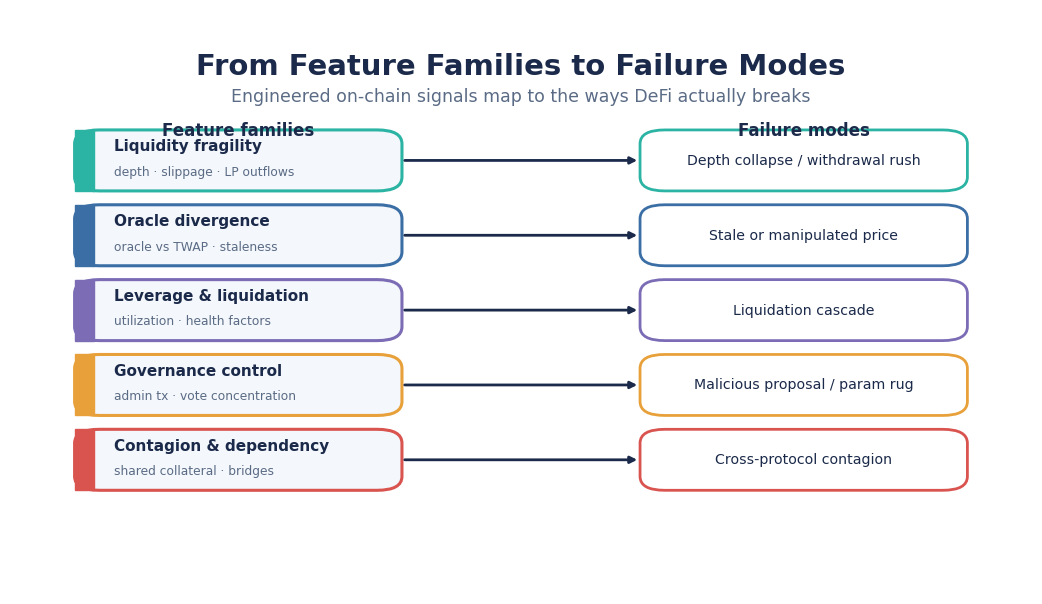
高訊號特徵家族(附範例)
1) 流動性脆弱性
depth_1pct: 在1%價格影響內可用的流動性
slippage_$100k: 固定交易規模的預期滑點
lp_outflow_rate: 每小時/每天的LP供應變化
liquidity_concentration: 前幾大LP錢包持有的流動性百分比
2) 預言機偏差
oracle_minus_twap: 預言機價格與DEX TWAP之間的差異
stale_oracle_flag: 超過閾值的預言機更新缺失
jump_size: 在一個時間窗口內最大的單次更新
3) 槓桿與清算壓力
utilization = borrows / supply
hf_distribution: 用戶健康因子的直方圖(或代理)
liq_volume_1h: 最近一小時的清算量
collateral_concentration: 對單一抵押資產的依賴
4) 協議控制與治理風險
admin_tx_rate: 特權交易的頻率
permission_surface: 角色/擁有者的數量及其變更頻率
vote_concentration: 投票權的基尼係數
5) 傳染與依賴暴露
shared_collateral_ratio: 跨協議的抵押品重疊
bridge_dependency_score: 對包裝資產/橋的依賴
counterparty_graph_centrality: 協議在流動網路中的中心性
一個簡單但有效的技術是計算 滾動 z 分數 和穩健統計:
robust_z = (x - median) / MAD
- 使用多個窗口來檢測尖峰 (
5m) 和漂移 (7d)。
實用的“風險訊號”檢查清單(人類可讀)
- 當波動性上升時,流動性會消失嗎?
- 預言機價格的行為是否與市場價格不同?
- 利用率上升是否在悄然建立槓桿?
- 特權角色是否意外變化?
- 大型錢包的移動方式是否在壓力之前(橋樑流出、CEX 存款)?
AI 監控 DeFi 風險緩解在實踐中如何運作?
將其視為事件響應循環,而不是預測比賽。工作的重點是 早期檢測 + 可解釋的診斷 + 嚴謹的行動。
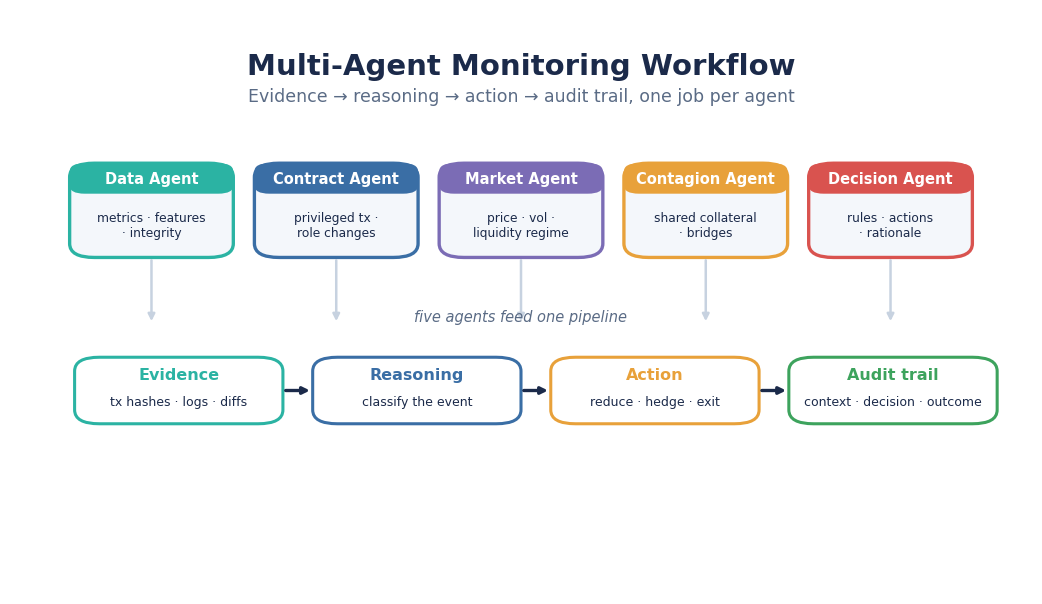
4D 工作流程:檢測 → 診斷 → 決策 → 文件
- 檢測(機器優先)
- 對關鍵特徵進行流式異常檢測
- 對已知故障模式(例如,預言機過時)設置閾值警報
- 對結構性變化(流動性狀態變化)進行變更點檢測
- 診斷(人類 + 代理)
- 確定哪些訊號驅動了警報(頂部特徵歸因)
- 提取支持證據:交易哈希、合約調用、參數差異
- 對事件進行分類:預言機問題 vs 流動性耗盡 vs 管理事件
- 決策(規則 + 風險預算)
- 應用行動手冊:減少風險敞口、對沖、暫停、輪換抵押品
- 位置大小規則:當不確定性上升時限制風險敞口
- 如果涉及特權控制,則升級處理
- 文件(審計追蹤)
- 儲存警報上下文、證據、決策和結果
- 跟踪假陽性和漏報事件
- 更新閾值和特徵
目標不是「完美預測」。而是可衡量的損失嚴重性減少和更快的反應,並且盡量減少盲點。
哪些模型最適合 DeFi 異常檢測?
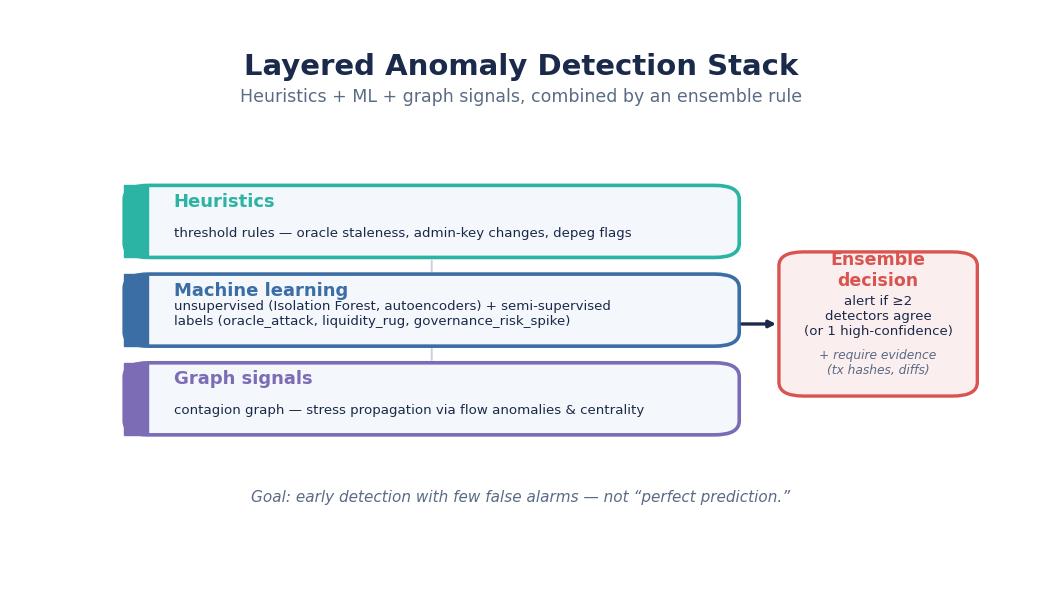
大多數團隊採用分層的方法開始:
- 無監督檢測(最適合未知模式)
- 隔離森林,穩健的 z-score 集合
- 特徵向量上的自編碼器
- 密度模型(注意漂移)
- 半監督分類(最適合已知事件類型)
- 訓練標籤如
oracle_attack、liquidity_rug、governance_risk_spike
- 使用經過校準的概率,而不是原始分數
- 基於圖的風險模型(最適合傳染)
- 建立資產、池、錢包和協議的圖
- 使用流異常和中心性變化檢測「壓力傳播」
一個實用的「集成」決策是:
- 如果兩個獨立檢測器達成一致或一個檢測器超過高置信度閾值,則發出警報。
- 在升級之前要求證據附件(交易哈希、差異)。
多代理系統和 LLMs:從警報到可解釋的分析
當 LLMs 被正確使用時,它們在 DeFi 監控中非常強大:作為產生結構性推理和檢索證據的分析師,而不是毫無根據的預測者。
一個有用的代理團隊看起來像這樣:
- 數據代理:提取即時指標,計算特徵,檢查數據完整性
- 合約代理:解釋特權交易,解碼函數簽名,檢查角色變更
- 市場代理:為價格/波動性/流動性制度提供背景
- 傳染代理:映射依賴關係(共享抵押品、橋樑、相關的流動性提供者)
- 決策代理:應用規則,生成建議行動,並記錄理由
這是 SimianX AI 自然適合的地方:它旨在支持可重複的分析工作流程和多代理研究循環,因此團隊可以將分散的鏈上證據轉化為可解釋的決策。相關的實用指南如下:
重要的守則(不可妥協)
- 要求引用鏈上證據(交易哈希,事件日誌)
- 強制結構化輸出(決策的
json類似架構)
- 將“假設”與“已驗證的事實”分開
- 對於高風險行動保持確定性規則(例如,“如果管理密鑰變更 + 流動性下降 40% 則退出”)
評估:如何知道你的監控有效(在你需要之前)
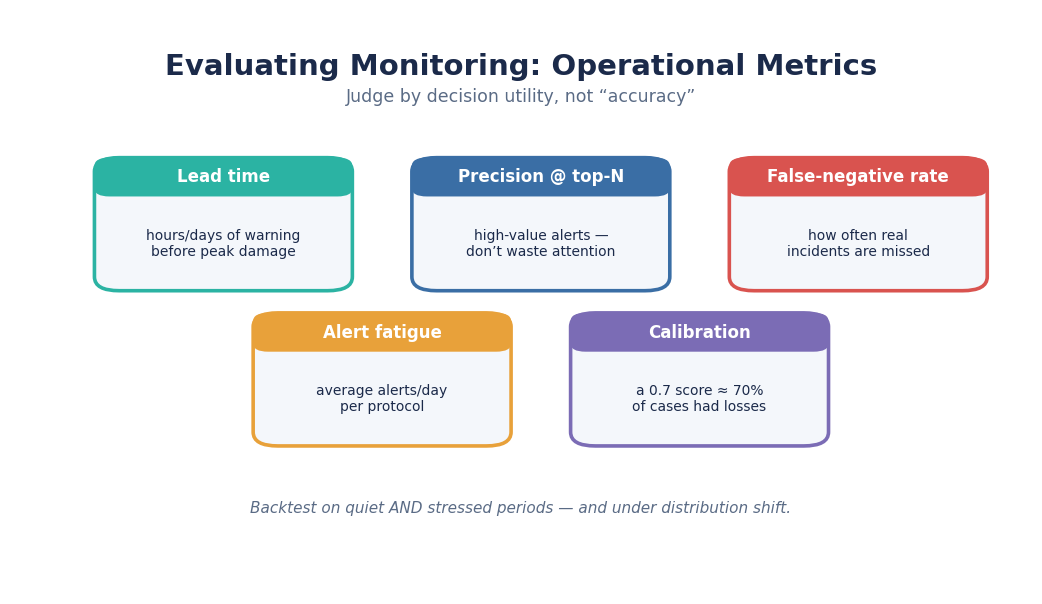
許多監控系統失敗是因為它們被錯誤的指標評判。“準確性”不是目標。使用操作指標:
主要評估指標
- 提前時間:在峰值損害之前你提前了多少分鐘/小時?
- 前 N 警報的精確度:你是否浪費了人類的注意力?
- 假陰性率:你錯過真實事件的頻率是多少?
- 警報疲勞:每個協議的平均警報/天
- 校準:
0.7的風險分數是否意味著 ~70% 的類似案例有損失?
不要自欺欺人的回測
- 在“安靜期” 和 壓力期進行回測
- 包括 數據中斷 和鏈擁堵情境
- 在 分佈變化 下測試你的系統:
- 新的激勵措施
- 新的池/市場
- 新的鏈
- 合約升級
你今天可以進行的壓力測試
- 流動性衝擊:模擬 30–60% 的流動性提供者撤回並計算滑點影響
- 預言機衝擊:注入過時的數據窗口並建模清算結果
- 相關性衝擊:假設在危機中抵押品的相關性達到 1
- 橋接衝擊:建模包裝資產與原生資產的差異
監控架構:從串流數據到可行的警報
一個穩健的系統看起來像一個生產服務,而不是一本筆記本。
| 組件 | 功能 | 實用提示 |
|---|---|---|
| 索引器 / ETL | 提取日誌、追蹤、狀態 | 使用重組安全的索引和重試 |
| 事件總線 | 串流事件(swap、admin_change) | 保持架構版本化 |
| 特徵庫 | 計算滾動指標 | 儲存窗口特徵(5m、1h、7d) |
| 模型服務 | 即時評分風險 | 版本模型 + 閾值 |
| 警報引擎 | 將警報路由到通道 | 添加去重 + 壓制規則 |
| 儀表板 | 分流的視覺上下文 | 顯示“為什麼”(頂部訊號) |
| 行動手冊 | 預定義的行動 | 將行動與風險預算掛鈎 |
| 審計日誌 | 證據 + 決策 | 對改善系統至關重要 |
簡單的警報政策(範例)
- 嚴重性 1(立即行動):特權角色變更 + 流動性崩潰 + 預言機偏差
- 嚴重性 2(減少風險):利用率激增 + 清算量激增 + 融資轉為負值
- 嚴重性 3(觀察名單):流動性集中或治理投票集中緩慢漂移
使用 速率限制 和 冷卻時間,以防止一個嘈雜的池子對你進行垃圾郵件攻擊。
操作手冊:實際有效的減緩行動
檢測而不採取行動僅僅是娛樂。圍繞 部位大小、風險限額 和 傳染控制 建立緩解手冊。
緩解選單(根據您的任務選擇)
- 減少風險:當風險評分上升時縮小部位大小
- 輪換抵押品:優先選擇流動性更高、相關性較低的抵押品
- 對沖:在壓力期間使用永續合約/選擇權來減少方向性風險
- 退出條件:對於管理變更、預言機故障、橋接異常的硬性規則
- 熔斷器:在重複高嚴重性警報時暫停策略
一條輕量級的“風險預算”規則:
- 根據波動性和流動性確定基礎部位大小:
- 當
slippage_$100k超過閾值時限制大小
- 當
utilization上升且清算量加速時減少大小
每個高嚴重性警報的分析師檢查清單
- 確認證據:交易哈希 / 事件日誌
- 確定爆炸半徑:哪些協議/池依賴於此?
- 檢查流動性退出路徑:您能否在不承受大量滑點的情況下退出?
- 決定行動:減少/對沖/退出
- 記錄結果:改善未來閾值
實際示例:監控貸款協議 + DEX池
讓我們走過一個現實的場景。
場景A:貸款協議清算級聯風險
通常在級聯之前出現的訊號:
utilization穩步上升(借貸需求超過供應)
- 健康因子聚集在1附近(許多帳戶接近清算)
- 預言機偏差增加(市場價格移動快於預言機)
- 清算量開始上升
緩解工作流程:
- 將上升的利用率 + 健康因子聚集標記為“壓力前期”
- 如果預言機偏差超過閾值,則提高嚴重性
- 減少風險或對沖
- 如果清算加速,退出或輪換抵押品以降低相關性
情境 B:DEX 池流動性詐騙 / 突然深度崩潰
早期警告訊號:
- LP 流出激增(LP 銷毀事件激增)
- 流動性集中度增加(頂級 LP 控制大部分流動性)
- 即使是中等規模的滑點也會跳升
- 大型錢包轉移到橋接或 CEX 存款地址
緩解工作流程:
- 在 LP 流出異常 + 滑點跳升時觸發警報
- 確認提款是否為有機(市場壓力)或針對性(詐騙行為)
- 減少部位規模,避免增加流動性,擴大風險緩衝
- 如果管理員活動同時發生,立即提升嚴重性
自建 vs 購買:工具選項(以及 SimianX AI 的適用位置)
您可以自己建構這個堆棧——許多團隊都是這樣做的。困難的部分包括:
- 在各鏈之間維護索引器和數據管道
- 將合約事件標準化為一致的架構
- 創建可靠的特徵和標籤
- 在不疲勞的情況下運行警報路由
- 保持可審計的決策記錄
SimianX AI 可以通過幫助您建構研究工作流程、自動化證據收集以及標準化監控洞察如何轉化為決策,來加速“分析層”。如果您的目標是從臨時儀表板轉向可重複的風險流程,請從 SimianX AI 開始,並根據您的任務調整工作流程(LP、借貸、財庫或交易)。
有關 AI 監控 DeFi 風險緩解的常見問題
如何使用 AI 監控 DeFi 協議而不產生假陽性?
使用集成方法:將簡單的啟發式(預言機過時、管理員變更)與異常模型結合,然後要求至少兩個獨立訊號的證實。添加警報去重、冷卻時間和嚴重性層級,以便分析師僅查看重要內容。
什麼是 DeFi 風險評分,它可以被信任嗎?
DeFi 風險評分是一種結構化的方式,將多個風險訊號總結為可比較的尺度(例如,0–100 或低/中/高)。只有在可解釋的情況下(哪些訊號驅動了評分)並且與歷史結果如回撤、清算或利用事件進行校準時,它才是可信的。
使用鏈上數據追蹤穩定幣脫鉤風險的最佳方法是什麼?
監控主要池的流動性深度、與參考市場的脫鉤偏差以及大型持有者流入橋接/交易所的情況。當流動性變薄和大型持有者重新定位時,脫鉤風險通常會上升——尤其是在更廣泛的波動性激增期間。
LLM 能否在 DeFi 利用事件發生之前進行預測?
LLM 不應被視為預測工具。它們最適合用來 總結證據、解釋交易意圖和標準化事件報告——而確定性規則和定量模型則負責檢測和行動閾值。
我該如何使用 AI 驅動的 DeFi 監控來確定部位大小?
將大小與流動性和壓力指標掛鈎:隨著滑點增加、利用率上升和相關性激增而減少大小。將監控評分視為您基本大小的“風險乘數”,而不是二元交易訊號。
結論
AI 驅動的監控將 DeFi 風險管理從反應式的滅火轉變為一個營運系統:即時訊號、可解釋的警報和 有紀律的緩解手冊。最強的結果來自於將啟發式方法與異常檢測相結合,增加基於圖形的傳染視圖,並保持人類參與,提供清晰的審計痕跡。如果您想要一個可重複的工作流程來監控協議、用證據診斷警報並一致行動,請探索 SimianX AI 並圍繞一個您可以測量、壓力測試和改進的框架建立您的監控過程。
延伸閱讀
- AI建模DeFi波動率與連鎖反應傳染風險:完整實戰分析框架
- AI 提前預警 DeFi 流動性風險
- AI代理分析DeFi協議風險:TVL、真實收益率與對手方敞口
- AI解決加密貨幣價格數據延遲與失準風險
- AI驅動的DeFi收益分析:APY、流動性與隱藏風險全拆解
- 用AI測試DeFi真實收益與尾部風險:超越APY頭條數字
- 用AI分析DeFi基金支出、資金週轉期與協議長期可持續性
- 多智能體AI驅動的加密貨幣即時市場分析與單一執行決策系統