
 By Muke
How to trade in crypto bear market: a risk-first playbook
If you’re searching for how to trade in crypto bear market conditions, you’re already thinking the right way: in a downtrend, the goal is not to “be right,” it’s to stay alive long enough to catch high-quality opportunities. Bear markets punish overconfidence, thin liquidity punishes sloppy execution, and volatility punishes oversized positions. Your edge comes from process—risk limits, repeatable setups, and disciplined decision-making—not prediction.
In this guide, we’ll build a practical bear-market playbook you can apply immediately, whether you’re an active trader or a cautious investor who still wants selective exposure. Along the way, I’ll also show how tools like SimianX AI can help you organize research, stress-test theses, and keep emotions out of execution.
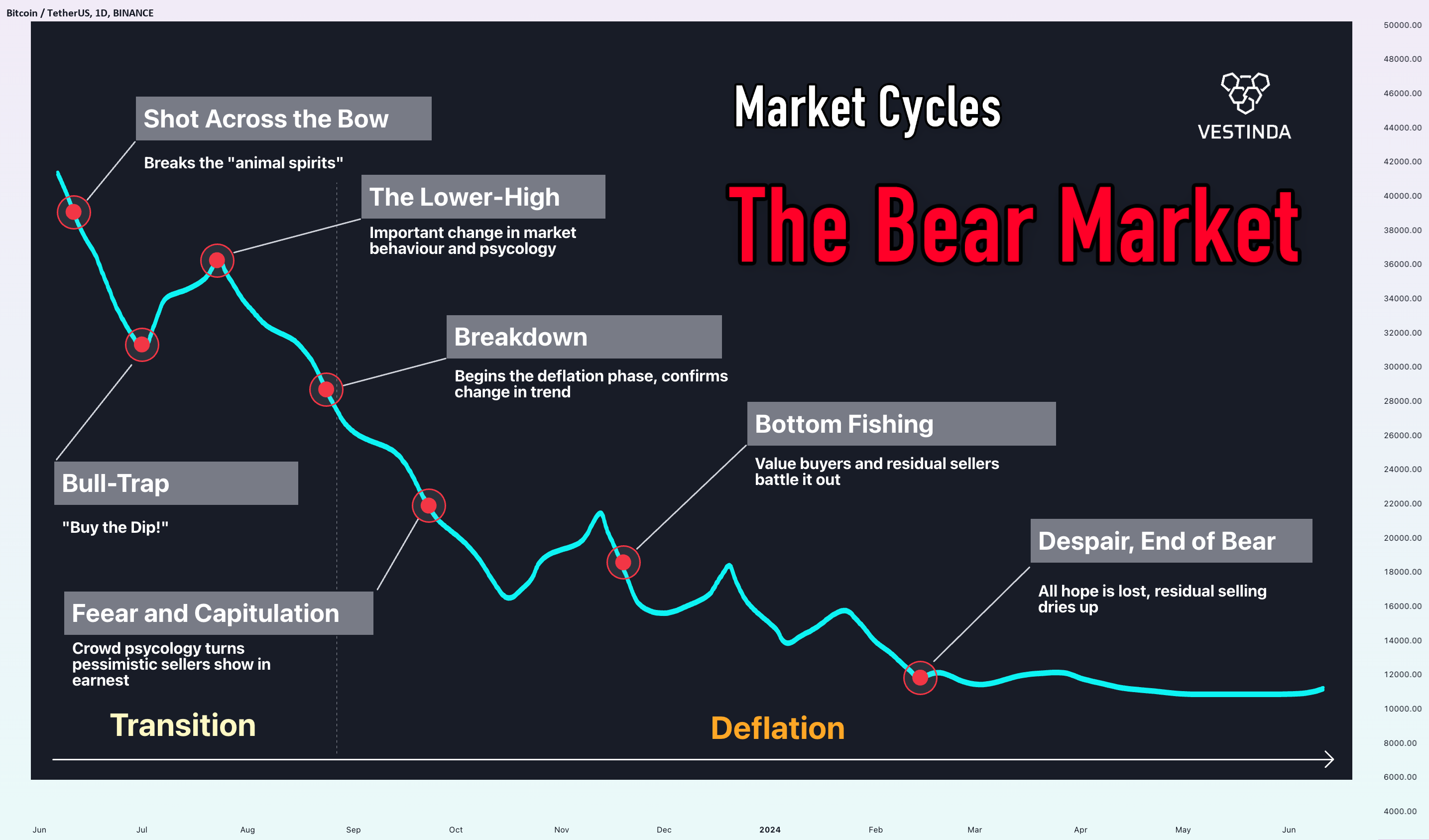
What changes in a crypto bear market (and why most traders fail)
A crypto bear market is not just “prices going down.” It’s a regime shift in behavior:
- Liquidity thins: order books get weaker, slippage grows, and stop runs become more common.
- Volatility clusters: you get violent rallies inside a downtrend, then sharp reversals.
- Correlations rise: many assets move together, so diversification “breaks” at the worst time.
- Narratives decay: hype cycles collapse, and fundamentals (cash flow, revenue, runway) matter more.
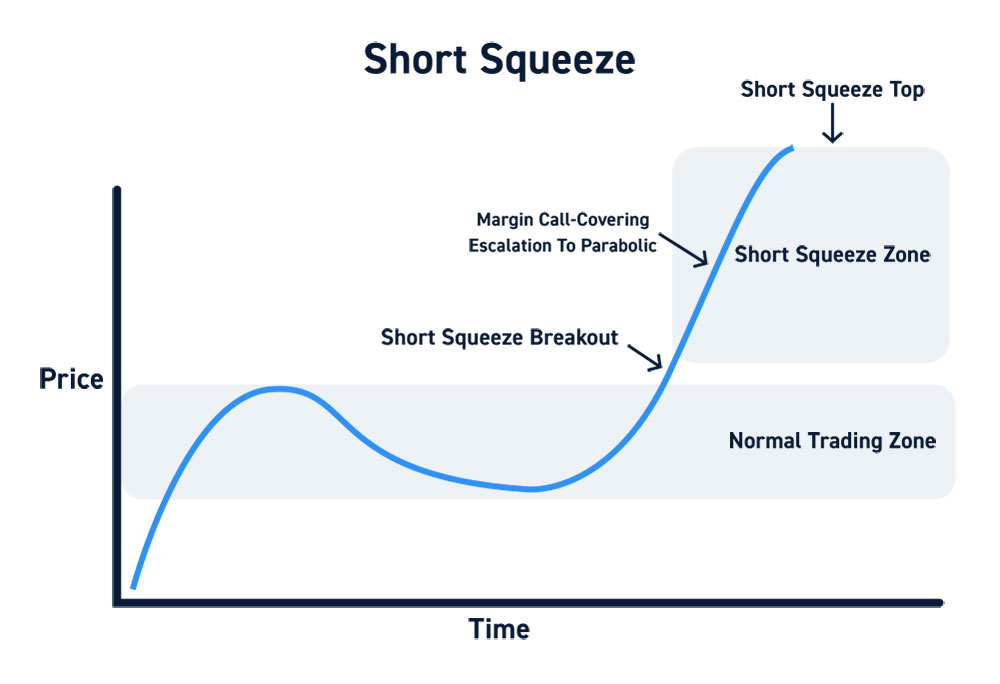
- Funding/positioning becomes a weapon: crowded longs/shorts get squeezed, often repeatedly.
Key idea: In bear markets, your first job is to avoid large losses. Returns come later.
Common failure patterns:
- Overtrading chop (getting whipsawed in range-bound conditions)
- Revenge trading (doubling down after losses)
- Excess leverage (liquidation risk becomes the strategy)
- No plan for rallies (missing short entries or getting trapped buying “breakouts”)
- Bag-holding illiquid alts (liquidity disappears when you need it most)
The 3-layer bear market framework: survive, select, execute
Think of your bear-market trading system as three layers:
- Survive (Risk Controls): position sizing, max drawdown rules, leverage constraints
- Select (Setups & Filters): when you trade, what you trade, and what you ignore
- Execute (Entries & Exits): orders, stops, take-profits, and post-trade review
If you skip Layer 1, Layers 2 and 3 don’t matter.
Layer 1: Survive — build non-negotiable risk rules
Here are non-negotiables that keep you in the game:
- Define “ruin” (e.g., 25% equity drawdown) and stop trading before you hit it.
- Cap risk per trade (typical:
0.25%–1%of account equity). - Cap daily/weekly loss (e.g., stop for the day at
-2Ror-3R). - Reduce leverage (bear markets punish leverage via wicks and gap risk).
- Avoid illiquid pairs (or size them as if slippage is guaranteed).
A bear market strategy is often just a risk management strategy with a few strong setups.
Rule-of-thumb position sizing (simple):
- Decide your max loss per trade:
Account * Risk% - Decide your stop distance:
Entry - Stop - Position size:
MaxLoss / StopDistance
Example:
- Account:
$10,000 - Risk per trade:
0.5%→$50 - Stop distance:
2.5% - Position size ≈
$50 / 0.025 = $2,000(spot), or smaller if you expect slippage.
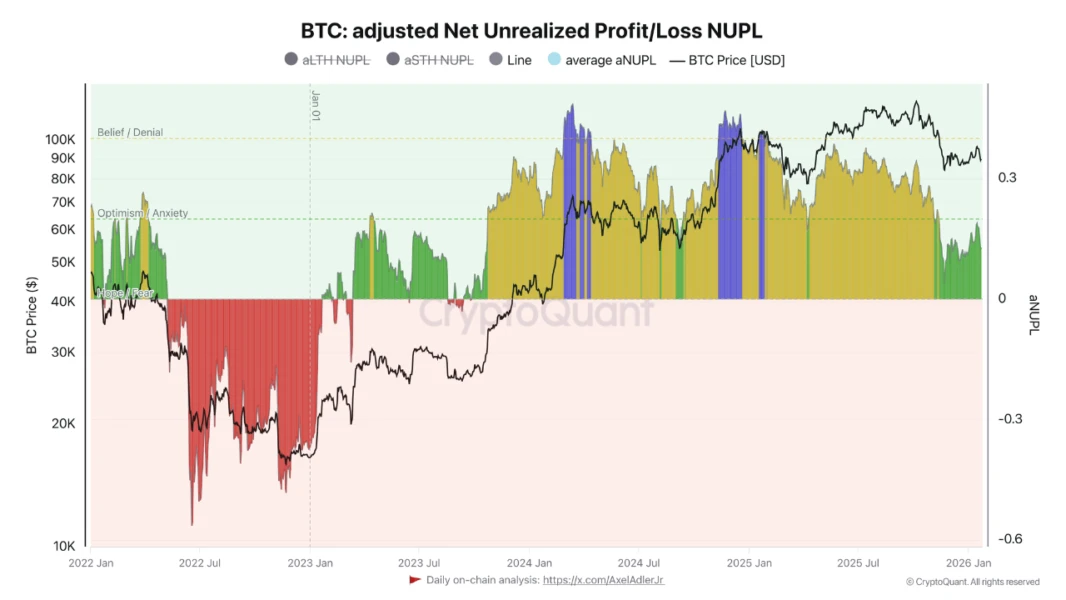
How to identify the bear-market regime (so you stop fighting it)
Before you trade, decide what kind of bear market you’re in:
1) Trend bear: lower highs, lower lows (best for trend-following & hedges)
Clues:
- Price below key moving averages (e.g.,
200D MA) - Rallies fail at resistance repeatedly
- Volatility expands on sell-offs
2) Range bear: sideways grind with sharp squeezes (best for range tactics)
Clues:
- Repeated bounces between clear levels
- Breakouts fail frequently
- Funding flips rapidly as traders get trapped
3) Capitulation bear: panic selling + forced deleveraging (best for short-term rebounds)
Clues:
- Extreme volume spikes
- Large liquidation events
- Sentiment collapse and “everyone is done” narratives
You don’t need perfect labels. You need a working hypothesis so you stop forcing the wrong strategy.
Bear market setup menu: what actually works (and when)
Below is a practical menu of setups. You don’t need all of them—choose 2–3 that fit your temperament and trade them consistently.
| Bear Market Condition | Best Strategy Type | What You’re Exploiting | Biggest Risk |
|---|---|---|---|
| Strong downtrend | Trend-following shorts / hedges | Momentum persistence | Violent short squeezes |
| Choppy range | Mean reversion / range trading | Overreaction + reversion | Whipsaw + fakeouts |
| Capitulation | Bounce trades / volatility mean reversion | Forced selling exhaustion | Catching a falling knife |
| High funding crowding | Contrarian entries | Positioning imbalance | Being early (timing) |
| Correlation spikes | “Quality basket” rotation | Relative strength | Rotation reversals |
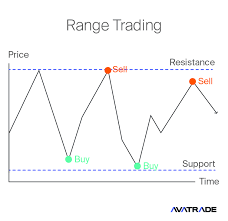
Setup A: Range trading (the “boring money” strategy)
In many bear markets, the highest win-rate approach is range trading:
- Buy near support only with confirmation
- Sell/short near resistance only with confirmation
- Take profits faster than you do in bull markets
A simple range plan:
- Identify support/resistance zones (not single lines)
- Wait for rejection signals (failed breakdown, reclaim, wick)
- Use tight invalidation (your stop is the price telling you you’re wrong)
Bull market mindset: “Hold and let it run.”
Bear market mindset: “Take profits, protect capital.”
Setup B: Trend-following shorts (only if you respect squeezes)
Shorting can be profitable in bear markets, but it’s also where most accounts die.
Bear-market short rules:
- Prefer shorting rallies into resistance, not new lows
- Use defined invalidation (e.g., above prior swing high)
- Scale out on the way down (cover partial into weakness)
- Avoid shorting after extreme red days unless it’s a structured setup
Safer shorting alternatives (often better than pure shorts):
- Use small hedges against a long portfolio
- Use options (when available) to define risk
- Trade relative value (long strong / short weak)
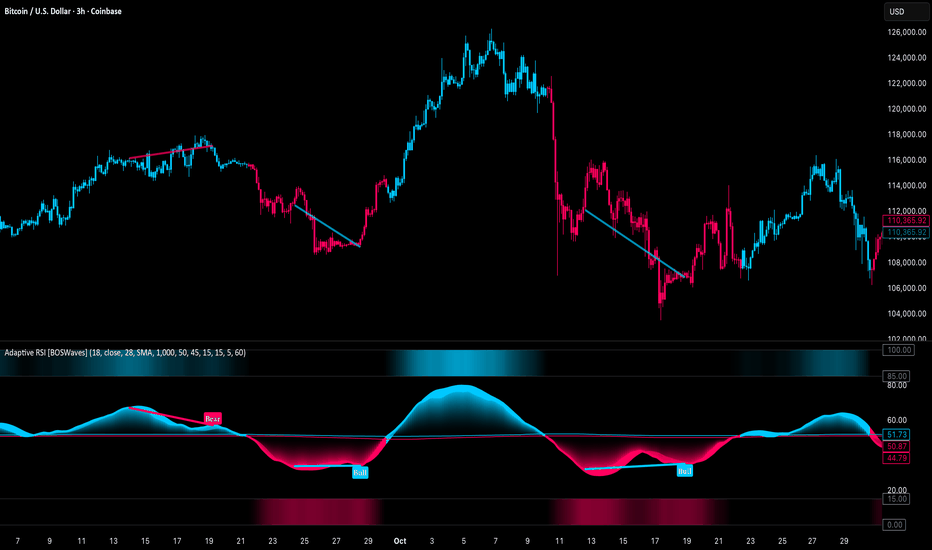
Setup C: “Capitulation bounce” trades (fast, rules-based)
These trades aim to capture short-lived rebounds after panic selling:
- Trigger: extreme sell-off + liquidation/volume spike
- Entry: reclaim of a key level (or higher low + breakout)
- Exit: quick profit targets into resistance (don’t marry the bounce)
A good bounce trade is:
- small size
- tight stop
- fast exit
- zero ego
In capitulation, the market can bounce hard—then keep falling. Treat bounces as trades, not investments.
Setup D: Stablecoin rotation (the underrated bear-market edge)
Not trading is a strategy.
A bear-market “rotation” approach:
- Move part of your capital into stablecoins during downtrends
- Re-enter selectively on defined signals
- Earn yield cautiously (if you understand the risks)
This gives you:
- optionalities (dry powder)
- lower volatility
- the ability to act when others are forced sellers
Important: stablecoin yield strategies can carry smart-contract, liquidity, and depeg risks—size accordingly and diversify exposures.
Risk controls that matter more than indicators
Indicators help you structure decisions, but risk controls keep you solvent.
A simple bear-market risk checklist
Before every trade, answer these:
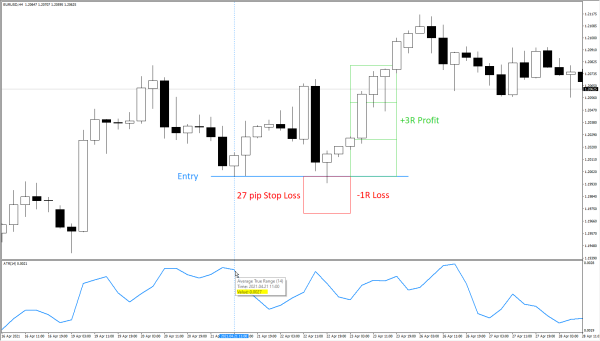
- What is my entry, stop, and target?
- What is my R multiple (reward-to-risk)? (Aim for
≥ 1.5Rin chop, higher in trend.) - Is liquidity sufficient for my size?
- Am I trading a setup or a feeling?
- What happens if price wicks 1–2% beyond my stop (slippage scenario)?
- Does this trade correlate strongly with my existing positions?
Bold rule: If you can’t define your stop, you don’t have a trade.
Practical limits (example ruleset)
- Risk per trade:
0.5%of equity - Max open risk:
2%total - Max daily loss:
-1.5%then stop - Max weekly loss:
-5%then reduce size by 50% - No new trades after 3 consecutive losses (take a break, review)
| Rule | Example | Why It Works |
|---|---|---|
| Risk per trade | 0.5% | Prevents single-trade damage |
| Max open risk | 2% | Avoids correlation blowups |
| Daily stop | -1.5% | Stops revenge trading |
| Weekly stop | -5% | Prevents slow bleed |
| Loss streak break | 3 losses | Resets psychology |
Indicators that are actually useful in bear markets
You don’t need 20 indicators. Use a small set that answers key questions:
1) Trend & regime
200D MAor100D MA: long-term trend bias- Market structure: lower highs / lower lows
- Higher timeframe support/resistance
2) Volatility & risk
ATR(Average True Range): set stop distances realistically- Volatility compression/expansion: helps time breakouts and avoid chop
3) Participation & liquidity
- Volume profile and key levels
- Liquidation clusters (if you track derivatives metrics)
4) Positioning (derivatives-heavy markets)
- Funding rate extremes
- Open interest spikes
- Basis/contango/backwardation (where relevant)
Portfolio-style bear market trading: the “core + tactical” approach
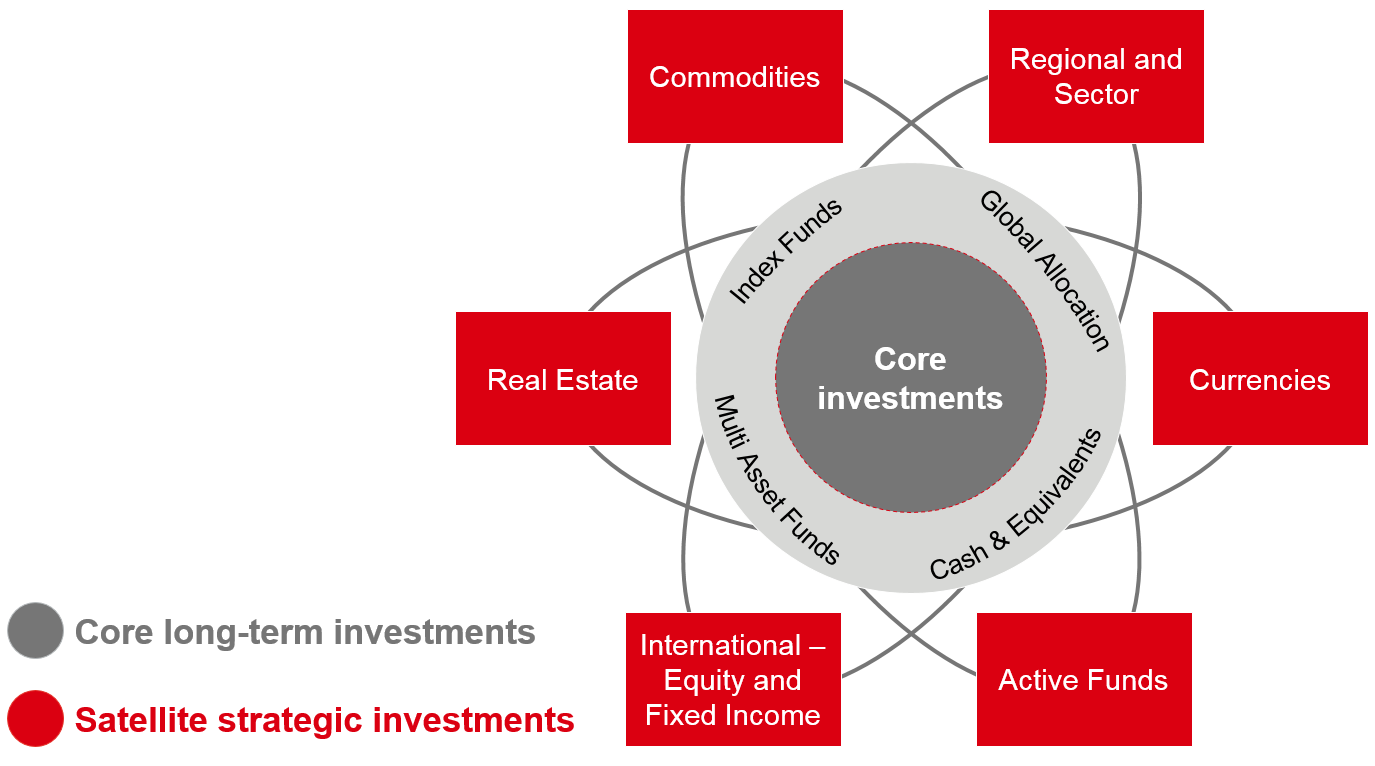
If you want exposure but still want to trade intelligently:
- Core: small, long-term allocation to high-liquidity assets (e.g.,
BTC,ETH) with strict risk limits. - Tactical: short-term trades (ranges, bounces, hedges) with defined stops and targets.
- Cash/Stable: meaningful allocation for optionality.
Example allocation (illustrative, not advice):
- 40–70% stable/cash equivalents
- 20–40% core crypto exposure
- 5–20% tactical trading sleeve
The purpose is to avoid all-in behavior and keep psychological flexibility.
A step-by-step bear market trade workflow (repeatable process)
Here’s a workflow you can follow every time.
- Weekly regime check: trend vs range vs capitulation
- Mark levels: key zones on higher timeframes
- Pick 2–3 setups only: remove everything else
- Pre-plan risk: size, stop distance, max loss
- Wait for trigger: no trigger = no trade
- Execute with structure: limit orders when possible, avoid impulsive market orders
- Manage actively: partial take-profits, move stop to reduce risk when appropriate
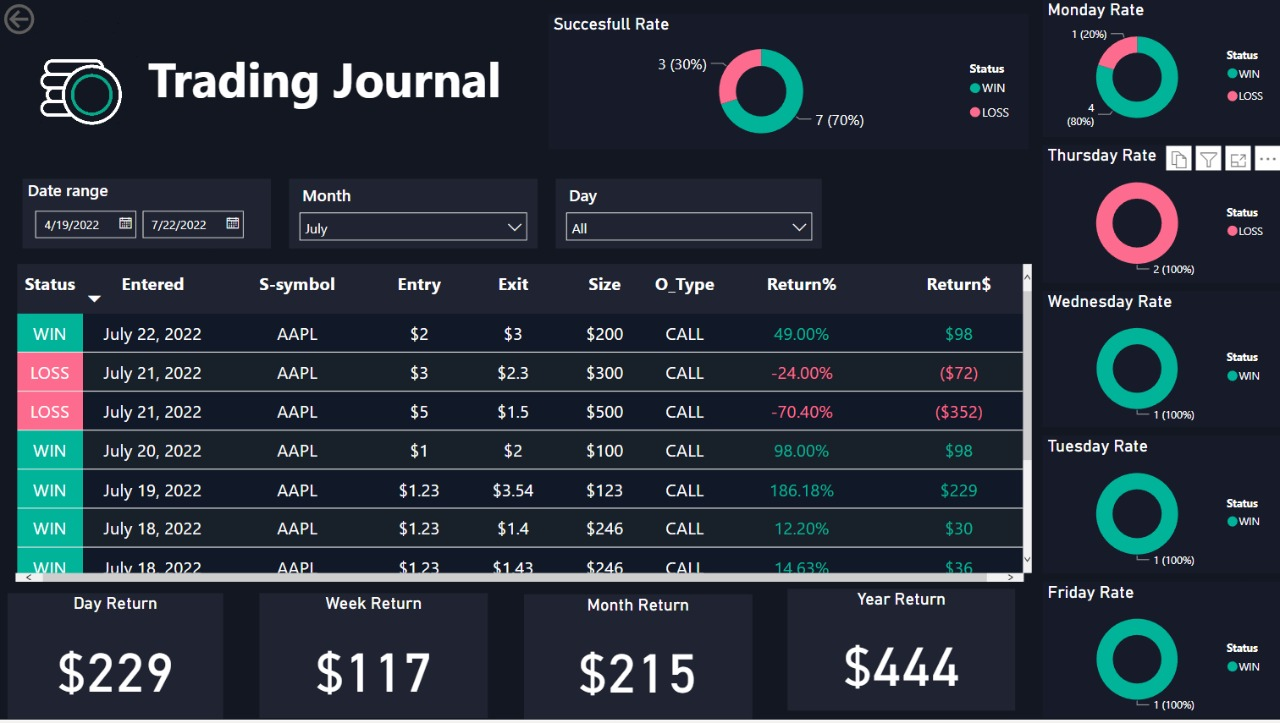
- Journal: outcome + process notes
- Review weekly: keep what works, cut what doesn’t
Pro tip: use a simple template so you’re not reinventing decisions every day.

How AI can help you trade bear markets (without turning it into a crutch)
AI won’t magically beat the market. But it can improve discipline and decision quality by:
- Turning messy information into structured checklists
- Summarizing news/sentiment into actionable scenarios
- Helping you compare multiple hypotheses (“range holds” vs “trend resumes”)
- Generating consistent trade plans and journals
This is where a workflow tool like SimianX AI fits naturally: use it as a research co-pilot to clarify thesis, surface risks, and keep your decision process consistent. Link your trade idea to a checklist, log your assumptions, and review outcomes without rewriting everything from scratch.
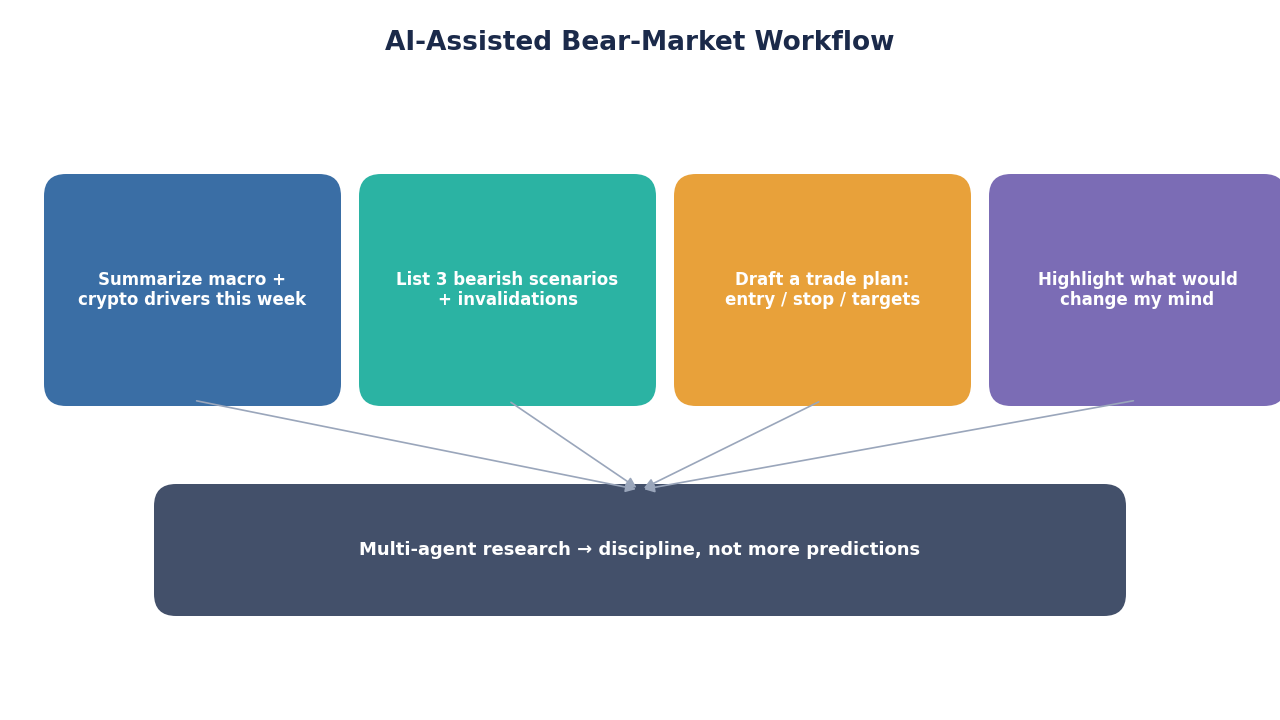
For example, you can create an AI-assisted routine:
- “Summarize macro + crypto drivers this week”
- “List 3 bearish scenarios and invalidations”
- “Draft a trade plan with entry/stop/targets”
- “Highlight what would change my mind”
Mistakes to avoid (the bear market hall of fame)
- Catching every dip: most dips keep dipping.
- Ignoring liquidity: you can be right and still lose via slippage.
- Holding losers “until break-even”: break-even is not a strategy.
- Using tight stops in high volatility: you’ll get wicked out repeatedly.
- Doubling size to “make it back”: that’s how accounts end.
- Falling in love with alts: in bear markets, many alts never recover.
Bear markets reward humility. If you protect capital, you’ll have the ability to strike when probabilities improve.
FAQ About how to trade in crypto bear market
What is the safest way to trade in a crypto bear market?
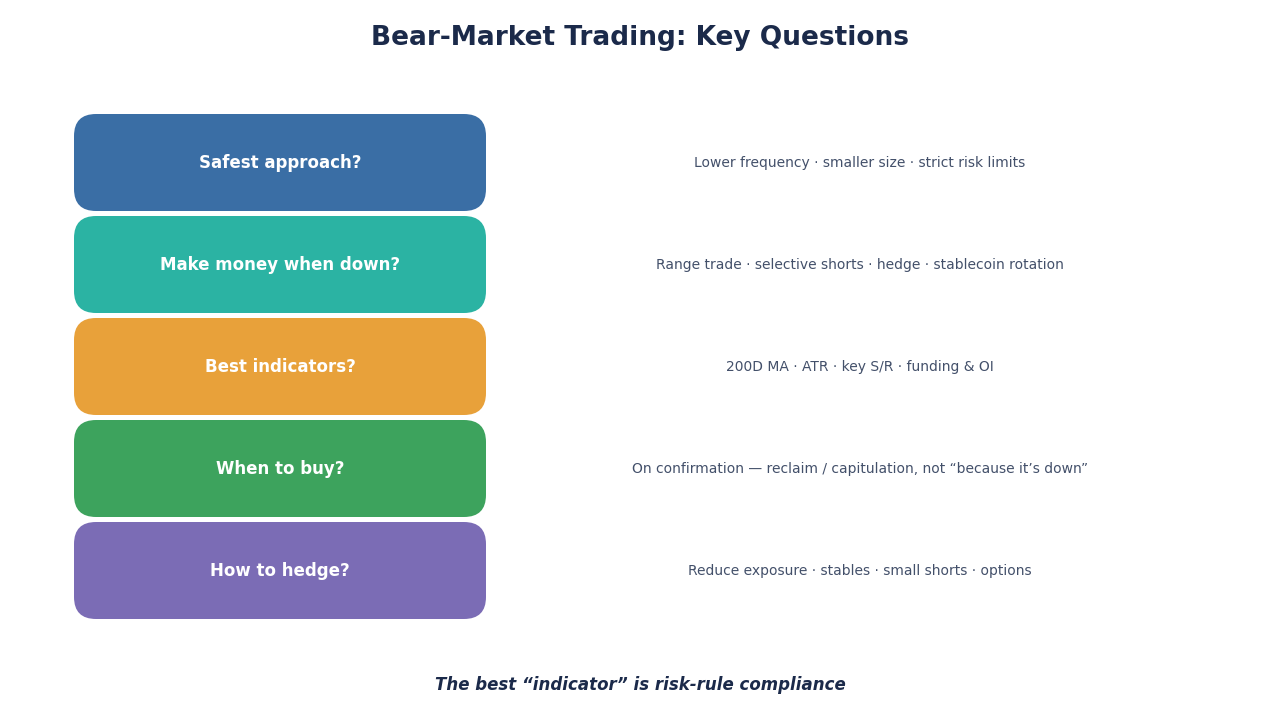
The safest approach is usually lower frequency, smaller size, and strict risk limits. Focus on liquid assets, avoid excessive leverage, and trade only well-defined setups with clear invalidations.
How do you make money when crypto is going down?
Common methods include range trading, selective shorting (with strict risk control), hedging a long portfolio, or rotating into stablecoins while waiting for higher-probability opportunities. Many traders also reduce activity and prioritize capital preservation.
What indicators work best for bear market crypto trading?
Keep it simple: a long-term trend filter (like 200D MA), volatility measures (ATR), key support/resistance zones, and (if you trade derivatives) basic positioning metrics like funding and open interest. The best indicator is often your risk rule compliance.
When to buy in a crypto bear market?
Instead of buying “because it’s down,” buy when your conditions are met: reclaim of key levels, trend stabilization, or strong capitulation signals followed by confirmation. For longer-term investors, structured accumulation (small buys over time) can reduce timing risk.
How to hedge a crypto portfolio in a bear market?
You can hedge by reducing exposure, holding stablecoins, using small short positions as insurance, or using options where available to define downside risk. The key is to size hedges so they reduce drawdowns without forcing you into constant rebalancing.
Conclusion
Learning how to trade in crypto bear market environments is less about finding a secret indicator and more about building a risk-first system: trade fewer setups, size smaller, plan exits before entries, and respect liquidity and volatility. If you can avoid big mistakes—overleverage, overtrading, and emotional decisions—you’ll be positioned to capture the best opportunities when the market finally shifts.
If you want to make this process easier, consider using SimianX AI as a structured research workflow: turn market noise into clear scenarios, risk checklists, and repeatable trade plans—then refine your edge through consistent review. Explore the platform here: SimianX AI.
How to Use SimianX AI to Navigate a Crypto Bear Market
In a bear market, your edge is rarely “more predictions”—it’s better process: faster signal filtering, clearer scenarios, and stricter risk discipline. SimianX AI is built for that workflow because it runs a multi-agent team (not a single chatbot), where specialists examine the market from different angles—fundamentals/context, indicators/structure, news-intelligence, and a final decision layer that cross-checks everything before producing a “what matters now” view.
A practical bear-market routine looks like this:
Start with a single pair and timeframe mode. Use the Crypto “command room” style monitoring to keep your focus tight (bear markets punish distraction). Pick one or two time horizons (e.g., swing + intraday) and avoid constantly switching regimes mid-trade.
Let the agents disagree—then use the synthesis. In bear markets, the biggest losses come from blind spots (liquidity traps, crowded positioning, narrative decay). Multi-agent analysis helps reduce these by forcing competing interpretations to surface before you act.
Turn news into tradable context, not noise. SimianX’s structured news pipeline (collection/scoring → intelligence synthesis → decision grounding) is especially useful when headlines trigger fakeouts and short squeezes. The goal is not “react first,” but “react correctly.”
Trade from scenarios + invalidations. Ask the Decision layer to produce 2–3 bear-market scenarios (trend continuation, range chop, capitulation bounce), each with: (a) triggers, (b) invalidation levels, (c) risk limits. Then only trade when price confirms one scenario.
Use Analysis History to improve execution. Bear markets are perfect for tightening your process: review past signals, compare what the agents flagged vs. what actually moved price, and refine your “only trade A+ setups” filter.
Stay in Manual mode until your rules are proven. Treat CoPilot/automation as something you earn after you’ve validated the workflow, sizing, and drawdown controls.
Use SimianX as a decision discipline system—a way to standardize research, compress time-to-clarity, and keep your risk rules non-negotiable when volatility tries to pull you off-plan.
Related Reading
- AI Crypto Analysis: A Practical Trading Guide for 2026
- AI Early-Warning for DeFi Liquidity and Depeg Risks 2026
- Multi-Agent AI for Traders: Strategy & Sentiment Stack
- Cryptocurrencies AI Can & Can't Trade: Research Guide
- Multi-Agent AI Cryptocurrencies for Real-Time Trading
- Crypto Market Analysis with Multi-Agent AI: Real-Time
- Market Early-Warning Intelligence from Distributed AI Swarms
- SimianX Crypto Live Command Room: AI Copilot for Trading
- SimianX Crypto Leaderboard