Cơ sở hạ tầng AI KKR Helix: NVDA, VST, và giao dịch năng lượng trung tâm dữ liệu 10 tỷ USD
Câu chuyện Cơ sở hạ tầng AI KKR Helix không chỉ là một tiêu đề trung tâm dữ liệu khác. Đây là tín hiệu cho thấy giai đoạn tiếp theo của cơn sốt AI có thể sẽ được tranh giành về tính khả dụng của năng lượng, quyền truy cập lưới điện, làm mát, cấu trúc vốn và tốc độ thực hiện cũng quan trọng như chip và mô hình. Đối với các nhà đầu tư nghiên cứu NVDA, VST, và giao dịch năng lượng trung tâm dữ liệu 10 tỷ USD rộng lớn hơn, Cơ sở hạ tầng kỹ thuật số Helix tạo ra một khung hữu ích: Nhu cầu AI đang trở nên vật chất, tốn vốn, và ngày càng gắn liền với thị trường điện.
Đối với các nhà giao dịch, nhà phân tích, và nhà nghiên cứu cơ sở hạ tầng AI, SimianX AI có thể giúp biến một câu chuyện thị trường phức tạp thành nghiên cứu mã chứng khoán có cấu trúc, tranh luận đa tác nhân, và theo dõi tín hiệu minh bạch trên các thị trường chứng khoán và tiền điện tử. Sự gia tăng của Helix cho thấy tại sao các nhà đầu tư cần một cái nhìn kết nối về chất bán dẫn, sản xuất năng lượng, vốn tư nhân, và nhu cầu AI quy mô lớn.
Tại sao Cơ sở hạ tầng AI KKR Helix quan trọng ngay bây giờ
Cơ sở hạ tầng AI KKR Helix rất quan trọng vì nó phản ánh một sự thay đổi lớn trong cách thị trường hiểu về trí tuệ nhân tạo. Làn sóng đầu tiên của việc đầu tư vào AI tập trung chủ yếu vào các mô hình, nền tảng phần mềm, GPU và doanh thu từ đám mây. Làn sóng tiếp theo ngày càng tập trung vào các đầu vào vật lý cần thiết để mở rộng AI: điện, đất đai, làm mát, cáp quang, tài chính và thực hiện.
Cơn sốt AI không hoàn toàn là kỹ thuật số. Mỗi lần huấn luyện mô hình lớn, cụm suy diễn và triển khai AI doanh nghiệp đều phụ thuộc vào cơ sở hạ tầng vật lý. Các công ty hyperscaler có thể có ngân sách khổng lồ, nhưng họ vẫn cần truy cập vào các địa điểm có thể hỗ trợ tính toán mật độ cao, điện đáng tin cậy, làm mát tiên tiến và ổn định hoạt động lâu dài.
Đó là nơi Helix trở nên quan trọng. Một nền tảng kết hợp vốn, thực hiện trung tâm dữ liệu, mối quan hệ về điện và thiết kế nhà máy AI tạo ra một mô hình tích hợp hơn để cung cấp cơ sở hạ tầng cho các khách hàng hyperscale.
Thông tin đầu tư chính: Cơ sở hạ tầng AI đang chuyển từ giao dịch “thiếu chip” sang giao dịch cơ sở hạ tầng vật lý toàn diện.
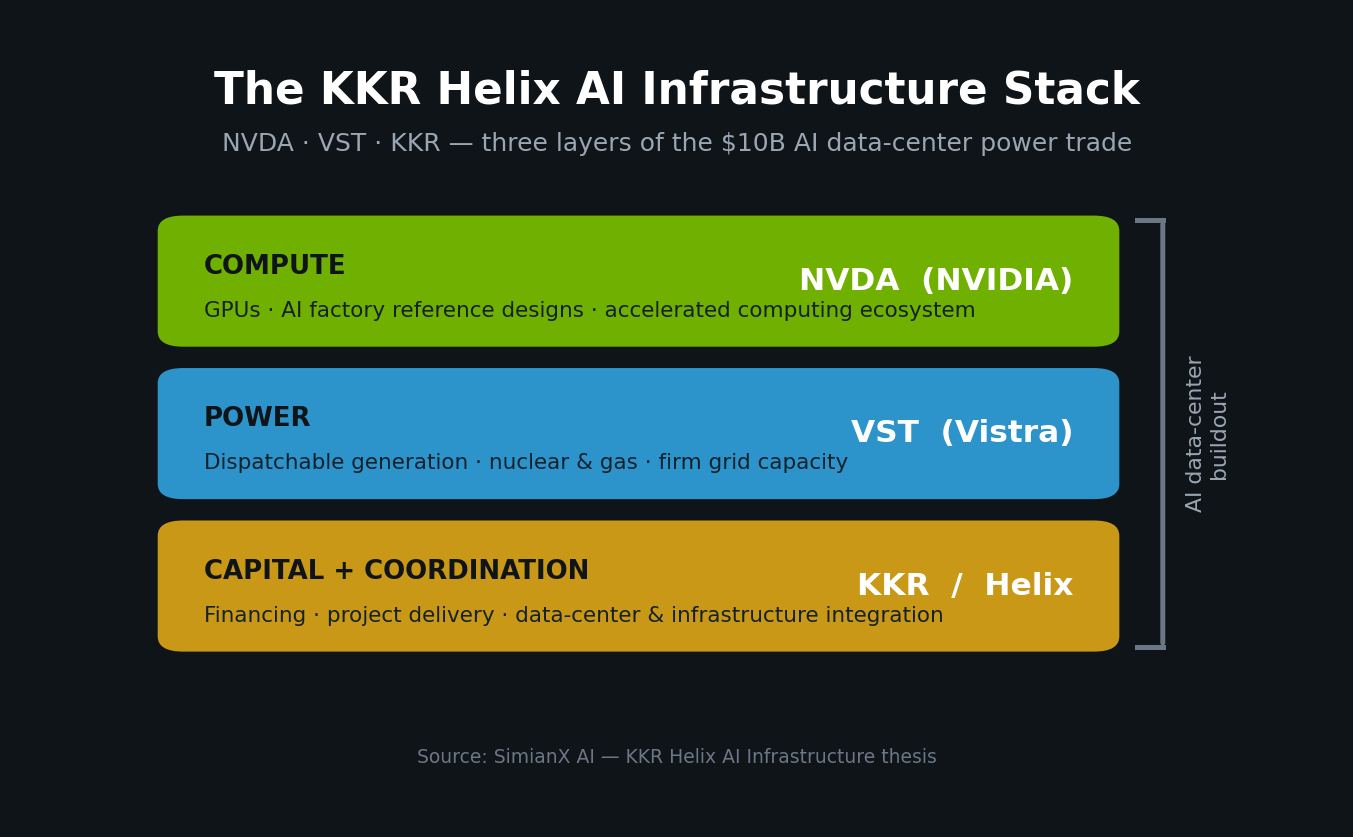
Đó là lý do tại sao NVDA và VST nằm ở hai đầu đối lập nhưng liên kết của cùng một chủ đề. NVIDIA đại diện cho lớp tính toán. Vistra đại diện cho nguồn cung điện ổn định. KKR đại diện cho lớp phối hợp vốn và cơ sở hạ tầng.
Kết nối Cơ sở hạ tầng AI KKR Helix, NVDA và VST
Giao dịch Cơ sở hạ tầng AI KKR Helix được hiểu tốt nhất như một cấu trúc ba phần:
| Lớp | Mã đại diện / Thực thể | Vai trò trong Giao dịch Cơ sở hạ tầng AI |
|---|---|---|
| Tính toán | NVDA | GPU, thiết kế tham chiếu nhà máy AI, hệ sinh thái tính toán tăng tốc |
| Điện | VST | Sản xuất điện, điện có thể điều phối, tiếp xúc với hạt nhân và khí đốt |
| Vốn + Phối hợp | KKR / Helix | Tài chính, giao hàng dự án, tích hợp trung tâm dữ liệu và cơ sở hạ tầng |
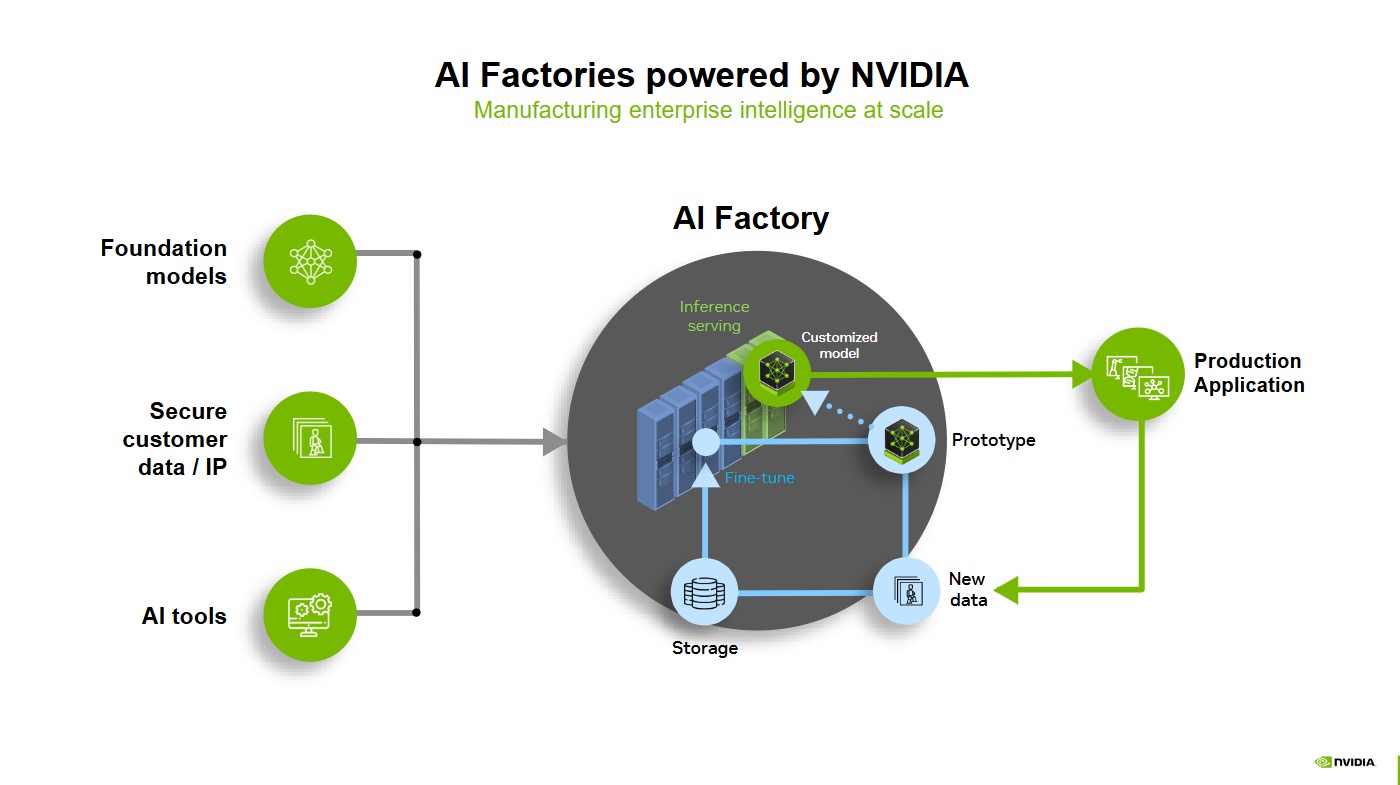
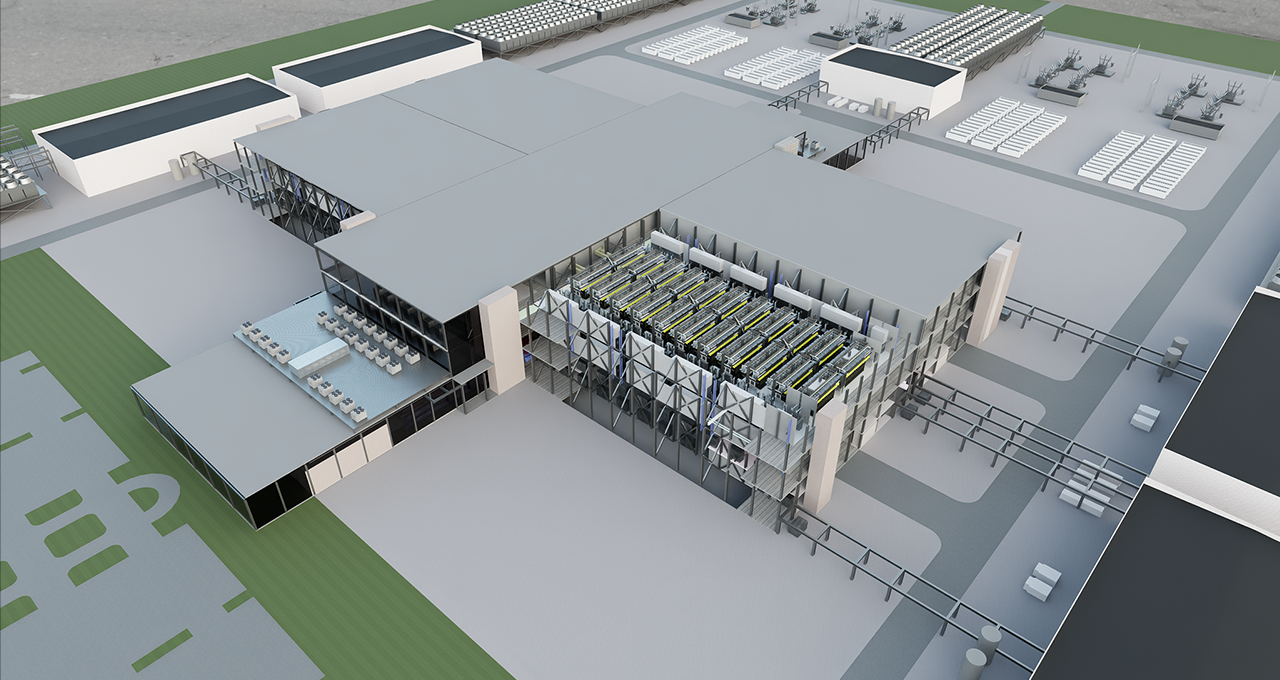
NVIDIA là trung tâm vì các nhà máy AI yêu cầu kiến trúc tính toán chuyên biệt. Đây không phải là các trung tâm dữ liệu chung chung. Chúng là những môi trường được xây dựng với mục đích cụ thể cho tính toán tăng tốc, mạng tốc độ cao, quản lý nhiệt và khối lượng công việc mô hình quy mô lớn.
Vistra là trung tâm vì các trung tâm dữ liệu AI lớn yêu cầu điện năng đáng tin cậy. Nếu một nhà cung cấp dịch vụ lớn muốn đưa một cụm AI lớn vào hoạt động, họ không thể chỉ dựa vào những hứa hẹn trong tương lai về việc mở rộng lưới điện. Họ cần có sẵn điện năng trong ngắn hạn, sản xuất đáng tin cậy và cấu trúc hợp đồng dài hạn.
KKR là trung tâm vì yêu cầu về vốn là rất lớn. Cơ sở hạ tầng AI không phải là một triển khai phần mềm nhẹ. Nó có thể yêu cầu hàng tỷ đô la cho việc mua đất, kết nối lưới điện, xây dựng trung tâm dữ liệu, hệ thống làm mát, hệ thống dự phòng và tài chính dài hạn.
KKR Helix AI Infrastructure Power Trade là gì?
KKR Helix AI Infrastructure power trade là ý tưởng rằng những người chiến thắng trong lĩnh vực AI có thể không chỉ bao gồm các công ty phần mềm và các nhà lãnh đạo bán dẫn, mà còn cả các nhà điều hành cơ sở hạ tầng giúp cho AI quy mô lớn trở nên khả thi.
Nói một cách đơn giản:
- Các mô hình AI yêu cầu nhiều tính toán hơn.
- Nhiều tính toán hơn yêu cầu nhiều GPU hơn.
- Nhiều GPU hơn yêu cầu nhiều trung tâm dữ liệu hơn.
- Nhiều trung tâm dữ liệu hơn yêu cầu nhiều điện năng hơn.
- Nhiều điện năng hơn yêu cầu sản xuất, truyền tải, lập kế hoạch lưới điện, vốn và hợp đồng dài hạn.
Đó là lý do tại sao cấu trúc Helix lại quan trọng. Nó đóng gói việc xây dựng AI như một vấn đề cơ sở hạ tầng, không chỉ đơn thuần là một vấn đề công nghệ.
Đối với các nhà đầu tư, điều đó thay đổi câu hỏi nghiên cứu từ “Ai bán chip AI tốt nhất?” thành:
Ai kiểm soát các đầu vào khan hiếm cần thiết để đưa năng lực AI vào hoạt động?
Những đầu vào này bao gồm vốn, GPU, đất đai, năng lượng, hàng đợi kết nối, hệ thống làm mát, tài năng kỹ thuật và chuyên môn trong việc mua sắm năng lượng.
Tại sao nhu cầu năng lượng của trung tâm dữ liệu trở thành nút thắt cổ chai cho AI
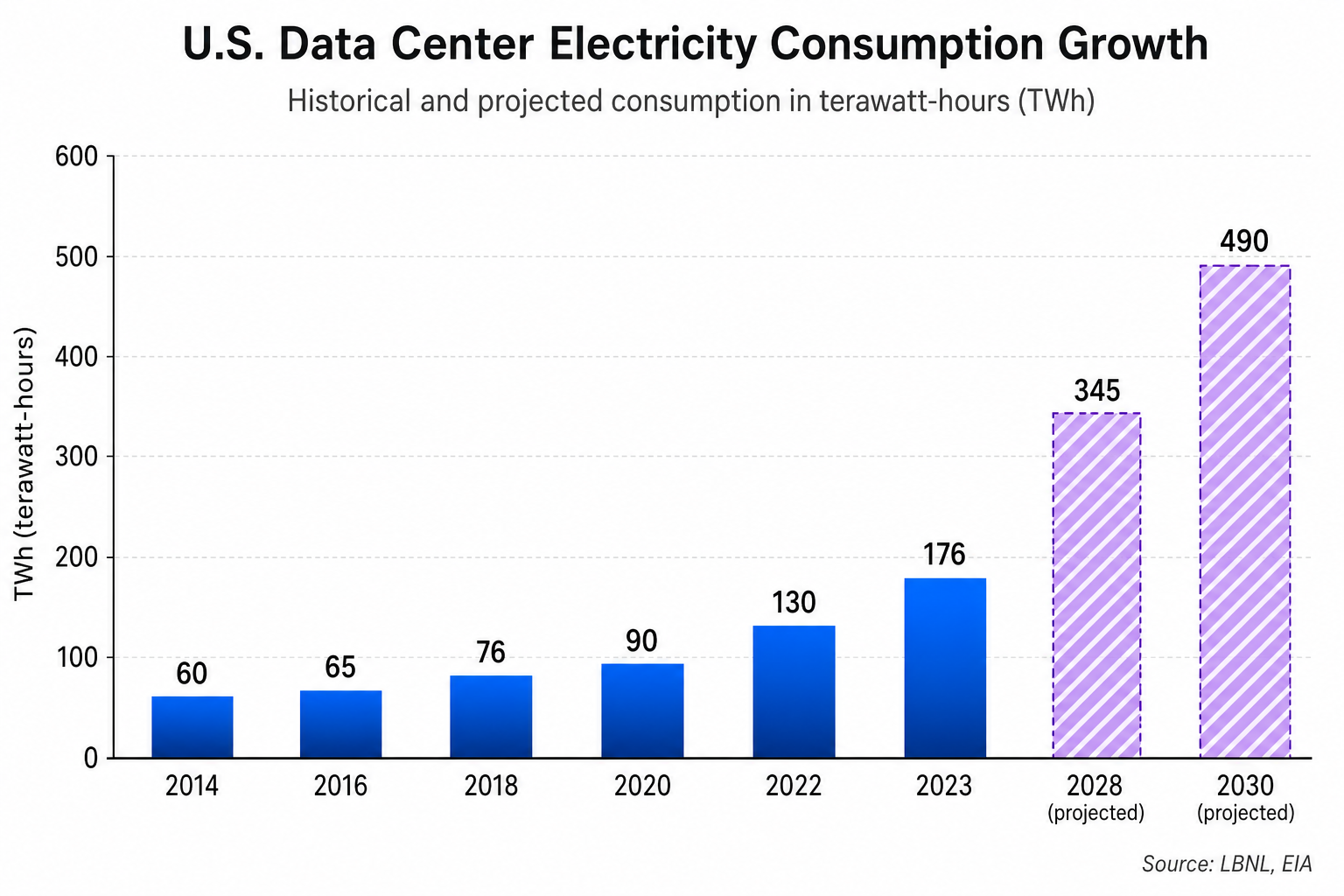
Việc xây dựng trung tâm dữ liệu AI đang tăng tốc trong bối cảnh các hệ thống năng lượng đã chịu áp lực. Các trung tâm dữ liệu lớn có thể yêu cầu hàng trăm megawatt điện, đặc biệt khi được thiết kế cho việc đào tạo AI hoặc khối lượng suy diễn lớn.
Thách thức không chỉ đơn thuần là tổng sản lượng điện. Vấn đề khó khăn hơn là nơi và khi nào năng lượng có sẵn. Một nhà cung cấp dịch vụ lớn có thể muốn xây dựng một cụm AI lớn ở một khu vực cụ thể, nhưng khu vực đó có thể thiếu khả năng truyền tải đủ, sự sẵn có của kết nối, nguồn lực làm mát, hoặc sự ủng hộ chính trị địa phương.
Điều này khiến năng lượng trở thành một rào cản chiến lược.
Những nút thắt cổ chai năng lượng chính của trung tâm dữ liệu bao gồm:
- Khả năng kết nối lưới hạn chế
- Thời gian cấp phép dài
- Thiếu hụt máy biến áp và thiết bị lưới
- Nhu cầu về sản xuất điện ổn định, có thể điều phối
- Cạnh tranh gia tăng cho đất đai phù hợp
- Hạn chế về làm mát và nước
- Sự phản đối địa phương đối với các dự án trung tâm dữ liệu lớn
- Biến động giá điện cao hơn
Đối với các nhà đầu tư AI, những rào cản này tạo ra cơ hội và rủi ro. Các công ty đã kiểm soát tài sản năng lượng, đất đai có nguồn điện, hoặc mối quan hệ lưới điện có thể đạt được giá trị chiến lược. Đồng thời, các công ty giả định rằng năng lượng có sẵn không giới hạn có thể phải đối mặt với sự chậm trễ, lạm phát chi phí và các vấn đề thực hiện.
Tại sao giao dịch cơ sở hạ tầng AI KKR Helix lại gắn liền với năng lượng?
Giao dịch Cơ sở hạ tầng AI Helix KKR gắn liền với năng lượng vì điện đang trở thành yếu tố quyết định cho việc triển khai AI. Một nhà cung cấp dịch vụ lớn có thể có ngân sách để mua GPU, nhưng nếu họ không thể đảm bảo megawatt, kết nối lưới điện, làm mát và các thỏa thuận năng lượng dài hạn, khả năng tính toán sẽ không thể hoạt động đủ nhanh.
Điều đó tạo ra một bản đồ đầu tư mới:
- Bán dẫn hưởng lợi từ nhu cầu phần cứng AI.
- Các công ty tiện ích và sản xuất điện hưởng lợi từ tải điện tăng.
- Các nhà đầu tư cơ sở hạ tầng hưởng lợi từ các tài sản hợp đồng dài hạn.
- Các nhà cung cấp kỹ thuật và thiết bị hưởng lợi từ việc xây dựng lưới điện và trung tâm dữ liệu.
- Các nền tảng AI và công cụ phân tích thị trường hưởng lợi từ nhu cầu phân tích các tín hiệu nhanh chóng giữa các lĩnh vực.
Đây là nơi SimianX AI có thể hữu ích cho các bên tham gia thị trường. Thay vì coi NVDA, VST, KKR, các công ty tiện ích và tên trung tâm dữ liệu là các mã không liên quan, một quy trình nghiên cứu đa tác nhân có thể so sánh các yếu tố cơ bản, cấu trúc thị trường, các yếu tố kích thích tin tức và tâm lý trong một nơi.
NVDA: Lớp Tính Toán của Giao Dịch Cơ Sở Hạ Tầng AI
NVIDIA vẫn giữ vai trò trung tâm vì GPU và kiến trúc nhà máy AI là nền tảng tính toán của AI tạo sinh. Trong bối cảnh Helix, vai trò của NVIDIA không chỉ là bán chip; mà còn giúp định nghĩa lớp nhà máy AI mà các trung tâm dữ liệu phải hỗ trợ.
Đối với các nhà đầu tư phân tích NVDA, thông báo Helix củng cố ba ý tưởng:
- Nhu cầu AI vẫn bị hạn chế bởi cơ sở hạ tầng. Nếu các quan hệ đối tác về vốn và năng lượng mở rộng khả năng, điều đó có thể hỗ trợ nhu cầu GPU lâu dài.
- NVIDIA đang đi sâu vào kiến trúc hệ thống. Các nhà máy AI không phải là các trung tâm dữ liệu chung; chúng là các môi trường tính toán được xây dựng theo mục đích.
- Cơ sở hạ tầng AI nhận thức về năng lượng có thể trở thành yếu tố phân biệt. Lưới điện đang trở thành một phần của vấn đề thiết kế AI.
Tuy nhiên, các nhà đầu tư nên tránh những kết luận đơn giản. NVDA có thể hưởng lợi từ việc xây dựng, nhưng kỳ vọng đã cao. Câu hỏi tốt hơn là liệu nhu cầu cơ sở hạ tầng AI có tiếp tục biện minh cho sự tăng trưởng lợi nhuận, khả năng duy trì biên lợi nhuận và sự thống trị nền tảng lâu dài hay không.
VST: Lớp Năng Lượng Đằng Sau Các Trung Tâm Dữ Liệu AI
Vistra ngày càng được bàn luận như một bên hưởng lợi từ năng lượng AI vì các trung tâm dữ liệu quy mô lớn cần điện năng đáng tin cậy, có thể điều phối. Khác với việc phát điện tái tạo không liên tục, các nguồn lực có thể điều phối như khí tự nhiên và hạt nhân có thể đặc biệt có giá trị khi khách hàng cần công suất ổn định.
Quan hệ đối tác Helix củng cố nhận thức của thị trường rằng các nhà sản xuất điện đang trở thành những người chơi cơ sở hạ tầng AI chiến lược.
Tại sao các nhà đầu tư quan tâm đến VST trong giao dịch năng lượng trung tâm dữ liệu AI:
- Nó cung cấp sự tiếp xúc với sự tăng trưởng nhu cầu điện.
- Nó có các tài sản phát điện có thể có giá trị cho các khách hàng quy mô lớn.
- Nó có thể hưởng lợi từ sức mạnh giá điện và hợp đồng dài hạn.
- Nó nằm ở giao điểm của AI, độ tin cậy của lưới điện và an ninh năng lượng.
Tuy nhiên, cũng có những rủi ro. Cổ phiếu năng lượng có thể nhạy cảm với chi phí nhiên liệu, quy định, thị trường công suất, các ràng buộc môi trường và các bội số định giá. Nhu cầu AI là một chủ đề mạnh mẽ, nhưng nó không loại bỏ rủi ro từ tiện ích và thị trường hàng hóa.
KKR: Lớp Vốn và Góc Nhìn Cơ Sở Hạ Tầng
Vai trò của KKR khác với NVDA và VST. KKR không bán GPU hoặc tạo ra electron trực tiếp thông qua Helix; nó đang phối hợp vốn, tài sản và khả năng cung cấp.
Điều đó có thể rất mạnh mẽ vì cơ sở hạ tầng quy mô lớn yêu cầu đầu tư ban đầu khổng lồ và kế hoạch dài hạn. Các trung tâm dữ liệu đang trở thành một loại tài sản lai kết hợp bất động sản, tiện ích, công nghệ và tài chính cơ sở hạ tầng.
| Danh mục truyền thống | Thực tế hạ tầng AI |
|---|---|
| Bất động sản | Đất đai, tòa nhà, làm mát và phòng dữ liệu |
| Tiện ích | Mua sắm điện, sản xuất, truyền tải |
| Công nghệ | GPU, mạng, kiến trúc nhà máy AI |
| Tài chính hạ tầng | Vốn dài hạn, nợ, dòng tiền hợp đồng |
| Hoạt động | Thời gian hoạt động, thiết kế nhiệt, kết nối, an ninh |
Điều này làm cho Helix trở thành một nghiên cứu điển hình hữu ích về cách mà cơn sốt AI có thể được tài trợ. Đối với các nhà đầu tư thị trường công, nó cũng giải thích tại sao các quỹ vốn tư nhân, quỹ tài sản quốc gia, các công ty siêu quy mô, tiện ích và các công ty chip ngày càng xuất hiện trong cùng một thông báo giao dịch.
Cách Nghiên Cứu Giao Dịch Điện Năng Trung Tâm Dữ Liệu 10 Tỷ USD Bước Từng Bước
Một nhà đầu tư có kỷ luật không nên mua một chủ đề chỉ vì nó nghe có vẻ hấp dẫn. Luận điểm KKR Helix AI Infrastructure cần một quy trình nghiên cứu có thể lặp lại.
Dưới đây là một khung thực tiễn:
- Lập bản đồ chuỗi giá trị. Phân tách máy tính, điện, trung tâm dữ liệu, thiết bị lưới, làm mát và nhà cung cấp vốn.
- Xác định nút thắt cổ chai. Hỏi xem rào cản là GPU, megawatt, truyền tải, tuabin, đất đai hay tài chính.
- Theo dõi nhu cầu khách hàng. Theo dõi chi tiêu vốn của các công ty siêu quy mô, tồn đọng đám mây, triển khai mô hình AI và việc áp dụng AI trong doanh nghiệp.
- So sánh định giá với khả năng sinh lời. Một chủ đề tốt vẫn có thể là một giao dịch xấu nếu kỳ vọng quá cao.
- Theo dõi chính sách và cấp phép. Sự phát triển của trung tâm dữ liệu phụ thuộc nhiều vào sự chấp thuận địa phương và kết nối lưới điện.
- Sử dụng phân tích đa tác nhân. So sánh các tín hiệu kỹ thuật, các yếu tố cơ bản, tin tức và các yếu tố rủi ro thay vì chỉ dựa vào một câu chuyện duy nhất.
Một quy trình làm việc của SimianX AI có thể giúp ở đây bằng cách thực hiện phân tích có cấu trúc trên NVDA, VST, KKR, và các mã chứng khoán hạ tầng AI liên quan. SimianX AI có thể hỗ trợ một cách tiếp cận có hệ thống hơn để đánh giá các câu chuyện thị trường, xác định bằng chứng cạnh tranh, và so sánh nhiều góc độ đầu tư khác nhau.
Kịch bản Tăng giá và Giảm giá cho Chủ đề Hạ tầng AI KKR Helix
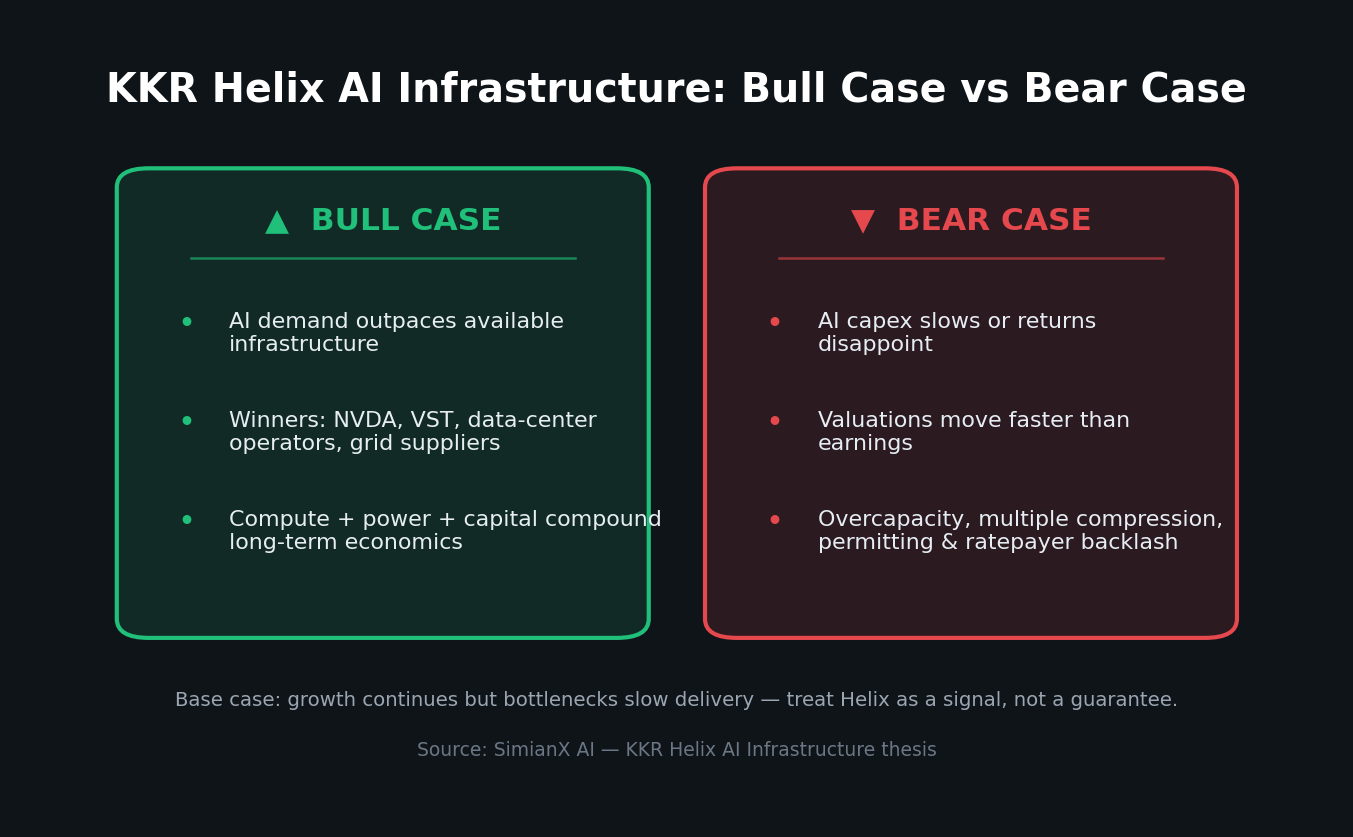
Kịch bản tăng giá là rõ ràng: Nhu cầu AI tiếp tục mở rộng, các công ty lớn cần năng lực hạ tầng thuê ngoài, và các công ty có thể kết hợp tính toán, năng lượng và vốn sẽ thu hút được kinh tế dài hạn hấp dẫn.
Kịch bản giảm giá thì phức tạp hơn. Nhu cầu hạ tầng AI có thể là có thật, nhưng định giá có thể di chuyển nhanh hơn lợi nhuận. Các trì hoãn dự án, hạn chế lưới điện, phản đối chính trị, thiếu thiết bị, hoặc xây dựng quá mức có thể gây áp lực lên lợi suất.
| Kịch bản | Điều gì xảy ra | Những người hưởng lợi có khả năng | Rủi ro chính |
|---|---|---|---|
| Kịch bản tăng giá | Nhu cầu AI vượt quá hạ tầng có sẵn | NVDA, VST, các nhà điều hành trung tâm dữ liệu, nhà cung cấp lưới điện | Định giá quá nóng |
| Kịch bản cơ sở | Tăng trưởng tiếp tục nhưng các nút thắt làm chậm giao hàng | Các nhà lãnh đạo về năng lượng và tính toán chọn lọc | Sự không khớp thời gian |
| Kịch bản giảm giá | Chi tiêu vốn cho AI chậm lại hoặc lợi suất không đạt kỳ vọng | Các tiện ích phòng thủ, các nền tảng có nhiều tiền mặt | Thừa công suất và nén nhiều |
| Kịch bản rủi ro chính sách | Kháng cự địa phương làm chậm dự án | Các địa điểm đã có nguồn điện | Phản ứng từ việc cấp phép và người tiêu dùng |
Cách tiếp cận nghiên cứu mạnh mẽ nhất là coi Helix như một tín hiệu, không phải là một đảm bảo. Nó báo hiệu rằng vốn nghiêm túc tin rằng hạ tầng AI cần một mô hình giao hàng mới. Nó không đảm bảo rằng mọi cổ phiếu năng lượng AI sẽ vượt trội.
Những gì các nhà đầu tư nên theo dõi tiếp theo
Để đánh giá xem giao dịch hạ tầng AI KKR Helix có trở thành một chủ đề thị trường bền vững hay không, hãy theo dõi những chỉ số này:
- Hợp đồng hyperscaler mới liên quan đến Helix hoặc các nền tảng tương tự
- Thỏa thuận mua điện và các hợp đồng công suất dài hạn
- Phê duyệt kết nối lưới điện
- Sự sẵn có của tuabin khí và biến áp
- Cập nhật triển khai nhà máy AI NVIDIA
- Nhận xét của Vistra về nhu cầu trung tâm dữ liệu
- Quyên góp của KKR và sự tham gia của nhà đầu tư tổ chức
- Phản đối khu vực đối với các dự án trung tâm dữ liệu lớn
- Xu hướng giá điện và thị trường công suất
Tín hiệu quan trọng nhất có thể không phải là một thông cáo báo chí. Nó có thể là mô hình của các quan hệ đối tác: các công ty chip, quỹ hạ tầng, các công ty tiện ích và vốn chủ quyền đều tổ chức xung quanh lớp vật lý của AI.
Khung thực tiễn: Cách SimianX AI Có Thể Giúp Phân Tích Chủ Đề Này
Luận đề Hạ tầng AI KKR Helix vượt qua nhiều lĩnh vực, điều này làm cho việc phân tích trở nên khó khăn với một mô hình đơn lẻ hoặc quy trình đơn lẻ. Các nhà đầu tư cần đánh giá nhu cầu chất bán dẫn, kinh tế sản xuất điện, thị trường vốn, hành vi của hyperscaler và hành động giá kỹ thuật cùng một lúc.
Đây là nơi SimianX AI có thể hữu ích. Một quy trình nghiên cứu AI có cấu trúc có thể giúp các nhà đầu tư:
- So sánh
NVDA,VST, vàKKRqua các yếu tố cơ bản và chất xúc tác
- Theo dõi động lực tin tức xung quanh nhu cầu điện của trung tâm dữ liệu AI
- Xác định xem một cổ phiếu đang di chuyển do thu nhập, các yếu tố vĩ mô, hay sự xoay vòng chủ đề
- Tách biệt bằng chứng mạnh mẽ khỏi sự phấn khích của thị trường
- Xây dựng danh sách theo dõi xung quanh hạ tầng AI, điện, và sự tiếp xúc với trung tâm dữ liệu
- Sử dụng tranh luận đa tác nhân để làm nổi bật các trường hợp tăng giá và giảm giá
Ví dụ, một nhà đầu tư có thể yêu cầu SimianX AI so sánh độ nhạy hạ tầng AI của NVDA, VST, ETN, CEG, NEE, KKR, và các REIT trung tâm dữ liệu. Đầu ra có thể được sử dụng để xây dựng một danh sách theo dõi cân bằng hơn thay vì theo đuổi một tiêu đề.
Câu hỏi thường gặp về Cơ sở hạ tầng AI KKR Helix
Cơ sở hạ tầng AI KKR Helix là gì?
Cơ sở hạ tầng AI KKR Helix đề cập đến Cơ sở hạ tầng Kỹ thuật số Helix, một nền tảng được hỗ trợ bởi KKR được thiết kế để phối hợp phát triển cơ sở hạ tầng AI. Sự tập trung của nó bao gồm các trung tâm dữ liệu, năng lượng, kết nối và các nhu cầu cơ sở hạ tầng liên quan cho các khách hàng quy mô lớn.
Cách giao dịch cơ sở hạ tầng AI KKR Helix ảnh hưởng đến NVDA như thế nào?
Đối với NVDA, Helix hỗ trợ ý tưởng rằng nhu cầu tính toán AI cần các nhà máy AI được xây dựng theo mục đích, không chỉ là các chip độc lập. Nếu các nền tảng như Helix tăng tốc triển khai trung tâm dữ liệu, chúng có thể hỗ trợ nhu cầu lâu dài cho hệ sinh thái GPU và cơ sở hạ tầng AI của NVIDIA.
Tại sao VST lại quan trọng đối với nhu cầu năng lượng của trung tâm dữ liệu AI?
VST quan trọng vì các trung tâm dữ liệu AI cần điện đáng tin cậy ở quy mô lớn. Vai trò của Vistra như một đối tác năng lượng trong chủ đề Helix nhấn mạnh cách mà các nhà sản xuất năng lượng có thể trở thành nhà cung cấp chiến lược cho các công ty quy mô lớn và các nền tảng cơ sở hạ tầng AI.
Giao dịch năng lượng trung tâm dữ liệu 10 tỷ đô la chỉ liên quan đến các công ty tiện ích không?
Không. Giao dịch này bao gồm các công ty tiện ích và nhà sản xuất năng lượng, nhưng nó cũng bao gồm các công ty bán dẫn, nhà điều hành trung tâm dữ liệu, nhà cung cấp thiết bị lưới điện, các công ty làm mát, quỹ cơ sở hạ tầng và các công cụ phần mềm giúp phân tích tín hiệu thị trường. Những cơ hội tốt nhất có thể đến từ việc hiểu toàn bộ chuỗi thay vì chỉ tập trung vào một lĩnh vực.
Các nhà đầu tư có thể phân tích NVDA, VST và KKR cùng nhau như thế nào?
Các nhà đầu tư có thể so sánh ba yếu tố này như các lớp khác nhau của cùng một chuỗi cơ sở hạ tầng AI: NVDA cho tính toán, VST cho năng lượng, và KKR cho sự phối hợp vốn. Một nền tảng như SimianX AI có thể giúp tổ chức nghiên cứu này bằng cách so sánh hành động giá, các yếu tố cơ bản, tin tức và phân tích đa tác nhân trên các mã liên quan.
Kết luận
Thông báo KKR Helix AI Infrastructure định hình lại câu chuyện đầu tư vào AI. Nút thắt lớn tiếp theo có thể không chỉ là chất lượng mô hình hay khả năng cung cấp chip; nó có thể là khả năng tài chính, cung cấp năng lượng, kết nối và vận hành các trung tâm dữ liệu AI khổng lồ với tốc độ.
Đối với NVDA, chủ đề này củng cố tầm quan trọng của các nhà máy AI và tính toán tăng tốc. Đối với VST, nó làm nổi bật giá trị chiến lược của việc sản xuất năng lượng đáng tin cậy. Đối với KKR, Helix cho thấy cách mà vốn tư nhân đang chuyển vào xương sống vật lý của AI.
Điều rút ra chính là đơn giản: thương mại năng lượng trung tâm dữ liệu 10 tỷ USD không phải là câu chuyện của một cổ phiếu đơn lẻ. Đây là một câu chuyện về chuỗi giá trị. Các nhà đầu tư có thể kết nối nhu cầu tính toán, sự khan hiếm năng lượng, tài chính cơ sở hạ tầng và thời điểm thị trường sẽ có cái nhìn rõ ràng hơn về nơi giá trị cơ sở hạ tầng AI có thể tích lũy.
Để nghiên cứu chủ đề này với một quy trình làm việc đa tác nhân có cấu trúc hơn, hãy khám phá SimianX AI và sử dụng nó để so sánh các mã chứng khoán cơ sở hạ tầng AI, theo dõi tín hiệu và biến các câu chuyện thị trường phức tạp thành phân tích có thể hành động.
Đọc Thêm
- Cổ phiếu Generac 2026: nguồn dự phòng data center AI
- Lợi nhuận Oracle 2026: OCI, backlog Stargate, cổ phiếu ORCL
- Magnificent 7 năm 2026: Tỷ trọng & Rủi ro tập trung
- Cổ phiếu SMCI 2026: Huy động 7 tỷ USD, backlog AI 39 tỷ USD
- Lợi nhuận Broadcom 2026: Backlog ASIC AI và cổ phiếu AVGO
- Micron (MU): Vì sao HBM3e biến nó thành cược AI bộ nhớ 2026
- AI Đa Tác Nhân vs ChatGPT cho NVDA: So Sánh Năm 2026
- SimianX AI: Nền tảng Phân tích Cổ phiếu Đa-Agent 4 Bước