
Buying the Panic: the EP-3 2001 Fade-the-Fear Playbook
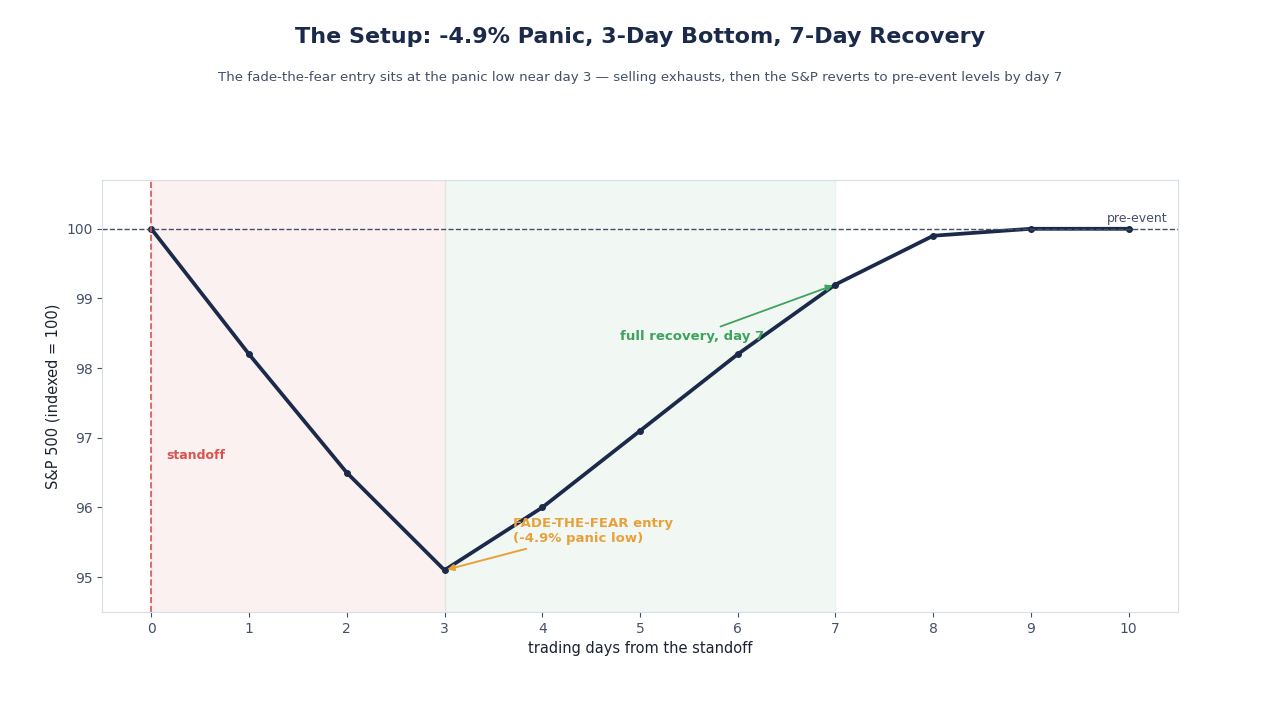
The EP-3 Incident 2001 market impact offers one of the clearest examples of how financial markets respond to non-war military tensions. In April 2001, a U.S. Navy reconnaissance aircraft collided with a Chinese fighter jet, triggering a diplomatic crisis that sent shockwaves through global markets. The S&P 500 declined approximately -4.9%, yet bottomed within 3 days and fully recovered in just 7 days—a strikingly fast rebound.
For modern traders and analysts, platforms like SimianX AI help decode such patterns in real time by combining sentiment, technical signals, and macro intelligence into actionable insights.
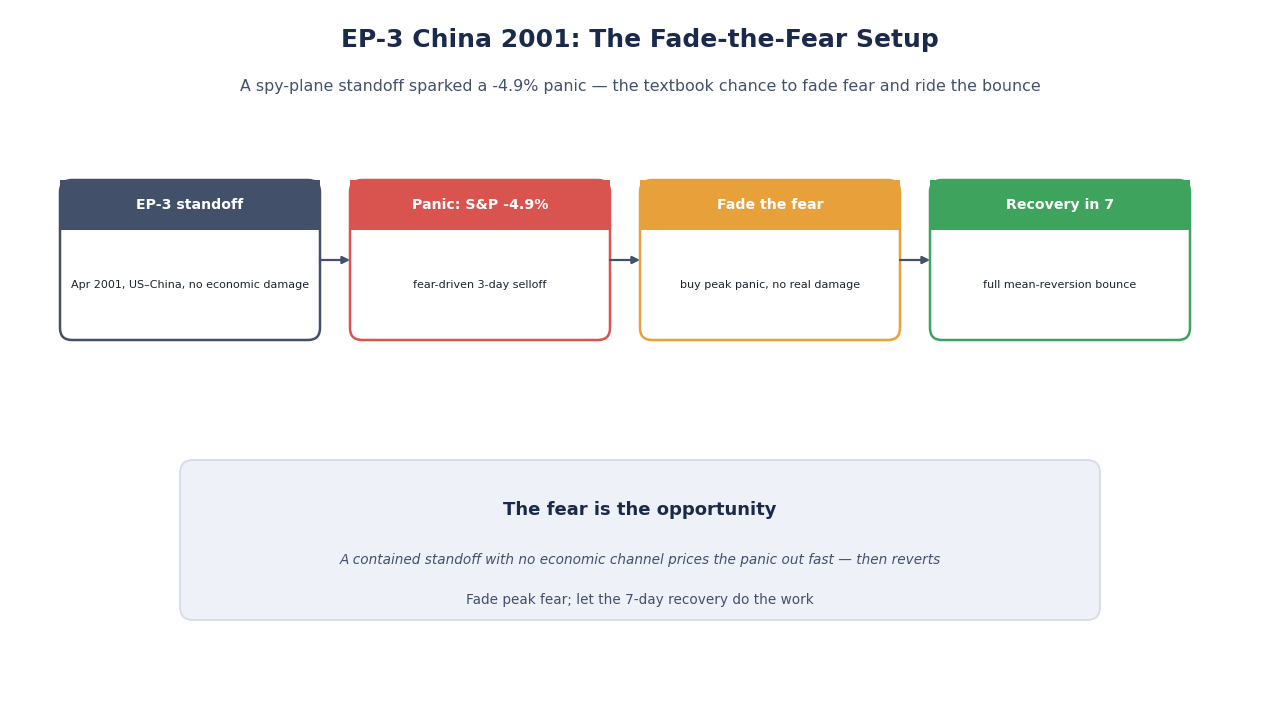
Understanding the EP-3 Incident and Market Reaction
The EP-3 incident was not a war, but it carried significant geopolitical risk. Markets reacted sharply due to:
- Escalation fears between the U.S. and China
- Uncertainty around military retaliation
- Concerns over global trade disruption
“Markets price uncertainty faster than reality—especially when geopolitical narratives dominate headlines.”
Despite the initial panic, the situation de-escalated diplomatically, which explains the rapid recovery.
Key takeaway: Not all geopolitical shocks lead to prolonged bear markets.
Market Reaction Breakdown
| Phase | Timeline | Market Behavior |
|---|---|---|
| Shock Phase | Day 1–2 | Sharp sell-off (-4.9%) |
| Bottom Formation | Day 3 | Panic subsides, dip buyers step in |
| Recovery Phase | Day 4–7 | Rapid rebound, sentiment improves |
Why Non-War Military Standoffs Recover Faster
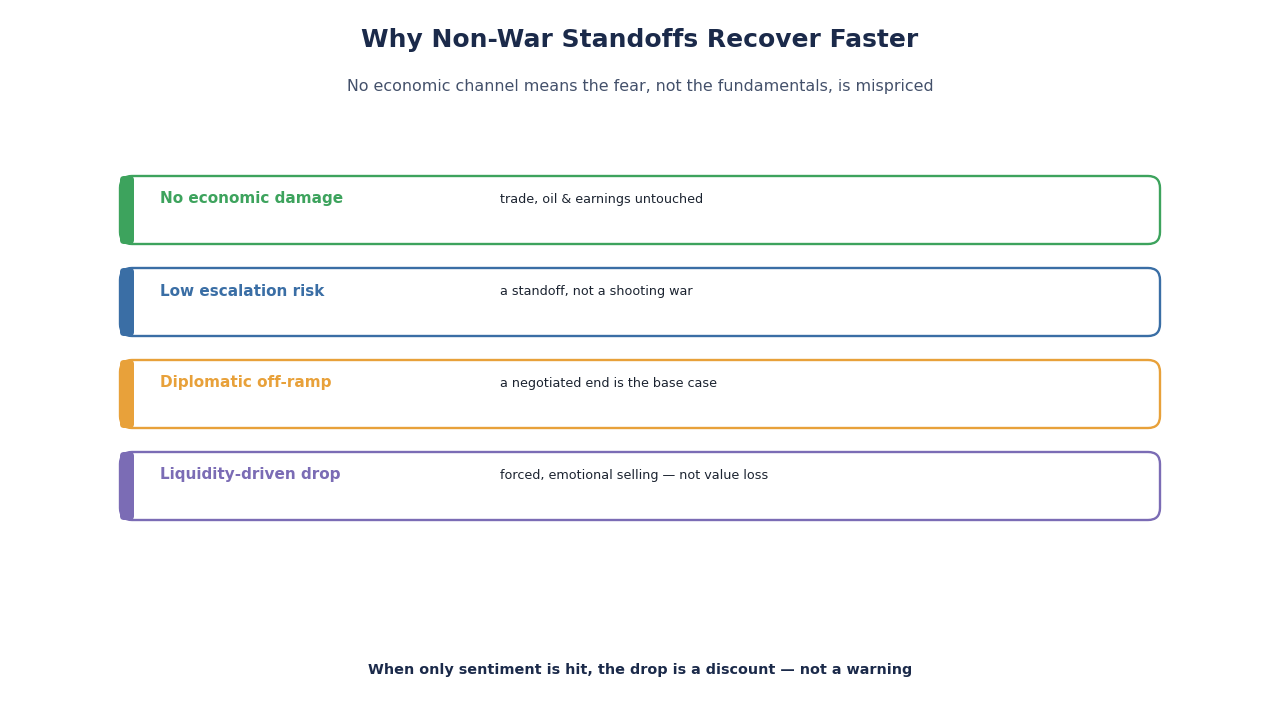
Unlike full-scale wars, non-war military standoffs share several characteristics:
- Limited economic disruption
- Short-lived uncertainty cycles
- Strong policy control over escalation
This creates a pattern where:
- Markets overreact initially
- Liquidity quickly returns
- Institutional capital buys the dip
Core Drivers of Fast Recovery
- Liquidity remains intact
- No supply chain breakdown
- No sustained earnings impact
This is where tools like SimianX AI become powerful. By integrating:
- Technical indicators (EMA, RSI, MACD)
- Real-time sentiment analysis
- Macro intelligence signals
SimianX allows traders to identify whether a sell-off is structural or temporary.
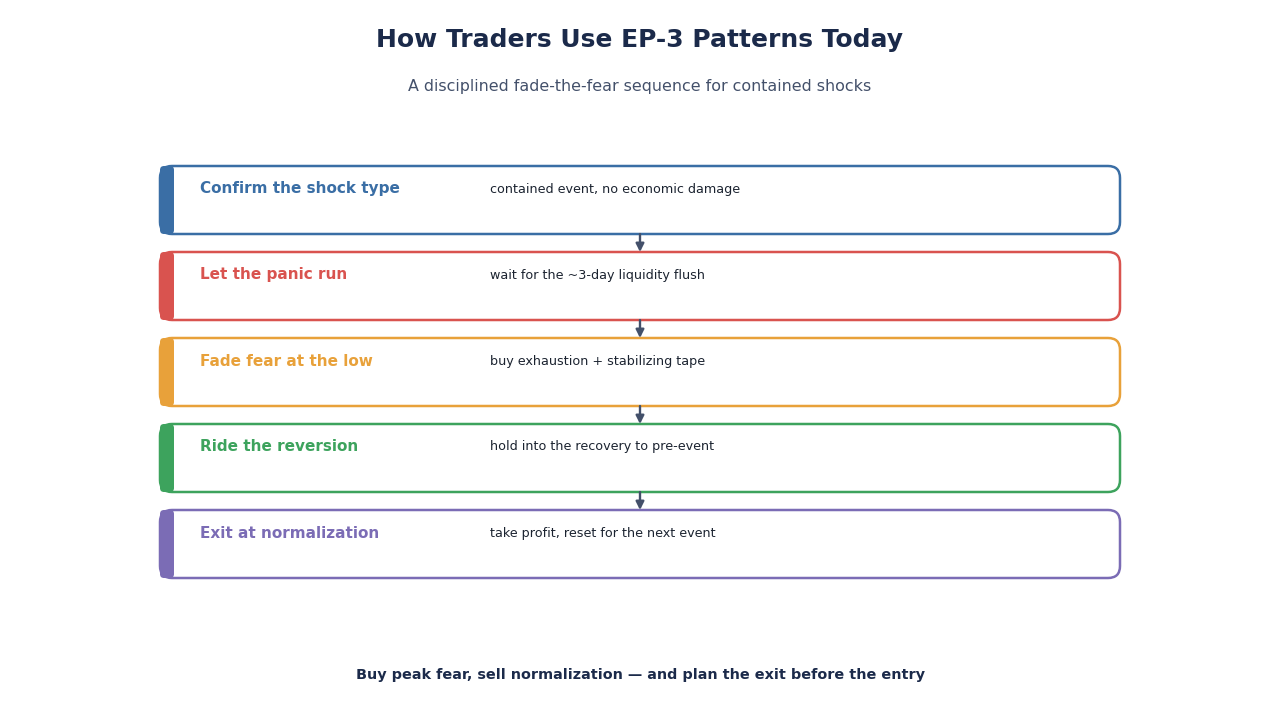
How Traders Can Use EP-3 Patterns Today
Understanding the EP-3 Incident 2001 market impact provides a repeatable framework for trading geopolitical shocks.
Practical Trading Framework
- Identify the type of event: war vs non-war
- Measure initial drawdown magnitude
- Track sentiment shift speed
- Monitor liquidity and volatility
- Event classification: Non-war tension → likely short-lived
- Drawdown depth: Moderate (3–6%) → buyable dip
- Recovery signals: Sentiment + technical reversal
- Execution: Scale into positions early
| Signal Type | Indicator Example |
|---|---|
| Technical | RSI oversold, EMA bounce |
| Sentiment | News tone stabilization |
| Liquidity | Volume recovery |
How SimianX AI Enhances This Strategy
SimianX AI acts like a multi-agent decision system, combining:
- Indicator Agent: Detects oversold signals
- Intelligence Agent: Tracks geopolitical sentiment
- Fundamental Agent: Evaluates macro risk
- Decision Agent: Outputs actionable bias
This removes emotional bias and replaces it with data-driven execution.
H3 Subheading as a question with a long-tail keyword
How markets react to non-war military standoff events like the EP-3 incident?
Markets typically react with a sharp but temporary sell-off driven by uncertainty rather than fundamentals. In cases like the EP-3 incident, the absence of real economic damage leads to a V-shaped recovery, often within days. Traders who understand this pattern can capitalize on early-stage fear-driven dips.
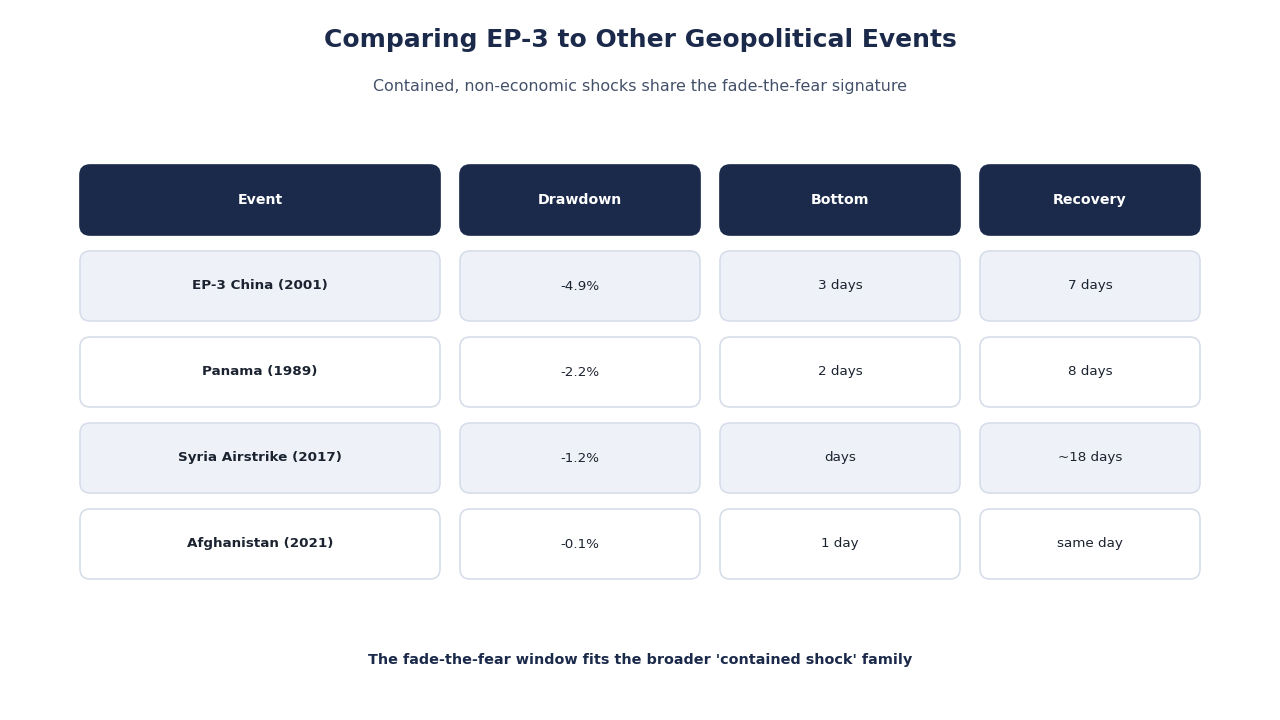
Comparing EP-3 to Other Geopolitical Events
Not all geopolitical shocks behave the same.
| Event Type | Drawdown | Recovery Speed | Market Impact Type |
|---|---|---|---|
| EP-3 Incident (2001) | -4.9% | 7 days | Short-term shock |
| Gulf War (1990) | -20%+ | Months | Structural crisis |
| Syria Strike (2017) | -1~2% | Days | Minimal impact |
Insight:
The more contained the event, the faster the recovery.
Actionable Insights for Investors
- Do not overreact to headlines
- Differentiate between noise and systemic risk
- Use structured frameworks instead of emotion
SimianX AI helps enforce this discipline by providing:
- Real-time signal streams
- Confidence scoring
- Risk-level tagging
This is crucial in fast-moving geopolitical environments.
FAQ About EP-3 Incident market impact
What is the EP-3 Incident market impact on stocks?
The EP-3 incident caused a short-term decline of about -4.9% in the S&P 500. However, the market quickly stabilized and recovered within 7 days, showing limited long-term impact.
How fast do markets recover from geopolitical tensions?
Recovery speed depends on the severity of the event. Non-war incidents like EP-3 typically recover within days, while full-scale wars can take months or years.
Is the EP-3 incident a good trading case study?
Yes, it is an excellent example of short-term panic followed by rapid recovery, making it highly relevant for modern geopolitical trading strategies.
How can traders detect recovery signals early?
By combining technical indicators, sentiment analysis, and liquidity data—tools like SimianX AI automate this process for better decision-making.
Conclusion
The EP-3 Incident 2001 market impact highlights a powerful lesson: not all geopolitical shocks are equal. While the initial drop may appear severe, the absence of structural damage often leads to rapid recovery.
For traders and investors, the key is to recognize patterns, control emotions, and act on data. Platforms like SimianX AI provide a structured, multi-agent approach that transforms chaotic market signals into clear, actionable insights.
If you want to navigate geopolitical volatility with precision and confidence, explore how SimianX AI can help you stay ahead of the next market shock.
EP-3 Incident 2001 Market Impact: S&P 500 Drop and Recovery Patterns
Building on the EP-3 Incident 2001 market impact, this extended research dives deeper into how markets behave during non-war military standoffs, and more importantly, how traders can systematically extract alpha from these events. As previously explored, the S&P 500 dropped approximately -4.9%, found a bottom within 3 days, and fully recovered within 7 days—a classic short-term shock pattern.
In today’s markets, tools like SimianX AI enable traders to detect these patterns in real time, turning geopolitical chaos into structured, data-driven opportunities.
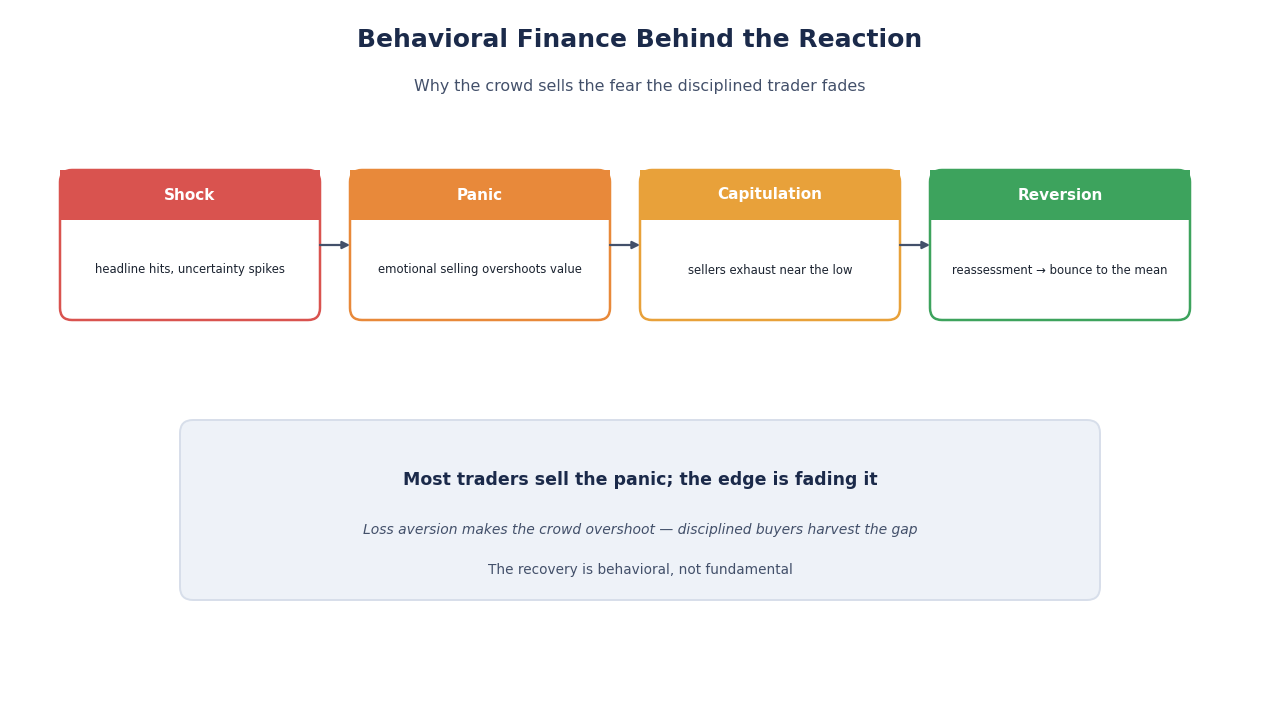
Behavioral Finance Behind the EP-3 Market Reaction
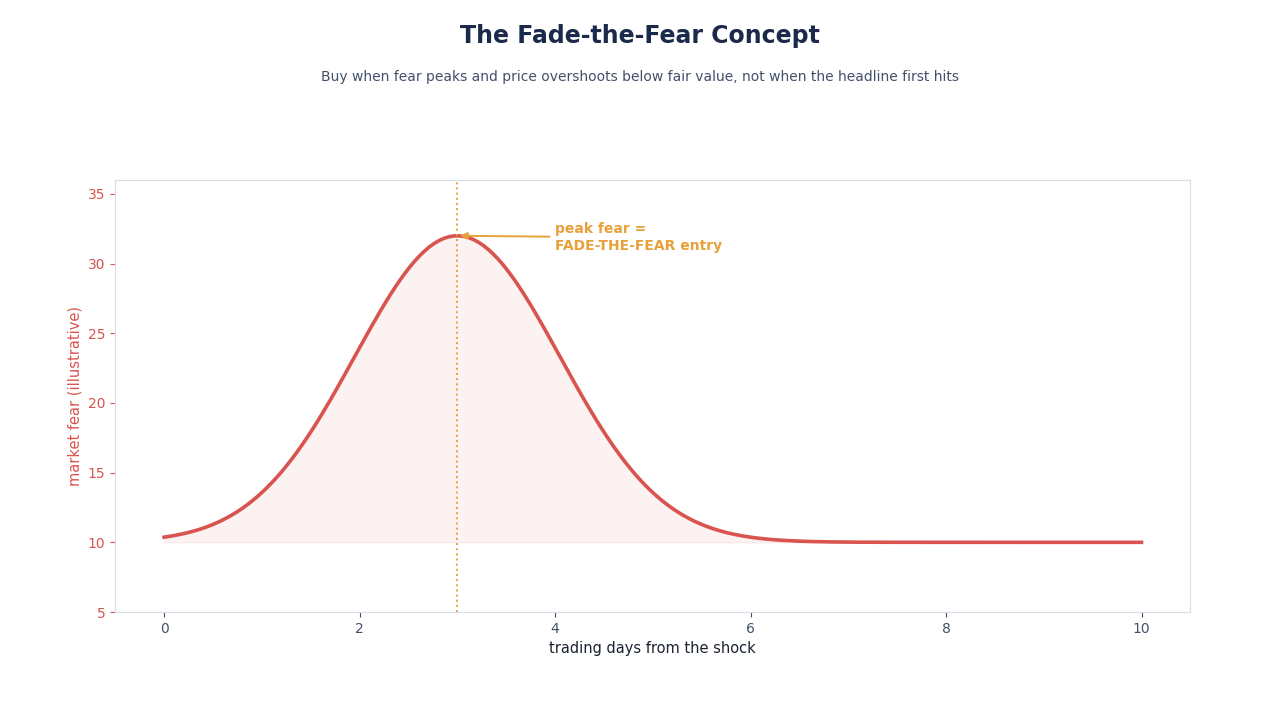
To truly understand the EP-3 Incident 2001 market impact, we must go beyond price action and analyze investor psychology.
Markets are not purely rational—they are driven by:
- Fear of escalation
- Media amplification
- Institutional risk hedging
“The first move is emotional. The second move is rational. The profit lies in between.”
Key Behavioral Phases
| Phase | Emotion Dominant | Market Action |
|---|---|---|
| Shock | Fear | Aggressive selling |
| Uncertainty | Confusion | Volatility spike |
| Realization | Rationality | Stabilization begins |
| Opportunity | Confidence | Dip buying accelerates |
Insight:
The faster the emotional cycle resolves, the faster the recovery.
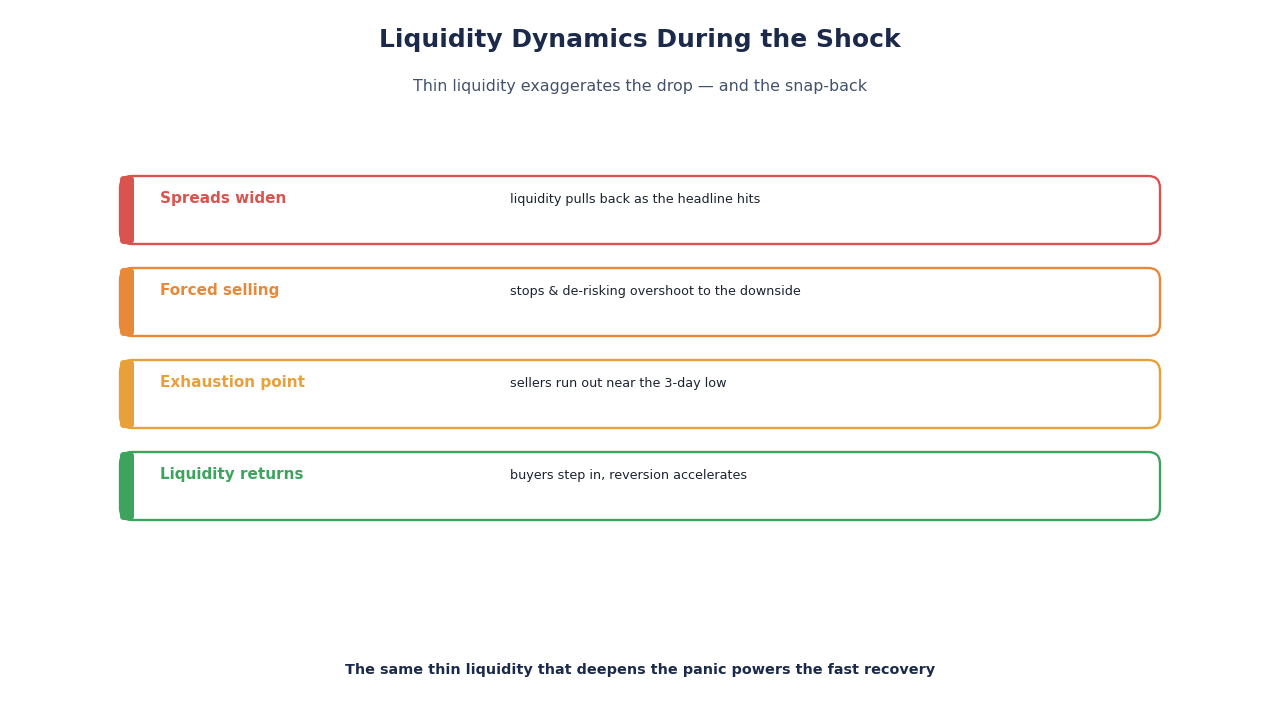
Liquidity Dynamics During Geopolitical Shocks
Liquidity is the hidden engine behind rapid recoveries like the EP-3 incident.
During the event:
- No central bank tightening occurred
- No credit markets froze
- No systemic risk emerged
This allowed:
- Institutions to deploy capital quickly
- Market makers to stabilize spreads
- Volatility to compress rapidly
Liquidity vs Shock Severity Matrix
| Shock Type | Liquidity Impact | Recovery Speed |
|---|---|---|
| Non-war incident | Minimal | Fast |
| Regional conflict | Moderate | Medium |
| Global war | Severe | Slow |
Advanced Trading Strategy: Exploiting EP-3 Type Events
Understanding the EP-3 Incident 2001 market impact enables traders to build repeatable strategies.
Strategy 1: Volatility Compression Play
- Enter after volatility spike
- Target mean reversion
- Exit as VIX declines
Strategy 2: Early Dip Accumulation
- Identify panic-driven sell-off
- Confirm no structural damage
- Scale into positions within 48 hours
Strategy 3: Sentiment Reversal Timing
- Track news sentiment shift
- Use AI-driven sentiment scoring
- Enter before consensus flips
| Strategy Type | Entry Signal | Exit Signal |
|---|---|---|
| Volatility Play | VIX spike | VIX normalization |
| Dip Buying | RSI oversold | Price recovery |
| Sentiment Reversal | News tone shift | Momentum confirmation |
How SimianX AI Identifies These Opportunities
SimianX AI provides a multi-layered analytical framework that aligns perfectly with EP-3 type events.
Real-Time Signal Integration
- Indicator Agent: Detects oversold conditions
- Intelligence Agent: Tracks geopolitical sentiment shifts
- Fundamental Agent: Confirms absence of systemic risk
- Decision Agent: Synthesizes all inputs
This allows traders to:
- Avoid false signals
- Enter earlier than the market consensus
- Manage risk with confidence scoring
Example Workflow Using SimianX AI
- Event detected via intelligence feed
- Sentiment turns negative → early warning
- Technical indicators confirm oversold
- Decision agent outputs bullish recovery bias
Comparing EP-3 With Modern Geopolitical Events
To validate the framework, we compare EP-3 with recent events:
| Event | Drawdown | Bottom Time | Recovery |
|---|---|---|---|
| EP-3 Incident (2001) | -4.9% | 3 days | 7 days |
| Israel-Hamas (2023) | -4.5% | 14 days | 19 days |
| Syria Strike (2017) | -2% | 2 days | 5 days |
Pattern Recognition:
- Limited escalation = faster recovery
- No oil shock = lower drawdown
- No financial stress = strong rebound
Risk Management in Geopolitical Trading
Even with strong patterns, risk must be controlled.
Core Risk Principles
- Never assume immediate recovery
- Size positions based on volatility
- Use invalidation levels
Risk Framework Table
| Risk Factor | Mitigation Strategy |
|---|---|
| Escalation risk | Monitor real-time headlines |
| Liquidity shock | Track credit spreads |
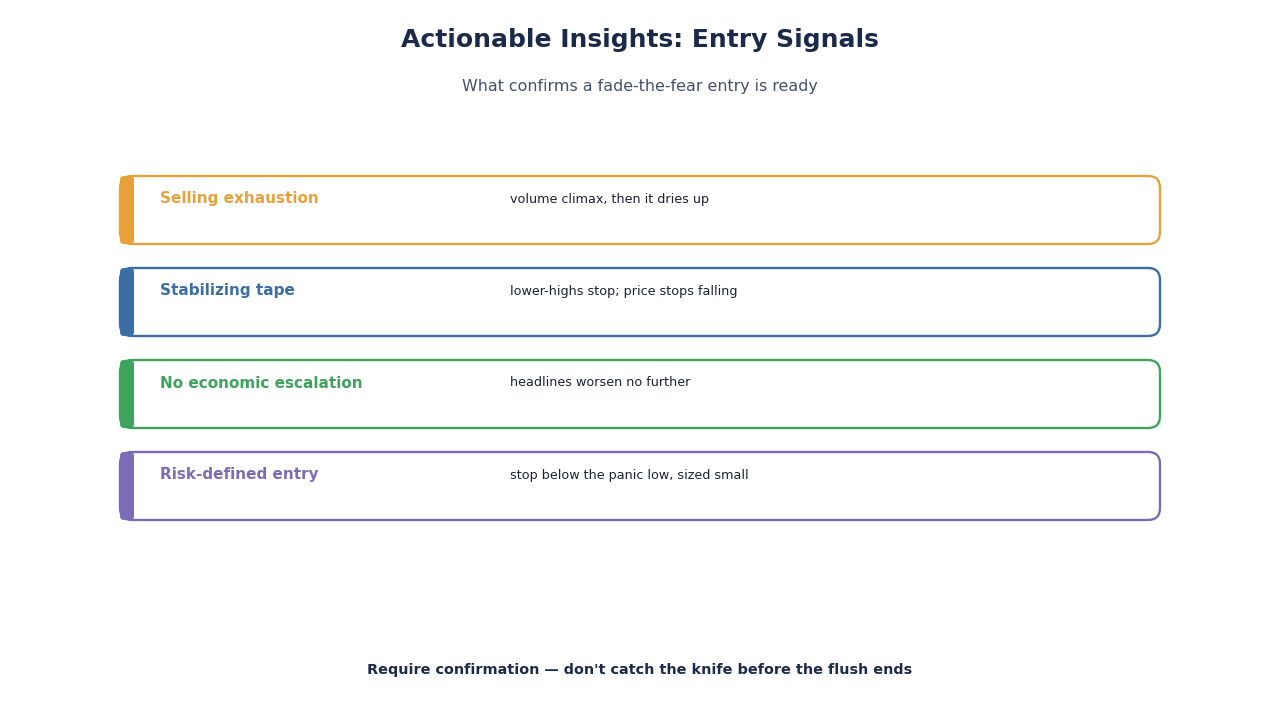
| False recovery | Wait for confirmation |
“The edge is not prediction—it’s disciplined reaction.”
How to Build a Geopolitical Trading System
Using EP-3 as a blueprint, traders can build a systematic approach:
Step-by-Step System
- Event Classification Engine
- War vs non-war
- Local vs global
- Signal Layer
- Technical indicators
- Sentiment analysis
- Decision Layer
- Probability scoring
- Risk/reward evaluation
- Execution Layer
- Position sizing
- Entry timing
- Monitoring Layer
- News updates
- Market reactions
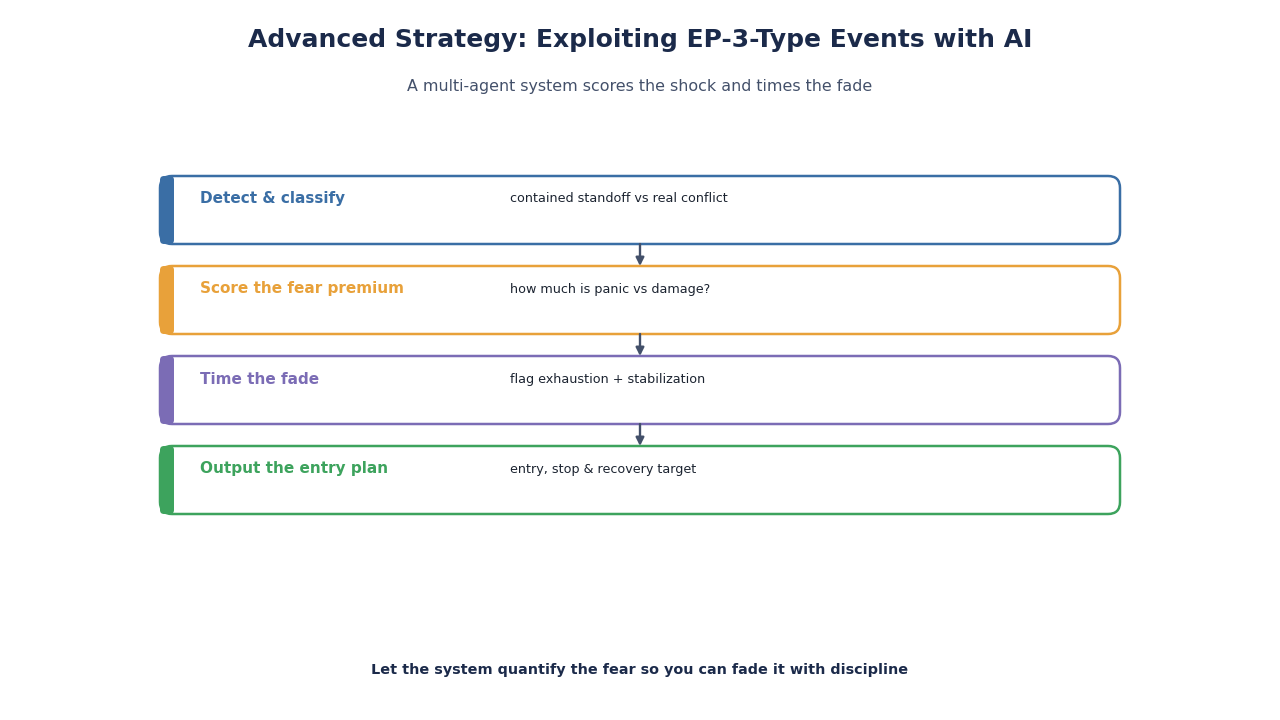
SimianX AI already integrates all these layers into one interface, reducing complexity and improving execution quality.
H3 Subheading as a question with a long-tail keyword
What is the best way to trade EP-3 Incident type market shocks?
The best approach is to combine event classification, sentiment tracking, and technical confirmation. Traders should avoid reacting to headlines alone and instead wait for data-driven signals that confirm a temporary shock rather than structural damage. Platforms like SimianX AI automate this process, enabling faster and more accurate decision-making.
FAQ About EP-3 Incident 2001 market impact
How reliable is the EP-3 incident as a trading model?
It is highly reliable for non-war geopolitical shocks, but should not be applied to large-scale conflicts or systemic crises.
Can this strategy be used in crypto markets?
Yes, crypto markets often react even faster to geopolitical news, making this framework highly effective when combined with real-time AI tools.
What indicators work best for these events?
RSI, EMA, sentiment scores, and volatility indices are the most effective when used together.
How does SimianX AI improve trading accuracy?
By integrating multiple data sources and generating a unified decision output, SimianX reduces emotional bias and improves timing.
Conclusion
The EP-3 Incident 2001 market impact is more than just a historical case—it is a repeatable trading blueprint for navigating geopolitical shocks. By understanding the interplay between psychology, liquidity, and sentiment, traders can transform uncertainty into opportunity.
With advanced tools like SimianX AI, this process becomes scalable, disciplined, and data-driven. Whether you are trading equities or crypto, mastering these patterns can significantly improve your edge.
Start leveraging these insights today and explore how SimianX AI can help you stay ahead in volatile markets.
Related Reading
- EP-3 Incident 2001: S&P -4.9%, 7-Day Recovery Pattern
- Afghanistan Withdrawal 2021: S&P +0.1%, the Non-Event Trade
- Tet Offensive 1968: S&P -6%, 25-Day Bottom, 46-Day Recovery
- 1989 Panama Invasion: S&P -2.2% in 2 Days, 8-Day Recovery
- Syria Airstrike 2017: S&P 500 -1.2%, Same-Week Recovery
- U.S. Strike on Iran General: Stocks Down, Oil +4% Shock