
Die 4-Milliarden-Dollar-Ausweitung der Langläufer-Rückkäufe: Mechanik, Motive und der Midterm-Kalender
Trumps Staatsanleihen-Rückkäufe im Jahr 2026 werfen eine ungewöhnlich politische Frage auf: Repariert die Regierung lediglich die Liquidität auf dem wichtigsten Anleihemarkt der Welt, oder versucht sie, die Kreditkosten vor den Zwischenwahlen im November zu senken?
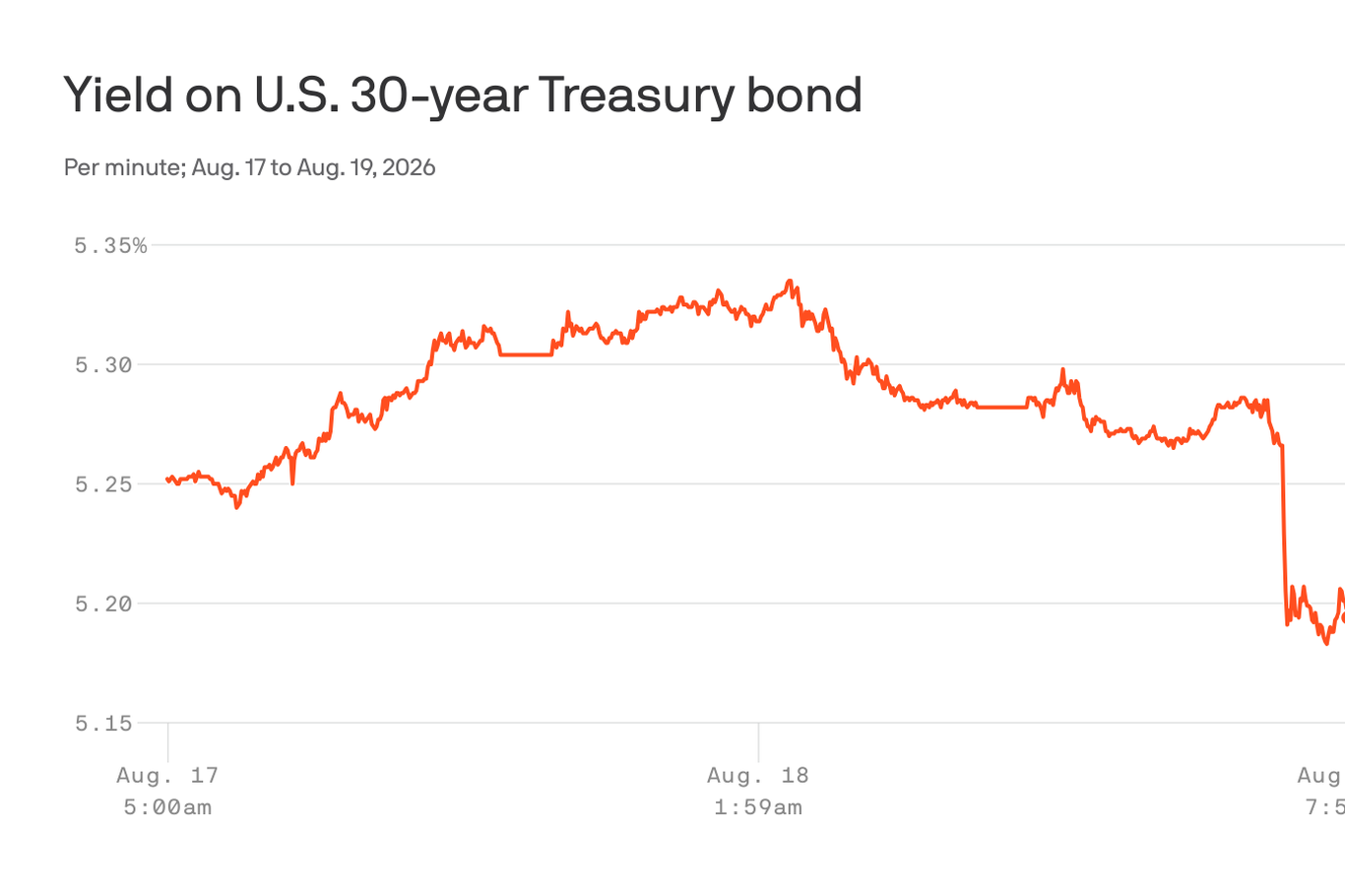
Am 19. August 2026 gab das US-Finanzministerium bekannt, dass es die maximale Größe bestimmter Rückkaufoperationen für langfristige Schulden mindestens verdoppeln würde. Ab dem 9. September wird die Obergrenze für Käufe im 10- bis 20-Jahres- und 20- bis 30-Jahres-Sektor von 2 Milliarden Dollar auf mindestens 4 Milliarden Dollar pro Operation steigen. Die Änderung soll bis zum 4. November in Kraft bleiben – einen Tag nach der Bundeswahl am 3. November.
Dieses Timing ist politisch auffällig. Es ist jedoch kein Beweis dafür, dass das Programm als Wahlintervention konzipiert wurde.
Das Finanzministerium gibt an, dass sein Ziel darin besteht, eine größere Liquiditätsunterstützung für ältere, weniger aktiv gehandelte Wertpapiere bereitzustellen. Das breitere Verhalten der Regierung erzählt eine kompliziertere Geschichte: Präsident Donald Trump hat wiederholt niedrigere Zinssätze gefordert, Finanzminister Scott Bessent hat die Erschwinglichkeit zu einem zentralen politischen Thema gemacht, und das Weiße Haus hat bereits andere Maßnahmen gefördert, die darauf abzielen, die Hypothekenkosten zu senken.
Diese Forschung trennt dokumentierte Mechanismen von politischen Schlussfolgerungen. Sie erklärt, was das Finanzministerium kauft, warum das Programm keine konventionelle quantitative Lockerung ist, wie es Hypotheken und Märkte beeinflussen könnte und warum die wahlpolitischen Vorteile möglicherweise viel geringer sind als ihre politische Symbolik.
Investoren können SimianX AI nutzen, um die Renditen von Staatsanleihen, zinssensitive Aktien, wirtschaftliche Veröffentlichungen, Nachrichtenstimmungen und sich ändernde Markterwartungen zu verfolgen, während sich diese Politik entwickelt.
Fazit: Die erweiterten Rückkäufe haben eine legitime marktfunktionale Begründung, aber ihr ungewöhnliches Timing, die abrupte Ankündigung und die Übereinstimmung mit der Erschwinglichkeitskampagne der Trump-Administration machen ein wahlpolitisches Motiv plausibel. Die Beweise rechtfertigen noch nicht, sie als ein umfassendes Stimulusprogramm für die Zwischenwahlen zu bezeichnen.
Was hat das US-Finanzministerium tatsächlich angekündigt?
Die offizielle Ankündigung war enger gefasst als viele Beschreibungen in sozialen Medien vermuten ließen.
Das Finanzministerium gab bekannt, dass es die Größe der Liquiditätsunterstützungsrückkäufe für längerfristige nominale Kuponanleihen erhöhen würde. Die betroffenen Laufzeiten sind:
- Anleihen im 10- bis 20-Jahres-Sektor
- Anleihen im 20- bis 30-Jahres-Sektor
- Ein vorheriges Maximum von 2 Milliarden Dollar pro Operation
- Ein neues Maximum von mindestens 4 Milliarden Dollar pro Operation
- Ein effektives Datum von 9. September 2026
- Weitere Hinweise beim Quarterly Refunding am 4. November
Das Finanzministerium führte die Erhöhung auf die „konstante starke Unterstützung“ von Marktteilnehmern zurück, wie das Volumen hochwertiger Angebote in längerfristigen Operationen zeigt. Siehe die Ankündigung des Finanzministeriums.
Das Wort Maximum ist entscheidend. Eine Obergrenze von 4 Milliarden Dollar bedeutet nicht, dass das Finanzministerium in jeder Operation 4 Milliarden Dollar kaufen muss. Es kann weniger akzeptieren, wenn Investoren unattraktive Angebote einreichen.
Die Regeln des Finanzministeriums erklären auch, dass ungenutzte Kapazitäten nicht automatisch in spätere Operationen übertragen werden. TreasuryDirects FAQ zu Rückkäufen beschreibt den Angebot-, Annahme- und Abwicklungsprozess.
Vor der Änderung am 19. August sah der Quarterly-Refunding-Plan des Finanzministeriums für August Käufe von bis zu folgenden Beträgen vor:
| Rückkaufkategorie | Geplantes Maximum für das Quartal |
|---|---|
| Off-the-run Wertpapiere zur Liquiditätsunterstützung | 38 Milliarden $ |
| 1-Monats- bis 2-Jahres-Wertpapiere für das Cash-Management | 25 Milliarden $ |
| Gesamtes angegebenes Maximum | 63 Milliarden $ |
Diese Zahlen sind Obergrenzen, keine Versprechen für abgeschlossene Käufe. Der ursprüngliche Plan erscheint in der Quarterly-Refunding-Erklärung des Finanzministeriums vom August 2026.
Die Erhöhung ist an der Marge von Bedeutung, insbesondere im weniger liquiden langen Ende, aber sie ist nicht im Maßstab mit den Billionen Dollar vergleichbar, die mit den Notfallprogrammen der Federal Reserve verbunden sind.
Wie Treasury-Anleiherückkäufe funktionieren
Ein Treasury-Rückkauf ähnelt eher einer Refinanzierungstransaktion als einem Unternehmensaktienrückkauf.
Die Regierung identifiziert berechtigte ausstehende Wertpapiere und lädt autorisierte Gegenparteien ein, diese zum Verkauf anzubieten. Das Finanzministerium bewertet diese Angebote, akzeptiert Wertpapiere, die einen angemessenen Wert bieten, bezahlt die Verkäufer und zieht die gekauften Schulden aus dem Verkehr.
Der Prozess funktioniert wie folgt:
- Das Finanzministerium kündigt ein Laufzeitsegment und einen maximalen Kaufbetrag an.
- Händler und berechtigte Gegenparteien reichen Wertpapiere und Angebotspreise ein.
- Das Finanzministerium akzeptiert einige oder alle wettbewerbsfähigen Angebote.
- Die gekauften Anleihen werden nach der Abwicklung getilgt.
- Das Finanzministerium finanziert seinen gesamten Liquiditätsbedarf durch Steuereinnahmen, Barguthaben und neue Kredite.
Der fünfte Punkt ist der, wo viele Interpretationen falsch liegen. Das Finanzministerium schafft keine dauerhaften Haushaltsersparnisse, indem es einfach eine bestehende Anleihe kauft. Es gibt in der Regel weiterhin neue Wertpapiere aus, um die bundesstaatlichen Verpflichtungen zu finanzieren und die Schulden zu ersetzen, die es tilgt.
In seiner Finanzierungsprognose für Juli 2026 erklärte das Finanzministerium ausdrücklich, dass Rückkäufe die privat gehaltene marktfähige Nettoverschuldung voraussichtlich nicht erheblich verändern, da neue Emissionen die gekauften Wertpapiere ersetzen. Das Finanzministerium erwartete, dass es im Zeitraum Juli–September etwa 739 Milliarden Dollar an privat gehaltenen marktfähigen Nettoschulden aufnehmen würde. Schätzung der marktfähigen Verschuldung des Finanzministeriums
Ein vereinfachtes Beispiel veranschaulicht die Mechanik:
| Transaktion | Effekt |
|---|---|
| Das Finanzministerium kauft eine ältere 30-jährige Anleihe | Dieses Wertpapier wird zurückgezogen |
| Das Finanzministerium gibt neue Schatzwechsel oder Anleihen aus | Die Regierung beschafft Ersatzmittel |
| Ein Händler verkauft eine weniger liquide Anleihe | Die Bilanzkapazität des Händlers verbessert sich |
| Ein Benchmark-Wertpapier tritt in den Markt ein | Investoren erhalten ein liquideres Instrument |
| Die finanziellen Bedürfnisse des Bundes bleiben groß | Die nationale Schuldenlast wird nicht beseitigt |
Das Programm kann die Zusammensetzung, Liquidität und Fälligkeitsverteilung der öffentlich gehaltenen Schulden verändern. Es beseitigt nicht das zugrunde liegende Bundesdefizit.
Warum kauft das Finanzministerium seine eigenen Anleihen zurück?
Das moderne Programm hat zwei offizielle Ziele.
Liquiditätsunterstützung
Schatzanleihen werden nicht alle gleich gehandelt.
Das neueste Wertpapier in einer bestimmten Laufzeit—bekannt als die on-the-run Emission—wird normalerweise häufig und mit engen Geld-Brief-Spannen gehandelt. Ältere Anleihen mit ähnlichen Laufzeiten werden zu off-the-run Wertpapieren und können schwieriger oder teurer zu handeln sein.
Die Rückkäufe des Finanzministeriums ermöglichen es Händlern und institutionellen Investoren, ausgewählte off-the-run Anleihen an die Regierung zurückzuverkaufen. Das kann:
- Die Händlerbestände reduzieren
- Die Bilanzkapazität verbessern
- Relative Wertverzerrungen verringern
- Das Market-Making unterstützen
- Die Preisfindung verbessern
- Die Marktresilienz erhöhen
Beamte des Finanzministeriums haben regelmäßige und vorhersehbare Rückkäufe als eine Möglichkeit beschrieben, wie Vermittler Risiken in zusätzliches Market-Making zurückführen können. Rede des Finanzministeriums vor Primärhändlern
Cash-Management
Die Bundesmittelströme sind unregelmäßig. Steuertermine erzeugen plötzliche Zuflüsse, während Leistungen, Zinszahlungen, Löhne und andere Verpflichtungen große Abflüsse verursachen.
Cash-Management-Rückkäufe ermöglichen es dem Finanzministerium, Wertpapiere kurz vor der Fälligkeit zurückzunehmen, wenn die Regierung überschüssige Mittel hat. Dies kann die Volatilität bei der Emission von Schatzwechseln verringern und helfen, das Treasury General Account zu verwalten.
Die Unterscheidung ist wichtig:
- Liquiditätsunterstützungs-Rückkäufe zielen auf die Funktionsweise des Marktes ab.
- Cash-Management-Rückkäufe glätten die bundesstaatlichen Bargeldbestände.
Die Erweiterung vom 19. August betrifft die Liquiditätsunterstützung für längerfristige nominale Wertpapiere.
Ist Trumps Rückkaufprogramm des Finanzministeriums neu?
Nein. Diese Tatsache schwächt die stärkste Version des Arguments zur Wahlmanipulation.
Das reguläre Rückkaufprogramm des Finanzministeriums wurde im Mai 2024 ins Leben gerufen, vor der aktuellen Trump-Administration. Der Entwurfsprozess begann früher durch Konsultationen mit Primärhändlern und dem Treasury Borrowing Advisory Committee.
Das Finanzministerium führte auch um das Jahr 2000 Rückkäufe durch, als die Bundeshaushaltsüberschüsse das Angebot an Staatsverschuldung verringerten und die Beamten flüssige Benchmark-Wertpapiere erhalten wollten. Die rechtliche Grundlage ist nicht neu: Abschnitt 3111 des Titels 31 ermächtigt das Finanzministerium, ausstehende Staatswertpapiere vor der Fälligkeit zu kaufen, einzulösen oder zu refinanzieren.
Bis 2025 berichteten Beamte des Finanzministeriums, dass das neu gestartete Programm etwa gekauft hatte:
- 113 Milliarden Dollar für Cash-Management
- Mehr als 115 Milliarden Dollar für Liquiditätsunterstützung
Die Entscheidung vom August 2026 ist daher eine Erweiterung eines etablierten Instruments zur Schuldenverwaltung – nicht die Erfindung eines völlig neuen Instruments aus der Trump-Ära.
Historische Kontinuität macht jedoch nicht jede Expansion politisch neutral. Eine Regierung kann ein geerbtes Instrument aggressiver einsetzen, den Zeitpunkt ändern oder unterschiedliche Ziele betonen.
Die richtige Frage ist nicht „Hat Trump die Treasury-Rückkäufe erfunden?“ Das hat er nicht. Die bessere Frage ist: „Warum hat das Finanzministerium von Trump zu diesem bestimmten Zeitpunkt abrupt die Rückkaufkapazität am langen Ende erhöht?“
Warum der Zeitpunkt im August 2026 politisch aussieht
Mehrere Fakten unterstützen den Verdacht einer Strategie für die Zwischenwahlen.
Die Expansion deckt den letzten Wahlkampfzeitraum ab
Die größeren Operationen beginnen am 9. September und sind bis zum 4. November geplant. Die Federal Election Commission identifiziert Dienstag, den 3. November 2026, als die nächste regulär angesetzte landesweite Bundeswahl. FEC-Wahlinformationen
Die vorübergehende Expansion deckt daher den politisch sensibelsten Teil des Wahlkampfs ab und endet formal einen Tag nach der Wahl.
Es gibt ein wichtiges Gegenargument: Der 4. November ist auch das Datum des nächsten geplanten Quarterly Refunding des Finanzministeriums. Das Enddatum ist mit dem normalen Schuldenmanagementkalender verbunden und wurde nicht unbedingt wegen der Wahl ausgewählt.
Beide Aussagen können wahr sein:
- Das Enddatum folgt dem Refinanzierungsprozess des Finanzministeriums.
- Der Refinanzierungsprozess stimmt fast perfekt mit dem Wahlkalender überein.
Trump hat öffentlich niedrigere Zinsen gefordert
Am 19. August beschwerte sich Trump, dass die US-Zinsen „künstlich hoch“ seien, und argumentierte, dass ein starkes Land niedrigere Zinsen haben sollte. Die langfristigen Treasury-Renditen waren seit Wochen gestiegen, was die Kosten für Hypotheken und Unternehmensdarlehen erhöhte. Berichterstattung der Associated Press
Trump hat auch wiederholt Druck auf die Federal Reserve ausgeübt, die Leitzinsen zu senken. Der Präsident kann jedoch den Federal Funds Rate oder die 10-jährigen Treasury-Renditen nicht direkt festlegen.
Die Schuldenmanagement-Instrumente des Finanzministeriums bieten der Regierung einen separaten Weg, um die finanziellen Bedingungen zu beeinflussen – obwohl ihre Auswirkungen begrenzt und indirekt sind.
Erschwinglichkeit ist eine Schwachstelle vor den Zwischenwahlen
Höhere Treasury-Renditen können beitragen zu:
- Höheren Hypothekenzinsen
- Teureren Autokrediten
- Höheren Unternehmensfinanzierungskosten
- Niedrigeren Aktien- und Anleihewertungen
- Weniger Immobilientransaktionen
- Langsameren Unternehmensinvestitionen
- Höheren Zinsausgaben des Bundes
Im Juni 2026 war die 10-jährige Rendite auf über 4,44 % gestiegen, während die Hypothekenzinsen ihr höchstes Niveau seit neun Monaten erreichten und den Druck auf die Erschwinglichkeit vor den Zwischenwahlen erhöhten. Analyse der Associated Press
Die Regierung hatte bereits ihre Sensibilität für die Wohnkosten demonstriert. Im Januar wies Trump Fannie Mae und Freddie Mac an, den Kauf von etwa 200 Milliarden Dollar in Hypothekenanleihen zu verfolgen, und argumentierte, dass diese Maßnahme die Hypothekenzinsen senken würde. Zeitgenössische Berichterstattung verband die Erschwinglichkeitskampagne mit den Wahlen im November. Bericht der Associated Press
Welche Aktien der Wahlausgang selbst bewegen könnte, zeigt sektorweise Midterms 2026: 12 Aktien und drei Kongress-Szenarien.
Die Ankündigung kam außerhalb des normalen Quarterly Refunding
Das Treasury veröffentlichte am 5. August seine vollständige Quarterly-Refunding-Erklärung. Diese Mitteilung behielt die bestehende Struktur des Rückkaufs am langen Ende bei.
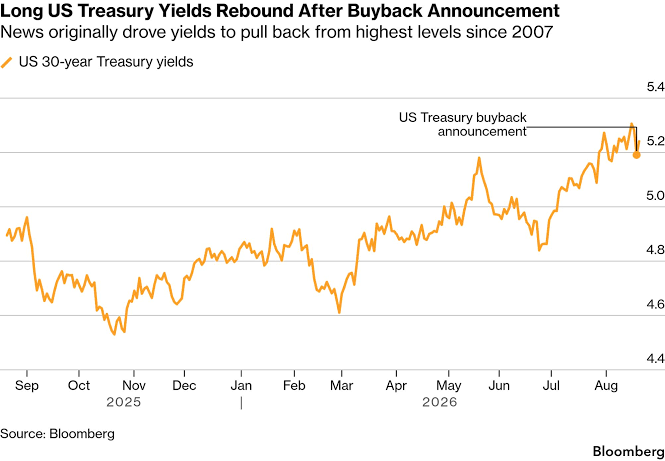
Die Änderung vom 19. August kam nur zwei Wochen später, nachdem ein scharfer Verkaufsdruck die Rendite der 30-jährigen Staatsanleihen auf den höchsten Stand seit 2007 trieb. Die Anpassung deutet darauf hin, dass die Beamten mit den Marktbedingungen unzufrieden waren und nicht bis November warten wollten.
Das stellt zwar keine wahlpolitische Absicht fest, unterstützt jedoch die Interpretation, dass die Regierung ein sofortiges Signal senden wollte.
Eine 30-Jahres-Rendite über 5 % ist zugleich ein direkter Bewertungs-Gegenwind für Wachstumsaktien mit langer Duration – genau das Szenario, das AI-Rally-Stresstest: Nvidia-Zahlen gegen 5% Renditen 2026 durchspielt.
Warum die Behauptung zur Wahlstrategie übertrieben sein könnte
Eine verantwortungsvolle Analyse muss auch die nicht-politische Erklärung berücksichtigen.
Die Liquidität des Treasury-Marktes ist ein legitimes politisches Anliegen
Der Treasury-Markt unterstützt die Liquidität der Banken, globale Sicherheiten, die Preisgestaltung von Hypotheken, die Unternehmensfinanzierung, Devisenreserven und die Bewertung von Derivaten. Dysfunktionen am langen Ende können sich durch das Finanzsystem ausbreiten, selbst wenn die zugrunde liegende Wirtschaft gesund bleibt.
Die offizielle Arbeit an Rückkäufen geht dem Wahlzyklus 2026 voraus. Das Treasury Borrowing Advisory Committee hat jahrelang die Kapazität der Händler, Off-the-Run-Spreads, die Leistung von Auktionen, Handelskosten und angemessene Betriebsgrößen bewertet.
Die Protokolle des TBAC vom 4. August 2026 besagen, dass Rückkäufe, elektronischer Handel und FINRA-Transaktionsberichterstattung zu niedrigeren Transaktionskosten und größerer Marktresilienz beigetragen haben. Protokolle des Treasury Borrowing Advisory Committee
Die Operationen sind im Verhältnis zum Markt klein
Der Treasury-Markt umfasst Dutzende von Billionen Dollar an Wertpapieren. Ein Maximum von 4 Milliarden Dollar pro Operation kann die Liquidität in ausgewählten Emissionen verbessern, aber es kann die globalen Inflationserwartungen, das fiskalische Risiko, die Ölpreise, das Wirtschaftswachstum oder die Nachfrage der Investoren nicht dauerhaft überwältigen.
Beamte des Finanzministeriums haben zuvor betont, dass Rückkäufe im Verhältnis zur Bundesverschuldung klein waren und die gewichtete durchschnittliche Laufzeit nur um wenige Wochen verändert haben. Von der höheren Frequenz am langen Ende wurde erwartet, dass sie die durchschnittliche Laufzeit nur um einige Tage verändert.
Der anfängliche Markteffekt verblasste schnell
Die Ankündigung senkte zunächst die langfristigen Renditen. Die Erleichterung war kurzlebig.
Bis zum 20. August war die 10-Jahres-Rendite wieder auf etwa 4,69 % zurückgekehrt, nahe ihrem Niveau vor der Ankündigung. Associated Press Markt-Nachverfolgung
Diese Reaktion verdeutlicht eine wesentliche Einschränkung:
Das Finanzministerium kann die Handelsbedingungen verbessern und vorübergehend das Angebot ausgewählter Anleihen ändern. Es kann Investoren jedoch nicht dauerhaft zwingen, Renditen zu akzeptieren, die sie nicht für Inflation, Laufzeit und fiskalisches Risiko entschädigen.
Wenn das Ziel darin bestand, eine dramatische Senkung der Hypothekenzinsen vor der Wahl zu bewirken, war das frühe Ergebnis enttäuschend.
Sind Treasury-Rückkäufe dasselbe wie quantitative Lockerung?
Nein. Treasury-Rückkäufe und quantitative Lockerung der Federal Reserve beinhalten beide Staatsanleihen, aber ihre Finanzierung, rechtliche Autorität, Bilanzwirkungen und Zwecke unterscheiden sich.
| Merkmal | Treasury-Rückkauf | Quantitative Lockerung der Federal Reserve |
|---|---|---|
| Entscheidungsträger | U.S. Treasury | Federal Open Market Committee |
| Erklärtes Ziel | Liquiditätsunterstützung oder Cash-Management | Geldpolitischer Stimulus |
| Finanzierung | Kassenmittel des Treasury und neue Schuldenemissionen | Schaffung von Reserven |
| Gekaufte Wertpapiere | Ausgewählte ausstehende Treasury-Wertpapiere | Treasuries und manchmal Agency-MBS |
| Behandlung der Wertpapiere | Nach dem Kauf zurückgezogen | In der Bilanz der Fed gehalten |
| Effekt auf die Nettoschuldenaufnahme des Treasury | In der Regel minimal, da Schulden neu emittiert werden | Finanziert nicht direkt die Emission des Treasury |
| Beabsichtigter Markteffekt | Verbesserung der Liquidität | Senkung der langfristigen Zinsen und Lockerung der Finanzierungsbedingungen |
| Bilanz der Zentralbank | Keine direkte Expansion | Erweitert sich unter QE |
Die Federal Reserve erklärt, dass sie neu ausgegebene Wertpapiere nicht direkt vom Finanzministerium kauft und dass ihre Offenmarktkäufe kein Mittel zur Finanzierung des Bundesdefizits sind. Federal Reserve FAQ
Die Fed unterscheidet auch zwischen gewöhnlichen Reservemanagementkäufen und QE. QE entfernt absichtlich Durationsrisiko und versucht, die allgemeinen Finanzierungsbedingungen zu lockern. Erklärung der Federal Reserve
Wie sich Treasuries, Aktien und Gold in echten Lockerungszyklen tatsächlich verhalten haben, zeigt Jeder Zinssenkungszyklus der Fed seit 1980: Aktien und Gold.
Können Treasury-Rückkäufe die Hypothekenzinsen senken?
Das ist die politisch entscheidende Frage – und die ehrliche Antwort lautet: nur an der Marge.
Eine 30-jährige Festzinshypothek wird auf Basis der 10-jährigen Treasury-Rendite plus eines Aufschlags für hypothekenbesicherte Wertpapiere (MBS) und die Kosten der Kreditgeber bepreist. Die Ausweitung der Rückkäufe berührt diese Kette nur indirekt.
| Glied der Kette | Was größere Rückkäufe bewirken können | Was sie nicht können |
|---|---|---|
| Off-the-run-Liquidität | Den Abstand zwischen älteren 10- bis 30-jährigen Anleihen und der aktuellen Benchmark verringern | Die On-the-run-Rendite der 10-jährigen Anleihe um mehr als ein paar Basispunkte bewegen |
| Laufzeitprämie | Den Renditeaufschlag, den Anleger für lange Duration verlangen, leicht senken | Ein Defizit ausgleichen, das das Congressional Budget Office in diesem Jahr auf über 2 Billionen Dollar schätzt |
| Treasury-Angebot | Pro Operation einige Milliarden Dollar bestimmter Emissionen aus dem Verkehr ziehen | Die Bruttoemission schrumpfen lassen, während die Gesamtverschuldung über 40 Billionen Dollar liegt (FiscalData) |
| MBS-Spread | Nichts direkt | Den Abstand zwischen Treasuries und Hypothekenanleihen verengen – das Ziel des 200-Milliarden-Dollar-Kaufplans von Fannie Mae/Freddie Mac |
| Konditionen der Kreditgeber | Nichts | Kreditstandards, Servicing-Kosten oder Versicherungsprämien ändern |
Die sauberste Messlatte ist Freddie Macs wöchentlicher Primary Mortgage Market Survey. Liegt der 30-jährige Festzins bis Mitte Oktober nicht deutlich unter seiner Spanne vom Sommer 2026, sind die Rückkäufe nie bei den Haushalten angekommen – was auch immer sie für die Bilanzen der Händler getan haben.
Finanzminister Bessent hat signalisiert, dass der Werkzeugkasten nicht erschöpft ist. Am 20. August sagte er, die Operationen „könnten größer als 4 Milliarden Dollar“ ausfallen, und die Regierung werde bald ein separates Programm zur Defizitreduzierung ankündigen. Associated Press Der zweite Punkt wiegt schwerer als der erste: Die langfristigen Renditen werden vom Finanzierungsbedarf des Bundes, von der massiven KI-bezogenen Anleiheemission großer Technologiekonzerne und von Ölpreisen nahe 94 Dollar je Barrel Brent während des Iran-Konflikts nach oben getrieben – nichts davon kann eine Liquiditätsoperation adressieren.
Was die Rückkäufe für Aktien, Anleihen und Krypto bedeuten
Für Anleger ist die Ausweitung ein Signal zweiter Ordnung, kein Treiber erster Ordnung. Sie zeigt, dass die Regierung empfindlich auf die Renditen am langen Ende reagiert; sie sagt nicht, dass die Renditen fallen werden.
| Anlageklasse oder Sektor | Sensitivität | Worauf zu achten ist |
|---|---|---|
| Treasury-ETFs mit langer Duration (TLT, IEF) | Am höchsten – direkte Profiteure jeder Spread-Verengung am langen Ende | Akzeptierte Beträge je Operation; 30-Jahres-Rendite gegenüber ihrem Niveau von 5,23 % am 20. August |
| Hausbauer, REITs, Regionalbanken | Hoch – bepreist über Hypothekenzinsen und die Zinskurve | Freddie-Mac-Umfrage; die 10-Jahres-Rendite gegenüber ihrem Referenzwert von 4,69 % |
| Nebenwerte (Russell 2000) | Hoch – variabel verzinste Schulden und Refinanzierungsbedarf | Kreditspreads parallel zu den Treasury-Renditen |
| KI und Wachstumswerte mit langer Duration | Mittel – die Sensitivität gegenüber dem Diskontsatz steigt, wenn die 30-Jahres-Rendite über 5 % liegt | Ob die Realrenditen, nicht nur die Nominalrenditen, zurückgehen |
| Bitcoin und Krypto | Indirekt – Trader lesen jede Liquiditätsstütze des Treasury als Dollar-Liquiditätssignal | Ob das Narrativ einen erneuten Renditeanstieg übersteht |
Bitcoins August-Rallye wurde von Tradern teilweise als Reaktion auf die Liquiditätsstütze des Treasury gedeutet, wie in Bitcoins 7%-Sprung Richtung $70K: Anatomie der Rallye beschrieben. Diese Deutung ist fragil: Derselbe Renditeanstieg vom 20. August, der die Hypotheken-Geschichte untergrub, schwächt auch die Krypto-Liquiditäts-Geschichte.
Die Treasury-Renditen stehen zudem in einem größeren geldpolitischen Zusammenhang. Fed-Chef Kevin Warsh hat nicht signalisiert, ob der nächste Schritt eine Erhöhung oder eine Senkung ist, und das Finanzministerium kann diese Entscheidung nicht ersetzen. Die historische Bilanz der Straffungszyklen ist in Alle Fed-Zinserhöhungszyklen seit 1983: S&P 500 & Chips aufgearbeitet; die Form der Kurve selbst – und was Inversionen historisch vorausgingen – ist in Inverse Zinskurve und US-Rezessionen: eine Referenztabelle tabelliert.
Worauf vor dem 3. November zu achten ist
Eine kompakte Checkliste macht aus der politischen Debatte beobachtbare Daten:
- 9. September – erste vergrößerte Operation. Vergleichen Sie den akzeptierten Betrag mit der Obergrenze von 4 Milliarden Dollar. Die Ergebnisse werden auf TreasuryDirect veröffentlicht. Werden wiederholt deutlich geringere Beträge akzeptiert, waren die Angebote unattraktiv – nicht das Finanzministerium unentschlossen.
- Referenzniveaus am langen Ende. Die 10-Jahres-Rendite bei rund 4,69 % und die 30-Jahres-Rendite bei 5,23 % (20. August) sind die Ausgangswerte nach der Ankündigung. Nachhaltige Bewegungen darunter wären der erste Beleg, dass das Programm mehr tut als Liquidität zu glätten.
- Übertragung auf Hypotheken. Freddie Macs wöchentlicher 30-jähriger Festzins gegenüber seiner Sommerspanne.
- Der Defizitplan. Bessent hat eine Ankündigung zur Defizitreduzierung binnen Tagen nach dem 20. August versprochen. Anleiheinvestoren interessiert das mehr als die Rückkaufvolumina.
- Kommunikation der Fed. Jedes Signal Warshs zu Zinserhöhungen oder -senkungen wird in seiner Wirkung auf die Renditen die Treasury-Operationen dominieren.
- Öl und Inflation. Brent nahe 94 Dollar hält die Inflationserwartungen hoch; eine Deeskalation am Persischen Golf würde den langen Renditen mehr bringen als jeder Rückkauf.
- Quarterly Refunding am 4. November. Das Finanzministerium wird sagen, ob die vergrößerten Volumina die Wahl überdauern. Eine stille Rückkehr zu 2 Milliarden Dollar am Tag nach der Abstimmung würde die politische Lesart stärken; ein Beibehalten die Marktfunktions-Lesart.
Midterm-Jahre haben zudem ihre eigene Saisonalität: Historisch war der S&P 500 bis zum dritten Quartal eines Midterm-Jahres schwach und nach der Wahl stark, wie Präsidentschaftszyklus: S&P-500-Renditen nach Jahr zeigt. Jede Herbstrallye sollte an dieser Basisrate gemessen werden, bevor man sie der Treasury-Politik zuschreibt.
Urteil: Marktpflege, Wahlkampfstimulus oder beides?
| Indiz | Spricht für die politische Lesart | Spricht für die Marktfunktions-Lesart |
|---|---|---|
| Timing | Die Ausweitung läuft vom 9. September bis 4. November und endet einen Tag nach der Wahl | Der 4. November ist schlicht das nächste planmäßige Quarterly Refunding |
| Verfahren | Zwei Wochen nach dem Refunding vom 5. August, außerhalb des normalen Zyklus angekündigt | Ausgelöst durch eine 30-Jahres-Rendite auf dem höchsten Stand seit 2007 |
| Rhetorik | Trumps Klage über „künstlich hohe“ Zinsen am selben Tag; Erschwinglichkeitskampagne | Die Erklärung des Finanzministeriums verweist auf Händlernachfrage und Angebotsqualität |
| Größenordnung | Die Verdopplung ist eine sichtbare politische Geste | 4 Milliarden Dollar je Operation sind klein neben einem Markt von mehreren Billionen Dollar |
| Vorgeschichte | Die Regierung nutzte bereits Fannie/Freddie für einen 200-Milliarden-Dollar-MBS-Kauf | Das Programm ist älter als Trump (Mai 2024) und beruht auf jahrzehntealter Rechtsgrundlage |
| Marktergebnis | Die Renditen schnellten binnen eines Tages zurück, der Effekt war symbolisch | Liquiditätsunterstützung war nie dafür gedacht, das Renditeniveau festzulegen |
Unser Urteil: Beide Lesarten stimmen gleichzeitig, und sie widersprechen sich nicht. Die Ausweitung der Rückkäufe ist ein echtes Schuldenmanagement-Instrument, das mit politischem Timing und politischer Rahmung eingesetzt wird. Sie ist keine quantitative Lockerung, sie finanziert nicht das Defizit, und sie kann aus eigener Kraft keine Senkung der Hypothekenzinsen vor der Wahl liefern. Was sie kann, ist zu signalisieren, dass die Regierung jedes Instrument, das sie rechtlich kontrolliert, gegen die Renditen am langen Ende einsetzen wird – und dieses Signal, nicht die Zahl von 4 Milliarden Dollar, ist das, was die Märkte bis November einpreisen werden.
Dieser Artikel dient nur der Information und stellt keine Anlageberatung dar. Treasury-Renditen, Hypothekenzinsen und Wahlergebnisse sind ungewiss; recherchieren Sie selbst, bevor Sie finanzielle Entscheidungen treffen.
Verwandte Artikel
- Midterms 2026: 12 Aktien und drei Kongress-Szenarien
- Präsidentschaftszyklus: S&P-500-Renditen nach Jahr
- Inverse Zinskurve und US-Rezessionen: eine Referenztabelle
- Jeder Zinssenkungszyklus der Fed seit 1980: Aktien und Gold
- Alle Fed-Zinserhöhungszyklen seit 1983: S&P 500 & Chips
- AI-Rally-Stresstest: Nvidia-Zahlen gegen 5% Renditen 2026
- Bitcoins 7%-Sprung Richtung $70K: Anatomie der Rallye
Quellen
- US-Finanzministerium – Größere Volumina der nominalen Langläufer-Liquiditätsrückkäufe (19. Aug. 2026)
- US-Finanzministerium – Quarterly-Refunding-Erklärung August 2026
- US-Finanzministerium – Schätzung der marktfähigen Verschuldung, Juli 2026
- US-Finanzministerium – Protokoll des Treasury Borrowing Advisory Committee, 4. Aug. 2026
- US-Finanzministerium – Rede vor Primärhändlern zum Rückkaufprogramm
- US-Finanzministerium – Quarterly-Refunding-Übersicht
- TreasuryDirect – FAQ zu Rückkäufen
- TreasuryDirect – Auktions- und Rückkaufankündigungen, Daten und Ergebnisse
- 31 U.S.C. § 3111 – Befugnis zum Kauf, zur Einlösung oder Refinanzierung von Wertpapieren (Cornell LII)
- FiscalData – Debt to the Penny (US-Gesamtverschuldung)
- Federal Reserve – Wie hängen die Wertpapierkäufe der Fed mit der Kreditaufnahme des Bundes zusammen? (FAQ)
- Federal Reserve – Überblick über die geldpolitischen Instrumente
- Freddie Mac – Primary Mortgage Market Survey
- Federal Election Commission – Wahltermine und Ergebnisse
- Associated Press – Warum Bessents Versuche, den Anleihemarkt zu beruhigen, bisher nicht wirken (20. Aug. 2026)
- Associated Press – Trump will, dass der Staat Hypothekenanleihen für 200 Mrd. Dollar kauft (Jan. 2026)
- SimianX – TLT-Live-Analyse