How a Possible Messi–Ronaldo Final Becomes a Crypto Trade
On Sunday, July 19, 2026, at 3:00 p.m. ET (12:00 p.m. PT), MetLife Stadium in East Rutherford, New Jersey hosts the FIFA World Cup final. If the bracket breaks a certain way, that match — or a knockout round a week or two earlier — could be the first time Lionel Messi and Cristiano Ronaldo ever face each other on the World Cup stage. It would, in all likelihood, become the most-watched sporting event in human history. And whether or not you care about football, it would also be a crypto event — because two decades of sponsorships, fan tokens, NFTs, and on-chain prediction markets have wired Messi, Ronaldo, and the blockchain that monetizes football into the same story.
This guide is about that second story. We will cover how a single football match moves crypto, the exact 2026 tournament calendar in U.S. time so you know precisely when the catalyst could land, what the 2022 World Cup playbook actually showed about Chiliz (CHZ) and the fan-token complex, the prediction-market and NFT angles, the deep (and legally messy) crypto histories of both players, and a disciplined framework for trading the whole thing. The primary keyword is simple: the World Cup 2026 fan token trade.
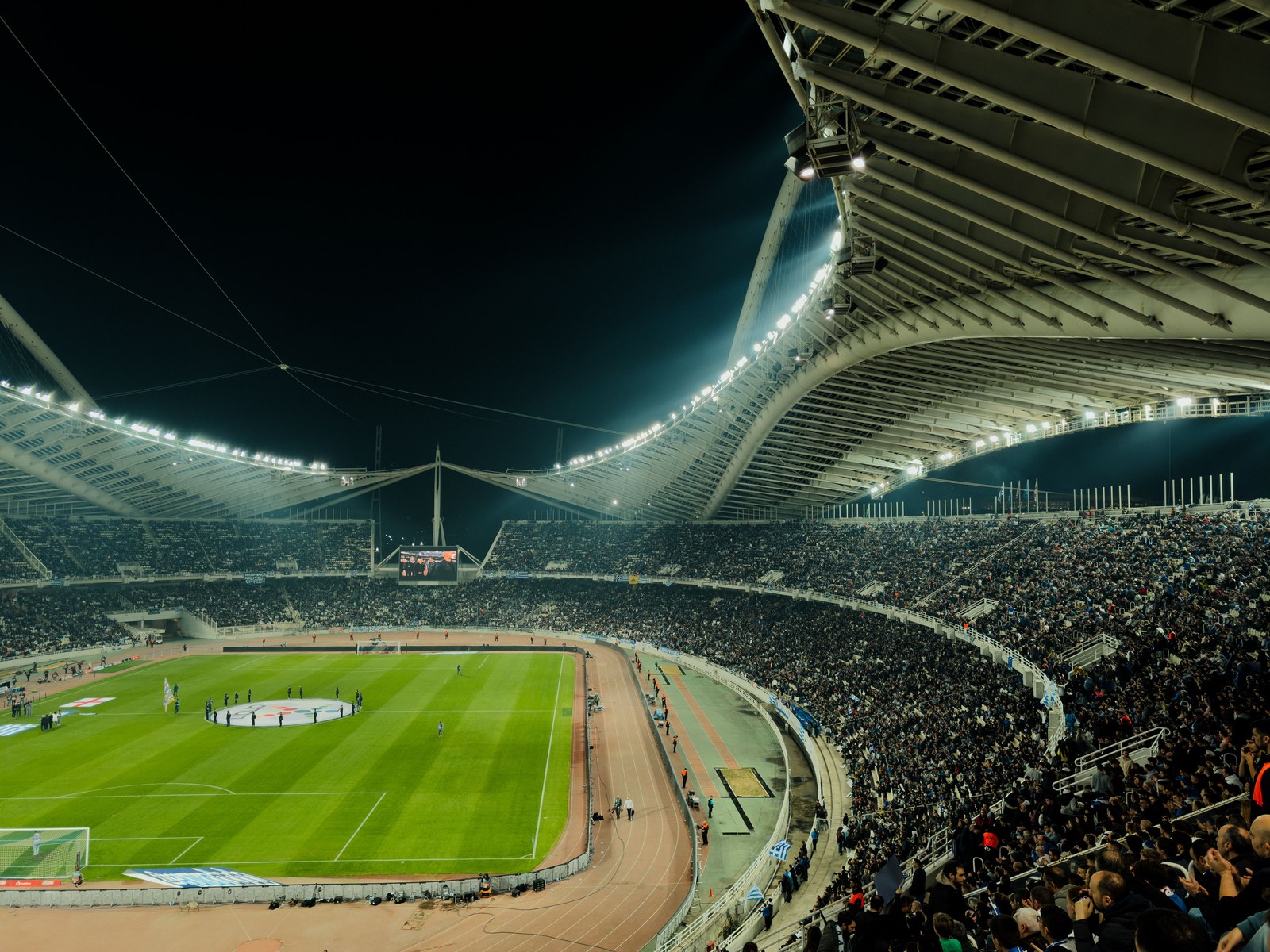
The match that never happened
To understand why this generates market-moving attention, you have to understand the void it would fill. Messi and Ronaldo both debuted for their national teams in 2006. Between them they have won 13 Ballon d'Or awards — eight for Messi, five for Ronaldo — and for the better part of fifteen years, world football was effectively a two-man referendum: Team Messi or Team Ronaldo. They traded Champions League goals, El Clásico masterclasses, and record after record, turning an entire generation of other world-class players into supporting cast.
And yet, in twenty years, they have never met in a competitive national-team match. Their only encounters were two friendlies — one in 2011, one in 2014. Club football gave the rivalry every stage except the biggest one. The World Cup, the single tournament that most defines a footballer's legacy, never put them on the same pitch. For Messi, the argument was settled in Qatar in 2022, when he finally lifted the trophy. For Ronaldo, the chase continues, which is part of what makes a 2026 meeting so charged: one man playing with the freedom of someone who has nothing left to prove, the other still fighting his own legend.
Consider the rivalry purely by the numbers. Two players, twenty years at the absolute summit, more than 1,600 senior career goals between them, dozens of domestic and continental trophies, and 13 Ballon d'Ors — and the head-to-head record on a national-team pitch stands at exactly two matches, both friendlies, both more than a decade ago. There is no other duel in sports with this much accumulated weight and this little direct resolution. A World Cup knockout would not just be a game; it would be the closing argument in the longest debate modern football has ever had.
By the time the tournament kicks off, Messi will turn 39 (his birthday is June 24) and Ronaldo is already 41, having turned 41 in February 2026. Both now play their club football far from Europe — Messi at Inter Miami in MLS, Ronaldo at Al Nassr in Saudi Arabia. This is, by any honest reading, the last realistic chance the two will ever share a World Cup pitch. A first-ever, almost-certainly-last meeting between the two most-followed athletes alive: that is the scarcity markets respond to.
With both Argentina and Portugal expected to win their respective groups, the realistic paths to an Argentina–Portugal collision run from the Round of 16 all the way to the final, as ESPN has mapped. Nothing is guaranteed — but the mere possibility is enough to start pulling speculative flow toward football-linked assets months ahead of time.
The 2026 tournament calendar, in U.S. time
Because this is a scheduled catalyst, the calendar matters as much as the matchup. The 2026 World Cup is the first 48-team edition, co-hosted by the United States, Canada, and Mexico, and it introduces a brand-new Round of 32 — the first time an extra knockout round has existed in World Cup history. Here is the full structure, with the knockout dates (per Wikipedia's knockout-stage page) and U.S. Eastern timing where confirmed:
| Stage | Dates (2026) | Notes |
|---|---|---|
| Opening match | June 11 | Estadio Azteca, Mexico City |
| Group stage | June 11 – 27 | 48 teams, 12 groups |
| Round of 32 | June 28 – July 3 | New round, first ever |
| Round of 16 | July 4 – 7 | |
| Quarter-finals | July 9 – 11 | Earliest realistic Messi–Ronaldo window |
| Semi-finals | July 14 & 15 | Dallas and Atlanta |
| Third-place match | July 18 | Miami |
| Final | July 19, 3:00 p.m. ET | MetLife Stadium, New Jersey |
So when could the dream match actually happen? The marquee scenario is the final on Sunday, July 19, 2026, kickoff 3:00 p.m. ET — but if the draw places Argentina and Portugal on the same side of the bracket, they could collide as early as a quarter-final between July 9 and 11, 2026, or a semi-final on July 14 or 15. For a trader, that whole late-June-to-mid-July window is the live zone. The fan-token narrative typically front-runs it by weeks, which is exactly why the calendar is a tool, not trivia.
Why the 2026 format multiplies the catalysts
The expanded format is not just a footnote for fans — it changes the rhythm of the trade. The 2026 World Cup runs 104 matches across 39 days, up from 64 matches in previous editions, with 48 teams instead of 32. More teams means more national fan tokens in play; more matches means more discrete catalysts; and a longer tournament means a longer window for the narrative to build and unwind. The new Round of 32 alone adds 16 knockout fixtures that did not exist before.
For the fan-token complex, that is structurally bullish for engagement — more nations with live tokens, more games generating news flow, more weeks of attention. It also means more opportunities for the "sell the news" reversal to play out at each stage, not just once. A trader who understands the calendar can map the likely beats: a broad pre-tournament run-up in CHZ through May and early June, team-specific spikes in tokens like $ARG and $POR as their nations advance, and sharp resolutions at each knockout exit. The Messi–Ronaldo storyline simply concentrates the most attention on the two tokens tied to the two most-watched men in the bracket.
Why a football match moves crypto
The bridge between the pitch and the order book is the fan token, and the company at the center of it is Chiliz. Chiliz (CHZ) is the layer-1 blockchain that powers Socios.com, the fan-engagement platform where national football federations and major clubs issue tradable digital tokens. Holders can vote on minor, club-sanctioned decisions (a goal celebration song, a mural design), unlock rewards and experiences, and — most importantly for our purposes — hold a liquid asset whose price tracks the team's fortunes and the football calendar.
Two tokens directly relevant to a Messi–Ronaldo final already trade: the Argentine Football Association Fan Token ($ARG) and the Portugal National Team Fan Token ($POR), both issued through Socios and settled on Chiliz. Dozens of others exist — Brazil, Spain, Italy, and a long list of club tokens (Barcelona, Manchester City, Paris Saint-Germain, and many more). When a team wins, advances, or simply dominates the global news cycle, its fan token tends to spike. And because CHZ is the reserve and gas asset for the entire Socios ecosystem — you buy fan tokens with it, and the network runs on it — CHZ captures the aggregate flow across every team at once.
That is the mechanism in one sentence: a World Cup is, for the Chiliz economy, what a halving narrative is for Bitcoin (BTC) — a scheduled, globally anticipated catalyst that pulls speculative capital toward a specific corner of the crypto market months in advance, then resolves in a burst of volatility around the event itself.
How fan tokens actually work (and where the skeptics are right)
It is worth being precise, because the category is widely misunderstood in both directions. A fan token is not equity in a club, and it does not pay dividends or grant any economic claim on the team. What it offers is utility plus speculation: a bundle of fan-engagement perks wrapped around a freely traded asset.
New tokens typically launch through a Fan Token Offering (FTO) on Socios — a fixed-price initial sale — after which the token floats on the open market and on exchanges that list it. From that point, the price is a function of three things stacked on top of each other:
- Team performance and news flow. Wins, draws, transfers, managerial drama, and tournament progress all feed the price.
- The CHZ beta. Because fan tokens are bought and settled in CHZ, a rising CHZ tide lifts the whole complex, and a falling one drags it down regardless of results.
- Pure speculation. Thin order books mean event-driven traders can move these tokens violently, often well ahead of the games themselves.
The skeptics' case is legitimate and worth holding in mind. Critics argue fan tokens monetize loyalty while delivering limited real governance — the votes are usually cosmetic — and that the assets are volatile speculation dressed in club colors. Both things can be true at once: fan tokens can be a tradable expression of a real catalyst and a poor long-term store of value. For an event trade, you care about the former; for a buy-and-hold, the latter should give you serious pause.
The 2022 Qatar playbook: a reference table
You do not have to theorize about how this trades, because the 2022 Qatar World Cup left an unusually clean template. In the roughly six weeks before the tournament, CHZ surged about 380%, climbing from around $0.15 to $0.72. National-team fan tokens moved with it: as the event neared, the Argentina token ($ARG) jumped roughly 25% in a single 24-hour window and Portugal ($POR) rose about 19%, according to contemporaneous market data.
Then came the more important half of the lesson. The rally peaked one day before the opening match on November 20, 2022. From there, CHZ fell roughly 40% through December — even as Argentina marched all the way to the title and Messi lifted the trophy. The fundamentals could not have been more bullish for the Argentina story, and the token still bled, because the catalyst had already been priced in. It was a textbook "buy the rumor, sell the news" cycle.
| 2022 Qatar World Cup | What happened |
|---|---|
| CHZ, ~6 weeks pre-event | ≈ +380% ( $0.15 → $0.72 ) |
| Peak timing | One day before opening match (Nov 20, 2022) |
| $ARG fan token | ≈ +25% in 24h heading into the event |
| $POR fan token | ≈ +19% heading into the event |
| Post-kickoff | CHZ ≈ −40% through December |
| Net pattern | Front-run the catalyst, fade the event |
The structure repeated, in miniature, at the 2024 UEFA European Championship, when CHZ ran up again in the weeks before the tournament — a move CoinDesk explicitly described as reviving "FIFA memories." Two data points are not a law of nature, but the timing signature — accumulation into the catalyst, distribution at or just after kickoff — has now shown up twice on the two biggest stages.
The implication for 2026 is not "CHZ will 4x again." Each cycle starts from a different market regime, a different CHZ market cap, and a different macro backdrop. What has repeated is the shape of the trade. And a Messi–Ronaldo storyline — the single most attention-dense matchup the sport can produce — is exactly the kind of amplifier that helped power the 2022 run in the first place.
The on-chain assets to watch
Not every football-linked token is the same trade. Here is how the main candidates stack up by risk.
| Asset | Type | Role in the trade | Risk |
|---|---|---|---|
| CHZ | Layer-1 / ecosystem | Cleanest liquid proxy for the whole fan-token narrative | High |
| $ARG | National fan token | Direct bet on Argentina's run (Messi) | Very high |
| $POR | National fan token | Direct bet on Portugal's run (Ronaldo) | Very high |
| BTC | Macro | The tide that lifts or sinks every alt | Market |
| ETH | Macro / infra | Risk appetite gauge; home to many NFT/prediction platforms | Market |
- Chiliz (CHZ) is the cleanest liquid expression of the entire theme. Because it is the reserve and gas asset for every Socios token, it captures sector-wide flow rather than one team's result — which also means it is less binary than betting on a single nation. It is the asset most professional event-traders watch for this narrative.
- $ARG and $POR are the highest-beta, highest-risk plays. They are tightly tied to Argentina's and Portugal's results, often thin on liquidity, and capable of violent moves in both directions on a single match outcome. A Messi–Ronaldo knockout would put both squarely in the global spotlight — and a group-stage exit would gut either one overnight.
- Bitcoin (BTC) and Ethereum (ETH) are not "World Cup plays," but they are the tide. A risk-on BTC backdrop into July 2026 would amplify any fan-token run; a risk-off tape would smother it no matter how good the football story is. Always check the majors on the leaderboard before sizing a narrative trade.
Other national fan tokens to know
Argentina and Portugal are the headline tokens because of Messi and Ronaldo, but they are far from the only ones. Socios has issued national-team tokens for a long list of footballing nations — including Brazil, Spain, Italy, Portugal, and others — alongside dozens of club tokens (Barcelona, Paris Saint-Germain, Manchester City, Inter, AC Milan, and more). During a World Cup, the whole basket tends to wake up, with capital rotating toward whichever nations are advancing. This is exactly why CHZ is the cleaner core position: it sits underneath all of them. If you try to pick the single winning nation's token, you are layering a sports-prediction bet on top of an already-volatile crypto bet — two ways to be wrong instead of one. The ecosystem token lets the rotation work in your favor regardless of which flag is rising on a given night.
Prediction markets: the cleanest read on the actual match
There is a second, very different blockchain angle that does not involve fan tokens at all: on-chain prediction markets. Platforms like Polymarket run real-money markets on outcomes such as "Which country wins the 2026 World Cup?" During a major tournament, these become some of the largest recurring events in on-chain prediction volume.
For a trader, prediction markets serve two purposes. First, they are a sentiment instrument — the live odds on Argentina, Portugal, and the field are a cleaner, money-weighted read on the probability of a Messi–Ronaldo meeting than any fan token's chart. If you want to know how likely the dream match is at any given moment, the prediction-market price is your best gauge. Second, for those who use them, they are a way to express a view on the outcome directly, rather than on the narrative. They sit on Ethereum and other chains, so heavy World Cup betting also drives on-chain activity and fees. (Access and legality vary by jurisdiction — know your local rules before using any of them.)
How do you read them? A prediction-market price is an implied probability. If "Argentina to win the World Cup" trades at $0.22, the market is pricing roughly a 22% chance; if "Portugal" trades at $0.10, about 10%. Multiply rough advancement probabilities together and you get a crude, money-weighted estimate of how likely the two are to actually meet — a far more honest gauge than headline hype. Watching those two prices climb through the group stage and Round of 32 is, in effect, watching the dream-match probability get repriced in real time.
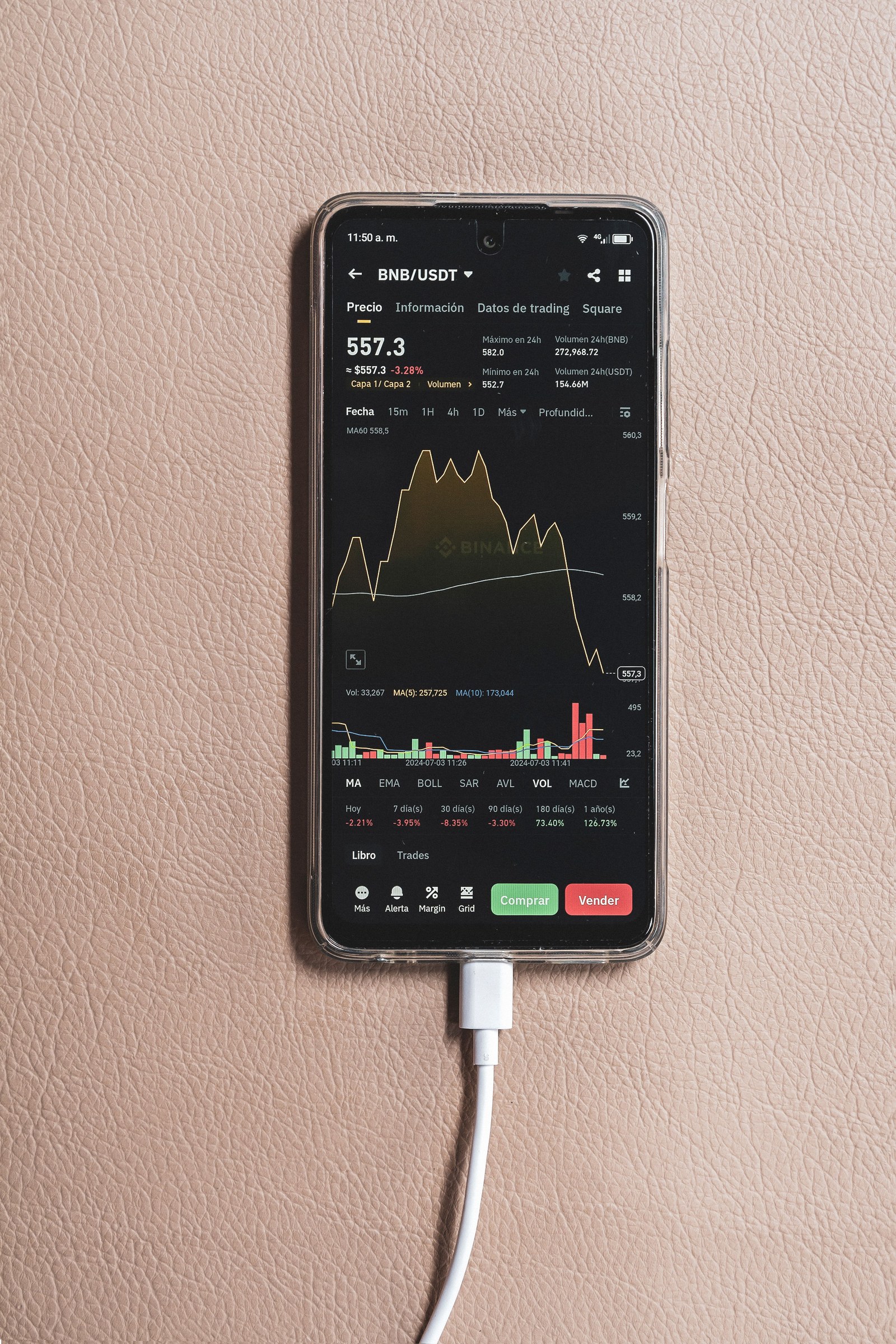
NFTs and digital collectibles
The third on-chain corner is NFTs and fantasy football. Sorare, the licensed fantasy-football platform built on NFT player cards (and a company Messi has personally invested in), reliably sees engagement and trading spikes around major tournaments. Player-card values for stars in form can run hot during a World Cup, then cool afterward — the same buy-the-rumor rhythm in collectibles form. It is a narrower, more illiquid corner of the theme than CHZ, and far more exposed to the specific players involved, but it is part of the same web of football-meets-blockchain that a Messi–Ronaldo match would electrify.
Messi's crypto empire
Here is where the football and the blockchain genuinely converge — and where the caution belongs. Both protagonists are not crypto bystanders; their names are stamped across the very ecosystem this article is about.
Lionel Messi signed on as a global brand ambassador for Socios.com / Chiliz in a deal reported at over $20 million — meaning the face of Argentine football is literally a paid promoter of the fan-token platform whose token, CHZ, is the marquee World Cup trade. In October 2022, he partnered with the cryptocurrency exchange Bitget to promote Web3 trading and reach Latin American users. In November 2022, he took an equity stake in Sorare, the NFT fantasy-football platform. He has also lent his name to other Web3 and token projects over the years. The through-line: Messi's commercial footprint is woven directly into the assets that move when Argentina plays.
Ronaldo's crypto saga — and a $1 billion warning
Cristiano Ronaldo went a different route: he launched his "CR7" NFT collection with Binance in November 2022, with mints reportedly ranging from about $77 to $10,000, followed by additional drops. That partnership later became a cautionary tale. Ronaldo was named in a class-action lawsuit seeking at least $1 billion in damages, filed in the U.S. District Court for the Southern District of Florida, alleging that his promotion of Binance amounted to marketing unregistered securities and was "deceptive and unlawful" (CBS News; Decrypt).
| Player | Crypto involvement | Status |
|---|---|---|
| Messi | Socios/Chiliz ambassador (reported $20M+); Bitget partner (Oct 2022); Sorare equity stake (Nov 2022) | Active; no major litigation |
| Ronaldo | Binance "CR7" NFT collections (from Nov 2022) | $1B class-action lawsuit (S.D. Fla.) |
The takeaway cuts both ways. The two leads of the dream match are central characters in crypto's celebrity era, which is part of why the narrative has such reflexive pull on these markets. But the Ronaldo lawsuit is a flashing reminder that celebrity-endorsed crypto is a regulatory minefield, and that fan tokens and athlete NFTs are speculative instruments — not memorabilia with guaranteed value. The same star power that powers the trade is also what makes it risky.
The equities angle
You asked about stocks as well as blockchain, and the match does radiate into public markets — even if the purest expression is on-chain. A record-shattering audience plus a crypto-flow surge would touch several listed names:
- Coinbase (COIN) — the most direct equity proxy for crypto trading volume. Fan-token and alt speculation lifts exchange activity and fees, and COIN tends to trade as a high-beta bet on overall crypto risk appetite.
- DraftKings (DKNG) — sportsbooks see World Cup handle (total amount wagered) as a known seasonal catalyst, and a Messi–Ronaldo knockout would be a betting-volume magnet in legal U.S. markets.
- MercadoLibre (MELI) — the Latin American e-commerce and fintech giant is a sentiment-and-spending proxy for an Argentina-mania scenario, with consumer and payments exposure across the region.
- Broadcasters and streamers carrying the tournament get an audience and ad-revenue bump around the marquee matches.
None of these is as cleanly leveraged to the Messi–Ronaldo angle as CHZ — they are second-order beneficiaries — but they are the equity rails the same energy travels on, which is why a "blockchain" story inevitably brushes up against the stock market too.
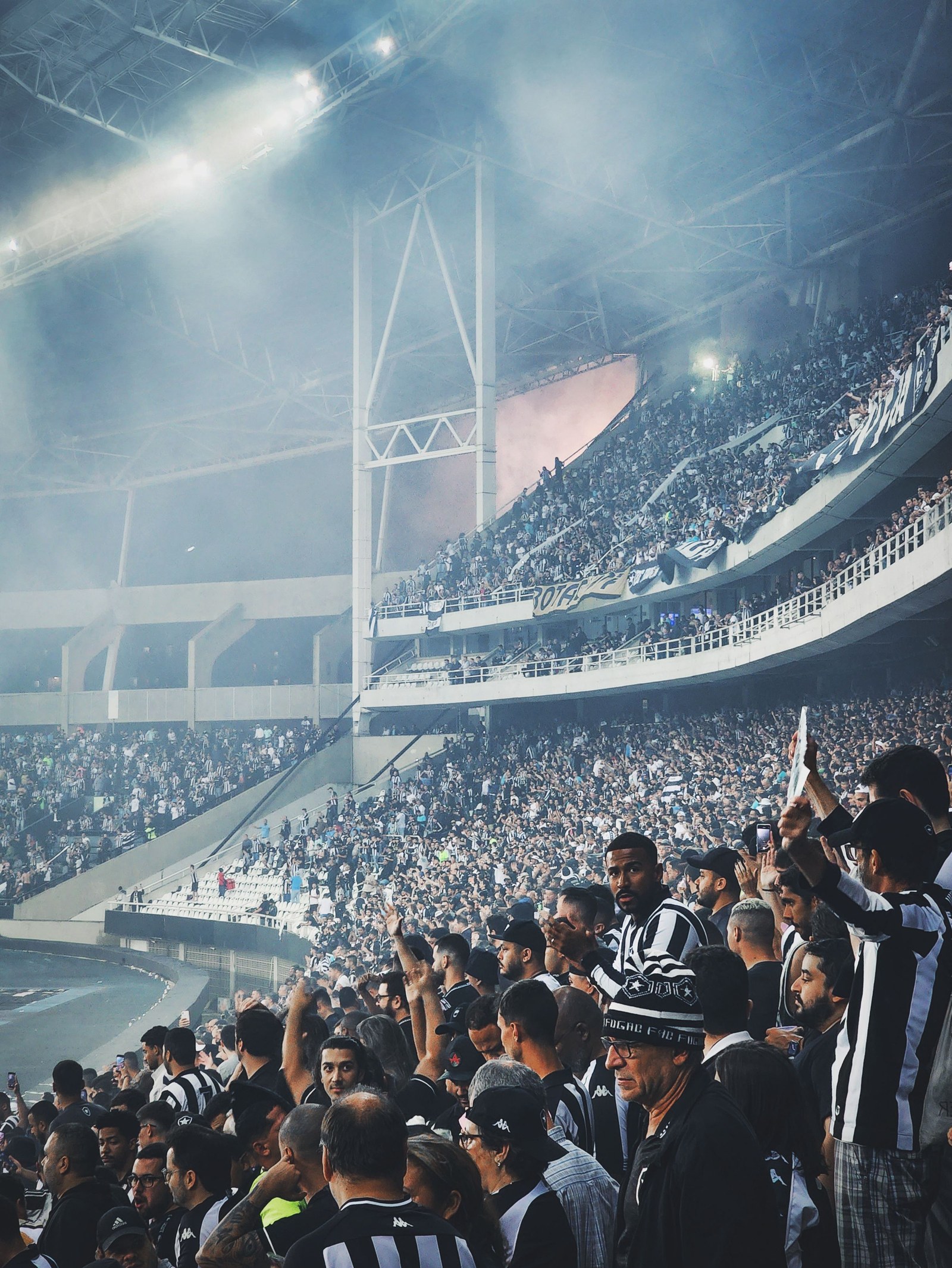
A trading framework for the World Cup
Event-driven narratives reward structure and punish emotion. Here is a disciplined way to think about the 2026 setup — not financial advice, but a framework grounded in how the last two tournaments actually traded.
1. Trade the timing, not the team. The repeatable edge in 2022 and 2024 was when, not who. Flows built into the tournament and faded at or just after kickoff. The base case is a pre-event run-up that peaks before the first whistle, so plan around the front-running window — roughly the four to eight weeks before mid-June — rather than buying into the matches themselves.
2. Prefer the index to the single name. CHZ is the diversified expression; $ARG and $POR are concentrated bets on one team surviving the knockouts. Unless you have genuine conviction on a specific nation, the ecosystem token carries less single-result risk.
3. Define your exit before kickoff. Because "sell the news" is the historical default, the hardest discipline is taking profit into strength before the event resolves. Decide your exit levels and dates in advance — and respect them.
4. Size for ruin, not for dreams. Fan tokens are thin and can gap 30–50% in a day. Position so that the worst-case outcome — the match never happens, or a group-stage exit — is survivable. This belongs in the speculative sleeve of a portfolio, never the core.
5. Check the macro first. A risk-off BTC tape in mid-2026 can override the entire sports narrative. The football catalyst is an amplifier layered on the broader cycle, not an exemption from it.

A worked example: how a 2026 trade might unfold
To make the framework concrete, here is a hypothetical (not a prediction, and certainly not advice) of how a disciplined trader might map the 2026 calendar — purely to illustrate the structure described above.
- April–May 2026 (accumulation): With the tournament eight-plus weeks out, the fan-token narrative starts appearing in crypto media, echoing the pre-Qatar and pre-Euro run-ups. A trader watching CHZ on the leaderboard for building momentum scales in gradually, sizing small, with the majors (BTC) confirming a risk-on backdrop.
- Early June 2026 (the run-up): As the June 11 opener approaches, attention peaks. This is historically the distribution zone, not the buying zone. A disciplined plan takes profit into strength rather than holding through kickoff.
- June 28 – July 11 (knockouts): If Argentina and Portugal both advance, $ARG and $POR see team-specific spikes around their Round-of-32, Round-of-16, and quarter-final fixtures — each followed by a "sell the news" cool-down. Prediction-market odds on a Messi–Ronaldo meeting tighten with every win.
- July 19 (the final): If the dream match lands at 3:00 p.m. ET, it is the climax of the attention cycle — and, by the 2022 template, more likely a peak to fade than a launchpad. The structurally savvy position is already light by the time the whistle blows.
The point of the exercise is not the specific dates or prices. It is that the trade is a timing structure, and the timing is knowable in advance because the catalyst is on a published calendar. That is rare in crypto, and it is the whole edge.
Do global events reliably move crypto?
It is fair to ask whether this is a real, recurring phenomenon or a one-off coincidence. The honest answer: the fan-token response to football is well established — Chiliz has now run up before three consecutive major tournaments (Qatar 2022, Euro 2024, and the building anticipation for 2026). But the broader claim that "big events pump crypto" is shakier. Bitcoin and Ethereum march to their own macro drum — liquidity, rates, ETF flows, and the halving cycle dominate — and a football tournament barely registers on the majors. The effect is concentrated in the football-native corner of the market, which is precisely why CHZ and fan tokens, not BTC, are the instruments that express it. Treat the World Cup as a sector catalyst, not a market-wide one.
How to track the World Cup trade with SimianX
A headline-driven, event-pegged narrative like this is exactly where disciplined, model-driven analysis beats emotional FOMO buying. On SimianX you can:
- Pull up Chiliz (CHZ), BTC, and ETH on the crypto leaderboard for AI-generated signals and momentum reads, so you can see whether the pre-tournament bid is still building or already exhausted.
- Watch how 30 leading AI models rank and trade these assets on the AI model leaderboard — a real-money read on which models are leaning into the fan-token narrative and which are fading it.
- Let an AI autopilot monitor CHZ and the majors around the clock through June and July 2026, so a pre-match run-up or a sudden "sell the news" reversal doesn't catch you asleep at 3 a.m.
For the methodology, the guide on which AI model is the best trader walks through how 30 LLMs are scored on live profit and loss, and the stories hub has more market breakdowns. Compare plans on the pricing page when you're ready to put a model to work on the tournament.
Risks before you trade the hype
- The match may never happen. The entire premium rests on a bracket that requires both teams to win their groups and then survive multiple knockout rounds on a collision path. The World Cup never follows the script — a single upset deflates the whole narrative instantly.
- "Sell the news" is the base case. As 2022 showed, the dominant pattern is a run-up that peaks before kickoff and fades after. Buying into the event itself has historically been the worst entry.
- Fan tokens are thin and volatile. $ARG and $POR can gap violently in either direction on low liquidity, and they carry no claim on cash flows — only fan-engagement utility.
- Regulation and celebrity risk. The $1 billion Ronaldo–Binance lawsuit is a live example of how endorsement-driven crypto can turn legally toxic. Treat athlete-branded tokens and NFTs accordingly.
- Macro dominates. A risk-off BTC tape in mid-2026 can override the sports narrative entirely.
- Liquidity and access. Fan tokens, prediction markets, and some NFTs are unevenly available and regulated across jurisdictions. Confirm what is legal and accessible where you live before committing capital.
Frequently asked questions
When could Messi and Ronaldo actually play each other?
Only if both Argentina and Portugal advance through the knockouts on a collision path. The marquee scenario is the final on Sunday, July 19, 2026, kickoff 3:00 p.m. ET at MetLife Stadium, but an earlier quarter-final (July 9–11) or semi-final (July 14–15) meeting is also possible depending on the bracket.
What is the main crypto play on the World Cup?
Chiliz (CHZ) is the broadest, most liquid proxy because it is the reserve asset for the entire Socios fan-token ecosystem. National-team tokens like $ARG and $POR are higher-risk, higher-beta expressions of the same theme.
Did fan tokens really move during the last World Cup?
Yes. CHZ rose roughly 380% in the six weeks before Qatar 2022, peaked one day before the opening match, and then fell about 40% through December — a classic "buy the rumor, sell the news" cycle that the 2024 Euro partly echoed.
Are Messi and Ronaldo personally involved in crypto?
Both extensively. Messi has been a Socios/Chiliz ambassador, a Bitget partner, and a Sorare investor; Ronaldo launched CR7 NFTs with Binance and was later named in a $1 billion class-action lawsuit over that promotion.
What is the safest way to express this trade?
There is no "safe" version of a speculative event trade, but the lower-variance expression is the ecosystem token (CHZ) over single-nation tokens, sized small, with a pre-defined exit before kickoff. Watching the majors first is essential.
Does the World Cup move Bitcoin?
Not meaningfully. BTC and ETH are driven by macro forces — liquidity, rates, ETF flows, the halving cycle. The football effect is concentrated in fan tokens, not the majors.
What about prediction markets?
On-chain prediction markets (e.g., Polymarket) run real-money "World Cup winner" markets that are excellent sentiment gauges for how likely a Messi–Ronaldo meeting is. Availability and legality vary by jurisdiction.
Which stocks benefit from the World Cup?
Second-order beneficiaries include Coinbase (COIN) as a crypto-volume proxy, DraftKings (DKNG) on betting handle, and MercadoLibre (MELI) on Latin American sentiment — none as directly leveraged to the matchup as CHZ.
The bottom line
A first-ever, almost-certainly-last Messi vs Ronaldo World Cup meeting — converging on Sunday, July 19, 2026 at 3:00 p.m. ET if the bracket cooperates, with quarter-final and semi-final windows opening as early as July 9 — is more than a football moment. It is a scheduled, globally anticipated catalyst for the corner of crypto built on football itself. The 2022 and 2024 templates are clear: flows accumulate into the tournament and tend to fade at kickoff, with Chiliz (CHZ) and the fan-token complex as the highest-beta expression, prediction markets as the cleanest sentiment read, and NFTs as the narrower collectibles play. Trade the structure, not the storyline — front-running the catalyst has paid; chasing the event has not. And never forget that the same celebrity gravity that powers the narrative is exactly what makes it speculative. Let the data, not the hype, time your entries — and let a model do the watching while the rest of the world just watches the football.