
London Bombings 2005 Market Impact: Zero Drawdown Signal
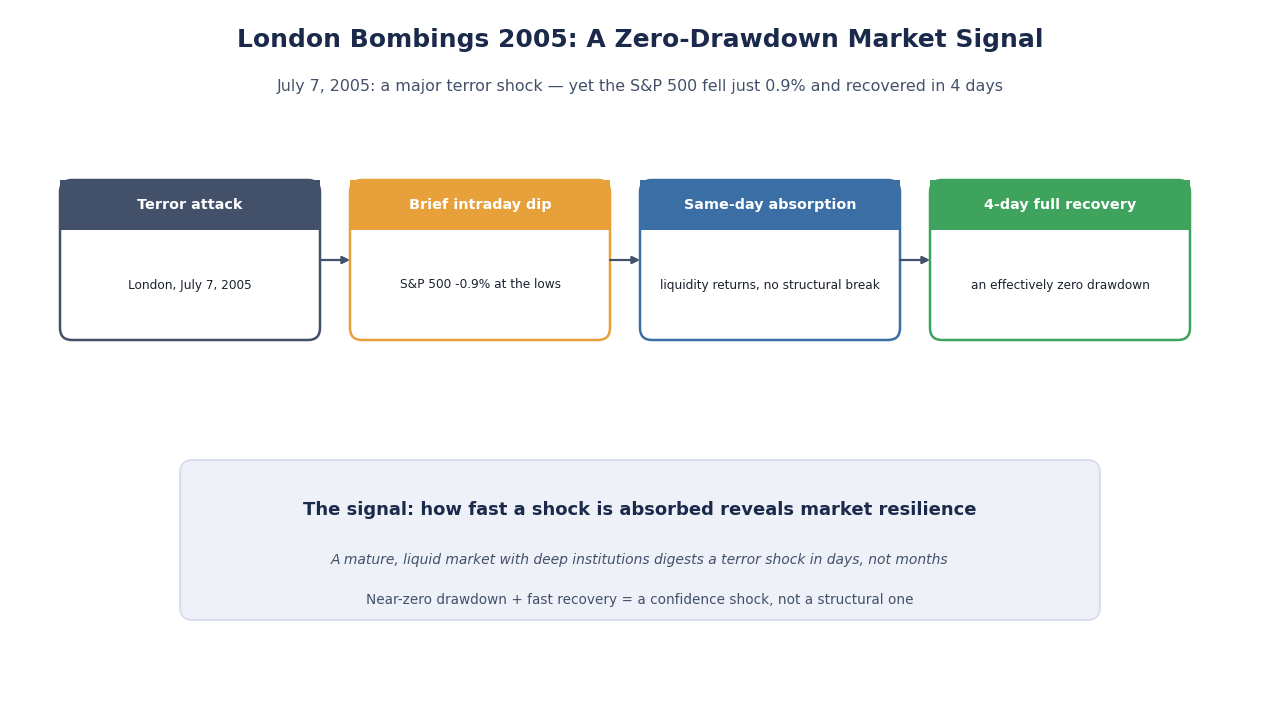
The London Bombings 2005 market impact remains one of the most fascinating case studies in modern financial history. Despite a major terrorist attack in a global financial hub, markets exhibited near-zero drawdown and stabilized within just four days. This anomaly challenges traditional assumptions about geopolitical shocks and highlights how modern markets process risk differently.
In today’s data-driven trading environment, platforms like SimianX AI are redefining how investors interpret such events—transforming historical patterns into actionable trading signals through multi-agent AI systems.
Understanding the 2005 London Bombings Market Reaction
On July 7, 2005, coordinated terrorist attacks struck London’s public transport system. Historically, such events would trigger sharp sell-offs due to uncertainty, fear, and systemic risk concerns.
However, the market response was surprisingly muted:
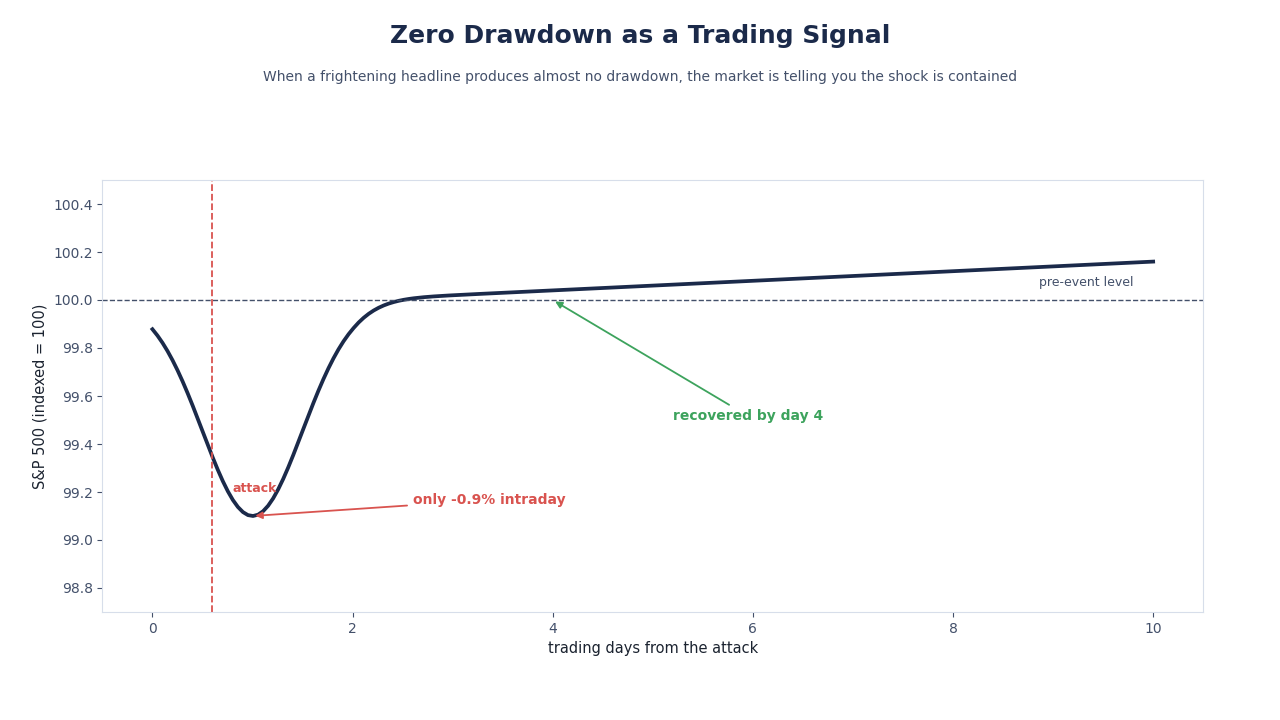
- Initial dip: approximately -0.9% intraday
- No meaningful sustained drawdown
- Recovery and stabilization: ~4 trading days
- No prolonged volatility regime shift
“The London Bombings marked a turning point where markets began treating geopolitical shocks as temporary liquidity events rather than structural threats.”
Why Was There Zero Drawdown?
Several structural factors explain this phenomenon:
1. Market Maturity and Information Flow
- Real-time news dissemination reduced uncertainty duration
- Institutional investors avoided panic selling
2. Liquidity Depth
- Deep capital markets absorbed shock efficiently
- Algorithmic trading provided immediate price stabilization
3. Event Classification Shift
- Markets began distinguishing between:
- Systemic risk events (e.g., wars, financial crises)
- Localized shocks (e.g., terrorist attacks)
Zero Drawdown as a Trading Signal
The concept of zero drawdown shock events is critical for modern traders. Instead of reacting emotionally, professional traders interpret these patterns as bullish resilience signals.
Key takeaway:
When markets refuse to drop significantly after bad news, it often signals underlying strength.
Practical Trading Implications
- Buy-the-dip strategies become more effective
- Short sellers face higher risk due to lack of follow-through
- Volatility compression leads to breakout setups
Common characteristics of zero drawdown events:
| Feature | Explanation |
|---|---|
| Minimal decline | Less than 1–2% drop |
| Fast recovery | Within 3–5 trading days |
| Strong liquidity | High trading volume absorption |
| No trend reversal | Long-term trend remains intact |
Comparing London 2005 to Other Geopolitical Events
To fully understand the anomaly, compare it with other historical shocks:
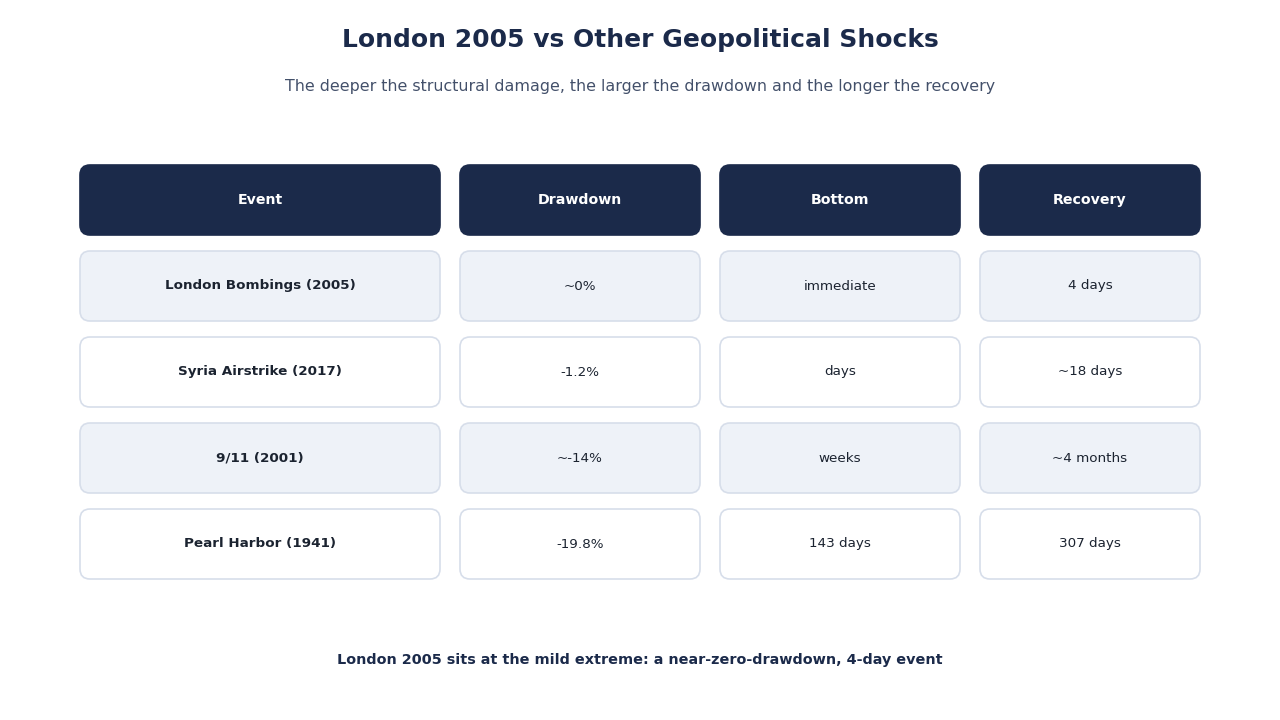
| Event | Drawdown | Bottom Time | Recovery |
|---|---|---|---|
| Pearl Harbor (1941) | -19.8% | 143 days | 307 days |
| 9/11 Attacks (2001) | -11.6% | 11 days | ~30 days |
| Syria Airstrike (2017) | -1.2% | 7 days | 18 days |
| London Bombings (2005) | ~0% | Immediate | 4 days |
This progression shows a clear evolution in market behavior—from panic-driven sell-offs to efficient shock absorption.
How SimianX AI Identifies These Patterns
Modern traders cannot rely on manual analysis to detect such subtle signals. This is where SimianX AI becomes essential.
SimianX integrates multiple AI agents:
- Indicator Agent → monitors EMA, RSI, MACD
- Intelligence Agent → analyzes news & sentiment
- Fundamentals Agent → evaluates macro context
- Decision Agent → synthesizes signals into actionable trades
Instead of reacting to headlines, SimianX helps traders understand whether an event is structural risk or temporary noise.
Example Workflow Using SimianX
- Detect sudden geopolitical news spike
- Analyze real-time price reaction
- Compare with historical event patterns
- Identify drawdown characteristics
- Generate trade recommendation with risk level
This multi-agent approach allows traders to avoid emotional decisions and focus on probabilistic outcomes.
What Does a 4-Day Stabilization Signal Mean?
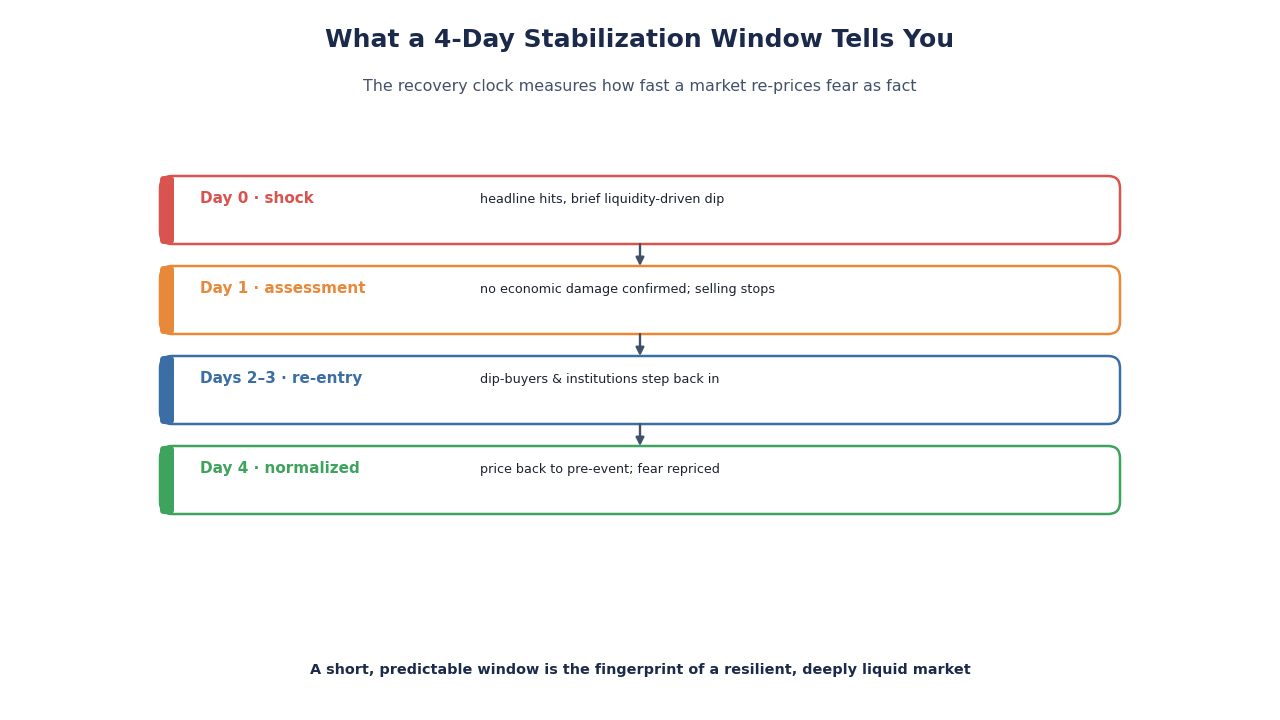
A 4-day stabilization window is not random—it reflects how quickly markets:
- Digest information
- Reprice risk
- Restore liquidity equilibrium
Key Interpretations
- Day 1–2: Shock absorption phase
- Day 3–4: Confidence restoration
- Post Day 4: Trend continuation or new momentum
This pattern is extremely valuable for traders:
- Enter positions after volatility compression
- Avoid early panic entries
- Align with institutional positioning
How to trade zero drawdown geopolitical shock events effectively?
To trade zero drawdown geopolitical shock events effectively, traders must focus on price behavior rather than headlines. If the market fails to break key support levels despite negative news, it often indicates strong underlying demand. Using tools like SimianX AI, traders can combine technical indicators, sentiment analysis, and historical comparisons to confirm whether the event is a short-term anomaly or a trend-shifting catalyst.
Strategic Framework for Traders
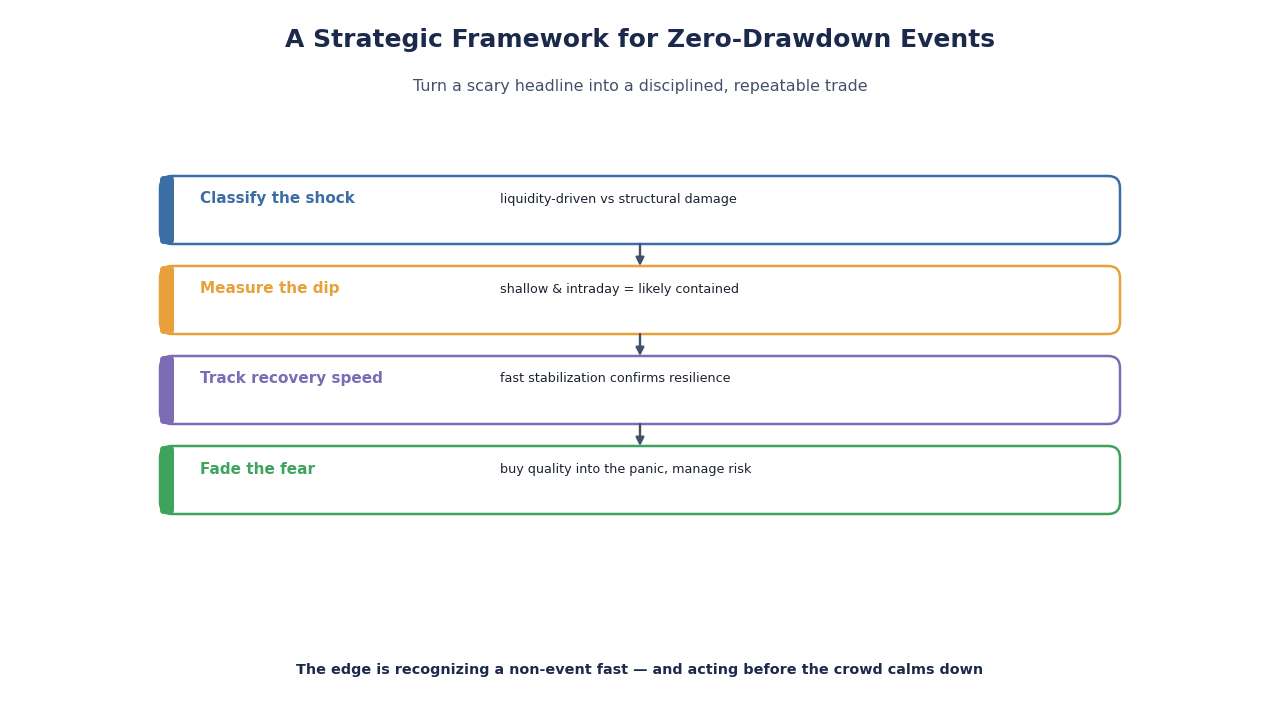
Here is a simple framework you can apply:
Step-by-step approach:
- Identify the event type (systemic vs localized)
- Measure initial drawdown
- Track recovery speed
- Analyze volume and liquidity
- Confirm trend continuation signals
Checklist for zero drawdown signals:
- Price holds above key support
- Volume spikes but stabilizes quickly
- No follow-through selling
- Sentiment normalizes within 48–72 hours
Why This Matters in Today’s Markets
Modern markets are increasingly:
- Data-driven
- Algorithmically stabilized
- Less reactive to isolated shocks
This means traders who still rely on outdated “panic models” are at a disadvantage.
Instead, recognizing patterns like the London Bombings zero-drawdown signal gives traders a critical edge.
FAQ About London Bombings 2005 market impact
What is a zero drawdown market shock?
A zero drawdown market shock refers to an event where negative news fails to cause a sustained price decline. Markets may dip briefly but recover almost immediately, indicating strong underlying demand and resilience.
How fast do markets recover after terrorist attacks?
Recovery speed depends on the perceived systemic risk. In cases like the London Bombings 2005, markets stabilized within 4 days, while larger systemic events may take weeks or months.
Why didn’t markets crash after the London Bombings?
The event was viewed as a localized shock rather than a systemic threat. Strong liquidity, rapid information flow, and institutional confidence prevented panic selling.
Can traders profit from geopolitical shocks?
Yes, but only if they correctly interpret the nature of the event. Tools like SimianX AI help distinguish between temporary volatility and long-term risk, enabling smarter trading decisions.
Conclusion
The London Bombings 2005 market impact demonstrates a critical evolution in financial markets: not all bad news leads to market crashes. The concept of a zero-drawdown shock with rapid stabilization is a powerful signal of resilience and opportunity.
For modern traders, the key is not reacting to headlines—but understanding market behavior.
By leveraging platforms like SimianX AI, you can:
- Detect real-time market signals
- Analyze geopolitical events with AI precision
- Execute higher-confidence trading strategies
In an era where speed and intelligence define success, adopting AI-driven tools is no longer optional—it’s essential.
Deep Dive: Market Microstructure Behind Zero-Drawdown Events
To fully understand why the London Bombings 2005 market impact resulted in a near zero-drawdown response, we need to go deeper into market microstructure dynamics. This includes order flow behavior, liquidity provision, and how institutional participants react under stress.
Order Flow Resilience
In traditional panic-driven markets, we observe:
- Aggressive market sell orders overwhelming bids
- Rapid widening of bid-ask spreads
- Liquidity withdrawal by market makers
However, during the London Bombings:
- Bid-side liquidity remained intact
- Market makers continued quoting
- Passive buyers absorbed selling pressure
“The absence of aggressive follow-through selling is often more important than the initial drop.”
This creates a structural floor in the market, preventing cascading declines.
Role of Algorithmic Trading
By 2005, algorithmic trading had already begun reshaping market behavior:
- Arbitrage systems corrected mispricing instantly
- Statistical models identified overreaction quickly
- Execution algorithms reduced slippage and panic
This contributed to a self-stabilizing market system, where inefficiencies are corrected faster than fear can propagate.
Sentiment Compression and Rapid Normalization
One of the most critical signals in zero-drawdown events is sentiment compression.
!sentiment vs price divergence chart:maxbytes(150000):stripicc()/BTCUSD-1fc8d191e3154d7fb81e8f090cc5df3e.jpg)
What is Sentiment Compression?
Sentiment compression occurs when:
- Negative news spikes sharply
- Market reaction remains limited
- Emotional divergence collapses quickly
This creates a disconnect between narrative and price, which is a powerful trading signal.
Why It Matters
When sentiment is extremely negative but price holds:
- It indicates strong underlying demand
- Institutions may already be positioned long
- Retail panic becomes a contrarian indicator
How SimianX AI Captures This
SimianX AI’s intelligence agent continuously scans:
- News sentiment
- Social media signals
- Macro headlines
While its decision agent evaluates:
- Whether sentiment aligns with price action
- If divergence suggests a trading opportunity
This allows traders to act before the crowd realizes the market is stable.
Liquidity Shock vs Structural Risk
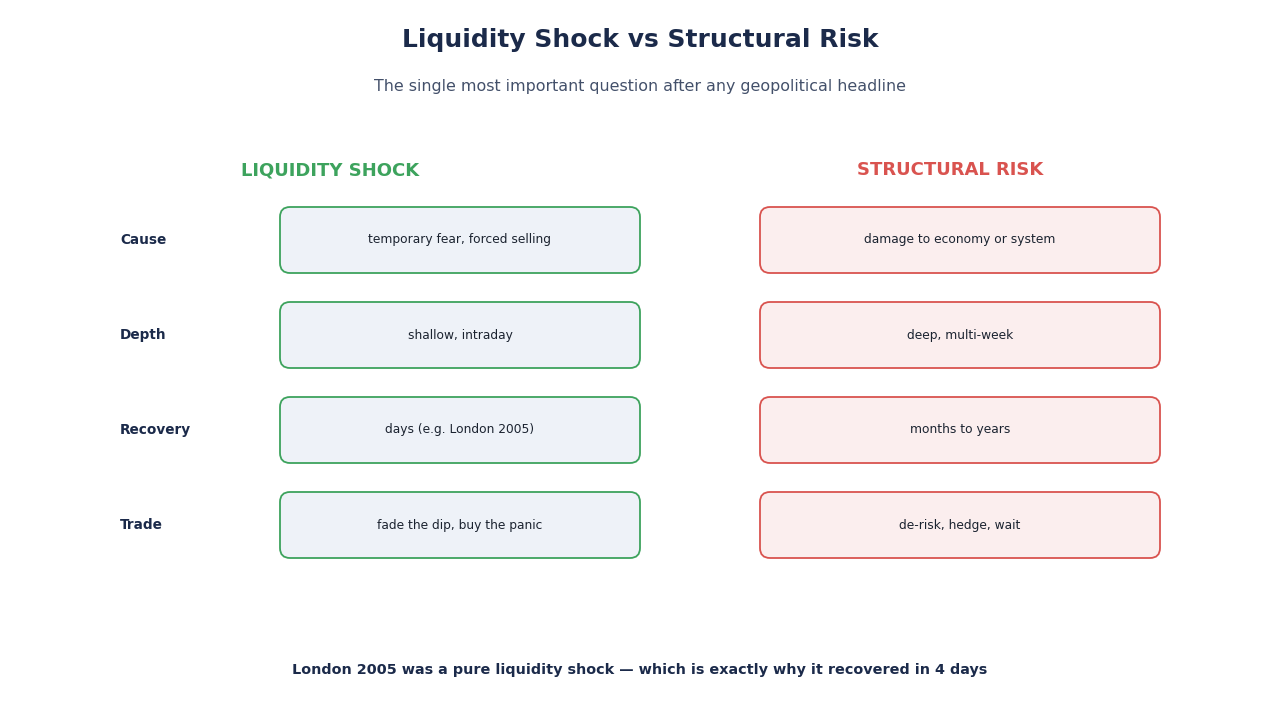
A key distinction in trading geopolitical events is understanding whether the shock is:
- Liquidity-driven (temporary)
- Structural (long-term impact)
Characteristics of Liquidity Shocks
- Short-lived volatility
- Quick price recovery
- No fundamental economic disruption
Characteristics of Structural Risk
- Prolonged drawdowns
- Macroeconomic impact
- Trend reversal
London 2005 Classification
The London Bombings clearly fall into the liquidity shock category.
This classification is critical because:
- Liquidity shocks are buy opportunities
- Structural risks require defensive positioning
Timeframe Analysis: Multi-Horizon Interpretation
Modern trading requires multi-timeframe analysis, especially for events like the London Bombings.
Short-Term (1m–15m)
- Initial volatility spike
- Liquidity testing
- False breakdowns
Medium-Term (1h–4h)
- Stabilization patterns
- Range formation
- Reduced volatility
Long-Term (1D+)
- Trend continuation
- Institutional accumulation
- Momentum resumption
SimianX AI allows traders to toggle between these timeframes, aligning decisions with their strategy:
- Scalpers → focus on 1m–5m signals
- Intraday traders → 15m–1h
- Swing traders → 4h–1D
Case Study Expansion: Intraday Reaction Breakdown
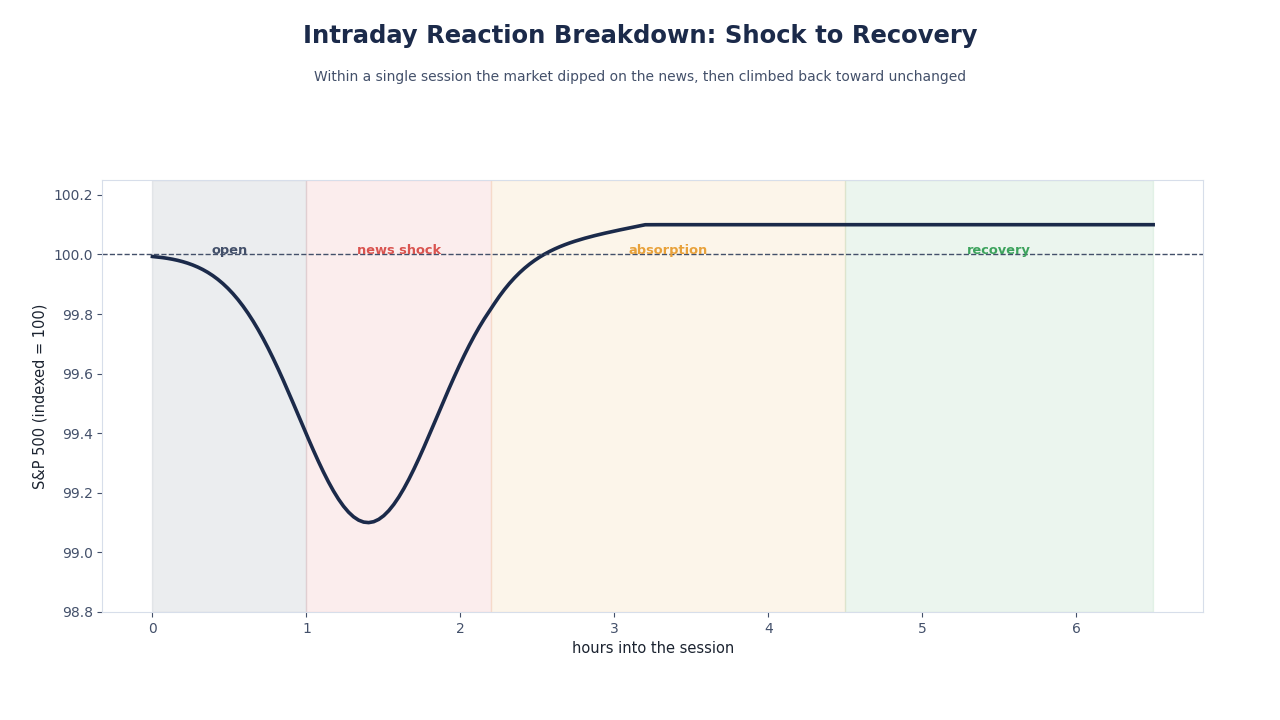
Let’s reconstruct the intraday timeline of the London Bombings market reaction:
Phase 1: Shock (First Hour)
- News breaks
- Immediate sell-off
- Volatility spike
Phase 2: Absorption (1–3 Hours)
- Buyers step in
- Selling pressure weakens
- Price stabilizes
Phase 3: Recovery (Same Day)
- Partial rebound
- Confidence begins returning
Phase 4: Stabilization (Days 2–4)
- Market fully normalizes
- Trend resumes
This sequence is now considered a classic template for non-systemic geopolitical shocks.
Advanced Trading Strategies Based on Zero Drawdown Signals
Strategy 1: Failed Breakdown Entry
- Identify support level
- Wait for breakdown attempt
- Enter when price reclaims support
Strategy 2: Sentiment Divergence Trade
- Monitor extreme negative sentiment
- Confirm price stability
- Enter long positions
Strategy 3: Volatility Compression Breakout
- Wait for volatility contraction
- Enter on breakout direction
- Ride post-event momentum
Risk Management in Geopolitical Events
Even with strong signals, risk management remains critical.
Key Principles
- Avoid over-leveraging during news events
- Wait for confirmation before entering
- Use tight stop-loss levels
Example Risk Framework
| Step | Action |
|---|---|
| Entry | After stabilization signal |
| Stop-loss | Below event low |
| Target | Pre-event price level |
| Risk ratio | Minimum 1:2 |
SimianX AI enhances this by providing:
- Risk scores
- Confidence levels
- Suggested trade zones
Evolution of Market Behavior: Pre-2000 vs Post-2000
The London Bombings represent a shift in market structure.
Pre-2000 Markets
- Slower information flow
- Higher emotional trading
- Larger drawdowns
Post-2000 Markets
- Faster data dissemination
- Algorithmic stabilization
- Reduced reaction to isolated shocks
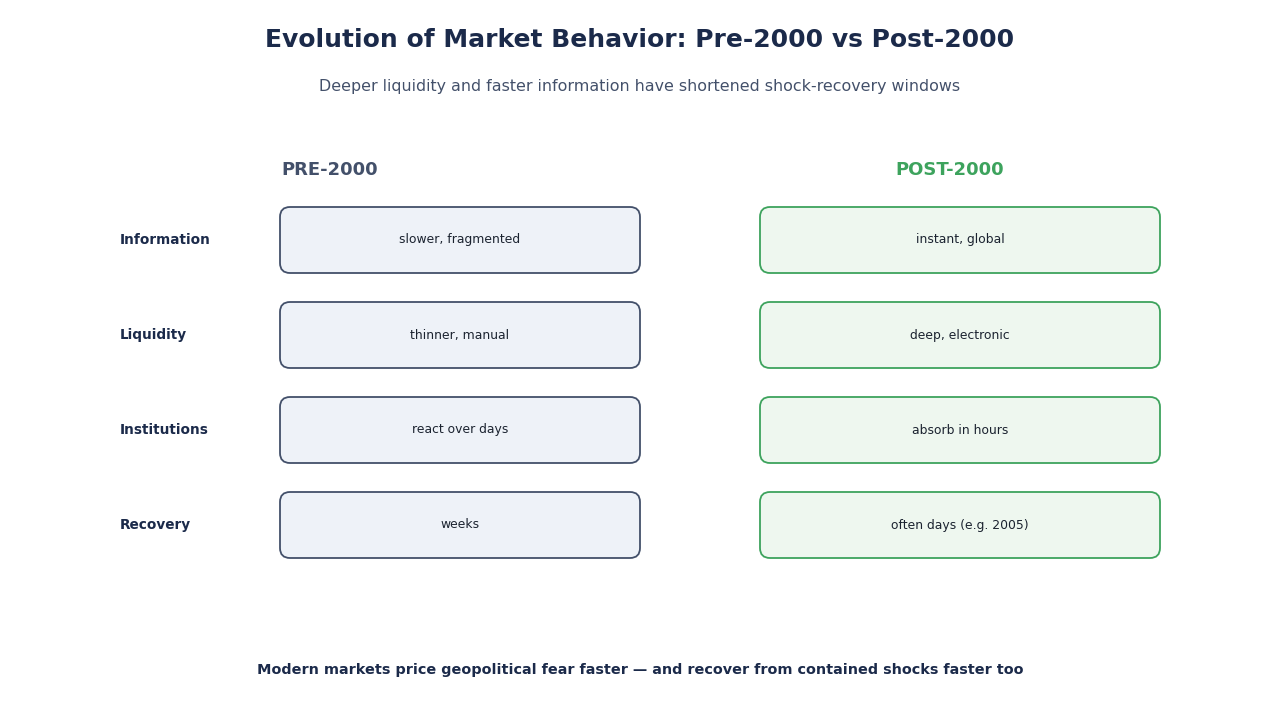
This evolution explains why:
- Pearl Harbor → massive drawdown
- 9/11 → moderate drawdown
- London 2005 → near zero drawdown
The Role of Institutional Positioning
Institutional investors play a decisive role in zero-drawdown events.
Key Behaviors
- Accumulate during panic
- Provide liquidity
- Avoid emotional decisions
Why Institutions Didn’t Panic
- Event had no systemic economic impact
- Portfolio hedging already in place
- Confidence in market resilience
Integrating AI Into Geopolitical Trading
The future of trading lies in AI-driven decision systems.
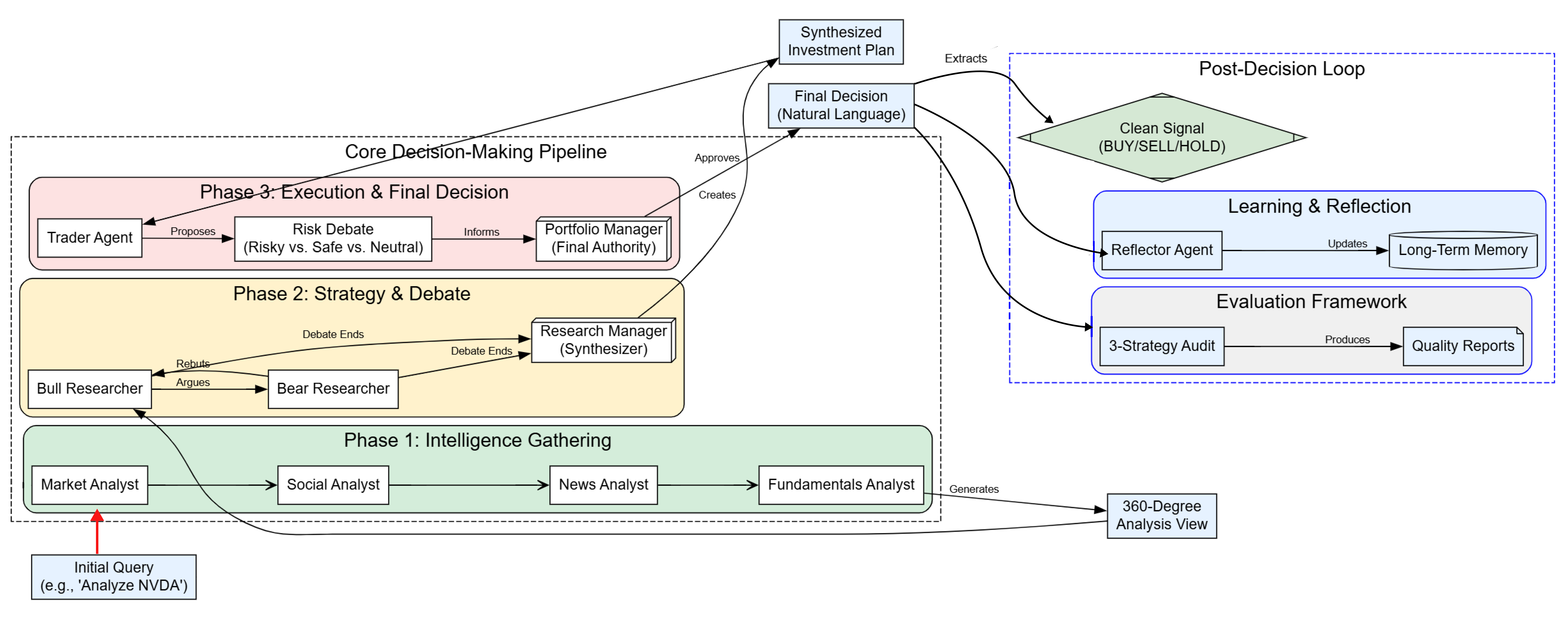
SimianX AI represents this shift through:
- Multi-agent analysis
- Real-time data processing
- Historical pattern recognition
Benefits for Traders
- Reduced emotional bias
- Faster decision-making
- Higher probability setups
Pattern Recognition: Building a Playbook
Traders should build a playbook of similar events:
- Identify historical analogs
- Compare drawdown profiles
- Extract repeatable patterns
Example Playbook Entry
| Metric | London 2005 |
|---|---|
| Event Type | Terror attack |
| Drawdown | ~0% |
| Recovery | 4 days |
| Signal | Bullish resilience |
Psychological Edge: Trading Against Fear
One of the biggest advantages comes from psychological discipline.
“Markets reward those who act rationally when others react emotionally.”
Key Mindset Shifts
- Fear ≠ opportunity loss
- Stability after bad news = strength
- Patience > reaction speed
FAQ Expansion: Advanced Questions
How do algorithmic systems react to geopolitical shocks?
Algorithmic systems rely on predefined rules and statistical models. They often provide liquidity during shocks, helping stabilize markets rather than amplifying panic.
What indicators confirm a zero drawdown signal?
Key indicators include stable support levels, declining volatility after the initial spike, and absence of follow-through selling.
Is zero drawdown always bullish?
Not always, but in most cases it indicates resilience. Confirmation from volume and trend continuation is essential.
How can AI improve geopolitical trading strategies?
AI systems like SimianX analyze multiple data sources simultaneously, providing faster and more accurate insights than manual analysis.
Conclusion: From Shock to Signal
The London Bombings 2005 market impact is more than a historical anomaly—it is a blueprint for understanding modern market behavior.
Key lessons include:
- Markets are increasingly resilient
- Not all shocks lead to sell-offs
- Zero drawdown events signal strength
For traders, the challenge is no longer accessing information—but interpreting it correctly.
By leveraging SimianX AI, you can transform geopolitical events into structured trading opportunities, backed by data, AI, and multi-agent intelligence.
In a world where markets move faster than ever, the edge belongs to those who can see through the noise and act on signal.
Related Reading
- Pearl Harbor 1941: Dow -19.8% Crash, 307-Day Recovery
- 9/11 & Early War on Terror: S&P 500 -14%, 4-Month Recovery
- Syria Airstrike 2017: S&P 500 -1.2%, Same-Week Recovery
- Bay of Pigs 1961: Failed Invasion, Quick Market Recovery
- U-2 Incident 1960: First Cold War Stock Market Stress Test
- Gulf of Tonkin 1964: Small Event, Decade-Long Market Impact
- 7 AI Risk Radars for Equities: Breadth, Revisions, Skew