 लेखक: Muke
Securitize Stock 2026: SECZ टोकनाइज्ड शेयर Solana और Avalanche पर
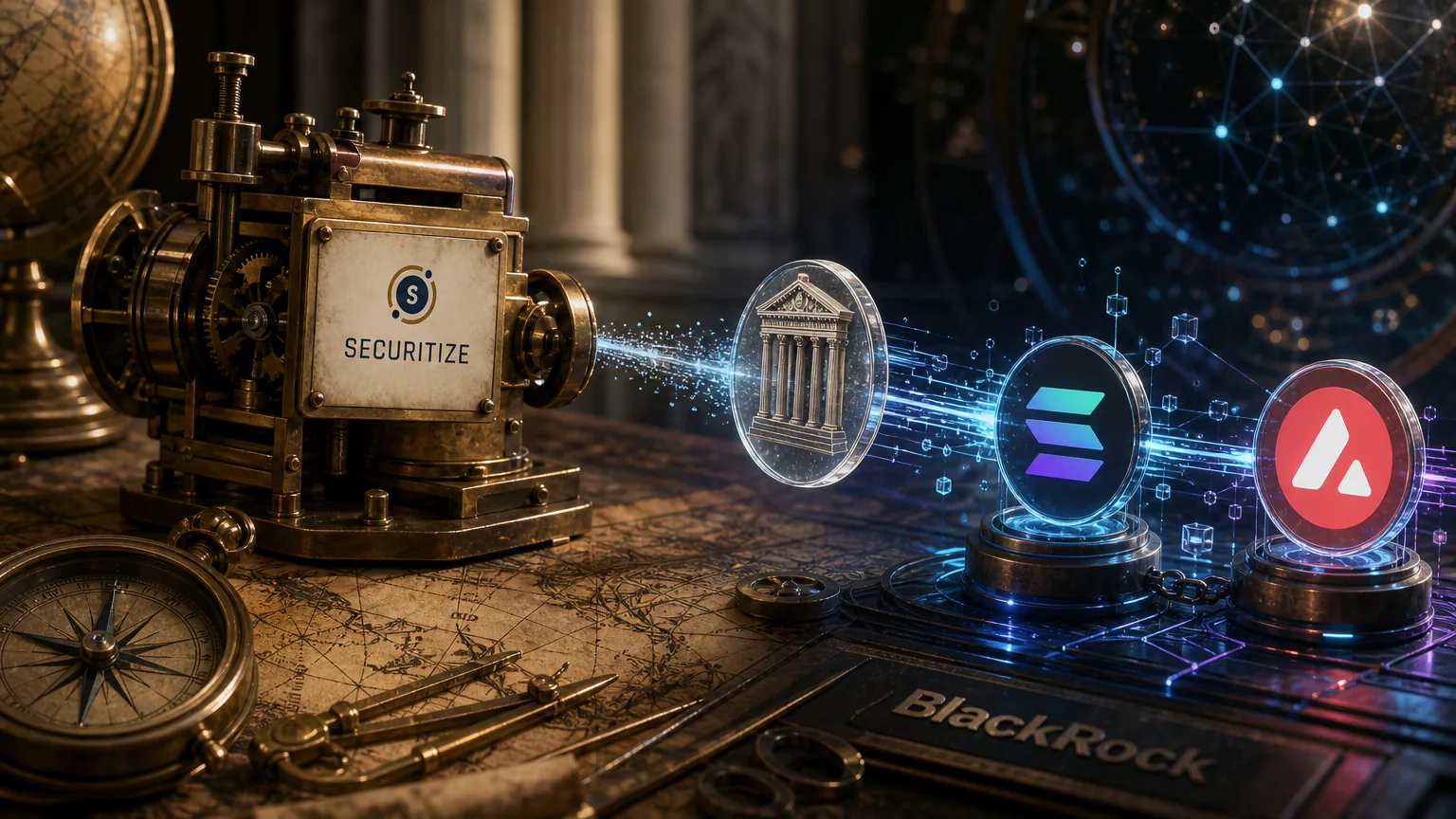
Securitize Stock 2026 सार्वजनिक इक्विटीज, ब्लॉकचेन रेल और विनियमित बाजार अवसंरचना के एकीकरण के लिए अब तक के सबसे स्पष्ट केस स्टडी में से एक है। Securitize ने 2 जुलाई, 2026 को SECZ टिकर के तहत न्यूयॉर्क स्टॉक एक्सचेंज पर ट्रेडिंग शुरू की, और एक ही समय में Solana और Avalanche के माध्यम से अपने सामान्य स्टॉक के टोकनाइज्ड संस्करणों को ऑनचेन लाया। कंपनी ने टोकनाइज्ड SECZ को समान सामान्य स्टॉक के लिए जारीकर्ता-प्रायोजित एक्सपोजर के रूप में वर्णित किया, न कि एक सिंथेटिक रैपर या अलग शेयर क्लास।
निवेशकों के लिए, यह सिर्फ एक और क्रिप्टो-स्टॉक हेडलाइन नहीं है। यह एक वास्तविक परीक्षण है कि क्या टोकनाइज्ड सार्वजनिक शेयर सिद्धांत से व्यावहारिक बाजार संरचना में जा सकते हैं। SimianX AI का उपयोग करने वाले पाठकों के लिए, SECZ वास्तविक दुनिया के संपत्ति टोकनाइजेशन, एक्सचेंज अपनाने, नियामक बाधाओं, और एक शोध कार्यप्रवाह में ब्लॉकचेन गतिविधि को ट्रैक करने के लिए एक उपयोगी ढांचा भी बनाता है।
Securitize Stock 2026 क्यों महत्वपूर्ण है
Securitize एक सामान्य फिनटेक आईपीओ कहानी नहीं है। कंपनी टोकनाइज्ड वास्तविक दुनिया के संपत्तियों के लिए विनियमित बुनियादी ढांचे का निर्माण करने के लिए सबसे अच्छी तरह से जानी जाती है, जिसमें जारी करना, ट्रांसफर एजेंसी, ब्रोकरज, वैकल्पिक ट्रेडिंग सिस्टम, और फंड प्रशासन शामिल हैं। 2026 तक, Securitize पहले से ही वास्तविक दुनिया के संपत्ति टोकनाइजेशन बाजार में सबसे अधिक दिखाई देने वाले नामों में से एक बन गई थी, जिसमें संपत्ति प्रबंधकों, ब्लॉकचेन नेटवर्क, और संस्थागत वित्त के बीच संबंध थे।
SECZ लिस्टिंग महत्वपूर्ण है क्योंकि कंपनी ने अपने सार्वजनिक बाजार की शुरुआत का उपयोग उस उत्पाद श्रेणी को प्रदर्शित करने के लिए किया जिसे वह स्केल करना चाहती है। NYSE पर केवल सूचीबद्ध होने और टोकनाइजेशन के बारे में भविष्य के रुझान के रूप में बात करने के बजाय, Securitize ने पहले दिन से अपने शेयरों को ऑनचेन रखा।
मुख्य अंतर्दृष्टि: SECZ महत्वपूर्ण है क्योंकि यह तीन बाजारों को जोड़ता है जो आमतौर पर अलग-अलग चलते हैं: सार्वजनिक शेयर, विनियमित ब्रोकर-डीलर बुनियादी ढांचा, और ब्लॉकचेन निपटान रेल।
निवेश का सवाल केवल यह नहीं है कि SECZ स्टॉक लिस्टिंग के बाद ऊपर जाता है या नीचे। गहरा सवाल यह है कि क्या Securitize टोकनाइज्ड शेयरों, टोकनाइज्ड फंडों, और अन्य अनुपालन ऑनचेन प्रतिभूतियों के लिए एक मुख्य बुनियादी ढांचा स्तर बन सकता है।
SECZ टोकनाइज्ड शेयरों के साथ क्या हुआ?
Securitize ने Cantor Equity Partners II के साथ अपने व्यवसाय संयोजन को पूरा किया, जो Cantor Fitzgerald के एक सहयोगी द्वारा प्रायोजित एक SPAC है, और SECZ के तहत NYSE पर व्यापार करना शुरू किया। उसी समय, Securitize ने घोषणा की कि योग्य अमेरिकी निवेशक अपनी विनियमित प्लेटफॉर्म के माध्यम से टोकनाइज्ड SECZ तक पहुंच प्राप्त कर सकते हैं।
टोकनाइज्ड शेयरों को प्रारंभ में Avalanche और Solana पर लॉन्च किया गया, जिसने टोकनाइज्ड सार्वजनिक शेयरों के लिए एक मल्टीचेन आधार बनाया।
यहाँ सरल संरचना है:
| घटक | SECZ के लिए इसका क्या अर्थ है |
|---|---|
| NYSE टिकर | SECZ न्यू यॉर्क स्टॉक एक्सचेंज पर सामान्य स्टॉक के रूप में व्यापार करता है |
| टोकनाइज्ड संस्करण | टोकनाइज्ड SECZ को समान सामान्य स्टॉक का प्रतिनिधित्व करने के लिए डिज़ाइन किया गया है |
| उपयोग की गई चेन | प्रारंभिक ऑनचेन लॉन्च के लिए Solana और Avalanche का चयन किया गया |
| निवेशक पहुंच | योग्य निवेशकों के लिए Securitize के विनियमित प्लेटफॉर्म के माध्यम से उपलब्ध |
| अनुपालन परत | ऑनबोर्डिंग, KYC/AML, क्षेत्राधिकार की पात्रता, और प्रतिभूति कानून की आवश्यकताएँ लागू होती हैं |
| बाजार संकेत | SECZ जारीकर्ता-प्रायोजित स्टॉक टोकनकरण के लिए एक सार्वजनिक परीक्षण मामला बन जाता है |
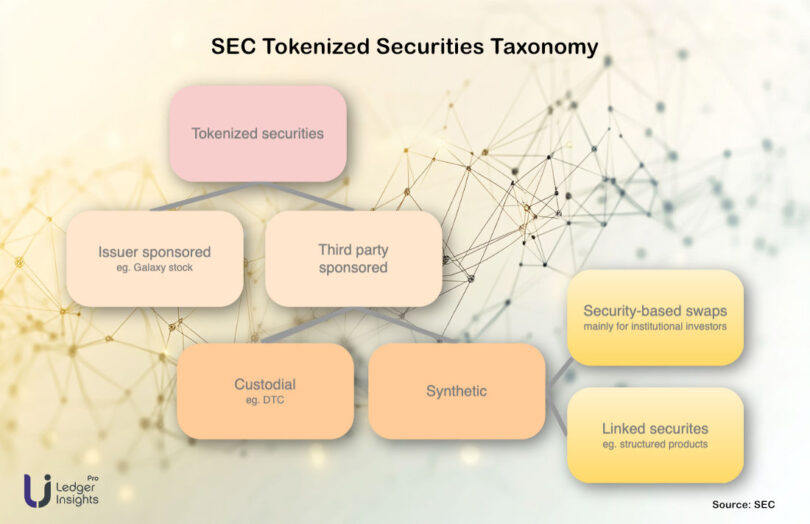
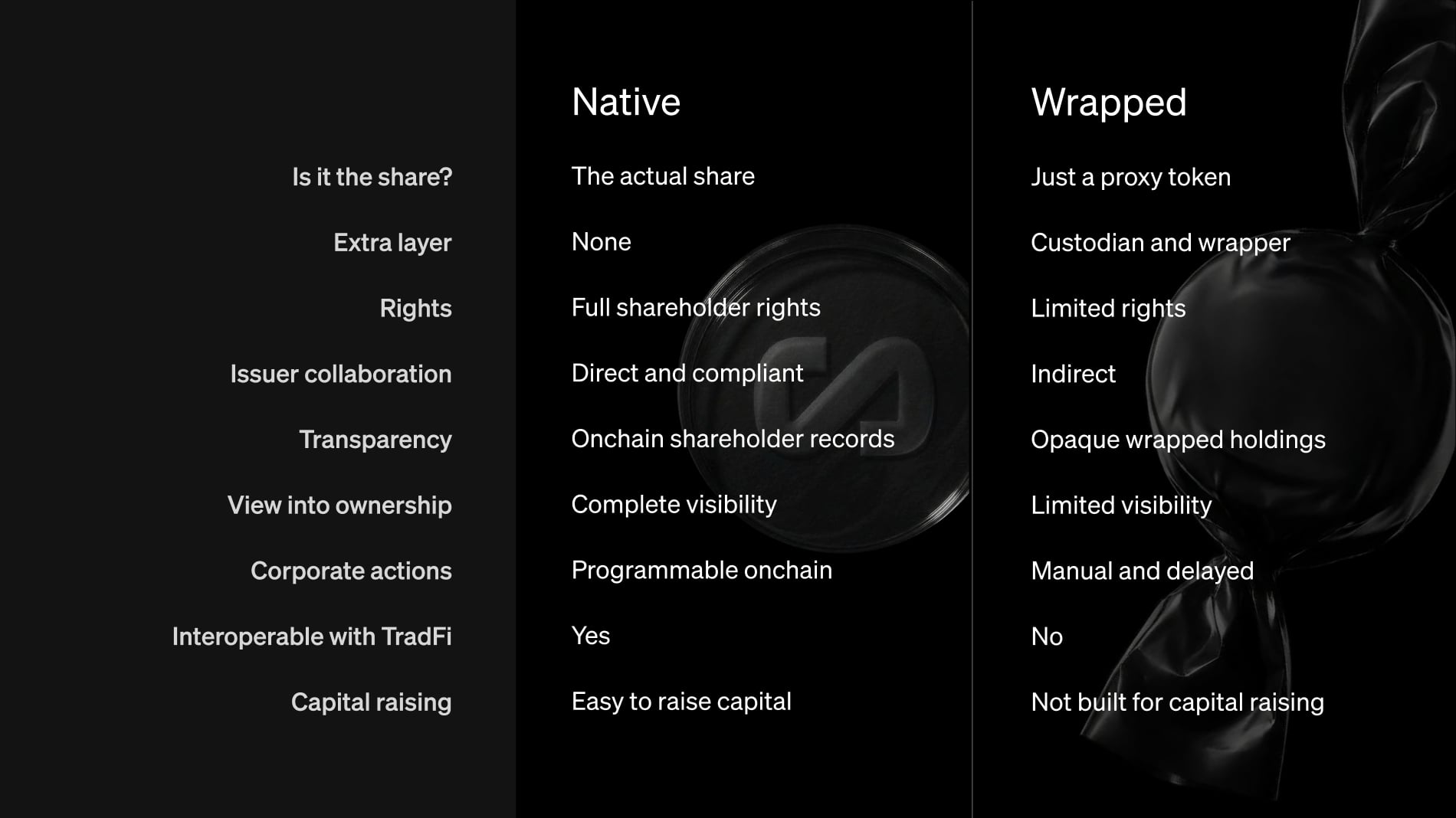
यह कई तृतीय-पक्ष टोकनयुक्त स्टॉक उत्पादों से भिन्न है जो सिंथेटिक, ऑफशोर, या अप्रत्यक्ष एक्सपोजर के रूप में संरचित हो सकते हैं। Securitize ने जोर दिया कि टोकनयुक्त SECZ जारीकर्ता-प्रायोजित है और NYSE पर व्यापार कर रहे समान अंतर्निहित सामान्य स्टॉक से जुड़ा हुआ है।
SECZ टोकनयुक्त शेयर कैसे काम करते हैं Solana और Avalanche पर?
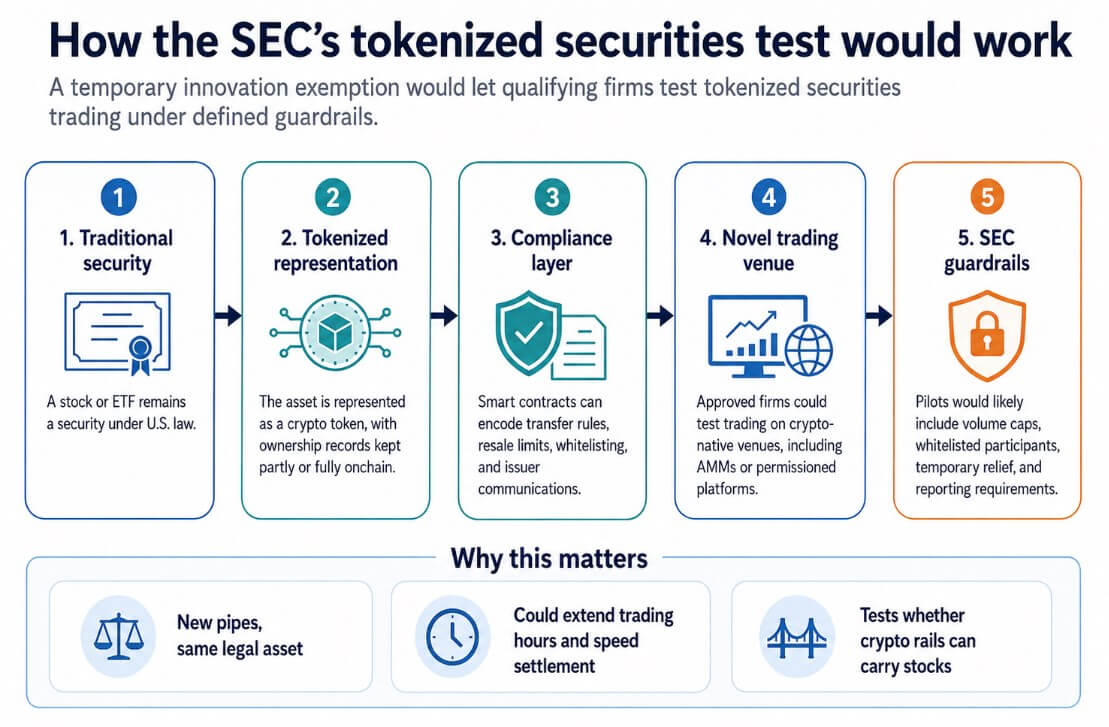
SECZ टोकनयुक्त शेयरों को सार्वजनिक इक्विटी स्वामित्व के एक ब्लॉकचेन-आधारित प्रतिनिधित्व के रूप में सबसे अच्छा समझा जाता है, जिसे विनियमित बुनियादी ढांचे के माध्यम से एक्सेस किया जाता है। Securitize ने कहा कि टोकनकरण स्वामित्व के रूप को बदलता है, लेकिन शेयर की अंतर्निहित प्रकृति को नहीं बदलता या लागू कानूनी, संविदात्मक, या हस्तांतरण प्रतिबंधों को नहीं हटाता।
यह भेद महत्वपूर्ण है। टोकनयुक्त शेयर जादुई मुक्त-तैरते क्रिप्टो टोकन नहीं हैं। वे अभी भी एक प्रतिभूति ढांचे के भीतर हैं। निवेशकों को निम्नलिखित के बीच का अंतर समझना आवश्यक है:
- ब्लॉकचेन टोकन, जो स्वामित्व रिकॉर्ड को अधिक प्रोग्रामेबल और पारदर्शी बना सकता है।
- अंतर्निहित सामान्य स्टॉक, जो एक विनियमित प्रतिभूति बनी रहती है।
- अनुपालन प्रणाली, जो निर्धारित करती है कि कौन टोकनयुक्त संस्करण को रख सकता है, स्थानांतरित कर सकता है, या इसके साथ बातचीत कर सकता है।
- बाजार स्थल, जो सामान्य एक्सचेंज व्यापार से भिन्न हो सकता है।
क्यों Solana?
Solana उच्च थ्रूपुट, कम लेनदेन लागत, और एक सक्रिय डेवलपर पारिस्थितिकी तंत्र के लिए जाना जाता है। टोकनयुक्त इक्विटीज के लिए, यदि जारीकर्ता अंततः बार-बार स्थानांतरण, वास्तविक समय रिपोर्टिंग, या ऑनचेन अनुप्रयोगों के साथ एकीकरण का समर्थन करना चाहते हैं, तो ये विशेषताएँ महत्वपूर्ण हो सकती हैं।
SECZ लॉन्च से सोलाना को एक मजबूत संस्थागत टोकनाइजेशन नैरेटीव भी मिलता है। टोकनाइज्ड स्टॉक्स मेमकॉइन या DeFi यील्ड उत्पादों से अलग होते हैं: इन्हें पहचान जांच, अनुपालन नियंत्रण और जारीकर्ता समन्वय की आवश्यकता होती है।
एवलांच क्यों?
एवलांच ने खुद को संस्थागत वित्त और अनुकूलित ब्लॉकचेन वातावरण के लिए एक श्रृंखला के रूप में स्थापित किया है। टोकनाइज्ड प्रतिभूतियाँ उन नेटवर्कों से लाभ उठा सकती हैं जो नियंत्रित पहुंच, अनुपालन परतें, और उद्यम-ग्रेड बुनियादी ढांचे का समर्थन कर सकती हैं।
सोलाना और एवलांच दोनों पर लॉन्च करके, सिक्योरिटाइज SECZ को एकल श्रृंखला की नैरेटीव पर निर्भर नहीं बनाता। इसके बजाय, यह एक मल्टीचेन टोकनाइज्ड इक्विटी रणनीति का संकेत देता है।
निवेशक takeaway: श्रृंखला का चयन महत्वपूर्ण है, लेकिन बड़ी कहानी SOL बनाम AVAX नहीं है। बड़ी कहानी यह है कि क्या विनियमित सार्वजनिक इक्विटीज ब्लॉकचेन रेल का उपयोग कर सकती हैं बिना कानूनी स्पष्टता खोए।
SECZ को सिंथेटिक टोकनाइज्ड स्टॉक्स से क्या अलग बनाता है?
यह सिक्योरिटाइज स्टॉक 2026 थिसिस का मूल है। क्रिप्टो बाजारों में कई टोकनाइज्ड स्टॉक उत्पाद ऐतिहासिक रूप से तीसरे पक्ष द्वारा बनाए गए हैं। कुछ सिंथेटिक एक्सपोजर, ऑफशोर रैपर, या संविदात्मक दावों की पेशकश करते हैं बजाय सीधे जारीकर्ता द्वारा प्रायोजित स्वामित्व के।
SECZ अलग है क्योंकि सिक्योरिटाइज खुद जारीकर्ता है। कंपनी ने कहा कि टोकनाइज्ड संस्करण NYSE पर ट्रेडिंग कर रहे समान सामान्य स्टॉक का प्रतिनिधित्व करता है और यह एक अलग शेयर वर्ग नहीं है।
यह संस्थागत निवेशकों के लिए एक साफ-सुथरी कहानी बनाता है:
- जारीकर्ता की भागीदारी: कंपनी स्वयं टोकनाइज्ड संस्करण को प्रायोजित करती है।
- विनियमित पहुंच: निवेशक सिक्योरिटाइज के विनियमित प्लेटफॉर्म का उपयोग करते हैं।
- पहचान नियंत्रण: KYC/AML और प्रतिभूति-नियम आवश्यकताएँ प्रक्रिया का हिस्सा बनी रहती हैं।
- सार्वजनिक-बाजार लिंक: टोकनाइज्ड उपकरण सूचीबद्ध सामान्य स्टॉक से मैप होता है।
- संभावित कॉर्पोरेट क्रियाएँ: समय के साथ, टोकनाइज्ड शेयर डिविडेंड, मतदान, रिपोर्टिंग, और शेयरधारक सेवाओं का समर्थन कर सकते हैं एकीकृत बुनियादी ढांचे के माध्यम से।
यह जोखिम को समाप्त नहीं करता। यह जोखिम प्रोफ़ाइल को बदलता है। तीसरे पक्ष के रैपर के स्टॉक को ट्रैक करने के बारे में पूछने के बजाय, निवेशक तरलता, अनुपालन, रखरखाव, निपटान, परिचालन लचीलापन और अपनाने पर ध्यान केंद्रित कर सकते हैं।
Securitize स्टॉक 2026 निवेश सिद्धांत
SECZ के लिए बुल केस यह है कि Securitize टोकनयुक्त प्रतिभूतियों के लिए पहले सार्वजनिक शुद्ध-खेल अवसंरचना कंपनियों में से एक बन जाता है। कंपनी पहले से ही प्रमुख संपत्ति प्रबंधकों के साथ काम कर रही है और उसने अरबों डॉलर के टोकनयुक्त संपत्तियाँ जारी की हैं।
बियर केस यह है कि टोकनकरण अपनाने की गति सुस्त रह सकती है जैसा कि सुर्खियाँ सुझाव देती हैं। सार्वजनिक शेयर गहराई से विनियमित होते हैं, मौजूदा बाजार अवसंरचना स्थापित है, और निवेशकों को तुरंत ऑनचेन स्टॉक्स की आवश्यकता नहीं हो सकती यदि सामान्य ब्रोकरेज सिस्टम पहले से ही अच्छी तरह से काम कर रहे हैं।
बेस केस अधिक संतुलित है: टोकनयुक्त शेयर पारंपरिक बाजारों को तेजी से प्रतिस्थापित नहीं कर सकते, लेकिन वे कुछ निवेशकों, विशेष रूप से संस्थानों, क्रिप्टो-नेटिव फंडों, वैश्विक निवेशकों और अधिक प्रत्यक्ष शेयरधारक अवसंरचना की तलाश कर रहे जारीकर्ताओं के लिए एक नया वितरण और निपटान स्तर बन सकते हैं।
| परिदृश्य | क्या होना चाहिए | SECZ का प्रभाव |
|---|---|---|
| बुल केस | टोकनयुक्त इक्विटीज संस्थागत अपनाने को प्राप्त करती हैं, अधिक जारीकर्ता शामिल होते हैं, और Securitize एक पसंदीदा अवसंरचना प्रदाता बन जाता है | SECZ एक उच्च-गति टोकनकरण प्लेटफ़ॉर्म के रूप में व्यापार कर सकता है |
| बेस केस | टोकनयुक्त फंड टोकनयुक्त स्टॉक्स की तुलना में तेजी से बढ़ते हैं, लेकिन SECZ चयनात्मक सार्वजनिक-इक्विटी उपयोग मामलों के साथ मॉडल को साबित करता है | SECZ एक निचे लेकिन विश्वसनीय RWA अवसंरचना स्टॉक बन जाता है |
| बियर केस | विनियमन, तरलता, उपयोगकर्ता मांग, या परिचालन जटिलता अपनाने को धीमा करती है | SECZ एक अटकल फिनटेक के रूप में व्यापार कर सकता है जिसमें निष्पादन जोखिम होता है |
SECZ लिस्टिंग के बाद निवेशकों को क्या देखना चाहिए?
पहले व्यापारिक शीर्षक केवल शुरुआत हैं। Securitize Stock 2026 का शोध करने वाले निवेशकों के लिए, सबसे महत्वपूर्ण संकेत अपनाने, राजस्व रूपांतरण, और बाजार संरचना की प्रगति से आएंगे।
1. टोकनाइज्ड SECZ शेयरधारक वृद्धि
मुख्य प्रश्न यह है कि क्या टोकनाइज्ड SECZ एक प्रतीकात्मक लॉन्च बनता है या एक महत्वपूर्ण स्वामित्व चैनल। देखें:
- टोकनाइज्ड शेयरधारकों की संख्या
- समय के साथ ऑनचेन होल्डिंग्स
- औसत ट्रांसफर गतिविधि
- संस्थागत भागीदारी
- कस्टडी और वॉलेट समर्थन
- भविष्य की किसी भी शेयरधारक कार्यक्षमता
2. नए जारीकर्ता साझेदारियाँ
Securitize का असली अवसर केवल अपने स्वयं के स्टॉक को टोकनाइज करना नहीं है। यह अन्य सार्वजनिक कंपनियों, फंडों, और संपत्ति प्रबंधकों को अपनी अवसंरचना का उपयोग करने के लिए मनाने में है। ट्रांसफर एजेंटों, कस्टोडियंस, ब्रोकरों, मार्केट मेकरों, और एक्सचेंजों के साथ साझेदारियाँ विशेष रूप से महत्वपूर्ण होंगी क्योंकि सार्वजनिक शेयरों के लिए स्मार्ट कॉन्ट्रैक्ट से अधिक की आवश्यकता होती है।
3. नियामक स्पष्टता
टोकनाइज्ड शेयर अभी भी प्रतिभूति कानून पर निर्भर करते हैं। निवेशकों को ट्रैक करना चाहिए:
- टोकनाइज्ड प्रतिभूतियों पर SEC मार्गदर्शन
- NYSE और Nasdaq टोकनाइजेशन पहलों
- ब्रोकर-डीलर और ATS अनुमोदन
- ट्रांसफर एजेंट नियम
- कस्टडी मानक
- सीमा पार पात्रता सीमाएँ
4. राजस्व गुणवत्ता
टोकनाइजेशन के शीर्षक रोमांचक हैं, लेकिन स्टॉक मूल्यांकन अंततः व्यावसायिक मूलभूत बातों पर निर्भर करता है। SECZ निवेशकों को आवर्ती राजस्व, फंड प्रशासन शुल्क, ट्रांसफर एजेंट अर्थशास्त्र, ट्रेडिंग शुल्क, कस्टडी साझेदारियाँ, और उद्यम प्लेटफ़ॉर्म अनुबंधों की तलाश करनी चाहिए।
5. प्रतिस्पर्धात्मक दबाव
Securitize अकेला नहीं है। पारंपरिक एक्सचेंज, ट्रांसफर एजेंट, कस्टोडियन, बैंक, और ब्लॉकचेन-नेटिव प्लेटफ़ॉर्म सभी टोकनाइजेशन बाजार का एक हिस्सा चाहते हैं। Securitize का लाभ इसकी प्रारंभिक नियामित अवसंरचना का footprint है, लेकिन इसे इसे स्थायी राजस्व और सुरक्षित बाजार हिस्सेदारी में परिवर्तित करना होगा।
सिमियनएक्स एआई के साथ सिक्योरिटाइज स्टॉक 2026 का विश्लेषण कैसे करें
एक उपयोगी SECZ शोध प्रक्रिया में इक्विटी विश्लेषण, क्रिप्टो बुनियादी ढांचे की ट्रैकिंग, और नियामक निगरानी को मिलाना चाहिए। यहीं पर सिमियनएक्स एआई निवेशकों को संकेतों को व्यवस्थित करने में मदद कर सकता है जो आमतौर पर फाइलिंग, समाचार, ब्लॉकचेन डेटा, और बाजार मूल्य क्रिया में बिखरे होते हैं।
एक व्यावहारिक कार्यप्रवाह इस तरह दिख सकता है:
- इक्विटी प्रवृत्ति को ट्रैक करें:
SECZमूल्य क्रिया, मात्रा, अस्थिरता, और लिस्टिंग के बाद समर्थन स्तरों की निगरानी करें।
- टोकनाइज्ड शेयर डेटा पर नज़र रखें: ऑनचेन SECZ होल्डिंग्स, चेन वितरण, और ट्रांसफर गतिविधि की तुलना करें।
- RWA बाजार वृद्धि की निगरानी करें: टोकनाइज्ड ट्रेजरी फंड, टोकनाइज्ड प्राइवेट क्रेडिट, टोकनाइज्ड इक्विटीज, और संस्थागत चेन अपनाने का पालन करें।
- नियामक अपडेट पढ़ें: वास्तविक अनुमोदनों को अटकलों के शीर्षकों से अलग करें।
- समान नरेटिव की तुलना करें: SECZ की तुलना एक्सचेंजों, फिनटेक बुनियादी ढांचे के शेयरों, क्रिप्टो प्लेटफार्मों, और सार्वजनिक RWA खेलों के खिलाफ करें।
- परिदृश्य मॉडल बनाएं: अनुमान लगाएं कि सिक्योरिटाइज कितना राजस्व प्राप्त कर सकता है यदि टोकनाइज्ड प्रतिभूतियों की अपनाने में वृद्धि होती है।
सिमियनएक्स एआई इस प्रकार के शोध के लिए विशेष रूप से उपयोगी है क्योंकि SECZ एक साधारण स्टॉक कहानी नहीं है। यह सार्वजनिक इक्विटी, क्रिप्टो बुनियादी ढांचे, वित्तीय नियमन, और वास्तविक दुनिया की संपत्ति टोकनाइजेशन के बीच स्थित है।
शोध ढांचा: SECZ को पहले एक बुनियादी ढांचा स्टॉक के रूप में, दूसरे एक टोकनाइजेशन नरेटिव के रूप में, और तीसरे एक क्रिप्टो बीटा ट्रेड के रूप में मानें।
क्या सिक्योरिटाइज स्टॉक 2026 एक शुद्ध RWA टोकनाइजेशन दांव है?
SECZ एक शुद्ध-खेल वास्तविक-विश्व संपत्ति टोकनाइजेशन सिद्धांत के सबसे निकटतम सार्वजनिक-बाजार वाहनों में से एक है, लेकिन निवेशकों को इसे सरल बनाने से बचना चाहिए। Securitize का व्यवसाय टोकनाइज्ड फंड, जारीकर्ता सेवाएँ, ट्रांसफर एजेंट अवसंरचना, ब्रोकरज, ATS क्षमताएँ, और फंड प्रशासन शामिल हैं। यह इसे एक साधारण "टोकनाइज्ड स्टॉक कंपनी" से व्यापक बनाता है।
RWA बाजार का अवसर बड़ा है, लेकिन समय महत्वपूर्ण है। टोकनाइज्ड ट्रेजरी और मनी मार्केट फंड पहले ही लोकप्रिय हो चुके हैं क्योंकि वे स्पष्ट क्रिप्टो-स्वदेशी समस्याओं को हल करते हैं: उपज, निपटान, और संपार्श्विक। टोकनाइज्ड सार्वजनिक शेयर अधिक जटिल हैं क्योंकि अमेरिकी शेयर बाजार पहले से ही अधिकांश निवेशकों के लिए तरल, विनियमित, और कुशल हैं।
इसका मतलब है कि SECZ को तीन चीजें साबित करने की आवश्यकता हो सकती है:
- क्यों जारीकर्ताओं को टोकनाइज्ड शेयरों की आवश्यकता है
- क्यों निवेशक टोकनाइज्ड स्वामित्व को प्राथमिकता देते हैं
- क्यों विनियमित प्लेटफार्मों का विस्तार ऑफशोर सिंथेटिक उत्पादों की तुलना में बेहतर हो सकता है
यदि Securitize इन सवालों का वास्तविक अपनाने के साथ उत्तर दे सकता है, तो SECZ एक प्रमुख टोकनाइजेशन स्टॉक बन सकता है। यदि नहीं, तो स्टॉक कथानक चक्रों के प्रति संवेदनशील रह सकता है बिना पर्याप्त मौलिक समर्थन के।
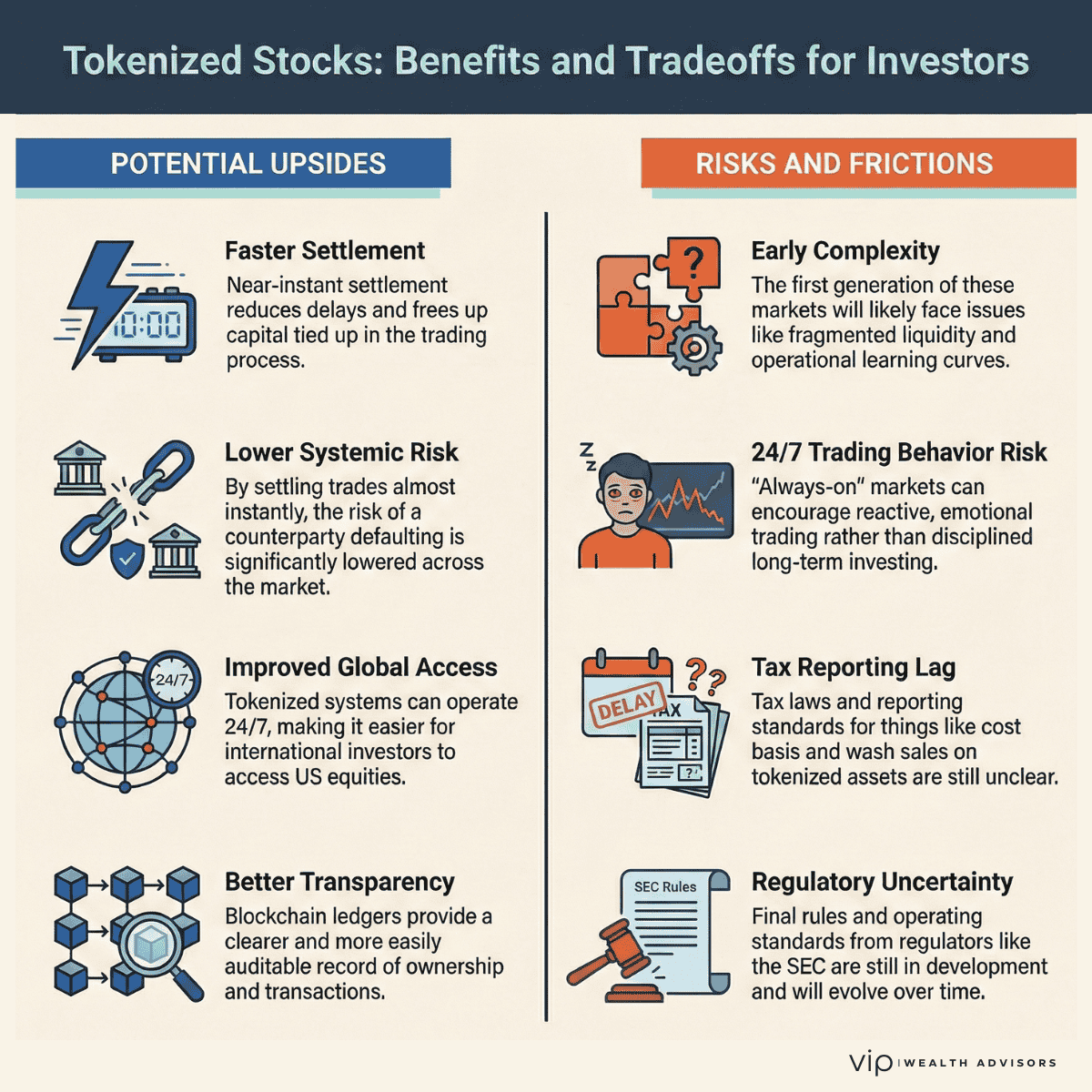
SECZ टोकनाइज्ड शेयरों के लिए प्रमुख जोखिम
निवेशकों को SECZ को एक जोखिम-मुक्त ब्लॉकचेन अवसंरचना विजेता के रूप में नहीं लेना चाहिए। मॉडल आशाजनक है, लेकिन प्रारंभिक है।
मुख्य जोखिमों में शामिल हैं:
- तरलता जोखिम: टोकनाइज्ड SECZ जल्दी गहरे द्वितीयक-बाजार गतिविधि विकसित नहीं कर सकता।
- विनियामक जोखिम: प्रतिभूति-नियम आवश्यकताएँ उपयोगकर्ता वृद्धि या सीमा पार पहुंच को सीमित कर सकती हैं।
- प्रौद्योगिकी जोखिम: स्मार्ट अनुबंध, कस्टडी, वॉलेट, या चेन-स्तरीय मुद्दे विश्वास को नुकसान पहुँचा सकते हैं।
- अपनाने का जोखिम: अन्य जारीकर्ता Securitize के मार्ग का अनुसरण नहीं कर सकते।
- मूल्यांकन जोखिम: सार्वजनिक-बाजार के निवेशक SECZ को हाइप पर मूल्यांकन कर सकते हैं इससे पहले कि राजस्व बराबर हो जाए।
- प्रतिस्पर्धा जोखिम: एक्सचेंज, ट्रांसफर एजेंट, बैंक, और ब्लॉकचेन प्लेटफार्म प्रतिस्पर्धी सिस्टम बना सकते हैं।
सबसे महत्वपूर्ण बिंदु यह है कि टोकनाइजेशन पारंपरिक निवेश विश्लेषण को समाप्त नहीं करता है। यह एक और परत जोड़ता है। SECZ निवेशकों को अभी भी राजस्व, मार्जिन, पूंजी आवंटन, पतला होना, ग्राहक केंद्रितता, नियमावली, और प्रबंधन निष्पादन का मूल्यांकन करने की आवश्यकता है।
Securitize स्टॉक 2026 के बारे में अक्सर पूछे जाने वाले प्रश्न
Securitize स्टॉक 2026 क्या है?
Securitize स्टॉक 2026 का तात्पर्य SECZ टिकर के तहत Securitize की सार्वजनिक लिस्टिंग और Solana और Avalanche पर टोकनाइज्ड SECZ शेयरों की उसी दिन की लॉन्चिंग से है। यह घटना महत्वपूर्ण है क्योंकि यह दिखाती है कि एक सार्वजनिक कंपनी NYSE-लिस्टेड सामान्य स्टॉक को विनियमित ब्लॉकचेन-आधारित स्वामित्व अवसंरचना के साथ कैसे जोड़ सकती है।
क्या SECZ टोकनाइज्ड शेयर SECZ स्टॉक के समान हैं?
Securitize ने कहा कि टोकनाइज्ड SECZ का उद्देश्य NYSE पर ट्रेडिंग करने वाले समान सामान्य स्टॉक का प्रतिनिधित्व करना है और यह एक अलग शेयर वर्ग नहीं है। हालाँकि, टोकनाइज्ड SECZ तक पहुँच ऑनबोर्डिंग, KYC/AML जांच, क्षेत्राधिकार पात्रता, और लागू प्रतिभूति कानून आवश्यकताओं के अधीन है।
Securitize ने टोकनाइज्ड शेयरों के लिए Solana और Avalanche का उपयोग क्यों किया?
Solana और Avalanche Securitize को एक मल्टीचेन लॉन्च रणनीति प्रदान करते हैं। Solana उच्च-थ्रूपुट सार्वजनिक-श्रृंखला अवसंरचना लाता है, जबकि Avalanche में एक मजबूत संस्थागत और अनुकूलन योग्य ब्लॉकचेन कथा है। बड़ा बिंदु यह है कि SECZ एक से अधिक ब्लॉकचेन नेटवर्क में टोकनाइज्ड सार्वजनिक इक्विटी को प्रदर्शित करता है।
क्या SECZ 2026 में देखने के लिए एक अच्छा टोकनाइजेशन स्टॉक है?
SECZ को देखना महत्वपूर्ण है क्योंकि यह जारीकर्ता-प्रायोजित टोकनाइज्ड शेयरों के पहले सार्वजनिक-बाजार उदाहरणों में से एक है। अवसर महत्वपूर्ण है, लेकिन निवेशकों को स्टॉक को एक पुष्टि किए गए विजेता के रूप में मानने से पहले अपनाने, तरलता, राजस्व गुणवत्ता, नियामक स्पष्टता, और प्रतिस्पर्धात्मक दबाव को ट्रैक करना चाहिए।
निवेशक SECZ टोकनाइज्ड शेयरों पर कैसे शोध कर सकते हैं?
निवेशक SECZ का शोध स्टॉक विश्लेषण, ऑनचेन गतिविधि, Securitize प्लेटफॉर्म अपडेट, नियामक विकास, और व्यापक RWA बाजार प्रवृत्तियों को मिलाकर कर सकते हैं। SimianX AI जैसे उपकरण इन संकेतों को एक दोहराने योग्य शोध कार्यप्रवाह में व्यवस्थित करने में मदद कर सकते हैं।
निष्कर्ष
Securitize स्टॉक 2026 केवल एक नया टिकर नहीं है। SECZ एक सार्वजनिक-बाजार प्रयोग है जो जारीकर्ता-प्रायोजित टोकनाइज्ड इक्विटी में है, जो NYSE सूचीकरण को Solana और Avalanche पर टोकनाइज्ड शेयरों के साथ जोड़ता है। सबसे महत्वपूर्ण बात यह है कि SECZ केवल एक क्रिप्टो कथा नहीं है; यह इस बात का परीक्षण है कि क्या नियामक सार्वजनिक कंपनी का स्वामित्व अधिक प्रोग्रामेबल, पारदर्शी, और इंटरऑपरेबल बन सकता है।
निवेशकों के लिए, अवसर वास्तविक है लेकिन अभी भी प्रारंभिक है। बुल केस टोकनाइज्ड प्रतिभूतियों की व्यापक स्वीकृति, अधिक जारीकर्ता साझेदारियों, मजबूत नियामक निष्पादन, और राजस्व वृद्धि पर निर्भर करता है जो बाजार के उत्साह को सही ठहराता है। जोखिम का मामला यह है कि टोकनाइज्ड इक्विटीज अपेक्षा से अधिक समय तक एक निच उत्पाद बनी रह सकती हैं।
SECZ का बुद्धिमानी से पालन करने के लिए, निवेशकों को पारंपरिक इक्विटी मूलभूत बातों और ब्लॉकचेन-नेटिव गतिविधियों दोनों को ट्रैक करना चाहिए। गहरे बाजार शोध, परिदृश्य विश्लेषण, और वास्तविक समय संकेत निगरानी के लिए, SimianX AI का अन्वेषण करें और इसका उपयोग टोकनाइज्ड स्टॉक्स, RWA अवसंरचना, और ऑनचेन पूंजी बाजारों के अगले चरण का एक संरचित दृश्य बनाने के लिए करें।
संबंधित लेख
- स्टेबलकॉइन 2026: Visa, Stripe और USDT बनाम USDC की होड़
- हर बड़ा स्टेबलकॉइन डीपेग: एक पूरी संदर्भ तालिका और जोखिम
- BTC बनाम ETH बनाम SOL: 2026 की गिरावट में सबसे अच्छे खरीद क्षेत्र