
1989 पनामा आक्रमण सेटअप का व्यापार: -2.2% गिरावट, 2-दिन का निचला स्तर, 8-दिन की वसूली संकेत
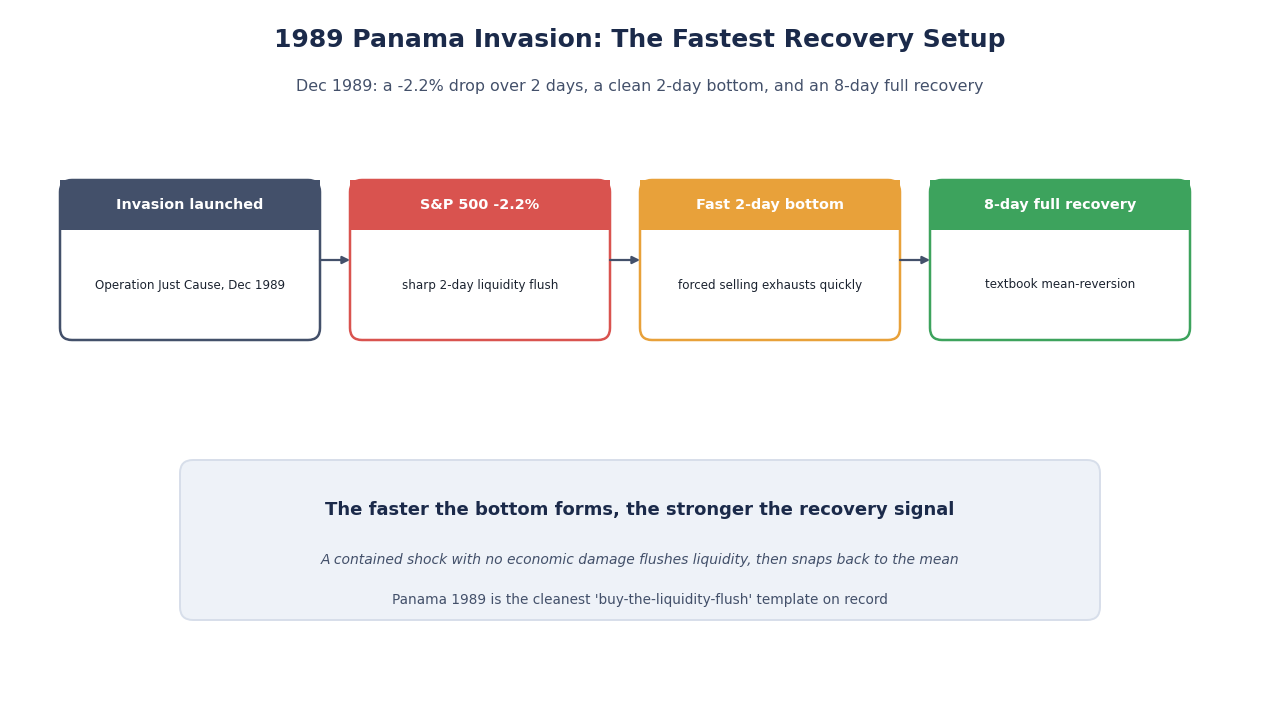
1989 पनामा आक्रमण सेटअप का व्यापार यह दिखाता है कि वित्तीय बाजार अचानक भू-राजनीतिक झटकों पर कैसे प्रतिक्रिया करते हैं—और इससे भी महत्वपूर्ण, वे कितनी तेजी से पुनर्प्राप्त होते हैं। दिसंबर 1989 में, अमेरिका का पनामा पर आक्रमण लगभग -2.2% की एक अल्पकालिक बाजार गिरावट को प्रेरित करता है, जिसके बाद एक तेज 2-दिन की निचले स्तर की प्रक्रिया और एक पूर्ण 8-दिन की वसूली चक्र होती है।
आधुनिक व्यापारियों के लिए, विशेष रूप से उन लोगों के लिए जो SimianX AI जैसे उन्नत उपकरणों का उपयोग करते हैं, यह ऐतिहासिक पैटर्न संक्षिप्त आतंक की पहचान, प्रविष्टियों का समय निर्धारित करने और वसूली की गति का लाभ उठाने के लिए एक दोहराने योग्य ढांचा प्रदान करता है।
1989 पनामा आक्रमण बाजार प्रतिक्रिया को समझना
पनामा आक्रमण (ऑपरेशन जस्ट कॉज) 20 दिसंबर 1989 को शुरू हुआ, जब अमेरिकी बलों ने मैनुअल नोरिएगा को सत्ता से हटाने के लिए कदम बढ़ाया। भू-राजनीतिक महत्व के बावजूद, अमेरिकी शेयर बाजार की प्रतिक्रिया आश्चर्यजनक रूप से सीमित और अल्पकालिक थी।
प्रमुख बाजार मैट्रिक्स
| मैट्रिक्स | मान |
|---|---|
| प्रारंभिक गिरावट | -2.2% |
| निचले स्तर तक का समय | 2 व्यापारिक दिन |
| वसूली अवधि | ~8 व्यापारिक दिन |
| अस्थिरता स्पाइक | मध्यम |
| संरचनात्मक क्षति | न्यूनतम |
बाजार अक्सर भू-राजनीतिक झटकों पर प्रारंभ में अधिक प्रतिक्रिया करते हैं लेकिन जल्दी से पुनर्मूल्यांकन करते हैं जब अनिश्चितता स्थिर हो जाती है।
प्रतिक्रिया इतनी हल्की क्यों थी?
- संघर्ष स्थानीयकृत और सीमित था
- वैश्विक आर्थिक ढांचे में कोई व्यवधान नहीं
- अमेरिकी अर्थव्यवस्था संरचनात्मक रूप से सही रही
- निवेशकों ने जल्दी से जोखिम का कम प्रणालीगत प्रभाव के रूप में पुनर्मूल्यांकन किया
!शॉर्ट-टर्म मार्केट डिप रिकवरी विज़ुअलाइज़ेशन:maxbytes(150000):stripicc()/dotdashFinalW-ShapedRecoveryMay_2020-01-f96bb003c32a402e9ee839fede78513b.jpg)
सेटअप के पीछे का कोर ट्रेडिंग फ्रेमवर्क
1989 पनामा आक्रमण सेटअप का ट्रेडिंग तीन क्रियाशील चरणों में विभाजित किया जा सकता है:
चरण 1: झटका और तरलता फ्लश (-2.2%)
यह चरण प्रारंभिक भावनात्मक प्रतिक्रिया का प्रतिनिधित्व करता है:
- आतंकित बिक्री
- समाचार-प्रेरित अस्थिरता
- शॉर्ट-टर्म तरलता के अंतर
ट्रेडिंग अंतर्दृष्टि:
नीचे की ओर भागने से बचें। यह चरण आमतौर पर अल्फा उत्पन्न नहीं करता, बल्कि जहां जोखिम सबसे अधिक होता है।
चरण 2: तेजी से बॉटम फॉर्मेशन (2 दिन)
बाजार तेजी से स्थिर होते हैं क्योंकि:
- संस्थागत खरीदार आगे आते हैं
- समाचार की स्पष्टता में सुधार होता है
- बिक्री का दबाव समाप्त होता है
मुख्य संकेत विशेषताएँ:
- संकीर्ण अंतर्दिन रेंज
- घटती अस्थिरता
- उच्च निम्न बनना
जितनी तेजी से बॉटम बनता है, उतना ही मजबूत रिकवरी सिग्नल होता है।
चरण 3: रिकवरी मोमेंटम (8 दिन)
एक बार बॉटम की पुष्टि हो जाने पर:
- मोमेंटम ट्रेडर्स प्रवेश करते हैं
- शॉर्ट कवरिंग ऊपर की ओर तेजी लाती है
- जोखिम प्रीमियम गिरता है
यही वह जगह है जहां अधिकांश ट्रेडिंग अवसर होते हैं।
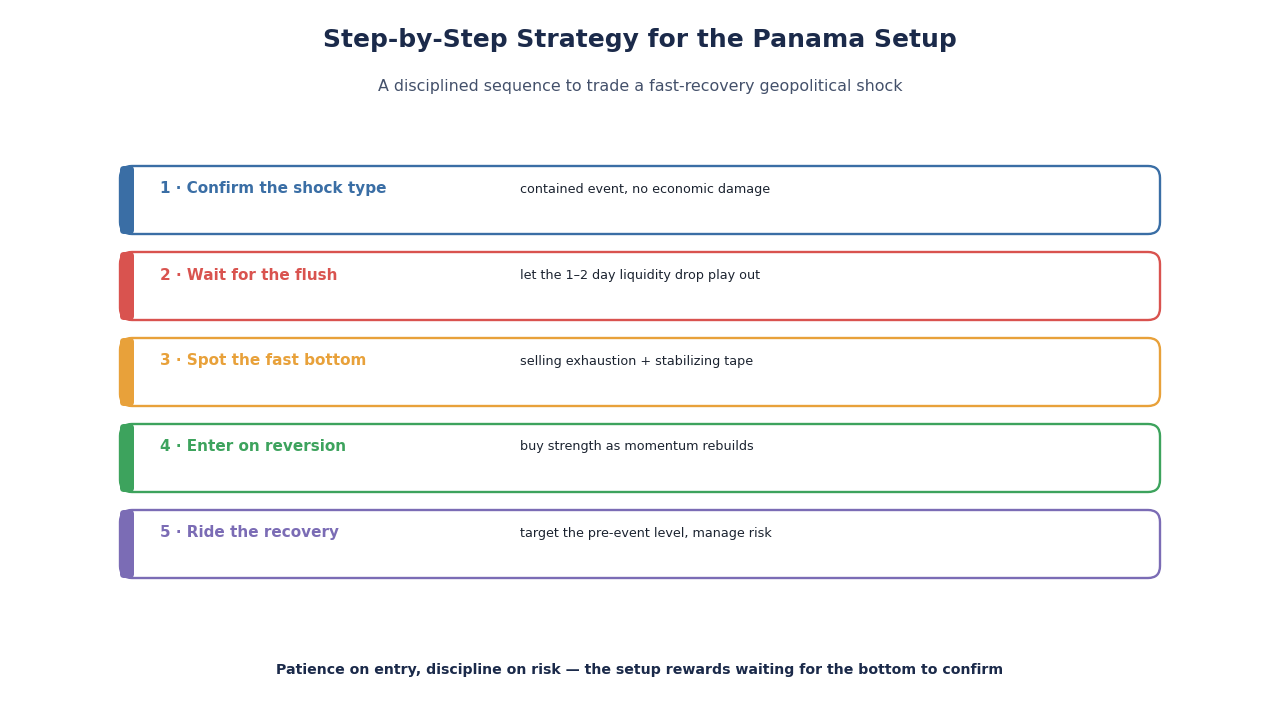
सेटअप के आधार पर चरण-दर-चरण ट्रेडिंग रणनीति
आज पनामा आक्रमण पैटर्न को कैसे ट्रेड करें
- झटका घटना की पहचान करें
- सैन्य संघर्ष
- राजनीतिक हत्या
- अचानक भू-राजनीतिक वृद्धि
- प्रारंभिक ड्रॉडाउन को मापें
- आमतौर पर -1% से -3% के बीच
- बड़े गिरावट गहरे जोखिम का संकेत दे सकती हैं
- बॉटम फॉर्मेशन को ट्रैक करें
- 1–3 दिन के भीतर स्थिरीकरण की तलाश करें
- पुष्टि पर प्रवेश करें
- शॉर्ट-टर्म प्रतिरोध के ऊपर ब्रेक
- वॉल्यूम विस्तार
- रिकवरी का लाभ उठाएं
- सामान्य विंडो: 5–10 दिन
- सामान्यीकरण पर बाहर निकलें
- जैसे-जैसे अस्थिरता संकुचित होती है
- मोमेंटम धीमा होता है
क्यों यह पैटर्न बाजारों में दोहराता है
पनामा सेटअप अद्वितीय नहीं है—यह मानव मनोविज्ञान और संस्थागत व्यवहार को दर्शाता है:
| कारक | बाजारों पर प्रभाव |
|---|---|
| डर | प्रारंभिक बिक्री |
| अनिश्चितता समाधान | तेज स्थिरीकरण |
| तरलता | तेज पुनर्प्राप्ति |
| संस्थागत खरीद | मजबूत पुनरुद्धार तेजी |
आधुनिक बाजार, तेजी से जानकारी के प्रवाह के साथ, अक्सर इस चक्र को और भी संकुचित करते हैं।
SimianX AI इस रणनीति को कैसे बढ़ाता है
हालांकि ऐतिहासिक पैटर्न उपयोगी होते हैं, वास्तविक समय में निष्पादन के लिए डेटा एकीकरण की आवश्यकता होती है। यहीं पर SimianX AI महत्वपूर्ण हो जाता है।
SimianX AI इस ढांचे में क्या जोड़ता है
- बहु-एजेंट विश्लेषण (तकनीकी + भावना + मैक्रो)
- वास्तविक समय में झटका पहचान संकेत
- AI-जनित प्रवेश/निकासी सिफारिशें
- जोखिम स्कोरिंग और विश्वास स्तर
मैन्युअल रूप से ट्रैक करने के बजाय:
- समाचार प्रवाह
- मूल्य क्रिया
- अस्थिरता परिवर्तन
SimianX सब कुछ एक एकल निर्णय इंटरफेस में समेकित करता है।
पैटर्न को जानने और उसे लाभदायक तरीके से निष्पादित करने के बीच का अंतर समय—और समय को डेटा बुद्धिमत्ता की आवश्यकता होती है।
भू-राजनीतिक व्यापार के लिए SimianX का उपयोग कैसे करें
- वास्तविक समय में भावना स्पाइक्स की निगरानी करें
- AI-पहचाने गए तल संकेतों को ट्रैक करें
- समय-सीमा के बीच मॉडल जीत दरों की तुलना करें
- बहु-एजेंट सहमति के आधार पर व्यापार निष्पादित करें
यह पनामा आक्रमण पैटर्न जैसे अल्पकालिक सेटअप के साथ पूरी तरह से मेल खाता है।
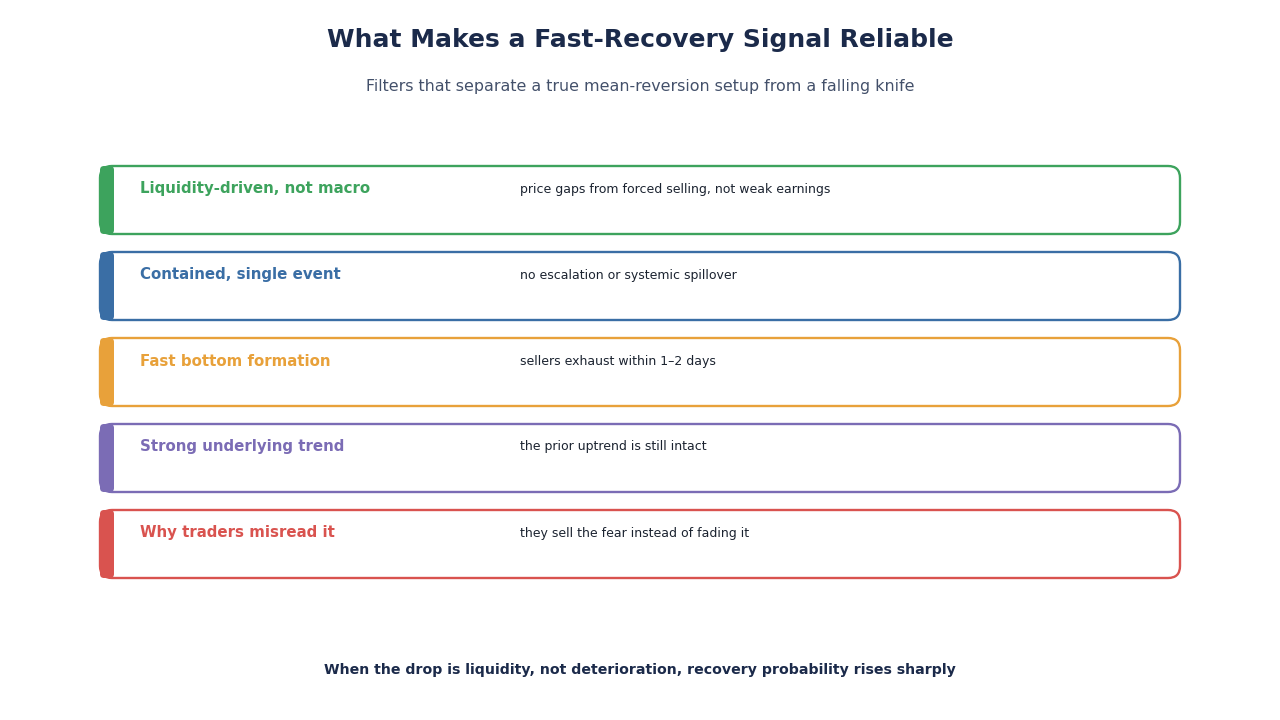
क्या “फास्ट रिकवरी सिग्नल” विश्वसनीय बनाता है?
सभी भू-राजनीतिक घटनाएँ पनामा 1989 की तरह व्यवहार नहीं करती हैं। एक उच्च-प्रायिकता रिकवरी सेटअप के रूप में योग्य होने के लिए, देखें:
प्रमुख मानदंड
- स्थानीय संघर्ष
- कोई प्रमुख आर्थिक व्यवधान नहीं
- त्वरित कथा स्थिरीकरण
- सीमित वृद्धि जोखिम
चेतावनी संकेत (इनसे बचें)
- वैश्विक युद्ध का जोखिम
- ऊर्जा आपूर्ति झटके
- वित्तीय प्रणाली का तनाव
- लंबे समय तक अनिश्चितता
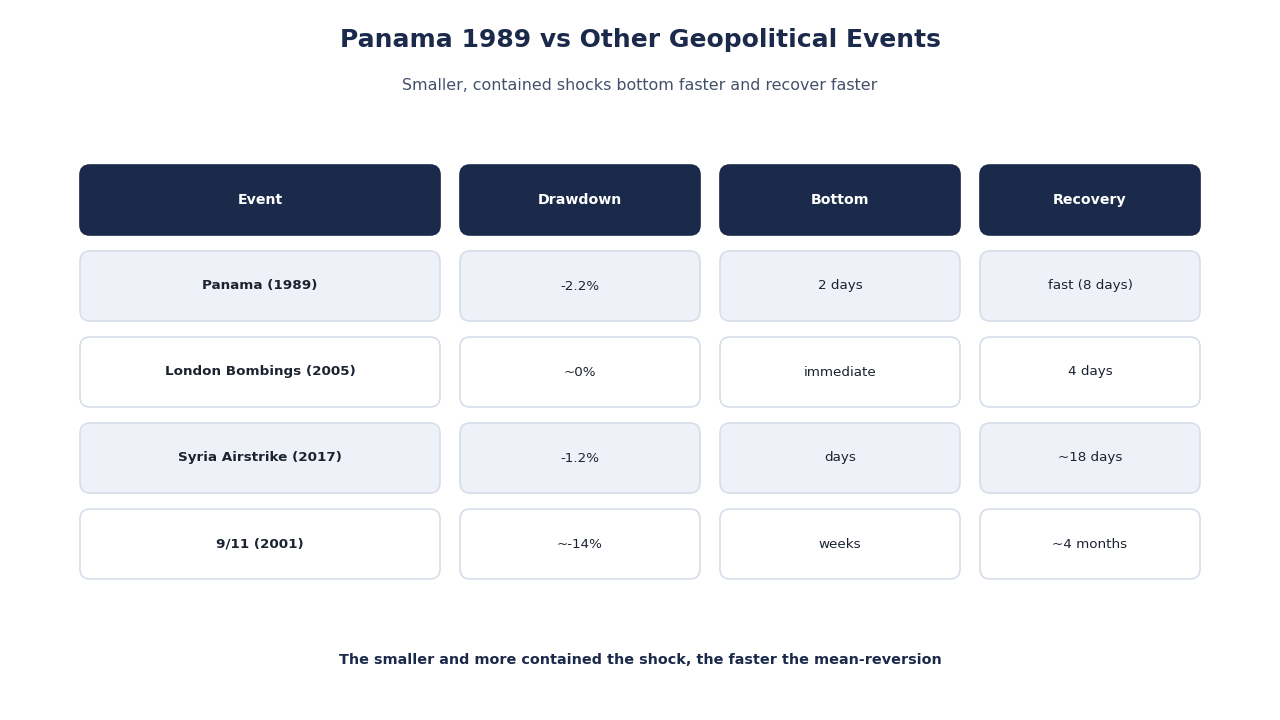
1989 पनामा आक्रमण सेटअप का व्यापार अन्य घटनाओं की तुलना में कैसे है?
| घटना प्रकार | ड्रॉडाउन | बॉटम समय | रिकवरी गति |
|---|---|---|---|
| पनामा 1989 | -2.2% | 2 दिन | तेज (8 दिन) |
| सीरिया हवाई हमले 2017 | -1.2% | ~7 दिन | मध्यम |
| खाड़ी युद्ध 1991 | बड़ा | सप्ताह | धीमा |
| 9/11 हमले | गंभीर | महीने | धीमा |
अंतर्दृष्टि:
झटका जितना छोटा और अधिक सीमित होगा, रिकवरी उतनी ही तेज होगी।
पनामा 1989 जैसे भू-राजनीतिक बाजार में गिरावट का व्यापार करने का सबसे अच्छा तरीका क्या है?
सबसे अच्छा तरीका है एक छोटे समय के बॉटम की पुष्टि का इंतजार करना, तुरंत प्रतिक्रिया देने के बजाय। SimianX AI जैसे उपकरणों का उपयोग यह पहचानने में मदद करता है कि कब बिक्री दबाव समाप्त हो गया है और रिकवरी गति शुरू होती है, जिससे प्रवेश समय में सुधार होता है और जोखिम कम होता है।
1989 पनामा आक्रमण सेटअप के व्यापार के बारे में अक्सर पूछे जाने वाले प्रश्न
अचानक भू-राजनीतिक बाजार में गिरावट का प्रभावी ढंग से व्यापार कैसे करें?
यह पहचानने पर ध्यान केंद्रित करें कि क्या घटना स्थानीय या प्रणालीगत है। व्यापार में प्रवेश करने से पहले स्थिरीकरण संकेतों का इंतजार करें, और चरम आतंक के दौरान प्रतिक्रिया देने से बचें।
शेयर बाजारों में तेज रिकवरी सिग्नल क्या है?
तेज रिकवरी सिग्नल तब होता है जब बाजार 1–3 दिनों के भीतर एक झटके के बाद बॉटम बनाते हैं और सुधारती हुई गति और घटती हुई अस्थिरता के साथ ऊपर की ओर प्रवृत्ति शुरू करते हैं।
क्या सभी सैन्य संघर्ष बाजार में गिरावट का कारण बनते हैं?
नहीं। बाजार अनुमानित आर्थिक प्रभाव के आधार पर प्रतिक्रिया करते हैं, न कि केवल घटना के आधार पर। कई संघर्ष न्यूनतम या अस्थायी प्रतिक्रियाओं का परिणाम बनते हैं।
आज पनामा आक्रमण व्यापार पैटर्न कितना विश्वसनीय है?
हालांकि यह सुनिश्चित नहीं है, यह पैटर्न अत्यधिक प्रासंगिक है क्योंकि बाजार मनोविज्ञान स्थिर रहता है। आधुनिक उपकरण जैसे SimianX AI इसकी विश्वसनीयता को बढ़ाते हैं।
निष्कर्ष
1989 पनामा आक्रमण सेटअप का व्यापार एक महत्वपूर्ण अंतर्दृष्टि प्रकट करता है: बाजार अक्सर जल्दी अधिक प्रतिक्रिया करते हैं लेकिन जब भू-राजनीतिक झटके नियंत्रित होते हैं तो उतनी ही तेजी से ठीक हो जाते हैं। -2.2% की गिरावट, 2-दिन का निचला स्तर, और 8-दिन की वसूली एक दोहराने योग्य, उच्च-प्रायिकता व्यापार पैटर्न बनाते हैं।
ऐतिहासिक ढांचों को आधुनिक उपकरणों जैसे SimianX AI के साथ मिलाकर, व्यापारी प्रतिक्रियाशील निर्णय लेने से आगे बढ़ सकते हैं और एक अनुशासित, डेटा-आधारित रणनीति अपना सकते हैं।
यदि आप वास्तविक समय में इन संकेतों की पहचान करना चाहते हैं और अपने व्यापार निष्पादन में सुधार करना चाहते हैं, तो जानें कि SimianX AI कैसे आपको भू-राजनीतिक अस्थिरता को कार्यात्मक अवसरों में बदलने में मदद कर सकता है।
गहराई से: पनामा झटके के दौरान बाजार सूक्ष्म संरचना
1989 पनामा आक्रमण सेटअप का व्यापार को पूरी तरह से समझने के लिए, हमें मूल्य आंदोलन से परे जाना होगा और उस घटना के दौरान विकसित हुई बाजार सूक्ष्म संरचना गतिशीलता का परीक्षण करना होगा।
ऑर्डर फ्लो व्यवहार
प्रारंभिक -2.2% गिरावट के दौरान, बाजार ने क्लासिक तरलता असंतुलन विशेषताओं का प्रदर्शन किया:
- आक्रामक बाजार बिक्री आदेशों का वर्चस्व
- बोली पक्ष की तरलता अस्थायी रूप से समाप्त हो गई
- स्प्रेड चौड़ा होने से लेनदेन लागत बढ़ गई
- अल्पकालिक अस्थिरता बढ़ी लेकिन नियंत्रित रही
इस प्रकार की संरचना महत्वपूर्ण है क्योंकि यह मूलभूत पुनर्मूल्यांकन के बजाय तरलता-प्रेरित आंदोलन का संकेत देती है।
जब मूल्य में गिरावट तरलता के अंतराल द्वारा संचालित होती है न कि मैक्रो गिरावट द्वारा, तो वसूली की संभावना महत्वपूर्ण रूप से बढ़ जाती है।
संस्थागत स्थिति
बड़े संस्थानों ने तेजी से 2-दिन के निचले स्तर में निर्णायक भूमिका निभाई:
- पेंशन फंड और संपत्ति प्रबंधकों ने पैनिक सेलिंग को अवशोषित किया
- मार्केट मेकरों ने अपेक्षित से पहले स्प्रेड को तंग करना शुरू किया
- हेज फंडों ने मीन-रीवर्जन रणनीतियों की शुरुआत की
यह व्यवहार सुझाव देता है कि घटना को जल्दी से गैर-प्रणालीगत भू-राजनीतिक झटका के रूप में वर्गीकृत किया गया।
अस्थिरता संकुचन एक संकेत के रूप में
इस सेटअप में सबसे महत्वपूर्ण संकेतों में से एक था प्रारंभिक स्पाइक के बाद अस्थिरता संकुचन:
- VIX-जैसा व्यवहार: स्पाइक → प्लेटो → गिरावट
- इंटरडे रेंज काफी संकुचित हो गई
- डे 2 के बाद गैप-डाउन ओपनिंग कम हो गई
यह व्यापारियों के लिए एक प्रमुख पुष्टि संकेत है।
उन्नत पैटर्न पहचान: “फास्ट शॉक रिकवरी मॉडल”
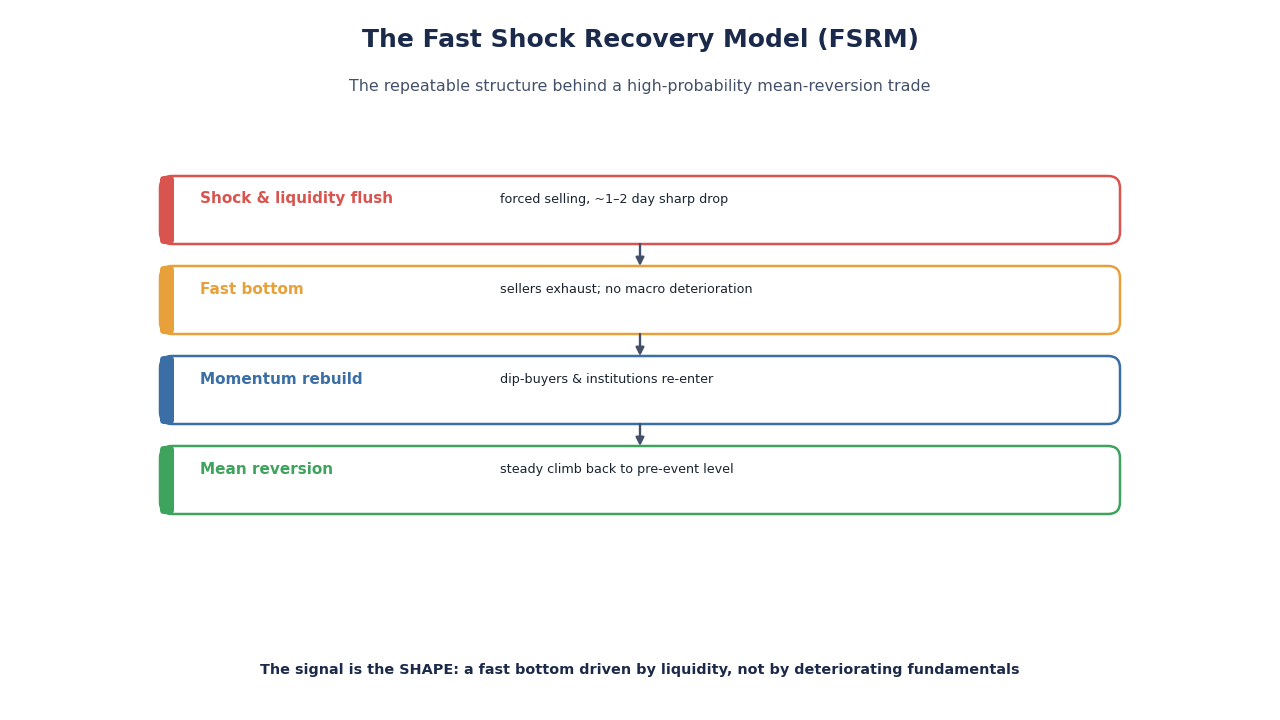
पानामा सेटअप को एक व्यापक मॉडल में सामान्यीकृत किया जा सकता है:
फास्ट शॉक रिकवरी मॉडल (FSRM)
| चरण | विवरण | अवधि | प्रमुख संकेत |
|---|---|---|---|
| झटका | समाचार-प्रेरित बिक्री | 0–2 दिन | तेज गिरावट |
| स्थिरीकरण | तरलता लौटती है | 1–3 दिन | अस्थिरता संकुचन |
| रिकवरी | गति पुनर्निर्माण | 5–10 दिन | प्रवृत्ति निरंतरता |
यह मॉडल निम्नलिखित पर अत्यधिक लागू होता है:
- सैन्य हमले
- राजनीतिक संकट
- अचानक मैक्रो हेडलाइंस
प्रमुख मात्रात्मक संकेतक
इस सेटअप की प्रणालीबद्ध पहचान के लिए, व्यापारी ट्रैक कर सकते हैं:
- गिरावट का आकार: -1% से -3%
- रिकवरी ढलान: 3 दिनों के भीतर स्थिर ऊपर की प्रवृत्ति
- वॉल्यूम प्रोफाइल: बिक्री पर उच्च वॉल्यूम, उसके बाद घटता हुआ
- अस्थिरता क्षय दर
SimianX AI जैसे प्लेटफार्मों का उपयोग करके, इन संकेतकों की स्वचालित निगरानी की जा सकती है, जिससे व्यापारियों को मैनुअल विश्लेषण के बजाय निष्पादन पर ध्यान केंद्रित करने की अनुमति मिलती है।
व्यवहारिक वित्तीय दृष्टिकोण: व्यापारी इन घटनाओं को गलत क्यों पढ़ते हैं
एक्सचेंज में 1989 के पनामा आक्रमण सेटअप में सबसे बड़े लाभों में से एक व्यवहारिक पूर्वाग्रहों को समझने से आता है।
सामान्य व्यापारी गलतियाँ
- दीर्घकालिक प्रभाव का अधिक आकलन करना
- पीक पैनिक पर बेचना
- स्थिरीकरण के बाद फिर से प्रवेश करने में विफल रहना
- प्रारंभिक नकारात्मक समाचार पर अडिग रहना
ये पूर्वाग्रह असमानताएँ पैदा करते हैं जिन्हें कुशल व्यापारी भुनाने में सक्षम होते हैं।
भय से अवसर में संक्रमण
मनोवैज्ञानिक संक्रमण इस प्रकार दिखता है:
- भय हावी होता है (हेडलाइन सदमा)
- भ्रम उत्पन्न होता है (अनिश्चित प्रभाव)
- स्पष्टता में सुधार होता है (जानकारी स्थिर होती है)
- आत्मविश्वास लौटता है (खरीदार आगे आते हैं)
अवसर भ्रम और स्पष्टता के बीच है—पीक भय पर नहीं।
पनामा सेटअप को आधुनिक बाजारों में लागू करना
उदाहरण परिदृश्य जहाँ यह पैटर्न लागू होता है
- लक्षित सैन्य हमले
- राजनीतिक व्यक्तियों की हत्या
- सीमित क्षेत्रीय संघर्ष
- आर्थिक परिणामों के बिना कूटनीतिक तनाव
आधुनिक बाजारों में अंतर
1989 की तुलना में, आज के बाजार:
- एल्गोरिदमिक ट्रेडिंग के कारण तेजी से प्रतिक्रिया करते हैं
- तुरंत समाचारों को शामिल करते हैं
- छोटी वसूली चक्र प्रदर्शित करते हैं
इसका मतलब है:
- घंटों में तल बन सकते हैं, दिनों में नहीं
- वसूली की खिड़कियाँ 3–5 दिनों तक सिकुड़ सकती हैं
कैसे SimianX AI आधुनिक गति के अनुसार अनुकूलित होता है
SimianX AI इस रणनीति को बढ़ाता है:
- वास्तविक समय आदेश प्रवाह परिवर्तनों की निगरानी करके
- बहु-स्रोत खुफिया फ़ीड को एकीकृत करके
- तुरंत AI-निर्मित व्यापार संकेत प्रदान करके
तल की पुष्टि करने के लिए दिनों तक इंतजार करने के बजाय, व्यापारी मिनटों या घंटों के भीतर कार्रवाई कर सकते हैं।
मल्टी-टाइमफ्रेम रणनीति अनुकूलन
इस सेटअप की प्रभावशीलता को अधिकतम करने के लिए, व्यापारियों को मल्टी-टाइमफ्रेम विश्लेषण का उपयोग करना चाहिए।
टाइमफ्रेम विभाजन
| टाइमफ्रेम | रणनीति में भूमिका |
|---|---|
| 1-मिनट | प्रवेश सटीकता |
| 5-मिनट | संवेग पुष्टि |
| 15-मिनट | प्रवृत्ति मान्यता |
| 1-घंटा | संरचनात्मक संदर्भ |
अनुकूलन निष्पादन रणनीति
- 1म–5म चार्ट का उपयोग करके प्रवेश बिंदुओं की पहचान करें
- 15म समय सीमा पर प्रवृत्ति की पुष्टि करें
- 1घंटा समय सीमा पर मैक्रो संदर्भ को मान्यता दें
SimianX AI व्यापारियों को इन समय सीमाओं को निर्बाध रूप से समन्वयित करने की अनुमति देता है, जिससे सटीकता में सुधार होता है।
भू-राजनीतिक व्यापारों के लिए जोखिम प्रबंधन ढांचा
यहां तक कि उच्च-प्रायिकता सेटअप के लिए भी अनुशासित जोखिम नियंत्रण की आवश्यकता होती है।
मुख्य जोखिम सिद्धांत
- कभी भी पीक पैनिक के दौरान प्रवेश न करें
- सख्त स्टॉप-लॉस स्तरों का उपयोग करें
- धीरे-धीरे पदों में वृद्धि करें
- एकल घटना के प्रति अधिक जोखिम से बचें
उदाहरण जोखिम सेटअप
| पैरामीटर | सिफारिश |
|---|---|
| प्रवेश समय | निचले स्तर की पुष्टि के बाद |
| स्टॉप लॉस | हाल के निम्न स्तर के नीचे |
| स्थिति आकार | मध्यम (पूर्ण आवंटन नहीं) |
| निकासी रणनीति | धीरे-धीरे लाभ लेना |
लक्ष्य सही भविष्यवाणी करना नहीं है, बल्कि असामान्यता को पकड़ते हुए जोखिम प्रबंधन करना है।
एक पुनरावृत्त व्यापार प्रणाली का निर्माण
इसको एक पुनरावृत्त प्रणाली में बदलने के लिए, व्यापारियों को आवश्यकता है:
प्रणाली के घटक
- घटना पहचान इंजन
- बाजार प्रतिक्रिया वर्गीकरणकर्ता
- प्रवेश संकेत जनरेटर
- जोखिम प्रबंधन मॉड्यूल
SimianX AI इसे कैसे स्वचालित करता है
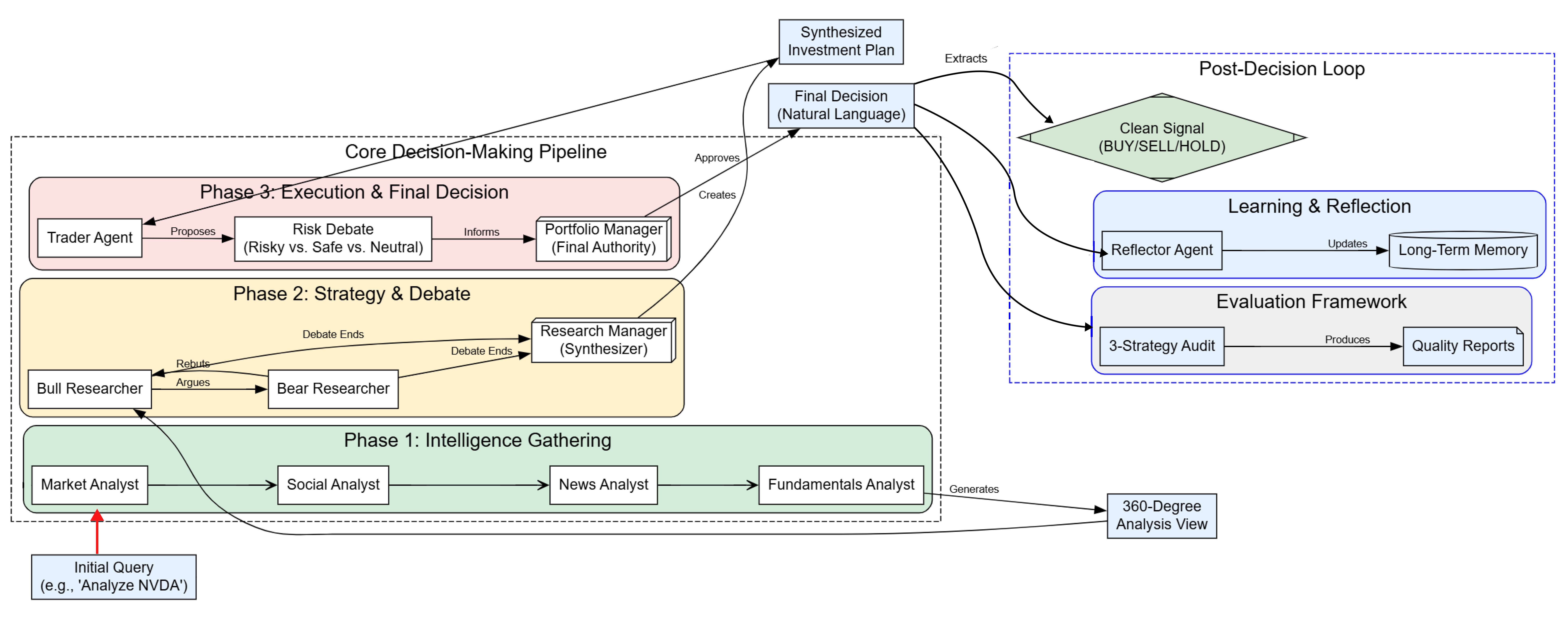
SimianX AI एक मल्टी-एजेंट ट्रेडिंग सिस्टम के रूप में कार्य करता है:
- इंडिकेटर एजेंट: तकनीकी संकेत (EMA, RSI, MACD)
- इंटेलिजेंस एजेंट: समाचार और भावना विश्लेषण
- फंडामेंटल एजेंट: मैक्रो संदर्भ मूल्यांकन
- निर्णय एजेंट: अंतिम व्यापार सिफारिश
यह संरचना पेशेवर व्यापार डेस्क के संचालन को दर्शाती है।
केस स्टडी विस्तार: काल्पनिक व्यापार निष्पादन
आइए यह अनुकरण करें कि एक व्यापारी ने इस सेटअप को कैसे निष्पादित किया हो सकता है।
समयरेखा
दिन 0 (आश्चर्य):
- बाजार में -2.2% की गिरावट
- कोई कार्रवाई नहीं की गई
दिन 1–2 (तल गठन):
- अस्थिरता स्थिर होती है
- प्रवेश संकेत सक्रिय होता है
दिन 3–8 (पुनर्प्राप्ति):
- मूल्य ऊपर की ओर बढ़ता है
- गति बनती है
व्यापार परिणाम
| मैट्रिक | परिणाम |
|---|---|
| प्रवेश समय | निचले स्तर के करीब |
| वापसी | +2% से +3% |
| जोखिम | नियंत्रित |
| अवधि | ~1 सप्ताह |
रणनीति की सीमाएँ और किनारे के मामले
हर भू-राजनीतिक घटना इस पैटर्न में फिट नहीं होती।
जब रणनीति विफल होती है
- व्यापक संघर्ष में वृद्धि
- आर्थिक प्रतिबंध जो बाजारों को प्रभावित करते हैं
- ऊर्जा या आपूर्ति श्रृंखला में व्यवधान
- वित्तीय प्रणाली की अस्थिरता
अनुकूलन रणनीति समायोजन
इन मामलों में:
- होल्डिंग अवधि बढ़ाएँ
- स्थिति का आकार घटाएँ
- गहरे पुष्टि संकेतों की प्रतीक्षा करें
भविष्य की दृष्टि: एआई-चालित भू-राजनीतिक व्यापार
जैसे-जैसे बाजार विकसित होते हैं, जानकारी को तेजी से संसाधित करने की क्षमता महत्वपूर्ण हो जाती है।
उभरते रुझान
- एआई-चालित भावना विश्लेषण
- वास्तविक समय भू-राजनीतिक जोखिम स्कोरिंग
- स्वचालित निष्पादन प्रणाली
- क्रॉस-मार्केट संकेत एकीकरण
क्यों SimianX AI इस भविष्य के लिए स्थित है
SimianX AI केवल एक उपकरण नहीं है—यह एक निर्णय बुद्धिमत्ता प्लेटफॉर्म है।
यह व्यापारियों को सक्षम बनाता है:
- जटिल डेटा धाराओं की व्याख्या करना
- मैनुअल विश्लेषण की तुलना में तेजी से कार्य करना
- अस्थिर घटनाओं के दौरान अनुशासन बनाए रखना
सामान्य प्रश्न विस्तार
क्या इस रणनीति का उपयोग क्रिप्टो बाजारों में किया जा सकता है?
हाँ। क्रिप्टो बाजार अक्सर भू-राजनीतिक समाचारों पर और भी तेजी से प्रतिक्रिया करते हैं, जिससे यह पैटर्न अत्यधिक लागू होता है—हालांकि अस्थिरता अधिक होती है।
मैं एक सच्चे तल की पुष्टि कैसे करूँ?
अस्थिरता संकुचन, उच्च निम्न और कम बिक्री दबाव की तलाश करें। SimianX जैसे एआई उपकरण सटीकता में सुधार करते हैं।
क्या यह रणनीति शुरुआती लोगों के लिए उपयुक्त है?
यह हो सकती है, लेकिन शुरुआती लोगों को व्यापार करने से पहले जोखिम प्रबंधन और पुष्टि संकेतों पर ध्यान केंद्रित करना चाहिए।
ये सेटअप कितनी बार होते हैं?
वे अपेक्षाकृत दुर्लभ हैं लेकिन अत्यधिक प्रभावशाली हैं, जिससे वे अवसरवादी व्यापारियों के लिए मूल्यवान बनते हैं।
अंतिम विचार: अराजकता को रणनीति में बदलना
1989 पनामा आक्रमण सेटअप का व्यापार यह दर्शाता है कि अनिश्चितता के क्षणों में भी, बाजार पहचानने योग्य पैटर्न का पालन करते हैं।
मुख्य बात घटनाओं की भविष्यवाणी करना नहीं है—बल्कि बुद्धिमानी से प्रतिक्रिया देना है।
संयोजन करके:
- ऐतिहासिक पैटर्न पहचान
- व्यवहार संबंधी अंतर्दृष्टियाँ
- SimianX AI जैसे वास्तविक समय के एआई उपकरण
व्यापारी तात्कालिक आतंक को संरचित, पुनरावृत्त अवसरों में बदल सकते हैं।
एक ऐसी दुनिया में जहाँ जानकारी तुरंत चलती है, आपका लाभ इसे तेजी से और बेहतर तरीके से व्याख्या करने से आता है।
और यही SimianX AI का निर्माण करने का उद्देश्य है।
संबंधित लेख
- Buy the Invasion पैटर्न: इराक 2003 S&P 500 +15% रैली गाइड
- बे ऑफ पिग्स 1961: असफल आक्रमण और बाज़ार की तेज़ रिकवरी पैटर्न
- सीरिया एयरस्ट्राइक 2017: S&P 500 -1.2%, उसी सप्ताह रिकवरी
- लंदन बम धमाके 2005: शून्य-ड्रॉडाउन का बाज़ार संकेत विश्लेषण
- U-2 घटना 1960: शीतयुद्ध का पहला शेयर बाज़ार तनाव-परीक्षण
- स्टॉक्स के लिए 7 AI रिस्क रडार: ब्रेड्थ, रिविजन, स्क्यू 2026