
एआई चिप स्टॉक्स मजबूत बने रहते हैं क्योंकि एएमडी और इंटेल डेटा सेंटर विकास को बढ़ावा देते हैं
एआई चिप स्टॉक्स में उछाल आधुनिक बाजार चक्र के एक प्रमुख निवेश विषयों में से एक बन गया है। जैसे-जैसे उद्यम, हाइपरस्केलर्स और सरकारें कृत्रिम बुद्धिमत्ता बुनियादी ढांचे का विस्तार करने के लिए दौड़ रही हैं, सेमीकंडक्टर दिग्गज जैसे एएमडी और इंटेल एआई सर्वरों, एक्सेलेरेटर्स, सीपीयू, जीपीयू और उच्च-प्रदर्शन नेटवर्किंग सिस्टम के लिए अभूतपूर्व मांग से लाभान्वित हो रहे हैं।
सिमियनएक्स एआई जैसे प्लेटफार्मों का उपयोग करने वाले निवेशकों और व्यापारियों के लिए यह समझना महत्वपूर्ण है कि एआई चिप स्टॉक्स डेटा सेंटर खर्च चक्रों पर कैसे प्रतिक्रिया करते हैं, ताकि दीर्घकालिक अवसरों और तात्कालिक गति परिवर्तनों की पहचान की जा सके। वर्तमान रैली केवल एक और सेमीकंडक्टर बूम नहीं है - यह वैश्विक एआई अर्थव्यवस्था की नींव का प्रतिनिधित्व करती है।
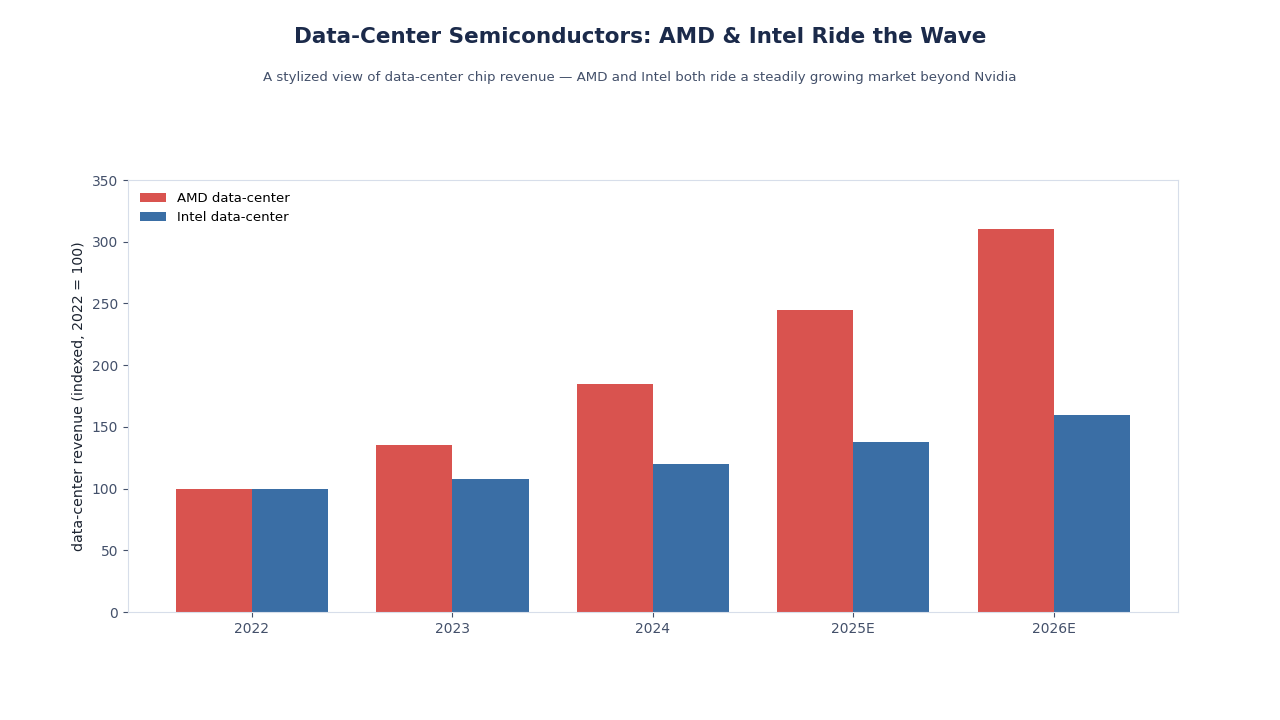
एआई चिप स्टॉक्स लगातार बेहतर प्रदर्शन क्यों कर रहे हैं
सेमीकंडक्टर शेयरों में हालिया मजबूती एक गहरे संरचनात्मक प्रवृत्ति को दर्शाती है: एआई कार्यभार पारंपरिक क्लाउड अनुप्रयोगों की तुलना में नाटकीय रूप से अधिक कंप्यूटिंग शक्ति की आवश्यकता होती है।
बड़े भाषा मॉडल, इनफेरेंस सिस्टम, एआई एजेंट, रोबोटिक्स, स्वायत्त सिस्टम, और उद्यम एआई एनालिटिक्स सभी उन्नत चिप्स पर निर्भर करते हैं जो वास्तविक समय में विशाल मात्रा में डेटा को संसाधित करने में सक्षम होते हैं।
एआई चिप रैली के पीछे के प्रमुख चालक
कई बल एक साथ मांग को तेज कर रहे हैं:
- विशाल हाइपरस्केलर पूंजी व्यय
- उद्यम एआई अपनाना
- संप्रभु एआई बुनियादी ढांचे में निवेश
- एआई इनफेरेंस विस्तार
- जीपीयू की कमी और मूल्य निर्धारण शक्ति
- मेमोरी और स्टोरेज की मांग वृद्धि
- एआई नेटवर्किंग बाधाएं
“एआई दौड़ अब केवल सॉफ़्टवेयर के बारे में नहीं है - बुनियादी ढांचे का स्वामित्व नई प्रतिस्पर्धात्मक खाई बनता जा रहा है।”
एएमडी और इंटेल लाभान्वित हो रहे हैं क्योंकि उद्यम तेजी से प्रमुख जीपीयू पारिस्थितिकी तंत्र के विकल्प चाहते हैं जबकि एआई कंप्यूटिंग क्षमता को आक्रामक रूप से स्केल करते हैं।
एआई सर्वर अवसंरचना की मांग सेमीकंडक्टर बाजारों के लिए प्राथमिक विकास इंजन बनती जा रही है।
एएमडी की एआई गति तेज हो रही है
एआई अवसंरचना विस्तार के सबसे बड़े लाभार्थियों में से एक के रूप में उभरा है।
कंपनी का एआई-केंद्रित उत्पाद स्टैक अब शामिल है:
| उत्पाद खंड | रणनीतिक महत्व |
|---|---|
| EPYC CPUs | डेटा केंद्र की कंप्यूट बैकबोन |
| Instinct GPUs | एआई प्रशिक्षण और अनुमान |
| Xilinx FPGA संपत्तियाँ | अनुकूलनशील एआई त्वरन |
| Pensando DPUs | एआई नेटवर्किंग अनुकूलन |
एएमडी की ताकत इसकी क्षमता से आती है कि वह एआई स्टैक के कई स्तरों में प्रतिस्पर्धा कर सके, न कि एकल श्रेणी पर निर्भर होकर।
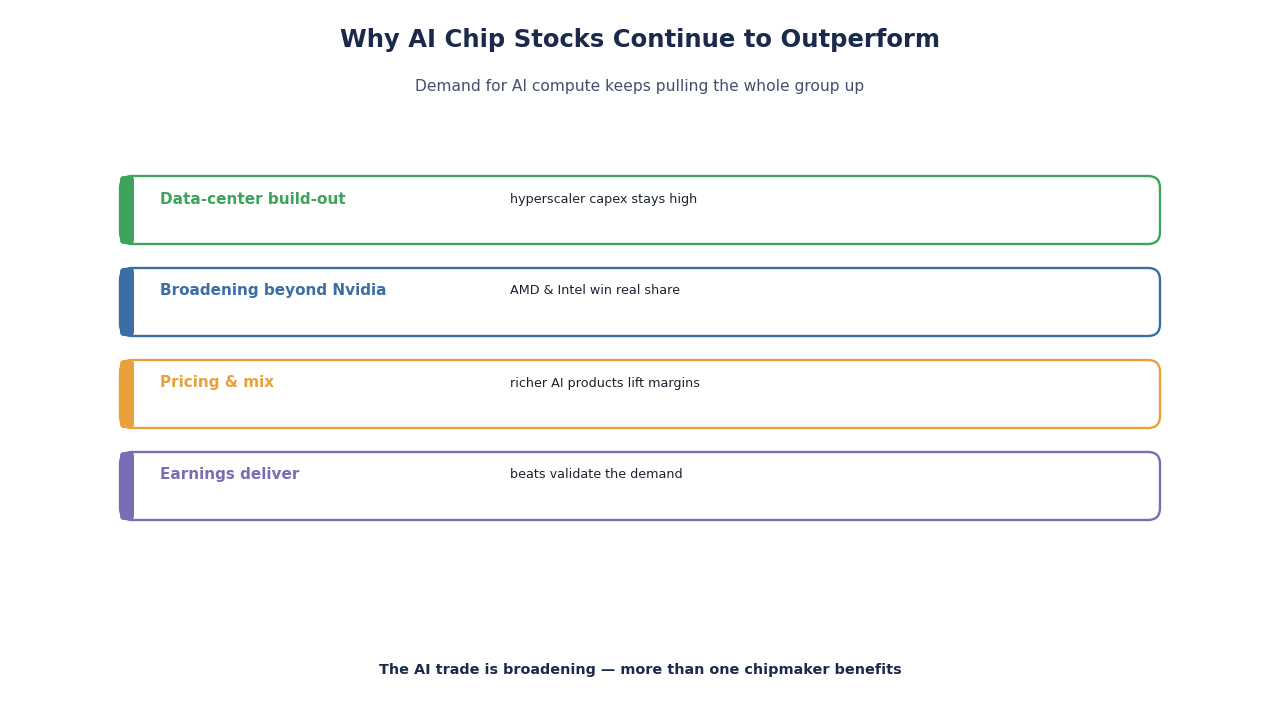
डेटा केंद्र एएमडी को क्यों पसंद करते हैं
आधुनिक डेटा केंद्र बढ़ती प्राथमिकता देते हैं:
- ऊर्जा दक्षता
- कंप्यूट घनत्व
- स्केलेबल एआई अनुमान
- लचीले तैनाती आर्किटेक्चर
- लागत-प्रदर्शन अनुकूलन
एएमडी के EPYC प्रोसेसर को लोकप्रियता मिली है क्योंकि हाइपरस्केलर्स विविध आपूर्तिकर्ताओं और कम कुल स्वामित्व लागत चाहते हैं।
एआई अनुमान एएमडी को कैसे लाभान्वित करता है
एआई अनुमान समय के साथ एआई प्रशिक्षण से भी बड़ा बाजार बन सकता है।
बड़े एआई मॉडलों को प्रशिक्षित करने के लिए विशाल क्लस्टर की आवश्यकता होती है, लेकिन अनुमान के लिए स्केलेबल तैनाती की आवश्यकता होती है:
- क्लाउड सिस्टम
- उद्यम सॉफ़्टवेयर
- उपभोक्ता अनुप्रयोग
- रोबोटिक्स
- स्वायत्त वाहन
- वित्तीय विश्लेषण
एएमडी का बढ़ता अनुमान पारिस्थितिकी तंत्र इसे एआई विस्तार के अगले चरण के लिए अच्छी स्थिति में रखता है।
इंटेल की एआई रणनीति धीरे-धीरे सुधार रही है
ने एआई त्वरन में प्रतिस्पर्धियों के पीछे कई साल बिताए, लेकिन हाल के विकास सुझाव देते हैं कि कंपनी स्थिर हो सकती है।
इंटेल की एआई रणनीति पर ध्यान केंद्रित है:
- गॉडी एआई त्वरक
- ज़ियॉन एआई-संवर्धित CPUs
- एआई पीसी विस्तार
- फाउंड्री सेवाएँ
- एज एआई कंप्यूटिंग
जबकि इंटेल अभी भी तीव्र प्रतिस्पर्धा का सामना कर रहा है, व्यापक एआई अवसंरचना उछाल का मतलब है कि कई अर्धचालक कंपनियाँ एक साथ लाभ उठा सकती हैं।
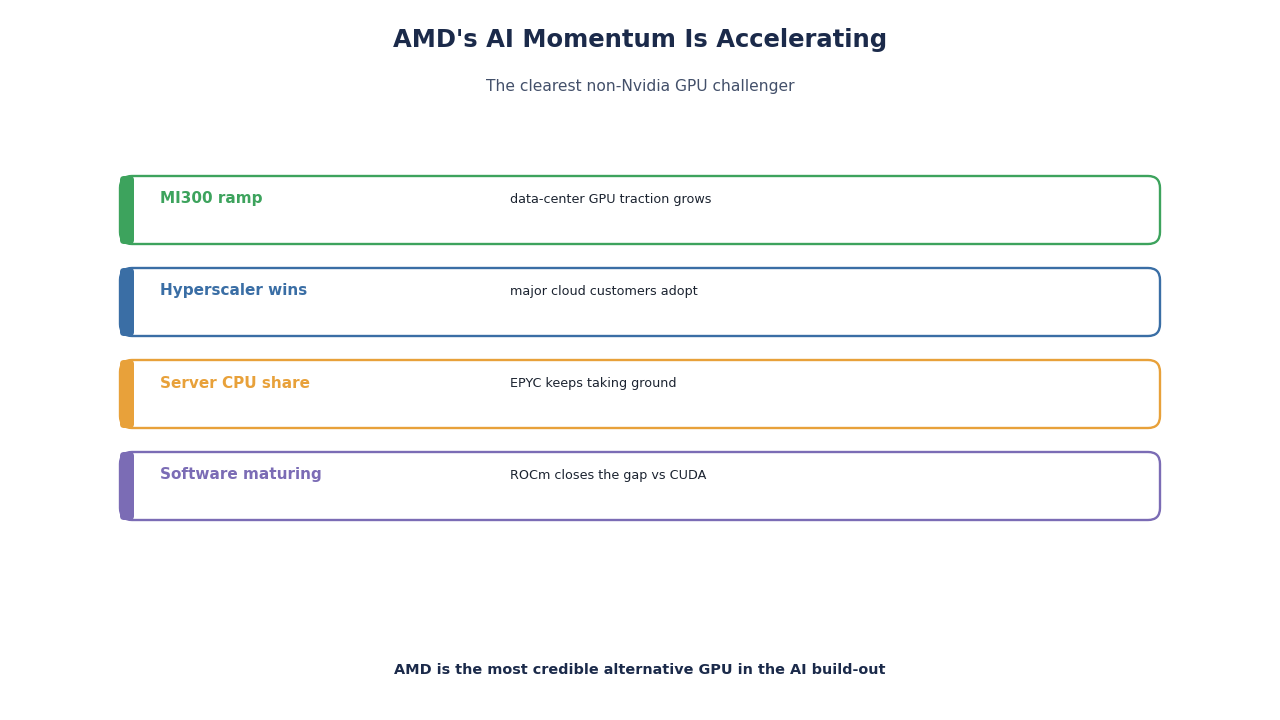
इंटेल का सबसे बड़ा लाभ: निर्माण पैमाना
कई प्रतिस्पर्धियों के विपरीत, इंटेल प्रयास कर रहा है:
- चिप डिज़ाइन
- घरेलू निर्माण
- फाउंड्री सेवाएँ
- एआई हार्डवेयर एकीकरण
यह ऊर्ध्वाधर एकीकरण तब और भी महत्वपूर्ण हो सकता है जब सरकारें आपूर्ति श्रृंखला लचीलापन और एआई संप्रभुता को प्राथमिकता देती हैं।
क्यों निवेशक फिर से इंटेल पर नज़र रख रहे हैं
कई विकास निवेशक भावना को सुधार रहे हैं:
| उत्प्रेरक | बाजार प्रभाव |
|---|---|
| एआई एक्सेलेरेटर अपनाना | राजस्व दृश्यता में सुधार |
| फाउंड्री साझेदारियाँ | रणनीतिक प्रासंगिकता का विस्तार |
| अमेरिका के अर्धचालक प्रोत्साहन | पूंजी व्यय का समर्थन |
| एआई पीसी चक्र | नए उपभोक्ता विकास के लिए खोलता है |
| उद्यम एआई मांग | सर्वर व्यवसाय को स्थिर करता है |
बाजार को अब इंटेल को एआई हार्डवेयर में पूरी तरह से हावी होने की आवश्यकता नहीं है। इसे केवल कंपनी को परिचालन विश्वसनीयता फिर से प्राप्त करने और फटते एआई मांग का एक हिस्सा पकड़ने की आवश्यकता है।
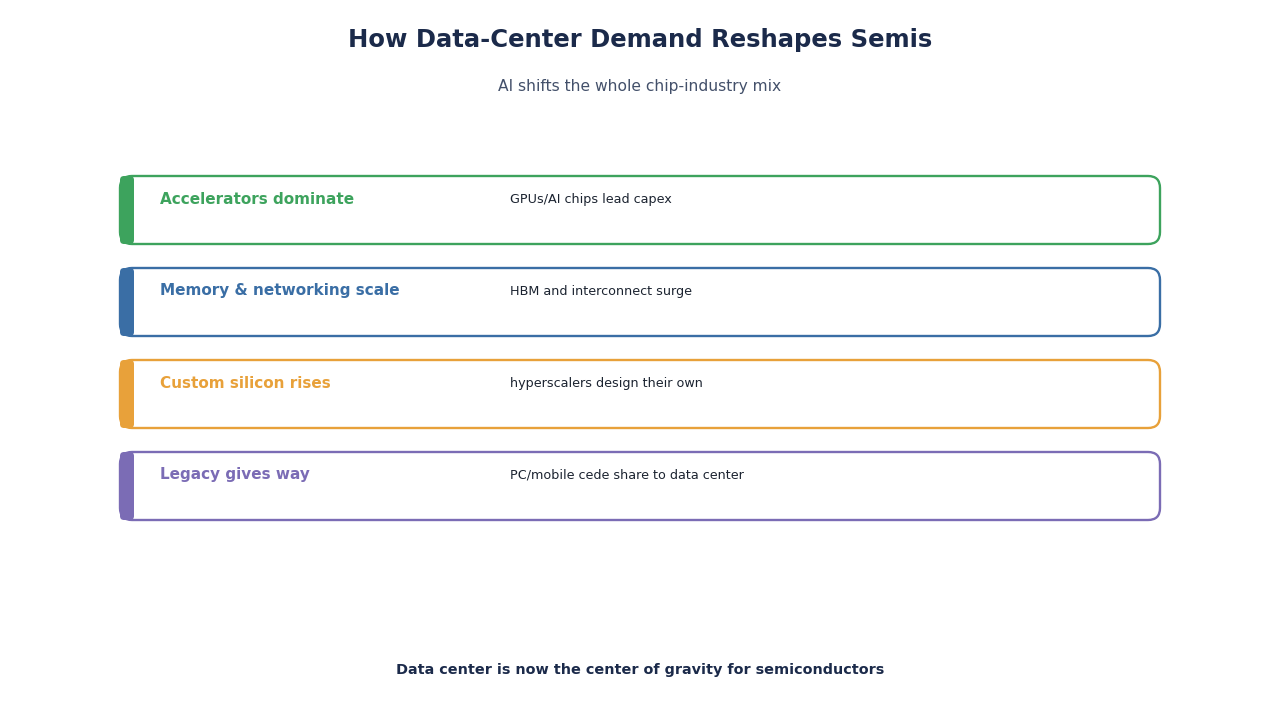
डेटा केंद्र की मांग अर्धचालक उद्योग को कैसे आकार दे रही है
“डेटा केंद्र की मांग में वृद्धि” वाक्यांश उस परिमाण को कम आंकता है जो हो रहा है।
एआई अर्थव्यवस्था को निम्नलिखित क्षेत्रों में विशाल अवसंरचना उन्नयन की आवश्यकता है:
- कंप्यूट
- कूलिंग
- पावर सिस्टम
- नेटवर्किंग
- स्टोरेज
- मेमोरी
- सुरक्षा
- फाइबर कनेक्टिविटी
हर प्रमुख क्लाउड प्रदाता एआई से संबंधित पूंजी व्यय बढ़ा रहा है।
हाइपरस्केलर खर्च चक्र को चला रहा है
भारी निवेश करने वाली कंपनियों में शामिल हैं:
- माइक्रोसॉफ्ट
- अमेज़न
- गूगल
- मेटा
- ओरेकल
ये कंपनियाँ आपूर्ति बाधाओं के बिगड़ने से पहले एआई कंप्यूटिंग क्षमता सुरक्षित करने के लिए दौड़ रही हैं।
एआई कंप्यूट डिजिटल अर्थव्यवस्था की "बिजली" बनता जा रहा है।
यह खर्च का वातावरण न केवल चिप निर्माताओं के लिए बल्कि स्टोरेज प्रदाताओं, नेटवर्किंग कंपनियों और डेटा सेंटर इंफ्रास्ट्रक्चर ऑपरेटरों के लिए भी फायदेमंद है।
एआई चिप स्टॉक्स अभी भी प्रारंभिक चरण में क्यों हैं
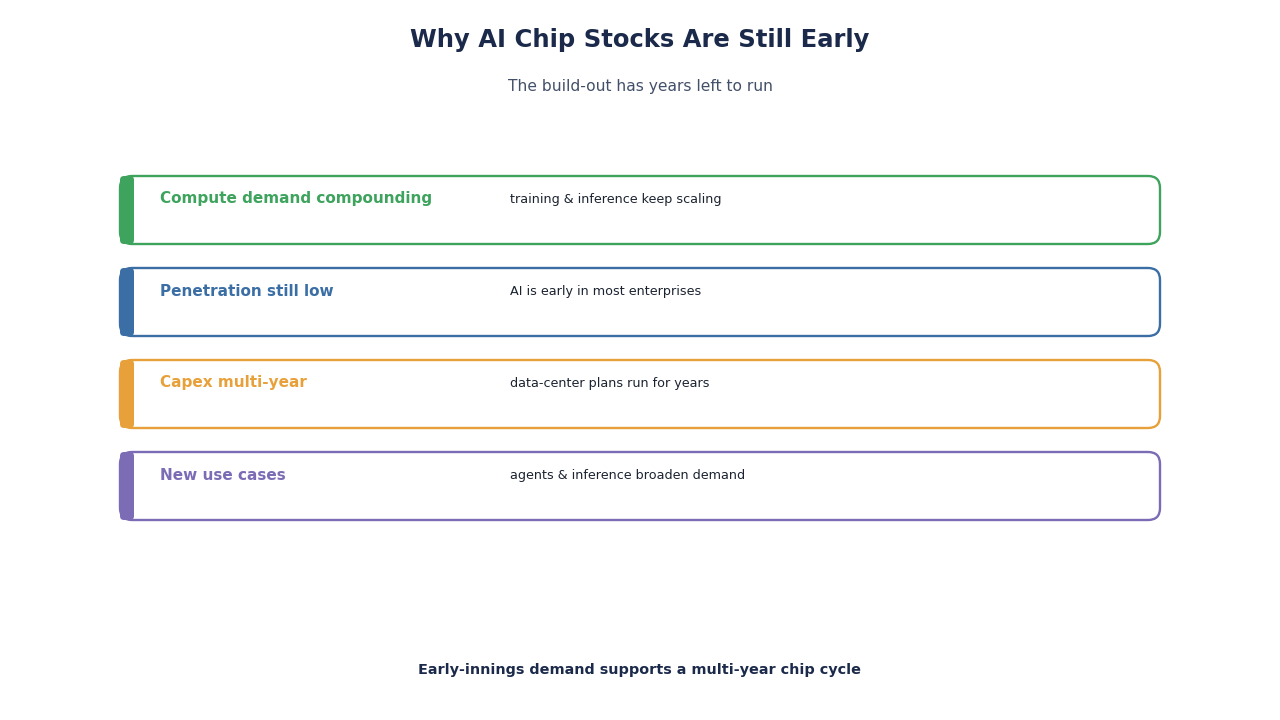
कई निवेशक मानते हैं कि एआई रैली पहले से ही परिपक्व है। हालाँकि, कई संकेतक बताते हैं कि चक्र अभी भी प्रारंभिक हो सकता है।
उद्यम एआई अपनाना अभी भी कम है
अधिकांश कॉर्पोरेशन अभी भी प्रयोग कर रहे हैं:
- एआई को-पायलट
- एआई एजेंट
- एआई वर्कफ़्लो स्वचालन
- जनरेटिव एआई एनालिटिक्स
- एआई ग्राहक समर्थन
- एआई साइबर सुरक्षा
जैसे-जैसे तैनाती बढ़ती है, इंफ्रास्ट्रक्चर की मांग काफी बढ़ सकती है।
एआई इनफरेंस प्रशिक्षण से बड़ा हो सकता है
मॉडल को प्रशिक्षित करना महंगा है लेकिन आवधिक है।
इनफरेंस निरंतर चलता है।
इसका मतलब है कि दीर्घकालिक एआई अपनाने के लिए आवश्यकता हो सकती है:
| एआई चरण | हार्डवेयर मांग |
|---|---|
| प्रशिक्षण | विशाल जीपीयू क्लस्टर |
| इनफरेंस | वितरित स्केलेबल कंप्यूट |
| एज एआई | कुशल कम-शक्ति चिप्स |
| एजेंटिक एआई | निरंतर कंप्यूट वर्कलोड |
यह व्यापक कंप्यूट विस्तार निरंतर सेमीकंडक्टर मांग वृद्धि का समर्थन करता है।
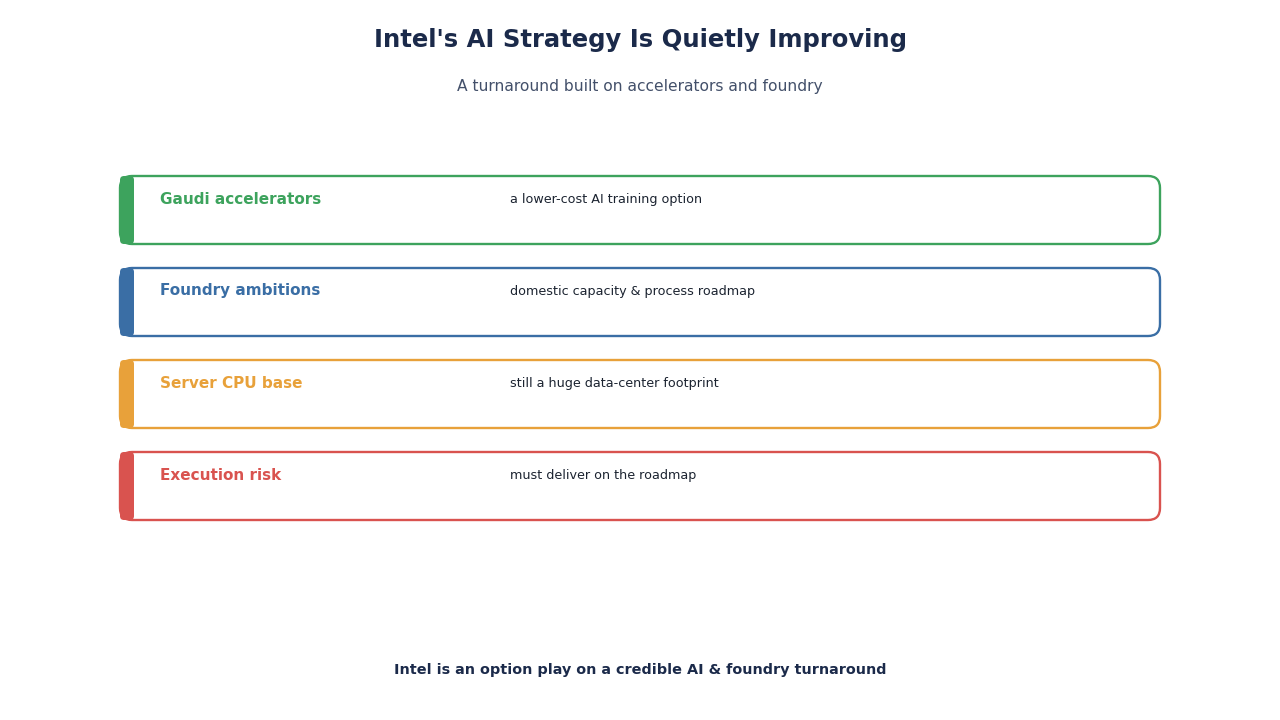
कौन से जोखिम एआई चिप स्टॉक्स को नुकसान पहुँचा सकते हैं?
मजबूत गति के बावजूद, निवेशकों को जोखिमों को समझना चाहिए।
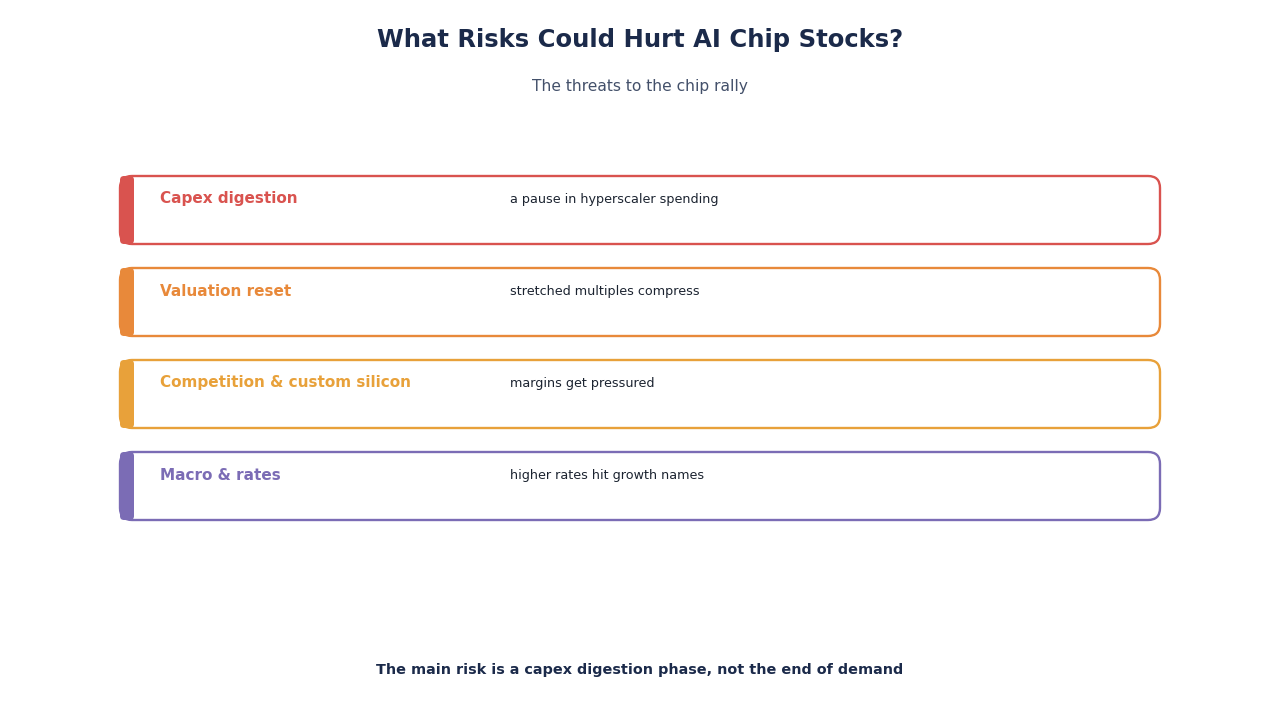
प्रमुख जोखिमों में शामिल हैं
- अत्यधिक मूल्यांकन
- आपूर्ति श्रृंखला बाधाएँ
- उद्यम खर्च में कमी
- भू-राजनीतिक तनाव
- निर्यात प्रतिबंध
- बिजली की खपत के मुद्दे
- मार्जिन संकुचन
सेमीकंडक्टर चक्र अस्थिर रहते हैं
सेमीकंडक्टर उद्योग ने ऐतिहासिक रूप से बूम-एंड-बस्ट चक्रों का अनुभव किया है।
हालाँकि, एआई की मांग पिछले चक्रों से भिन्न है क्योंकि यह जुड़ी हुई है:
- राष्ट्रीय प्रतिस्पर्धात्मकता
- उत्पादकता परिवर्तन
- क्लाउड इंफ्रास्ट्रक्चर
- सैन्य एआई सिस्टम
- उद्यम स्वचालन
यह संभावित रूप से लंबे समय तक चलने वाले निवेश चक्र का निर्माण करता है।
व्यापारी SimianX AI का उपयोग कैसे करते हैं AI चिप स्टॉक्स का विश्लेषण करने के लिए
आधुनिक सेमीकंडक्टर व्यापार तेजी से वास्तविक समय की जानकारी के संश्लेषण पर निर्भर करता है।
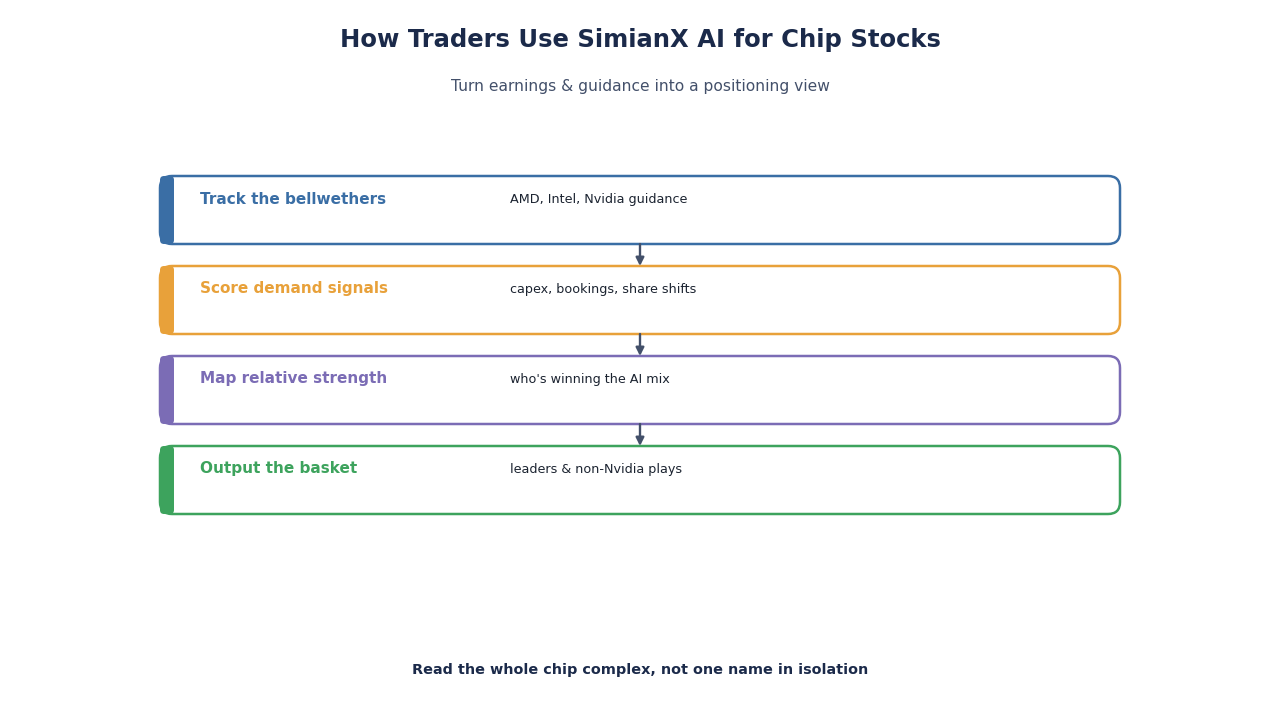
SimianX AI जैसे प्लेटफार्म व्यापारी को निगरानी करने में मदद करते हैं:
- AI सेमीकंडक्टर गति
- आय प्रतिक्रियाएँ
- संस्थागत स्थिति
- मैक्रो तरलता की स्थितियाँ
- विकल्प प्रवाह
- तकनीकी ब्रेकआउट
- AI अवसंरचना कथाएँ
SimianX AI कई AI एजेंटों को जोड़ता है जो मूल्यांकन करते हैं:
| AI एजेंट | कार्य |
|---|---|
| तकनीकी एजेंट | RSI, EMA, MACD विश्लेषण |
| बुद्धिमत्ता एजेंट | समाचार और भावना निगरानी |
| मूलभूत एजेंट | आय और मूल्यांकन विश्लेषण |
| निर्णय एजेंट | बहु-कारक व्यापार संश्लेषण |
यह बहु-एजेंट संरचना व्यापारियों को केवल सुर्खियों या भावनात्मक प्रतिक्रियाओं पर निर्भर होने से बचने की अनुमति देती है।
उदाहरण AI चिप स्टॉक ट्रेडिंग ढांचा
एक पेशेवर सेमीकंडक्टर व्यापार कार्यप्रवाह में शामिल हो सकते हैं:
- हाइपरस्केलर आय की निगरानी करना
- AI अवसंरचना कैपेक्स का ट्रैक रखना
- GPU आपूर्ति प्रवृत्तियों पर नज़र रखना
- सेमीकंडक्टर चौड़ाई को मापना
- गति ब्रेकआउट की पहचान करना
- मैक्रो तरलता का मूल्यांकन करना
- अस्थिरता जोखिम का प्रबंधन करना
SimianX AI इन संकेतों को एकल निर्णय-निर्माण ढांचे में एकीकृत करने में मदद करता है।
क्या AI अवसंरचना व्यय एक और सेमीकंडक्टर सुपरचक्र बना सकता है?
कई विश्लेषकों का मानना है कि उद्योग एक नए सेमीकंडक्टर सुपरचक्र में प्रवेश कर रहा है जो AI द्वारा संचालित है।
पिछले स्मार्टफोन या पीसी चक्रों के विपरीत, AI लगभग हर उद्योग को प्रभावित करता है:
- स्वास्थ्य देखभाल
- वित्त
- रक्षा
- रोबोटिक्स
- स्वायत्त ड्राइविंग
- निर्माण
- ऊर्जा
- जैव प्रौद्योगिकी
क्यों यह AI चक्र अधिक समय तक चल सकता है
कई संरचनात्मक कारक एक विस्तारित विस्तार का समर्थन करते हैं:
- सरकारें AI अवसंरचना को वित्तपोषित कर रही हैं
- उद्यम उत्पादकता दबाव
- AI मॉडल प्रतिस्पर्धा
- क्लाउड प्लेटफॉर्म युद्ध
- एजेंटिक AI तैनाती
- रोबोटिक्स एकीकरण
परिणाम उच्च-प्रदर्शन कंप्यूट सिस्टम के लिए निरंतर मांग है।
निवेशकों को अगली बातों पर ध्यान देना चाहिए
निवेशकों को कई भविष्यदृष्टि संकेतकों पर ध्यान केंद्रित करना चाहिए।
सबसे महत्वपूर्ण संकेत
1. हाइपरस्केलर कैपेक्स गाइडेंस
क्लाउड खर्च सबसे मजबूत एआई मांग संकेतक बना हुआ है।
2. जीपीयू उपलब्धता
आपूर्ति बाधाएं अक्सर अंतर्निहित मांग की ताकत को प्रकट करती हैं।
3. एआई इनफरेंस वृद्धि
इनफरेंस स्केलिंग अगला प्रमुख उत्प्रेरक बन सकता है।
4. एंटरप्राइज एआई अपनाना
कॉर्पोरेट तैनाती दरें अटकलों के उत्साह से अधिक महत्वपूर्ण हैं।
5. पावर इंफ्रास्ट्रक्चर बाधाएं
एआई डेटा केंद्रों को विशाल बिजली क्षमता की आवश्यकता होती है।
क्या एएमडी और इंटेल सबसे अच्छे एआई चिप स्टॉक्स हैं?
एएमडी की ताकत
- मजबूत डेटा सेंटर निष्पादन
- प्रतिस्पर्धी एआई एक्सीलरेटर
- बढ़ती इनफरेंस एक्सपोजर
- विस्तारित एंटरप्राइज अपनाना
इंटेल की ताकत
- निर्माण क्षमताएं
- फाउंड्री अवसर
- एआई पीसी स्थिति
- एंटरप्राइज संबंध
अन्य एआई इंफ्रास्ट्रक्चर विजेता
व्यापक एआई पारिस्थितिकी तंत्र में भी शामिल हैं:
- नेटवर्किंग प्रदाता
- मेमोरी निर्माता
- स्टोरेज कंपनियां
- कूलिंग इंफ्रास्ट्रक्चर फर्म
- पावर उपकरण आपूर्तिकर्ता
एआई इंफ्रास्ट्रक्चर उछाल केवल जीपीयू तक सीमित नहीं है।
एआई चिप स्टॉक्स और डेटा सेंटर मांग के बारे में सामान्य प्रश्न
एआई चिप स्टॉक्स इतनी तेजी से क्यों बढ़ रहे हैं?
एआई चिप स्टॉक्स बढ़ रहे हैं क्योंकि एआई कंप्यूटिंग इंफ्रास्ट्रक्चर के लिए वैश्विक मांग तेजी से बढ़ रही है। क्लाउड प्रदाता, उद्यम और सरकारें डेटा केंद्रों, एआई एक्सीलरेटरों और उच्च-प्रदर्शन कंप्यूटिंग सिस्टम में भारी निवेश कर रही हैं।
डेटा सेंटर मांग का एएमडी पर क्या प्रभाव पड़ता है?
डेटा सेंटर की मांग सीधे AMD का समर्थन करती है EPYC सर्वर CPU और Instinct AI एक्सेलेरेटर के माध्यम से। जैसे-जैसे उद्यम अधिक AI कार्यभार तैनात करते हैं, AMD को सर्वर अपनाने और अनुमान स्केलिंग के अवसरों में वृद्धि से लाभ होता है।
क्या Intel अभी भी AI चिप्स में प्रासंगिक है?
हाँ। जबकि Intel कुछ प्रतिस्पर्धियों के मुकाबले AI एक्सेलेरेशन में पीछे है, कंपनी अपने निर्माण पैमाने, उद्यम संबंधों, फाउंड्री महत्वाकांक्षाओं, और AI पीसी पहलों के कारण महत्वपूर्ण बनी हुई है।
AI सेमीकंडक्टर स्टॉक्स का विश्लेषण करने के सबसे अच्छे तरीके क्या हैं?
निवेशक आमतौर पर तकनीकी विश्लेषण, आय प्रवृत्तियों, मैक्रो तरलता, AI अपनाने के मैट्रिक्स, और भावना विश्लेषण को मिलाते हैं। SimianX AI जैसे प्लेटफार्म इन संकेतों को क्रियाशील अंतर्दृष्टियों में संश्लेषित करने में मदद करते हैं।
क्या AI एक दीर्घकालिक सेमीकंडक्टर सुपरसाइकिल बना सकता है?
कई विश्लेषकों का मानना है कि AI एक बहु-वर्षीय सेमीकंडक्टर विस्तार को प्रेरित कर सकता है क्योंकि AI अवसंरचना लगभग हर प्रमुख उद्योग को छूती है और निरंतर कंप्यूट निवेश की आवश्यकता होती है।
निष्कर्ष
AI चिप स्टॉक्स की लचीलापन केवल अल्पकालिक अटकलों से कहीं अधिक को दर्शाता है। दुनिया एक नई अवसंरचना विस्तार के चरण में प्रवेश कर रही है जहां AI कंप्यूट क्षमता एक रणनीतिक आर्थिक संपत्ति बन जाती है।
AMD और Intel दोनों तेजी से बढ़ती डेटा सेंटर की मांग, उद्यम AI अपनाने, और स्केलेबल अनुमान प्रणाली की बढ़ती आवश्यकता से लाभान्वित होने के लिए स्थित हैं। जबकि जोखिम बने हुए हैं, व्यापक AI सेमीकंडक्टर पारिस्थितिकी तंत्र बादल खर्च, AI प्रतिस्पर्धा, और दीर्घकालिक डिजिटल परिवर्तन प्रवृत्तियों द्वारा संचालित संरचनात्मक ताकत दिखाना जारी रखता है।
सेमीकंडक्टर गति, बाजार की भावना, तकनीकी संकेतों, और AI-चालित जोखिम विश्लेषण में गहरी अंतर्दृष्टियों की तलाश करने वाले निवेशकों और व्यापारियों के लिए, SimianX AI जैसे प्लेटफार्म आधुनिक बाजारों में नेविगेट करने के लिए एक अधिक उन्नत ढांचा प्रदान करते हैं। जैसे-जैसे AI अवसंरचना की दौड़ तेज होती है, इन संकेतों को समझना तकनीकी निवेश में सबसे महत्वपूर्ण लाभों में से एक बन सकता है।
वैश्विक एआई अवसंरचना दौड़ पूंजी बाजारों को नया आकार दे रही है
एआई चिप स्टॉक्स में मजबूती अकेले नहीं हो रही है। एक बहुत बड़ा मैक्रोइकोनॉमिक परिवर्तन सतह के नीचे unfolding हो रहा है: राष्ट्र, निगम, और वित्तीय बाजार एआई अवसंरचना के चारों ओर एक रणनीतिक आवश्यकता के रूप में पुनर्गठित हो रहे हैं।
ऐतिहासिक रूप से, सबसे शक्तिशाली बाजार चक्र बुनियादी अवसंरचना परिवर्तनों से उभरे हैं:
| युग | अवसंरचना चालक | बाजार विजेता |
|---|---|---|
| 1990 के दशक | इंटरनेट विस्तार | सिस्को, इंटेल, माइक्रोसॉफ्ट |
| 2000 के दशक | मोबाइल कंप्यूटिंग | एप्पल, क्वालकॉम |
| 2010 के दशक | क्लाउड कंप्यूटिंग | अमेज़न, एनवीडिया |
| 2020 के दशक | कृत्रिम बुद्धिमत्ता | एएमडी, एनवीडिया, इंटेल, एआई अवसंरचना पारिस्थितिकी तंत्र |
वर्तमान एआई चक्र भिन्न है क्योंकि एआई लगभग हर आर्थिक स्तर को एक साथ प्रभावित करता है।
स्मार्टफोन्स या सोशल मीडिया के विपरीत, कृत्रिम बुद्धिमत्ता सीधे प्रभावित करती है:
- राष्ट्रीय उत्पादकता
- रक्षा प्रणाली
- वित्तीय बाजार
- औद्योगिक स्वचालन
- वैज्ञानिक अनुसंधान
- ऊर्जा अनुकूलन
- स्वास्थ्य देखभाल निदान
- आपूर्ति श्रृंखला लॉजिस्टिक्स
यह सेमीकंडक्टर के लिए एक संरचनात्मक मांग वातावरण उत्पन्न करता है जो पिछले तकनीकी चक्रों की तुलना में काफी लंबे समय तक चल सकता है।
एआई कंप्यूट मांग क्यों बढ़ती रहती है
निवेशकों के बीच सबसे बड़े गलतफहमियों में से एक यह मान लेना है कि एआई की मांग मॉडल प्रशिक्षण के बाद चरम पर पहुँच जाती है।
वास्तव में, इसके विपरीत हो सकता है।
बड़े पैमाने पर एआई अपनाने से एक कैस्केडिंग कंप्यूट प्रभाव उत्पन्न होता है:
- अधिक एआई उपयोगकर्ता
- अधिक अनुमान कार्यभार
- अधिक वास्तविक समय डेटा प्रोसेसिंग
- अधिक एआई एजेंट
- अधिक मल्टीमोडल सिस्टम
- अधिक एज तैनाती
- अधिक निरंतर पुनः प्रशिक्षण
प्रत्येक स्तर को अतिरिक्त सेमीकंडक्टर क्षमता की आवश्यकता होती है।
एआई एजेंट कंप्यूट उपयोग को नाटकीय रूप से बढ़ा सकते हैं
कृत्रिम बुद्धिमत्ता का अगला चरण स्वायत्त एआई एजेंटों से संबंधित है जो सक्षम हैं:
- अनुसंधान करना
- वित्तीय बाजारों में व्यापार करना
- कार्यप्रवाह प्रबंधित करना
- सॉफ़्टवेयर लिखना
- रोबोट संचालित करना
- उद्यम प्रणालियों का समन्वय करना
निष्क्रिय चैटबॉट्स के विपरीत, एआई एजेंट निरंतर काम करते हैं।
इसका मतलब है लगातार कंप्यूट मांग, न कि कभी-कभी कंप्यूट बर्स्ट।
"एआई उपकरणों" से "एआई श्रमिकों" में संक्रमण वैश्विक सेमीकंडक्टर मांग को वर्तमान अपेक्षाओं से कहीं अधिक बढ़ा सकता है।
यह एक कारण है कि संस्थागत निवेशक एआई अवसंरचना नामों की ओर पूंजी आवंटित करना जारी रखते हैं।
हाइपरस्केलर्स एआई सेमीकंडक्टर बूम को कैसे ईंधन दे रहे हैं
क्लाउड प्रदाता वैश्विक स्तर पर एआई हार्डवेयर के सबसे बड़े खरीदार बने हुए हैं।
प्रमुख हाइपरस्केलर्स एक आक्रामक अवसंरचना हथियारों की दौड़ में लगे हुए हैं।
माइक्रोसॉफ्ट का एआई अवसंरचना विस्तार
निम्नलिखित में एआई को एकीकृत करना जारी रखता है:
- एज़्योर क्लाउड सेवाएँ
- उद्यम सहायक
- एआई उत्पादकता प्रणाली
- डेवलपर पारिस्थितिकी तंत्र
- खोज अवसंरचना
माइक्रोसॉफ्ट की OpenAI साझेदारी ने निम्नलिखित की मांग को तेज किया है:
- जीपीयू
- एआई नेटवर्किंग
- एआई स्टोरेज सिस्टम
- पावर-इफिशिएंट कंप्यूट क्लस्टर
अमेज़न की एआई रणनीति
AWS के माध्यम से एक बहु-स्तरीय एआई रणनीति का पालन कर रहा है।
मुख्य निवेशों में शामिल हैं:
| AWS AI क्षेत्र | रणनीतिक महत्व |
|---|---|
| कस्टम एआई चिप्स | अवसंरचना लागत को कम करना |
| बेडरॉक प्लेटफ़ॉर्म | उद्यम एआई तैनाती |
| एआई इनफेरेंस ऑप्टिमाइजेशन | मार्जिन सुधार |
| क्लाउड एआई स्केलिंग | दीर्घकालिक आवर्ती राजस्व |
अमेज़न का पैमाना महत्वपूर्ण है क्योंकि AWS वैश्विक स्तर पर सबसे बड़े क्लाउड अवसंरचना प्रदाताओं में से एक बना हुआ है।
मेटा का एआई अवसंरचना व्यय
एआई में भारी निवेश कर रहा है क्योंकि सिफारिश प्रणाली, विज्ञापन ऑप्टिमाइजेशन, और जनरेटिव एआई उत्पादों को विशाल कंप्यूटिंग शक्ति की आवश्यकता होती है।
मेटा का व्यय निम्नलिखित की मांग का समर्थन करता है:
- एआई एक्सेलेरेटर
- मेमोरी
- नेटवर्किंग सिस्टम
- डेटा सेंटर निर्माण
यह सेमीकंडक्टर आपूर्ति श्रृंखलाओं में द्वितीयक गति उत्पन्न करता है।
क्यों मेमोरी और स्टोरेज स्टॉक्स भी लाभ उठा रहे हैं
एआई बूम केवल प्रोसेसर तक सीमित नहीं है।
आधुनिक एआई सिस्टम विशाल मात्रा में उपभोग करते हैं:
- उच्च-बैंडविड्थ मेमोरी
- फ्लैश स्टोरेज
- एंटरप्राइज एसएसडी
- डेटा ट्रांसफर बैंडविड्थ
जैसे-जैसे एआई मॉडल बड़े होते हैं, स्टोरेजऔर अधिक महत्वपूर्ण हो जाता है।
एआई वर्कलोड्स को तेज डेटा मूवमेंट की आवश्यकता है
एआई सिस्टम केवल कंप्यूट से ही नहीं, बल्कि निम्नलिखित से भी बाधित होते हैं:
- मेमोरी बैंडविड्थ
- स्टोरेज थ्रूपुट
- नेटवर्क लेटेंसी
यह उन कंपनियों को लाभ पहुंचाता है जो शामिल हैं:
- NAND फ्लैश
- DRAM
- एंटरप्राइज स्टोरेज
- एआई नेटवर्किंग इन्फ्रास्ट्रक्चर
एआई डेटा लेक्स का उदय
एआई मॉडल को विशाल डेटा सेट की आवश्यकता होती है:
- प्रशिक्षण
- फाइन-ट्यूनिंग
- रिट्रीवल सिस्टम
- एजेंट मेमोरी
- मल्टीमोडल प्रोसेसिंग
यह उच्च-क्षमता स्टोरेज सिस्टम के लिए निरंतर मांग उत्पन्न करता है।
क्यों एआई सेमीकंडक्टर मार्जिन मजबूत बने रहते हैं
एक प्रमुख कारण है कि निवेशक एआई चिप स्टॉक्स पर सकारात्मक बने रहते हैं, वह है मूल्य निर्धारण शक्ति।
वर्तमान में कई एआई हार्डवेयर श्रेणियों में मांग आपूर्ति से अधिक है।
क्यों मूल्य निर्धारण शक्ति महत्वपूर्ण है
मजबूत मूल्य निर्धारण शक्ति सेमीकंडक्टर कंपनियों को सक्षम बनाती है:
- सकल मार्जिन का विस्तार
- अनुसंधान और विकास में निवेश बढ़ाना
- निर्माण उन्नयन को तेज करना
- प्रतिस्पर्धा के खिलाफ रक्षा करना
ऐतिहासिक रूप से, सेमीकंडक्टर चक्र अक्सर इस कारण से गिर जाते थे कि अधिक आपूर्ति ने मूल्य निर्धारण को नष्ट कर दिया।
एआई इन्फ्रास्ट्रक्चर की मांग वर्तमान में उस गतिशीलता को रोक रही है।
एआई चिप्स रणनीतिक संपत्तियों में बदल रहे हैं
कुछ उन्नत एआई एक्सेलेरेटर अब पारंपरिक उपभोक्ता इलेक्ट्रॉनिक्स की तुलना में रणनीतिक औद्योगिक उपकरण की तरह कार्य करते हैं।
यह बाजार के व्यवहार को महत्वपूर्ण रूप से बदलता है।
सरकारें और उद्यम एआई हार्डवेयर को आवश्यक राष्ट्रीय इन्फ्रास्ट्रक्चर के रूप में बढ़ती हुई दृष्टि से देखते हैं।
यह धारणा दीर्घकालिक व्यय प्रवृत्तियों का समर्थन करती है।
भू-राजनीतिक प्रतिस्पर्धा एआई निवेश को तेज कर रही है
कृत्रिम बुद्धिमत्ता अब भू-राजनीतिक प्रतिस्पर्धा से गहराई से जुड़ी हुई है।
देशों ने एआई नेतृत्व को निम्नलिखित के लिए महत्वपूर्ण माना है:
- आर्थिक विकास
- राष्ट्रीय सुरक्षा
- सैन्य क्षमता
- प्रौद्योगिकी स्वतंत्रता
यह सेमीकंडक्टर की मांग का एक और संरचनात्मक स्तर बनाता है।
संप्रभु एआई पहलों
कई सरकारें अब वित्त पोषण कर रही हैं:
- घरेलू एआई डेटा केंद्र
- राष्ट्रीय सेमीकंडक्टर उत्पादन
- एआई सुपरकंप्यूटिंग क्लस्टर
- रणनीतिक एआई साझेदारी
यह दीर्घकालिक अवसंरचना निवेश का समर्थन करता है।
सेमीकंडक्टर आपूर्ति श्रृंखलाएँ रणनीतिक हैं
उन्नत सेमीकंडक्टर वैश्विक प्रौद्योगिकी प्रतिस्पर्धा के केंद्र में हैं।
महत्वपूर्ण क्षेत्रों में शामिल हैं:
| रणनीतिक क्षेत्र | महत्व |
|---|---|
| उन्नत लिथोग्राफी | चिप निर्माण नेतृत्व |
| एआई त्वरक | सैन्य और आर्थिक शक्ति |
| पैकेजिंग प्रौद्योगिकी | प्रदर्शन स्केलिंग |
| उच्च-बैंडविड्थ मेमोरी | एआई दक्षता |
| घरेलू निर्माण | आपूर्ति श्रृंखला लचीलापन |
परिणाम सेमीकंडक्टर पारिस्थितिकी तंत्र में निरंतर पूंजी निवेश है।
एआई बिजली खपत चुनौती
सबसे महत्वपूर्ण दीर्घकालिक मुद्दों में से एक बिजली की मांग है।
एआई डेटा केंद्र विशाल शक्ति का उपभोग करते हैं।
जैसे-जैसे एआई अपनाने की गति बढ़ती है, ऊर्जा अवसंरचनाऔर अधिक महत्वपूर्ण होती जाती है।
एआई को इतनी बिजली की आवश्यकता क्यों है
बड़े एआई क्लस्टर की आवश्यकता होती है:
- हजारों जीपीयू
- निरंतर शीतलन प्रणाली
- उच्च गति नेटवर्किंग
- निरंतर अनुमान संचालन
यह विशाल ऊर्जा खपत का निर्माण करता है।
एआई और पावर इंफ्रास्ट्रक्चर
कई उद्योग अप्रत्यक्ष रूप से लाभ उठा सकते हैं:
- परमाणु ऊर्जा
- प्राकृतिक गैस अवसंरचना
- ग्रिड आधुनिकीकरण
- पावर प्रबंधन प्रणाली
- शीतलन प्रौद्योगिकियाँ
AI अवसंरचना वैश्विक स्तर पर सबसे बड़े बिजली विकास चालक बन सकती है।
क्यों AI इनफेरेंस सबसे बड़ा अवसर बन सकता है
कई निवेशक अभी भी मुख्य रूप से AI मॉडल प्रशिक्षण पर ध्यान केंद्रित कर रहे हैं।
हालांकि, इनफेरेंस अंततः बड़े राजस्व अवसर उत्पन्न कर सकता है।
प्रशिक्षण बनाम इनफेरेंस
| श्रेणी | विवरण |
|---|---|
| प्रशिक्षण | AI मॉडल बनाना |
| इनफेरेंस | लगातार AI मॉडल चलाना |
इनफेरेंस उपयोगकर्ता अपनाने के साथ बढ़ता है।
इसका मतलब है कि प्रत्येक AI एप्लिकेशन संभावित रूप से आवर्ती सेमीकंडक्टर मांग को बढ़ाता है।
उपभोक्ता AI अपनाना अभी भी प्रारंभिक है
AI अब विस्तार करना शुरू कर रहा है:
- स्मार्टफोन
- पीसी
- कारें
- पहनने योग्य उपकरण
- स्मार्ट होम
- औद्योगिक रोबोटिक्स
प्रत्येक उपकरण श्रेणी को विशेष AI चिप्स की आवश्यकता हो सकती है।
यह एक पूरी तरह से नया हार्डवेयर चक्र उत्पन्न करता है।
AI पीसी क्रांति Intel और AMD को बढ़ावा दे सकती है
एक कम आंका गया प्रवृत्ति AI-सक्षम व्यक्तिगत कंप्यूटरों का उदय है।
AI पीसी में शामिल हैं:
- न्यूरल प्रोसेसिंग यूनिट (NPUs)
- AI त्वरक
- ऑन-डिवाइस इनफेरेंस
- AI उत्पादकता विशेषताएँ
AI पीसी क्यों महत्वपूर्ण हैं
AI पीसी में सुधार कर सकते हैं:
- गोपनीयता
- विलंबता
- बैटरी दक्षता
- ऑफ़लाइन AI कार्यक्षमता
AMD और Intel दोनों इस बाजार के लिए आक्रामक रूप से खुद को स्थापित कर रहे हैं।
उद्यम अपग्रेड चक्र
कॉर्पोरेशन अंततः AI कार्यप्रवाह का समर्थन करने के लिए पुरानी पीसी बेड़ों को बदल सकते हैं।
यह एक और बहु-वर्षीय सेमीकंडक्टर अपग्रेड चक्र उत्पन्न कर सकता है।
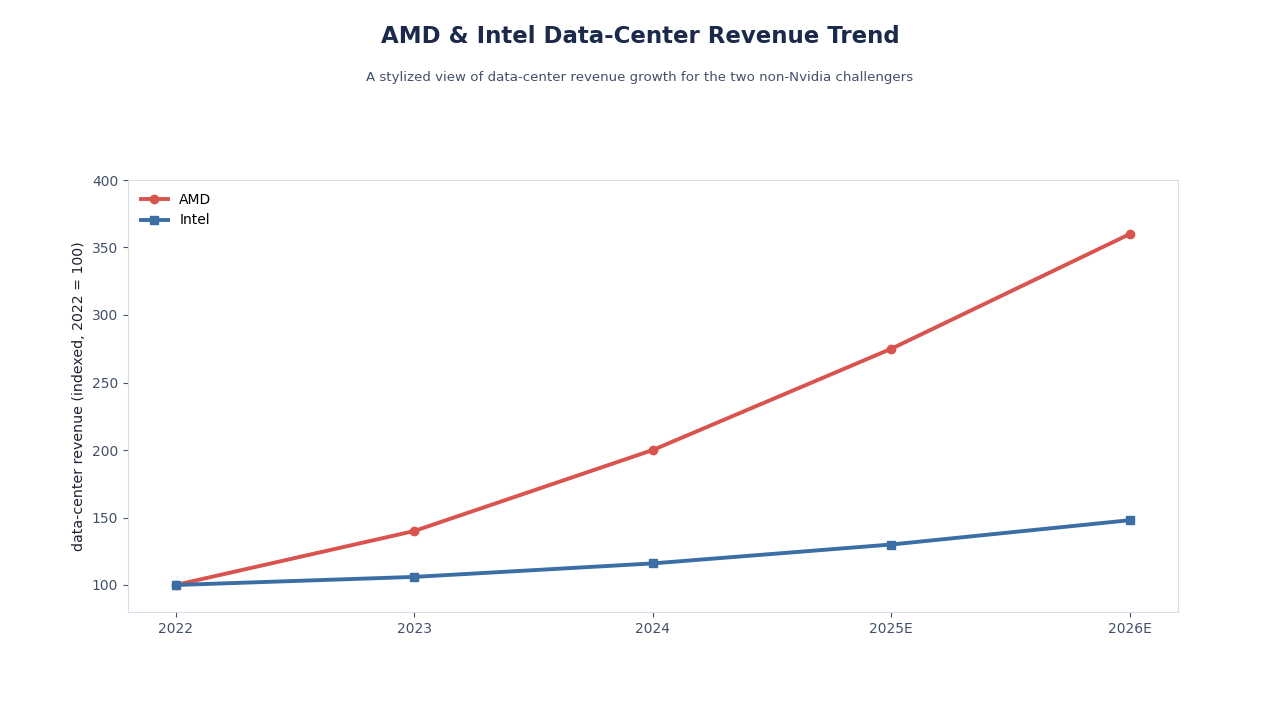
क्यों वॉल स्ट्रीट सेमीकंडक्टर मूल्यांकन को फिर से मूल्यांकित कर रहा है
पारंपरिक सेमीकंडक्टर मूल्यांकन ढांचे अब AI-युग की अर्थशास्त्र को पूरी तरह से नहीं पकड़ सकते हैं।
ऐतिहासिक रूप से, चिप कंपनियाँ चक्रीय व्यवसाय थीं जो निकटता से जुड़ी थीं:
- उपभोक्ता इलेक्ट्रॉनिक्स
- पीसी की मांग
- स्मार्टफोन अपग्रेड
AI समीकरण को बदलता है क्योंकि अवसंरचना की मांग अधिक स्थायी हो जाती है।
क्यों निवेशक उच्च गुणांक का भुगतान कर रहे हैं
कई कारक प्रीमियम मूल्यांकन का समर्थन करते हैं:
- संरचनात्मक एआई मांग
- मजबूत मार्जिन
- रणनीतिक महत्व
- क्लाउड अवसंरचना पर निर्भरता
- राष्ट्रीय एआई प्रतिस्पर्धा
बाजार प्रभावी रूप से प्रमुख एआई सेमीकंडक्टर कंपनियों को सामान्य हार्डवेयर विक्रेताओं के बजाय अवसंरचना प्रदाताओं के रूप में मान रहे हैं।
जोखिम जो एआई चिप रैली को धीमा कर सकते हैं
मजबूत गति के बावजूद, कई जोखिम महत्वपूर्ण बने हुए हैं।
1. अधिक निवेश का जोखिम
यदि एआई अवसंरचना में बहुत अधिक पूंजी एक साथ प्रवाहित होती है, तो अंततः अधिक आपूर्ति उत्पन्न हो सकती है।
2. नियामक जोखिम
सरकारें निम्नलिखित पेश कर सकती हैं:
- निर्यात प्रतिबंध
- एआई नियम
- एंटीट्रस्ट कार्रवाई
- सेमीकंडक्टर व्यापार नियंत्रण
3. तकनीकी विघटन
तेजी से नवाचार अप्रत्याशित रूप से प्रतिस्पर्धात्मक नेतृत्व को बदल सकता है।
4. बिजली की सीमाएँ
बिजली की कमी एआई डेटा सेंटर के विस्तार को सीमित कर सकती है।
5. आर्थिक मंदी
मंदी के जोखिम अस्थायी रूप से उद्यम एआई खर्च को कम कर सकते हैं।
एआई चिप स्टॉक्स के लिए मार्केट ब्रेड्थ का महत्व
पेशेवर व्यापारी सेमीकंडक्टर ब्रेड्थ पर ध्यानपूर्वक नजर रखते हैं।
एक स्वस्थ एआई रैली आमतौर पर निम्नलिखित में ताकत शामिल करती है:
- जीपीयू
- सीपीयू
- मेमोरी
- स्टोरेज
- नेटवर्किंग
- उपकरण निर्माता
- फाउंड्रीज़
जब नेतृत्व अत्यधिक संकुचित होता है, तो जोखिम बढ़ जाते हैं।
संकेत जो व्यापारी देखते हैं
SimianX AI जैसे प्लेटफार्मों का उपयोग करते हुए, व्यापारी अक्सर निम्नलिखित पर नजर रखते हैं:
| संकेत | महत्व |
|---|---|
| सेमीकंडक्टर ब्रेड्थ | बाजार भागीदारी |
| वॉल्यूम विस्तार | संस्थागत विश्वास |
| सापेक्ष ताकत | गति नेतृत्व |
| विकल्प प्रवाह | सट्टा स्थिति |
| आय संशोधन | आगे की मांग के रुझान |
इन संकेतकों को मिलाकर बेहतर बाजार संदर्भ प्रदान करता है बजाय केवल सुर्खियों पर निर्भर रहने के।
SimianX AI सेमीकंडक्टर बाजारों का विश्लेषण कैसे करता है
एआई-चालित बाजार भारी मात्रा में जानकारी उत्पन्न करते हैं।
आधुनिक व्यापारियों को निम्नलिखित को संसाधित करना चाहिए:
- तकनीकी संकेतक
- समाचार प्रवाह
- आय डेटा
- मैक्रो संकेत
- तरलता की स्थिति
- भावना में बदलाव
यहां SimianX AI की मूल्यवर्धन बढ़ता है।
मल्टी-एजेंट निर्णय ढांचा
SimianX AI कई विशेषीकृत एजेंटों को एकीकृत करता है:
तकनीकी बुद्धिमत्ता एजेंट
निगरानी करता है:
- RSI
- MACD
- EMA संरचनाएं
- गति विचलन
- अस्थिरता शासन
मार्केट इंटेलिजेंस एजेंट
ट्रैक करता है:
- आय शीर्षक
- सेमीकंडक्टर समाचार
- संस्थागत प्रवाह
- मैक्रो उत्प्रेरक
- भू-राजनीतिक विकास
मौलिक विश्लेषण एजेंट
मूल्यांकन करता है:
- राजस्व वृद्धि
- सकल मार्जिन
- AI पूंजी व्यय प्रवृत्तियाँ
- डेटा केंद्र की मांग
- मूल्यांकन में बदलाव
निर्णय फ्यूजन एजेंट
सभी इनपुट को संश्लेषित करता है:
- दिशा पूर्वाग्रह
- जोखिम स्तर
- समर्थन/प्रतिरोध
- आत्मविश्वास स्कोर
यह संरचना व्यापारियों को अस्थिर सेमीकंडक्टर मूव्स के दौरान भावनात्मक निर्णय लेने में कमी लाने में मदद करती है।
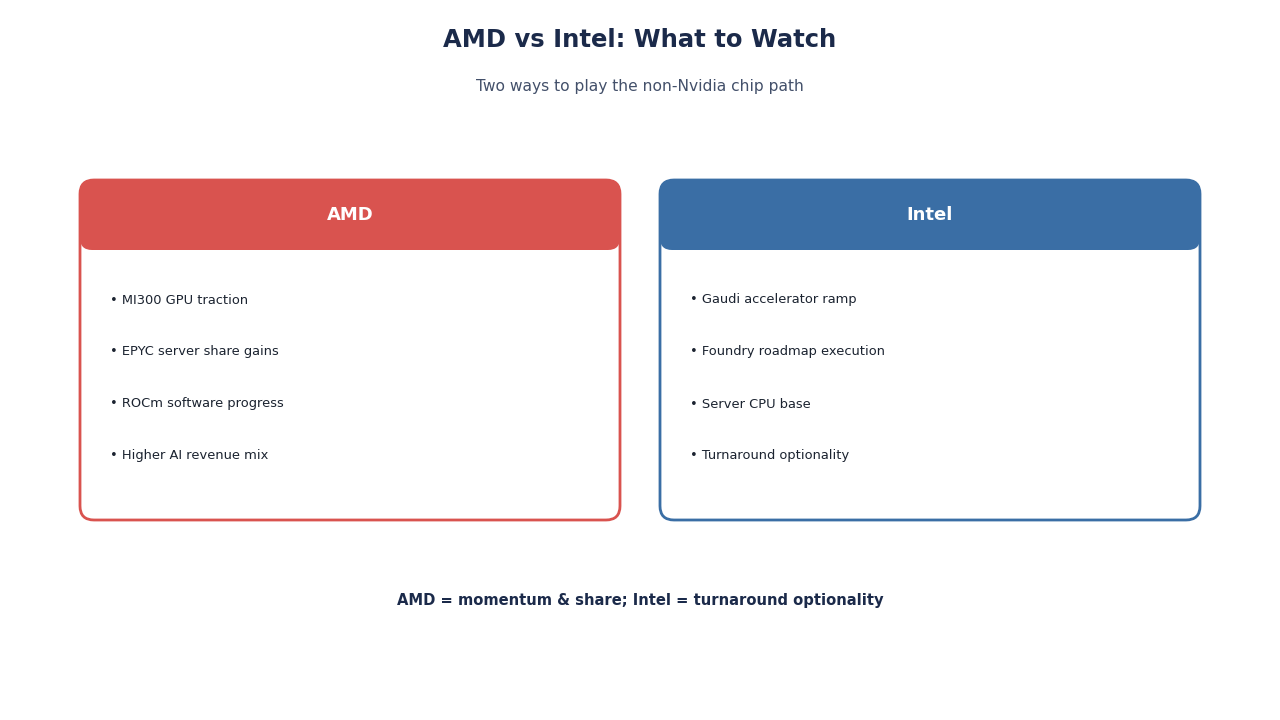
क्या AI एक दशक-लंबी अवसंरचना चक्र बना सकता है?
कुछ विश्लेषक वर्तमान AI विस्तार की तुलना करते हैं:
- विद्युतकरण युग
- रेलवे विस्तार
- इंटरनेट अवसंरचना निर्माण
कारण सरल है:
AI लगभग हर आर्थिक क्षेत्र में उत्पादकता को प्रभावित करता है।
उत्पादकता क्रांति के रूप में AI
कृत्रिम बुद्धिमत्ता में सुधार कर सकता है:
- सॉफ़्टवेयर विकास
- वैज्ञानिक खोज
- चिकित्सा निदान
- औद्योगिक दक्षता
- वित्तीय मॉडलिंग
- लॉजिस्टिक्स अनुकूलन
उत्पादकता क्रांतियाँ आमतौर पर लंबे समय तक चलने वाले अवसंरचना निवेश चक्रों का समर्थन करती हैं।
क्यों संस्थागत निवेशक AI सेमीकंडक्टर स्टॉक्स खरीदना जारी रखते हैं
बड़े संस्थागत निवेशक AI जोखिम को वैकल्पिक के बजाय अनिवार्य के रूप में देखते हैं।
पेंशन फंड और संप्रभु धन फंड
लंबी अवधि के निवेशक निम्नलिखित में जोखिम की तलाश करते हैं:
- AI अवसंरचना
- क्लाउड कंप्यूटिंग
- सेमीकंडक्टर पारिस्थितिकी तंत्र
- स्वचालन प्रवृत्तियाँ
यह प्रमुख AI चिप कंपनियों में स्थायी पूंजी प्रवाह उत्पन्न करता है।
“पिकैक्स रणनीति”
कई निवेशक सेमीकंडक्टर कंपनियों को प्राथमिकता देते हैं क्योंकि वे उन AI अनुप्रयोगों की जीत के बावजूद बुनियादी ढांचा प्रदान करते हैं।
दूसरे शब्दों में:
AI स्वर्ण दौड़ के लिए बुनियादी ढांचे को बेचना उन अनुप्रयोगों की भविष्यवाणी करने की तुलना में अधिक लाभदायक साबित हो सकता है जो हावी होते हैं।
AI चिप बाजार में अगला क्या हो सकता है?
अगले कुछ वर्षों में कई परिदृश्य सामने आ सकते हैं।
बुलिश परिदृश्य
- AI अपनाना वैश्विक स्तर पर तेज होता है
- उद्यम AI खर्च में वृद्धि होती है
- अनुमानित मांग में विस्फोट होता है
- सेमीकंडक्टर मार्जिन ऊंचे बने रहते हैं
न्यूट्रल परिदृश्य
- AI वृद्धि लगातार जारी रहती है
- मूल्यांकन स्थिर होते हैं
- प्रतिस्पर्धा बढ़ती है
- लाभ वृद्धि सामान्य होती है
बेयरिश परिदृश्य
- अधिक आपूर्ति उत्पन्न होती है
- AI खर्च धीमा होता है
- आर्थिक मंदी से पूंजीगत व्यय में कमी आती है
- मूल्यांकन संकुचन होता है
निवेशकों को केवल प्रचार चक्रों पर निर्भर रहने के बजाय वास्तविक दुनिया में AI तैनाती की निरंतर निगरानी करनी चाहिए।
AI बुनियादी ढांचे के विविधीकरण का महत्व
सेमीकंडक्टर पारिस्थितिकी तंत्र तेजी से आपस में जुड़ता जा रहा है।
जीतने वाले क्षेत्र शामिल हैं:
- GPUs
- CPUs
- मेमोरी
- स्टोरेज
- नेटवर्किंग
- फाउंड्रीज
- कूलिंग सिस्टम
- पावर इन्फ्रास्ट्रक्चर
AI स्टैक में विविधीकरण जोखिम को कम कर सकता है जबकि दीर्घकालिक AI विकास के प्रति जोखिम बनाए रखता है।
सेमीकंडक्टर उद्योग अधिक रणनीतिक क्यों बन रहा है
ऐतिहासिक रूप से, सेमीकंडक्टर को मुख्य रूप से चक्रीय प्रौद्योगिकी उत्पादों के रूप में देखा जाता था।
अब इन्हें बढ़ती हुई रूप से इस तरह से माना जा रहा है:
- राष्ट्रीय बुनियादी ढांचा
- आर्थिक सुरक्षा संपत्तियाँ
- रक्षा प्रौद्योगिकी की नींव
- AI प्रतिस्पर्धात्मकता को सक्षम करने वाले
इस रणनीतिक महत्व से सरकारों, निगमों और बाजारों में पूंजी आवंटन का तरीका बदलता है।
AI चिप स्टॉक्स के भविष्य पर अंतिम विचार
AI चिप स्टॉक्स में निरंतर ताकत एक बहुत बड़े तकनीकी परिवर्तन के उभरने को दर्शाती है।
AMD और Intel एक वैश्विक AI अवसंरचना विस्तार में भाग ले रहे हैं जो पारंपरिक सेमीकंडक्टर चक्रों से बहुत आगे बढ़ता है। डेटा सेंटर की मांग, AI अनुमान वृद्धि, उद्यम AI तैनाती, और भू-राजनीतिक प्रतिस्पर्धा सभी दीर्घकालिक हार्डवेयर निवेश प्रवृत्तियों को मजबूत कर रहे हैं।
हालांकि अस्थिरता और जोखिम टाले नहीं जा सकते, व्यापक AI पारिस्थितिकी तंत्र असाधारण संरचनात्मक गति दिखाना जारी रखता है।
इन तेजी से विकसित हो रहे बाजारों में व्यापारियों और निवेशकों के लिए, SimianX AI जैसे उपकरण तकनीकी विश्लेषण, भावना बुद्धिमत्ता, मैक्रो निगरानी, और बहु-एजेंट निर्णय प्रणालियों को एकीकृत कार्यप्रवाह में संयोजित करके महत्वपूर्ण लाभ प्रदान करते हैं।
जैसे-जैसे कृत्रिम बुद्धिमत्ता वैश्विक अर्थव्यवस्था में गहराई से एकीकृत होती जाती है, सेमीकंडक्टर नेतृत्व को समझना अगले दशक के सबसे महत्वपूर्ण निवेश कौशलों में से एक बन सकता है।
संबंधित लेख
- AI स्टॉक बूम: Nvidia की अगुवाई में चिप सुपरसाइकल अभी तेज़ी से
- Seagate अर्निंग्स से स्टोरेज स्टॉक्स ऊपर: AI मांग बरकरार
- AI स्टॉक्स में गिरावट: OpenAI शंका और बिग-टेक अर्निंग्स वीक
- AI खर्च में उछाल: TSMC आउटलुक से Nvidia की मांग की पुष्टि
- Alphabet, Nvidia के मार्केट कैप के करीब: AI ट्रेड फैल रहा
- Micron (MU): क्यों HBM3e इसे 2026 का AI मेमोरी दांव बनाता है