Why AI Data Centers Are Reviving Nuclear Power and Uranium Demand
The AI boom has a physical bottleneck that almost nobody priced in two years ago: electricity. Training and serving frontier models consumes enormous, around-the-clock power, and the hyperscalers racing to build out capacity — Microsoft, Amazon, Google, Meta and Oracle — have discovered that the grid simply cannot deliver clean, firm gigawatts fast enough. Their answer in 2026 is increasingly the same one: nuclear. This guide breaks down the AI data center power crunch and the three distinct ways investors are positioning for it — nuclear operators, small modular reactor (SMR) developers, and the uranium fuel cycle.
If you only remember one idea, make it this: the AI trade and the power trade are now the same trade. Every incremental gigawatt of compute needs an incremental gigawatt of generation, and the cleanest, firmest, densest source on the table is fission.
Why AI Data Centers Broke the Grid's Math
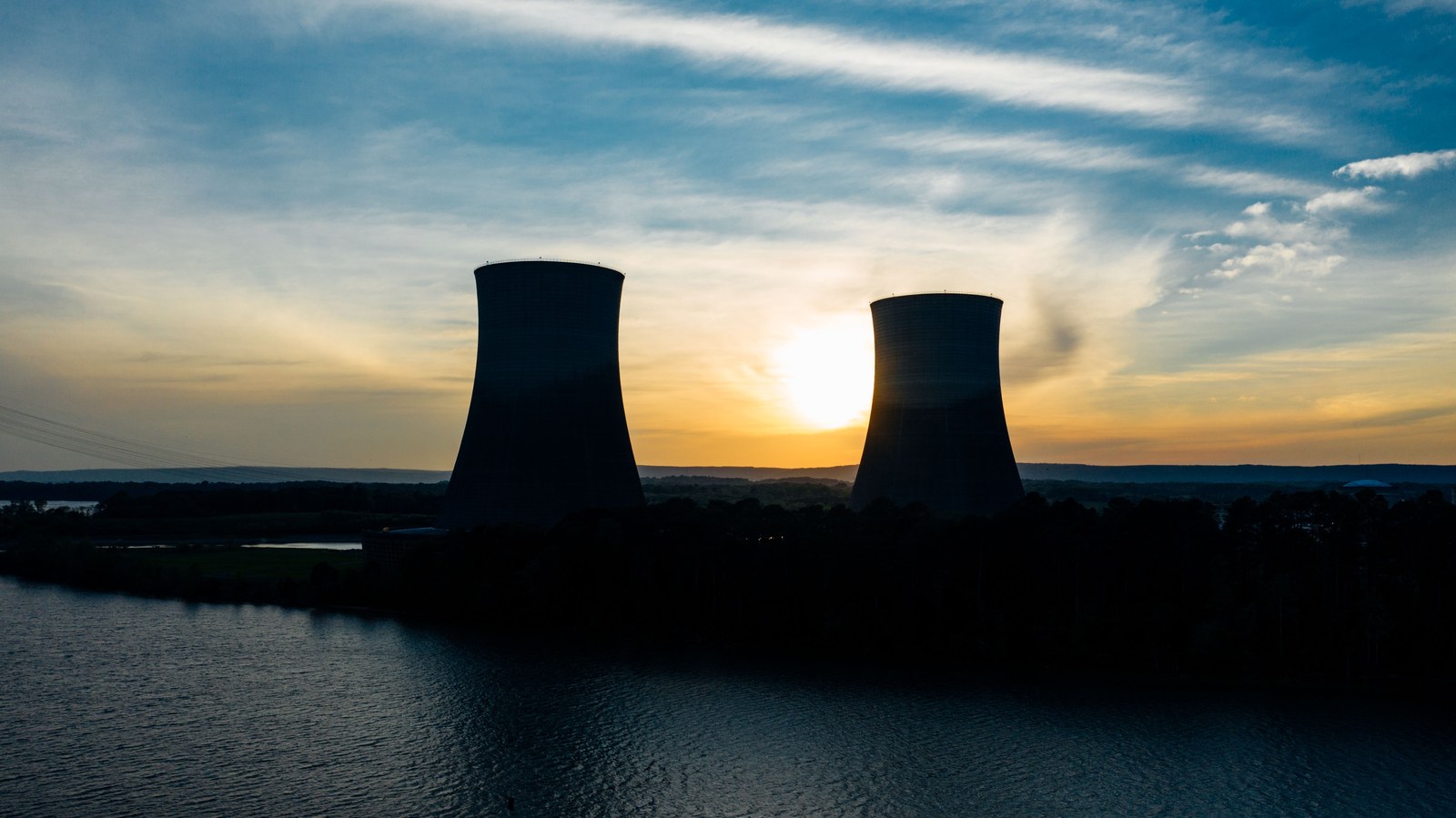
For roughly two decades, US electricity demand was essentially flat — efficiency gains offset growth. That era is over. Data centers consumed an estimated 4% of US electricity in 2023; Lawrence Berkeley National Laboratory's December 2024 report projected that share could reach 6.7% to 12% by 2028. Almost all of the new draw is AI.
The scale is hard to overstate. A single hyperscale AI campus can require close to 1 gigawatt (GW) of continuous power — roughly the output of a full-size nuclear reactor, and enough to supply 700,000 to 900,000 homes. Several of the largest planned campuses are designed for multiple gigawatts. The grid was never built to add reactor-sized loads in 18-month cycles.
Three properties make nuclear uniquely suited to this problem:
- Firm. A reactor runs 24/7 at a 90%+ capacity factor. Solar and wind are cheaper per megawatt-hour but intermittent, and an AI training cluster cannot pause when a cloud passes over.
- Carbon-free. Microsoft, Google, Amazon and Meta have all made net-zero or carbon-free-energy pledges. Burning more natural gas to feed AI breaks those promises; nuclear does not.
- Dense. A gigawatt reactor sits on a fraction of the land a comparable wind or solar farm needs, and it can be sited next to the load.
For an operator that has promised customers 99.99% uptime and clean energy, a reactor next door solves both problems at once. That is why, over the past two years, the conversation shifted from "is nuclear too expensive?" to "how fast can we sign a power purchase agreement?"
The Hyperscaler Nuclear Gold Rush
The clearest evidence of the theme is the wave of deals the hyperscalers have already signed. These are not press-release intentions — they are contracts and equity investments backed by some of the most cash-rich companies on earth.
| Buyer | Deal | What it powers |
|---|---|---|
| Microsoft | 20-year PPA with Constellation to restart Three Mile Island Unit 1 (now the Crane Clean Energy Center), ~835 MW, targeted ~2028 | Azure AI capacity |
| Amazon | Bought Talen Energy's data-center campus next to the Susquehanna nuclear plant; led a $500M+ round in SMR developer X-energy | AWS AI campuses |
| Agreement with Kairos Power for a fleet of SMRs, first unit targeted ~2030, up to 500 MW by 2035 | Google Cloud / DeepMind | |
| Meta | RFP for 1–4 GW of new nuclear; multi-decade deal with Constellation for the Clinton plant | Llama training & inference |
| Oracle | Permitting for three SMRs to power a planned gigawatt-plus data center | OCI / Stargate |
The pattern is unmistakable. The companies with the deepest pockets and the most urgent compute roadmaps have all concluded that nuclear is not optional — it is the only firm, clean source that can scale with them. When the buyers are this concentrated and this motivated, the supply chain that feeds them becomes investable.
Three Ways to Invest in the AI-Nuclear Trade
There is no single "nuclear stock." The theme splits into three buckets with very different risk profiles — incumbents that generate power today, developers building the next generation of reactors, and the fuel cycle that supplies all of them.
1. Nuclear Operators — the firm-power incumbents
These companies own and run reactors now, so they convert the AI-power narrative directly into revenue through long-dated PPAs at premium prices.
- Constellation Energy (CEG) operates the largest carbon-free fleet in the US and is the counterparty on the Microsoft Three Mile Island restart. It is the purest large-cap way to own the theme with real cash flows.
- Vistra (VST) pairs a nuclear fleet (Comanche Peak) with a large gas and retail business, giving it firm-power exposure plus optionality on rising power prices.
- Talen Energy (TLN) owns the Susquehanna plant at the center of the Amazon campus deal — a direct read on the "co-locate compute next to the reactor" model.
- GE Vernova (GEV) is the picks-and-shovels incumbent: it builds gas turbines, grid equipment and, through its BWRX-300, one of the most advanced SMR designs.
This bucket is the lowest-beta way to own the trade. The earnings are real; the risk is that the multiple already embeds a lot of good news.
2. SMR Developers — the high-beta growth bet
Small modular reactors are factory-built, sub-300 MW units designed to be deployed faster and cheaper than a conventional gigawatt plant. They are the part of the story Wall Street is most excited — and most speculative — about.
- Oklo (OKLO) designs the Aurora "powerhouse" microreactor and has a high-profile backer ecosystem. It is pre-revenue and trades almost entirely on its order pipeline and narrative.
- NuScale Power (SMR) has the first SMR design certified by the US Nuclear Regulatory Commission — a genuine regulatory moat — but still needs commercial deployments to justify its valuation.
- BWX Technologies (BWXT) is the more conservative SMR-adjacent play: it already manufactures nuclear components for the US Navy and is positioned to supply the SMR build-out.
The upside here is large if even a handful of designs reach commercial operation around 2030. The downside is equally real: these are story stocks whose timelines stretch years out, and any slip in permitting or financing hits them hardest.
3. The Uranium Fuel Cycle — the picks-and-shovels play
Every reactor — incumbent or SMR — needs fuel. More reactors and restarts mean more uranium demand, which is why the fuel cycle is the most direct second-derivative of the AI-power theme.
- Cameco (CCJ) is the Western world's bellwether uranium miner and also owns a stake in reactor-builder Westinghouse — a rare way to own both the fuel and the hardware.
- Uranium Energy Corp (UEC), NexGen Energy (NXE) and Denison Mines (DNN) are higher-beta developers leveraged to the uranium spot price.
- Centrus Energy (LEU) enriches uranium and is one of the few Western producers of HALEU — the high-assay fuel most advanced SMR designs require — making it a strategic chokepoint.
For diversified exposure, the Global X Uranium ETF (URA) and the Sprott Uranium Miners ETF (URNM) spread the bet across the sector, while the Sprott Physical Uranium Trust holds the metal itself.
The Uranium Supply Gap
The fuel side of the trade rests on a simple imbalance: the world is restarting and building reactors faster than it is opening new mines. The World Nuclear Association counts roughly 440 operable reactors worldwide with 60-plus under construction, and after a decade of underinvestment, primary mine supply does not cover annual demand. Utilities have been drawing down inventories to fill the gap.
Price action reflected the squeeze. Uranium spot ran to about $106 per pound in early 2024 — a 17-year high — before settling into a roughly $65–$85 range through 2025 as the market digested the move. The structural story did not change, though: the Prohibiting Russian Uranium Imports Act tightened Western enrichment supply, forcing utilities toward domestic and allied producers and putting a premium on HALEU capacity.
Two things make the supply gap relevant to AI specifically. First, hyperscaler-backed restarts (like Three Mile Island) add demand that did not exist in any prior forecast. Second, the SMR designs the tech giants are funding disproportionately need HALEU, a fuel almost no one outside Russia produces at scale today. That is a multi-year bottleneck, and bottlenecks are where pricing power lives.
Stock Comparison Table
| Ticker | Company | Bucket | 2026 narrative |
|---|---|---|---|
| CEG | Constellation Energy | Operator | Largest US carbon-free fleet; Microsoft TMI counterparty |
| VST | Vistra | Operator | Nuclear + gas; leveraged to rising power prices |
| TLN | Talen Energy | Operator | Susquehanna plant; Amazon co-location read |
| GEV | GE Vernova | Operator / builder | Turbines, grid, BWRX-300 SMR |
| OKLO | Oklo | SMR developer | Microreactor narrative; pre-revenue |
| SMR | NuScale Power | SMR developer | First NRC-certified SMR design |
| BWXT | BWX Technologies | SMR / components | Navy reactors; SMR supply chain |
| CCJ | Cameco | Uranium fuel | Western bellwether; owns Westinghouse stake |
| LEU | Centrus Energy | Enrichment | HALEU chokepoint for SMRs |
| UEC | Uranium Energy Corp | Uranium fuel | High-beta US developer |
Risks Before You Chase the Theme
A theme this loud attracts crowded positioning, so weigh the downside honestly:
- Timelines. Most SMRs are not slated to come online until around 2030 or later. The market is paying today for cash flows that are years away, and patience is a position.
- Regulation. NRC licensing is rigorous and slow by design. A single permitting setback can reset a developer's timeline — and its stock.
- Pre-revenue valuations. OKLO and NuScale (SMR) trade largely on story and order pipeline. They can fall 40–60% on sentiment shifts without any change in fundamentals.
- The deal-versus-delivery gap. A signed PPA is not a running reactor. Restarts and new builds can slip on supply-chain, labor or financing snags.
- Uranium price volatility. Spot uranium is thinly traded and prone to sharp swings; the miners amplify those moves in both directions.
- Rates and substitution. Higher-for-longer rates pressure long-duration growth names, and a breakthrough in grid-scale storage or cheaper gas could soften the "nuclear is the only answer" thesis.
Position sizing matters more here than in almost any other AI-adjacent theme. The operators can anchor a portfolio; the SMR developers belong in the speculative sleeve.
How to Track the AI-Nuclear Trade with SimianX
This is a fast-moving, headline-driven theme — exactly the kind where disciplined, model-driven analysis beats reacting to the latest deal announcement. On SimianX you can:
- Pull up any of these names on its stock pages for AI-generated fundamentals and signals — start with CEG, OKLO or CCJ.
- See how 30 leading AI models rank and trade these tickers on the AI model leaderboard — a real-money read on which models are leaning into the nuclear theme and which are skeptical.
- Let an AI autopilot monitor the basket around the clock, so a 6 a.m. PPA headline or a uranium-price spike doesn't slip past you.
For a deeper look at the methodology, the guide on which AI model is the best trader walks through how 30 LLMs are scored on live profit and loss. Compare plans on the pricing page when you're ready to put a model to work.
Frequently Asked Questions
Which nuclear stock benefits most from AI data centers?
Among large caps, Constellation Energy (CEG) is the most direct beneficiary because it operates the biggest US carbon-free fleet and is the counterparty on Microsoft's Three Mile Island restart. For higher-risk, higher-reward exposure, SMR developers like OKLO have the most upside if their designs reach commercial operation.
Are small modular reactors actually online yet?
Not commercially in the US. Designs from NuScale and others are progressing through NRC certification, and the first hyperscaler-backed units are targeted for around 2030. The investment case today is about pipeline and permitting milestones, not current production.
Is uranium a good way to play AI power demand?
It is the picks-and-shovels angle: every reactor and restart needs fuel, and mine supply has lagged demand for years. Cameco (CCJ) is the bellwether, while the Global X Uranium ETF (URA) and Sprott Uranium Miners ETF (URNM) offer diversified exposure.
What is the best uranium ETF for this theme?
The two most common choices are URA (broad uranium and nuclear) and URNM (concentrated in miners). For exposure to the physical metal rather than equities, investors use the Sprott Physical Uranium Trust.
The Bottom Line
The AI data center power crunch turned nuclear from a stranded-asset story into one of the most strategically important corners of the market. The hyperscalers have already voted with multi-decade contracts, and the demand they represent did not exist in any forecast two years ago. Investors have three clean ways to position: own the operators for firm cash flows today, the SMR developers for asymmetric upside into 2030, and the uranium fuel cycle for the picks-and-shovels squeeze that sits underneath all of it. The theme is real and durable — but it is crowded and timeline-dependent, so size the speculative names accordingly and let the data, not the headlines, drive the entries.
Related Reading
- KKR Helix AI Infrastructure: NVDA, VST Power Trade
- SMCI Stock 2026: $7B Capital Raise vs $39B AI Backlog
- GLW Stock 2026: Corning's AI Photonics Boom Explained
- Oracle Earnings 2026: OCI, Stargate Backlog & ORCL Stock
- June 2026 FOMC Decision: Dot Plot, AI Stocks & Bitcoin
References
- Lawrence Berkeley National Laboratory — 2024 data center electricity demand report
- World Nuclear Association — global reactor count and uranium supply data
- U.S. Nuclear Regulatory Commission (NRC) — reactor licensing and SMR certification
- Constellation Energy — Three Mile Island restart and carbon-free fleet
- Prohibiting Russian Uranium Imports Act — US law tightening Russian uranium imports