
U-2 Incident (1960) and the Stock Market: Trading Geopolitical Risk in the Cold War
The U-2 Incident (1960) and the stock market provide one of the earliest modern examples of how geopolitical shocks influence financial markets. When a U.S. spy plane was shot down over the Soviet Union, it triggered a diplomatic crisis that rippled through global markets. For today’s traders, especially those using advanced platforms like SimianX AI, this event offers a powerful case study in trading geopolitical risk under uncertainty.
Understanding how markets reacted during the Cold War helps investors build frameworks for navigating modern crises—from wars to sanctions to macro-political tensions.
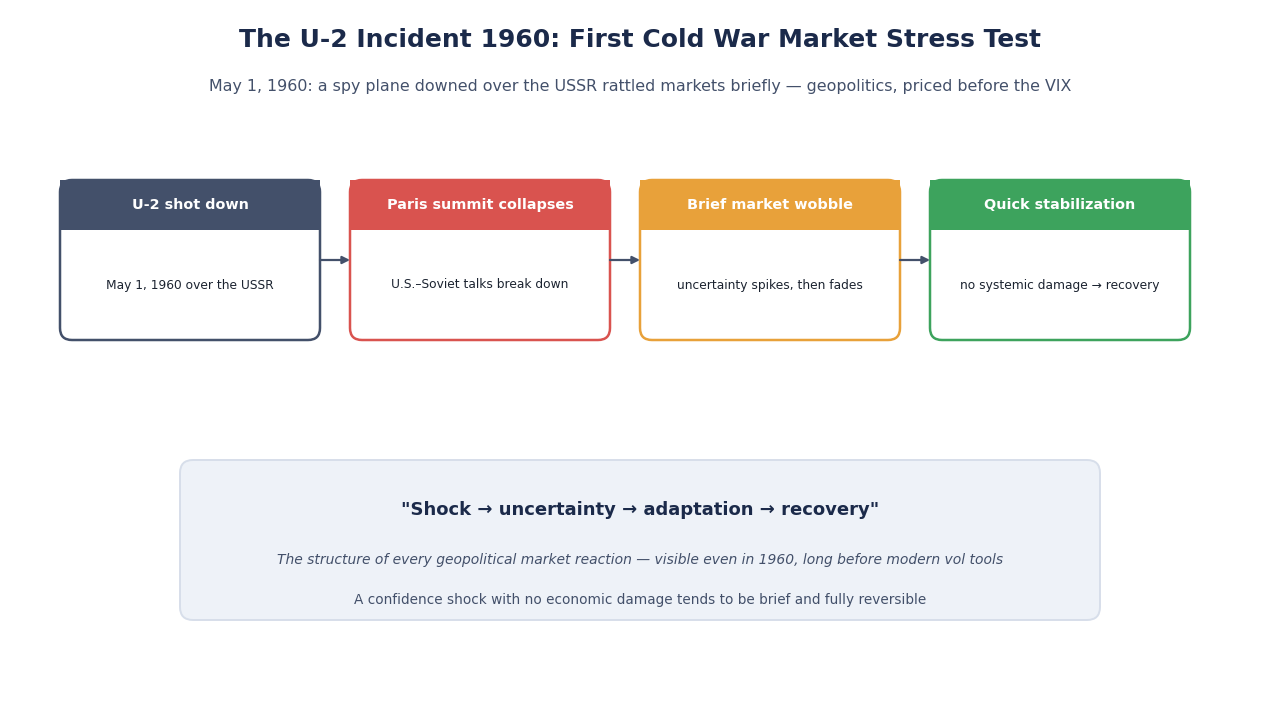
The U-2 Incident: A Geopolitical Shock That Moved Markets
On May 1, 1960, a U.S. U-2 reconnaissance aircraft piloted by Francis Gary Powers was shot down deep inside Soviet territory. Initially denied by the U.S., the incident quickly escalated when the USSR revealed the pilot was alive.
This led to:
- Collapse of U.S.–Soviet diplomatic talks
- Increased Cold War tensions
- Heightened global uncertainty
“Markets fear uncertainty more than conflict itself.”
While financial markets in 1960 were less globally interconnected than today, the psychological shock was immediate.
Key Market Effects:
- Short-term volatility spikes
- Risk-off sentiment in equities
- Capital rotation into safe-haven assets
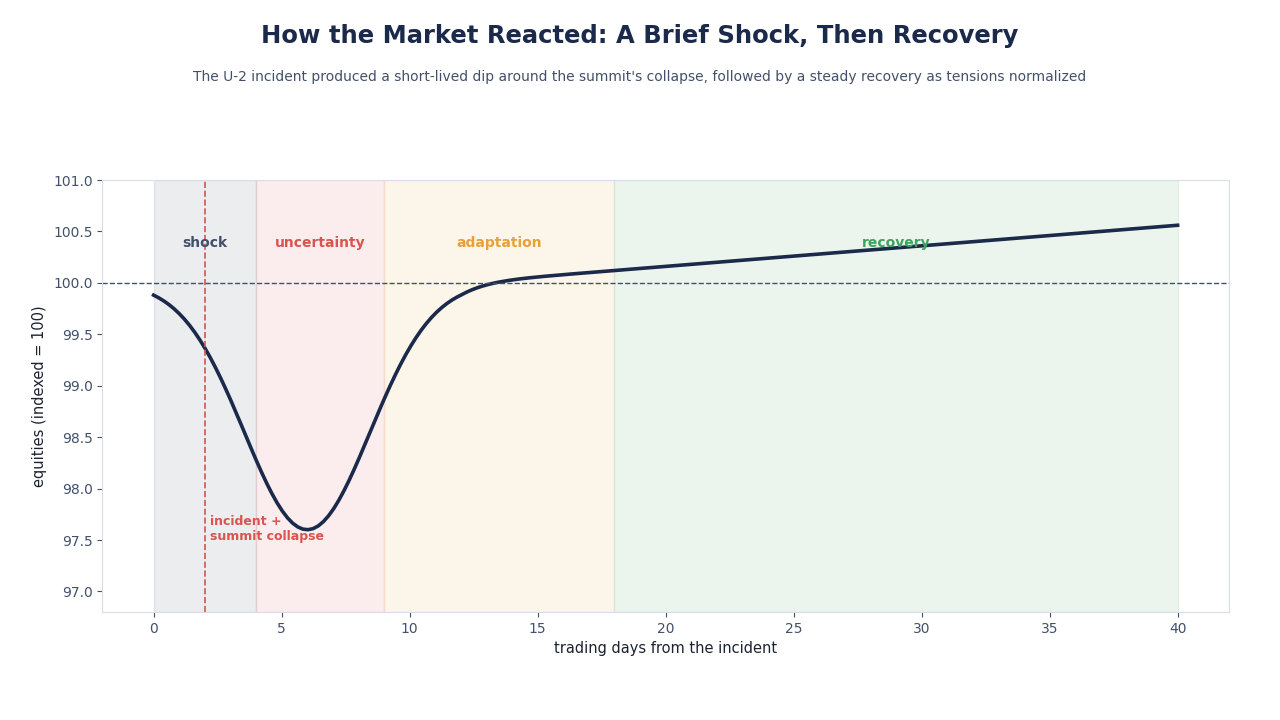
How Did the Stock Market React to the U-2 Incident?
Although historical data is less granular than modern markets, available evidence shows a classic geopolitical reaction pattern:
| Phase | Market Behavior |
|---|---|
| Initial Shock | Sharp uncertainty-driven sell-off |
| Information Release | Volatility increases as details emerge |
| Diplomatic Fallout | Sustained risk premium in markets |
| Stabilization | Gradual recovery as tensions normalize |
Key Observations:
- Markets did not crash dramatically but showed elevated volatility
- Investor sentiment shifted quickly toward defensive positioning
- Recovery depended on de-escalation signals
This mirrors modern reactions to events like:
- Military conflicts
- Sanctions announcements
- Intelligence disclosures
Why Geopolitical Risk Moves Markets
Geopolitical events impact markets through three main channels:
- Uncertainty Shock
- Investors hate unknown outcomes
- Leads to rapid repricing of assets
- Macro Policy Impact
- Changes in interest rates, defense spending, or trade
- Affects long-term valuations
- Liquidity and Risk Appetite
- Capital flows shift into safer assets
- Volatility increases across asset classes
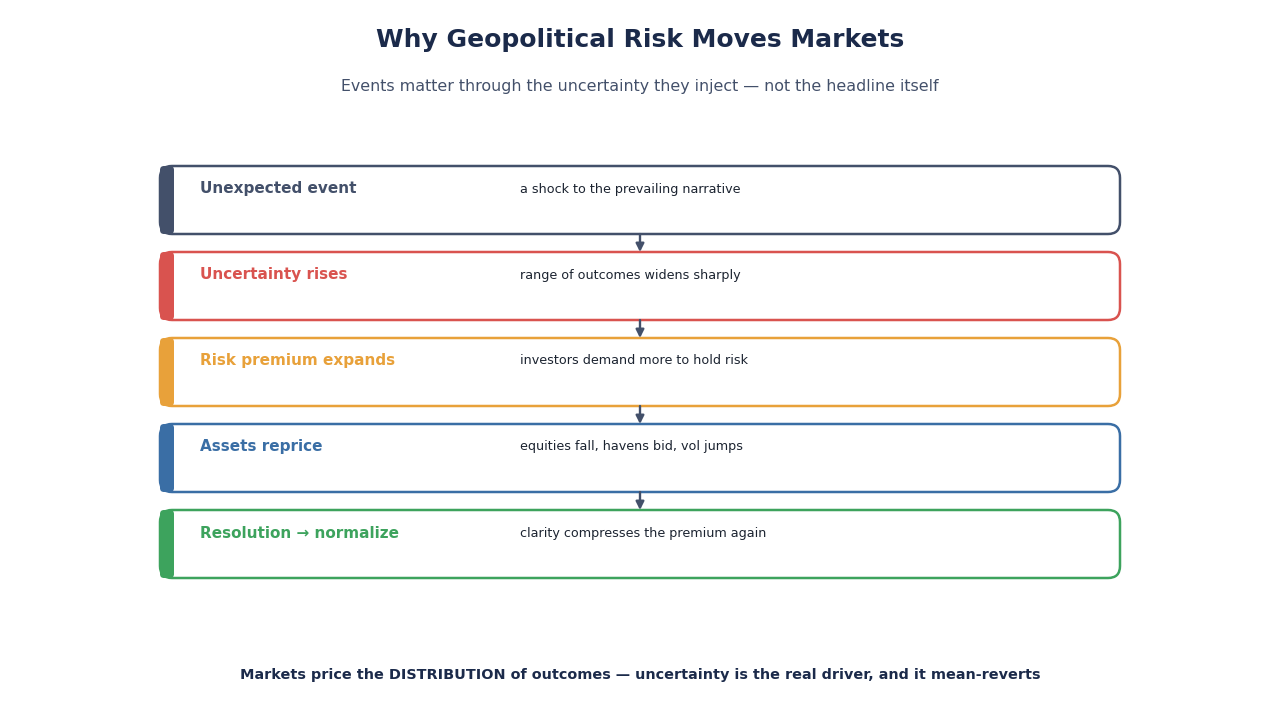
What Is Geopolitical Risk in Investing?
Geopolitical risk refers to the potential financial impact of political events, conflicts, or international tensions on markets.
In the context of the U-2 Incident (1960) and the stock market, geopolitical risk manifested as:
- Diplomatic breakdown risk
- Escalation to military confrontation
- Long-term Cold War instability
Modern investors face similar risks today—but at much higher speed and complexity.
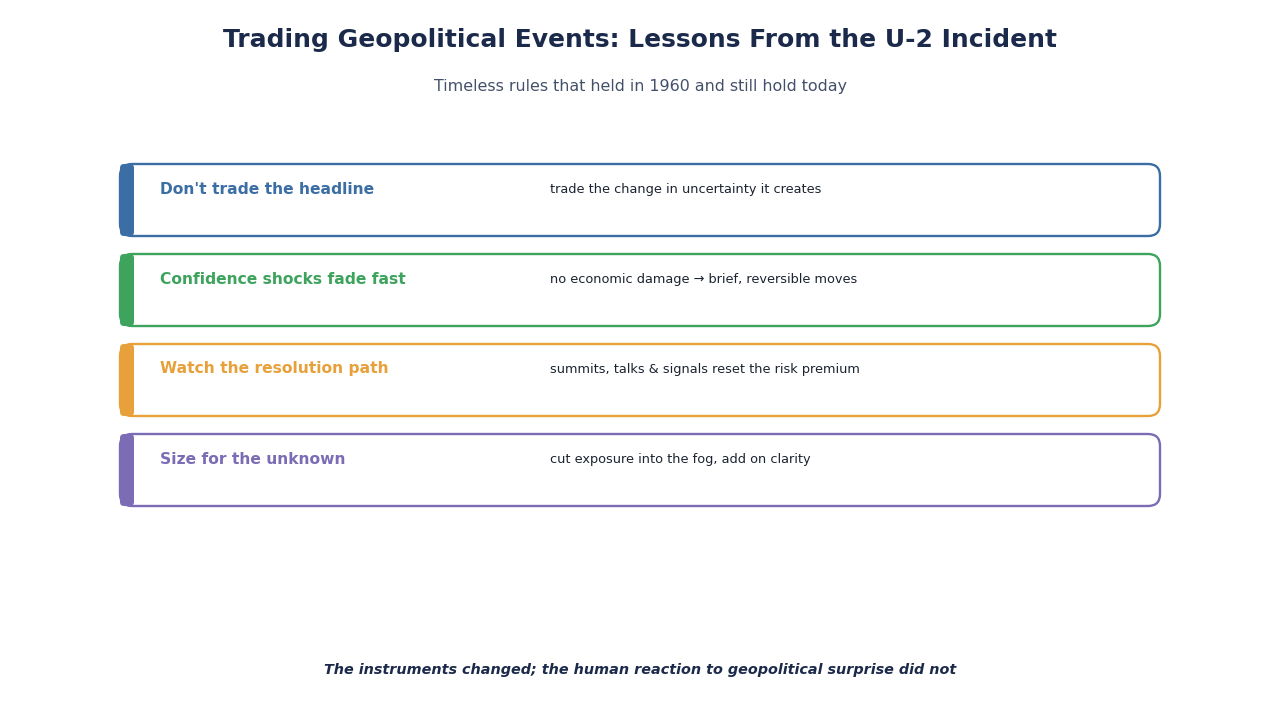
Trading Geopolitical Events: Lessons from the U-2 Incident
The U-2 incident teaches timeless trading principles:
1. Markets React Faster Than News Cycles
Even in 1960, markets priced in uncertainty quickly. Today, this happens in seconds.
Implication:
- Traders must anticipate, not react
2. Volatility Is the First Signal
Geopolitical shocks rarely cause immediate crashes—but they increase volatility first.
Strategy:
- Monitor volatility indices
- Use options or hedging strategies
3. Narrative Drives Markets
The U.S. initially denied the incident—then reversed its position.
This caused:
- Sudden sentiment shifts
- Increased uncertainty pricing
“Markets move not just on events—but on changing narratives.”
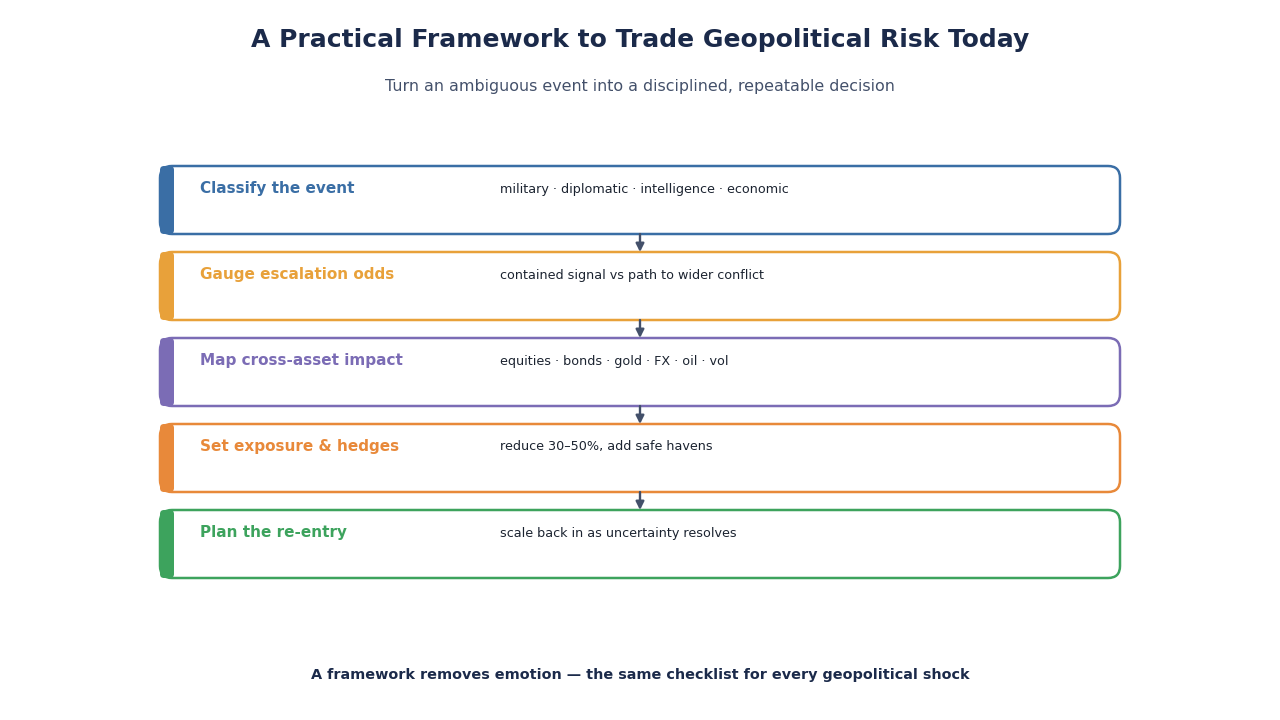
Practical Framework: How to Trade Geopolitical Risk Today
Using insights from the U-2 incident, traders can build a structured approach:
Step-by-Step Framework
- Identify the Event
- Military, diplomatic, or intelligence-related
- Assess Impact Scope
- Local, regional, or global
- Monitor Market Signals
- Volatility spikes
- Sector rotation
- Position Accordingly
- Reduce exposure to risk assets
- Increase hedges
- Track Resolution Signals
- Diplomatic talks
- Policy responses
How SimianX AI Helps Navigate Geopolitical Risk
Modern traders have a massive advantage over 1960 investors: AI-driven analysis.
With SimianX AI, traders can:
- Monitor real-time geopolitical signals
- Analyze multi-timeframe market reactions
- Combine:
- Technical indicators (EMA, RSI, MACD)
- Macro intelligence
- News sentiment
SimianX Command Room features include:
- Multi-agent AI decision systems
- Real-time signal dashboards
- Cross-market correlation analysis
| Feature | Benefit |
|---|---|
| AI Copilot | Instant interpretation of geopolitical news |
| Multi-Timeframe Charts | Identify short vs long-term reactions |
| Risk Signals | Early warning for volatility spikes |
This transforms geopolitical trading from reactive to predictive.
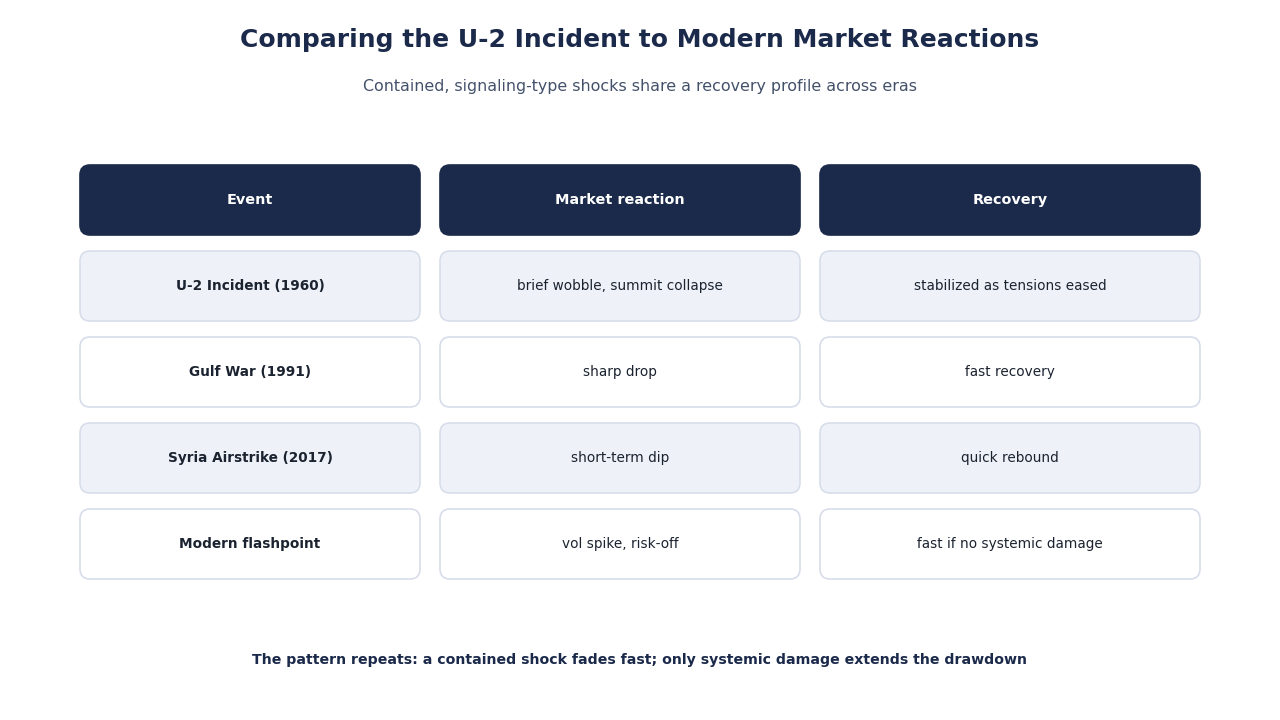
Comparing U-2 Incident to Modern Market Reactions
| Event | Market Reaction | Recovery Pattern |
|---|---|---|
| U-2 Incident (1960) | Moderate volatility | Gradual stabilization |
| Gulf War (1991) | Sharp drop | Fast recovery |
| Syria Airstrike (2017) | Short-term dip | Quick rebound |
| Modern Conflicts | Algorithm-driven volatility | Faster cycles |
Key Insight:
Modern markets move faster—but patterns remain the same.
FAQ About U-2 Incident (1960) and Stock Market Trading
What was the stock market impact of the U-2 Incident (1960)?
The impact was primarily increased volatility and short-term uncertainty. While not a major crash, it shifted investor sentiment toward caution and defensive positioning.
How do geopolitical events affect stock markets?
They introduce uncertainty, which leads to volatility, capital reallocation, and changes in risk appetite. Markets often react before full information is available.
Can traders profit from geopolitical risk?
Yes, but it requires structured analysis, fast execution, and risk management. Tools like AI-driven platforms can significantly improve decision-making.
How is modern trading different from 1960?
Today’s markets are faster, more global, and data-driven. AI tools like SimianX AI allow traders to process geopolitical information in real time.
What is the best way to trade geopolitical events?
The best approach combines:
- Early detection
- Risk management
- Multi-signal confirmation
- Adaptive strategies
Conclusion
The U-2 Incident (1960) and the stock market highlight a timeless truth: geopolitical risk is one of the most powerful drivers of market behavior. While the tools have evolved, the underlying patterns—uncertainty, volatility, and recovery—remain unchanged.
For modern traders, the key is not just understanding history—but leveraging it with advanced tools. Platforms like SimianX AI enable traders to analyze geopolitical events in real time, integrate multiple data sources, and make faster, smarter decisions.
If you want to turn geopolitical uncertainty into opportunity, explore how SimianX AI can help you stay ahead of the market.
Deep Dive: Market Microstructure Under Geopolitical Stress
To extend our analysis of the U-2 Incident (1960) and the stock market, we must move beyond surface-level reactions and examine how market microstructure behaves under geopolitical stress.
Even in 1960, despite the absence of algorithmic trading, markets exhibited early forms of:
- Liquidity contraction
- Bid-ask spread widening
- Information asymmetry
Liquidity Shock Dynamics
When geopolitical uncertainty rises, liquidity providers step back. This creates:
- Thinner order books
- Larger price gaps
- Increased slippage
“In times of uncertainty, liquidity is not just reduced—it disappears exactly when needed most.”
In the U-2 Incident:
- Institutional investors reduced exposure
- Market makers widened spreads
- Price discovery slowed
Today, this effect is amplified by:
- High-frequency trading withdrawal
- Automated risk controls
- Cross-asset contagion
Information Asymmetry and Narrative Arbitrage
The U.S. initially claimed the aircraft was a weather plane. Only later did the truth emerge.
This created a two-stage market reaction:
- Initial confusion
- Repricing after confirmation
This is what modern traders call:
Narrative Arbitrage
- Early narratives create mispricing
- Later corrections create volatility spikes
Geopolitical Alpha: Turning Uncertainty into Strategy
To extract alpha from geopolitical events, traders must think probabilistically.
The Geopolitical Probability Matrix
| Scenario | Probability | Market Impact | Strategy |
|---|---|---|---|
| De-escalation | Medium | Market recovery | Long risk assets |
| Prolonged tension | High | Elevated volatility | Neutral / hedged |
| Escalation | Low | Sharp sell-off | Short / defensive |
Key Insight
“Markets price probabilities, not certainties.”
The U-2 incident did not immediately lead to war—but the possibility of escalation was enough to move markets.
Cross-Asset Reactions: Beyond Equities
While equities receive the most attention, geopolitical shocks affect multiple asset classes simultaneously.
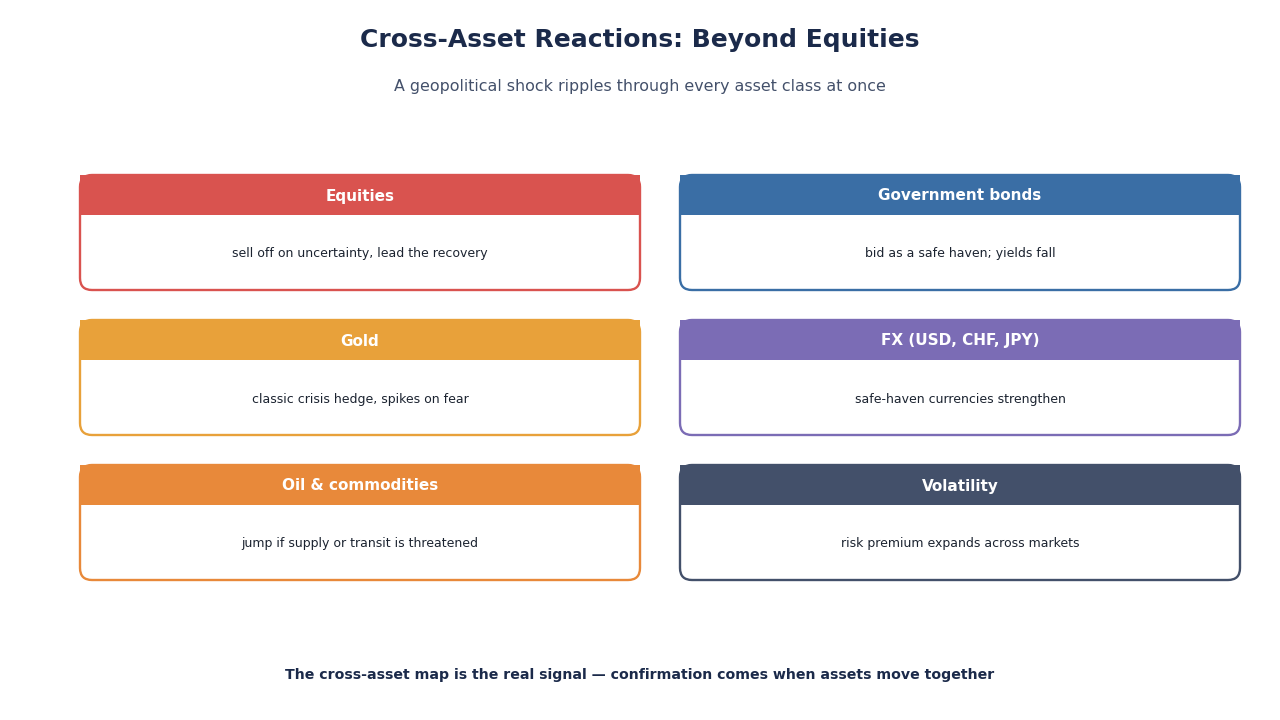
Asset Class Response Framework
| Asset Class | Expected Reaction |
|---|---|
| Equities | Sell-off / volatility |
| Bonds | Rally (flight to safety) |
| Gold | Increase (safe haven) |
| Commodities | Mixed (depends on supply risk) |
| Currency | USD strength (historically) |
Cold War vs Modern Markets
In 1960:
- Gold was fixed under Bretton Woods
- Currency markets were controlled
Today:
- Crypto acts as a new geopolitical hedge
- FX markets react instantly
- Commodities reflect supply chain disruptions
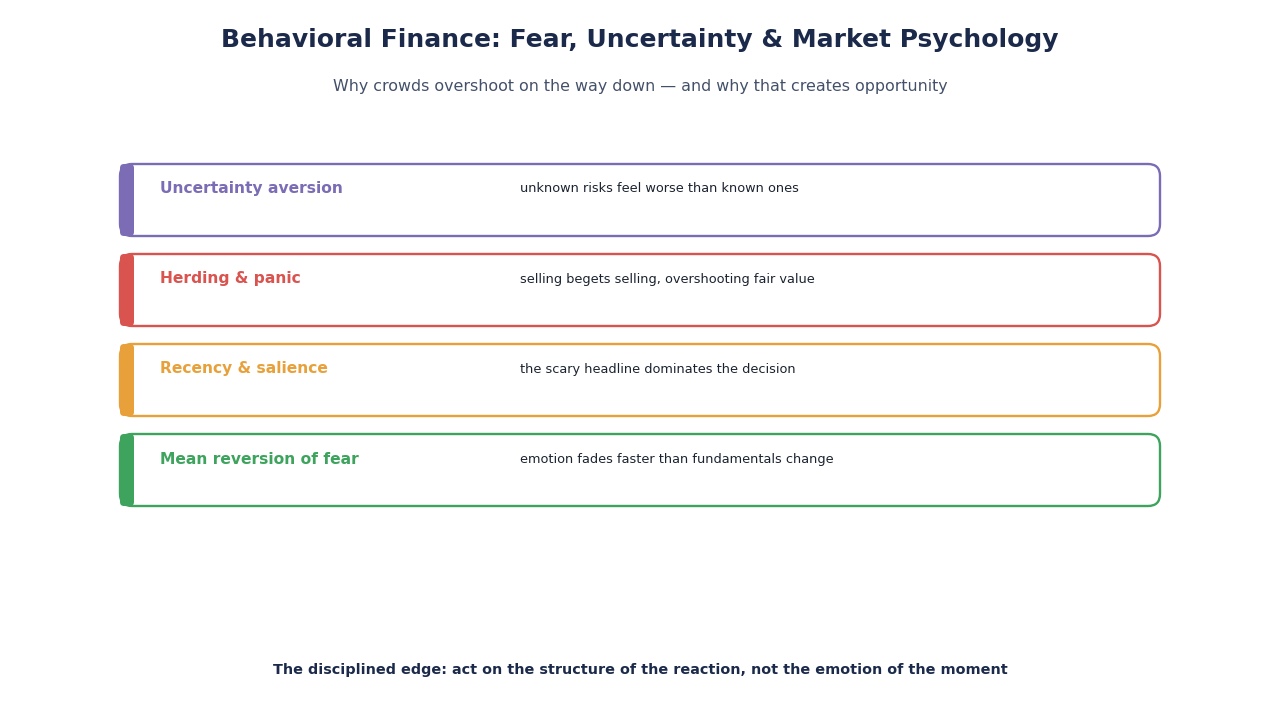
Behavioral Finance: Fear, Uncertainty, and Market Psychology
The U-2 incident highlights a critical truth:
Markets are driven by human psychology under stress.
Behavioral Biases at Play
- Loss Aversion → Investors sell too quickly
- Herd Behavior → Panic spreads rapidly
- Availability Bias → Recent events dominate decisions
“In geopolitical crises, perception becomes reality—at least temporarily.”
Sentiment Cycles During Crisis
- Shock
- Panic
- Reassessment
- Stabilization
- Recovery
Understanding this cycle allows traders to:
- Avoid panic selling
- Enter positions during oversold conditions
- Capture recovery upside
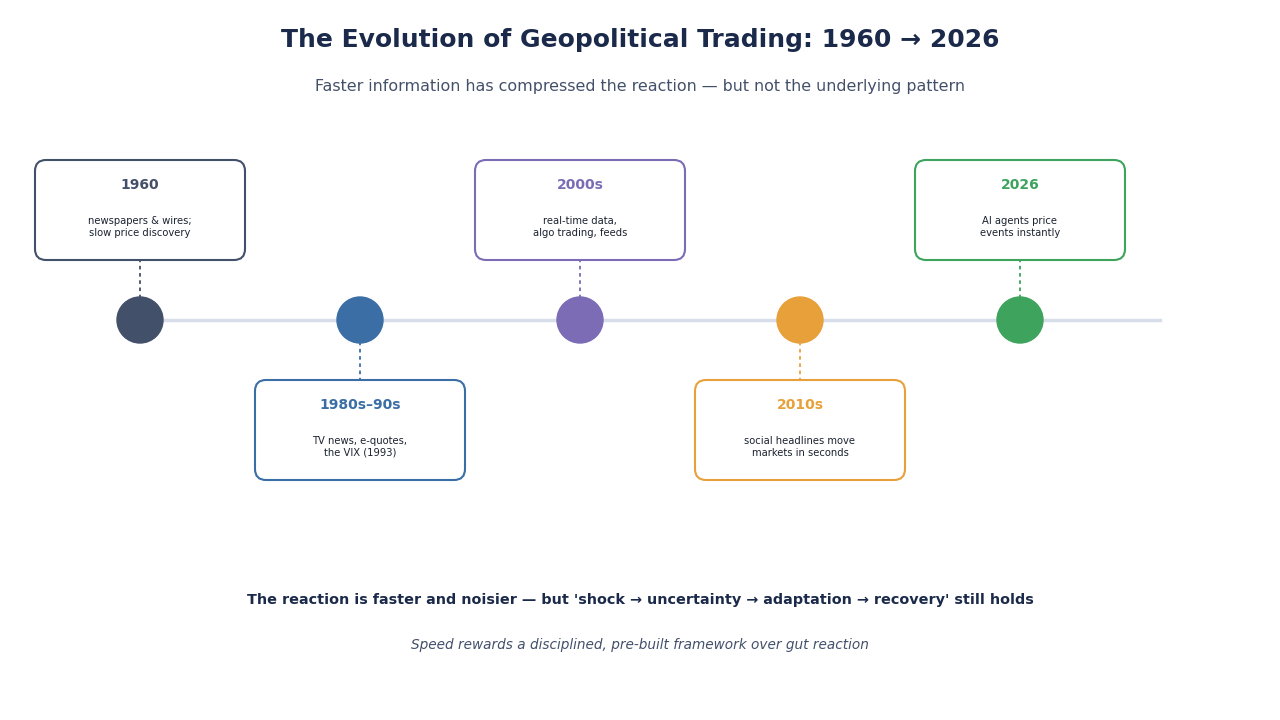
The Evolution of Geopolitical Trading: 1960 → 2026
Then vs Now
| Factor | 1960 | Today |
|---|---|---|
| Information Speed | Slow | Instant |
| Market Participants | Institutional | Global + Retail |
| Tools | Manual | AI-driven |
| Reaction Time | Days | Milliseconds |
The Rise of AI in Geopolitical Trading
Modern platforms like SimianX AI fundamentally change how traders respond to events like the U-2 incident.
Instead of:
- Waiting for news
- Manually analyzing charts
Traders can now:
- Receive real-time AI signals
- Simulate multiple scenarios
- Execute strategies instantly
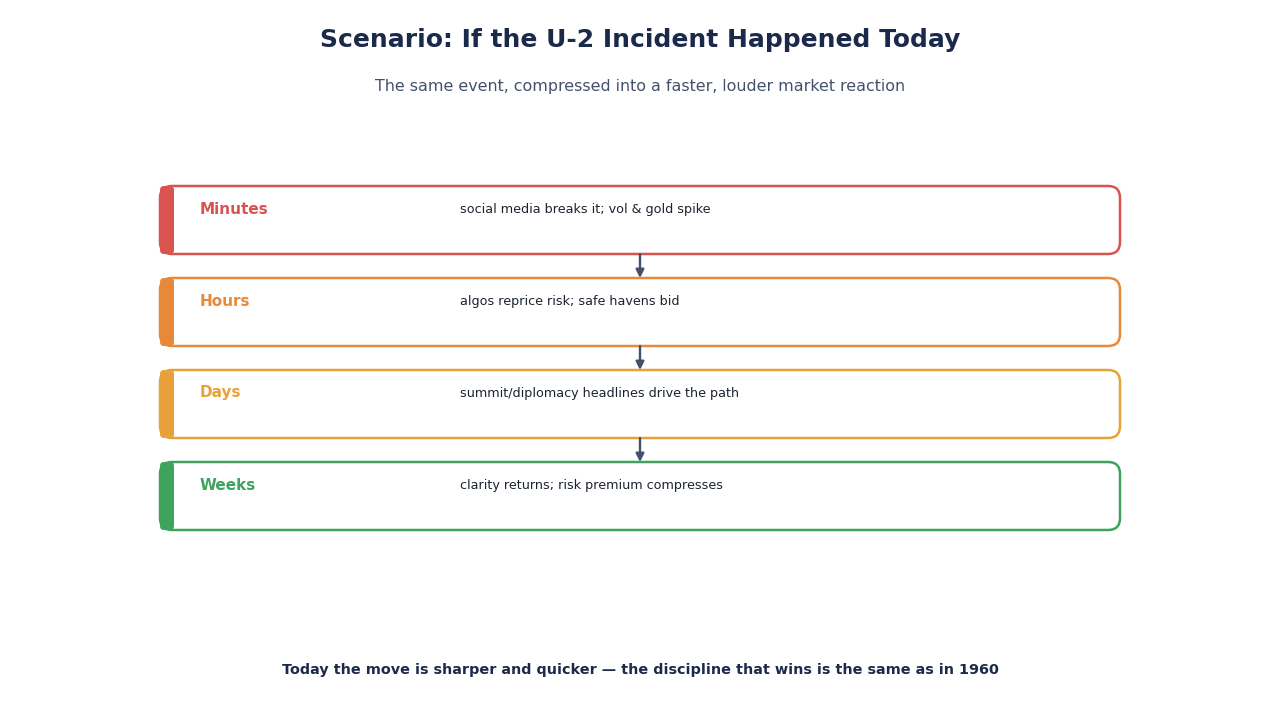
Scenario Simulation: If the U-2 Incident Happened Today
Let’s imagine the same event occurring in modern markets.
Immediate Reactions
- S&P 500 futures drop within seconds
- VIX spikes sharply
- Gold and Bitcoin rally
Within 1 Hour
- News sentiment models update
- AI trading systems adjust positions
- Liquidity temporarily dries up
Within 24 Hours
- Market stabilizes if no escalation
- Traders reposition based on probabilities
Key Takeaway
Speed has changed—but structure has not.
Advanced Strategy: Multi-Timeframe Geopolitical Trading
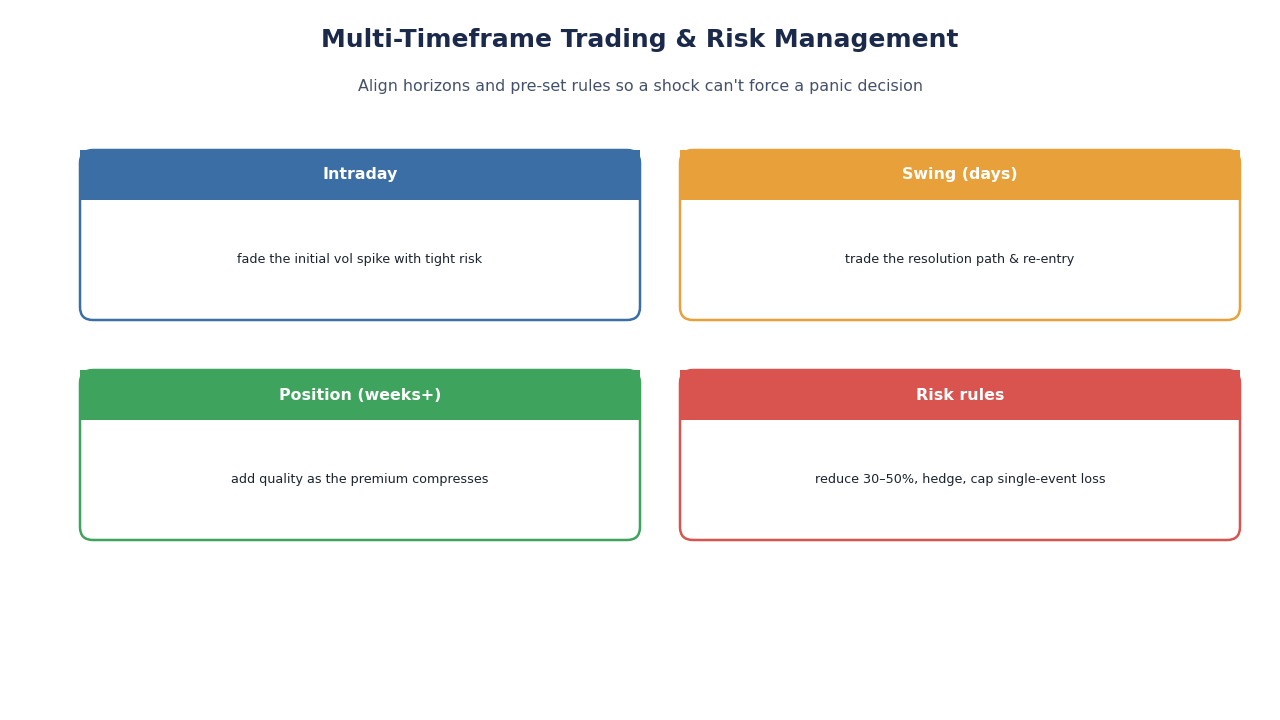
Using tools like SimianX AI, traders can analyze geopolitical events across multiple timeframes:
Short-Term (Minutes to Hours)
- News-driven volatility
- Scalping opportunities
Medium-Term (Days to Weeks)
- Trend formation
- Sector rotation
Long-Term (Months)
- Macro policy shifts
- Structural market changes
| Timeframe | Strategy |
|---|---|
| Short-term | Volatility trading |
| Medium-term | Trend following |
| Long-term | Macro positioning |
Risk Management in Geopolitical Events
No strategy is complete without risk control.
Core Risk Principles
- Never over-leverage during uncertainty
- Use stop-loss dynamically
- Diversify across assets
Example Risk Framework
- Reduce exposure by 30–50%
- Hedge with safe-haven assets
- Monitor real-time signals
- Re-enter after stabilization
“Survival is the first rule of trading—profit comes second.”
Integrating SimianX AI into Geopolitical Trading Workflow
To fully capitalize on geopolitical events, traders need structured systems.
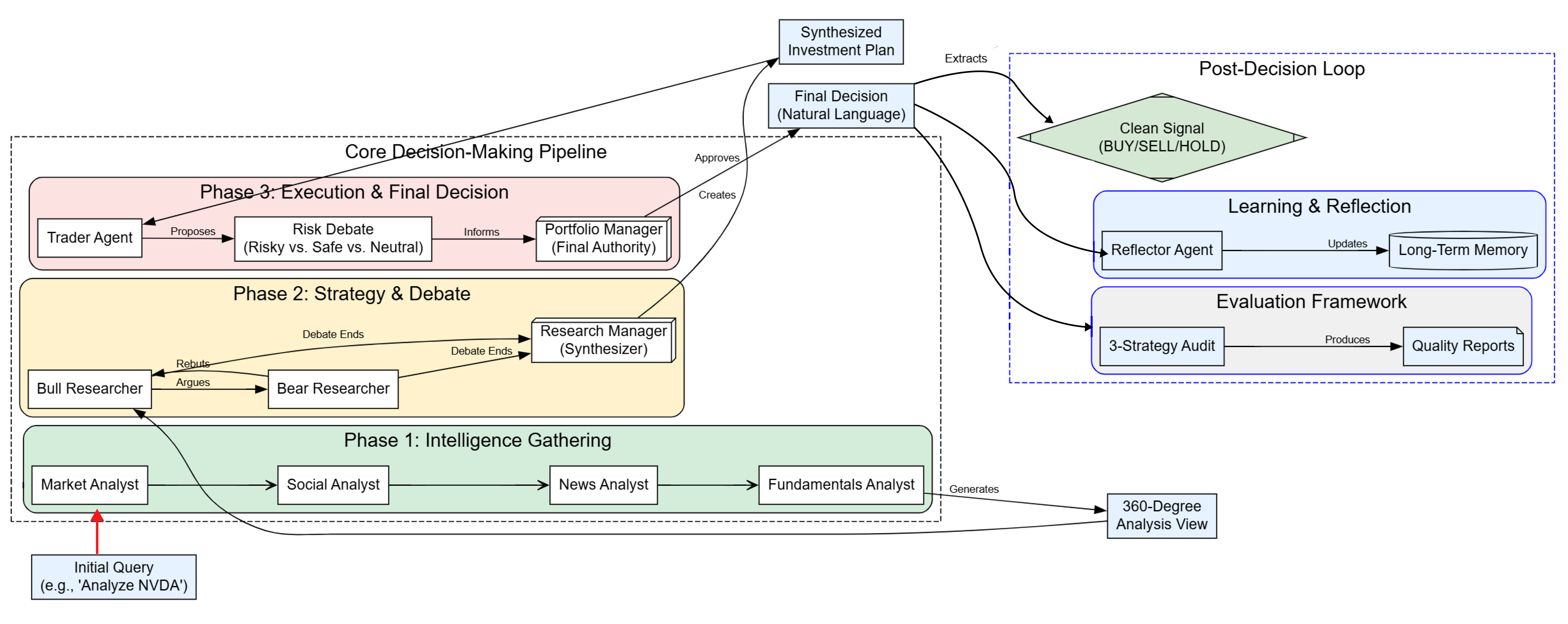
SimianX AI Workflow
- Detection
- AI scans global news
- Flags geopolitical anomalies
- Analysis
- Multi-agent models evaluate impact
- Cross-market correlations identified
- Execution
- Trade signals generated
- Risk levels assigned
- Monitoring
- Continuous updates
- Adaptive strategy adjustments
Why This Matters
The U-2 incident required:
- Manual interpretation
- Delayed reaction
Today, SimianX AI compresses this entire process into seconds.
Case Study Extension: Comparing Crisis Patterns
Pattern Recognition Across Events
| Pattern | U-2 Incident | Modern Events |
|---|---|---|
| Shock | Yes | Yes |
| Volatility Spike | Moderate | High |
| Recovery | Gradual | Faster |
| Narrative Shift | Strong | Strong |
Universal Pattern
“All geopolitical market reactions follow a structure: shock → uncertainty → adaptation → recovery.”
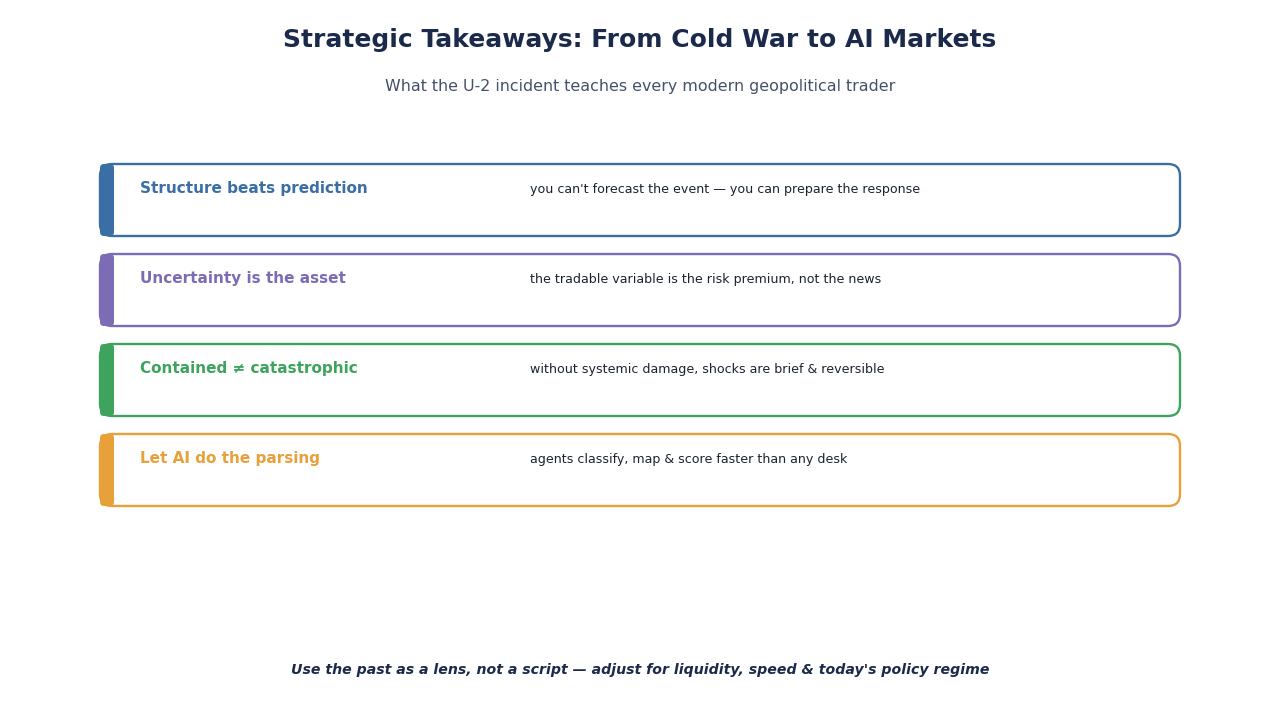
Strategic Takeaways for Traders
Key Lessons from the U-2 Incident
- Markets react to uncertainty, not just events
- Information delays create trading opportunities
- Volatility is both risk and opportunity
Actionable Insights
- Track geopolitical risk continuously
- Use AI tools for faster interpretation
- Focus on probability, not prediction
The Future of Geopolitical Trading
Looking ahead, geopolitical trading will become:
- More data-driven
- More AI-dependent
- More competitive
Emerging Trends
- AI-driven sentiment analysis
- Real-time global risk dashboards
- Integration of alternative data
The Role of SimianX AI
As markets evolve, platforms like SimianX AI will become essential:
- Translating complexity into clarity
- Providing actionable signals
- Enabling faster decisions
Final Reflection: From Cold War to AI Markets
The U-2 Incident (1960) and the stock market represent more than a historical case—they are a blueprint for understanding how markets respond to geopolitical shocks.
From:
- Slow information flows
To:
- Real-time AI-driven trading
The core principles remain unchanged.
Extended Conclusion
Geopolitical risk is not an anomaly—it is a constant.
The traders who succeed are those who:
- Understand historical patterns
- Adapt to modern tools
- Act with discipline
By combining historical insight with AI-powered execution, platforms like SimianX AI allow traders to transform uncertainty into opportunity.
In a world where the next “U-2 incident” could happen at any moment, the question is no longer if markets will react—but how prepared you are to trade it.
Related Reading
- Pearl Harbor 1941: Dow -19.8% Crash, 307-Day Recovery
- Gulf of Tonkin 1964: Small Event, Decade-Long Market Impact
- Syria Airstrike 2017: S&P 500 -1.2%, Same-Week Recovery
- 1991 Gulf War Countdown: Oil Doubles, Pre-Storm Stock Setup
- Iran-US War Impact on Stocks: AI Risk Signals Live
- 7 AI Risk Radars for Equities: Breadth, Revisions, Skew