
 Por Muke
Por Que a Ação da AVGO é Altista: Configuração de Rebound da ASIC de IA da Broadcom
Por Que a Ação da AVGO é Altista se tornou uma das perguntas mais importantes para os investidores que observam o ciclo de infraestrutura de IA após a forte queda da Broadcom após os resultados. A reação da ação parecia baixista à primeira vista, mas os sinais subjacentes do negócio contam uma história mais sutil: receita de semicondutores de IA acelerando, demanda por aceleradores personalizados disparando, forte fluxo de caixa livre e uma potencial configuração de rebound se os investidores separarem as expectativas de curto prazo das dinâmicas de longo prazo da ASIC de IA.
Na SimianX AI, os investidores podem abordar esse tipo de configuração com uma análise de ações estruturada e multi-agente em vez de reagir a uma manchete, um movimento de preço ou uma nota de analista.
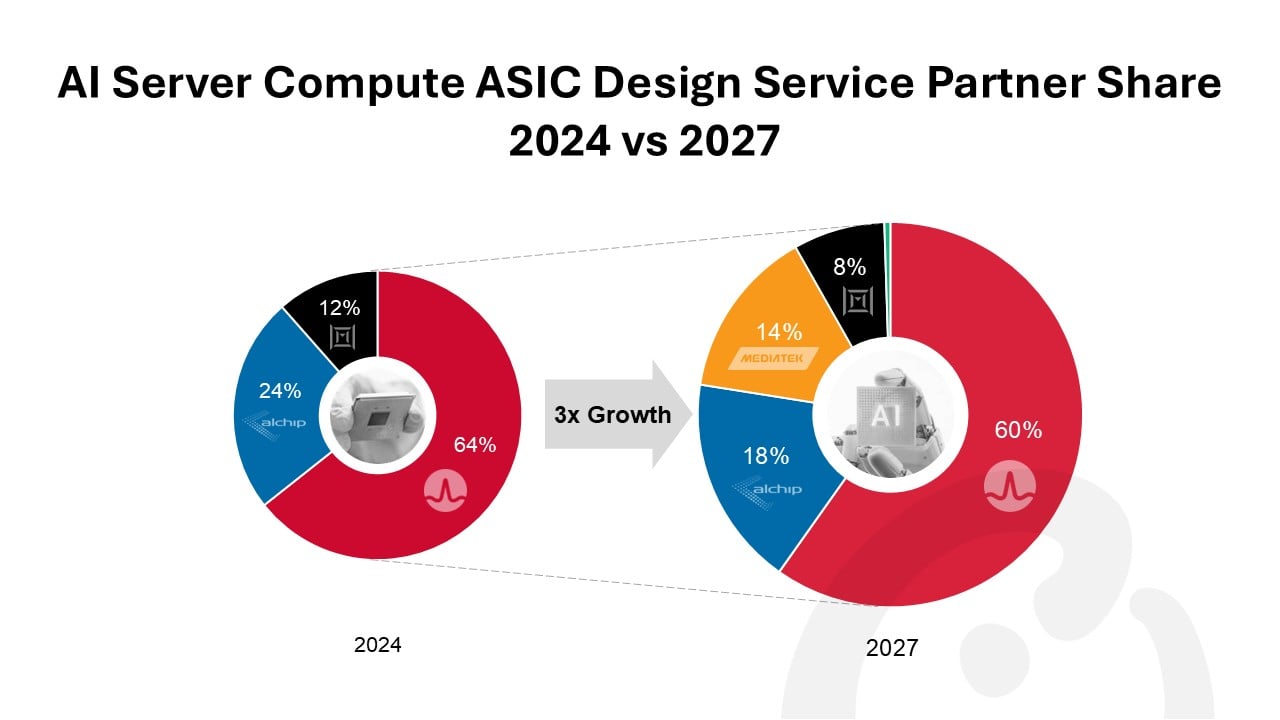
A Configuração Altista da AVGO: Pullback Primeiro, Tese Segundo
A reação mais recente dos resultados da Broadcom criou um dilema clássico de ações de alta qualidade: a empresa apresentou um forte crescimento em IA, mas a ação caiu porque as expectativas já estavam extremamente altas. Isso é importante porque uma configuração altista da AVGO não requer fingir que os riscos desapareceram. É necessário entender se o mercado puniu a ação por uma deterioração real nos fundamentos ou por não ter superado uma narrativa já agressiva.
O caso altista repousa sobre quatro pilares:
- A receita de semicondutores de IA está acelerando, não desacelerando.
- A demanda por ASICs personalizados de IA permanece estruturalmente apoiada pelos gastos em infraestrutura de IA em hiperescalas.
- A rede de IA oferece à Broadcom um segundo motor de crescimento além dos aceleradores.
- VMware e software de infraestrutura proporcionam durabilidade de fluxo de caixa que ações de chips de pura atuação frequentemente carecem.
Insight chave: A ação da AVGO pode ser altista mesmo após uma venda se a queda refletir compressão de expectativas em vez de colapso da tese.
A configuração é especialmente interessante porque AVGO não é uma simples ação de GPU. A Broadcom está em uma área diferente da pilha de IA: aceleradores personalizados, circuitos integrados específicos de aplicação, comutação Ethernet, conectividade óptica e software de infraestrutura. Isso dá à empresa várias maneiras de se beneficiar à medida que as cargas de trabalho de IA mudam de clusters de treinamento iniciais para implantações maiores, mais especializadas e focadas em eficiência.
Por que a ação da AVGO é otimista após a queda dos ASICs de IA?
A razão pela qual a ação da AVGO é otimista após a queda dos ASICs de IA é que a reação do mercado pode ter redefinido as expectativas de avaliação enquanto a trajetória de receita de IA continuou a melhorar. Em outras palavras, o gráfico de preços parecia fraco, mas os dados operacionais permaneceram fortes.
Essa distinção é crítica. As ações frequentemente caem após bons resultados quando os investidores estavam posicionados para a perfeição. No caso da Broadcom, a queda não se tratou apenas de saber se a demanda por IA existe. Tratou-se de saber se a empresa elevou o padrão o suficiente para satisfazer um mercado que já havia precificado um forte aumento de IA.
A Lógica do Rebate Otimista
| Motor Otimista | Por que isso importa para a ação da AVGO |
|---|---|
| Crescimento da receita de semicondutores de IA | Confirma que a Broadcom está monetizando a demanda de IA dos hyperscalers |
| Vitórias em design de ASIC personalizados | Cria relacionamentos com clientes de vários anos e visibilidade de receita |
| Demanda por rede de IA | Expande a oportunidade além dos chips para a arquitetura de data centers |
| Força do fluxo de caixa livre | Suporta dividendos, recompra de ações, redução de dívida e reinvestimento |
| Contribuição de software | Adiciona estabilidade de margem e resiliência de fluxo de caixa |
A configuração de recuperação se torna mais forte se os investidores virem evidências contínuas de conversão de backlog, aumentos de novos clientes e disciplina de margem. A ação não precisa de uma história perfeita. Ela precisa de um caminho credível onde o crescimento da receita de IA se converte em poder de lucro durável.
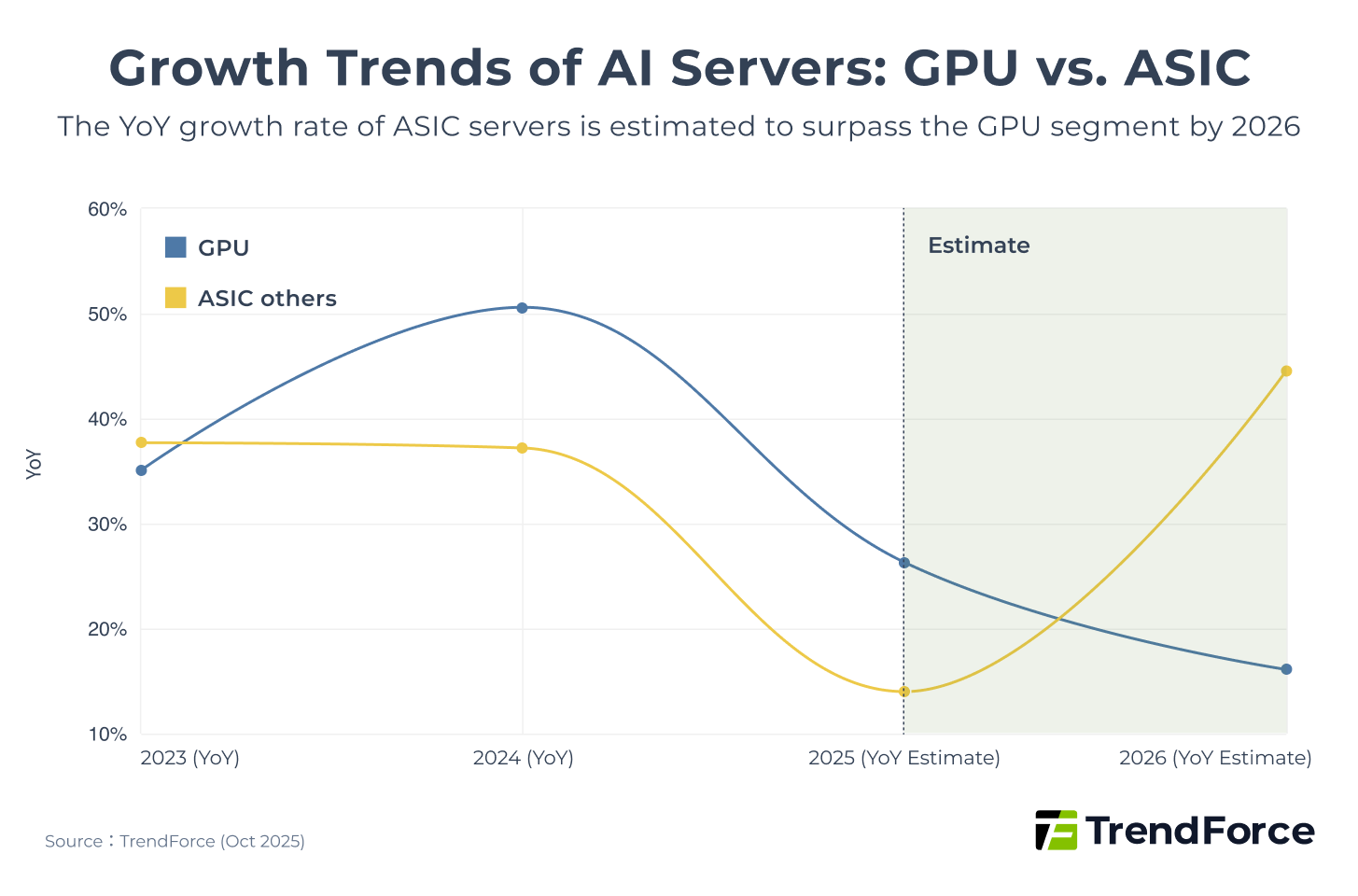
O Negócio de AI ASIC da Broadcom: O Que os Investidores Precisam Entender
O negócio de AI ASIC da Broadcom é diferente do modelo padrão de semicondutores. Em vez de vender um chip genérico para cada cliente, a Broadcom trabalha com grandes empresas de tecnologia para projetar aceleradores de AI personalizados otimizados para cargas de trabalho específicas. Esses chips são frequentemente chamados de ASICs, ou circuitos integrados específicos de aplicação.
Um ASIC personalizado pode ser atraente para hiperescaladores porque pode oferecer melhor desempenho por watt, melhor controle de custos e uma integração mais estreita com a pilha de software do cliente. Para a Broadcom, o modelo pode criar um bloqueio mais profundo do cliente e programas multi-anual mais visíveis.
Por Que os AI ASICs Personalizados São Importantes
Os chips de AI personalizados estão se tornando mais importantes porque o mercado de infraestrutura de AI está se movendo além da primeira fase de “comprar todas as GPUs disponíveis.” À medida que as cargas de trabalho amadurecem, grandes empresas de nuvem e AI querem cada vez mais silício adaptado às suas próprias necessidades.
Essa mudança apoia a Broadcom de três maneiras:
- Ciclos de design longos criam relacionamentos mais duradouros.
- Grandes implantações podem criar aumentos de receita em múltiplos trimestres.
- A demanda por redes e aceleradores pode se reforçar mutuamente.
A oportunidade da Broadcom não é apenas o chip em si. É a camada mais ampla de infraestrutura de AI ao redor do chip: switches, conectividade, rede Ethernet, óptica e integração em nível de sistema.
Frase otimista para lembrar: A Broadcom não está apenas vendendo chips de AI; está ajudando hiperescaladores a construir infraestrutura de AI personalizada.
A Configuração de Recuperação do AI ASIC em Três Estágios
Uma maneira prática de analisar a configuração de recuperação do AI ASIC da Broadcom é dividi-la em três estágios: reset, confirmação e reavaliação.
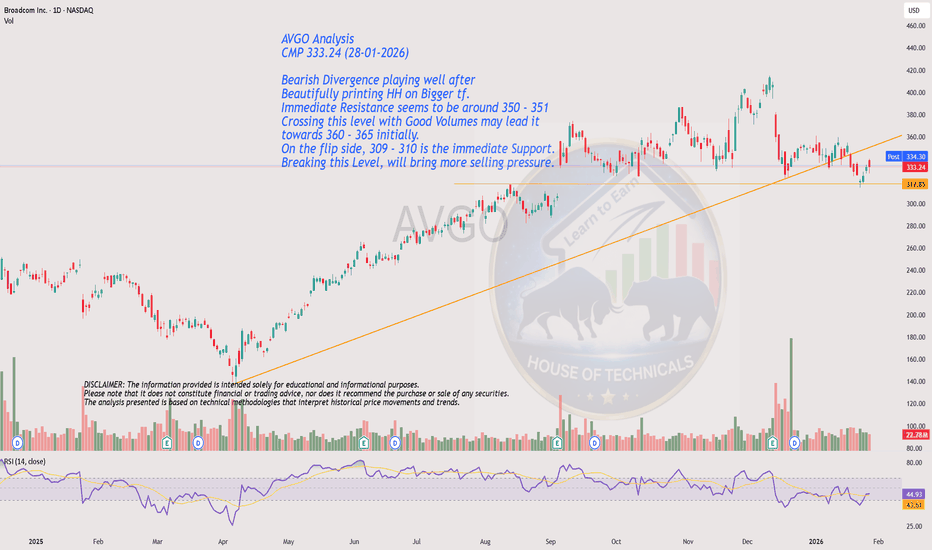
Estágio 1: Redefinição de Valoração
O primeiro estágio é a correção. Isso pode ser doloroso para os acionistas, mas também pode criar um setup mais saudável se remover o otimismo excessivo da ação. Quando uma ação sobe rapidamente antes dos resultados, mesmo resultados fortes podem não ser suficientes. Uma venda pode redefinir a taxa de obstáculo.
Para a AVGO, a questão chave é se a reação do mercado trouxe a valoração mais próxima de um nível onde o crescimento futuro da IA pode suportar outro avanço.
Estágio 2: Confirmação Fundamental
O segundo estágio é a confirmação. Os investidores precisam de evidências de que a tese de IA ASIC ainda está intacta. Isso significa observar:
- Crescimento da receita de semicondutores de IA
- Reservas de aceleradores personalizados
- Demanda por redes de IA
- Cronograma de implantação de hiperescaladores
- Impacto na margem bruta
- Conversão de fluxo de caixa livre
Uma recuperação otimista se torna mais credível quando os comentários da administração, os números reportados e as orientações apontam todos na mesma direção.
Estágio 3: Reavaliação de Múltiplos
O terceiro estágio é a reavaliação. Se os investidores recuperarem a confiança de que o crescimento de IA da Broadcom é durável, a ação pode começar a ser negociada menos como um fornecedor cíclico de chips e mais como um acumulador estratégico de infraestrutura de IA.
Isso não significa que o risco de valoração desaparece. Significa que o mercado pode estar disposto a pagar um prêmio se a Broadcom provar que a demanda por IA ASIC não é um pico de um ano, mas um ciclo de infraestrutura de vários anos.
O que torna a Broadcom diferente de outras ações de chips de IA?
Muitas ações de chips de IA sobem e descem com a mesma narrativa ampla de semicondutores. A Broadcom é diferente porque combina silício personalizado, redes e software de infraestrutura em um único modelo de negócios.
| Tipo de Empresa | Exposição Típica à IA | Diferença da Broadcom |
|---|---|---|
| Fornecedor de memória | Demanda por HBM, DRAM, NAND | A Broadcom se beneficia da arquitetura de sistema e conectividade |
| Fornecedor óptico/de redes | Movimento de dados dentro de clusters de IA | A Broadcom tem uma profunda exposição a Ethernet e comutação |
| Fornecedor de software empresarial | Receita recorrente de software | A Broadcom também possui crescimento em semicondutores em grande escala |
Essa combinação é importante porque os data centers de IA não são apenas problemas de computação. Eles também são problemas de rede, energia, software, eficiência e utilização. Quanto maiores os clusters de IA se tornam, mais valioso se torna o movimento de dados confiável.
Se as GPUs são os motores da infraestrutura de IA, a rede é o sistema rodoviário. A Broadcom tem uma exposição significativa a esse sistema rodoviário.
A SimianX AI pode ajudar os investidores a comparar essas camadas em um fluxo de trabalho: fundamentos, técnicos, sentimento de notícias, comentários sobre lucros e sinais de risco. Isso é especialmente útil para uma ação como a AVGO, onde a tese de investimento abrange várias linhas de negócios.
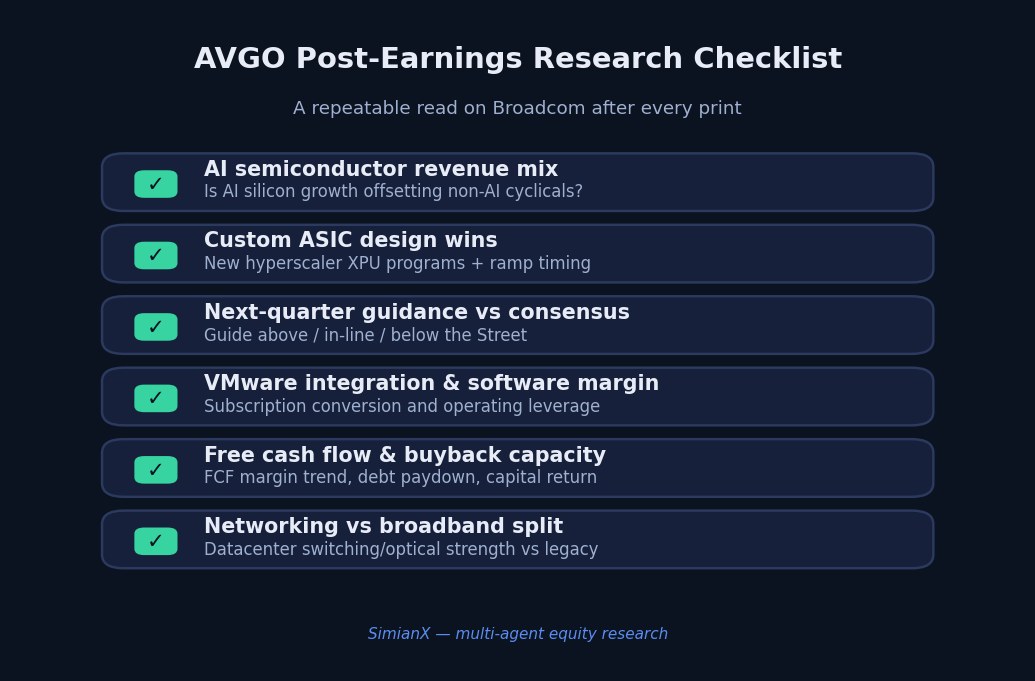
Como Analisar a Ação AVGO Após os Lucros
Os investidores que perguntam como analisar a ação AVGO após os lucros devem evitar focar apenas no movimento de preço principal. O melhor processo é separar o sinal do ruído.
Uma Lista de Verificação Prática para Pesquisa da AVGO
- Comece com a receita de semicondutores de IA.
O crescimento está acelerando, estável ou desacelerando?
- Compare a orientação com as expectativas.
A gestão orientou acima do consenso, em linha com o consenso ou abaixo do número sussurrado do mercado?
- Ouça a visibilidade do cliente.
As rampas de hyperscaler estão claramente descritas ou a gestão é vaga?
- Acompanhe a qualidade da margem.
O crescimento de IA é menos valioso se produzir pressão material sobre a margem.
- Observe o fluxo de caixa livre.
Uma forte geração de caixa pode apoiar retornos de longo prazo para os acionistas.
- Revise a avaliação após a venda.
Um grande negócio ainda pode ser uma ação arriscada se as expectativas permanecerem muito altas.
- Use análise de múltiplas fontes.
Combine documentos, chamadas de resultados, ação de preços, revisões de analistas e notícias em tempo real.
É aqui que ferramentas como SimianX AI podem ser valiosas. Em vez de costurar manualmente gráficos, manchetes, transcrições, indicadores técnicos e suposições de avaliação, os investidores podem usar um fluxo de trabalho multi-agente para desafiar a tese de vários ângulos.
Caso Bull, Caso Bear e Caso Base para a Ação da AVGO
Um artigo de pesquisa forte não deve apenas argumentar que a AVGO é otimista. Ele também deve definir o que pode dar errado. A melhor análise de ações começa com cenários.
Caso Bull: A Demanda por ASIC de IA Continua Acelerar
O caso otimista é que o pipeline de aceleradores personalizados da Broadcom continua a se converter em receita mais rapidamente do que o esperado. Nesse cenário, os hyperscalers continuam aumentando os orçamentos de infraestrutura de IA, a Broadcom ganha mais programas de silício personalizados e a demanda por redes de IA escala junto com as implantações de aceleradores.
Sinais otimistas incluem:
- Orientação mais alta para semicondutores de IA
- Comentários fortes sobre reservas ou backlog
- Ganhos adicionais de clientes
- Margens estáveis ou melhores do que o temido
- Crescimento contínuo do fluxo de caixa livre
- Recuperação técnica favorável após a venda
Sob este cenário, a ação da AVGO pode se recuperar porque os investidores começam a tratar a queda como um reset em vez de um aviso.
Caso Base: Negócio Forte, Ação Volátil
O caso base é que a Broadcom permanece fundamentalmente forte, mas a ação continua volátil porque as expectativas permanecem exigentes. A receita de IA continua a crescer, mas os investidores debatem a mistura de margens, concentração de clientes e avaliação.
Este é um cenário realista. A AVGO pode não se mover em linha reta, mesmo que a tese de longo prazo permaneça intacta.
Caso Bear: As Expectativas Eram Altas Demais
O cenário pessimista é que a demanda por IA permanece real, mas a ação já precificou demais. Os riscos incluem concentração de clientes, conversão mais lenta de backlog, pressão sobre preços, compressão de margens, restrições na cadeia de suprimentos ou competição de parceiros alternativos de silício personalizado.
Um resultado pessimista não requer que a Broadcom seja uma má empresa. Ele apenas requer que a avaliação da ação permaneça à frente dos fundamentos.
| Cenário | O que Acontece | Implicação para o Investidor |
|---|---|---|
| Cenário otimista | O crescimento de ASIC para IA acelera e as margens se mantêm | A AVGO pode se recuperar e ter uma reavaliação para cima |
| Cenário base | O crescimento permanece forte, mas a volatilidade persiste | Os investidores precisam de pontos de entrada disciplinados |
| Cenário pessimista | A qualidade ou visibilidade do crescimento decepciona | A compressão da avaliação pode continuar |
Principais Riscos para a Tese Otimista da AVGO
Mesmo que a configuração da ação da AVGO pareça otimista, os investidores devem manter o lado do risco visível. O maior erro em investir em IA é tratar a forte demanda como a mesma coisa que retornos garantidos das ações.
1. Risco de Avaliação
A AVGO já foi recompensada por sua posição em IA. Se a ação for negociada a um múltiplo premium, os resultados futuros precisam continuar a apoiar esse prêmio. Qualquer sinal de crescimento mais lento pode levar a uma compressão acentuada do múltiplo.
2. Concentração de Clientes
Programas personalizados de ASIC frequentemente dependem de um pequeno número de clientes muito grandes. Isso pode ser poderoso quando a demanda está aumentando, mas também pode criar volatilidade se um cliente atrasar a implantação, mudar de fornecedores ou mudar de estratégia.
3. Mistura de Margens
O crescimento de hardware de IA pode não ter o mesmo perfil de margem que software ou as franquias legadas de semicondutores da Broadcom. Os investidores devem observar se o aumento da receita de IA melhora ou dilui a rentabilidade geral.
4. Competição
O mercado de chips de IA está atraindo uma competição intensa. A Nvidia continua dominante em GPUs, enquanto os hyperscalers estão investindo em equipes internas de chips e parceiros alternativos. A vantagem da Broadcom é a expertise e a escala, mas a competição não desaparecerá.
5. Cronograma de Execução
Implantações grandes de infraestrutura de IA são complexas. Atrasos em energia, embalagem, memória, rede ou construção de data centers podem afetar o cronograma de reconhecimento de receita.
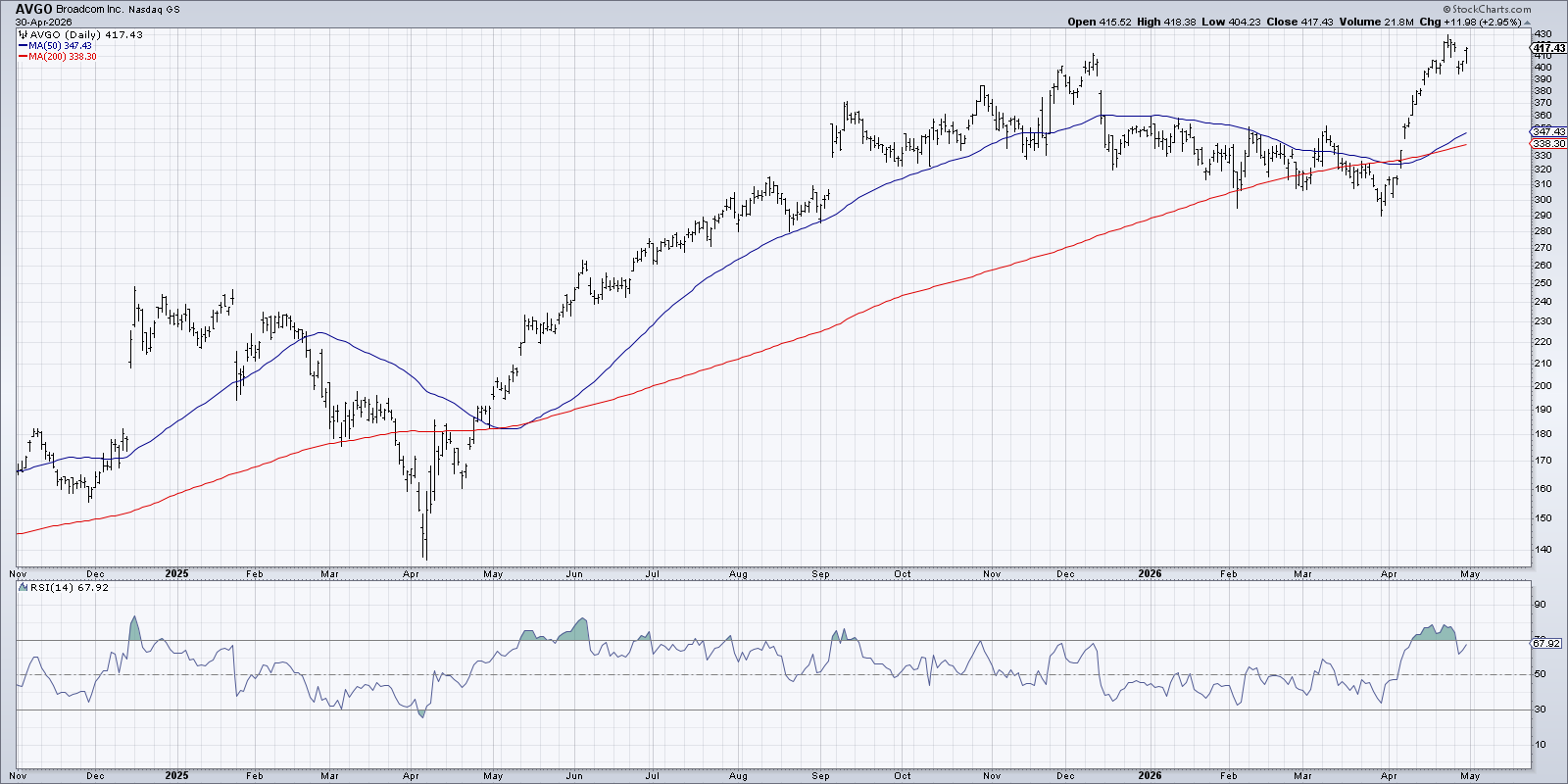
Melhor Maneira de Acompanhar a Configuração de Rebound da Broadcom AI ASIC
A melhor maneira de acompanhar a configuração de rebound da Broadcom AI ASIC é monitorar a tese em fundamentos, sentimento, técnicos e avaliação em vez de confiar em uma única métrica.
A Estrutura de Quatro Sinais
| Tipo de Sinal | O que Observar | Interpretação Bullish |
|---|---|---|
| Fundamentos | Receita de IA, margens, fluxo de caixa livre | Crescimento se converte em poder de lucro |
| Sentimento | Tom das notícias, revisões de analistas, linguagem da chamada | A confiança melhora após a venda |
| Técnicos | Suporte, resistência, volume, recuperação de tendência | Compradores entram em mínimas mais altas |
| Avaliação | Lucros futuros, fluxo de caixa, prêmio de crescimento | Múltiplo se torna mais razoável |
Um investidor disciplinado pode usar essa estrutura para evitar dois erros comuns: comprar apenas porque a ação caiu, ou evitar a ação apenas porque o mercado reagiu negativamente.
O objetivo não é prever cada movimento. O objetivo é saber quais evidências confirmariam ou invalidariam a tese.
Como a SimianX AI Ajuda Investidores a Pesquisar Ações da AVGO
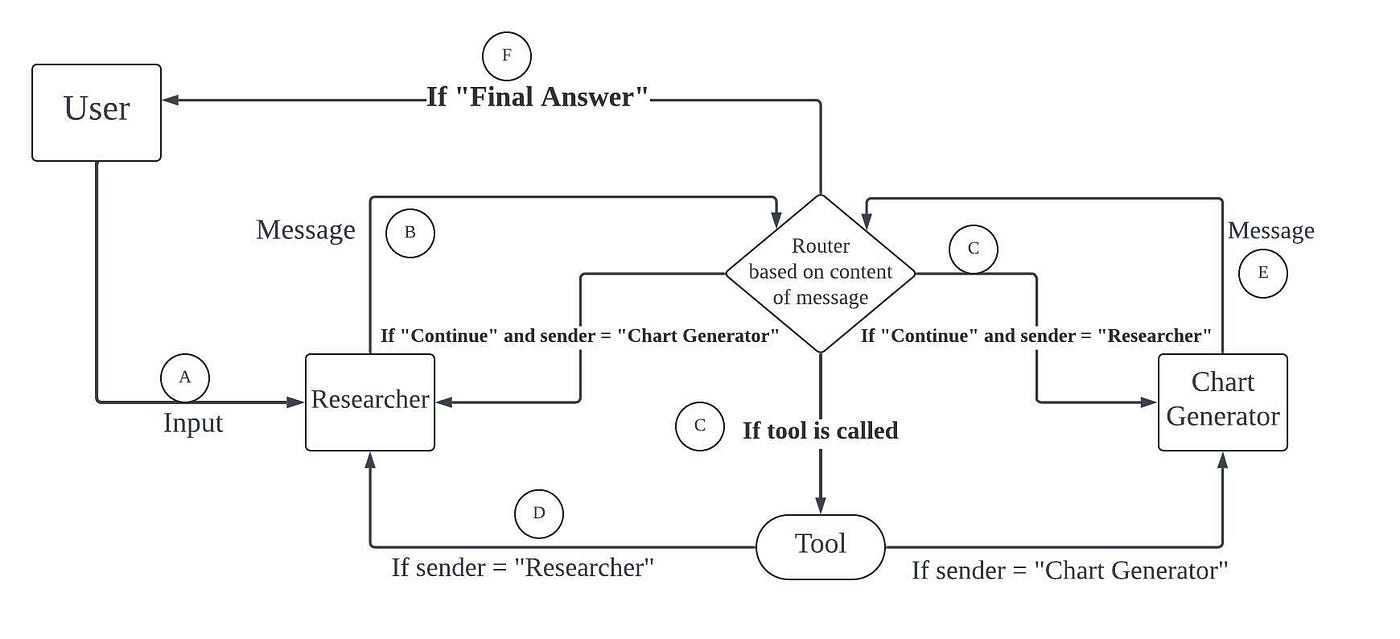
A SimianX AI é construída exatamente para esse tipo de configuração de ações complexas. A tese de rebound da Broadcom AI ASIC não é uma questão de uma única variável. Ela exige que os investidores avaliem a demanda de IA, margens de semicondutores, fluxo de caixa de software, sentimento do mercado e comportamento técnico de preços ao mesmo tempo.
Com a SimianX AI, os investidores podem usar a análise de múltiplos agentes para revisar:
- Dados financeiros da empresa e relacionados à SEC
- Sinais do balanço patrimonial e da demonstração de resultados
- Indicadores técnicos como RSI, MACD, médias móveis e perfis de volume
- Sentimento de notícias e manchetes que movimentam o mercado
- Lógica de recomendação de compra, manutenção ou venda com pontuação de confiança
- Resultados de pesquisa compartilháveis para revisão e pós-análise
Isso é importante porque a AVGO é uma ação com forte narrativa. Uma única manchete otimista pode esconder riscos de avaliação, enquanto uma única reação negativa da ação pode esconder fundamentos em melhoria. A pesquisa de múltiplos agentes ajuda os investidores a testar a pressão de ambos os lados.
FAQ Sobre Por Que a Ação AVGO é Otimista
Qual é a configuração de recuperação de AI ASIC da Broadcom?
A configuração de recuperação de AI ASIC da Broadcom refere-se à possibilidade de que a ação AVGO possa se recuperar após uma queda, pois a demanda por aceleradores de AI personalizados e redes da empresa permanece forte. A configuração depende de se o crescimento da receita de AI continua, se as margens se mantêm e se os investidores recuperam a confiança na tese de longo prazo.
Como os AI ASICs personalizados ajudam o caso otimista da Broadcom?
Os AI ASICs personalizados ajudam a Broadcom porque criam relacionamentos profundos com clientes de hyperscale que precisam de chips especializados para treinamento e inferência de AI. Esses programas podem suportar visibilidade de receita de vários anos, especialmente quando combinados com a demanda por infraestrutura de rede e óptica.
A ação AVGO é otimista após os lucros?
A ação AVGO pode ser otimista após os lucros se a venda foi causada principalmente por altas expectativas em vez de fundamentos enfraquecidos. Os investidores devem comparar a reação do preço com o crescimento da receita de AI, orientações, comentários sobre backlog, margens e fluxo de caixa livre antes de decidir.
Qual é o maior risco para a tese do chip AI da AVGO?
O maior risco é que o mercado já pode estar precificando anos de crescimento em IA. Mesmo que a Broadcom execute bem, a concentração de clientes, pressão sobre margens, atrasos nas implantações ou compressão de avaliação podem limitar a alta das ações.
Qual é a melhor maneira de pesquisar as ações da AVGO agora?
A melhor maneira de pesquisar as ações da AVGO agora é usar uma estrutura baseada em cenários que combine fundamentos, aspectos técnicos, avaliação, linguagem de chamadas de lucros e sentimento de notícias. Plataformas como SimianX AI podem ajudar os investidores a estruturar essa pesquisa de forma mais clara e evitar depender de uma única narrativa.
Conclusão: Por que as ações da AVGO são otimistas, mas não sem riscos
O argumento para por que as ações da AVGO são otimistas se resume a uma ideia simples, mas poderosa: a correção da Broadcom após os lucros pode ter redefinido as expectativas, enquanto os motores de crescimento em IA ASIC e rede da empresa permanecem intactos. A tese otimista é apoiada pelo aumento da receita de semicondutores em IA, demanda por silício personalizado, fluxo de caixa de software de infraestrutura e a crescente importância da rede dentro de grandes centros de dados de IA.
No entanto, otimista não significa sem riscos. Os investidores da AVGO ainda precisam observar a avaliação, a concentração de clientes, a mistura de margens, a pressão competitiva e o timing das implantações. A abordagem mais forte não é perseguir as ações cegamente, mas acompanhar as evidências que confirmam ou enfraquecem a configuração de recuperação.
Para investidores que desejam uma maneira mais clara e disciplinada de avaliar a AVGO e outras ações de infraestrutura em IA, explore SimianX AI. O SimianX AI ajuda a transformar sinais de mercado complexos em pesquisas estruturadas e multi-agente, para que você possa ir além das manchetes e tomar decisões mais bem informadas.
Leitura Relacionada
- Resultados Broadcom 2026: ASIC de IA e a ação AVGO
- Micron (MU): Por que HBM3e a Torna a Aposta IA 2026
- Ação da Dell +17% em 2026: o catalisador de servidores AI
- AI & Inovação em Chips Transformarão a Previsão de Mercado
- IA Multi-Agente vs ChatGPT para NVDA: Comparativo 2026