
 Bởi Muke
Tại sao cổ phiếu Mỹ và tiền điện tử giảm mạnh trong tuần này
Vào đầu tháng 2 năm 2026, nhiều nhà đầu tư đã đặt ra cùng một câu hỏi: tại sao cổ phiếu Mỹ và tiền điện tử giảm mạnh trong tuần này. Câu trả lời ngắn gọn là nhiều cú sốc đã tác động đến cùng một “cơ chế rủi ro” vào cùng một thời điểm: những nghi ngờ về định giá AI/công nghệ, việc định giá lại chính sách liên quan đến lãnh đạo Fed và kỳ vọng thanh khoản, một cú sốc về độ biến động buộc phải giảm đòn bẩy, và các cơ chế thanh lý cụ thể của tiền điện tử biến việc bán bình thường thành những khoảng trống bất ngờ.
Nghiên cứu này phân tích các yếu tố thúc đẩy, các kênh truyền tải đã khiến cổ phiếu và tiền điện tử giảm cùng nhau, và một quy trình giám sát thực tiễn mà bạn có thể thực hiện trong SimianX AI để tránh giao dịch mù quáng trong các đợt giảm giá chéo tài sản.
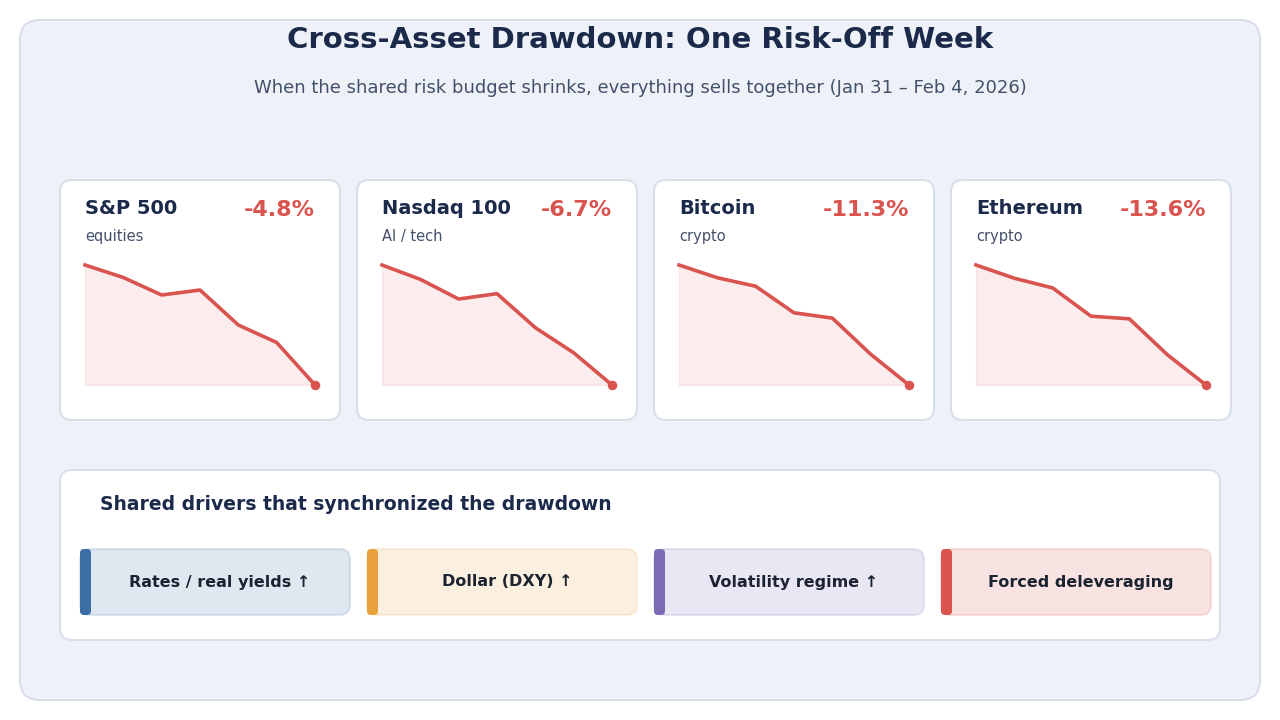
Điều gì thực sự đã xảy ra: một chuỗi rủi ro trong một tuần (31 tháng 1–4 tháng 2, 2026)
Khi mọi người nói “cổ phiếu và tiền điện tử giảm cùng nhau,” họ thường ám chỉ đến một chuỗi sự kiện hơn là một nguyên nhân duy nhất. Đây là chuỗi sự kiện điển hình:
- Cú sốc kể chuyện xảy ra (thu nhập, chính sách, địa chính trị, hoặc cả ba).
- Lãi suất và đô la được định giá lại (lợi suất thực cao hơn và/hoặc
DXYmạnh hơn).
- Cổ phiếu có thời gian dài (đặc biệt là AI/phần mềm) giảm mạnh.
- Độ biến động tăng, các mô hình rủi ro cắt giảm tiếp xúc (bán hệ thống).
- Tiền điện tử giảm đòn bẩy nhanh hơn vì các thanh lý phái sinh là cơ học.
- Cửa sổ thanh khoản mỏng (cuối tuần trong tiền điện tử, cuối ngày trong cổ phiếu) khuếch đại các biến động.
Thông tin quan trọng: Các đợt bán tháo có tương quan không yêu cầu các yếu tố cơ bản giống hệt nhau—chúng yêu cầu các điều kiện tài trợ chung, vị trí, và ràng buộc rủi ro.
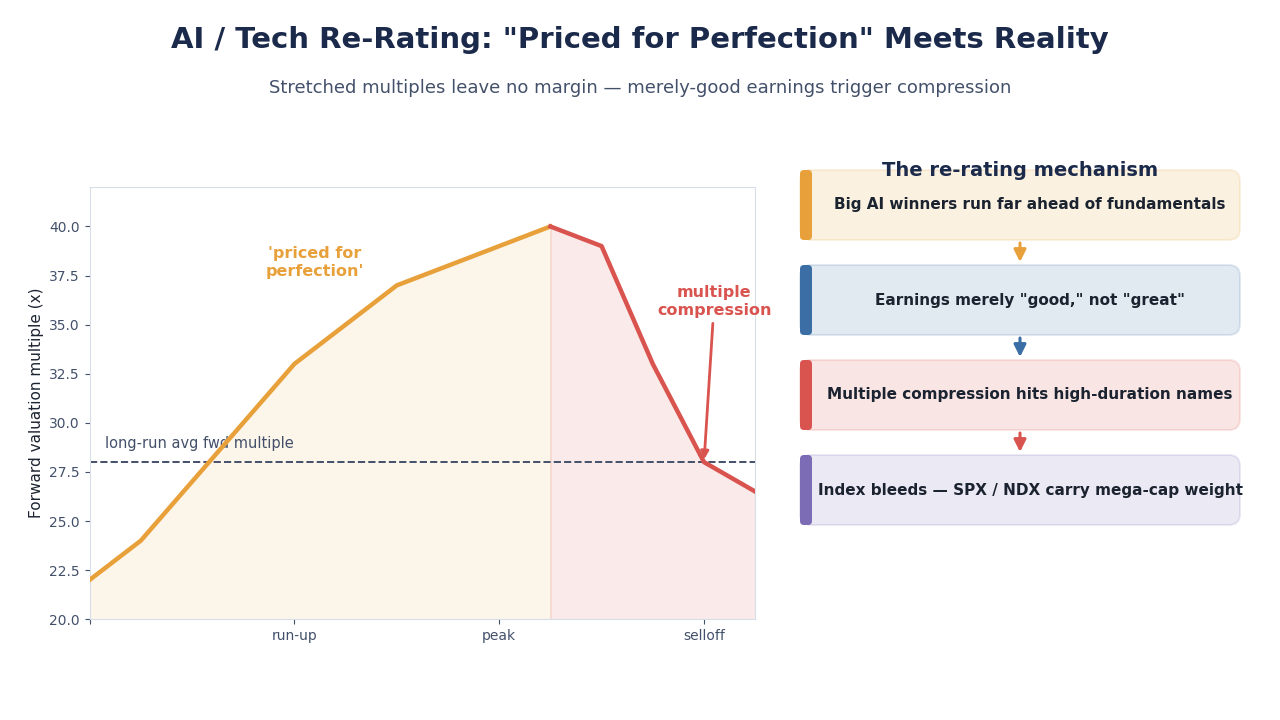
1) Định giá lại AI/công nghệ: khi “được định giá cho sự hoàn hảo” gặp thực tế
Một yếu tố chính thúc đẩy cổ phiếu trong tuần qua là sự bán tháo mạnh mẽ trong công nghệ liên quan đến AI, bao gồm các tên tuổi trong lĩnh vực bán dẫn và phần mềm. Cơ chế là điều quan trọng:
- Những người chiến thắng lớn trong AI đã chạy vượt xa các yếu tố cơ bản, để lại ít không gian cho sự thất vọng.
- Lợi nhuận và hướng dẫn chỉ đơn giản là “tốt” (không phải “vĩ đại”) đã kích hoạt sự nén nhiều lần.
- Các nhà đầu tư đã chuyển từ tăng trưởng đắt đỏ sang giá trị/cyclical rẻ hơn—vì vậy tiêu đề trông có vẻ hỗn hợp, nhưng trọng số công nghệ kéo chỉ số xuống.
Về mặt thực tiễn: khi sự lãnh đạo của các công ty lớn/AI yếu đi, hiệu suất cấp chỉ số thường theo sau vì SPX và NDX rất nhạy cảm với những trọng số đó. Đó là lý do tại sao bạn có thể thấy “nhiều cổ phiếu tăng” trong khi chỉ số vẫn giảm.
Tại sao điều này ảnh hưởng đến tiền điện tử
“Beta” của tiền điện tử đối với chế độ tâm lý AI/công nghệ đã tăng lên trong các giai đoạn khi:
- Dòng vốn bán lẻ và động lực chồng chéo lên nhau,
- Tính thanh khoản vĩ mô chi phối các câu chuyện tiền điện tử cá biệt,
- Đòn bẩy cao và các quỹ kiểm soát biến động đang hoạt động.
Vì vậy, một sự rung lắc trong AI/công nghệ có thể trở thành một dấu hiệu rủi ro toàn cầu—đặc biệt khi kết hợp với các động thái lãi suất và đô la.
2) Tái định giá đường đi chính sách: lãi suất, kỳ vọng bảng cân đối kế toán và cú sốc thanh khoản
Cổ phiếu và tiền điện tử chia sẻ một điểm yếu: cả hai đều nhạy cảm với thanh khoản. Khi thị trường tái định giá:
- thời gian dự kiến của việc cắt giảm lãi suất,
- “sự chặt chẽ” của các điều kiện tài chính,
- hoặc con đường cho bảng cân đối kế toán của Fed,
…bạn thường thấy sự giảm giá đồng thời trên các tài sản đầu cơ.
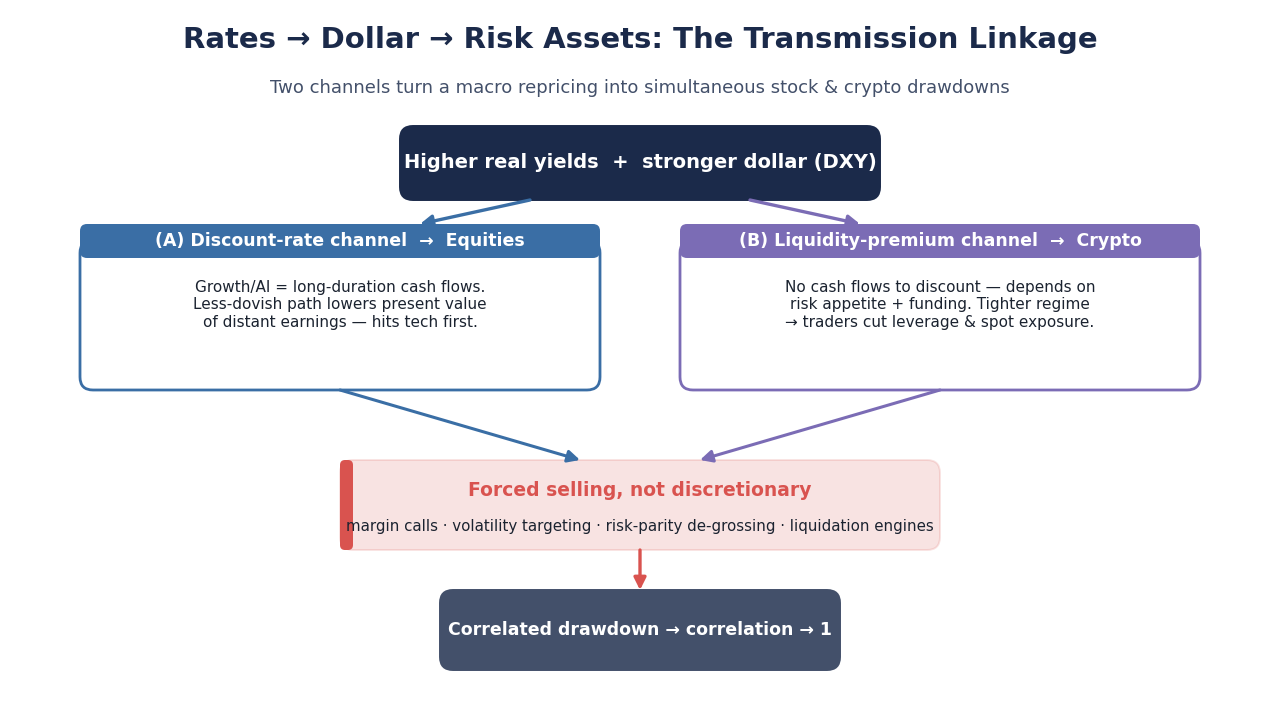
Hai kênh quan trọng:
(A) Kênh lãi suất chiết khấu (cổ phiếu):
Công nghệ tăng trưởng cao hành xử như một tài sản có thời gian dài. Nếu thị trường nghĩ rằng chính sách sẽ ít ôn hòa hơn (hoặc thanh khoản ít phong phú hơn), giá trị hiện tại của các dòng tiền xa xôi sẽ giảm trước—ảnh hưởng nặng nề nhất đến AI/phần mềm.
(B) Kênh phí thanh khoản (tiền điện tử):
Crypto không có dòng tiền để chiết khấu, nhưng nó phụ thuộc nhiều vào khả năng chấp nhận rủi ro + điều kiện tài trợ. Nếu các nhà giao dịch dự đoán một chế độ thanh khoản chặt chẽ hơn, họ sẽ giảm đòn bẩy và mức độ tiếp xúc với thị trường. Điều này có thể trông giống như “sự mất niềm tin đột ngột,” nhưng thường là một phản ứng tài trợ hợp lý.
Gợi ý “cơ sở hạ tầng” trong thế giới thực: giảm đòn bẩy và bán tháo cưỡng bức
Trong những tuần rủi ro thấp, hành động giá gây thiệt hại nhất không phải là bán tự nguyện - đó là bán tháo cưỡng bức:
- gọi ký quỹ,
- nhắm đến độ biến động,
- giảm quy mô hệ thống theo xu hướng/rủi ro,
- và, trong crypto, các động cơ thanh lý.
3) Tăng tốc của crypto: chuỗi thanh lý + thanh khoản mỏng
Crypto thường giảm nhanh hơn cổ phiếu do cấu trúc thị trường của nó:
- Hợp đồng tương lai vĩnh viễn làm cho việc sử dụng đòn bẩy trở nên dễ dàng.
- Các quy tắc thanh lý là tự động.
- Thanh khoản vào cuối tuần có thể mỏng.
- Khi giá giảm qua các mức quan trọng, thanh lý dài trở thành bán trên thị trường, đẩy giá xuống thấp hơn, kích hoạt nhiều thanh lý hơn.
Bánh đà thanh lý (mô hình đơn giản)
- Giá giảm → đòn bẩy tăng (so với tài sản thế chấp)
- Thanh lý kích hoạt → bán trên thị trường vào sổ lệnh
- Trượt giá tăng → nhiều vị thế vi phạm ngưỡng
- Lợi ích mở bị nén → độ biến động tăng vọt
- Các nhà quản lý rủi ro cũng cắt giảm vị thế → làn sóng thứ hai giảm xuống
Đây là lý do tại sao một động thái 2–3% có thể đột ngột trở thành 8–12% trong một khoảng thời gian ngắn—đặc biệt khi tâm lý đã yếu ớt.
Điểm rút ra thực tiễn cho giao dịch:
Nếu bạn đang giao dịch BTC/ETH trong một tuần như thế này, lợi thế của bạn thường đến từ biết khi nào thanh lý đang điều khiển thị trường so với khi nào các yếu tố cơ bản đang chi phối.
4) Tại sao cổ phiếu và crypto di chuyển cùng nhau: một khung “ngân sách rủi ro” chung
Hãy nghĩ về các thị trường như ngân sách rủi ro thay vì các thế giới tách biệt. Khi “ngân sách rủi ro” thu hẹp, nhiều tài sản sẽ bán tháo cùng nhau.
Bốn yếu tố chung đồng bộ hóa sự giảm giá
- Chi phí tài trợ: lợi suất cao hơn → đòn bẩy thấp hơn → định giá thấp hơn.
- Di chuyển của đồng đô la: một
DXYmạnh hơn thường gây áp lực lên các tài sản rủi ro toàn cầu.
- Chế độ biến động: biến động thực tế cao hơn buộc phải giảm vị thế.
- Tình trạng đông đúc vị thế: nếu mọi người đều sở hữu cùng một giao dịch “tương lai” (AI + tài sản kỹ thuật số), các lối thoát trở nên tương quan.
| Yếu tố | Cổ phiếu (tác động) | Tiền điện tử (tác động) | Những gì cần theo dõi |
|---|---|---|---|
| Lãi suất / lợi suất thực | Nén nhiều lần trong tăng trưởng | Giảm đòn bẩy, rủi ro giảm | US10Y, các chỉ số lợi suất thực |
| Sức mạnh của đồng đô la | Khẩu vị rủi ro toàn cầu bị ảnh hưởng | Tính thanh khoản USD thắt chặt | DXY, biến động FX |
| Bất ngờ về lợi nhuận | Giảm chỉ số do ngành dẫn dắt | Tâm lý lan tỏa | lợi nhuận của các công ty lớn + AI |
| Giảm đòn bẩy cưỡng bức | Bán hệ thống | Chuỗi thanh lý | biến động tăng, OI/thanh lý |
5) Một “bản đồ nguyên nhân” của sự sụt giảm tuần này: cách nhiều cú sốc chồng chất
Trong tuần qua, sự giảm giá không phải là một tiêu đề đơn lẻ—nó là chồng chất:
- Nghi ngờ về AI/công nghệ đã làm suy yếu nhóm lãnh đạo.
- Định giá chính sách/tính thanh khoản đã thắt chặt điều kiện ở mức biên.
- Biến động tăng, cắt giảm ngân sách rủi ro.
- Thanh lý tiền điện tử đã khuếch đại sự giảm giá một cách cơ học.
- Căng thẳng địa chính trị đã thêm sự không chắc chắn và hỗ trợ tâm lý giảm rủi ro.
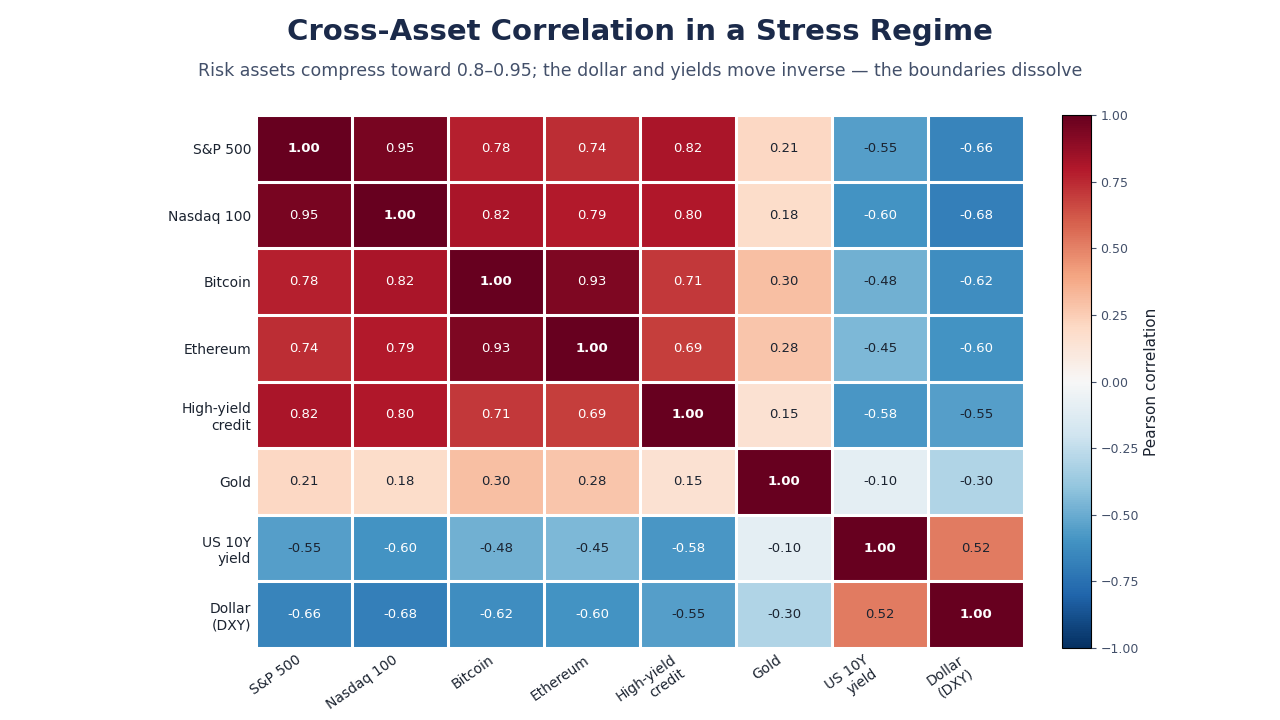
Khi những điều này chồng chất, tương quan lên đến 1. Đó là lý do bạn thấy cả hai thị trường giảm—thường vào cùng một ngày.
6) Cách sử dụng SimianX AI để theo dõi (và sống sót) qua các đợt bán tháo giữa các tài sản
Nếu mục tiêu của bạn không chỉ là “biết lý do,” mà là hành động sớm hơn, quy trình làm việc của bạn cần ba điều:
1) tín hiệu cảnh báo sớm,
2) xác nhận giữa các tài sản,
3) quy tắc rủi ro rõ ràng.
Dưới đây là một khuôn khổ thực tiễn, có thể lặp lại mà bạn có thể chạy trong SimianX AI.
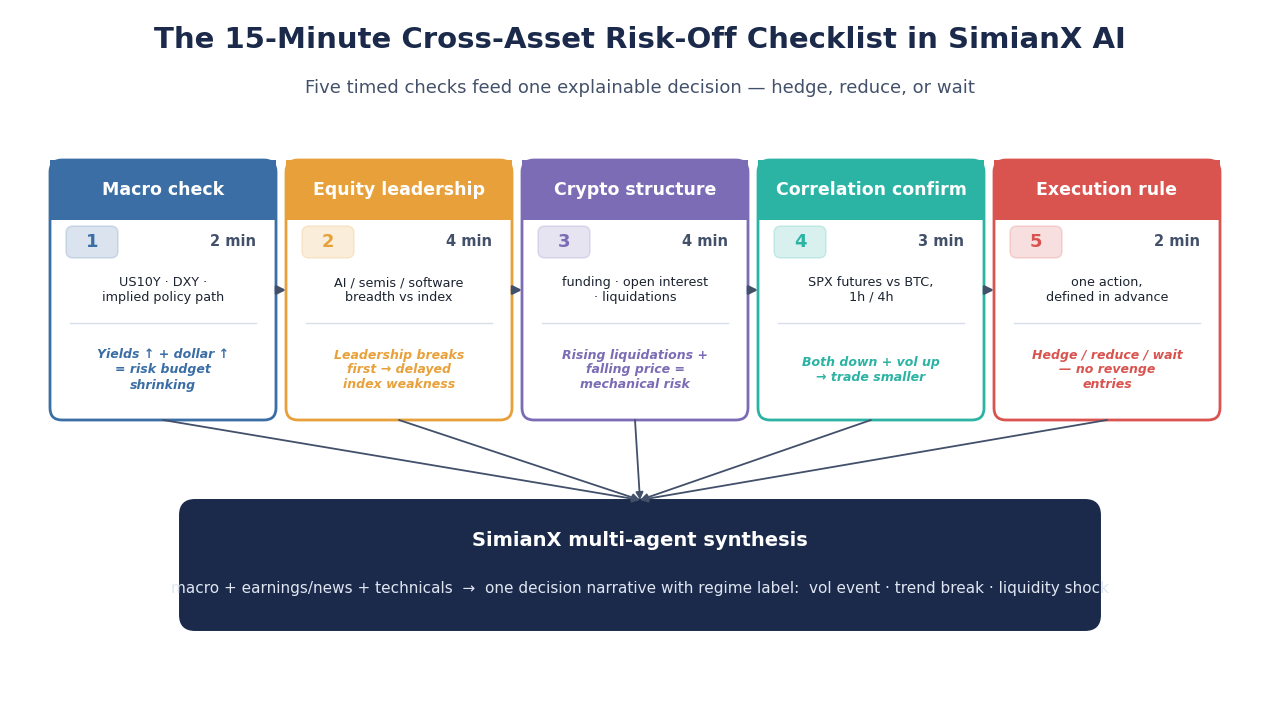
Bước từng bước: danh sách kiểm tra “không rủi ro” 15 phút (hàng ngày)
- Kiểm tra vĩ mô (2 phút)
Theo dõi US10Y, DXY, và con đường chính sách ngụ ý của thị trường.
- Nếu lợi suất tăng và đồng đô la mạnh lên cùng nhau, giả định ngân sách rủi ro thu hẹp.
- Kiểm tra lãnh đạo cổ phiếu (4 phút)
Nhìn vào độ rộng AI/semis/phần mềm so với chỉ số.
- Nếu lãnh đạo bị phá vỡ trong khi chỉ số giữ vững một cách tạm thời, mong đợi yếu kém chỉ số bị trì hoãn.
- Kiểm tra cấu trúc tiền điện tử (4 phút)
Theo dõi vốn, lãi suất mở, và áp lực thanh lý.
- Tăng áp lực thanh lý + giá giảm = rủi ro giảm cơ học.
- Xác nhận tương quan (3 phút)
So sánh xu hướng hợp đồng tương lai SPX với xu hướng BTC trên các khung thời gian 1h/4h.
- Nếu cả hai đều giảm và độ biến động đang tăng, đừng chống lại nó—giao dịch nhỏ hơn.
- Quy tắc thực hiện (2 phút)
Định nghĩa một hành động: phòng ngừa, giảm bớt, hoặc chờ đợi.
- Tránh “những lần vào lệnh trả thù” trong các băng thanh lý.
Trong những tuần hỗn loạn, lợi thế lớn nhất của bạn thường là kích thước vị thế và thời gian, không phải dự đoán.
Nơi SimianX AI giúp đỡ cụ thể
- Tổng hợp đa tác nhân: kết hợp vĩ mô + thu nhập/tin tức + kỹ thuật thành một câu chuyện quyết định duy nhất.
- Sự rõ ràng đa khung thời gian: xác nhận xem một động thái là một cú rửa 1h hay một sự phá vỡ xu hướng 1d.
- Giải thích: hiểu xem yếu tố thúc đẩy là “sốc lãi suất,” “thu nhập AI,” hay “chuỗi thanh lý.”
Và vì bài viết này được xây dựng cho hệ sinh thái SimianX, bạn có thể tập trung quy trình làm việc ở một nơi thay vì ghép nối mười tab. Khám phá nền tảng tại đây: SimianX AI
7) Sổ tay hành động: những gì cần làm khi cổ phiếu + tiền điện tử giảm cùng nhau
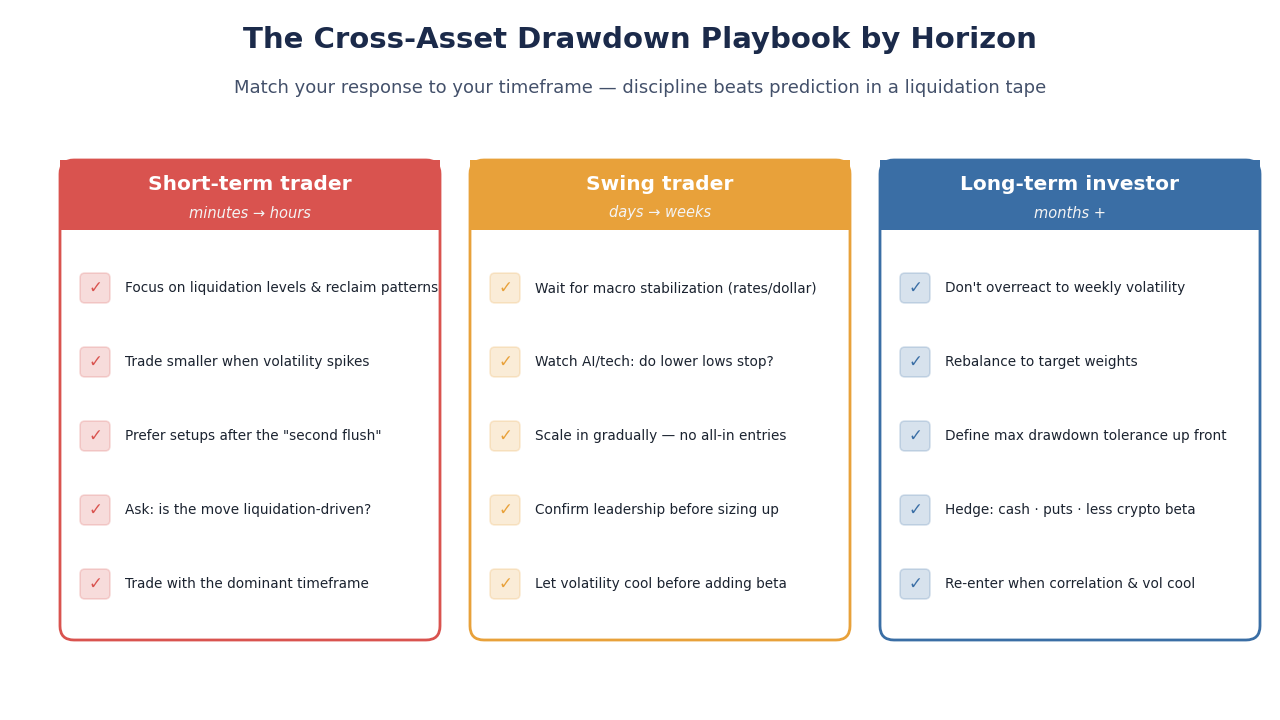
Đây là một kế hoạch phản ứng có kỷ luật mà bạn có thể in ra và theo dõi.
A) Nếu bạn là một nhà giao dịch ngắn hạn (phút đến giờ)
- Tập trung vào các mức thanh lý và các mẫu phục hồi.
- Giao dịch nhỏ hơn khi biến động tăng vọt.
- Ưu tiên các thiết lập sau "cú xả thứ hai," không phải cú xả đầu tiên.
Danh sách kiểm tra
- Di chuyển có phải do thanh lý không?
- Bạn đang giao dịch theo hoặc ngược lại với xu hướng khung thời gian chính?
DXY/lợi suất đã ổn định chưa?
B) Nếu bạn là một nhà giao dịch swing (ngày đến tuần)
- Chờ đợi sự ổn định vĩ mô (lãi suất/đô la ngừng xấu đi).
- Theo dõi sự lãnh đạo: liệu cổ phiếu AI/công nghệ có ngừng tạo đáy thấp hơn không?
- Tăng dần; tránh các lệnh vào tất cả.
C) Nếu bạn là một nhà đầu tư dài hạn (tháng+)
- Đừng phản ứng thái quá với biến động hàng tuần; thay vào đó:
- cân bằng lại,
- xác định mức độ chịu đựng giảm tối đa,
- và sử dụng tín hiệu để định thời điểm thêm vào.
- Đặt giới hạn rủi ro (ví dụ, % của danh mục đầu tư).
- Quyết định các biện pháp phòng ngừa (
tiền mặt,put spreads, ETF ngược, hoặc giảm beta crypto). - Vào lại khi tương quan và biến động trở lại bình thường.
Câu hỏi thường gặp về lý do tại sao cổ phiếu và tiền điện tử của Mỹ giảm mạnh trong tuần này
Điều gì khiến cổ phiếu và tiền điện tử giảm cùng một lúc?
Hầu hết thời gian, đó là một chế độ giảm rủi ro chung: kỳ vọng thanh khoản chặt chẽ hơn, định giá lại lãnh đạo (như AI/công nghệ), và việc giảm đòn bẩy bị ép buộc ảnh hưởng đến cả hai thị trường.
Sự giảm giá tiền điện tử chủ yếu là do yếu tố cơ bản hay thanh lý?
Trong các biến động hàng tuần mạnh, thanh lý thường khuếch đại những gì bắt đầu như bán ra vĩ mô/tâm lý. Nếu vị thế phái sinh đông đúc, sự suy giảm có thể trở nên cơ học.
Lợi suất cao hơn ảnh hưởng đến cả cổ phiếu công nghệ và bitcoin như thế nào?
Lợi suất cao hơn làm tăng tỷ lệ chiết khấu hiệu quả cho cổ phiếu tăng trưởng và thu hẹp sự thèm muốn đòn bẩy/rủi ro cho các tài sản đầu cơ. Cả hai hiệu ứng đều giảm nhu cầu ở biên.
Những chỉ báo nào tôi nên theo dõi trước tiên trong một đợt bán tháo đa tài sản?
Bắt đầu với US10Y và DXY, sau đó là chiều rộng lãnh đạo AI/công nghệ, sau đó là tài trợ tiền điện tử/lợi ích mở/thanh lý. Nếu tất cả đều chỉ ra giảm rủi ro, ưu tiên phòng thủ.
Cách tốt nhất để phòng ngừa khi cổ phiếu và tiền điện tử giảm cùng nhau là gì?
Các biện pháp phòng ngừa phụ thuộc vào thời gian, nhưng các phương pháp phổ biến bao gồm giảm mức độ tiếp xúc, thêm tiền mặt, sử dụng tùy chọn chỉ số hoặc phòng ngừa beta thông qua các công cụ tương quan—sau đó quay lại khi sự biến động giảm.
Kết luận
Vậy, tại sao cổ phiếu Mỹ và tiền điện tử lại giảm mạnh trong tuần này là do một tập hợp các lực lượng: việc định giá lại AI/công nghệ, việc định giá lại chính sách và thanh khoản, việc giảm đòn bẩy do sự biến động, và các bộ tăng tốc thanh lý tích hợp của tiền điện tử—cộng với sự không chắc chắn địa chính trị đã củng cố sự aversion rủi ro.
Tin tốt là bạn có thể chuẩn bị cho lần tiếp theo. Xây dựng một danh sách kiểm tra tài sản chéo có thể lặp lại, theo dõi tỷ lệ/đô la + lãnh đạo + áp lực thanh lý, và để SimianX AI thống nhất những tín hiệu đó thành một quy trình quyết định có thể giải thích. Bắt đầu tại đây: SimianX AI
8. Định lượng sự bán tháo: dữ liệu nói gì (ngoài các câu chuyện)
Các câu chuyện giải thích tại sao thị trường giảm cùng nhau, nhưng dữ liệu cho chúng ta biết khi nào rủi ro trở thành hệ thống. Một trong những khía cạnh bị bỏ qua nhiều nhất của sự giảm giá trong tuần qua là cách các tương quan tài sản chéo và các chế độ biến động đã thay đổi trước khi giá hoàn toàn sụp đổ.
8.1 Sự nén tương quan như một tín hiệu cảnh báo sớm
Trong điều kiện bình thường, các tương quan giữa cổ phiếu Mỹ và tiền điện tử dao động rất rộng. Tuy nhiên, trong các chế độ căng thẳng, tương quan có xu hướng nén lên, thường đạt gần 0.7–0.9 trong các khoảng thời gian ngắn và trung bình.
Thực nghiệm cho thấy, ba tín hiệu thường xuất hiện trước những đợt tăng tương quan này:
- Sự biến động thực tế tăng lên trong cổ phiếu, đặc biệt là trong các chỉ số nặng về tăng trưởng.
- Sự mạnh mẽ liên tục của đô la kết hợp với lợi suất ổn định hoặc tăng.
- Sự mở rộng lãi suất mở của các hợp đồng phái sinh tiền điện tử trong xu hướng giảm giá.
Khi những điều kiện này đồng bộ, thị trường bước vào cái mà có thể được mô tả là một sổ rủi ro toàn cầu duy nhất—nơi mà các ranh giới giữa các loại tài sản tạm thời biến mất.
8.2 Biến động như là động lực ẩn của việc bán tháo
Giảm giá một mình hiếm khi gây ra việc bán tháo dây chuyền. Biến động thì có.
Nhiều chiến lược thể chế—nhắm đến biến động, cân bằng rủi ro, hệ thống xu hướng CTA—định cỡ vị trí dựa trên ước lượng biến động trước. Khi biến động thực tế tăng nhanh hơn mô hình có thể điều chỉnh, những chiến lược này buộc phải giảm mức độ tiếp xúc một cách cơ học.
Điều này tạo ra một vòng lặp phản hồi:
- Biến động tăng → mức độ tiếp xúc bị cắt giảm
- Mức độ tiếp xúc bị cắt giảm → giá giảm thêm
- Giá giảm → biến động lại tăng
Thị trường tiền điện tử, với giao dịch 24/7 và đòn bẩy được nhúng ở cấp độ bán lẻ, đơn giản là thể hiện vòng lặp này nhanh hơn so với cổ phiếu.
9. Những tương đồng lịch sử: khi cổ phiếu và tiền điện tử giảm cùng nhau trước đây
Sự giảm giá trong tuần này không phải là chưa từng có. Những đợt bán tháo tài sản chéo tương tự đã xảy ra trong các chế độ trước đây khi kỳ vọng thanh khoản đột ngột thay đổi.
9.1 Tháng 3 năm 2020: cú sốc thanh khoản chi phối các yếu tố cơ bản
Vào đầu năm 2020, cổ phiếu và tiền điện tử sụp đổ đồng thời—không phải vì các yếu tố cơ bản của chúng đột nhiên phù hợp, mà vì thanh khoản đô la biến mất. Ngay cả những tài sản được tiếp thị là “không tương quan” cũng đã bị bán để thu hồi tiền mặt.
Bài học: trong các sự kiện rủi ro cực đoan, hệ thống phân cấp thanh khoản quan trọng hơn câu chuyện.
9.2 Chu kỳ thắt chặt năm 2022: thời gian và đòn bẩy giảm
Trong chu kỳ thắt chặt năm 2022, cổ phiếu công nghệ dài hạn và các vị trí tiền điện tử có đòn bẩy cao đều chịu thiệt hại khi lợi suất thực tế tăng mạnh.
Điều quan trọng nhất không phải là tỷ lệ tuyệt đối, mà là tốc độ định giá lại. Những thay đổi nhanh chóng trong kỳ vọng chính sách thường gây ra nhiều thiệt hại hơn so với việc thắt chặt dần dần.
9.3 Điều gì làm cho năm 2026 khác biệt
Môi trường hiện tại khác biệt ở một điểm quan trọng:
Tập trung vốn do AI điều khiển.
Vốn đã được tập trung mạnh mẽ vào:
- Vi mạch và cơ sở hạ tầng AI,
- Các nền tảng phần mềm gần gũi với AI,
- Tài sản kỹ thuật số có beta cao phù hợp với các câu chuyện “công nghệ tương lai”.
Khi lãnh đạo hẹp như vậy, các mối tương quan tiêu cực tăng lên đáng kể khi sự tự tin bị phá vỡ.
10. Phân tích kịch bản: điều gì sẽ xảy ra tiếp theo?
Thay vì hỏi liệu các thị trường “có phục hồi không,” một câu hỏi tốt hơn là chúng ta đang chuyển sang chế độ nào. Ba kịch bản chiếm ưu thế trong triển vọng phía trước.
Kịch bản A: Chuẩn hóa biến động, phục hồi nông (trường hợp cơ sở)
- Lợi suất ổn định.
- Đồng đô la ngừng tăng cường.
- AI/công nghệ ngừng tạo đáy thấp hơn, nhưng không dẫn đầu ngay lập tức.
Trong kịch bản này, cả cổ phiếu và tiền điện tử đều củng cố, biến động giảm bớt, và việc chấp nhận rủi ro có chọn lọc tiếp tục. Các mối tương quan dần dần giảm.
Kịch bản B: Cú sốc thắt chặt thanh khoản (đuôi giảm)
- Kỳ vọng chính sách chuyển sang hướng diều hâu hơn.
- Điều kiện tài chính thắt chặt đột ngột.
- Chênh lệch tín dụng mở rộng.
Tại đây, tiền điện tử có khả năng kém hiệu quả hơn cổ phiếu do tác động đòn bẩy, trong khi sự giảm giá của cổ phiếu trở nên phụ thuộc nhiều hơn vào chỉ số thay vì theo ngành.
Kịch bản C: Tái lạm phát rủi ro thông qua sự rõ ràng chính sách (đảo ngược tăng giá)
- Hướng dẫn rõ ràng khôi phục sự tự tin vào con đường chính sách.
- Biến động sụp đổ.
- Lãnh đạo khẳng định lại chính mình.
Đây là kịch bản ngắn hạn ít có khả năng xảy ra nhất nhưng sẽ tạo ra những cú phục hồi mạnh mẽ ở các tài sản có beta cao, bị bán quá mức.
11. Biến thông tin thành hành động với SimianX AI
Hiểu lý do tại sao các thị trường giảm là chỉ một nửa vấn đề. Lợi thế thực sự nằm ở cấu trúc quyết định trong điều kiện không chắc chắn.
11.1 Từ giải thích đến thực hiện
SimianX AI cầu nối khoảng cách này bằng cách:
- Theo dõi các tín hiệu vĩ mô (lãi suất, đô la, kỳ vọng chính sách),
- Theo dõi sự sụp đổ lãnh đạo theo ngành và tài sản,
- Phát hiện các động thái do thanh lý so với sự thay đổi xu hướng cấu trúc,
- Tổng hợp những điều này thành hướng dẫn giao dịch theo khung thời gian cụ thể.
Thay vì phản ứng cảm xúc với các tiêu đề, các nhà giao dịch có thể định hình quyết định xung quanh phân loại chế độ:
Đây có phải là một sự kiện biến động, một sự phá vỡ xu hướng, hay một cú sốc thanh khoản?
11.2 Xác nhận đa khung thời gian trong các thị trường căng thẳng
Một trong những sai lầm phổ biến nhất trong các đợt bán tháo có tương quan là giao dịch ngược lại với khung thời gian chi phối.
Ví dụ:
- Một cú bật lên trên biểu đồ 5 phút không có nhiều ý nghĩa nếu cấu trúc 4 giờ vẫn bị phá vỡ.
- Các đợt tăng giá do thanh lý thường đảo chiều nhanh chóng—nhưng chỉ sau khi lãi mở được thiết lập lại.
Phân tích đa khung thời gian của SimianX giúp phân biệt giữa:
- sự hồi phục trung hạn ngắn hạn,
- sự tiếp diễn xu hướng cấu trúc,
- và các đợt phục hồi giả do việc đóng vị thế ngắn.
11.3 Quản lý rủi ro như một tín hiệu hàng đầu
Trong các chế độ rủi ro thấp, không giao dịch có thể là một quyết định hợp lệ.
SimianX nhấn mạnh:
- Kích thước vị thế linh hoạt,
- Sự tiếp xúc điều chỉnh theo độ biến động,
- Các cấp độ rủi ro rõ ràng hơn là các đầu ra mua/bán nhị phân.
Điều này chuyển đổi tư duy của nhà giao dịch từ “dự đoán hướng đi” sang quản lý rủi ro trong khi chờ đợi sự bất đối xứng.
12. Bài học chiến lược từ đợt giảm giá của tuần này
Một số bài học lâu dài xuất hiện từ tuần trước:
- Sự tương quan phụ thuộc vào chế độ, không phải là hằng số.
- Tính thanh khoản và độ biến động chi phối các yếu tố cơ bản trong các thị trường căng thẳng.
- Cấu trúc của crypto khuếch đại các động thái—nó không tạo ra chúng.
- Sự tập trung cổ phiếu do AI dẫn dắt làm tăng rủi ro hệ thống trong các sự kiện định giá lại.
- Phòng thủ tốt nhất không phải là giao dịch nhanh hơn, mà là nhận thức tốt hơn về chế độ.
Kết luận mở rộng
Lý do các cổ phiếu và tiền điện tử của Mỹ giảm mạnh cùng nhau trong tuần này không phải là một chất xúc tác đơn lẻ, mà là sự hội tụ của các lực lượng: sự mong manh trong định giá do AI, kỳ vọng thanh khoản đang thay đổi, việc giảm đòn bẩy do độ biến động, và động lực thanh lý cơ học của crypto.
Các sự kiện này có khả năng sẽ trở nên phổ biến hơn, không ít hơn, khi các thị trường toàn cầu ngày càng liên kết chặt chẽ hơn và vốn tập trung vào ít giao dịch theo chủ đề hơn.
Đối với các nhà giao dịch và nhà đầu tư, thách thức không chỉ là dự đoán lợi nhuận - mà là điều hướng các chế độ. Các công cụ như SimianX AI quan trọng chính vì chúng tích hợp vĩ mô, cấu trúc, tâm lý và thực thi vào một khung quyết định nhất quán.
Trong một môi trường mà các thị trường có thể di chuyển cùng nhau nhanh hơn so với các câu chuyện có thể theo kịp, sự rõ ràng trở thành lợi thế tối thượng.
Đọc Thêm
- S&P 500 lên 7000: Tín hiệu Momentum, Thanh khoản & Định giá
- Kỳ vọng Cắt Lãi suất Fed 2026: Bản đồ Pricing Thị trường
- Bitcoin Sụp đổ Tháng 2/2026: $60K Đã Là Đáy Thật Chưa?
- Theo dõi Sụt giảm Wall Street: Cảnh báo 10% & Đuôi 40%
- Bảng điều khiển Rủi ro Cổ phiếu Mỹ: Tín hiệu AI Breadth
- S&P 500 Radar Rủi ro: Tín hiệu AI Breadth & Revisions
Nguồn tham khảo
- CBOE — Chỉ số Biến động VIX
- Investopedia — Lây lan tài chính
- CoinGecko — Dữ liệu thị trường crypto
- Investopedia — Lợi suất Trái phiếu Kho bạc 10 năm
- Investopedia — Chỉ số Đô la Mỹ (DXY)
- Investopedia — Cân bằng Rủi ro (Risk Parity)
- Investopedia — Thanh lý
- Binance Academy — Hợp đồng Tương lai Vĩnh cửu
- Wikipedia — Sự sụp đổ Thị trường Chứng khoán 2020